Modern Standard Arabic (MSA), known in Arabic as الفصحى المعاصرة (Al-Fuṣḥā Al-Muʿāṣira), is the standardized formal Arabic used in media, education, literature, and official communication across all 22 Arab League countries. It evolved from Classical Arabic — the language of the Quran — and was standardized during the 19th-century Arab Renaissance. MSA is written and broadcast, not spoken in daily conversation. It shares the same 28-letter alphabet with all other Arabic forms and is universally understood by educated Arabic speakers worldwide.
Key Takeaway Table:
| Question | Answer |
|---|---|
| What is MSA? | Standardized formal Arabic used in media, education, and official contexts |
| Is MSA the same as Fusha? | MSA is a form of Fusha; Fusha includes both MSA and Classical Arabic |
| Is MSA the same as Quranic Arabic? | No — they share grammar but differ in vocabulary, style, and era |
| Is MSA spoken daily? | No — spoken dialects are used conversationally; MSA in formal settings |
| Who understands MSA? | All formally educated Arabic speakers across 22 Arab countries |
| When was MSA standardized? | 19th century, during the Arab Renaissance (Al-Nahda) |
| How many letters in the MSA alphabet? | 28 letters, each with up to 4 positional forms |
| What does MSA stand for? | Modern Standard Arabic |
If you are reading this, you might have heard about different forms of the Arabic language, and it can be confusing, right? One of these forms is called Modern Standard Arabic or MSA. But what is it? Why is it important? And should you learn it? Let me help you understand.
What Is Modern Standard Arabic (MSA)? Definition, History, and Purpose
Modern Standard Arabic, or MSA (in Arabic: الفصحى المعاصرة, pronounced “al-Fuṣḥa al-Muʿāṣirah”), is the form of Arabic used in books, newspapers, official documents, TV news, and speeches. It is the standardized and literary version of Arabic. Think of MSA as the “formal” version of Arabic that you see and hear in education, media, and formal settings.
MSA is based on classical Arabic, the language of the Quran and early Islamic literature, but it has evolved to meet modern needs. So, when you learn MSA, you are not just learning a language—you are connecting to centuries of history, culture, and religion.
When Was Modern Standard Arabic Created?
MSA was not created at a single date but emerged over several decades during the 19th-century Arab Renaissance (النهضة — Al-Nahda) — a period of profound cultural, intellectual, and political revival across the Arab world.
Timeline of MSA Development
| Period | Development |
|---|---|
| Pre-19th century | Classical Arabic served as the formal written standard; significant regional variation existed in written Arabic across different areas |
| Early 1800s | Printing presses arrived in the Arab world (Bulaq Press in Egypt, 1820); newspapers and journals required a consistent, widely readable formal Arabic |
| Mid-19th century | Arab scholars including Ahmad Faris al-Shidyaq, Rifa’a al-Tahtawi, and Butrus al-Bustani standardized modern formal Arabic vocabulary and style; Arabic academies began publishing dictionaries and grammar references |
| Late 19th – early 20th century | Pan-Arab nationalist movements embraced a shared formal Arabic as a symbol of unified Arab identity; Arabic literary movements flourished |
| 1945 | The Arab League established Arabic as its official language, using what we now call MSA as the standard for inter-Arab formal communication |
| 1950s–60s | Arabic radio and television broadcasting standardized MSA pronunciation and usage across vast audiences for the first time |
| 1996 | Al Jazeera’s founding became the most powerful modern force in cementing MSA as the pan-Arab broadcast standard |
Why Was Standardization Necessary?
By the 19th century, Arabic dialects had diverged so dramatically across the Arab world that written communication between regions required a shared formal standard. Spoken Moroccan Arabic and spoken Iraqi Arabic are — in practice — mutually unintelligible. A standardized written and broadcast Arabic allowed educated Arabs from all regions to communicate, publish, and broadcast to a unified audience.
What Does MSA Stand For? (And What Does MSA Mean in Texting?)
MSA = Modern Standard Arabic in all language learning, academic, and linguistic contexts.
You will encounter this abbreviation in:
- Language learning apps, forums, and platforms (“Duolingo teaches MSA”)
- Academic linguistics papers and university Arabic departments
- Language teacher discussions about which Arabic to teach
- App store descriptions and online course titles
What Does MSA Mean in Chat or Texting?
In general English texting and internet slang, “MSA” has no standard informal meaning — unlike acronyms such as LOL, BRB, or TBH. If someone sends you “MSA” in a message and you’re in an Arabic language learning context, they mean Modern Standard Arabic. Outside that context, clarify what they mean.
In Arabic-language online discussions, educated Arab users may write الفصحى (Al-Fusha) or العربية الفصحى to signal they are writing formally rather than in dialect — this is the Arabic equivalent of “MSA.”
Other Meanings of “MSA” (Unrelated to Arabic)
| Acronym | Field | Meaning |
|---|---|---|
| MSA | Medicine | Multiple System Atrophy (a neurological disease) |
| MSA | Campus life | Muslim Student Association |
| MSA | US geography | Metropolitan Statistical Area |
| MSA | Aviation | Minimum Safe Altitude |
In any Arabic language context, MSA = Modern Standard Arabic without exception.
Modern Standard Arabic Characteristics: What Makes MSA Distinctive
MSA has specific linguistic features that distinguish it from both Classical Arabic (its ancestor) and spoken dialects (its descendants):
1. Retained Case System (الإعراب — I’rab)
MSA maintains Arabic’s three grammatical cases — nominative (Raf’ — ُ), accusative (Nasb — َ), and genitive (Jarr — ِ) — marked by case endings. Most spoken dialects have abandoned case endings in everyday speech, making I’rab a distinctly formal feature.
Example:
- Subject (nominative): الطَّالِبُ (al-talibu — the student is doing the action)
- Object (accusative): الطَّالِبَ (al-taliba — the student receives the action)
- Possessive (genitive): الطَّالِبِ (al-talibi — of the student)
2. Consistent Grammatical Dual (المثنى — Al-Muthanna)
MSA consistently uses the dual form for exactly two of anything:
- كِتَابٌ (one book) → كِتَابَانِ (two books) → كُتُبٌ (three or more books)
Most dialects simplify or drop the dual in daily speech.
3. Verb-Subject-Object Word Order Option
MSA commonly uses Verb-Subject-Object (VSO) order — putting the verb first — unlike English’s Subject-Verb-Object pattern:
- English: “The student read the book”
- MSA verbal sentence: قَرَأَ الطَّالِبُ الكِتَابَ (Read — the student — the book)
4. Standardized Pan-Arab Vocabulary
Unlike dialects which vary dramatically by region, MSA vocabulary is consistent. A text written in MSA is grammatically and lexically identical whether produced in Cairo, Baghdad, or Rabat.
5. Modern Vocabulary Integration
Unlike Classical Arabic, MSA has created or borrowed terms for modern concepts:
| Concept | MSA Term | Formation |
|---|---|---|
| Computer | حَاسُوب (Hasub) | From Arabic root ح-س-ب (to calculate) |
| Television | تِلْفَزْيُون (Tilfiziyun) | Arabized from Greek/Latin |
| Internet | إِنْتَرْنِت (Internet) | Arabized directly |
| Telephone | هَاتِف (Hatif) | From Arabic root ه-ت-ف (to call out) |
6. Simplified Classical Grammar
While MSA retains Classical Arabic’s grammatical structure, it has simplified several features:
- Fewer complex verb forms (passive voice uses “to be” construction rather than dedicated morphological forms)
- Less frequent use of the full dual pronoun system
- Shorter, more direct sentences compared to Classical Arabic’s elaborate rhetorical constructions
| Feature | Classical Arabic | MSA | Spoken Dialects |
|---|---|---|---|
| Case endings (I’rab) | Full system, always marked | Full system, used in broadcast | Largely absent |
| Dual form | Extensively used | Consistently used | Simplified or absent |
| Passive voice | Dedicated verb form | “To be” + participle | Varies by dialect |
| Sentence length | Long, complex | Shorter, direct | Shortest, most direct |
| Vocabulary | Ancient, archaic terms | Modern + classical | Regional slang |
Master Arabic with Kalimah Center
Join our expert-led online classes and start your journey toward Arabic fluency today.
Book Your Free TrialThe MSA Alphabet: 28 Letters, 4 Positional Forms Each
The Modern Standard Arabic alphabet consists of 28 letters. It is the same alphabet used in Classical Arabic, Quranic Arabic, and all Arabic dialects — the alphabet does not change between Arabic varieties.
Three defining characteristics of the MSA alphabet:
- Written right to left — the opposite direction of English and European scripts
- Letters connect — most letters join to their neighbors within words, creating flowing script
- Each letter has up to 4 forms — the same letter looks different depending on whether it appears alone, at the start, middle, or end of a word
The 4 positional forms — example with ج (Jeem):
| Position | Form | Example Word | Meaning |
|---|---|---|---|
| Isolated | ج | — | The letter alone |
| Initial (word start) | جـ | جَمَال (jamal) | Beauty |
| Medial (word middle) | ـجـ | مَجَال (majal) | Field/Domain |
| Final (word end) | ـج | بُرْج (burj) | Tower |
Read more about: Arabic Alphabet in English: All 28 Letters from A to Z, Sounds & Transliteration
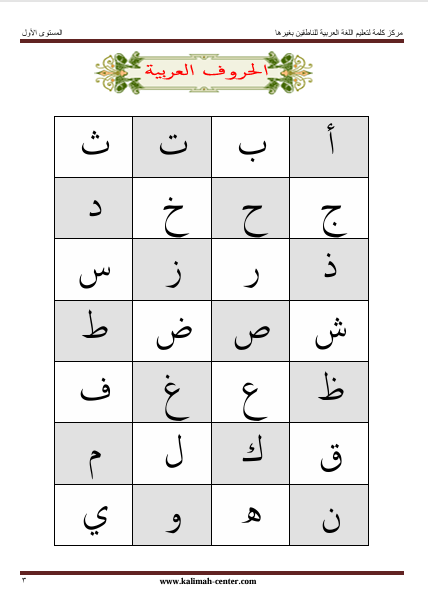
*From Kalimah’s curriculum for online Arabic Course.
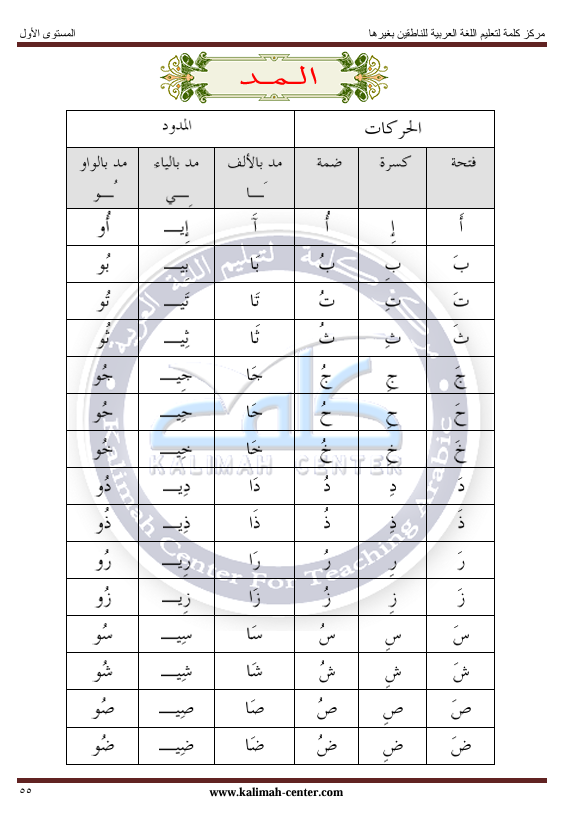
*From Kalimah’s curriculum for online Arabic Course.
Modern Standard Arabic Alphabet Chart
To make it easier, here’s a more comprehensive Modern Standard Arabic alphabet chart:
| Arabic Letter | Name | Sound | Example | Transliteration |
| أ | Alif | “a” as in “apple” | أحمد | Aḥmad |
| ب | Ba | “b” as in “bat” | بيت | bayt |
| ت | Ta | “t” as in “tea” | تفاح | tuffāḥ |
| ث | Tha | “th” as in “three” | ثلج | thalg |
| ج | Jim | “j” as in “jam” | جمال | jamāl |
| ح | Ha | “h” (a deep sound) | حسن | ḥasan |
| خ | Kha | “kh” (like the “ch” in “Bach”) | خبز | khubz |
| د | Dal | “d” as in “day” | دار | dār |
| ذ | Thal | “th” as in “the” | ذهب | thahab |
| ر | Ra | “r” (rolled) | رجل | rajul |
| ز | Zay | “z” as in “zoo” | زهرة | zahrah |
| س | Seen | “s” as in “sea” | سمك | samak |
| ش | Sheen | “sh” as in “sheep” | شمس | shams |
| ص | Sad | “s” (emphatic) | صبر | ṣabr |
| ض | Dad | “d” (emphatic) | ضوء | ḍaw’ |
| ط | Ta | “t” (emphatic) | طاولة | ṭāwilah |
| ظ | Tha | “th” (emphatic) | ظرف | ẓarf |
| ع | `Ain | “a” (like a catch in the throat) | عين | `ayn |
| غ | Ghain | “gh” (a gargling sound) | غزال | ghazāl |
| ف | Fa | “f” as in “fan” | فنجان | finjān |
| ق | Qaf | “q” (a deeper “k” sound) | قلب | qalb |
| ك | Kaf | “k” as in “kite” | كتاب | kitāb |
| ل | Lam | “l” as in “lamp” | ليمون | laymūn |
| م | Meem | “m” as in “man” | مدرسة | madrasah |
| ن | Noon | “n” as in “nose” | نهر | nahr |
| ه | Ha | “h” as in “hat” | هواء | hawā’ |
| و | Waw | “w” as in “water” or “oo” as in “boot” | وردة | wardah |
| ي | Ya | “y” as in “yellow” or “ee” as in “feet” | يد | yad |
These are just a few letters to start with, but they set the foundation. Each letter is like a piece of a beautiful mosaic that forms the Arabic language.
Exercise:
Here is a playlist from the Kalimah Center Youtube channel to learn how to write each letter.
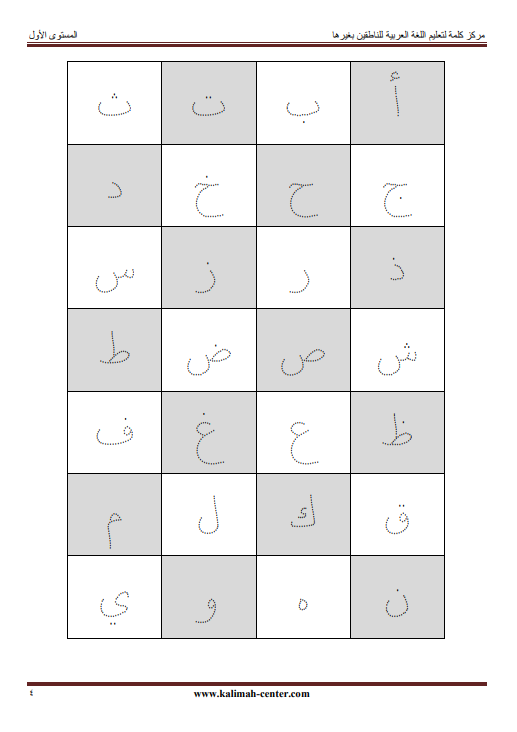
Then you can use Kalimah Center’s tracing paper to practice writing each letter accurately.

Experience Kalimah Center Classes
Watch real excerpts from our live sessions at Kalimah Center and see how we bring learning to life. These clips highlight our interactive, student-centered teaching approach across all our courses—designed to keep learners engaged, motivated, and actively involved every step of the way.
Master Arabic with Kalimah Center
Join our expert-led online classes and start your journey toward Arabic fluency today.
Book Your Free TrialBooks and Textbooks for Learning Modern Standard Arabic
Here are some highly recommended books and textbooks for learning Modern Standard Arabic (MSA), catering to various learning styles and levels:
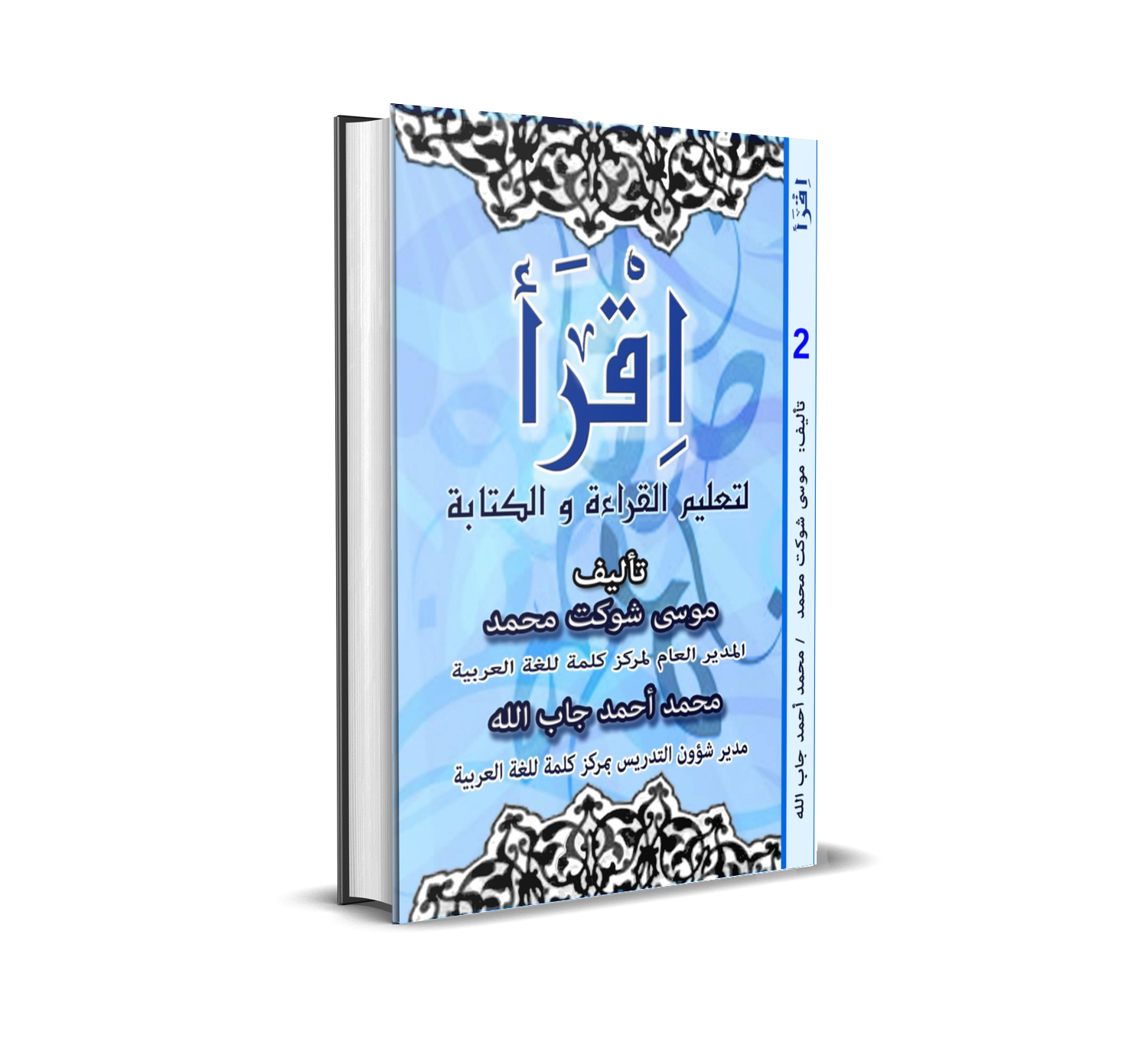
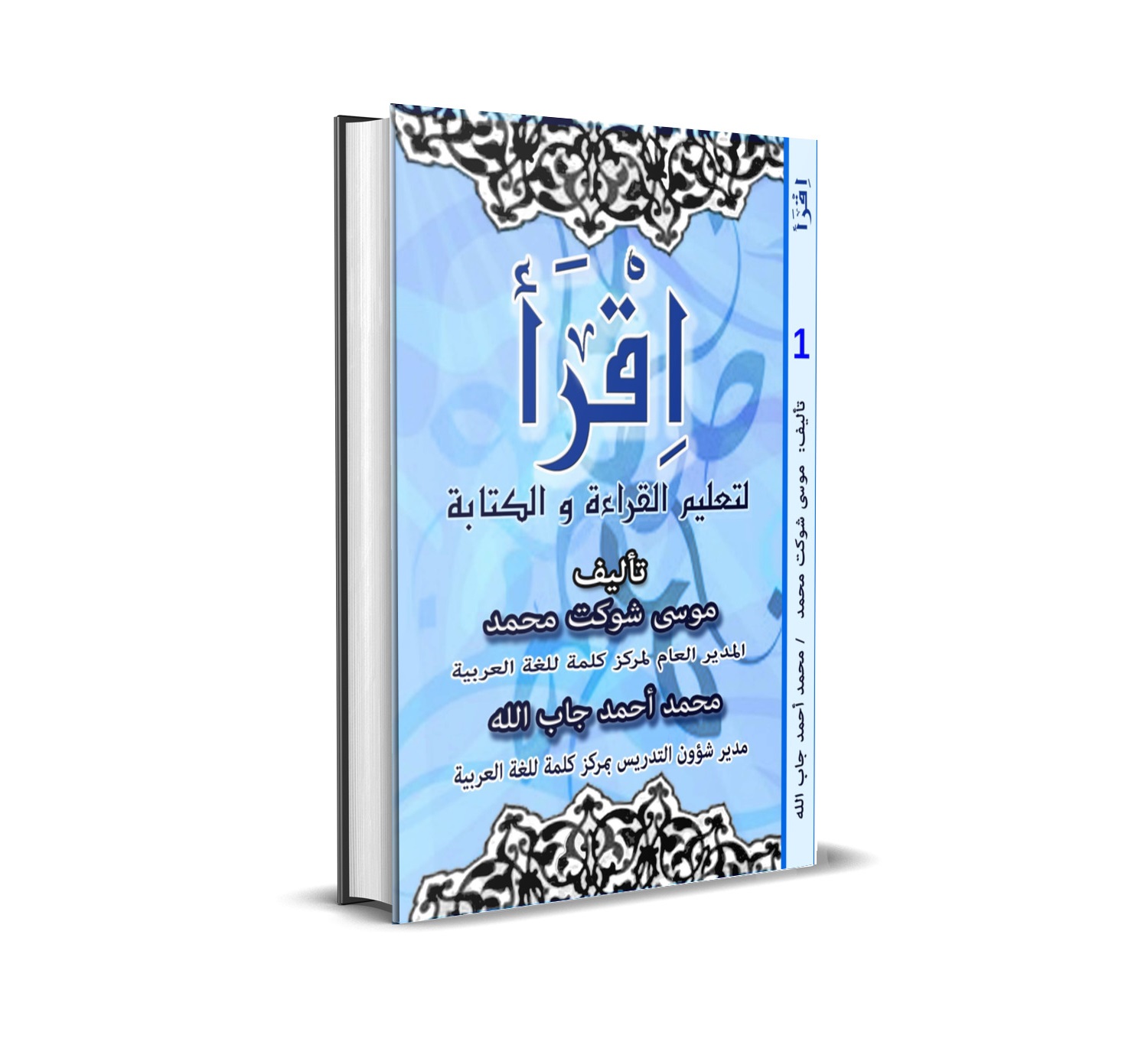
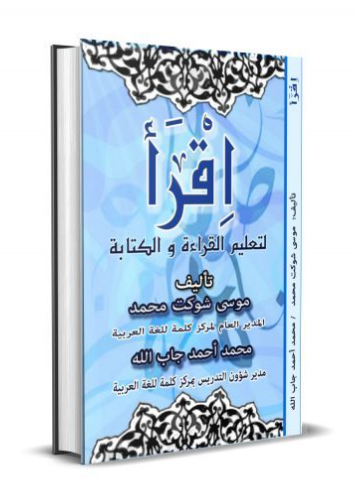
1. Iqraa’
Iqraa’ is very good for learning the Arabic letters (الحروف), the short vowel marks (التشكيل), and the long vowels (المدود). It’s like a first step for beginners.
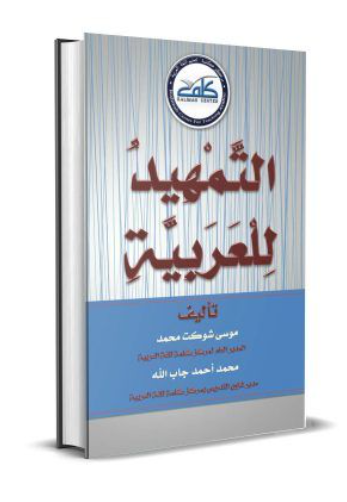
2. Al-Tamheed
Al-Tamheed helps you start to build sentences and understand basic grammar. It’s good after you learn the alphabet and want to start reading and writing a little bit.
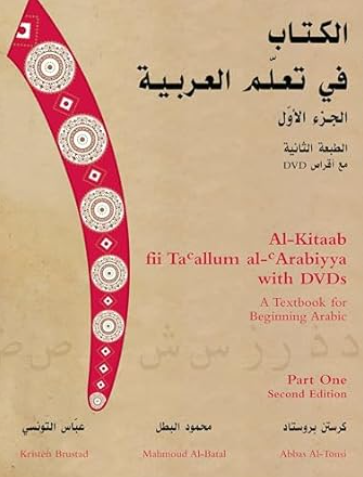
3. Al-Kitaab fii Ta’allum al-‘Arabiyya
A comprehensive series widely used in universities and language schools. It covers all aspects of MSA, including grammar, vocabulary, reading, and writing.
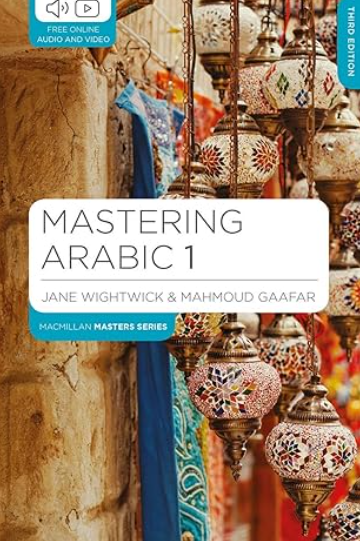
4. Mastering Arabic
A self-study course for beginners and intermediate learners. It focuses on practical communication skills, with a clear and engaging approach.
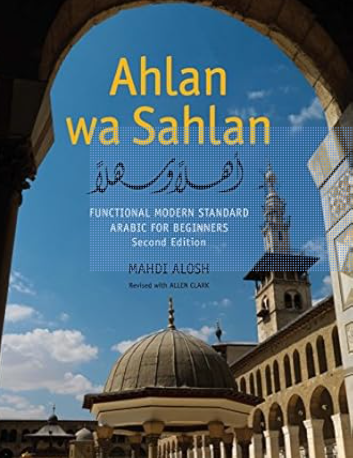
5. Ahlan wa Sahlan
A popular beginner-level textbook that emphasizes conversation and everyday vocabulary. It’s known for its clear explanations and cultural insights.
Read Also About: Fusha Arabic
Is Modern Standard Arabic Spoken? (And Is It Anyone’s Native Language?)
Yes Modern Standard Arabic is spoken. However, it is not usually spoken in day-to-day conversations; it’s more like the formal dress you wear on special occasions.
For everyday communication, Arabs use their local dialects, like Egyptian, Levantine, or Gulf Arabic.
However, MSA is still incredibly useful because it is the language of the media, literature, and education. If you watch the news or read books, you will hear and see MSA.
Is Modern Standard Arabic Useful? 7 Key Benefits of Learning MSA
Absolutely — and in ways that extend well beyond language learning:
1. Universal Access Across the Arab World
MSA is the only Arabic form understood by educated speakers from Morocco to Iraq. One investment in MSA gives you communicative reach across 22 countries and 400+ million people.
2. The Key to Quranic Understanding
MSA shares the grammatical structure and most vocabulary with Quranic Arabic. Learning MSA with classical grammar focus is the most direct path to understanding the Quran in its original language.
3. Arabic Media and Information Access
Every Arabic newspaper, academic journal, Al Jazeera broadcast, and formal documentary is in MSA. MSA literacy unlocks the entire formal information ecosystem of the Arab world.
4. Career Advantages
MSA proficiency is valued in: translation and interpretation, international journalism, diplomacy and international relations, Middle East business and finance, academic research in Arabic studies, Islamic scholarship and education.
5. Foundation for All Dialects
The grammar and core vocabulary of MSA transfer directly to dialect learning. Research consistently shows that learners with MSA foundations acquire dialects significantly faster than those who start with dialects.
6. Access to Arabic Heritage
Fourteen centuries of Arabic literature, poetry, science, philosophy, and scholarship are written in Classical Arabic and MSA. From the poetry of al-Mutanabbi to the novels of Naguib Mahfouz, MSA literacy opens this entire heritage.
7. The Language of 1.8 Billion Muslims
Even non-Arab Muslims worldwide study MSA for religious purposes — to understand the Quran, Hadith, and Islamic scholarship in their original Arabic form.
And if you’re ready to start this journey, Kalimah Center is the perfect place for you. Our approach is based on creating a supportive and challenging environment where students feel comfortable taking risks and making mistakes. We use a variety of teaching methods, including interactive exercises, role-playing, and real-world scenarios, to make learning fun and engaging.
But don’t just take our word for it. Listen to what our students have to say:
At Kalimah Center, we’re not just teachers; we’re your partners on your Arabic learning journey. We’re here to support you every step of the way, from your first hesitant “salaam” to fluent conversations.
Sign up for a FREE trial class of our Modern Standard Arabic course. See if Kalimah Center is right for you.
Modern Standard Arabic Numbers
Arabic numbers are used everywhere, but did you know that the Arabic numerals used in the West (0, 1, 2, 3, etc.) actually originated in the Arab world? In Arabic, numbers are written from left to right, just like in English:
| Number | Arabic | Transliteration |
| 0 | ٠ | sifr |
| 1 | ١ | wāḥid |
| 2 | ٢ | ithnān |
| 3 | ٣ | thalāthah |
| 4 | ٤ | ʾarbaʿah |
| 5 | ٥ | khamsah |
| 6 | ٦ | sittah |
| 7 | ٧ | sabʿah |
| 8 | ٨ | thamāniyah |
| 9 | ٩ | tisʿah |
| 10 | ١٠ | ʿasharah |
Most Used Modern Standard Arabic Words
When you begin learning Modern Standard Arabic (MSA), you’ll quickly encounter some words that are used frequently across various contexts. These words form the foundation of the language and are essential for basic communication. Here are a few of the most common words you’ll come across:
- سلام (Salaam): This means “peace,” but it’s often used in the greeting “السلام عليكم” (As-salamu alaykum), meaning “Peace be upon you.” It’s a common way to say hello in Arabic, especially in formal situations.
- نعم (Na’am): This is the word for “yes.” You’ll hear this often in conversations and see it in written texts.
- لا (La): This is the word for “no.” Simple, yet crucial in many situations.
- شكراً (Shukran): This means “thank you.” It’s a polite expression of gratitude that you’ll use often.
- من فضلك (Min fadlik): This means “please” and is used to make requests more polite.
- كتاب (Kitaab): The word for “book.” Since books are central to learning, this word is one of the first you’ll learn.
Most Used Modern Standard Arabic Verbs
Verbs are the action words in a language, and in MSA, some verbs are used more frequently than others. Here are a few essential verbs that you’ll encounter often:
- يذهب (Yadhhab): This verb means “to go.” For example, “أنا أذهب إلى المدرسة” (Ana adhhab ila al-madrasa) means “I go to school.”
- يأكل (Ya’kul): This means “to eat.” A sentence like “هو يأكل تفاحة” (Huwa ya’kul tufaaha) means “He eats an apple.”
- يشرب (Yashrab): This verb means “to drink.” For example, “هي تشرب ماء” (Hiya tashrab maa’) means “She drinks water.”
- يكتب (Yaktub): This means “to write.” An example sentence is “أنا أكتب رسالة” (Ana aktub risaala), meaning “I write a letter.”
- يريد (Yureed): This verb means “to want.” You can say “أنا أريد قهوة” (Ana ureed qahwa), meaning “I want coffee.”
- رأى (ra’a) – “To see”
- عمل (ʿamila) – “To work”
- قال (qaala) – “To say”
- أخذ (akhadha) – “To take”
- جاء (jaa’a) – “To come”
- فعل (faʿala) – “To do”
Mastering these verbs will significantly improve your ability to express actions and desires in MSA. They are foundational and will be used in various forms as you progress in your studies.
Most Used Modern Standard Arabic Phrases
Learning phrases is an excellent way to quickly improve your communication skills in any language. In MSA, certain phrases are commonly used in everyday interactions, making them essential for learners:
- السلام عليكم (As-salamu alaykum): This is the standard greeting, meaning “Peace be upon you.” The response to this greeting is “وعليكم السلام” (Wa alaykum as-salaam), meaning “And upon you be peace.”
- كيف حالك؟ (Kayfa haluka?): This means “How are you?” It’s a common way to inquire about someone’s well-being. The response might be “أنا بخير” (Ana bikhayr), meaning “I am fine.”
- من أين أنت؟ (Min ayna anta?): This means “Where are you from?” It’s a simple yet useful phrase when meeting someone for the first time.
- ما اسمك؟ (Ma ismuka?): This means “What is your name?” The response might be “اسمي [your name]” (Ismi [your name]), meaning “My name is [your name].”
- أنا لا أفهم (Ana la afham): This phrase means “I don’t understand.” It’s useful when you’re still getting the hang of the language.
These phrases are your key to engaging in basic conversations. They help you navigate introductions, ask questions, and express your understanding or lack thereof.
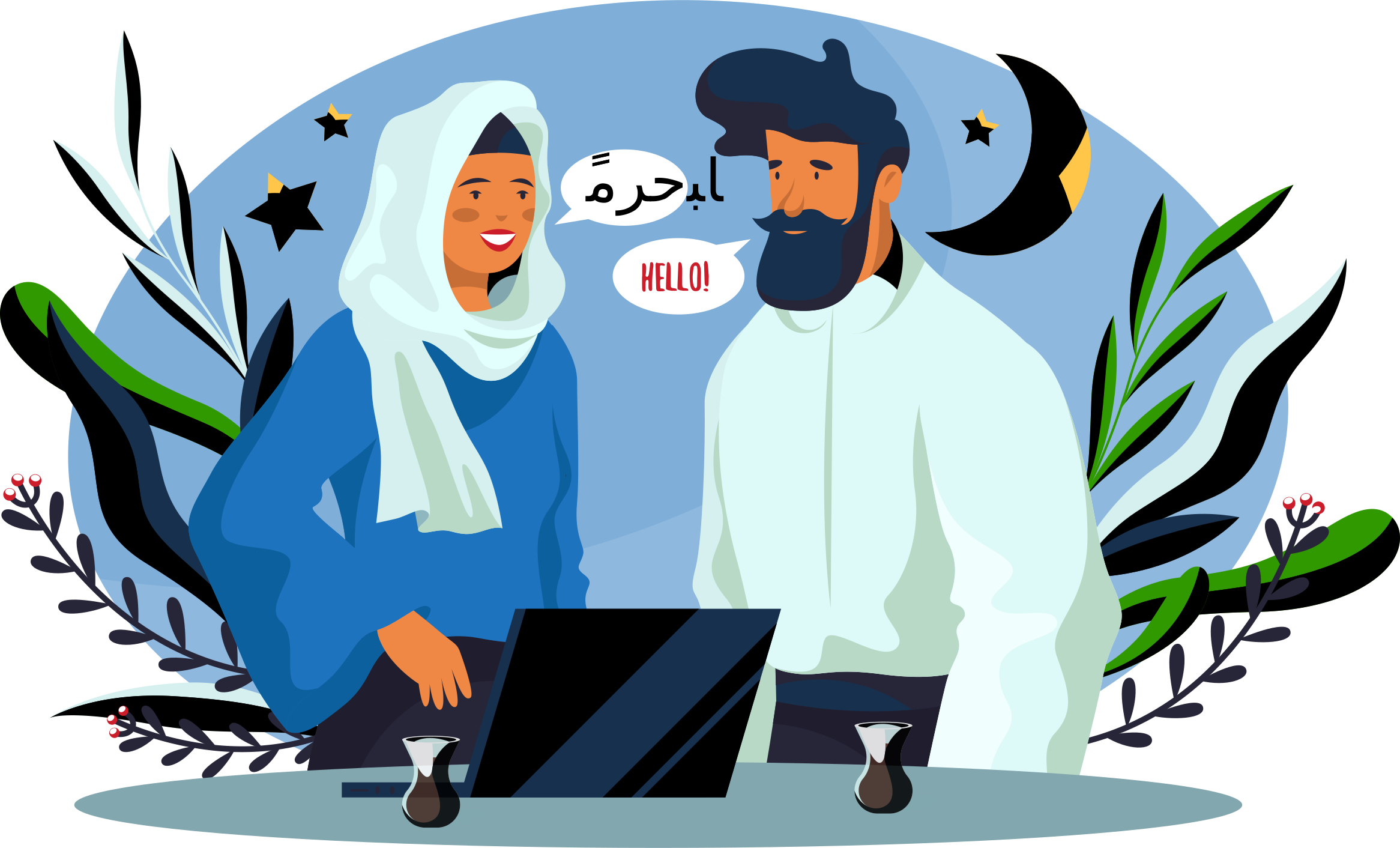
How Do You Say “Hello” in Modern Standard Arabic?
In Modern Standard Arabic, saying “hello” can be done in several ways, depending on the formality of the situation. The most common and widely recognized greeting is:
- السلام عليكم (As-salamu alaykum): This phrase means “Peace be upon you” and is used in both formal and informal settings. It’s a traditional greeting that reflects respect and goodwill. The response is always “وعليكم السلام” (Wa alaykum as-salaam), which means “And upon you be peace.”
For a more casual greeting, you might say:
- مرحبا (Marhaban): This simply means “Hello” and can be used in less formal situations. It’s a friendly and neutral greeting that’s appropriate in many contexts.
- أهلا (Ahlan): This is another way to say “hello” in a casual and friendly manner. You might hear it often in everyday conversations.
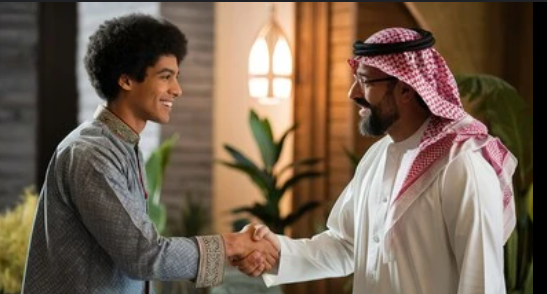
These greetings are central to Arabic-speaking culture, whether you’re meeting someone for the first time or reconnecting with an old friend. Learning how to greet others in MSA is your first step in making a good impression and showing respect for the Arabic language and culture.
Should I Learn Modern Standard Arabic? An Honest Assessment by Goal
For most Arabic learners, yes — MSA is the best starting point. It provides:
- Universal comprehension across all 22 Arab countries
- The grammatical foundation that makes every dialect faster to learn afterward
- Access to the Quran, Arabic media, literature, and academic resources
- The only form of Arabic with extensive structured learning materials
The main exception: if your goal is exclusively casual conversation in one specific country (e.g., only wanting to speak with Moroccan friends in Darija), a dialect-first approach may be more efficient.
For a complete guide to how to learn MSA — including a month-by-month roadmap, the best resources at each level, realistic timelines, and vocabulary to learn first — see our dedicated learning guide: → [How to Learn Modern Standard Arabic: Complete Beginner’s Guide]
Master Arabic with Kalimah Center
Join our expert-led online classes and start your journey toward Arabic fluency today.
Book Your Free TrialWhat Countries Speak Modern Standard Arabic?
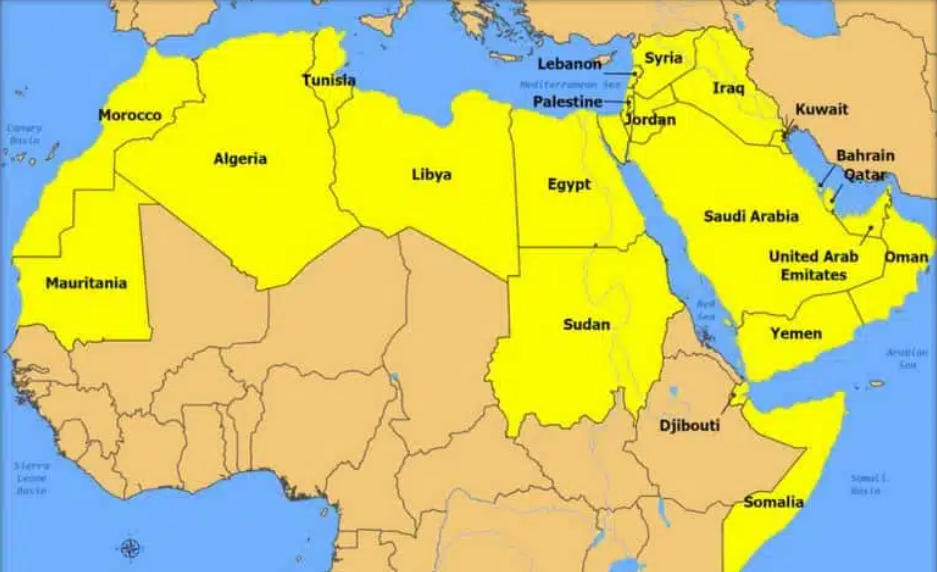
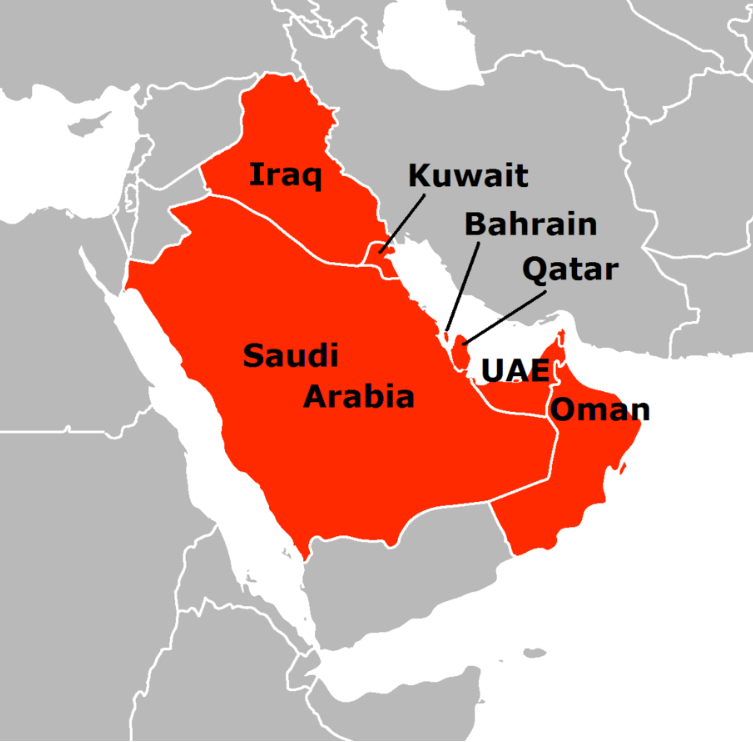
Modern Standard Arabic is the official or co-official language of all 22 member states of the Arab League — spanning three continents from the Atlantic coast of Morocco to the Arabian Gulf.
Complete Country List by Region
| Region | Countries | Population (approx.) |
|---|---|---|
| Levant | Syria, Lebanon, Jordan, Palestine | ~25 million |
| Gulf | Saudi Arabia, UAE, Kuwait, Qatar, Bahrain, Oman | ~55 million |
| North Africa | Morocco, Algeria, Tunisia, Libya, Egypt | ~210 million |
| East Africa / Horn | Sudan, Somalia, Djibouti, Comoros, Mauritania | ~55 million |
| Other | Iraq, Yemen | ~55 million |
Total: 22 countries, approximately 400 million people with MSA as an official language — making Arabic the 5th most spoken language globally by native speaker count.
What “Official Language” Means in Practice
MSA being the official language of these countries does not mean people speak it in daily conversation. Each country has its own spoken dialect used at home, in markets, and in casual settings. MSA is the language of:
| Context | MSA Used? |
|---|---|
| School and university instruction | ✅ Always |
| Newspapers and books | ✅ Always |
| TV news broadcasts (Al Jazeera, BBC Arabic) | ✅ Always |
| Government documents and laws | ✅ Always |
| Formal speeches and presentations | ✅ Always |
| Casual conversation, markets, home | ❌ Dialects used instead |
Beyond the Arab World
MSA is also studied formally in:
- Muslim-majority countries where it’s needed for religious literacy: Indonesia, Pakistan, Malaysia, Nigeria, Turkey, Iran
- Western universities as the primary entry point to Arabic language study
- International organizations: the United Nations recognizes Arabic (MSA) as one of its six official languages
Who Speaks Modern Standard Arabic?
MSA is used as a formal register by several distinct groups:
1. All formally educated Arabs
Any Arab who has attended school has learned MSA — it is the medium of instruction for all subjects across all 22 Arab countries from elementary school onward. An estimated 250–300 million people have received formal MSA education.
2. Arabic-language journalists and broadcasters
Every Arabic-language news anchor, documentary narrator, and formal presenter uses MSA. Al Jazeera, BBC Arabic, Al Arabiya, and MBC all broadcast in MSA — this is why a Moroccan and an Iraqi can watch the same newscast and understand it, despite their dialects being mutually unintelligible.
3. Politicians and government officials
Formal speeches, parliamentary sessions, diplomatic communications, and official statements in Arab countries are delivered in MSA.
4. Academics and scholars
University lectures, academic papers, Islamic scholarship, and all Arabic-language academic publishing use MSA.
5. Islamic scholars and religious figures
Friday sermons (Khutba), fatawa (religious rulings), and scholarly religious commentary are delivered in MSA or Classical Arabic — forms closely related enough that educated Muslims understand both.
Who does NOT speak MSA natively?
No one. MSA is not anyone’s mother tongue. Every Arab speaker acquires their regional dialect at home and learns MSA as a formal register in school — similar to how English speakers learn formal written English as distinct from their everyday spoken English.
Modern Standard Arabic vs. Classical, Quranic, and Dialect Arabic: Complete Comparison
Understanding Modern Standard Arabic (MSA) becomes more insightful when we compare it to the many forms of Arabic spoken and written across the Arab world. Each variety has its own unique flavor and serves different purposes, yet they all share a deep connection to the Arabic language.
Let’s explore these differences and how MSA fits into the larger linguistic picture.
Modern Standard Arabic vs. Fusha
The term “Fusha” is often used interchangeably with Modern Standard Arabic. However, Fusha refers more broadly to any form of formal Arabic, including both MSA and classical Arabic. When people talk about “Fusha,” they may mean either the modern form used in media and education (MSA) or the classical form found in older literature and religious texts.
MSA is the contemporary form of Fusha, adapted for today’s world. It’s what you hear on the news or read in modern books, while classical Arabic (another type of Fusha) is what you find in historical or religious contexts.
Both forms are important, and understanding the distinction between them helps learners choose the right path depending on their goals—whether it’s reading the Quran, understanding Arabic literature, or communicating in the modern Arab world.
Classical Arabic vs. Modern Standard Arabic
Classical Arabic, often referred to as “اللغة العربية الفصحى” (al-lughah al-‘Arabiyyah al-Fusha), is the language of the Quran and early Islamic texts. It is the purest form of Arabic, with a rich vocabulary and complex grammar that dates back over 1,400 years.
Modern Standard Arabic is essentially a simplified version of Classical Arabic. MSA borrows much of its vocabulary and structure from Classical Arabic, but it also incorporates some new words and simplified grammar to suit contemporary needs.
For example, while classical Arabic might use complex verb forms, MSA tends to favor simpler constructions that are easier to understand and use in everyday contexts.
Quranic Arabic vs. Modern Standard Arabic
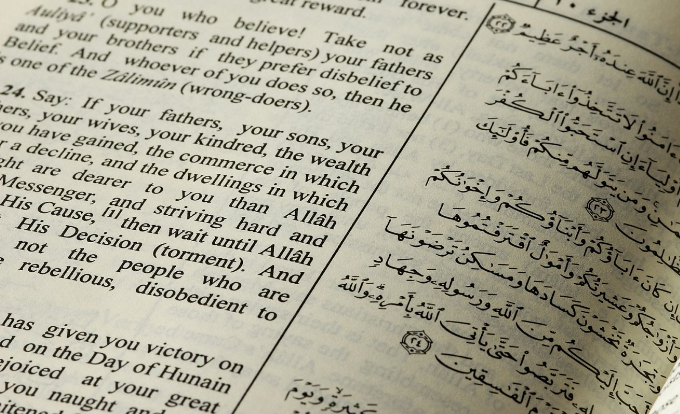
Quranic Arabic is the form of Arabic used in the Quran, Islam’s holy book. It is a type of classical Arabic with highly specific vocabulary and style. Learning Quranic Arabic is important for Muslims who wish to read and understand the Quran in its original language.
While Modern Standard Arabic shares much of its grammar and vocabulary with Quranic Arabic, there are key differences. Quranic Arabic contains many words and expressions that are not commonly used in MSA.
For example, “قسطاس” (qistas): In Quranic Arabic, it primarily refers to a “balance” or “scale” for weighing things, particularly in the context of justice and fairness. In MSA, while it can still mean “balance,” it’s less commonly used and might be replaced with more modern words like “ميزان” (meezaan).
Learning MSA is a good stepping stone to understanding Quranic Arabic because it provides the foundational grammar and vocabulary needed to tackle the complexities of the Quran.
Modern Standard Arabic vs. Dialects
The biggest distinction in Arabic is between MSA and the various local dialects. Dialects, known as “عامية” (Aamiya), are spoken forms of Arabic that vary widely from one region to another. Each country, and even different cities within a country, can have its own dialect, with variations in pronunciation, vocabulary, and grammar.
MSA, or “فصحى” (Fusha), is used in writing, formal speeches, news broadcasts, and literature. It is not typically spoken in casual settings.
For example, while an Egyptian might say “إزيك؟” (Ezzayak?) to ask “How are you?” in daily conversation, in MSA, you would say “كيف حالك؟” (Kayfa haluk?).
Learning MSA gives you a strong foundation to understand these dialects because many words and grammatical structures overlap. However, to communicate effectively in a particular region, learning the local dialect is also beneficial.
Arabic Eastern vs. Modern Standard Arabic
When people talk about “Eastern Arabic,” they often mean the dialects spoken in the Levant region, including countries like Lebanon, Syria, Jordan, and Palestine.
These dialects are known for their unique pronunciations and vocabulary, which differ from MSA.
For instance, the MSA word “ماذا” (what), becomes “شو” (shu) in Lebanese Arabic. adding a regional twist.
MSA, however, remains the standard form used in writing and formal speech throughout the Arab world, including the East. It serves as a neutral language that can bridge the gap between different dialects, especially in formal communication, literature, and media.
Gulf Arabic vs. Modern Standard Arabic
Gulf Arabic refers to the dialects spoken in countries like Saudi Arabia, the United Arab Emirates, Qatar, Bahrain, Kuwait, and Oman. These dialects have unique characteristics, influenced by Bedouin culture and neighboring languages like Persian.
Gulf Arabic has its own set of words and phrases, such as “شوي” (shway), which means “a little” or “a bit,” while MSA uses “قليلًا” (qalilan).
Unlike MSA, which is used in formal writing and media, Gulf Arabic is primarily used for everyday conversation in the Gulf region.
Modern Standard Arabic vs. Levantine Arabic
Levantine Arabic is spoken in Lebanon, Syria, Jordan, and Palestine. It is known for its melodic pronunciation and many unique expressions.
For example, in Levantine Arabic, the word for “I want” is “بدي” (biddi), whereas in MSA, it is “أريد” (ureed).
MSA is still used for formal writing and official communication in the Levant, but most people speak their local dialect in everyday life. MSA and Levantine Arabic share much of the same vocabulary, but pronunciation and some grammar points differ, making MSA a more universal choice for formal communication.
Is the Quran Written in Modern Standard Arabic?
No — the Quran is written in Classical Arabic, not Modern Standard Arabic.
This is one of the most common misconceptions among Arabic learners, and the distinction matters:
| Feature | Quranic / Classical Arabic | Modern Standard Arabic |
|---|---|---|
| Era | 7th century CE and earlier | 19th century — present |
| Grammar | Full classical grammar with all dual pronouns, complex verb forms | Simplified classical grammar |
| Vocabulary | Ancient Arabic; some words unique to the Quran | Modern vocabulary + classical core |
| Rhetorical style | Highly poetic, dense, layered meaning | Clear, accessible, journalistic |
| Who uses it | Islamic scholarship, Quranic recitation | Media, education, official contexts |
How Are They Related?
Both MSA and Quranic Arabic descend from the same ancestor: Classical Arabic. They share:
- The identical 28-letter alphabet
- The same core grammatical structure (nouns, verbs, particles; case endings; I’rab)
- Approximately 70–80% of vocabulary overlap
Can MSA Help You Understand the Quran?
Yes — significantly. A learner who masters MSA will find Quranic Arabic far more accessible than someone with no Arabic background. The grammatical rules learned in MSA (I’rab case endings, verb conjugation patterns, sentence structure) apply directly to Quranic text.
However, full Quranic comprehension additionally requires:
- Exposure to Quranic-specific vocabulary not used in MSA
- Understanding of classical rhetorical devices (علم البلاغة — Ilm al-Balagha)
- Some archaic grammatical constructions rarely encountered in modern Arabic
Recommended path for learners: MSA foundation (6–12 months) → Classical Arabic grammar study → Quranic Arabic vocabulary and rhetoric. This produces deeper, more accurate Quranic comprehension than attempting Quranic Arabic from zero.
Master Arabic with Kalimah Center
Join our expert-led online classes and start your journey toward Arabic fluency today.
Book Your Free TrialInside Kalimah Center: Moments from Our Courses
Get a glimpse into the vibrant learning experience at Kalimah Center. These snapshots capture real moments from our live classes—where students engage deeply, connect with passionate instructors, and grow in a welcoming, supportive environment.
Here Are The Reviews On Our Courses:
Our students frequently commend the excellence of our courses and the commitment shown by our instructors. You can read their complete reviews on Trustpilot.

Ready to Master Modern Standard Arabic (MSA)? Kalimah Center Makes It Happen!
You’re learning about MSA, which is great! But to truly understand and speak it, you need more than just information. You need practice, guidance, and a supportive learning environment. That’s where Kalimah Center comes in.
Our Online Arabic Courses are perfect for you:
- We teach MSA from the beginning: Start with our Arabic Alphabet course and build a strong foundation.
- We focus on all skills: You’ll learn to read, write, listen, and speak MSA confidently.
- Interactive lessons with native speakers: Our experienced teachers will guide you every step of the way.
- Want personalized attention? We’ll assess your level and tailor the course to your needs. Do a placement test.
- Also want to improve Quran recitation: Our Quran courses complement your MSA learning and deepen your connection to the Arabic language.
Join us for a FREE trial class and experience the Kalimah Center difference.
Want your KIDS to master Modern Standard Arabic (MSA) in a fun and engaging way?
Our online Arabic courses for KIDS offer:
- Experienced, child-friendly tutors who make learning Arabic exciting.
- Interactive presentations to keep your child’s attention and boost their learning.
- Specially designed books that make learning MSA easy and enjoyable for non-Arabic speakers.
- Level-based learning so your child can progress at their own pace.
📚 Explore Our Courses:
Online Arabic Course: Tailored to your level, our comprehensive Arabic program includes 16 teaching levels and 400+ hours of personalized sessions.
Online Quran With Tajweed Course: Perfect for non-Arabic speakers, our course spans 13 levels and equips you with Tajweed mastery from beginner to advanced.
Online Arabic Course For Kids: Nurture your child’s love for Arabic with our engaging and structured program, available in 24 levels for primary, intermediate, and secondary stages.
🚀 Start Your Free Trial Today! 🚀
Don’t miss out on this life-changing opportunity to deepen your faith and knowledge. Sign up now for your free trial and take the first step towards becoming a better practicing Muslim with Kalimah Center!
Sign up for a FREE trial class. See if Kalimah Center is right for your CHILD!
Conclusion:
Modern Standard Arabic (MSA) is the formal and literary version of Arabic, used in media, education, and official documents. The MSA alphabet consists of 28 letters, each with different forms depending on its position in a word. Learning MSA involves understanding essential components like diacritics (tashkeel) and long vowels (mudood) to master pronunciation and writing. This foundational knowledge is crucial for navigating the complexities of the language.
While MSA is not typically used in casual conversation—where local dialects prevail—it serves as a bridge across the Arabic-speaking world, allowing access to literature, news, and formal communications.
FAQs about Modern Standard Arabic
Q1: What does MSA mean in texting, slang, and online chat?
In language learning contexts, MSA stands for Modern Standard Arabic — the formal written Arabic used in media and education. In general English internet slang, “MSA” has no universally agreed meaning. If you encounter “MSA” in an Arabic learning forum, language app, or educational context, it always refers to Modern Standard Arabic. In Arabic-language online discussions, users may write الفصحى (Al-Fusha) to signal they’re writing formally rather than in dialect. Unrelated uses of MSA include: Muslim Student Association (campus organizations), Multiple System Atrophy (medical term), and Metropolitan Statistical Area (US Census term).
Q2: Is the Quran written in Modern Standard Arabic?
No — the Quran is written in Classical Arabic (الفصحى القرآنية), the language of 7th-century Arabia. MSA is a 19th-century standardization that did not exist when the Quran was revealed. They share the same alphabet and core grammatical structure, but differ in vocabulary, rhetorical style, and some grammatical forms. Classical Arabic contains archaic vocabulary and complex rhetorical devices (Balagha) not used in modern MSA. A learner who masters MSA will find Quranic Arabic significantly more accessible — they share approximately 70–80% of vocabulary and identical grammatical rules — but dedicated Classical Arabic study is needed for full Quranic comprehension.
Q3: When was Modern Standard Arabic created?
MSA was not created at a single moment. It developed gradually during the 19th-century Arab Renaissance (النهضة — Al-Nahda), as printing presses, newspapers, and modern educational institutions expanded across the Arab world. Egyptian scholars like Ahmad Faris al-Shidyaq and Lebanese intellectuals standardized a common written Arabic accessible to educated readers across regions while maintaining classical grammatical precision. The Arab League’s establishment in 1945 and the rise of pan-Arab broadcast media further codified MSA as the universal formal Arabic standard. Al Jazeera’s founding in 1996 became the most powerful force in cementing contemporary MSA usage.
Q4: Is Modern Standard Arabic spoken natively by anyone?
No. MSA is an acquired formal register — learned through schooling, not absorbed as a first language. Arab children grow up speaking their regional dialect (Egyptian, Levantine, Gulf, Moroccan, etc.) and learn MSA formally in school. This is called diglossia — the co-existence of a high formal register (MSA) and low informal register (dialects) in the same speech community. When Arabic speakers appear on television news or deliver formal speeches, they are using a learned register, not their native tongue. No child grows up hearing MSA as the primary language of their home.
Q5: What is the difference between MSA and Fusha?
Fusha (الفصحى) means “eloquent Arabic” and is the umbrella term for all formal Arabic varieties. It includes both Classical Arabic (the Quran and pre-modern texts) and Modern Standard Arabic (contemporary formal Arabic). MSA is specifically the contemporary standardized form of Fusha adapted for the modern world — used in news, books, and official documents since the 19th century. All MSA is Fusha, but not all Fusha is MSA. When Arab scholars say “Fusha,” they may mean either MSA or Classical Arabic depending on context. In educational settings, the terms are often used interchangeably.