Kalimah learning library

Practical Guidance for Arabic and Quran Learners

Clear explanations, realistic study advice, and carefully selected resources for adult learners, parents, and Quran students.

Arabic teacher (f)arabic teacher (m)BlogHow to ........?
Interrogative Particles in Arabic With Examples And Exercises 
Blog

Interrogative Particles in Arabic With Examples And Exercises 

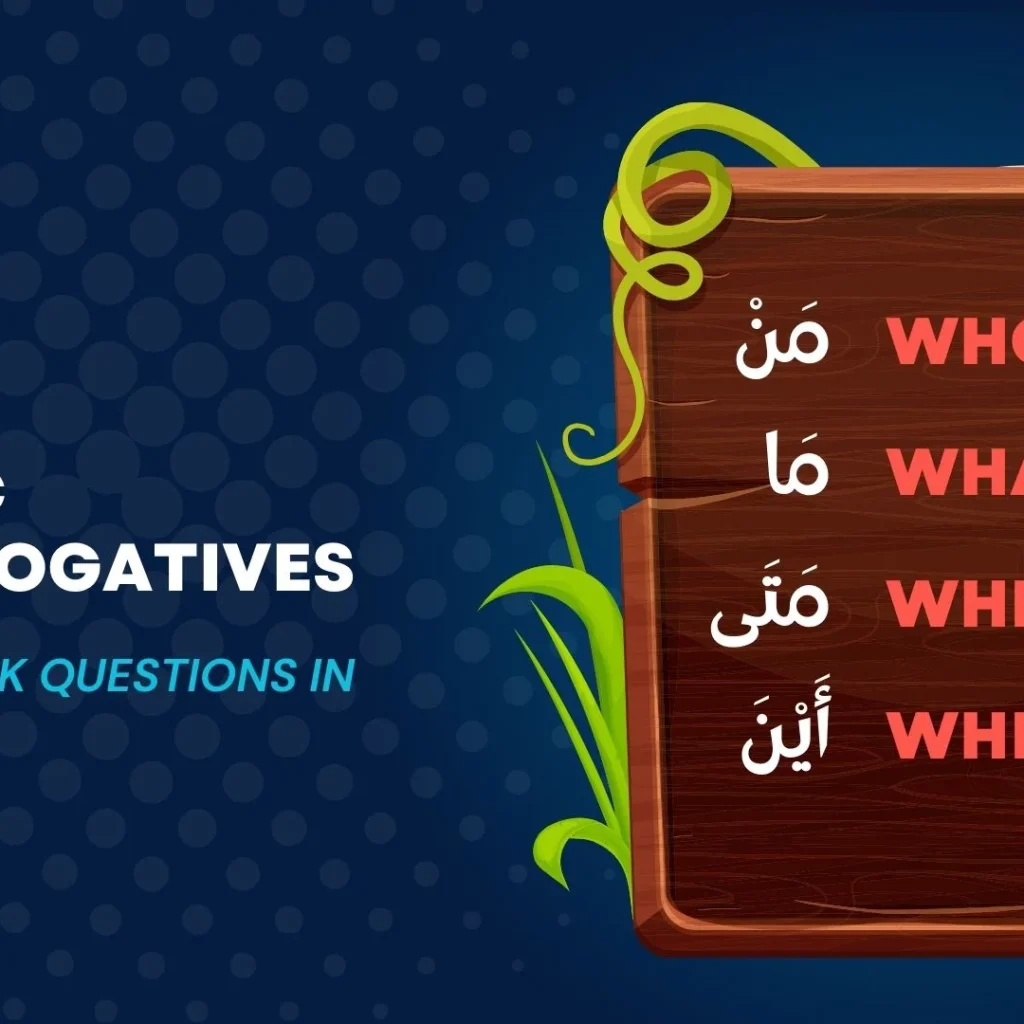
Interrogative particles in Arabic are essential for forming questions, divided into nouns (e.g., “مَنْ” for “who”) and particles (e.g., “هَلْ” for yes/no questions). These particles typically appear at the start of a sentence and are gender-neutral, except “أيّ,” which changes depending on its grammatical role. In a previous article, we provided a general overview of […]

13 June، 2026 Read article →
Arabic Letter “ح” (Haa) With Its Forms, Pronunciation, And Examples
Blog

Arabic Letter “ح” (Haa) With Its Forms, Pronunciation, And Examples

Among the Arabic alphabet’s standout characters is the letter “ح” (Haa)—a letter that holds a special place in the Arabic language. This sound, which doesn’t exist in many other languages, is key to the richness and depth of Arabic. In this guide, we’ll explore the distinctiveness of “ح” and why it’s an essential component for […]

12 June، 2026 Read article →
Damma in Arabic
Blog

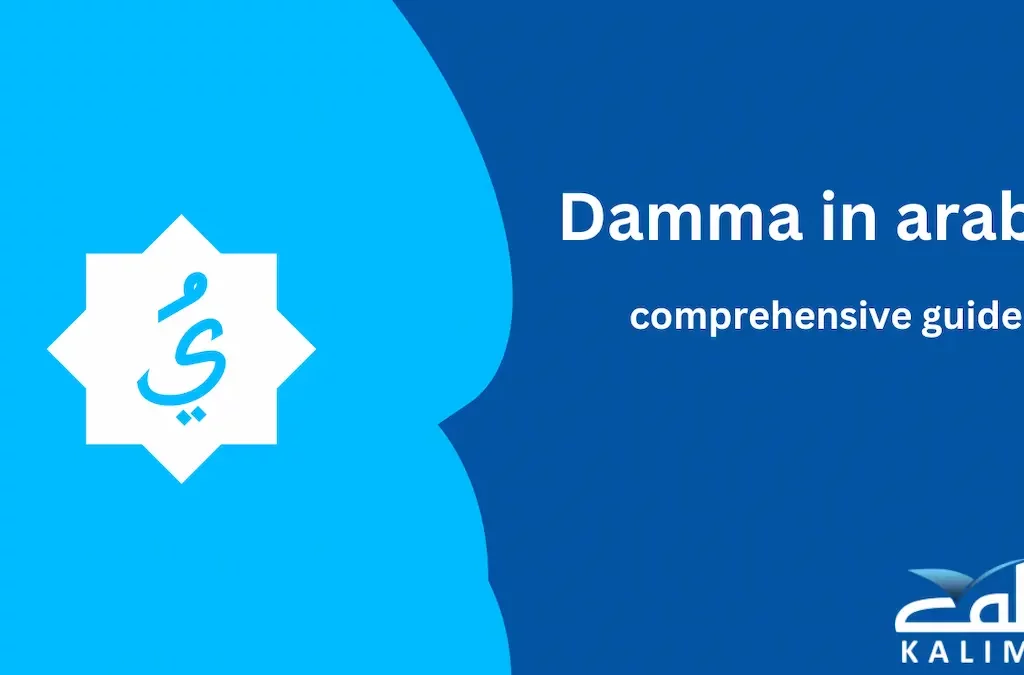
Damma in Arabic

Damma ( -ُ ) is a vital Arabic diacritic that represents the short vowel sound “u” and can alter meanings of words. It also indicates Tanween, adding a pronounced “n” ending to indefinite nouns, making it essential for clear communication in Arabic. Arabic diacritical marks introduction Arabic is a rich language. One of the reasons […]

12 June، 2026 Read article →
Possessive Pronouns in Arabic With Examples
Blog

Possessive Pronouns in Arabic With Examples

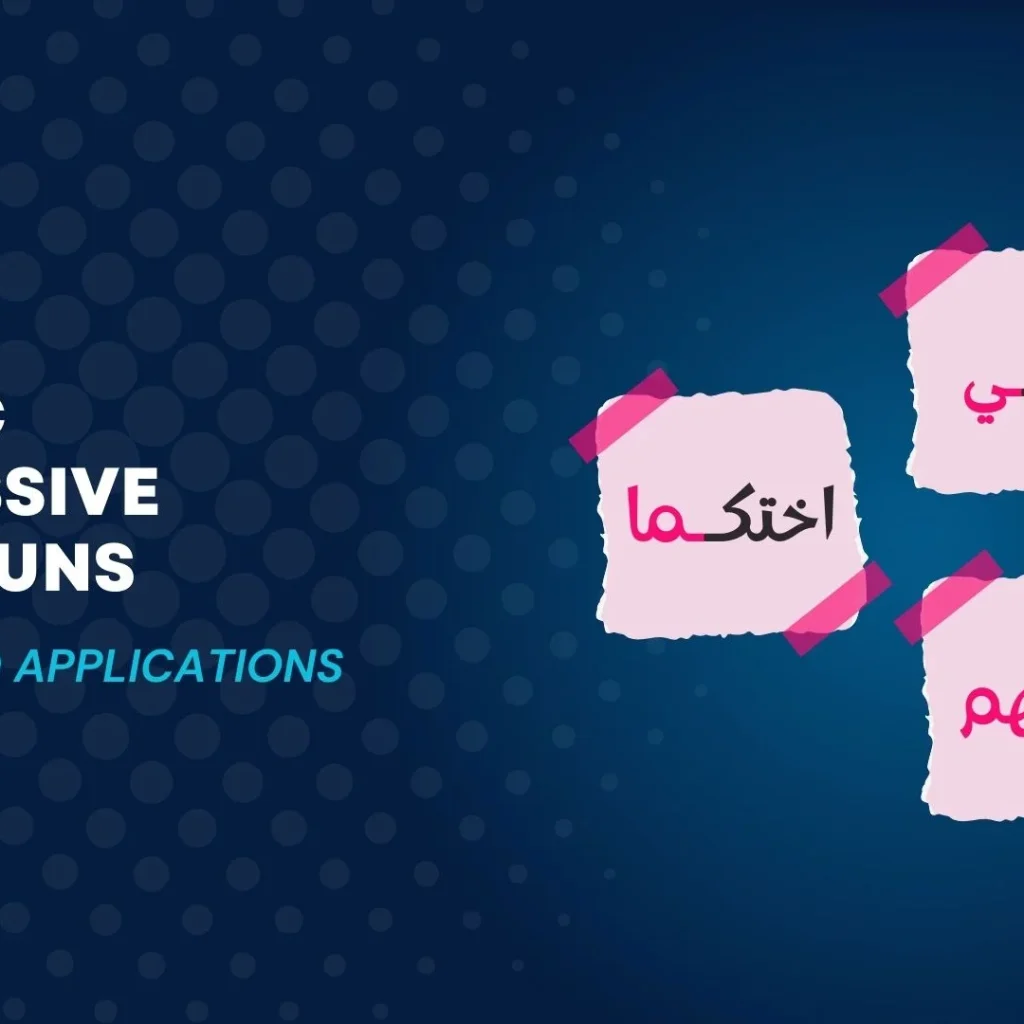
In a nutshell: Arabic possessive pronouns are suffixes that show ownership by attaching to nouns, unlike English which uses separate words. For example, “my book” becomes “كِتابي” (kitābī), and “your book” changes based on gender, like “كِتابُكَ” (kitābuka) for males and “كِتابُكِ” (kitābuki) for females. These pronouns vary for singular, plural, and dual forms, making […]

12 June، 2026 Read article →
Throat Letters in Arabic And Words With Letters Throat Examples
Blog

Throat Letters in Arabic And Words With Letters Throat Examples

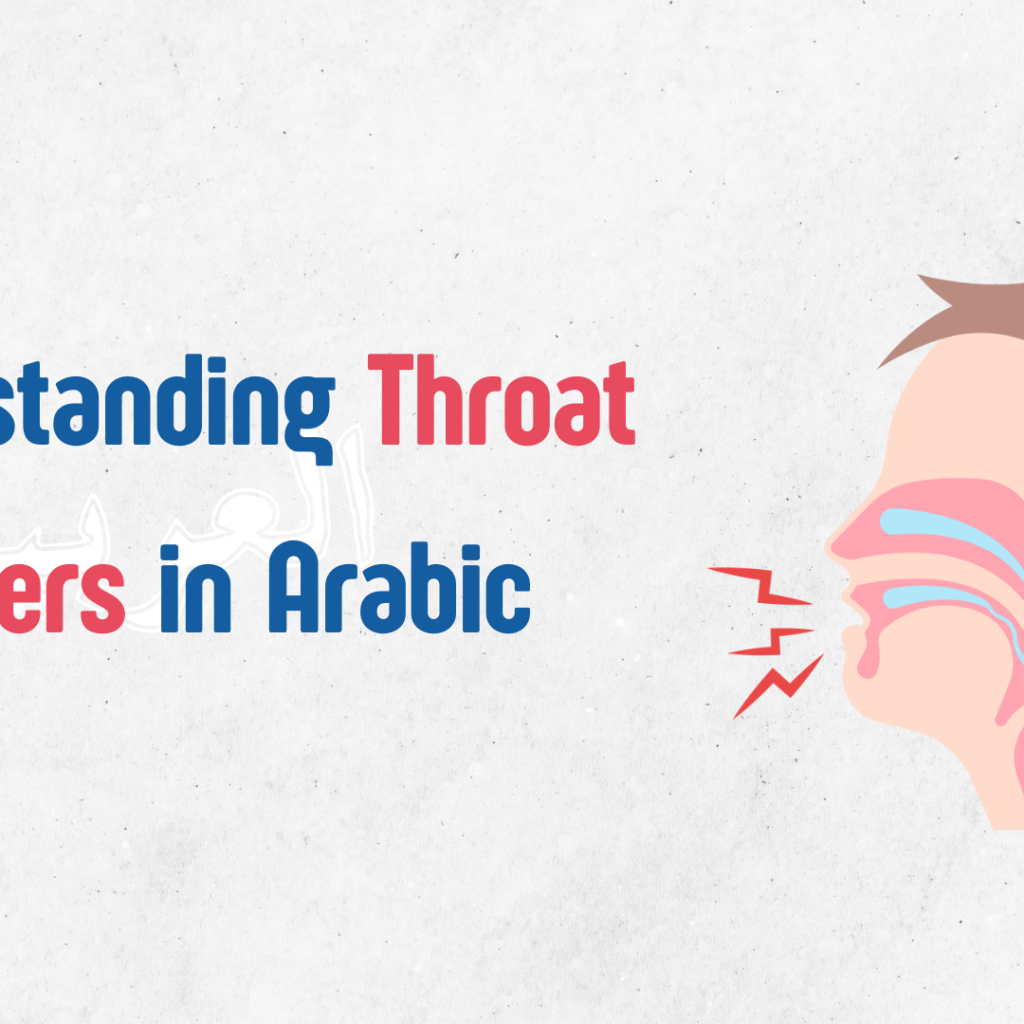
Arabic throat letters, also known as qalqalah letters, are a group of consonant sounds in the Arabic language that are pronounced with a distinct emphasis on the throat or glottis.  They are produced from the deep part of the throat. They have a distinct pronunciation compared to other Arabic consonants. These letters produce a bouncing […]

12 June، 2026 Read article →
Arabic Adverbs – Zarf in Arabic Grammar And Al-Maf’ulat Al-Khamsah
Blog

Arabic Adverbs – Zarf in Arabic Grammar And Al-Maf’ulat Al-Khamsah

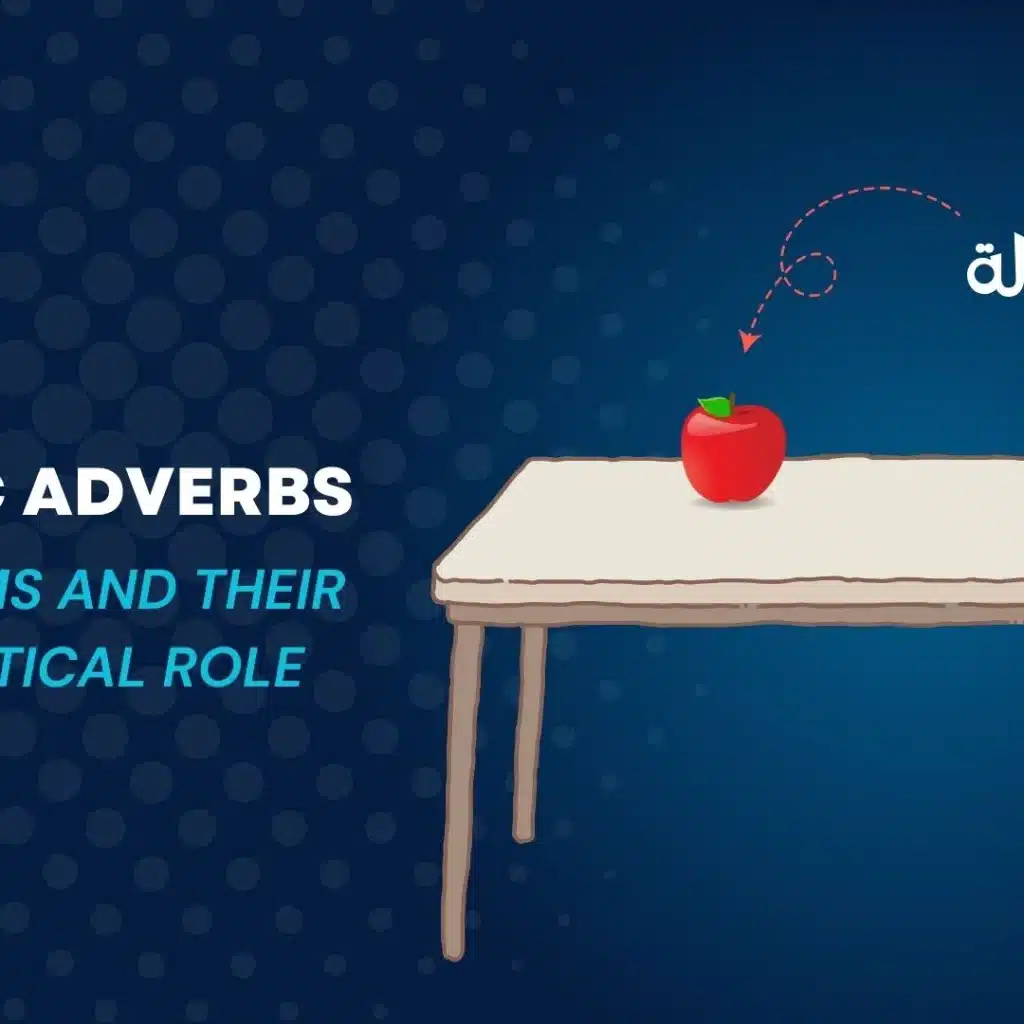
In a nutshell: Arabic adverbs (Zarf) modify verbs and provide details about time and place, with two main types—Adverbs of Time and Adverbs of Place. These are typically accusative nouns answering “when?” or “where?”. Additionally, “Al-Maf’ulat al-Khamsah” includes objects like “Al-Maf’ul Fihi,” which relate to adverbs, specifying time, place, manner, or purpose, enriching sentence structure. […]

12 June، 2026 Read article →
Top Ayahs And Surahs to Recite Daily
Blog

Top Ayahs And Surahs to Recite Daily

Reciting certain surahs daily is not only a sunnah (tradition) of the Prophet Muhammad (Peace be upon him), but it also brings peace to the heart, protection, and countless blessings. Let’s explore together which surahs are recommended for different times of the day and night, their meanings, and why they hold such importance in our […]

12 June، 2026 Read article →

No matching article

Try another keyword or category.

Our editorial promise

Useful before promotional.

Kalimah articles should help readers make a better learning decision. We separate habits from full programs, explain trade-offs, and connect advice to real study outcomes.

Get a Personal Recommendation
Clear learning purposeEvery article answers a practical learner or parent question.
Realistic expectationsShortcuts are framed as habits or tools—not substitutes for guided progress.
A next step that fitsReaders can continue independently or request placement and teacher guidance.