Kalimah learning library

Practical Guidance for Arabic and Quran Learners

Clear explanations, realistic study advice, and carefully selected resources for adult learners, parents, and Quran students.

Arabic teacher (f)arabic teacher (m)BlogHow to ........?
Arabic Language Levels: A1-2, B1-2, And C1-2 Levels Explained With the Learning Topics
Blog

Arabic Language Levels: A1-2, B1-2, And C1-2 Levels Explained With the Learning Topics

Arabic Language Levels or proficiency levels are structured across six levels (A1 to C2) based on the CEFR framework. Beginners (A1-A2) learn basic communication skills like greetings and simple requests.  At the intermediate levels (B1-B2), learners can engage in more detailed conversations, express opinions, and understand complex texts. Advanced levels (C1-C2) offer near-native fluency, enabling […]

13 June، 2026 Read article →
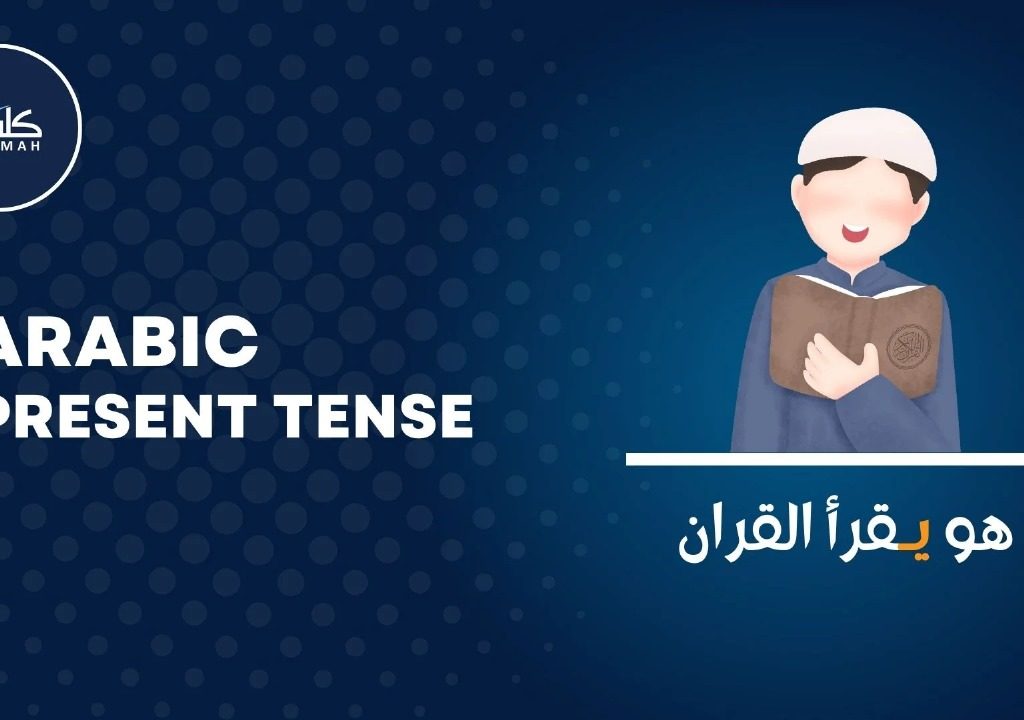
The Arabic Present Tense: Forms, Verbs, Usages, And Negation With Charts 
Blog

The Arabic Present Tense: Forms, Verbs, Usages, And Negation With Charts 

In a nutshell: The Arabic present tense, “المضارع” (al-mudari‘), describes current actions, habits, truths, and near-future events. It’s formed by adding prefixes to verb roots, like “أشربُ” (I drink). Negation is done with “لا” (laa), as in “لا أذاكر الآن” (I’m not studying now). This versatile tense can also express future plans, such as “أذهب […]

13 June، 2026 Read article →
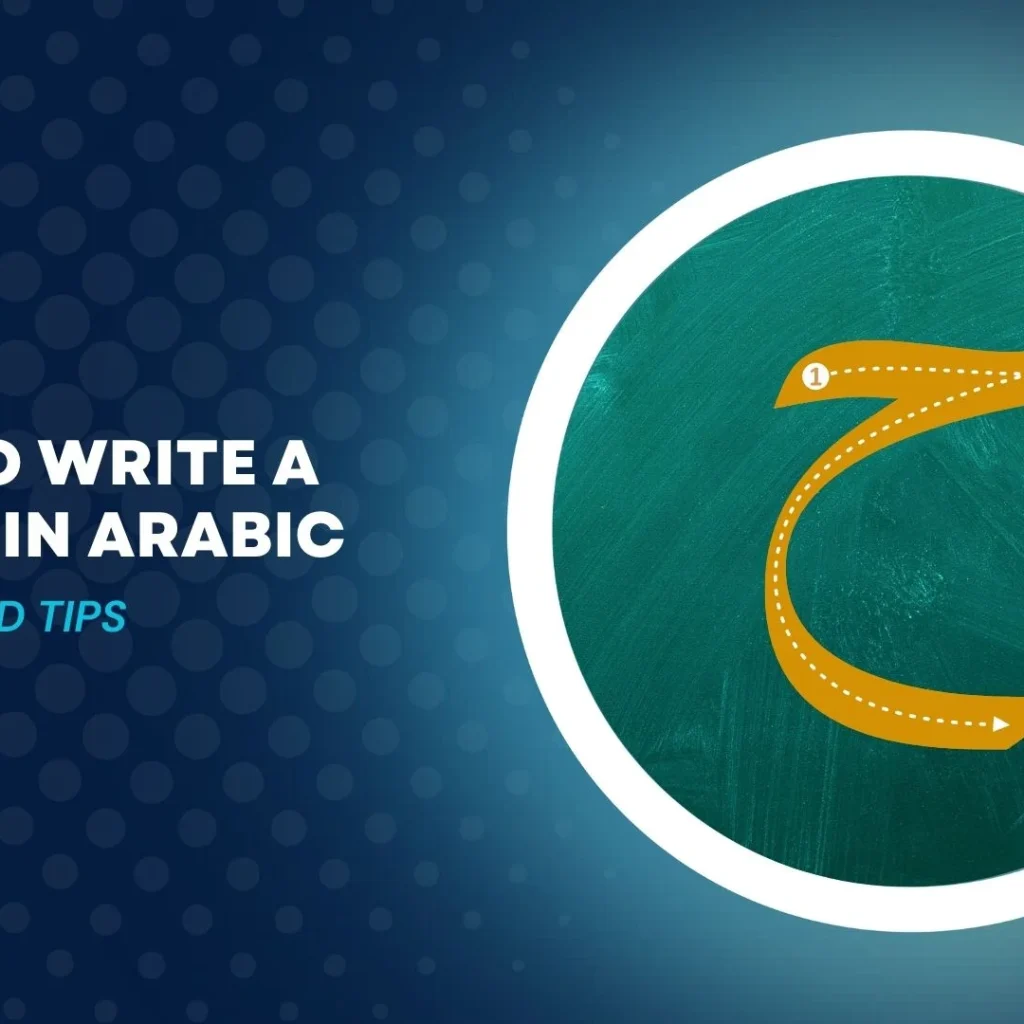
How To Write A Letter In Arabic?
Blog

How To Write A Letter In Arabic?

Structuring letters in Arabic is quite similar to English. However, in this article I will provide a clear overview of the format for your ease of understanding. But I want you to put your primary focus on the specific expressions used in Arabic correspondence (I will mention them in Arabic, translation, and transliteration). Pay close […]

13 June، 2026 Read article →
What Is Min (من) In Arabic Grammar? Full Guide
Blog

What Is Min (من) In Arabic Grammar? Full Guide

In Arabic grammar, “من” (pronounced min) is a very versatile particle with several meanings and functions. It is often translated into English as “from,” but its usage can extend beyond that. Let’s break down some of the different types and uses of “من” in Arabic grammar. What Is Min (من) In Arabic Grammar? The Arabic […]

13 June، 2026 Read article →
Arabic Letter “ذ” (Thaal) With Its Forms, Pronunciation, And Examples 
Blog

Arabic Letter “ذ” (Thaal) With Its Forms, Pronunciation, And Examples 

The letter “ذ” is the fourth letter of the Arabic alphabet and is considered one of the most important letters in pronunciation and word formation in Arabic. This article discusses the peculiarities of “ذ” (Dhal), including its pronunciation, writing forms, and place in the Arabic language. Arabic Letter “ذ” (Thaal)  The Arabic letter “ذ” (Thaal) […]

13 June، 2026 Read article →
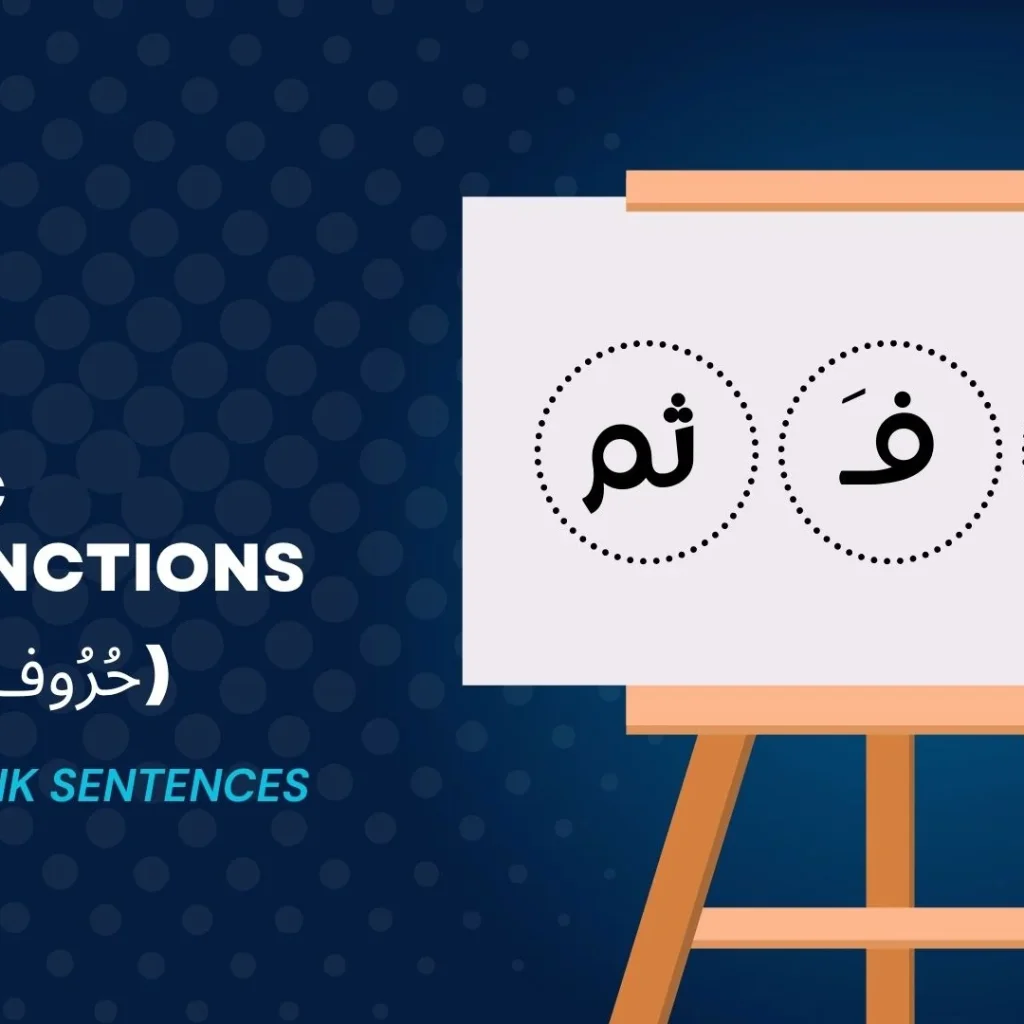
Conjunctions in Arabic Full Guide With Examples And Worksheets
Blog

Conjunctions in Arabic Full Guide With Examples And Worksheets

In a nutshell, Arabic conjunctions (حروف العطف) are particles that link words, phrases, or clauses to create coherence in sentences. They are categorized into coordinating conjunctions, like “و” (wa) for “and,” and subordinating conjunctions, such as “إِن” (in) for “if.” These particles must maintain grammatical consistency between the connected elements, ensuring proper alignment in case, […]

13 June، 2026 Read article →

No matching article

Try another keyword or category.

Our editorial promise

Useful before promotional.

Kalimah articles should help readers make a better learning decision. We separate habits from full programs, explain trade-offs, and connect advice to real study outcomes.

Get a Personal Recommendation
Clear learning purposeEvery article answers a practical learner or parent question.
Realistic expectationsShortcuts are framed as habits or tools—not substitutes for guided progress.
A next step that fitsReaders can continue independently or request placement and teacher guidance.