Kalimah learning library

Practical Guidance for Arabic and Quran Learners

Clear explanations, realistic study advice, and carefully selected resources for adult learners, parents, and Quran students.

Arabic teacher (f)arabic teacher (m)BlogHow to ........?
Tongue Letters In Arabic And Nose And Full Mouth Letters
Blog

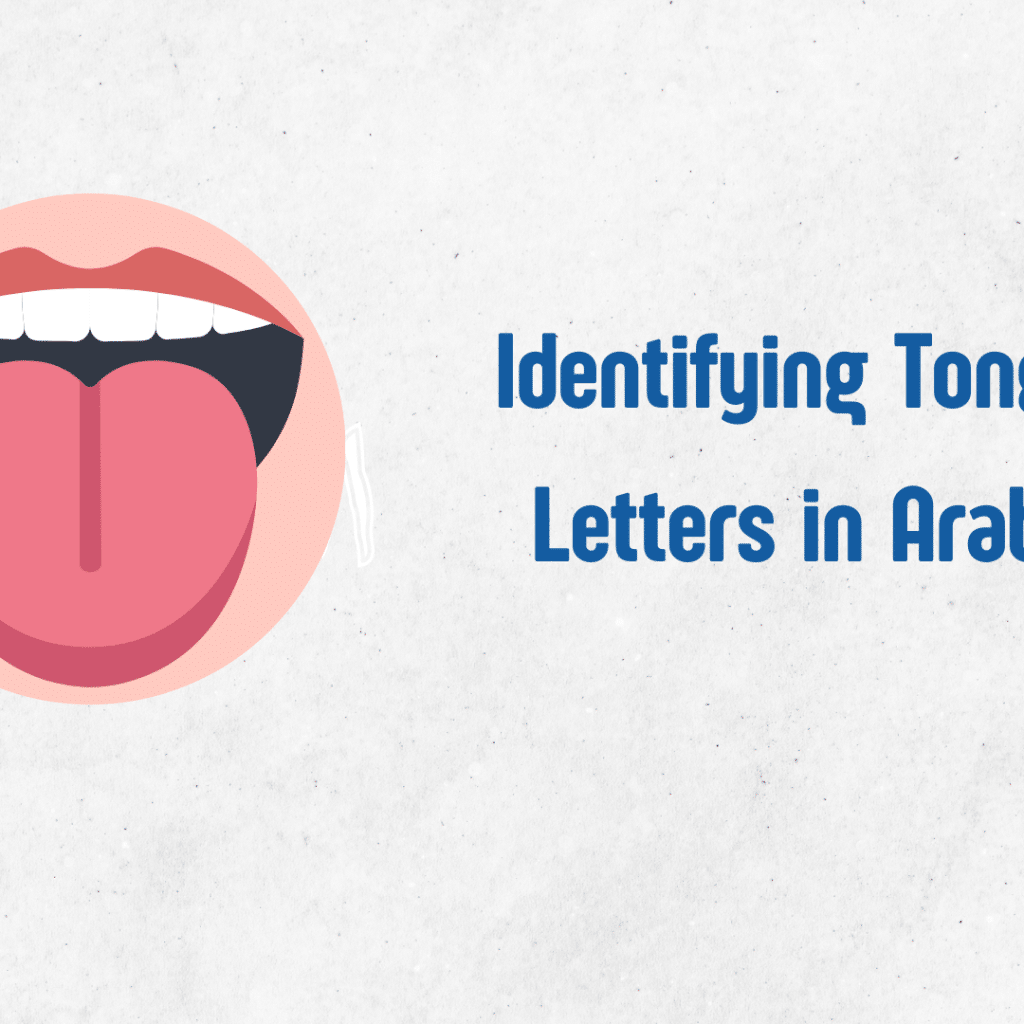
Tongue Letters In Arabic And Nose And Full Mouth Letters

In the rich tapestry of Arabic phonetics, tongue letters, full mouth letters, and nasal letters each play a vital role. Tongue letters, comprising 18 distinct sounds, emerge from various parts of the tongue—back, middle, side, and tip—shaping the essence of words. Full mouth letters, known as Huroof Al-Tafkheem, add a bold, emphatic quality to the […]

13 June، 2026 Read article →
Verbal Sentences in Arabic – Their Components And Types With Examples 
Blog

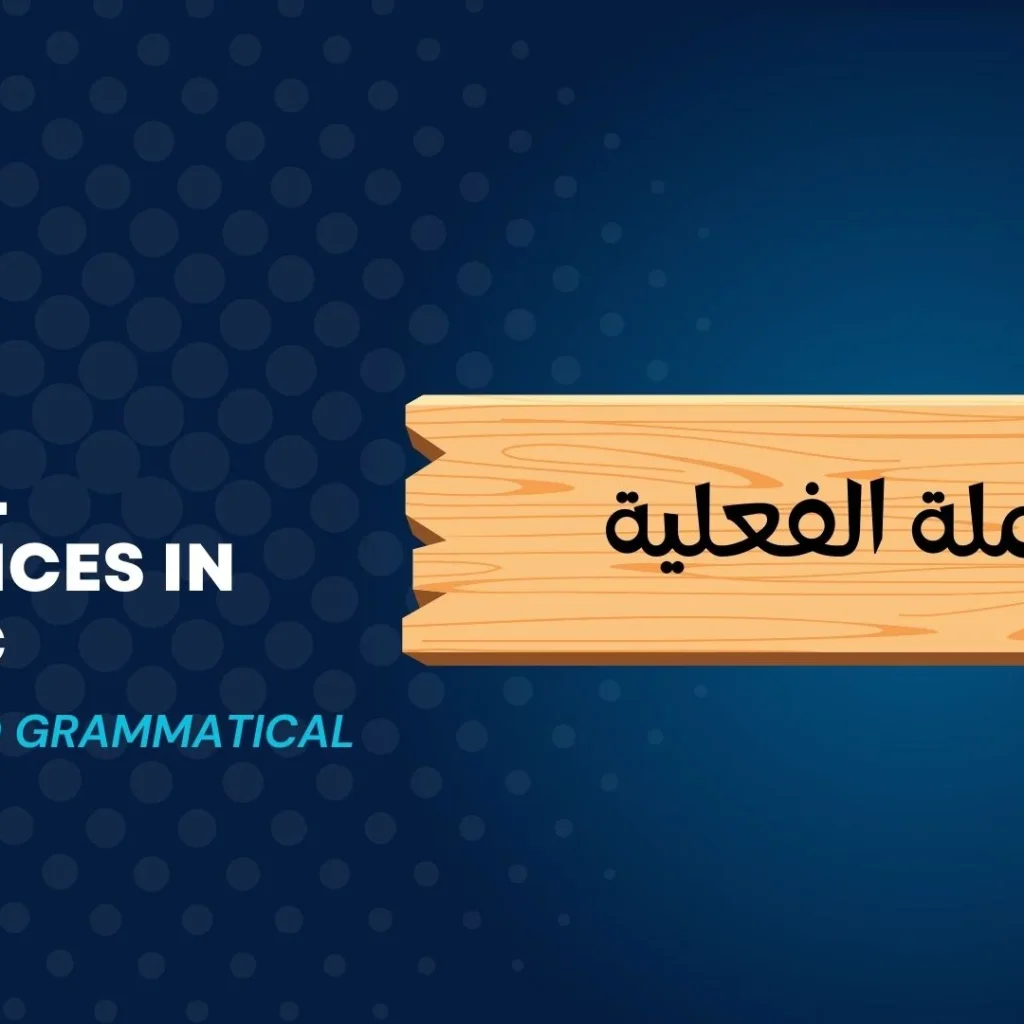
Verbal Sentences in Arabic – Their Components And Types With Examples 

In a nutshell: Arabic verbal sentences start with a verb, followed by a subject and sometimes an object, depending on whether the verb is transitive or intransitive. The sentence’s structure also varies with tense—past, present, or command—while the subject can be a visible noun, an attached pronoun, or implied. Understanding these components helps form clear […]

13 June، 2026 Read article →
Hollow Verbs in Arabic – Full Guide
Blog

Hollow Verbs in Arabic – Full Guide

In a nutshell: Hollow verbs in Arabic have a weak middle root letter, like “و,” “ي,” or “ا,” and their conjugation changes depending on tense and pronoun. These verbs, commonly used in everyday and classical Arabic, exhibit vowel changes or disappear entirely in certain forms, making them essential to understanding Arabic grammar and verb patterns. […]

13 June، 2026 Read article →
Masculine And Feminine Nouns In Arabic – Gender In Arabic Nouns
Blog

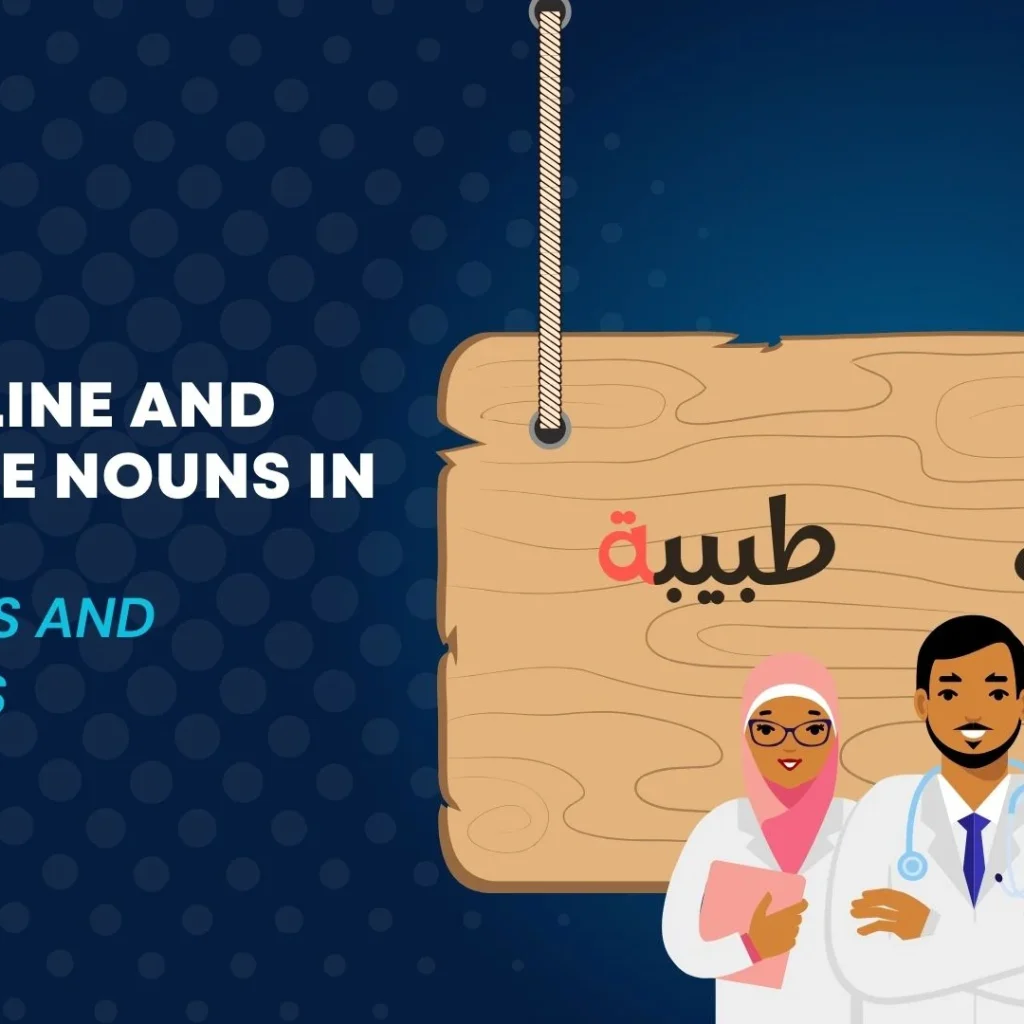
Masculine And Feminine Nouns In Arabic – Gender In Arabic Nouns

In Arabic, nouns, similar to adjectives and pronouns, are classified as masculine or feminine, essential for sentence structure. Masculine nouns like رَجُل (rajul) for “man” and كِتَاب (kitab) for “book” typically end in consonants, while feminine nouns like شجرة (shajara) for “tree” and امرأة (Imra’a) for “woman” often end with a ta marbuta (ة). Understanding […]

13 June، 2026 Read article →
Arabic Demonstrative Pronouns, List, And Types  
Blog

Arabic Demonstrative Pronouns, List, And Types  

In a nutshell: Arabic demonstrative pronouns help specify objects based on gender, number, and proximity, like هذا (this) or تلك (that). They are key in pointing out, comparing, and introducing people or things, with ten forms used in both everyday speech and Quranic texts. To master any language you have to master its articles, prepositions, […]

13 June، 2026 Read article →
Attached and Detached Pronouns in Arabic With Exercises And Examples
Blog

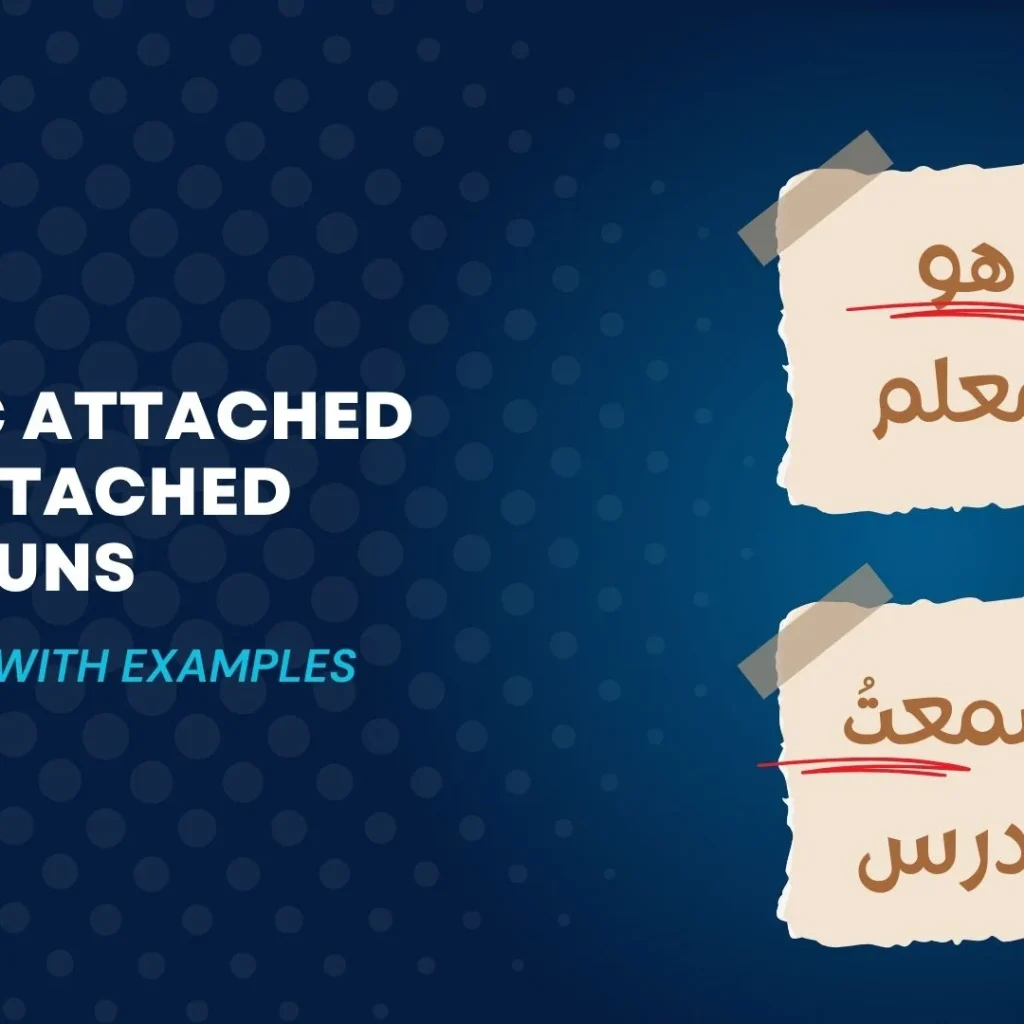
Attached and Detached Pronouns in Arabic With Exercises And Examples

In a nutshell: Arabic pronouns come in two types—detached and attached. Detached pronouns, like “أنا” (I) or “هو” (he), stand alone to emphasize the subject or object. Attached pronouns, such as “كتابي” (my book) or “معي” (with me), attach to nouns or verbs, showing possession or relationships. The difference? Detached pronouns are independent, while attached […]

13 June، 2026 Read article →
Types of Laam in Arabic Grammar And Their Rules And Usages With Examples
Blog

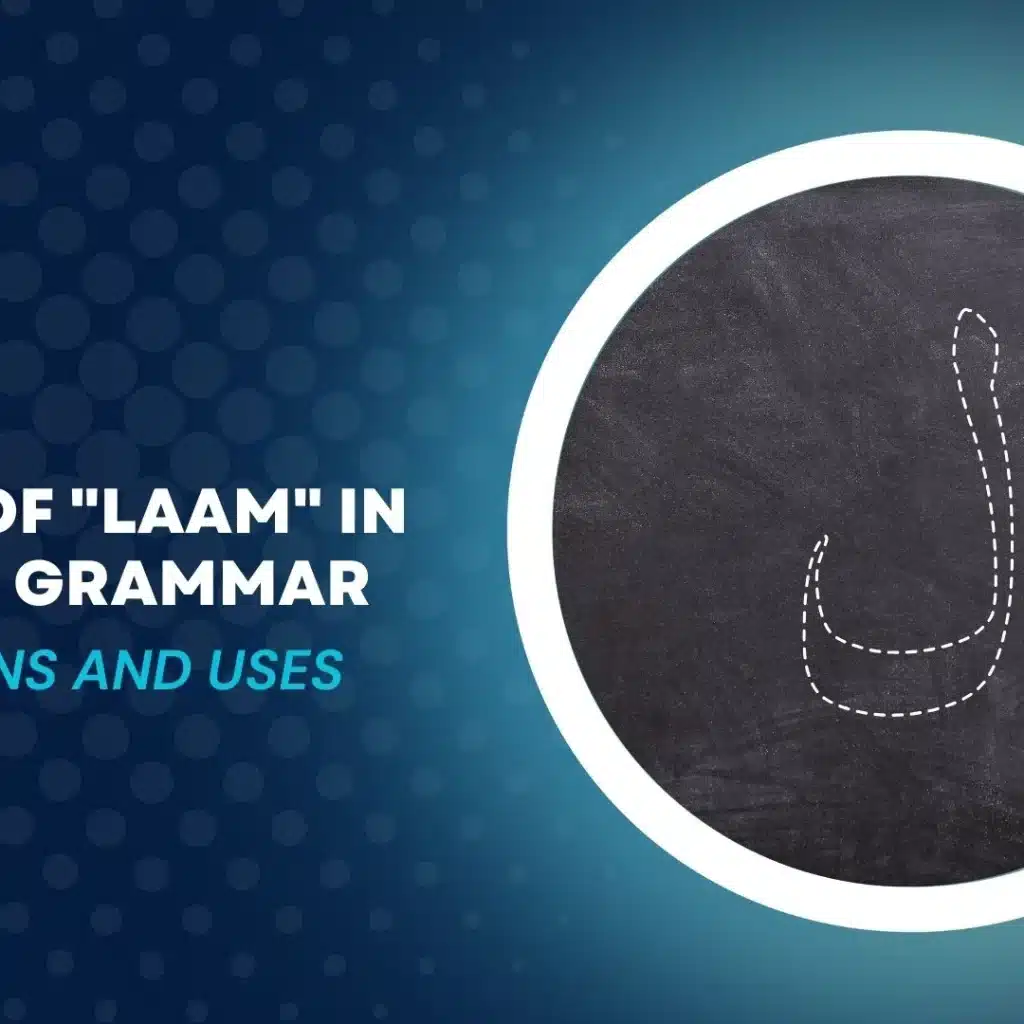
Types of Laam in Arabic Grammar And Their Rules And Usages With Examples

In a nutshell, the Arabic letter “Laam” (ل) has various types, each serving a unique purpose: Lam al-Ta’rif defines nouns, like “the” in English; Lam al-Ta’lil shows purpose, like “to” or “for”; Lam al-Amr forms commands; Lam al-Qasam emphasizes oaths; and Lam al-Juhoud strongly negates actions. Each type enhances sentence meaning, making “Laam” a versatile […]

13 June، 2026 Read article →
Arabic Cases (Iʻrab الإعراب) With Examples And Exercises
Blog

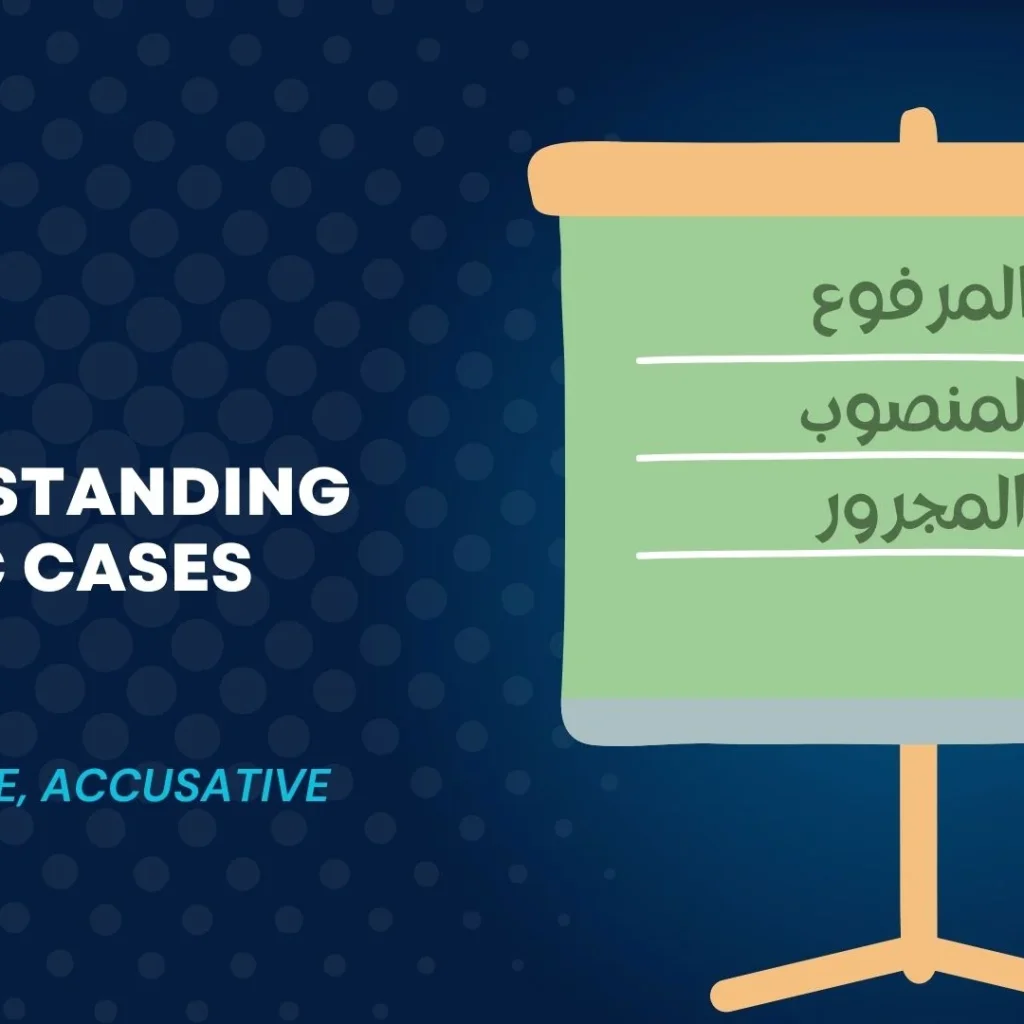
Arabic Cases (Iʻrab الإعراب) With Examples And Exercises

In a nutshell: Arabic cases (Iʻrab) use specific vowel endings to indicate the role of words in a sentence, such as Nominative for subjects, Accusative for direct objects, and Genitive for words following prepositions. Special cases like the Jussive apply in commands or conditional phrases. As the renowned orientalist Carl Brockelmann observed, the geographic isolation […]

13 June، 2026 Read article →

No matching article

Try another keyword or category.

Our editorial promise

Useful before promotional.

Kalimah articles should help readers make a better learning decision. We separate habits from full programs, explain trade-offs, and connect advice to real study outcomes.

Get a Personal Recommendation
Clear learning purposeEvery article answers a practical learner or parent question.
Realistic expectationsShortcuts are framed as habits or tools—not substitutes for guided progress.
A next step that fitsReaders can continue independently or request placement and teacher guidance.