This article is about learning animal vocabulary in Arabic—like a small Arabic dictionary for animals. You’ll find easy and useful words with examples in Arabic sentences. If you want to talk about animals in Arabic, memorize the most important animal terms, this is a good place to start.
How Do You Say “Animal” in Arabic?
The Arabic word for “animal” is حيوان (hayawan). Say it with me: ḥa-ya-wān. This word covers all animals, whether domestic, wild, or imaginary!
هذا حيوان لطيف
hādhā ḥayawān laṭīf
This is a cute animal.
You might also hear the plural form حيوانات (ḥayawānāt), which simply means “animals.”
أحب الحيوانات
uḥibbu al-ḥayawānāt
I love animals.
If you’re talking about a specific type of animal, you simply add the animal’s name after حيوان (ḥayawān). For example:
هذا حيوان مفترس
hādhā ḥayawān muftaras
This is a predator.

* From Kalimah’s online Arabic courses curriculum.
General Animal-Related Terms in Arabic
Before we dive into specific animal names, let’s learn some general animal-related terms in Arabic:
1. Pet in Arabic: حيوان أليف (ḥayawān ‘alīf)
The term for “pet” in Arabic is حيوان أليف (ḥayawān ‘alīf), which literally means “tame animal”.
لدي حيوان أليف
laday ḥayawān ‘alīf
I have a pet.
2. Wild Animal in Arabic: حيوان بري (ḥayawān barrī)
“Wild animal” in Arabic is حيوان بري (ḥayawān barrī), meaning “animal of the wilderness”.
الأسد حيوان بري قوي
al-‘asad ḥayawān barrī qawī
The lion is a strong wild animal.
3. Farm Animal in Arabic: حيوان مزرعة (ḥayawān mazra`ah)
“Farm animal” is expressed as حيوان مزرعة (ḥayawān mazra`ah), meaning “farm animal.”
البقرة حيوان مزرعة يعطينا الحليب
al-baqarah ḥayawān mazraah yuṭīnā al-ḥalīb
The cow is a farm animal that gives us milk.

4. Zoo in Arabic: حديقة الحيوانات (ḥadīqat al-ḥayawānāt)
The word for “zoo” is حديقة الحيوانات (ḥadīqat al-ḥayawānāt), meaning “garden of animals.”
نذهب إلى حديقة الحيوانات في عطلة نهاية الأسبوع
nadhab ‘ilā ḥadīqat al-ḥayawānāt fī uṭlat nihāyat al-‘usbū
We go to the zoo on the weekend.
Domestic Animals in Arabic
Now, let’s focus on animals commonly found in homes or on farms – domestic animals in Arabic:
1. Cat in Arabic: قطة (Qiṭṭah)
Cat in Arabic is قطة (Qiṭṭah) “Qi” like the “ki” in “kit,” and “ṭah” with a strong emphasis on the “ṭ” sound (similar to a hard “t” with a slight guttural quality). The word is feminine.
قطتي تحب اللعب بالخيط
(qiṭṭatī tuḥibb al-la`b bil-khayṭ)
My cat loves to play with yarn.

2. Dog in Arabic: كلب (Kalb)
Dog in Arabic is كلب (Kalb). “Kal” like “cal” in “calendar,” and “b” as in “boy.” The word is masculine.
الكلب يحرس المنزل
(al-kalb yaḥrus al-manzil)
The dog guards the house.

3. Chicken in Arabic: دجاجة (Dajajah)
Chicken in Arabic is دجاجة (Dajajah). “Da” like “da” in “dad,” “ja” like “ja” in “jar,” and “jah” with a similar “j” sound, with a slight emphasis on the “h.” The word is feminine.
أكلت دجاجة مشوية على العشاء
(’akalt dajajah mashwiyyah ‘ala al-‘ashā’)
I ate grilled chicken for dinner.

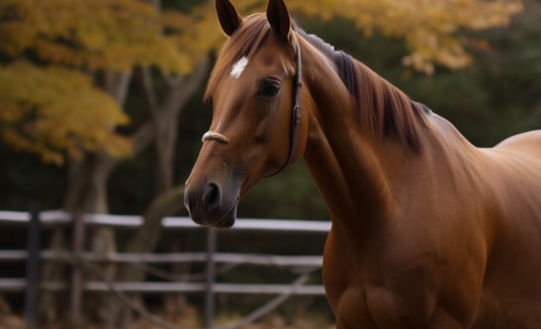
4. Horse in Arabic: حصان (Ḥiṣān)
Horse in Arabic is حصان (Ḥiṣān). “Ḥi” is a guttural “h” sound (like clearing your throat), “ṣa” like “sa” in “saw,” and “n” as in “now”. The word is masculine.
ركبت حصاناً في المزرعة
(rakibt ḥiṣānan fī al-mazra`ah)
I rode a horse on the farm.
5. Sheep/Lamb in Arabic: خروف (Kharūf)
Sheep/Lamb in Arabic is خروف (Kharūf). “Kha” is a guttural “kh” sound (similar to the “ch” in Scottish “loch” or German “Bach”), “ru” like “roo” in “roof”, and “f” as in “fan.” The word is masculine.
لدينا خروف صغير في المزرعة
(ladaynā kharūf ṣaghīr fī al-mazra`ah)
We have a small sheep on the farm.

6. Goat in Arabic: ماعز (Mā`iz)
Goat in Arabic is ماعز (Māiz). “Ma” like “ma” in “mama,” “i” is a guttural sound that is difficult to represent in English but it’s like a catch in the throat, and “z” as in “zoo.” The word is masculine.
رأيت ماعزاً يرعى العشب
(ra’ayt māizan yarā al-‘ushb)
I saw a goat grazing on the grass.

7. Donkey in Arabic: حمار (Ḥimār)
Donkey in Arabic is حمار (Ḥimār). “Ḥi” is a guttural “h” sound, “ma” like “ma” in “mama”, and “r” as in “run”. The word is masculine.
يستخدم الفلاح الحمار لنقل المحاصيل
(yasta`mil al-fallāḥ al-ḥimār li-naql al-maḥāṣīl)
The farmer uses the donkey to transport crops.

8. Camel in Arabic: جمل (Jamal)
The word for camel in Arabic is جمل (jamal). Say it as ja-mal. Camels, known as “ships of the desert,” are essential to Arab culture and history.
الجمل يتحمل العطش في الصحراء
al-jamal yataḥammal al-ʿaṭash fī aṣ-ṣaḥrāʾ
The camel endures thirst in the desert.

9. Cow in Arabic: بقرة (Baqarah)
Cow in Arabic is بقرة (Baqarah).
“Ba” like “ba” in “bath,” “qa” like the guttural “q” often pronounced like “k,” and “rah” like “ra” in “radar,” ending with a soft “h.” The word is feminine.
البقرة تعطِينا الحليب
(al-baqarah tu‘ṭīnā al-ḥalīb)
The cow gives us milk.

Experience Kalimah Center Classes
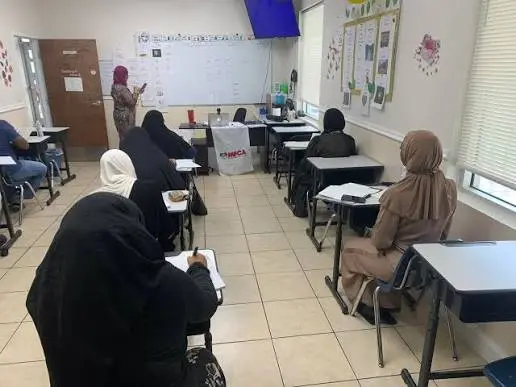
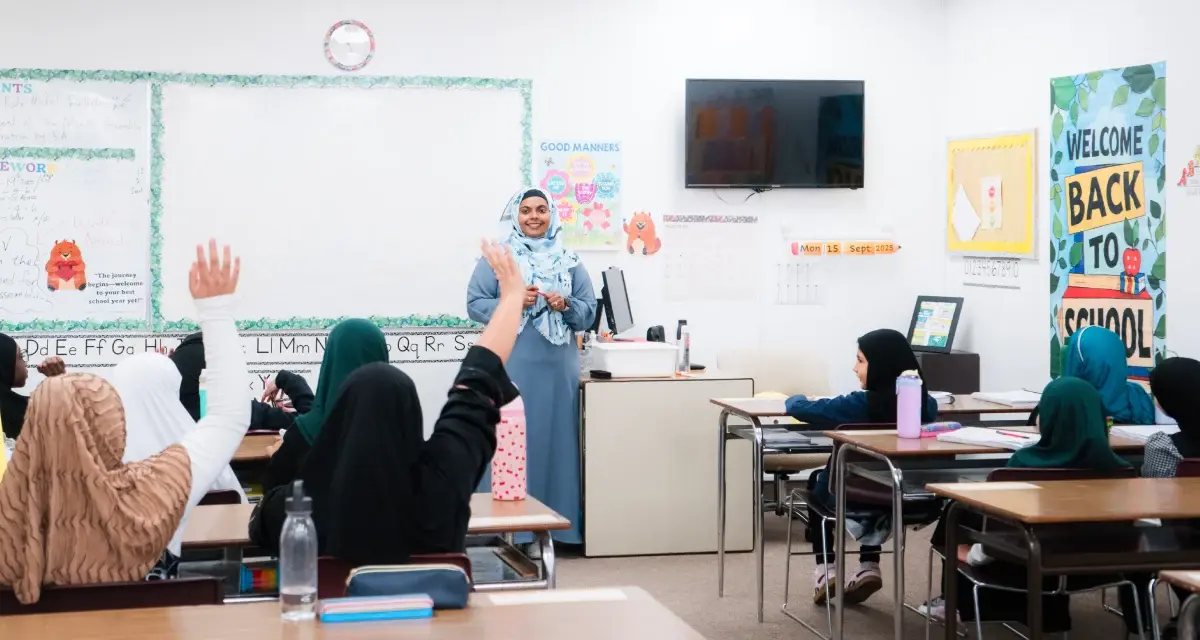
Watch real excerpts from our live sessions at Kalimah Center and see how we bring learning to life. These clips highlight our interactive, student-centered teaching approach across all our courses—designed to keep learners engaged, motivated, and actively involved every step of the way.
Wild Animals in Arabic
Let’s now venture into the wild and learn the names of some common wild animals in Arabic:
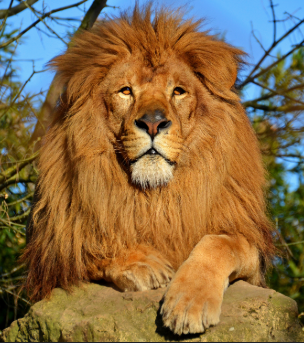
1. Lion in Arabic: أسد (‘Asad)
Lion in Arabic is أسد (‘Asad). The “‘A” is a glottal stop (a slight catch in the throat), “sa” like “sa” in “sad,” and “d” as in “dog.” The word is masculine.
الأسد ملك الغابة
(al-‘asad malik al-ghābah)
The lion is the king of the jungle.
2. Elephant in Arabic: فيل (Fīl)
Elephant in Arabic is فيل (Fīl). “Fi” like “fee” in “feel,” and “l” as in “love.” The word is masculine.
الفيل حيوان ضخم
(al-fīl ḥayawān ḍakhm)
The elephant is a huge animal.

3. Snake in Arabic: ثعبان (Thu`bān)
Snake in Arabic is ثعبان (Thubān). “Thu” is pronounced with a “th” sound as in “thin,” “ba” like “ba” in “back”, and “n” as in “now”. The word is masculine.
الثعبان يزحف على الأرض
(al-thu`bān yazḥaf ‘ala al-’arḍ)
The snake crawls on the ground.

4. Wolf in Arabic: ذئب (Dhi’b)
Wolf in Arabic is ذئب (Dhi’b). “Dhi” is pronounced with a “dh” sound as in “this,” and “b” as in “boy.” The word is masculine.
الذئب يعيش في الغابة
(al-dhi’b ya`īsh fī al-ghābah)
The wolf lives in the forest.

5. Monkey in Arabic: قرد (Qird)
Monkey in Arabic is قرد (Qird). “Qi” like the “ki” in “kit,” “r” is rolled slightly, and “d” as in “dog.” The word is masculine.
القرد يتسلق الشجرة
(al-qird yatasallaq ash-shajarah)
The monkey climbs the tree.

6. Deer in Arabic: غزال (Ghazāl)
Deer in Arabic is غزال (Ghazāl). “Gha” is a guttural “gh” sound, similar to the French “r” in “Paris,” “za” like “za” in “zebra,” and “l” as in “love.” The word is masculine.
الغزال حيوان رشيق
(al-ghazāl ḥayawān rashīq)
The deer is a graceful animal.

7. Bear in Arabic: دب (Dubb)
Bear in Arabic is دب (Dubb). “Du” like “doo” in “doom” and “bb” as in “bubble” but hold the b sound a little longer. The word is masculine.
الدب يعيش في الغابات الباردة
(al-dubb ya`īsh fī al-ghābāt al-bāridah)
The bear lives in cold forests.

Charts of Animals Vocabulary in Arabic
Here’s a handy chart summarizing the animal vocabulary we’ve covered in this article:
| English Translation | Arabic Word | Transliteration |
| Animal | حيوان | ḥayawān |
| Animals | حيوانات | ḥayawānāt |
| Pet | حيوان أليف | ḥayawān ‘alīf |
| Wild Animal | حيوان بري | ḥayawān barrī |
| Farm Animal | حيوان مزرعة | ḥayawān mazra`ah |
| Cat | قطة | Qiṭṭah |
| Dog | كلب | Kalb |
| Chicken | دجاجة | Dajajah |
| Horse | حصان | Ḥiṣān |
| Sheep/Lamb | خروف | Kharūf |
| Goat | ماعز | Mā`iz |
| Donkey | حمار | Ḥimār |
| Lion | أسد | ‘Asad |
| Elephant | فيل | Fīl |
| Snake | ثعبان | Thu`bān |
| Wolf | ذئب | Dhi’b |
| Monkey | قرد | Qird |
| Deer | غزال | Ghazāl |
| Bear | دب | Dubb |
And here’s a chart introducing some additional animal vocabulary in Arabic that we haven’t covered in previous sections:
| English Translation | Arabic Word | Transliteration |
| Giraffe | زرافة | Zarāfah |
| Zebra | حمار وحشي | Ḥimār Waḥshī |
| Tiger | نمر | Nimr |
| Leopard | فهد | Fahd |
| Rhino | وحيد القرن | Waḥīd al-Qarn |
| Hippopotamus | فرس النهر | Faras an-Nahr |
| Crocodile | تمساح | Timsāḥ |
| Turtle/Tortoise | سلحفاة | Sulḥufāh |
| Fox | ثعلب | Tha`lab |
| Rabbit | أرنب | ‘Arnab |
| Cow (another word) | بقرة | Baqarah |
| Bull | ثور | Thawr |
| Pig/Boar | خنزير | Khinzīr |
Inside Kalimah Center: Moments from Our Courses
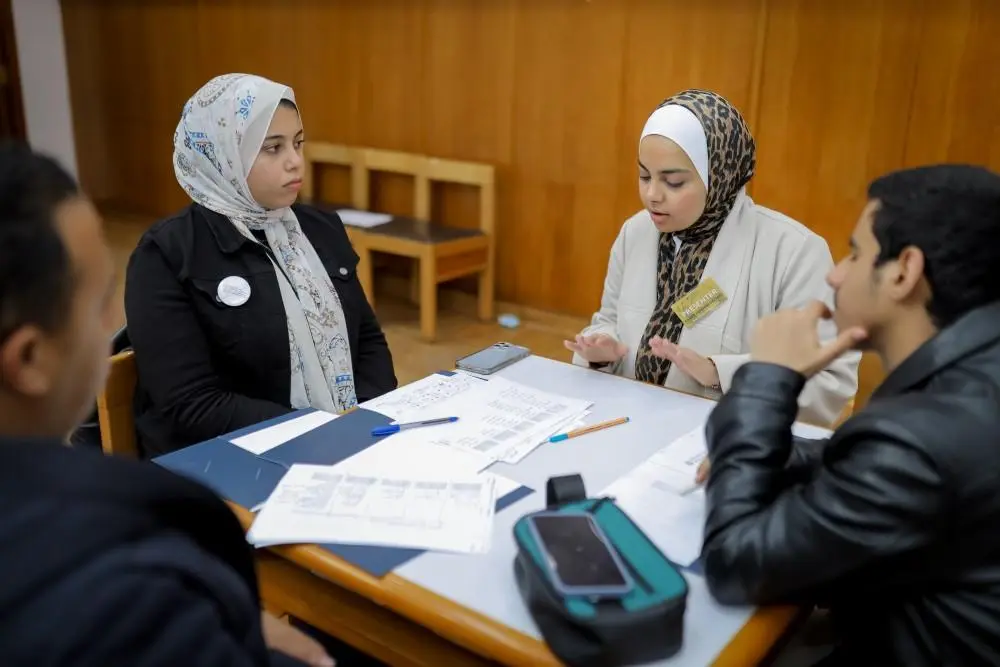
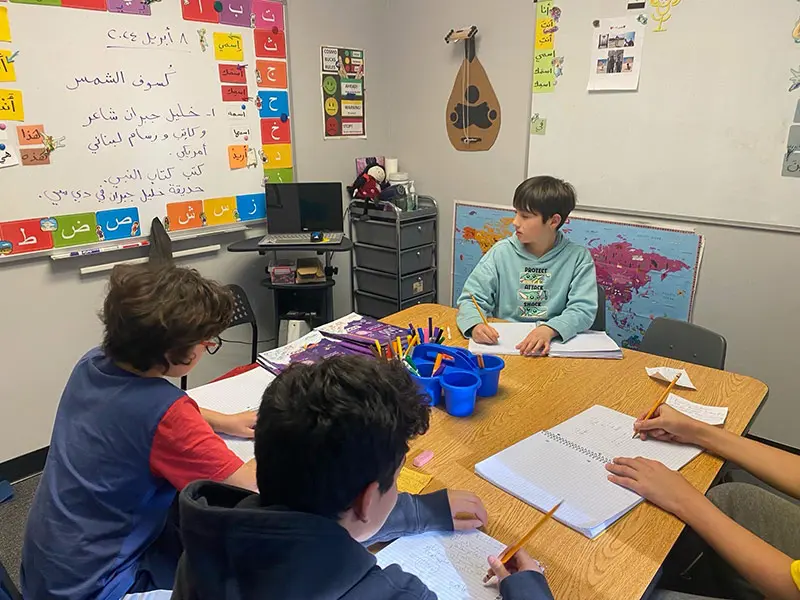
Get a glimpse into the vibrant learning experience at Kalimah Center. These snapshots capture real moments from our live classes—where students engage deeply, connect with passionate instructors, and grow in a welcoming, supportive environment.
Here Are The Reviews On Our Courses:
Our students frequently commend the excellence of our courses and the commitment shown by our instructors. You can read their complete reviews on Trustpilot.

Kalimah Center Can Help You Build your Arabic Vocabulary
Learning animal names in Arabic is important part of learning Arabic vocabulary. At Kalimah Center, we teach many Arabic things. We have online Arabic courses for alphabet, basic words, talking about everyday things like family, shopping, food… you see? Learning animal names fits right in there. It’s part of building your vocabulary for daily life.
So, if you want learn “cat,” “dog,” “bird” in Arabic, start with our basic courses. They teach you how to say simple things, how to use words in sentences. This will help you use animal names in real situations, like talking about your pet or seeing an animal at the zoo.

Conclusion
This comprehensive guide has provided a vital first step into building your core Arabic vocabulary by focusing on animals. We have covered the fundamental terms—from the general word for حيوان (ḥayawān) to specific domestic and wild creatures, complete with their transliterations and usage in practical Arabic sentences. Mastering this list gives you the linguistic tools needed to discuss pets, farm life, and the wildlife around you, which is essential for engaging in everyday conversation and building a solid foundation in the language.
Ultimately, learning the names of animals in Arabic is more than just memorizing a list; it’s about making the language come alive and connecting words to the world around you. To truly solidify this knowledge and integrate it into fluent speech, it’s beneficial to move beyond static vocabulary lists. Consider joining a structured Arabic course that uses these words in interactive contexts, allowing you to practice pronunciation, sentence construction, and real-world conversation.