Food is one of the easiest and most enjoyable ways to learn a new language. When you learn Arabic food vocabulary, you are not only memorizing words. You are learning words you can use in restaurants, markets, kitchens, family meals, travel, and daily conversations.
Arabic food words are also useful because food is deeply connected to Arab culture. Words like خبز, أرز, دجاج, قهوة, and تمر appear often in homes, restaurants, recipes, and conversations across the Arab world.
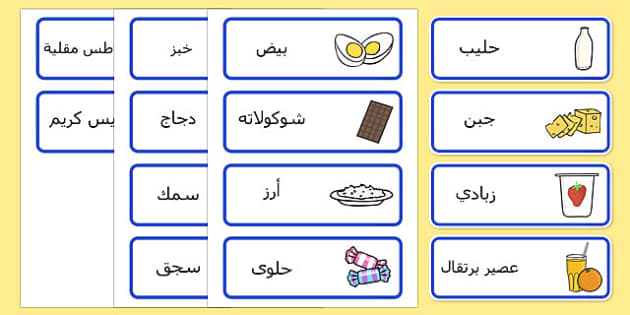
Many learners search for arabic food vocabulary with meaning because they want a simple and practical guide. Others search for arabic food names and pictures because food words are easier to remember visually. This article gives you a clear Arabic food name list with English meanings, pronunciation help, and useful example sentences.
Whether you are learning Arabic for travel, family, school, Quranic Arabic support, or daily conversation, food vocabulary is a great place to start.
What Are Common Arabic Food Words?
Here are some of the most common Arabic food words beginners should learn first:
| English | Arabic | Transliteration |
| Food | طعام / أكل | ṭaʿām / akl |
| Bread | خبز | khubz |
| Rice | أرز | ruz / aruzz |
| Meat | لحم | laḥm |
| Chicken | دجاج | dajāj |
| Fish | سمك | samak |
| Egg | بيض | bayḍ |
| Milk | حليب / لبن | ḥalīb / laban |
| Water | ماء | mā’ |
| Coffee | قهوة | qahwah |
| Tea | شاي | shāy |
| Dates | تمر | tamr |
This table is a simple starting point. The full guide below gives more words by category so you can learn them more easily.
Why Learn Arabic Food Vocabulary?
Food vocabulary is useful because it appears in real life every day. You may need it when ordering food, shopping for groceries, reading a menu, watching cooking videos, or speaking with Arabic-speaking friends and family.
Learning Arabic food names also helps you build confidence. These words are practical and easy to connect with real objects. When you see bread, rice, coffee, or fruit, you can immediately practice the Arabic word.
Food vocabulary also helps beginners understand Arabic sentence patterns. For example, once you learn words like ماء and قهوة, you can quickly make useful sentences:
أريد ماء.
I want water.
أحب القهوة.
I like coffee.
هذا خبز.
This is bread.
This makes learning feel active instead of theoretical.
Basic Arabic Food Words
Before learning long food lists, start with the most basic words. These are useful in almost every food-related conversation.
طعام — ṭaʿām — food
أكل — akl — food / eating
وجبة — wajbah — meal
فطور — fuṭūr — breakfast
غداء — ghadā’ — lunch
عشاء — ʿashā’ — dinner
مطبخ — maṭbakh — kitchen
مطعم — maṭʿam — restaurant
قائمة الطعام — qā’imat al-ṭaʿām — menu
وصفة — waṣfah — recipe
These words help you talk about meals and food situations in general.
Examples:
الفطور جاهز.
Breakfast is ready.
أين المطعم؟
Where is the restaurant?
هذه وصفة سهلة.
This is an easy recipe.
Bread, Rice, and Main Foods in Arabic
Bread and rice are central foods in many Arab meals. These words are useful for beginners because they appear often in daily conversation.
خبز — khubz — bread
أرز — ruz / aruzz — rice
مكرونة — makarūnah — pasta
بطاطس — baṭāṭis — potatoes
بطاطا — baṭāṭā — sweet potato / potato, depending on region
برغل — burghul — bulgur
عدس — ʿadas — lentils
فول — fūl — fava beans
حمص — ḥummuṣ — chickpeas / hummus
فاصوليا — fāṣūliyā — beans
In different Arab countries, some food words may vary slightly. For example, rice may be pronounced ruz in some dialects and aruzz in others.
Useful sentences:
أريد خبزًا.
I want bread.
الأرز لذيذ.
The rice is delicious.
أحب العدس.
I like lentils.
Learn Arabic in a Fun, Structured, and Interactive Way
Helping children learn Arabic early gives them a strong advantage in reading, understanding, and using the language naturally. At Kalimah Center, the Online Arabic Course For Kids is designed to make learning simple, engaging, and step-by-step. Children progress through carefully structured levels that develop their reading, writing, speaking, and comprehension skills in a balanced and enjoyable way.
The course uses interactive teaching methods, stories, and guided practice to keep kids motivated while they learn. Instead of memorizing isolated words, children learn how to use Arabic in real communication, which helps them build confidence and long-term language skills.
Start your child’s Arabic learning journey today with Kalimah Center and give them a strong foundation for the future.
Meat, Chicken, and Fish in Arabic
Meat and protein vocabulary is important for menus, recipes, and shopping.
لحم — laḥm — meat
دجاج — dajāj — chicken
سمك — samak — fish
لحم بقري — laḥm baqarī — beef
لحم ضأن — laḥm ḍa’n — lamb
كبدة — kibdah — liver
جمبري / روبيان — jambari / rubyān — shrimp
تونة — tūnah — tuna
بيض — bayḍ — eggs
مشوي — mashwī — grilled
مقلي — maqlī — fried
مسلوق — maslūq — boiled
Examples:
الدجاج مشوي.
The chicken is grilled.
هل عندكم سمك؟
Do you have fish?
أريد لحمًا مقليًا.
I want fried meat.
Fruits in Arabic
Fruit vocabulary is easy to learn because it is visual and common in daily life. This section is especially useful for learners searching for arabic food names and pictures, because fruit words are great for flashcards and visual learning.
تفاح — tuffāḥ — apples / apple
تفاحة — tuffāḥah — one apple
موز — mawz — bananas / banana
موزة — mawzah — one banana
برتقال — burtuqāl — orange
عنب — ʿinab — grapes
تمر — tamr — dates
تين — tīn — figs
فراولة — farāwlah — strawberry
بطيخ — baṭṭīkh — watermelon
مانجو — mānjū — mango
خوخ — khawkh — peach
رمان — rummān — pomegranate
ليمون — laymūn — lemon
Examples:
أحب التفاح.
I like apples.
التمر حلو.
Dates are sweet.
أريد عصير برتقال.
I want orange juice.
Vegetables in Arabic
Vegetables are important in markets, restaurants, and home cooking. Many Arabic recipes use tomatoes, onions, garlic, cucumber, and eggplant.
طماطم / بندورة — ṭamāṭim / bandūrah — tomatoes
خيار — khiyār — cucumber
بصل — baṣal — onion
ثوم — thūm — garlic
جزر — jazar — carrots
بطاطس — baṭāṭis — potatoes
باذنجان — bādhinjān — eggplant
فلفل — filfil — pepper
خس — khass — lettuce
سبانخ — sabānīkh — spinach
ملوخية — mulūkhiyyah — molokhia
كوسة — kūsah — zucchini
بازلاء — bāzilā’ — peas
Examples:
الخيار طازج.
The cucumber is fresh.
أحتاج بصل وثوم.
I need onions and garlic.
السلطة فيها خس وطماطم.
The salad has lettuce and tomatoes.
Read also: Is Mondly Good For Learning Arabic?
Experience Kalimah Center Classes
Watch real excerpts from our live sessions at Kalimah Center and see how we bring learning to life. These clips highlight our interactive, student-centered teaching approach across all our courses—designed to keep learners engaged, motivated, and actively involved every step of the way.
Master Arabic with Kalimah Center
Join our expert-led online classes and start your journey toward Arabic fluency today.
Book Your Free TrialDrinks in Arabic
Drink vocabulary is useful in restaurants, cafés, and homes.
ماء — mā’ — water
عصير — ʿaṣīr — juice
حليب — ḥalīb — milk
لبن — laban — yogurt drink / milk, depending on region
شاي — shāy — tea
قهوة — qahwah — coffee
قهوة عربية — qahwah ʿarabiyyah — Arabic coffee
مشروب — mashrūb — drink
عصير برتقال — ʿaṣīr burtuqāl — orange juice
عصير تفاح — ʿaṣīr tuffāḥ — apple juice
Examples:
أريد ماء، من فضلك.
I want water, please.
هل عندكم قهوة؟
Do you have coffee?
الشاي ساخن.
The tea is hot.
Dairy Products in Arabic
Dairy words are common in breakfast, grocery shopping, and recipes.
جبن — jubn — cheese
جبنة — jubnah — cheese, common spoken form
حليب — ḥalīb — milk
لبن — laban — yogurt / milk, depending on country
زبادي — zabādī — yogurt
زبدة — zubdah — butter
قشطة — qishta — cream
لبنة — labnah — strained yogurt / labneh
Examples:
أحب الجبن.
I like cheese.
الزبادي بارد.
The yogurt is cold.
أريد خبزًا مع لبنة.
I want bread with labneh.
Learn Arabic Step by Step with a Structured and Flexible System
Learning Arabic becomes much easier when you follow a clear, structured path instead of random lessons. The Online Arabic Course at Kalimah Center is designed to guide learners from beginner to advanced levels through a well-organized curriculum that builds reading, writing, speaking, and comprehension skills gradually and effectively.
The course focuses on real communication and practical usage, helping students apply Arabic in everyday situations while improving confidence and fluency. With qualified teachers and interactive lessons, learners get continuous support and steady progress throughout their Arabic journey.
Start your Arabic learning journey today with Kalimah Center and build your language skills the right way.
Arabic Food Name List
Now let’s look at famous Arabic food names. Some are traditional dishes, while others are common foods across many Arab countries.
فلافل — falāfil — falafel
حمص — ḥummuṣ — hummus
شاورما — shāwarmā — shawarma
كباب — kabāb — kebab
كفتة — kuftah — kofta
كبسة — kabsa — kabsa rice dish
مندي — mandī — mandi rice and meat dish
ملوخية — mulūkhiyyah — molokhia stew
محشي — maḥshī — stuffed vegetables
ورق عنب — waraq ʿinab — stuffed grape leaves
فتوش — fattūsh — fattoush salad
تبولة — tabūlah — tabbouleh
مناقيش — manāqīsh — flatbread with toppings
كنافة — kunāfah — kunafa dessert
بقلاوة — baqlāwah — baklava
This arabic food name list is helpful for restaurant menus and cultural learning.
Arabic Food Vocabulary with Meaning
Here is a simple list of useful words with meanings:
لذيذ — ladhīdh — delicious
حلو — ḥulw — sweet
مالح — māliḥ — salty
حار — ḥār — spicy / hot
بارد — bārid — cold
ساخن — sākhīn — hot
طازج — ṭāzaj — fresh
مطبوخ — maṭbūkh — cooked
نيء — nay’ — raw
مشوي — mashwī — grilled
مقلي — maqlī — fried
مسلوق — maslūq — boiled
These words help you describe food, not just name it.
Examples:
الطعام لذيذ.
The food is delicious.
القهوة ساخنة.
The coffee is hot.
الفلفل حار.
The pepper is spicy.
Essential Arabic Verbs for Talking About Food
To speak naturally about food, you also need verbs.
أكل — akala — to eat
شرب — shariba — to drink
طبخ — ṭabakha — to cook
اشترى — ishtarā — to buy
طلب — ṭalaba — to order / request
أحب — aḥabba — to like / love
أريد — urīdu — I want
أحتاج — aḥtāju — I need
Examples:
أنا آكل الأرز.
I eat rice.
أريد قهوة.
I want coffee.
أحتاج خبزًا.
I need bread.
هل تحب السمك؟
Do you like fish?
How to Order Food in Arabic?
Food vocabulary becomes more useful when you can use it in sentences.
Here are simple phrases for restaurants:
أريد هذا، من فضلك.
I want this, please.
هل عندكم شاورما؟
Do you have shawarma?
أريد ماء.
I want water.
كم السعر؟
How much is the price?
الطعام لذيذ جدًا.
The food is very delicious.
بدون بصل، من فضلك.
Without onions, please.
هل هذا حار؟
Is this spicy?
These phrases are useful for travel and real conversations.
Arabic Food Vocabulary by Situation
It is helpful to learn food words by real-life situations.
At breakfast, you may need words like:
خبز — bread
بيض — eggs
جبن — cheese
حليب — milk
شاي — tea
عسل — honey
At lunch, you may need:
أرز — rice
دجاج — chicken
لحم — meat
سمك — fish
سلطة — salad
شوربة — soup
At dinner, you may use:
وجبة خفيفة — light meal / snack
سلطة — salad
شوربة — soup
زبادي — yogurt
فاكهة — fruit
Learning by situation makes vocabulary easier to use in speech.
Read also: Is Duolingo Good To Learn Arabic?
Inside Kalimah Center: Moments from Our Courses
Get a glimpse into the vibrant learning experience at Kalimah Center. These snapshots capture real moments from our live classes—where students engage deeply, connect with passionate instructors, and grow in a welcoming, supportive environment.
Here Are The Reviews On Our Courses:
Our students frequently commend the excellence of our courses and the commitment shown by our instructors. You can read their complete reviews on Trustpilot.
Read more reviews on Trustpilot

Start Your Arabic Learning Journey From Words to Fluency with Kalimah Center
If you want to take your Arabic learning beyond vocabulary lists and actually start using the language confidently in real life, structured guidance makes a big difference. At Kalimah Center, you can learn Arabic step by step through well-designed courses that focus on practical communication, comprehension, and real usage—just like the food vocabulary you explored in this article.
Whether your goal is to understand Arabic for travel, daily conversation, or deeper learning, the academy provides a supportive learning path to help you stay consistent and improve faster.
Start your journey today and learn Arabic in a simple, practical way with Kalimah Center. Gain real confidence in using Arabic every day.
📚 Explore Our Courses:
Online Arabic Course: Tailored to your level, our comprehensive Arabic program includes 16 teaching levels and 400+ hours of personalized sessions.
Online Quran With Tajweed Course: Perfect for non-Arabic speakers, our course spans 13 levels and equips you with Tajweed mastery from beginner to advanced.
Online Arabic Course For Kids: Nurture your child’s love for Arabic with our engaging and structured program, available in 24 levels for primary, intermediate, and secondary stages.
🚀 Start Your Free Trial Today! 🚀
Don’t miss out on this life-changing opportunity to deepen your faith and knowledge. Sign up now for your free trial and take the first step towards becoming a better practicing Muslim with Kalimah Center!
Master Arabic with Kalimah Center
Join our expert-led online classes and start your journey toward Arabic fluency today.
Book Your Free TrialConclusion
Learning Arabic food vocabulary is one of the most practical ways to improve your Arabic. Food words appear in daily life, restaurants, markets, recipes, and conversations.
Start with the words you use most: خبز, أرز, ماء, قهوة, دجاج, سمك, تمر, and تفاح. Then build your vocabulary by category, such as fruits, vegetables, drinks, dairy, and common dishes.
The key is to use the words in real sentences. Do not only memorize lists. Say what you like, what you want, what you eat, and what you need.
With regular practice, Arabic food words will become easy to remember and useful in real conversations.
FAQ About Arabic Food Vocabulary
What is Arabic food vocabulary?
Arabic food vocabulary means the Arabic words used for foods, drinks, meals, ingredients, cooking, and eating. Examples include خبز for bread, أرز for rice, and قهوة for coffee.
Where can I find Arabic food vocabulary with meaning?
You can learn Arabic food vocabulary with meaning by studying food words in categories such as fruits, vegetables, drinks, meat, dairy, and common dishes.
What are common Arabic food names?
Common Arabic food names include خبز, أرز, دجاج, لحم, سمك, تمر, قهوة, شاي, فلافل, حمص, and شاورما.
What is a simple Arabic food name list for beginners?
A simple Arabic food name list should include basic words like طعام, خبز, أرز, ماء, قهوة, بيض, دجاج, سمك, تفاح, and تمر.
How do I say food in Arabic?
Food in Arabic is طعام — ṭaʿām. In daily speech, people also use أكل — akl, meaning food or eating.
How can I learn Arabic food names and pictures?
Use flashcards with the English word, Arabic word, transliteration, and picture. This helps you connect the meaning with the visual object.
Are Arabic food names the same in all countries?
Not always. Many food words are shared, but some names differ by region or dialect. For example, some countries say طماطم for tomatoes, while others say بندورة.