Learning clothes in Arabic is one of the fastest ways to start using the language in real life. You need these words when you shop, travel, describe what someone is wearing, or follow a simple conversation with Arabic speakers.
You will learn the general words for clothing, everyday garments, traditional Arab dress, plurals, verbs for wearing, and shopping phrases. Every word comes with its Arabic spelling, a clear transliteration, and an example sentence you can use right away.
Take Away
Here is a quick summary of what you will learn in this guide:
- The standard Arabic word for clothes is ملابس (malaabis), and Egyptians often say هدوم (hudoom).
- Most clothing nouns have a fixed gender, so adjectives must match them.
- Many clothing plurals are irregular, so you should learn each word with its plural.
- The verb لَبِسَ (labisa) means “to wear,” and خَلَعَ (khala’a) means “to take off.”
- Short shopping phrases help you ask about sizes, colors, and prices with confidence.
How Do You Say Clothes in Arabic?
The general word for “clothes” in Arabic is ملابس (malaabis). Say it with me: ma-laa-bis. ثياب (thiyāb) is another common term for clothes in Arabic.
أحتاج لشراء ملابس جديدة
‘aḥtāju li-shirā’ malābis jadīdah.
I need to buy new clothes.
Arabic has many dialects, and the word for “clothes” can vary. In some dialects, you might hear هدوم (pronounced “hudūm”) or لبس (pronounced “libs”).
The table below shows which word fits each context, so you can choose the right one for formal writing or for everyday speech with people from different Arab countries.
| English | Arabic | Transliteration | Where It Is Used |
|---|---|---|---|
| Clothes | ملابس | Malaabis | Standard Arabic, formal and written |
| Garments | ثياب | Thiyaab | Standard and classical Arabic |
| Clothes | هدوم | Hudoom | Egyptian Arabic |
| Clothes | أواعي | Awaa’i | Levantine Arabic |
| Clothing, outfit | لبس | Libs | Many spoken dialects |
A simple rule works well for beginners: use ملابس when you write or speak formally, and switch to the local word once you know which dialect your listener speaks.

General Words Related to Clothes in Arabic
Before you learn the names of specific garments, start with the words that describe them. These five words appear in almost every conversation about clothing in Arabic: fabric, color, size, new, and old.
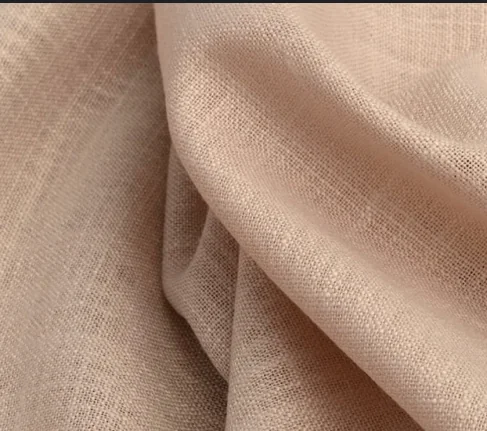
1. Fabric in Arabic – قماش (Qumaash)
When talking about the material that clothes are made of, you would use the word قماش (qumaash) in Arabic.
هذا القماش ناعم جداً
hadha al-qumāsh nā`im jiddan
This fabric is very soft.
2. Color in Arabic – لون (Lawn)
In Arabic, “color” is لون (lawn). Knowing colors is essential when describing clothes.
ما هو لونك المفضل؟
mā huwa lawnuka al-mufaḍḍal?
What is your favorite color?
3. Size in Arabic – مقاس (Miqaas)
In Arabic, “size” is مقاس (miqaas), pronounced mi-qaas.
ما هو مقاسك؟
mā huwa miqāsuka?
What is your size?
When shopping in the Arab world, it’s helpful to know your size in both European and Arabic sizing systems, as they can differ.
4. New in Arabic – جديد (Jadeed)
When you’ve just bought something, you can describe it as new, or جديد (jadeed) in Arabic. Pronounce it as ja-deed, with the “ja” sounding similar to “jar.”
اشتريت قميصاً جديداً
ishtaraytu qamīṣan jadīdan.
I bought a new shirt.
5. Old in Arabic – قديم (Qadeem)
On the other hand, if something is worn out or not new, you can say it’s old, or قديم (qadeem) in Arabic.
هذا الفستان قديم جداً
hatha al-fustān qadīm jiddan.
This dress is very old.
Notice that جديد and قديم change when they describe a feminine noun. You say قميص جديد (a new shirt), but you say سترة جديدة (a new jacket), because سترة is feminine and takes the ending ة.
If you are teaching these words to a child, short daily games work better than long lists. Our Arabic classes for kids turn vocabulary like colors and clothes into playful, structured lessons that young learners actually remember.
Clothes Vocabulary in Arabic
Here are the most common clothing items in Arabic. Each word includes its pronunciation and a sentence that shows how native speakers use it in daily life.
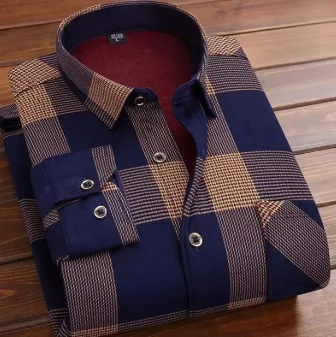
1. Shirt in Arabic – قميص (Qamis)
The word for “shirt” in Arabic is قميص (qamis).
اشتريت قميصاً جديداً اليوم
ishtaraytu qamīṣan jadīdan al-yawm
I bought a new shirt today.
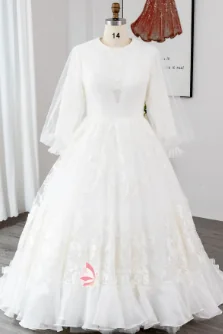
2. Dress in Arabic – فستان (Fustan)
A dress in Arabic is called فستان (fustan), pronounced fus-taan.
هذا الفستان جميل جداً
hadha al-fustān jamīl jiddan
This dress is very beautiful.
The style and design of dresses can vary greatly across different Arab regions, reflecting diverse cultural influences and traditions.
3. Pants in Arabic – سروال (Sirwal)
Whether you prefer jeans or trousers, the general word for “pants” in Arabic is سروال (sirwal), pronounced sir-wal.
أحتاج إلى سروال جديد للعمل
‘aḥtāju ‘ilā sirwāl jadīd lil-`amal.
I need new pants for work.
You can also say بنطلون (bantaloon) for “pants.” It comes from the French word pantalon and is the word you will hear most in everyday speech, from Egypt to the Gulf.
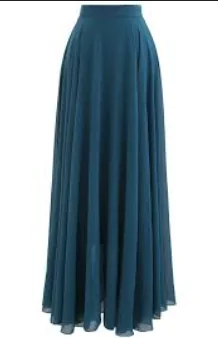
4. Skirt in Arabic – تنورة (Tannurah)
A skirt in Arabic is called تنورة (tannurah), pronounced tan-noo-rah.
هذه التنورة طويلة جداً
hadhihi at-tannūrah ṭawīlah jiddan.
This skirt is very long.
In some Arab countries, the “tannurah” refers specifically to a long, flowing skirt that is part of traditional folk dance costumes.
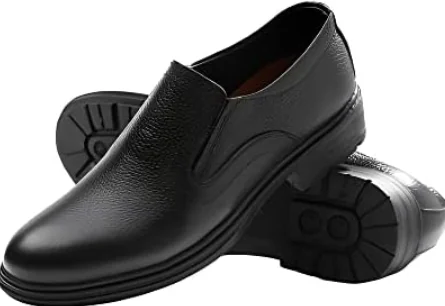
5. Shoes in Arabic – حذاء (Hidhaa’)
The word for “shoes” in Arabic is حذاء (hitha’a), pronounced hi-dha-‘a.
أحب هذا الحذاء الجديد
‘uḥibbu hatha al-ḥidhā’ al-jadīd
I love this new pair of shoes.
The plural of حذاء is أحذية (ahdhiyah). In Egyptian Arabic, people usually say جزمة (gazma) for a pair of shoes.
Removing shoes before entering a home or mosque is a common custom in many Arab cultures, showing respect and cleanliness.
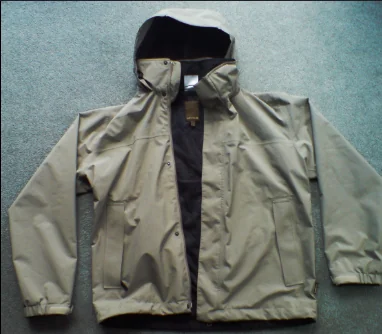
6. Jacket in Arabic – سترة (Sutra)
A jacket in Arabic is called سترة (sutra), pronounced sut-ra.
هذه السترة دافئة جداً
hadhihi as-sutra dāfi’ah jiddan
This jacket is very warm.
7. Coat in Arabic – معطف (Mi’taf)
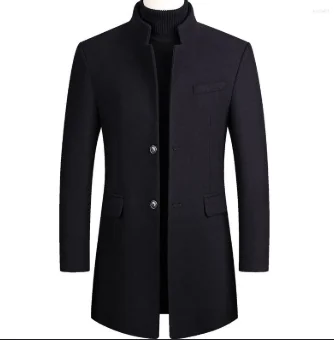
Coat is معطف (mi’taf) in Arabic, and it usually refers to a heavy winter coat.
أحتاج إلى معطف جديد لفصل الشتاء
‘aḥtāju ‘ilā mi`ṭaf jadīd lifaṣl ash-shitā’.
I need a new coat for winter.
8. Socks in Arabic – جوارب (Jawarib)
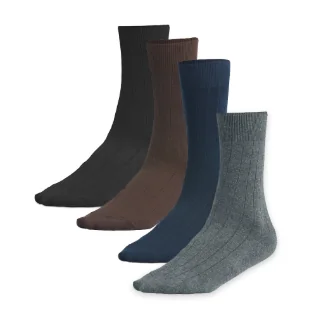
Socks in Arabic are called جوارب (jawarib), pronounced ja-waa-rib.
اشتريت جوارب صوفية جديدة
ishtaraytu jawārib ṣūfiyyah jadīdah
I bought new wool socks.
9. Hat in Arabic – قبعة (Qubba`ah)
A hat in Arabic is called قبعة (qubba`ah), pronounced qub-ba-‘ah.
هذه القبعة أنيقة جداً
hadhihi al-qubba`ah ‘anīqah jiddan.
This hat is very stylish.

10. Scarf in Arabic – وشاح (Wishah)
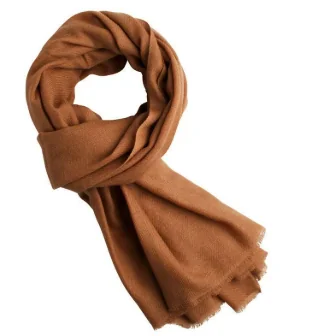
Finally, a scarf in Arabic is called وشاح (wishah), pronounced wi-shaah.
أحب ارتداء الأوشحة في فصل الشتاء
‘uḥibbu irtidā’ al-‘awshiḥa fī faṣl ash-shitā’.
I love wearing scarves in winter.
See Us in Action!
Curious about what our online classrooms look like? Watch the short clips below to see how our interactive, one-on-one sessions bring learning to life with real-time feedback and engaging teaching methods.
Master Arabic with Kalimah Center
Join our expert-led online classes and start your journey toward Arabic fluency today.
Book Your Free TrialTraditional Arab Clothes and Their Names in Arabic
Traditional dress is still part of daily life in many Arab countries, especially at weddings, Friday prayers, and national celebrations. Knowing these names helps you understand conversations, news stories, and social customs across the Arab world.
1. Thobe in Arabic – ثوب (Thawb)
The thawb is a long, loose garment worn by men in the Gulf and other regions. In the UAE, people call it كندورة (kandoorah). Men often wear it with a white headscarf called غترة (ghutrah).
يلبس أبي الثوب الأبيض يوم الجمعة
yalbasu abī ath-thawb al-abyaḍ yawm al-jumu’ah.
My father wears the white thobe on Friday.
2. Agal in Arabic – عقال (Iqaal)
The iqaal is the black cord that holds the ghutrah in place on a man’s head. Its style and thickness differ slightly between Gulf countries.
3. Bisht in Arabic – بشت (Bisht)
A bisht is a light, formal cloak worn over the thobe. Men wear it at weddings, graduations, and official events, and its embroidered edges signal a special occasion.
4. Abaya in Arabic – عباءة (Abaa’ah)
The abaya is a long outer garment worn by many women over their clothes. In speech, it is often pronounced عباية (abaayah). Modern abayas come in many colors and cuts, not only black.
5. Hijab in Arabic – حجاب (Hijaab)
The hijab is a headscarf that covers the hair and neck while leaving the face visible. In the Gulf, a light scarf draped over the head and shoulders is called شيلة (shaylah).
6. Jalabiya in Arabic – جلابية (Jalaabiyyah)
The jalabiya is a long, loose garment worn by men and women in Egypt, Sudan, and nearby regions. Simple versions are worn at home, while embroidered ones appear at celebrations.
Learning these words inside real conversations makes them stick much faster than memorizing them alone. In our online Arabic course, your teacher builds topics like clothing into dialogues, so you practice describing outfits and occasions from your very first levels.
Plurals and Gender of Clothing Words in Arabic
Two grammar points cause most mistakes with Arabic clothing vocabulary: gender and plurals. Once you learn them for each word, your sentences become correct and natural.
Masculine and Feminine Clothing Nouns
Most feminine nouns end in ة, and every adjective after them must take ة as well. Masculine nouns keep the adjective in its basic form.
- قميص طويل (qamīṣ ṭawīl) means a long shirt, because قميص is masculine.
- تنورة طويلة (tannūrah ṭawīlah) means a long skirt, because تنورة is feminine.
- فستان جديد (fustān jadīd) means a new dress, because فستان is masculine.
- قبعة جديدة (qubba’ah jadīdah) means a new hat, because قبعة is feminine.
Plural Forms of Common Clothes
Many clothing words have broken plurals, which means the word changes shape instead of adding an ending. The table below lists the plurals you will need most.
| English | Singular | Plural | Plural Transliteration |
|---|---|---|---|
| Shirt | قميص | قمصان | Qumṣaan |
| Dress | فستان | فساتين | Fasaatiin |
| Coat | معطف | معاطف | Ma’aaṭif |
| Skirt | تنورة | تنانير | Tanaaniir |
| Shoe | حذاء | أحذية | Aḥdhiyah |
| Scarf | وشاح | أوشحة | Awshiḥah |
| Hat | قبعة | قبعات | Qubba’aat |
| Sock | جورب | جوارب | Jawaarib |
One more rule helps a lot: in Arabic, the plural of things takes a feminine singular adjective. So you say قمصان جديدة (new shirts), not قمصان جدد. The same pattern appears in our guide to body parts in Arabic, where you can practice singular, dual, and plural forms.
Arabic Verbs for Wearing and Changing Clothes
Nouns alone will not let you describe what you do with your clothes. These verbs help you say what you are wearing, what you take off, and what you want to try on.
| English | Past | Present | Transliteration |
|---|---|---|---|
| To wear | لَبِسَ | يَلْبَسُ | Labisa / Yalbasu |
| To put on (formal) | ارتدى | يرتدي | Irtadaa / Yartadii |
| To take off | خَلَعَ | يَخْلَعُ | Khala’a / Yakhla’u |
| To try on | جرّب | يجرّب | Jarraba / Yujarribu |
| To change clothes | غيّر ملابسه | يغيّر ملابسه | Ghayyara malaabisahu / Yughayyiru malaabisahu |
How to Say “I Am Wearing” in Arabic
To describe what you have on right now, Arabic speakers use the active participle of لبس. A man says لابس (laabis), and a woman says لابسة (laabsah).
أنا لابس قميص أزرق
anaa laabis qamīṣ azraq.
I am wearing a blue shirt.
أنا لابسة فستان أخضر
anaa laabsah fustān akhḍar.
I am wearing a green dress.
At Kalimah Center, you can also explore our interactive Arabic courses, which use visual activities to help you connect verbs like these to real images and everyday situations.
Useful Arabic Phrases for Shopping for Clothes
Shopping is where clothing vocabulary becomes truly useful. These phrases cover the most common situations in a store or market, from asking for a size to checking the price.
| English | Arabic | Transliteration |
|---|---|---|
| How much is this? | بكم هذا؟ | Bikam haadhaa? |
| Can I try it on? | هل يمكنني أن أجربه؟ | Hal yumkinunī an ujarribah? |
| Where is the fitting room? | أين غرفة القياس؟ | Ayna ghurfat al-qiyaas? |
| Do you have a bigger size? | هل عندك مقاس أكبر؟ | Hal ‘indaka miqaas akbar? |
| Do you have a smaller size? | هل عندك مقاس أصغر؟ | Hal ‘indaka miqaas aṣghar? |
| Do you have another color? | هل عندك لون آخر؟ | Hal ‘indaka lawn aakhar? |
| This is too expensive. | هذا غالٍ جداً | Haadhaa ghaalin jiddan |
| I will take it. | سآخذه | Sa-aakhudhuh |
A Short Shopping Dialogue in Arabic
Reading a full exchange shows you how these phrases connect. Here is a short conversation between a customer and a seller in a clothing store.
- Seller: أهلاً، كيف أساعدك؟ (Ahlan, kayfa usaa’iduk?) Welcome, how can I help you?
- Customer: أبحث عن قميص أبيض. (Abḥathu ‘an qamīṣ abyaḍ.) I am looking for a white shirt.
- Seller: ما مقاسك؟ (Maa miqaasuk?) What is your size?
- Customer: مقاسي متوسط. (Miqaasī mutawassiṭ.) My size is medium.
- Seller: تفضل، هذا قميص جميل. (Tafaḍḍal, haadhaa qamīṣ jamīl.) Here you are, this is a nice shirt.
- Customer: بكم هذا؟ (Bikam haadhaa?) How much is this?
Practicing dialogues like this with other learners builds speaking confidence quickly. Our Arabic group classes give you live role plays, such as shopping and ordering, with a teacher who corrects you as you speak.

Chart of Arabic Clothing Vocabulary
To help you review clothes in Arabic in one place, here is a chart of every word in this guide, including the traditional garments:
| English Translation | Arabic Word | Transliteration |
|---|---|---|
| Clothes | ملابس | Malaabis |
| Garments | ثياب | Thiyaab |
| Fabric | قماش | Qumaash |
| Color | لون | Lawn |
| Size | مقاس | Miqaas |
| New | جديد | Jadeed |
| Old | قديم | Qadeem |
| Shirt | قميص | Qamis |
| Dress | فستان | Fustan |
| Pants | بنطلون / سروال | Bantaloon / Sirwal |
| Skirt | تنورة | Tannurah |
| Shoes | حذاء | Hidhaa’ |
| Jacket | سترة | Sutra |
| Coat | معطف | Mi’taf |
| Socks | جوارب | Jawarib |
| Hat | قبعة | Qubba’ah |
| Scarf | وشاح | Wishah |
| Thobe | ثوب | Thawb |
| Kandura | كندورة | Kandoorah |
| Headscarf (men) | غترة | Ghutrah |
| Agal | عقال | Iqaal |
| Bisht | بشت | Bisht |
| Abaya | عباءة | Abaa’ah |
| Hijab | حجاب | Hijaab |
| Jalabiya | جلابية | Jalaabiyyah |
| Blouse | بلوزة | Bloozah |
| T-shirt | تي شيرت | Tii shirt |
| Suit | بدلة | Badlah |
| Belt | حزام | Hizaam |
| Gloves | قفازات | Quffaazaat |
| Bag | حقيبة | Haqiibah |
| Pajamas | بيجامة | Bijaamah |
Inside Our Virtual Classrooms
We believe in full transparency and proven quality. Take a look at these actual snippets from our live classes to experience our modern learning platform, patient instructors, and interactive student participation.
Master Arabic with Kalimah Center
Join our expert-led online classes and start your journey toward Arabic fluency today.
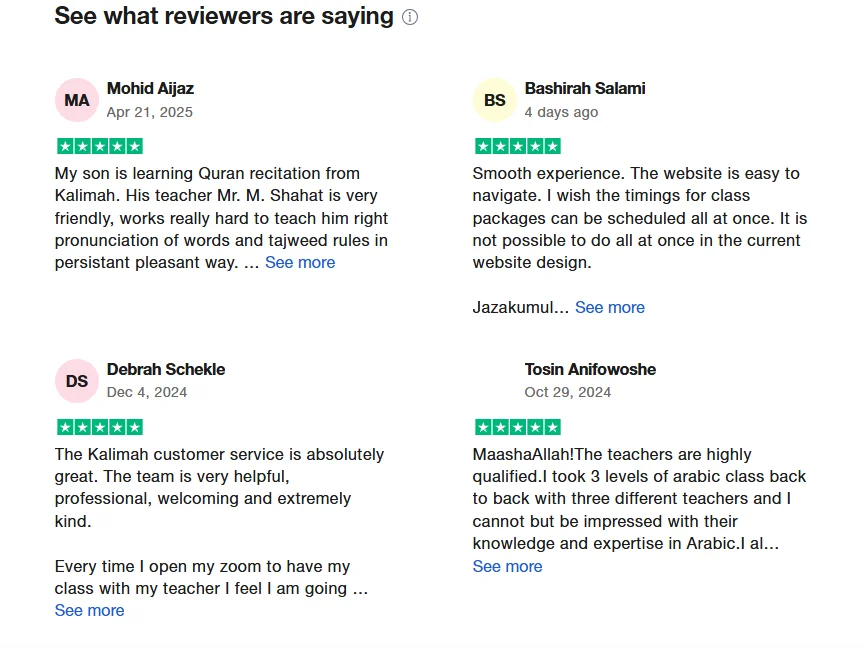
Book Your Free TrialHere Are The Reviews On Our Courses:
Our students frequently commend the excellence of our courses and the commitment shown by our instructors. You can read their complete reviews on Trustpilot.
Common Mistakes Learners Make With Clothes in Arabic
Even after memorizing the words, many learners make the same small errors. Fixing them early helps you sound natural and saves you from habits that are hard to break later.
1. Placing the Adjective Before the Noun
In English, you say “a new shirt.” In Arabic, the adjective always comes after the noun, so you say قميص جديد (qamīṣ jadīd). This order applies to every clothing word without exception.
2. Ignoring Gender Agreement
Saying تنورة طويل is a very common mistake. Because تنورة is feminine, the correct form is تنورة طويلة. Always check the noun’s gender before you add a color or description.
3. Adding a Regular Plural Ending to Every Word
Learners often guess plurals such as فستانات. The correct plural is فساتين. Learn each clothing word together with its plural from the start to avoid this problem.
4. Misreading Words Without Short Vowels
Store signs and labels rarely show short vowels, so a word like قبعة can look unfamiliar. Our guide on how to read Arabic without harakat shows you how to read real-world text like this with confidence.
How Kalimah Center Can Help You Master These Topics
At Kalimah Center, we teach Arabic through practical, real-life topics like this one. Our structured Arabic courses ensure you can confidently use the language in various scenarios.
Whether you want to describe an outfit, shop in an Arab market, or help your child build vocabulary, we have a program that fits your level and schedule.
Join us for a FREE trial class and see for yourself.
Our Arabic Courses
- Online Arabic Course.
- Arabic Group Classes.
- Arabic Classes for Kids.
- Online Quran Course.
- Interactive Activisuals Courses.
- Learn Arabic With Female Teachers.

Final Thoughts on Learning Clothes in Arabic
Learning clothes in Arabic gives you vocabulary you can use the same day, in a store, at a wedding, or while describing a friend’s outfit. Start with ملابس, قميص, فستان, and حذاء, then add the traditional garments.
After that, focus on the grammar that makes these words work: gender agreement, broken plurals, and verbs like لبس and خلع. With the shopping phrases and the short dialogue, you now have everything you need for real conversations about clothing.