If you’ve been searching for a fun, media-based way to learn Arabic and landed on Lingopie, you’re not alone. The platform looks impressive — Netflix-style interface, dual subtitles, interactive flashcards. But before you subscribe, there’s one answer you need first.
Lingopie does not currently teach Arabic. The platform supports 17 languages, and Arabic is not among them. If Arabic is your goal, Lingopie is the wrong starting point — and knowing that now saves you both money and time.
This article explains exactly what Lingopie offers, where it falls short for Arabic learners, and what a serious Arabic learning path actually looks like.
What You’ll Learn in This Article
- Whether Lingopie teaches Arabic (and what it actually offers)
- Why general language apps struggle with Arabic specifically
- What Arabic learners need that apps cannot provide
- Where to find structured, specialist Arabic instruction
Does Lingopie Teach Arabic?
Lingopie is a video-based language learning platform that teaches languages through TV shows, movies, and documentaries with dual interactive subtitles.
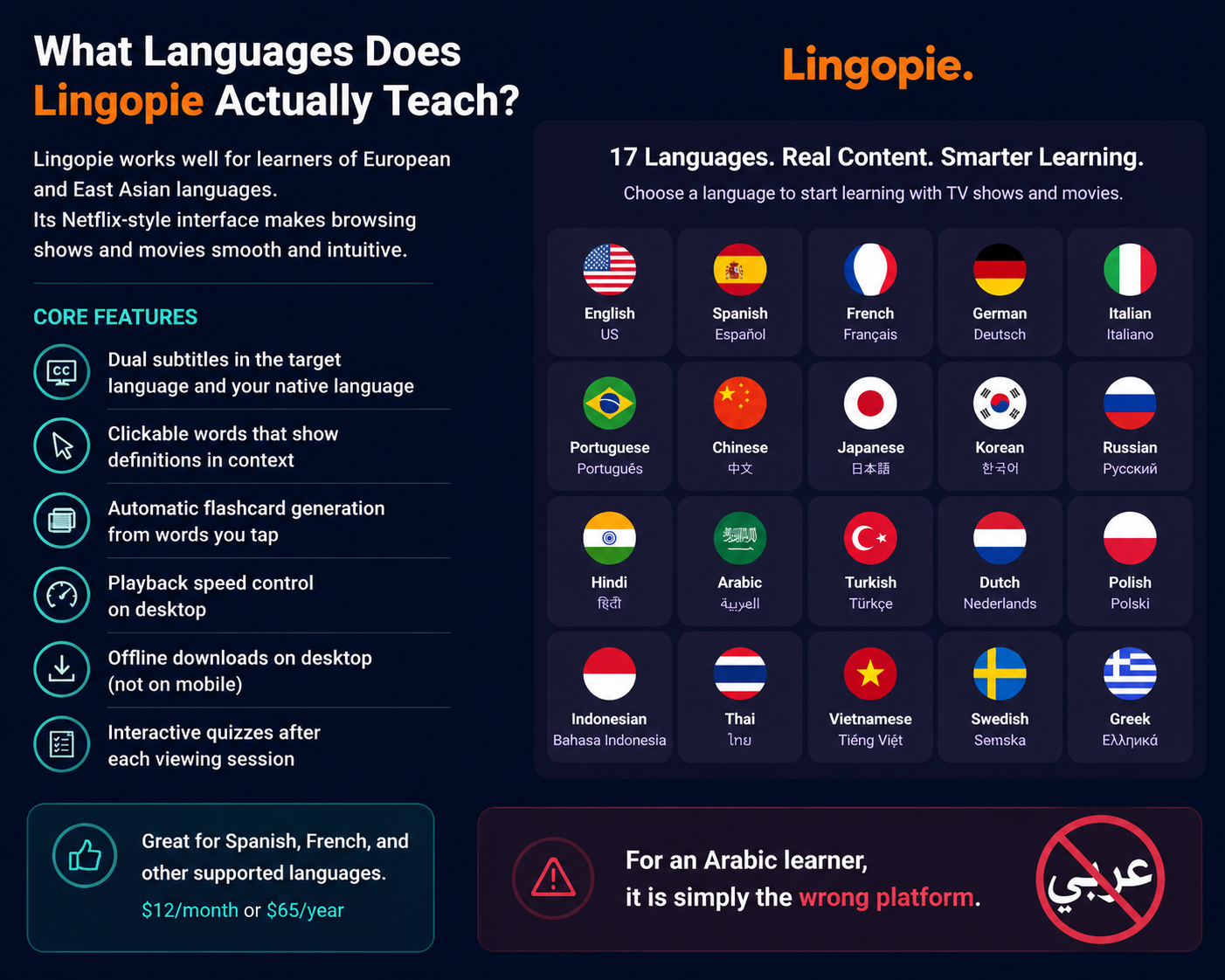
Its library currently covers 17 languages: Spanish, French, Italian, Portuguese, German, Russian, Japanese, Chinese, Korean, Dutch, Turkish, Greek, Polish, Hebrew, Norwegian, Swedish, and English.
Arabic is not on that list.
According to Lingopie’s own documentation, Arabic is one of the most requested languages on the platform and is listed as a planned addition — but as of now, no Arabic content is available to learners.
If you open a Lingopie account today hoping to learn Arabic, you will find nothing to work with.
This is a critical distinction that many review articles gloss over. Does Lingopie teach Arabic? The direct answer: no, not yet, and no confirmed launch date has been announced.
What Languages Does Lingopie Actually Teach?
Lingopie works well for learners of European and East Asian languages. Its Netflix-style interface makes browsing shows and movies smooth and intuitive. The core features include:
- Dual subtitles in the target language and the learner’s native language
- Clickable words that display definitions in context without pausing the video
- Automatic flashcard generation from words you tap during viewing
- Playback speed control on the desktop version
- Offline downloads available on the desktop (not the mobile app)
- Interactive quizzes after each viewing session
The platform is genuinely effective for the languages it covers. For a Spanish or French learner who benefits from immersive media exposure, Lingopie is a reasonable subscription at $12/month or $65/year.
For an Arabic learner, it is simply the wrong platform.
Read Also: Does Jumpspeak Teach Arabic?
Is Lingodeer Good For Arabic?
LingoDeer is a structured app originally built for East Asian languages — Japanese, Korean, and Chinese — and later expanded to include European languages. It takes a grammar-first approach with structured lessons, drills, and writing practice.
Does LingoDeer teach Arabic? No. LingoDeer does not include Arabic in its curriculum. The app focuses on Asian and European languages and has not added Arabic to its course catalog.
So the question “Is LingoDeer good for Arabic?” has a straightforward answer: it cannot be evaluated for Arabic because it does not offer it.
Both Lingopie and LingoDeer are general-audience, multi-language platforms. Arabic is consistently absent from both — and that absence reveals something important about the challenge Arabic presents for app-based learning.
Why Is Arabic Harder For Apps To Teach Than Other Languages?
Arabic is not simply another language slot that platforms can add by uploading subtitled content. It presents structural challenges that generic apps are not designed to handle.
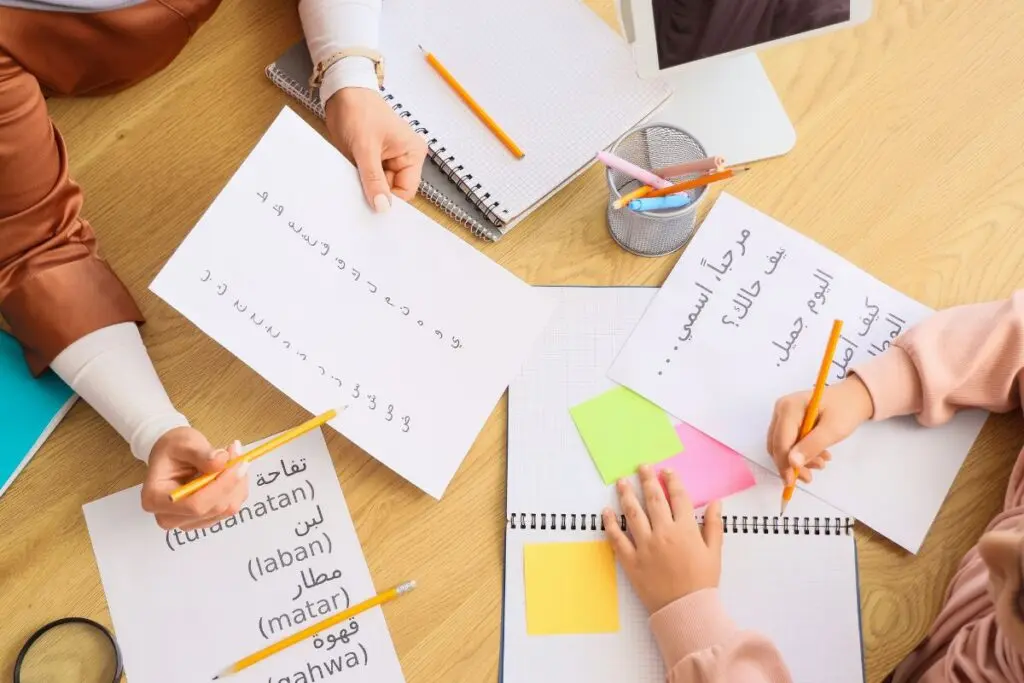
The script runs right to left and uses a cursive system where letter shapes change depending on their position in a word. This alone requires dedicated script instruction that a subtitle-based platform like Lingopie cannot provide.
Arabic has two major registers that learners must navigate: Modern Standard Arabic (MSA), used in formal writing, news, and education, and colloquial dialects — Egyptian, Levantine, Gulf, Moroccan — that differ significantly from each other and from MSA.
A show in Egyptian Arabic teaches you Egyptian expressions, not Quranic Arabic or business correspondence. Lingopie’s dual-subtitle model cannot distinguish these registers or teach you which to use and when.
Arabic morphology is root-based. Most Arabic words derive from three-letter roots, and understanding the root system is the key to vocabulary acquisition. A flashcard from a subtitle does not teach the root. A qualified instructor does.
This is the practitioner reality that generic apps consistently underestimate: Arabic is a language where structure must come before media immersion, not after.
At Kalimah Center, this is where our curriculum begins — with the structural foundation that makes everything else, including media consumption, genuinely useful.
Read Also: Is Anki good for learning Arabic?
Experience Kalimah Center Classes
Watch real excerpts from our live sessions at Kalimah Center and see how we bring learning to life. These clips highlight our interactive, student-centered teaching approach across all our courses—designed to keep learners engaged, motivated, and actively involved every step of the way.
Master Arabic with Kalimah Center
Join our expert-led online classes and start your journey toward Arabic fluency today.
Book Your Free TrialWhat Arabic Learners Actually Need?
The appeal of Lingopie and similar platforms is real: passive, enjoyable learning through content you’re already motivated to watch.
For Spanish or French, where learners likely have some prior exposure and where media content reinforces an existing foundation, this works.
For Arabic learners — especially beginners — the path requires something different:
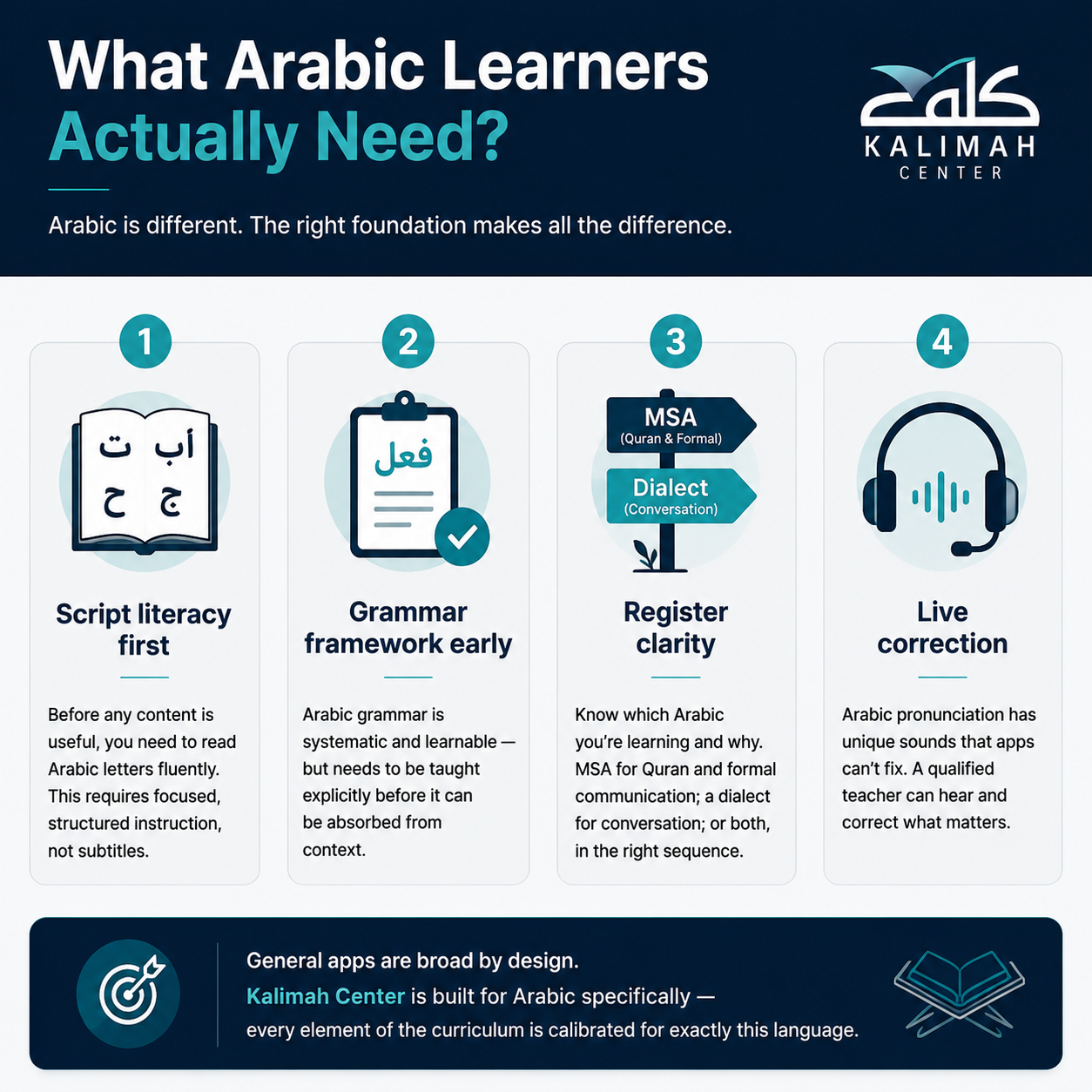
1. Script literacy first
Before any content is useful, you need to read Arabic letters fluently. This requires focused, structured instruction, not subtitles.
2. Grammar framework early
Arabic grammar, including case endings, verb conjugation patterns, and the dual form, is systematic and learnable — but it needs to be taught explicitly before it can be absorbed from context.
3. Register clarity
You need to know which Arabic you’re learning and why. MSA for Quran and formal communication; a dialect for conversation; or both, in the right sequence.
4. Live correction
Arabic pronunciation involves sounds — the ʿayn, ḥa, ghayn, qaf — that English speakers have never produced. A flashcard app cannot correct your mouth. A qualified teacher can.
General apps are broad by design. Kalimah Center is built for Arabic specifically — which means every element of the curriculum is calibrated for exactly this language.
Read Also: Diglossia in Arabic
Start Learning Arabic the Right Way with Kalimah Center
If you searched “does Lingopie teach Arabic” because you want to learn Arabic, the good news is that the right resource exists — it just isn’t Lingopie.
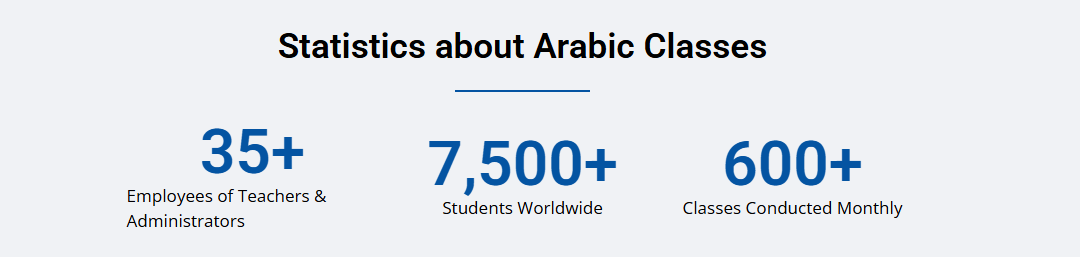
Kalimah Center offers specialist Arabic instruction for adults and children, taught by qualified instructors with structured, progressive curricula designed around how Arabic is actually acquired.
Whether you’re starting from zero or returning to Arabic after a gap, Kalimah Center builds your skills from script to fluency with a level of depth and specialization that no general-purpose language app can replicate.
Explore Our Courses:
- Best Online Arabic Classes for Adults: for adults who want intensive, structured progress.
- Intensive Arabic Group Classes: for learners who want affordable group learning.
- Learn Arabic Online for Kids: for children beginning their Arabic journey.
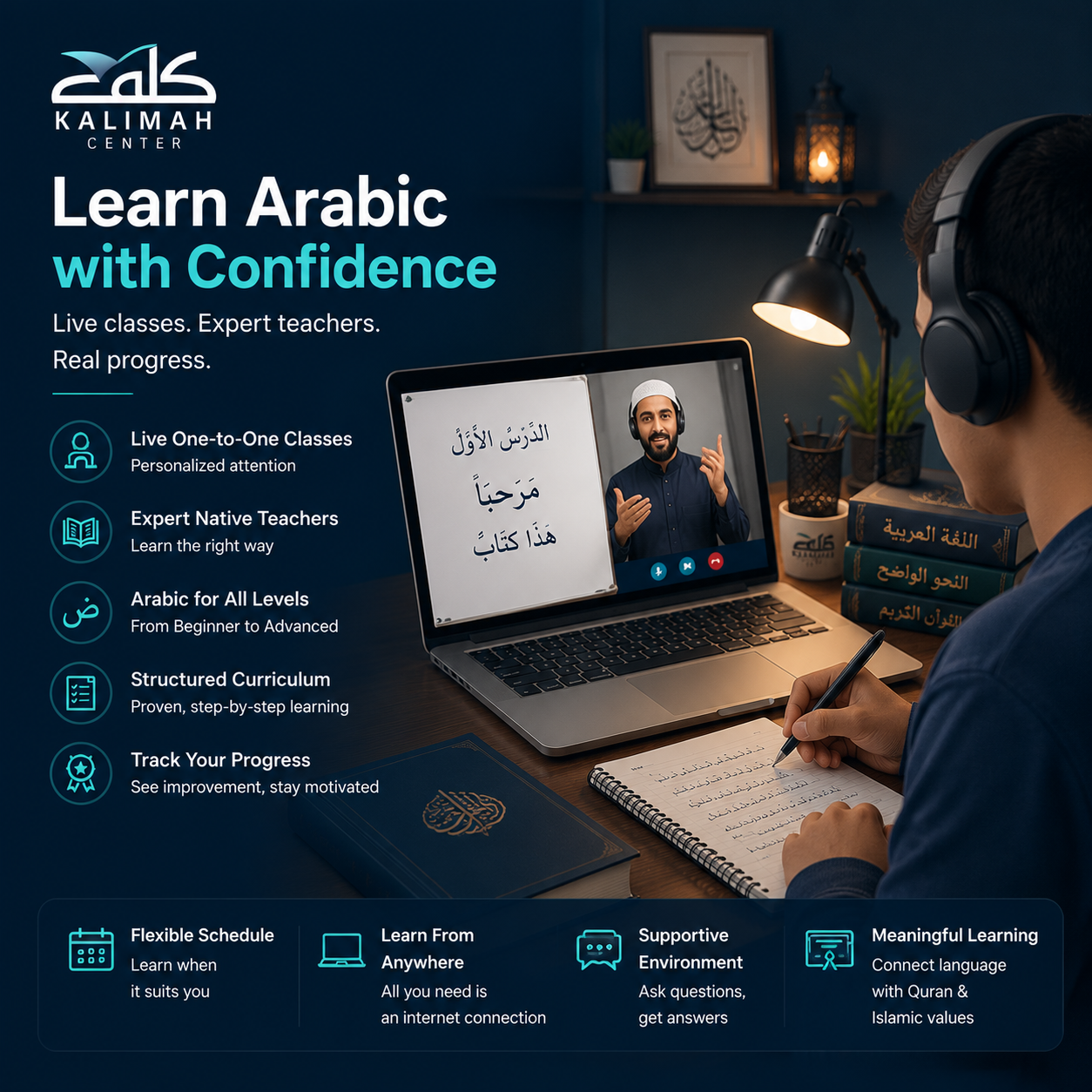
Inside Kalimah Center: Moments from Our Courses
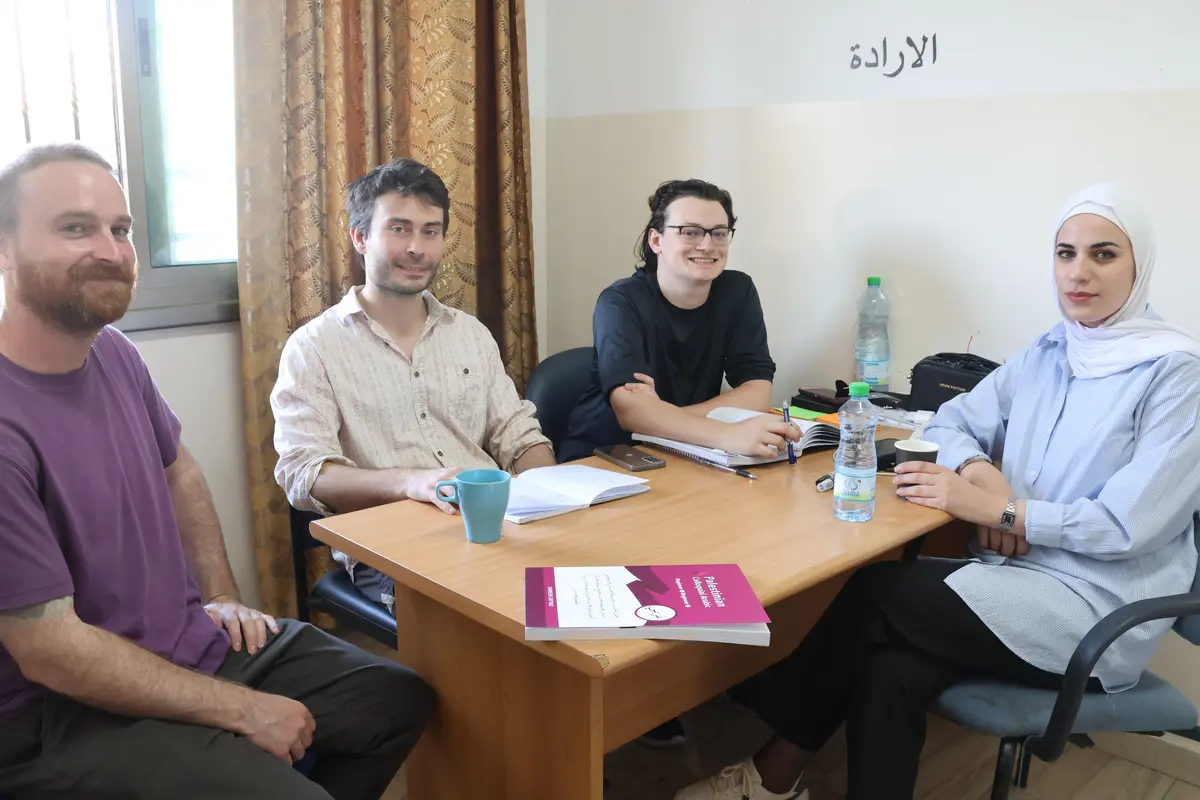
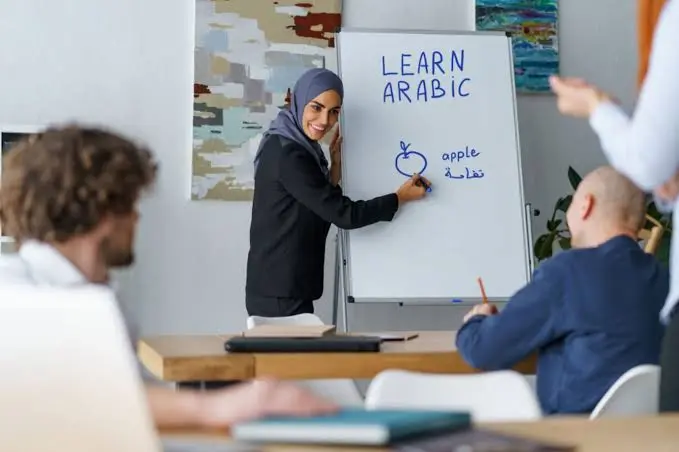
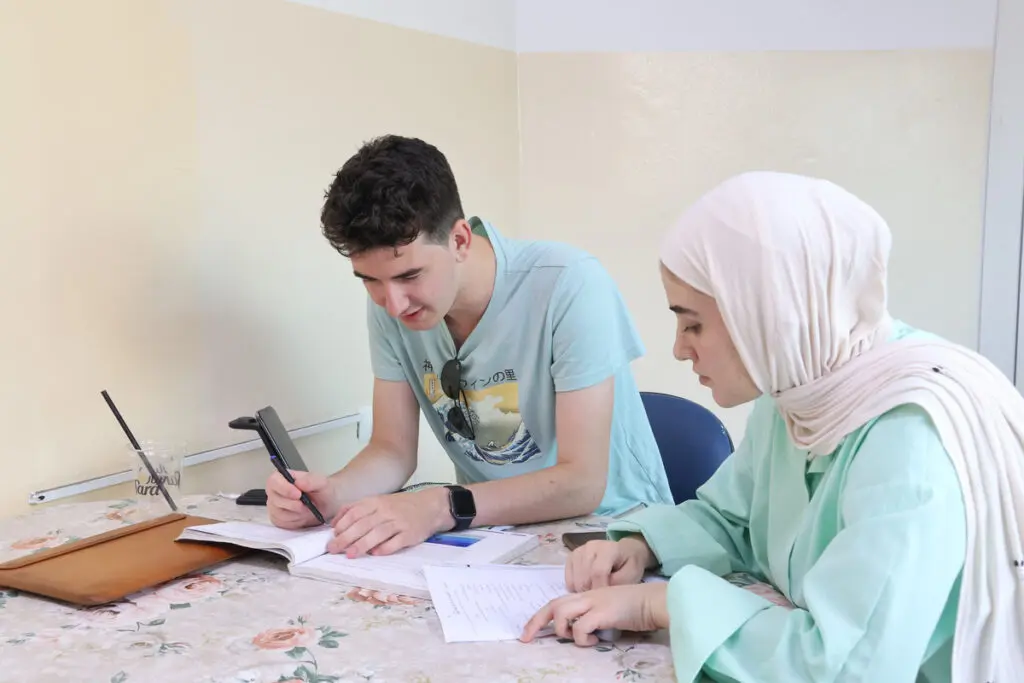
Get a glimpse into the vibrant learning experience at Kalimah Center. These snapshots capture real moments from our live classes—where students engage deeply, connect with passionate instructors, and grow in a welcoming, supportive environment.
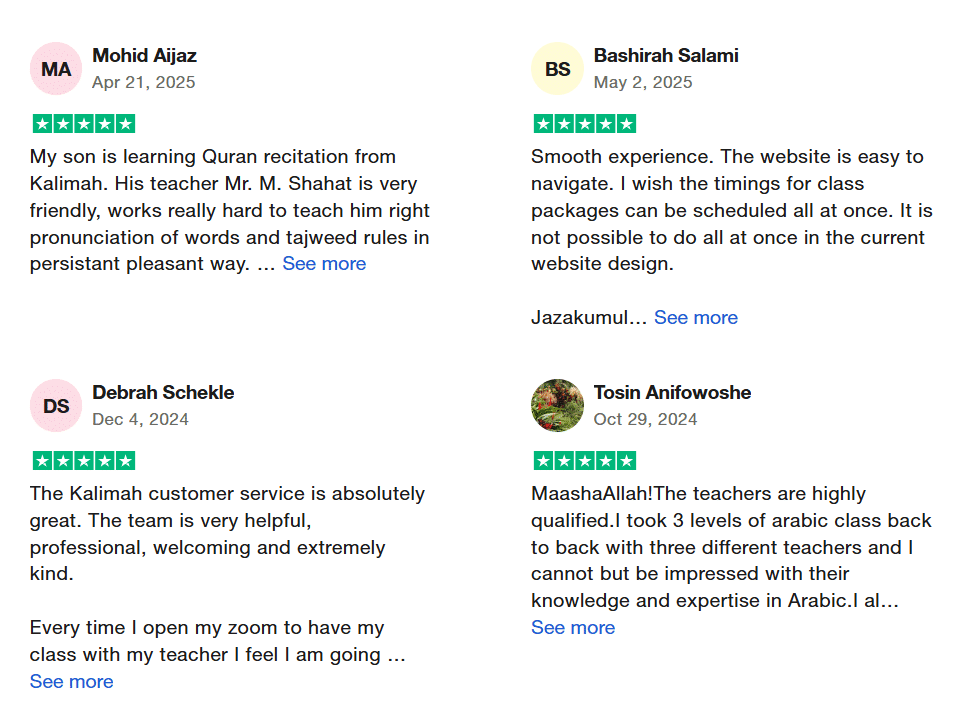
Here Are The Reviews On Our Courses:
Our students frequently commend the excellence of our courses and the commitment shown by our instructors. You can read their complete reviews on Trustpilot.
Read more reviews on Trustpilot
🚀 Start Your Free Trial Today! 🚀
Don’t miss out on this life-changing opportunity to deepen your faith and knowledge. Sign up now for your free trial and take the first step towards becoming a better practicing Muslim with Kalimah Center!
Master Arabic with Kalimah Center
Join our expert-led online classes and start your journey toward Arabic fluency today.
Book Your Free TrialConclusion
Does Lingopie teach Arabic? No, and that answer applies across every plan, every device, and every feature the platform offers. Lingopie is a capable tool for the 17 languages it supports, but Arabic is not one of them.
More importantly, the features that make Lingopie effective for European and East Asian languages — subtitle immersion, flashcard generation, passive media exposure are not sufficient for Arabic learners who need script literacy, grammatical structure, and register awareness before media immersion becomes useful.
Arabic rewards specialist instruction. Kalimah Center provides exactly that: structured, qualified, purpose-built Arabic learning for adults and children at every level. If Lingopie brought you here, let Kalimah Center take you the rest of the way.
Frequently Asked Questions
Below are the most common questions Arabic learners ask when evaluating Lingopie as a tool for learning Arabic.
1. Does Lingopie teach Arabic?
No. Lingopie currently supports 17 languages — Spanish, French, Italian, Portuguese, German, Russian, Japanese, Chinese, Korean, Dutch, Turkish, Greek, Polish, Hebrew, Norwegian, Swedish, and English — and Arabic is not included. The platform has indicated Arabic is a frequently requested addition, but no release date has been confirmed.
2. Is LingoDeer good for Arabic?
LingoDeer does not offer an Arabic course, so it cannot be assessed as an Arabic learning tool. The platform focuses on East Asian and European languages. Arabic learners should look to specialist platforms rather than general multi-language apps.
3. What is the best app to learn Arabic?
No single app fully covers the complexity of Arabic learning, particularly for beginners who need script instruction and grammatical structure. Apps are most useful as supplements to structured instruction. Kalimah Center’s live online Arabic courses provide the foundation that apps cannot replace.
4. Can I learn Arabic through movies and TV shows?
Exposure to Arabic media is valuable — but only once you have a working foundation in the script and core grammar. Without that base, subtitled content is difficult to parse and even harder to retain. Learners at Kalimah Center build that foundation first, which makes media exposure genuinely productive.
5. What is the difference between Lingopie and a dedicated Arabic academy?
Lingopie is a general-purpose media platform designed for learners of multiple languages who already have some literacy in their target language. Kalimah Center is a specialist Arabic academy with qualified instructors, structured curricula, and dedicated pathways for children, adults, and Quran-focused learners. The comparison is less “which app is better” and more “tool vs. structured education.”
6. How long does it take to learn Arabic?
The U.S. Foreign Service Institute classifies Arabic as a Category IV language — the most demanding for English speakers — estimating approximately 2,200 class hours to reach professional proficiency. With consistent structured study through Kalimah Center, learners at beginner to intermediate levels typically see meaningful reading and conversational progress within six to twelve months.