Breakfast is one of the easiest and most practical topics for learning Arabic vocabulary. It is familiar, simple, and connected to daily life.
When you learn Arabic vocabulary for breakfast foods, you can talk about what you eat in the morning, order breakfast in Arabic, read simple menus, and understand common food words used in homes, cafés, hotels, and restaurants.
Arabic breakfast can be simple or rich depending on the country and family tradition. In many Arab homes, breakfast may include bread, eggs, cheese, olives, fava beans, yogurt, tea, coffee, honey, jam, dates, and fresh vegetables.
This guide will help you learn common Arabic breakfast words with English meanings, pronunciation help, and easy example sentences.
Common Arabic Breakfast Foods
Here are some of the most useful Arabic breakfast words for beginners:
| English | Arabic | Transliteration |
| Breakfast | فطور | fuṭūr |
| Bread | خبز | khubz |
| Eggs | بيض | bayḍ |
| Cheese | جبن | jubn |
| Olives | زيتون | zaytūn |
| Fava beans | فول | fūl |
| Yogurt | زبادي | zabādī |
| Milk | حليب | ḥalīb |
| Tea | شاي | shāy |
| Coffee | قهوة | qahwah |
| Honey | عسل | ʿasal |
| Jam | مربى | murabbā |
| Dates | تمر | tamr |
These words are a strong starting point because they are common in everyday Arabic conversations.
How to Say Breakfast in Arabic?
The word for breakfast in Arabic is:
فطور — fuṭūr — breakfast
You may also hear:
وجبة الفطور — wajbat al-fuṭūr — the breakfast meal
In daily Arabic, many people simply say فطور.
Examples:
أحب الفطور.
I like breakfast.
الفطور جاهز.
Breakfast is ready.
ماذا تريد في الفطور؟
What do you want for breakfast?
The word فطور is very useful because it appears in homes, restaurants, hotels, and daily conversations.
Basic Breakfast Foods in Arabic
Most Arabic breakfasts include simple everyday foods. These words are important because they are common in many Arab countries.
- خبز — khubz — bread
- بيض — bayḍ — eggs
- جبن — jubn — cheese
- زيتون — zaytūn — olives
- فول — fūl — fava beans
- حمص — ḥummuṣ — hummus / chickpeas
- لبنة — labnah — labneh
- زبادي — zabādī — yogurt
- عسل — ʿasal — honey
- مربى — murabbā — jam
Examples:
أريد خبزًا وجبنًا.
I want bread and cheese.
أحب البيض في الفطور.
I like eggs for breakfast.
الفول مشهور في الفطور.
Fava beans are popular for breakfast.
Bread and Bakery Items for Breakfast
Bread is one of the most important breakfast foods in the Arab world. Many people eat bread with cheese, eggs, beans, olives, labneh, or za’atar.
Useful words:
- خبز — khubz — bread
- رغيف — raghīf — loaf / piece of bread
- عيش — ʿaysh — bread, common in Egypt
- خبز عربي — khubz ʿarabī — Arabic bread / pita bread
- مناقيش — manāqīsh — flatbread with toppings
- فطيرة — faṭīrah — pie / pastry
- كرواسون — kurwāsūn — croissant
- توست — tōst — toast
Examples:
أريد خبزًا عربيًا.
I want Arabic bread.
أكلت مناقيش بالزعتر.
I ate za’atar flatbread.
هذا التوست ساخن.
This toast is hot.
Egg Vocabulary in Arabic Breakfast
Eggs are a common breakfast food in many Arab homes. They can be boiled, fried, scrambled, or cooked with vegetables.
Useful egg vocabulary:
- بيض — bayḍ — eggs
- بيضة — bayḍah — one egg
- بيض مسلوق — bayḍ maslūq — boiled eggs
- بيض مقلي — bayḍ maqlī — fried eggs
- بيض مخفوق — bayḍ makhfūq — scrambled eggs
- عجة — ʿijjah — omelet
Examples:
أريد بيضًا مسلوقًا.
I want boiled eggs.
هل تحب البيض المقلي؟
Do you like fried eggs?
العجة لذيذة.
The omelet is delicious.
Cheese and Dairy Breakfast Vocabulary
Cheese and dairy products are common in Arabic breakfast. They are often served with bread, olives, cucumbers, tomatoes, and tea.
Useful words:
- جبن — jubn — cheese
- جبنة — jubnah — cheese, common spoken form
- جبنة بيضاء — jubnah bayḍā’ — white cheese
- لبنة — labnah — labneh
- زبادي — zabādī — yogurt
- لبن — laban — yogurt / milk, depending on region
- حليب — ḥalīb — milk
- زبدة — zubdah — butter
- قشطة — qishta — cream
Examples:
أحب الجبن الأبيض.
I like white cheese.
اللبنة مع الخبز لذيذة.
Labneh with bread is delicious.
أشرب الحليب في الصباح.
I drink milk in the morning.
Traditional Arabic Breakfast Foods
In many Arab countries, breakfast is not complete without traditional dishes like fava beans, hummus, falafel, labneh, or shakshuka.
Useful vocabulary:
- فول — fūl — fava beans
- فلافل — falāfil — falafel
- حمص — ḥummuṣ — hummus / chickpeas
- مسبحة — musabbaḥah — chickpea dish, common in the Levant
- فتة — fattah — bread, yogurt, and chickpea dish
- شكشوكة — shakshūkah — eggs with tomato sauce
- زعتر — zaʿtar — thyme / za’atar mix
- زيت زيتون — zayt zaytūn — olive oil
Examples:
أكلت فولًا وفلافل.
I ate fava beans and falafel.
الحمص مع زيت الزيتون لذيذ.
Hummus with olive oil is delicious.
أحب الزعتر مع الخبز.
I like za’atar with bread.
Read also: Arabic Food Vocabulary
Master Arabic Online with a Step-by-Step Learning Journey
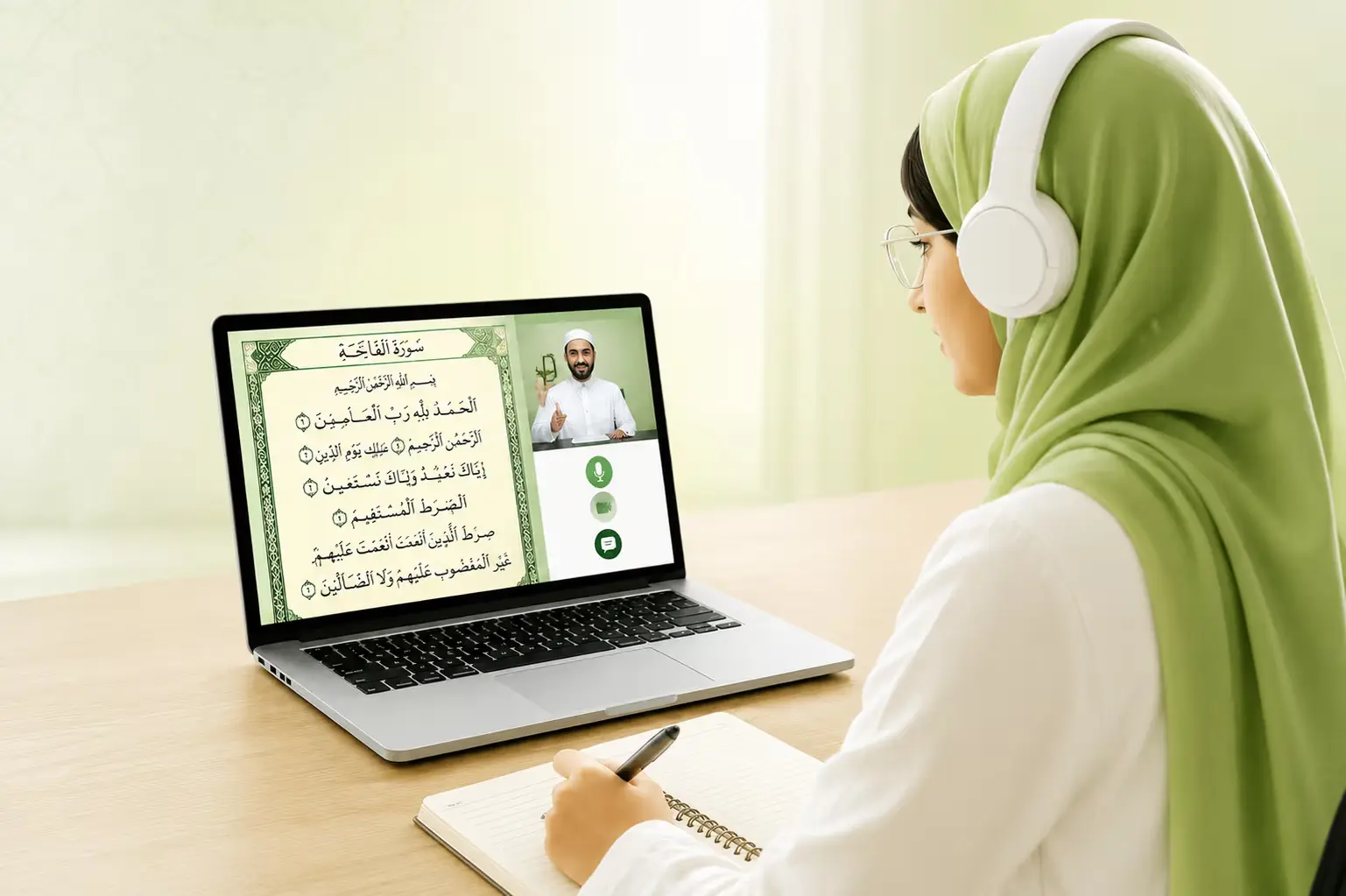
If you are looking for a structured and effective way to learn Arabic, Kalimah Center offers an Online Arabic Course designed to take you from the basics to confident communication. The course is built to help learners develop real language skills through clear explanations, guided practice, and practical usage in everyday situations.
With Kalimah Center, you don’t just memorize vocabulary—you learn how to understand and use Arabic naturally. The lessons focus on improving reading, speaking, listening, and comprehension in a balanced and gradual way, making it easier to progress at your own pace.
Enroll now in Kalimah Center’s Online Arabic Course and start building real fluency step by step.
Experience Kalimah Center Classes
Watch real excerpts from our live sessions at Kalimah Center and see how we bring learning to life. These clips highlight our interactive, student-centered teaching approach across all our courses—designed to keep learners engaged, motivated, and actively involved every step of the way.
Master Arabic with Kalimah Center
Join our expert-led online classes and start your journey toward Arabic fluency today.
Book Your Free TrialFruits and Vegetables for Breakfast in Arabic
Fruit and vegetables are common with breakfast, especially with cheese, labneh, eggs, and beans. They are also easy words for beginners because they are visual and familiar.
Common fruit words:
- تفاح — tuffāḥ — apple / apples
- تفاحة — tuffāḥah — one apple
- موز — mawz — banana / bananas
- موزة — mawzah — one banana
- برتقال — burtuqāl — orange
- تمر — tamr — dates
- عنب — ʿinab — grapes
- تين — tīn — figs
- فراولة — farāwlah — strawberry
- بطيخ — baṭṭīkh — watermelon
Common vegetable words:
- خيار — khiyār — cucumber
- طماطم — ṭamāṭim — tomatoes
- بندورة — bandūrah — tomatoes, common in the Levant
- خس — khass — lettuce
- فلفل — filfil — pepper
- بصل — baṣal — onion
- نعناع — naʿnāʿ — mint
- بقدونس — baqdūnis — parsley
Examples:
أكلت موزة في الفطور.
I ate a banana for breakfast.
أريد خيارًا وطماطم.
I want cucumber and tomatoes.
أريد عصير برتقال.
I want orange juice.
Breakfast Drinks in Arabic
Drinks are an important part of breakfast vocabulary. In many Arab homes, tea and coffee are common morning drinks.
Useful words:
- شاي — shāy — tea
- قهوة — qahwah — coffee
- قهوة عربية — qahwah ʿarabiyyah — Arabic coffee
- حليب — ḥalīb — milk
- عصير — ʿaṣīr — juice
- ماء — mā’ — water
- عصير برتقال — ʿaṣīr burtuqāl — orange juice
- عصير تفاح — ʿaṣīr tuffāḥ — apple juice
Examples:
أشرب الشاي في الصباح.
I drink tea in the morning.
أريد قهوة، من فضلك.
I want coffee, please.
العصير بارد.
The juice is cold.
Sweet Breakfast Foods in Arabic
Some breakfast tables include sweet foods like honey, jam, dates, halva, or pastries.
Useful words:
- عسل — ʿasal — honey
- مربى — murabbā — jam
- تمر — tamr — dates
- حلاوة — ḥalāwah — halva / sweet sesame paste
- كعك — kaʿk — cake / cookies, depending on region
- بسكويت — biskawīt — biscuits
- فطيرة حلوة — faṭīrah ḥulwah — sweet pastry
Examples:
أحب العسل مع الخبز.
I like honey with bread.
المربى حلو.
The jam is sweet.
أكلت تمرًا مع القهوة.
I ate dates with coffee.
How to Talk About Breakfast in Arabic?
Learning words is helpful, but using them in sentences is even better. These simple breakfast sentences can help you speak more naturally.
ماذا تأكل في الفطور؟
What do you eat for breakfast?
آكل خبزًا وجبنًا.
I eat bread and cheese.
أشرب الشاي في الصباح.
I drink tea in the morning.
أحب الفول والفلافل.
I like fava beans and falafel.
لا أحب البيض.
I do not like eggs.
أريد قهوة بدون سكر.
I want coffee without sugar.
These sentences are simple, but they are practical for real conversation.
How to Order Breakfast in Arabic?
If you are in a restaurant, café, or hotel, these phrases can help you order breakfast in Arabic.
هل تقدمون الفطور؟
Do you serve breakfast?
أريد فطورًا، من فضلك.
I want breakfast, please.
هل عندكم بيض؟
Do you have eggs?
أريد خبزًا وجبنًا.
I want bread and cheese.
أريد الشاي بدون سكر.
I want tea without sugar.
كم السعر؟
How much is the price?
These phrases are useful for travelers and Arabic learners who want to use vocabulary in real situations.
Breakfast Vocabulary by Situation
It is easier to remember vocabulary when you group it by situation.
At home, you may use words like خبز, بيض, جبن, شاي, and حليب.
At a café, you may need words like قهوة, كرواسون, عصير, and توست.
At a traditional Arabic breakfast table, you may hear words like فول, فلافل, حمص, لبنة, زيتون, and زعتر.
This method makes vocabulary easier to remember because each word is connected to a real-life place or moment.
Read also: Is Duolingo Good To Learn Arabic?
Best Way to Learn Arabic Breakfast Vocabulary
The easiest way to learn Arabic breakfast vocabulary is to start with the foods and drinks you enjoy every day. When vocabulary is connected to your daily routine, it becomes much easier to remember and use naturally.
For example, if you eat eggs for breakfast, learn the word بيض (eggs). If you drink coffee every morning, learn قهوة (coffee). If bread is a regular part of your breakfast, learn خبز (bread).
After learning a new word, try using it in a simple sentence:
أحب القهوة.
I like coffee.
أريد خبزًا.
I want bread.
آكل البيض في الصباح.
I eat eggs in the morning.
A simple daily routine can help you build your vocabulary quickly:
- Learn five new breakfast words.
- Say each word aloud several times.
- Write the Arabic word in a notebook.
- Use each word in a simple sentence.
- Review the words again the next morning.
By practicing regularly and focusing on words you actually use, Arabic breakfast vocabulary becomes practical, meaningful, and easy to remember.
Inside Kalimah Center: Moments from Our Courses
Get a glimpse into the vibrant learning experience at Kalimah Center. These snapshots capture real moments from our live classes—where students engage deeply, connect with passionate instructors, and grow in a welcoming, supportive environment.
Here Are The Reviews On Our Courses:
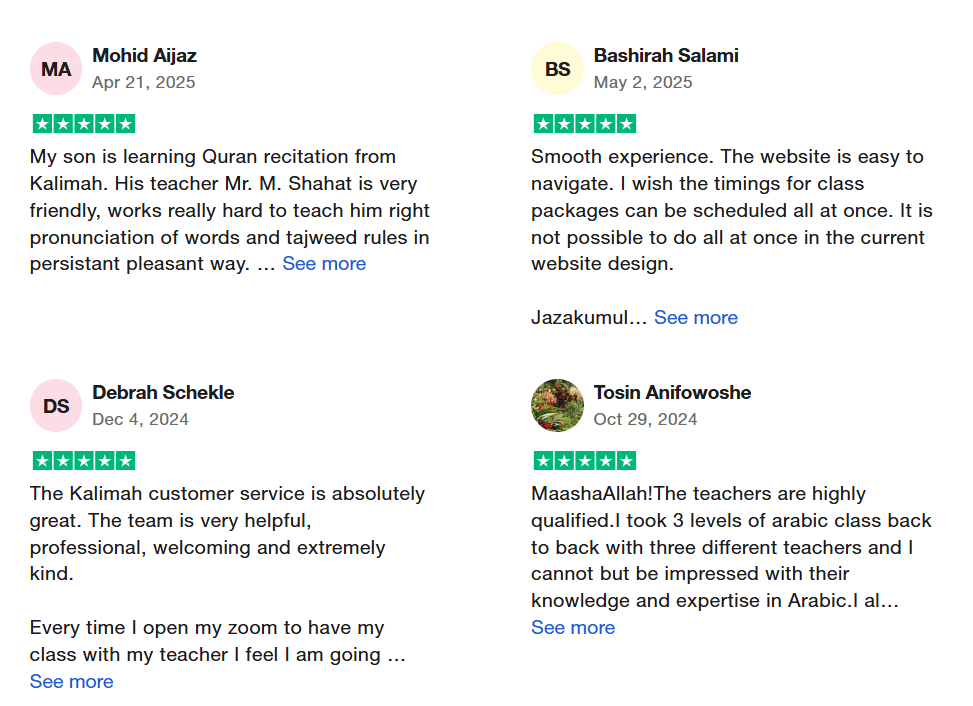
Our students frequently commend the excellence of our courses and the commitment shown by our instructors. You can read their complete reviews on Trustpilot.
Read more reviews on Trustpilot
Learn Arabic Through Real-Life Vocabulary and Practical Usage
If you want to learn Arabic in a simple and practical way, Kalimah Center offers a structured learning experience that connects the language with real daily life. Instead of memorizing isolated words, you will learn how Arabic is actually used in everyday situations such as food, shopping, travel, and conversations, which makes understanding faster and more natural.
Lessons like “Arabic Vocabulary for Breakfast Foods” help you build useful vocabulary step by step while practicing how to use each word in real sentences. This approach allows you to move from basic words to confident communication in a smooth and enjoyable way.
Start your Arabic learning journey today with Kalimah Center and improve your skills from the very first lesson.
📚 Explore Our Courses:
Online Arabic Course: Tailored to your level, our comprehensive Arabic program includes 16 teaching levels and 400+ hours of personalized sessions.
Online Quran With Tajweed Course: Perfect for non-Arabic speakers, our course spans 13 levels and equips you with Tajweed mastery from beginner to advanced.
Online Arabic Course For Kids: Nurture your child’s love for Arabic with our engaging and structured program, available in 24 levels for primary, intermediate, and secondary stages.
🚀 Start Your Free Trial Today! 🚀
Don’t miss out on this life-changing opportunity to deepen your faith and knowledge. Sign up now for your free trial and take the first step towards becoming a better practicing Muslim with Kalimah Center!
Master Arabic with Kalimah Center
Join our expert-led online classes and start your journey toward Arabic fluency today.
Book Your Free TrialConclusion
Learning Arabic vocabulary for breakfast foods is a simple and useful way to build everyday Arabic. Breakfast words are practical because they appear in homes, restaurants, cafés, hotels, markets, and daily conversations.
Start with basic words like فطور, خبز, بيض, جبن, شاي, قهوة, and فول. Then add fruits, vegetables, dairy products, drinks, and traditional Arabic breakfast dishes.
The most important step is to use the words in sentences. Say what you eat, what you drink, what you like, and what you want.
With regular practice, breakfast vocabulary will become easy to remember and useful in real Arabic conversations.
Want to build your Arabic vocabulary through daily life? Start with breakfast foods, then practice them in simple conversations, menus, recipes, and guided Arabic lessons.
FAQ About Arabic Vocabulary for Breakfast Foods
What is breakfast in Arabic?
Breakfast in Arabic is فطور — fuṭūr. You can also say وجبة الفطور, meaning the breakfast meal.
What are common Arabic breakfast foods?
Common Arabic breakfast foods include خبز, بيض, جبن, زيتون, فول, فلافل, حمص, لبنة, شاي, and قهوة.
How do you say eggs in Arabic?
Eggs in Arabic is بيض — bayḍ. One egg is بيضة — bayḍah.
How do you say bread in Arabic?
Bread in Arabic is خبز — khubz. In Egypt, people may also say عيش — ʿaysh.
How do you say coffee in Arabic?
Coffee in Arabic is قهوة — qahwah.
How do you say tea in Arabic?
Tea in Arabic is شاي — shāy.
What Arabic words should beginners learn for breakfast?
Beginners should start with words like فطور, خبز, بيض, جبن, شاي, قهوة, حليب, عسل, تمر, and فول.