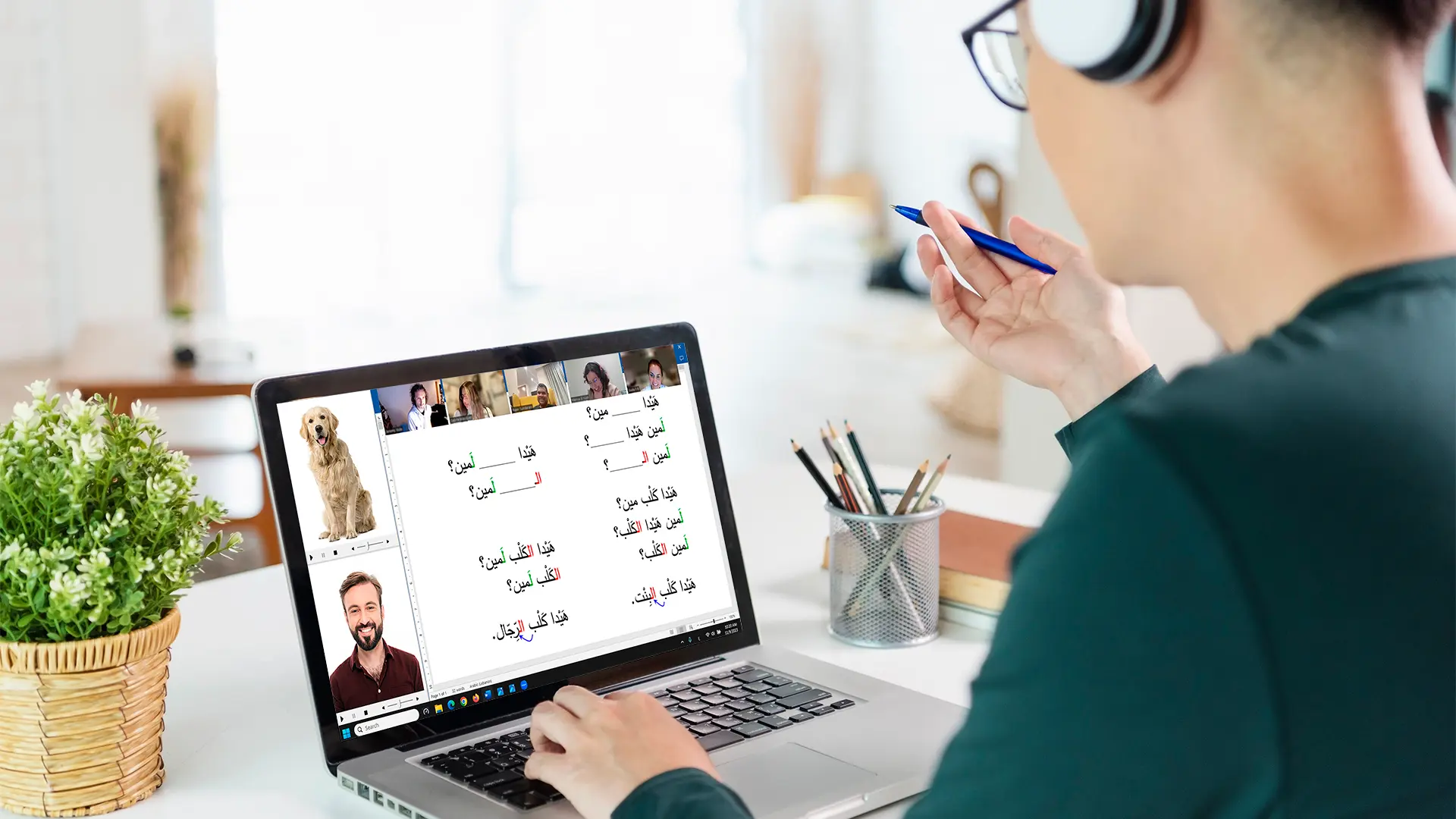
Online Arabic classes for middle schoolers (ages 11–14, grades 6–8) provide structured Arabic instruction adapted to the specific learning needs of pre-teens and young teenagers — more challenging than children’s programs but more engaging and interactive than adult courses. Effective programs cover the Arabic alphabet, reading with diacritics, conversational Arabic, grammar, and writing through age-appropriate topics like social issues, hobbies, and current events. Live instruction with native Arabic teachers produces significantly better speaking outcomes than self-paced apps.
Key Takeaway Table:
| Feature | Details |
|---|---|
| Target Age | 11–14 years (Grades 6–8) |
| Curriculum Style | Interactive + structured, age-appropriate topics |
| Skills Covered | Reading, writing, speaking, listening, grammar |
| Class Format | Live online, one-on-one and small group options |
| Starting Point | Alphabet (beginners) to advanced MSA/Fusha |
| Free Option | Free trial class available |
| Parent Features | Regular progress reports, parent feedback loop |
Middle school — ages 11–14 — is one of the most strategically powerful times to begin Arabic study. Cognitively, middle schoolers can handle grammar concepts that overwhelm younger children. Linguistically, they still have the neurological flexibility to develop near-native pronunciation. And motivationally, they are old enough to understand why language learning matters for their future.
But middle schoolers learn differently than both younger children and adults. They need intellectual challenge alongside engagement. They respond to relevance — language connected to their actual interests, not just classroom drills. And they need a safe environment where making mistakes feels like learning, not failure.
This guide explains what effective online Arabic classes for middle schoolers look like, what your child will learn at each stage, and how to evaluate programs that genuinely serve this age group.
What to Expect in Arabic Classes for Middle Schoolers: Structure and Approach
“online Arabic classes for middle schoolers” means special Arabic classes made for the learning needs of students in grades 6, 7, and 8 (around 11-14 years old). We understand that these middle schoolers learn differently than younger children or high school students. Middle schoolers need more challenge, but also need fun. And they like to use technology, so online classes are perfect for them!
Is My Middle Schooler Too Old to Start Arabic from Zero?
Absolutely not. This is one of the most common concerns parents bring to Kalimah Center — and one of the easiest to put to rest.
Here is the truth about middle schoolers and language learning:
What middle schoolers have over younger children:
- Faster vocabulary acquisition — a 13-year-old learns new words 3–4 times faster than a 5-year-old
- Grammar comprehension — middle schoolers understand grammatical rules and patterns explicitly, which younger children cannot
- Metacognitive skills — they know how to study, take notes, and apply learning strategies
- Longer focus — 45-minute structured lessons are natural; young children need 10–15 minute sessions
What younger children have over middle schoolers:
- Pronunciation flexibility — the phonological system is more plastic before age 7–8; middle schoolers can still achieve excellent pronunciation but must work consciously at Arabic-specific sounds (ع, خ, ح, غ)
- Accent naturalness — earlier exposure produces more natural-sounding speech
Our experience at Kalimah Center: Many of our strongest, most motivated Arabic learners began at age 11–13. They reach conversational fluency faster than younger beginners because of their cognitive advantages, and their pronunciation — with consistent practice from a native teacher — becomes excellent.
Starting Arabic at middle school age is not a disadvantage. It’s an opportunity with its own powerful set of advantages.
Arabic Curriculum for Middle Schoolers: Alphabet to Advanced Conversation
Our curriculum for middle schoolers learning Arabic is structured to build a strong foundation while gradually introducing more complex concepts. Here is a closer look at how we do it:
1. Introducing The Arabic Alphabet to Middle Schoolers with Games
We start with the alphabet, but we go beyond simple memorization. For middle schoolers, we teach the shapes, the sounds, and the connections between Arabic letters in a way that resonates with middle schoolers.
We use visuals and interactive exercises, like writing the letter Sheen (ش) and saying the word “Shams” (شمس – Sun) aloud, but we also challenge them with questions like, “Can you think of other words that start with Sheen?”
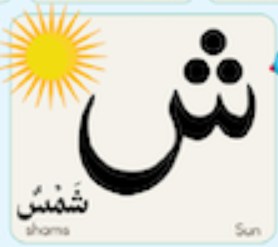
We also use games designed for middle schoolers to reinforce alphabet learning. For example, a game where they have to match similar-looking letters:
2. Training Middle Schoolers to Read Arabic with Confidence
We move beyond individual Arabic letters to reading Arabic words and sentences. We teach the Arabic vowels – Fatha (فتحة), Kasra (كسرة), Damma (ضمة).
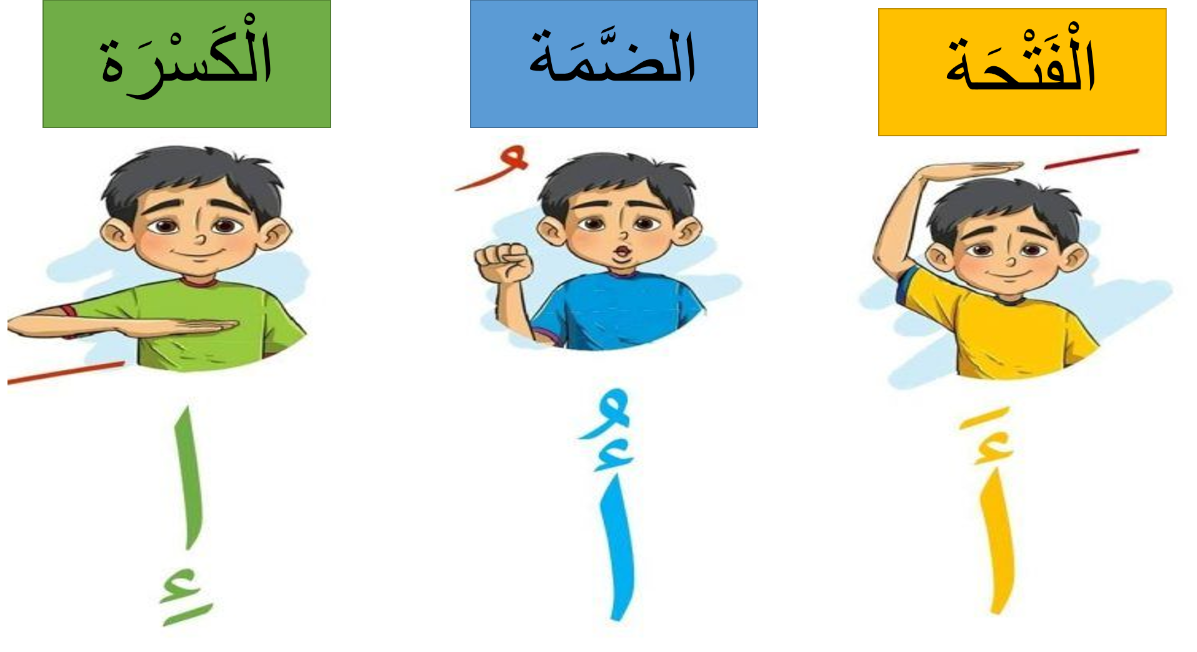
And other important linguistic elements like Sukoon (سكون), Shadda (شدة), and Tanween (تنوين). But we do it in a way that is engaging for middle schoolers.
We would use such these visuals: Where is the “Sukoon” in the following picture?
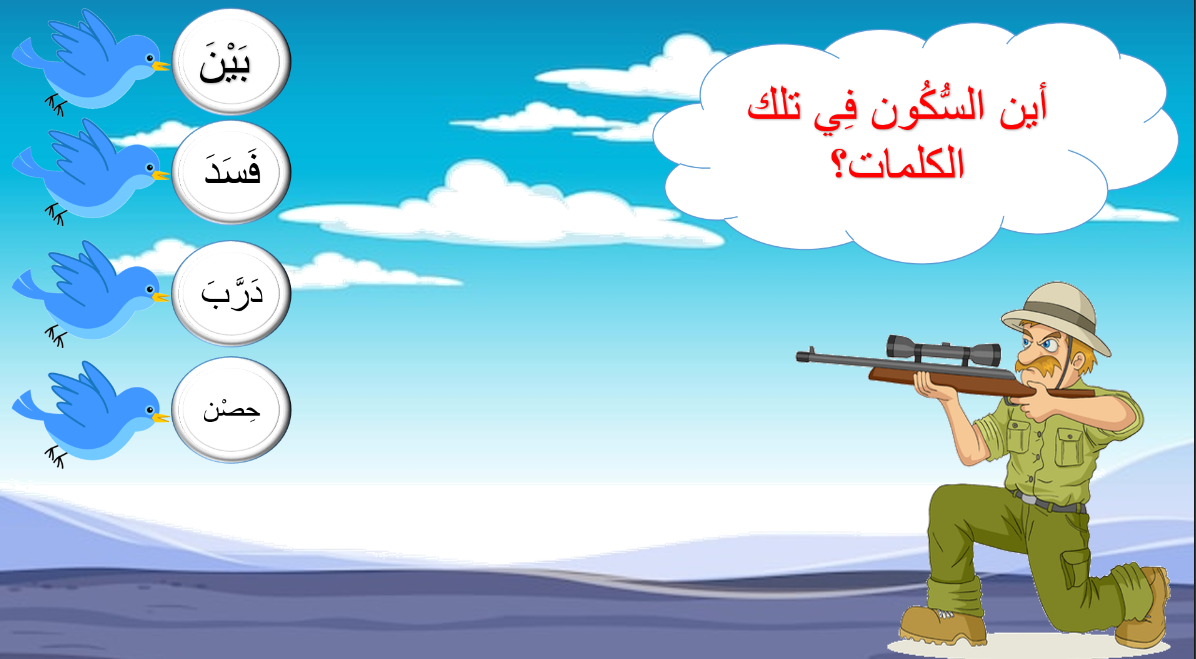
And we would use such exercise:
- The middle schoolers read simple words like قَمَر (qamar – moon), كِتَاب (kitaab – book), and عِلْم (ʿilm – knowledge) with the diacritics.
- The middle schoolers are asked to place the correct diacritics on the letters to form the correct words while PRONOUNCING it.
- As they progress, we use sentences with missing diacritics to further challenge their understanding and improve their reading fluency.
And so on…
Sign up for your child today for a free trial class!
3. Training Middle Schoolers to Build Arabic Conversational Skills
We get middle schoolers speaking from the first class, starting with personal introductions that feel natural for their age:
- اسمي أحمد، عمري ثلاثة عشر عاماً (Ismi Ahmed, omri thalathata ashar aman) — My name is Ahmed, I am thirteen years old.
- أنا من إنجلترا، وأدرس في الصف السابع (Ana min Ingilterra, wa adrus fil saf al-sabi’) — I am from England, and I study in seventh grade.
- أنا مهتم بكرة القدم والموسيقى (Ana muhtamm bi-kurat al-qadam wal-museeqa) — I am interested in football and music.
These introductions immediately feel relevant to a middle schooler’s life. We then build into conversations about school life, hobbies, family, and current interests — the topics a 12-year-old actually wants to discuss.
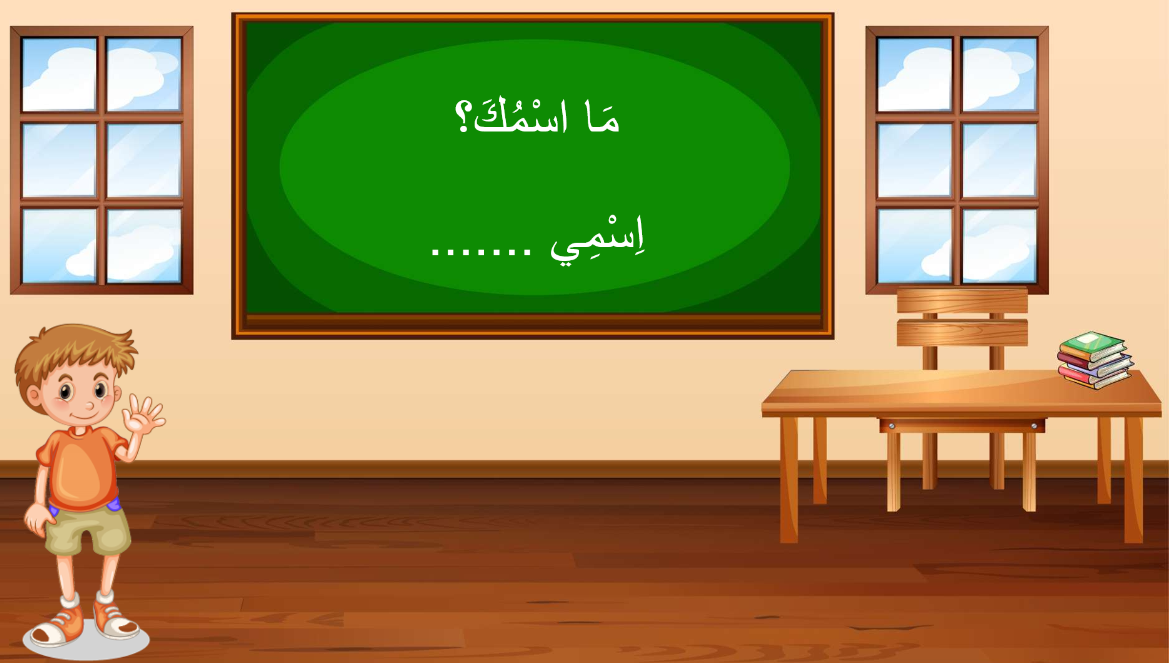
Then, we encourage them to talk about their hobbies, their families, and their dreams, all in Arabic.
We use role-playing and real-life scenarios to make it fun.
For example, we might have them act out a scene where they are ordering food in an Arabic restaurant or asking for directions in an Arabic-speaking city.
We also incorporate storytelling, a powerful tool for language learning. After reading a story, we ask students to summarize it in their own words, encouraging them to use new vocabulary and grammar structures. This helps them to not only understand the language but also to express themselves creatively. This is a good way to improve their speaking skill.
4. Developing Strong Arabic Writing Skills in Middle Schoolers
We teach Arabic writing systematically for middle schoolers. We start by practicing writing individual Arabic letters.
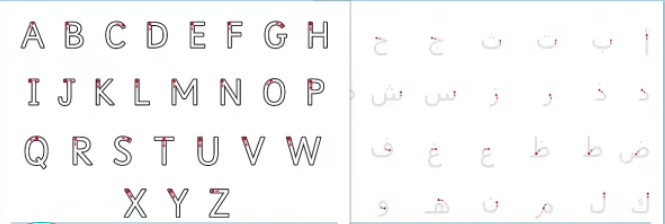
Then we move on to writing Arabic words and sentences. We emphasize the importance of correct letter shapes and connections.
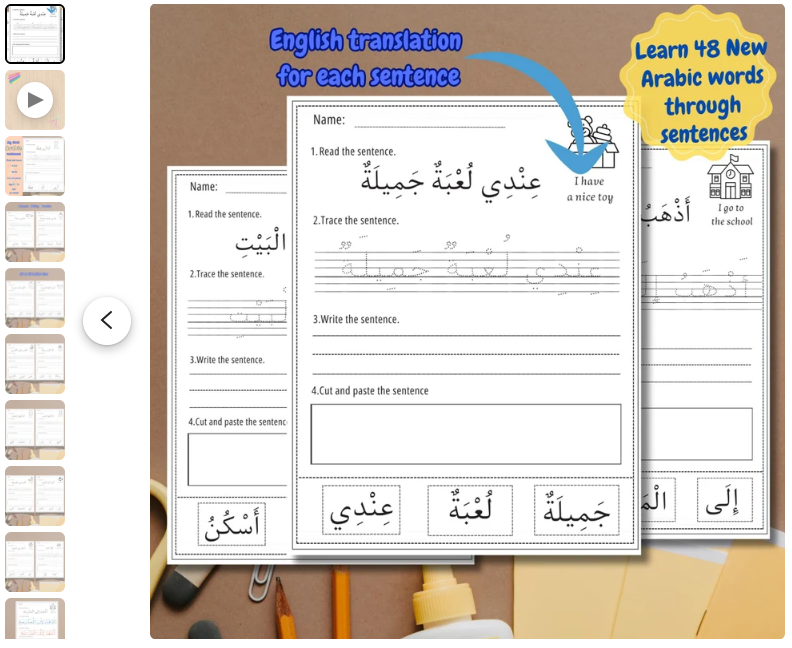
Then, we will challenge them to write a short paragraph about their favorite book, using the new vocabulary and grammar they have learned.
We also introduce different writing styles, like writing a letter to a friend or a short story.
Read more about: Online Arabic Classes for High Schoolers
5. Making Arabic Grammar Fun and Relevant for Middle Schoolers
We introduce grammatical concepts gradually for middle schoolers, always connecting them to real-life examples.
For example, when teaching about masculine and feminine nouns, we use visual aids.
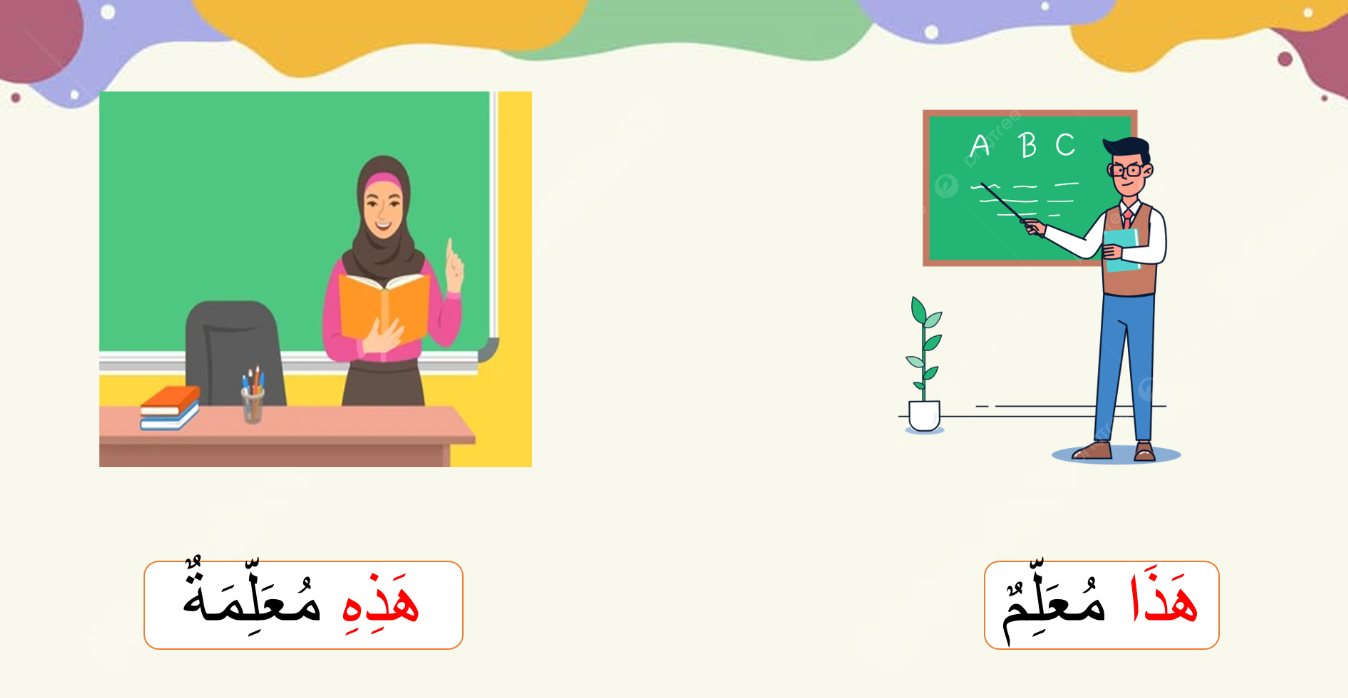
Then, we might ask them to identify the masculine and feminine words in a dialogue or to create their own sentences using the correct forms.
We also use games and interactive exercises to reinforce grammar concepts. For instance, the middle schoolers have to decide whether the verb conjugation matches the subject and indicate whether it is true or false. This reinforces not only verb identification but also subject-verb agreement, a crucial aspect of Arabic grammar.
6. Advanced Topics and Everyday Conversations for Middle Schoolers
As middle schoolers advance, they dive into more complex topics such as science, social issues, Islamic history, and current events. This stage is all about using Arabic in real-life situations, preparing students to discuss, debate, and express their opinions on a wide range of subjects.
Arabic grammar lessons become more detailed, covering intricate aspects of the language that enable students to articulate complex ideas with precision.
This stage transforms middle schoolers into confident speakers who can navigate various conversational contexts.
Sign up for your child today for a free trial class!
What Topics Do Middle Schoolers Study in Arabic Classes?
One of the biggest differences between a middle school Arabic program and a children’s Arabic program is the topics. Middle schoolers are intellectually and emotionally ready to engage with real, meaningful content.
Here is what our middle schoolers discuss and read in Arabic at each level:
Beginner Topics (Building Foundation)
- Personal information: name, age, grade, school, family
- Hobbies and interests: sports, music, art, technology
- Daily routine: morning, school, after-school activities
- Describing people: physical appearance, personality traits
Intermediate Topics (Building Fluency)
- Travel and countries: describing places, planning trips
- Food culture: Arabic cuisine, ordering food, recipes
- Social media and technology: digital life in Arabic
- Islamic history: significant events, famous scholars, key periods
- Friendship and relationships: expressing feelings and opinions
Advanced Topics (Building Critical Thinking)
- Environmental issues: climate change, conservation in Arabic
- Current events: news stories in simplified MSA
- Social issues: youth perspectives on community challenges
- Arabic literature: short poems, stories, and cultural texts
- Career and future: discussing aspirations and goals in Arabic
This progression ensures middle schoolers are never bored by baby-level content or overwhelmed by adult material.
Arabic Curriculum Progression for Middle Schoolers: What Your Child Learns
Middle schoolers beginning Arabic from zero typically progress through the following stages at Kalimah Center (assuming 2–3 sessions per week):
| Timeline | Stage | What Your Child Can Do |
|---|---|---|
| Month 1–2 | Alphabet and Phonics | Read any Arabic word with diacritics (harakāt); write all 28 letters in four positions; recognize basic vocabulary |
| Month 3–4 | Basic Vocabulary and Sentences | Introduce themselves in Arabic; describe people, objects, and places; read simple sentences; write 3–5 sentence paragraphs |
| Month 5–6 | Conversational Building | Hold basic conversations about daily life, school, and hobbies; understand simple spoken Arabic; write short descriptive paragraphs |
| Month 7–9 | Intermediate Grammar | Use verb tenses correctly (past, present, future); form questions and negations; read unvowelled simple texts; write structured paragraphs |
| Month 10–12 | Topic-Based Fluency | Discuss social issues, current events, and Islamic history in Arabic; write formal short essays; read MSA news headlines; near-conversational fluency |
| Year 2+ | Advanced Arabic | Academic Arabic writing; classical text introduction; debate and persuasive speech; strong Fusha foundation |
Important: These timelines assume consistent attendance and 15–20 minutes of daily review between sessions. Students who study consistently typically reach their first milestone (reading fluency) faster than expected.
Master Arabic with Kalimah Center
Join our expert-led online classes and start your journey toward Arabic fluency today.
Book Your Free TrialKalimah’s Games to Reinforce Arabic Learning for Middle Schoolers
Our Arabic children’s department at Kalimah Center have developed a range of online educational games. These games are designed to enrich the learning experience for middle schoolers learning Arabic enrolled in our Arabic course for kids, making the process of mastering Arabic both fun and interactive.
Here are a few examples:
1. Match Up Game (لعبة المطابقة)
Middle schoolers match keywords with their definitions, enhancing vocabulary and comprehension.
2. Crossword Game
Next, we have لعبة الكلمات المتقاطعة (lu‘bat al-kalimat al-mutaqatia), or the Crossword Game. This game challenges children to solve a crossword puzzle. They tap on a word and type in the answer, practicing both their spelling and vocabulary.
3. Word Search Game
The third game, البحث عن الكلمات (al-bahth ‘an al-kalimat), or the Word Search Game, focuses on adjectives. Words are hidden in a letter grid, and children must find them as quickly as possible.
How It Works:
- Fast-Paced Learning: This game sharpens quick thinking and attention to detail.
- Vocabulary Expansion: It helps kids familiarize themselves with Arabic adjectives and recognize them in different contexts.
4. Matching Pairs Game
Another engaging game is لعبة الأزواج المطابقة (lu‘bat al-azwaj al-mutabaqa), or the Matching Pairs Game. In this activity, children flip tiles to reveal hidden adjectives, aiming to find pairs that match.
How It Works:
- Memory-Based Learning: This game enhances memory by encouraging children to remember the location of words.
- Concept Reinforcement: It’s particularly useful for reinforcing the understanding of adjectives in Arabic.
These are just a few examples of the many interactive and engaging activities we use at Kalimah Center. Our goal is to make learning Arabic fun and effective for middle schoolers, helping them develop a lifelong love for the language.
Sign up for your child today for a free trial class!
Parent Guide: Supporting Your Middle Schooler’s Arabic Learning at Home
You don’t need to speak Arabic to significantly support your middle schooler’s progress. Here is what research and our teaching experience show works:
1. Create Consistency, Not Pressure
The single most important parental contribution is ensuring classes happen consistently. Help your child find their optimal study time — after school, after dinner — and protect that time. Even if you cannot help with the Arabic content, you can help with the schedule.
2. Ask About Their Classes in Arabic (Sort Of)
After each class, ask your child to teach you one thing they learned. “Teach me how to say [something] in Arabic.” This retrieval practice powerfully reinforces memory — and the teaching role boosts their confidence.
3. Celebrate Milestones Specifically
When your child reads their first full Arabic sentence, writes their first paragraph, or holds their first basic conversation — acknowledge it specifically and enthusiastically. “You just read actual Arabic text!” is more powerful than general praise.
4. Arabic Media in the Background
Play Arabic YouTube content, Arabic music, or Arabic radio during household activities. Even passive exposure to authentic Arabic speech accelerates pronunciation and listening comprehension. Baraem TV, Al Jazeera Kids, and Arabic nasheeds are all good options.
5. Connect Arabic to Their Goals
Middle schoolers are developing their sense of purpose and future. If your child wants to study Middle East politics, learn about their heritage, understand Quran, or simply impress friends — connect their Arabic study explicitly to that goal. Motivation at this age is purpose-driven.
What Makes an Effective Online Arabic Program for Middle Schoolers?
Here’s why Kalimah Center is the top choice for online Arabic classes for this age group:
1. Engaging and Fun Arabic Lessons for Middle Schoolers at Kalimah Center
We know middle schoolers! They need more than just textbooks and lectures. We use games and interactive activities that make learning Arabic fun.
2. Kalimah Center’s Experienced Teachers Understand Middle Schoolers’ Needs
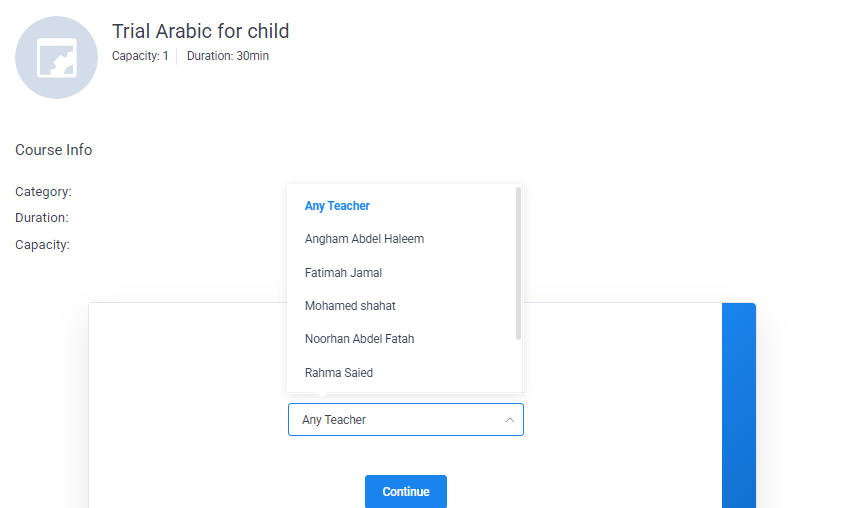
Our teachers are native Arabic speakers trained to teach middle schoolers online. They know how to keep them engaged, manage online classrooms, and make learning enjoyable.
They use simple language, clear instructions, and lots of visuals. They also know how to handle the specific challenges of teaching this age group, like short attention spans and the need for constant encouragement.
3. Safe and Supportive Online Arabic Environment at Kalimah Center for Middle Schoolers
We know safety is a top priority for parents. Our online platform is secure, and we have strict guidelines to ensure a positive and respectful learning environment for all students.
4. Regular Parent Updates — Always Know Where Your Child Stands
Parents invest time, money, and trust in their child’s Arabic education — and deserve to know exactly how that investment is progressing.
At Kalimah Center, we provide:
- Post-session summaries — what was covered in each class
- Monthly progress reports — skill level assessments in reading, writing, speaking, and listening
- Direct teacher communication — parents can message teachers with questions between sessions
- Milestone celebrations — we acknowledge and communicate when a student reaches a new level, completes a curriculum stage, or demonstrates a breakthrough
We also encourage parents to attend a session occasionally — observing the learning dynamic and seeing their child speak Arabic is one of the most powerful motivators for continued enrollment.
5. Kalimah Center’s Curriculum Designed Specifically for Middle Schoolers’ Success in Arabic
Our curriculum is tailored to the specific needs and interests of middle schoolers.
We start with the basics, of course, the alphabet, basic grammar, and simple vocabulary. But we quickly move on to more engaging topics, like talking about their dream vacation, or even discussing current events in simple Arabic.
6. Kalimah Center’s Focus on Building Confidence in Speaking Arabic for Middle Schoolers
Our classes provide a safe and supportive space for them to practice speaking Arabic without fear of judgment.
We use a variety of techniques to encourage speaking, such as role-playing, group discussions, and even recording short videos.
Master Arabic with Kalimah Center
Join our expert-led online classes and start your journey toward Arabic fluency today.
Book Your Free TrialCurious About Kalimah? Let These Student Voices Be Your Guide
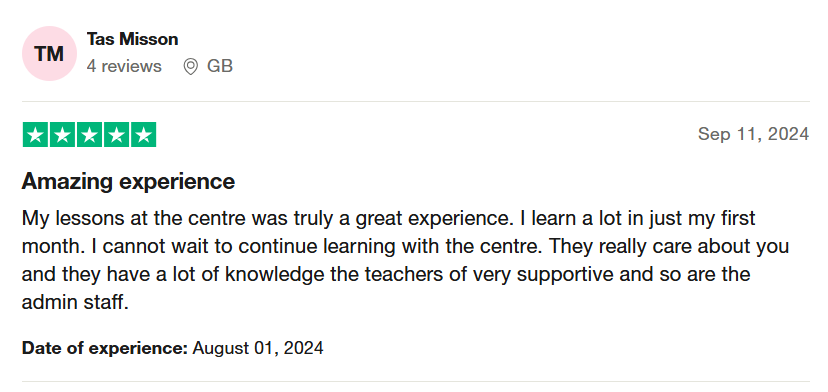
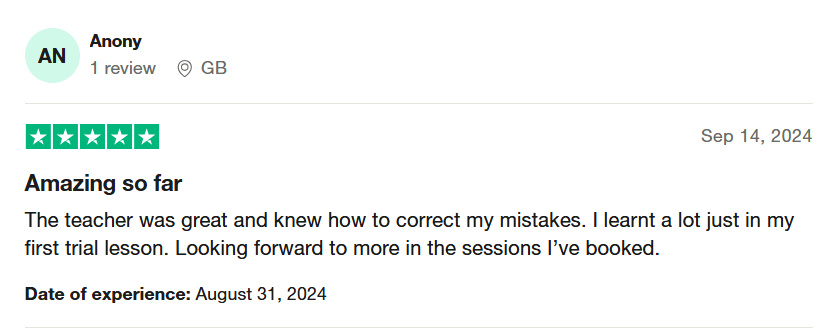
Through their personal stories, you’ll gain a genuine understanding of what it means to be part of the Kalimah community.
Enroll Your Middle Schooler Today!
Choosing the right online Arabic course for your middle schooler can make all the difference in their language learning journey.
Kalimah Center offers a program that’s engaging, challenging, and perfectly suited for middle school students.
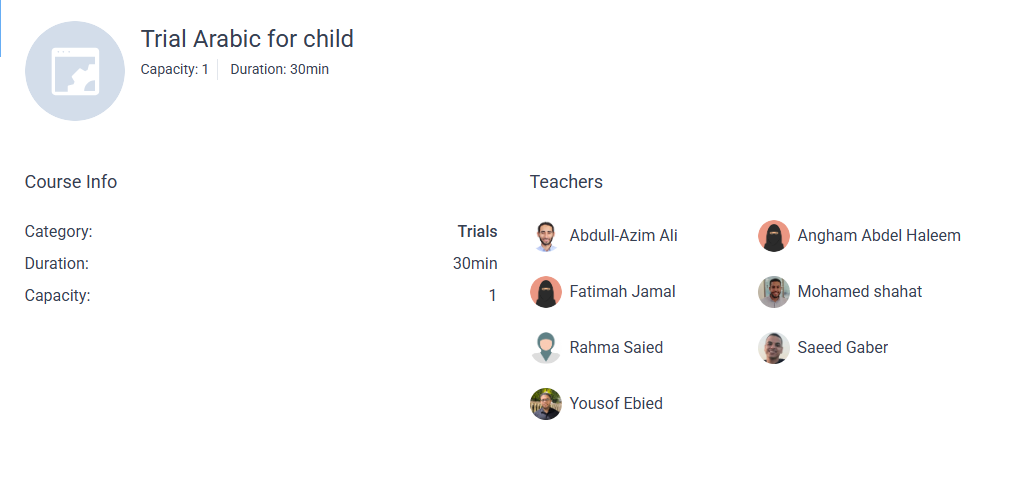
Sign up for your child today for a free trial class!
Conclusion:
Online Arabic classes for middle schoolers at Kalimah Center are designed to cater to the unique learning needs of students aged 11-14. The curriculum combines fun, interactive games with a structured approach to reading, writing, and speaking Arabic. Middle schoolers start by mastering the Arabic alphabet through engaging visuals and exercises, then progress to reading and constructing sentences with diacritics.
The Classes also focus on building conversational skills with real-life scenarios, such as ordering food or discussing hobbies. Arabic grammar is taught in a relatable way, gradually introducing more complex concepts while ensuring students understand them thoroughly.
Kalimah Center’s classes incorporate interactive tools like crossword puzzles, word searches, and matching games to reinforce vocabulary and grammar. Experienced native-speaking teachers create a dynamic, safe online environment where students feel encouraged to speak and practice Arabic without fear of judgment.
The center also provides regular feedback to parents, ensuring they stay informed about their child’s progress. With a curriculum tailored specifically for middle schoolers, Kalimah Center not only builds a strong foundation in Arabic but also fosters confidence in speaking and writing the language.
FAQs about Online Arabic Classes for Middle Schoolers
Q1: What makes Arabic classes for middle schoolers different from classes for younger children?
Middle schoolers (ages 11–14) have significantly different learning profiles than younger children. They have longer attention spans (30–45 minutes versus 15–20 for young children), can handle more abstract grammatical concepts, respond better to logic-based explanations than pure repetition, are motivated by peer interaction and discussion, and engage better with age-relevant topics like social issues, technology, culture, and current events. Effective middle school Arabic programs balance structured grammar instruction with conversational freedom, using games and interactive exercises without the purely play-based approach suited to younger children.
Q2: How many Arabic classes per week does a middle schooler need to make real progress?
For meaningful Arabic progress, middle schoolers typically benefit from 2–3 structured sessions per week (45–60 minutes each), supplemented by 15–20 minutes of daily vocabulary review or listening practice. At this pace, a beginner middle schooler can achieve basic reading fluency in 3–4 months and conversational ability in 8–12 months. One session per week produces much slower results. Daily immersion (in Arabic-speaking environments or intensive programs) produces the fastest progress but is rarely practical for home learners.
Q3: Can a middle schooler start Arabic from zero with no prior knowledge?
Yes — many of Kalimah Center’s middle school students begin with no Arabic knowledge whatsoever. The beginner program starts from the alphabet and builds systematically. Middle schoolers who start from zero often progress faster than young children in reading and grammar comprehension because of their more developed cognitive abilities. The main challenge for zero-beginner middle schoolers is pronunciation — the earlier in life you begin, the more naturally you develop Arabic’s unique sounds (ع, خ, ح, غ). However, with consistent practice and native instruction, middle schoolers can achieve excellent pronunciation.
Q4: How do online Arabic classes for middle schoolers handle grammar — is it too dry?
Good middle school Arabic programs connect grammar to real communication from the first lesson. Rather than presenting rules in isolation, effective teachers introduce grammatical concepts through dialogues, role-play, and age-relevant examples. For instance, teaching masculine/feminine noun agreement through describing celebrities, sports teams, or countries makes the concept memorable rather than abstract. Grammar games — true/false verb agreement exercises, sentence building challenges — replace dry worksheet-style drills with engaging practice.
Q5: What Arabic topics are appropriate and engaging for middle schoolers?
Middle schoolers engage best with Arabic content connected to their interests and developing sense of identity. Effective topics include: hobbies and sports, social media and technology vocabulary, travel and countries, environmental issues, Islamic history and culture (for Muslim families), food and cooking, family relationships and friendships, science and nature, and age-appropriate current events. The transition from “colors and animals” (young children’s Arabic) to these topics is crucial for maintaining middle schoolers’ motivation.