In a nutshell: Relocating to Kuwait involves securing an appropriate visa—such as a work visa sponsored by an employer—followed by obtaining a residency permit (iqama) after necessary medical tests. It’s essential to acquire a Civil ID within 30 days of receiving your residency visa. While Kuwait offers modern amenities and a tax-free income, be prepared for extreme summer temperatures and cultural differences.
When you move to Kuwait, there are many things to know and prepare. From visas to finding a place to live, I’m living in the Arab world, and I will share with you some practical steps that will help make your relocating to Kuwait easier Insha’allah.
How to Move to Kuwait?
Moving to Kuwait needs some preparation. Let me help you with some practical steps that you will find it useful.
1. Get the Right Visa to Kuwait
Before you even book your ticket, you must make sure you have the right visa. Kuwait is very strict about visas. As a foreigner, you cannot just enter without one. First, you need a sponsor. Your sponsor will either be your employer or a family member. This system is called “kafala” (كفالة). If you are coming to work, your company will be your sponsor.
For short visits, like to explore or visit family, you can get a visitor visa. This allows you to stay for 30 days. But be careful! If you stay more than 30 days, you will have to pay a fine of 10 Kuwaiti Dinars (KWD) per day, and The new residency law calls for a year in prison and a fine of 2,000 dinars for violators.
2. Kuwaiti Work Permits and Residency Visa (Iqama)
So, If you want to live and work in Kuwait, you need more than a visitor visa. You must get a residency visa called “iqama” (إقامة). This is very important. Your employer will apply for this for you. They will also get you a No Objection Certificate (NOC) before you enter Kuwait. After you arrive, you will complete medical tests like for HIV, tuberculosis, and hepatitis. Only then will you receive your iqama.
Once you have the iqama, you can apply for your Civil ID. You must apply within 30 days of getting your residency visa. This ID is very important because you need it for almost everything in Kuwait, from renting a home to opening a bank account.
3. Secure Accommodation in Kuwait
In Kuwait, housing is different from what you may know in the West. Homes are usually bigger, and many have an area which is a special sitting area for guests. If you are an expat, you will probably live in a rented apartment or villa. Apartments are usually in tall buildings, and villas are more like private homes.
Rental prices can vary. A nice 3-bedroom apartment can cost between 500 and 800 KWD per month. If you prefer a villa, it can cost up to 2,500 KWD. Remember, if you want a furnished home, it will be 20-30% more expensive.
Most expats live in compounds. These compounds are like small communities with apartments and houses. They often have pools, playgrounds, and even shops. The good thing is that most people in these compounds speak English, so it’s easier to make friends and adjust to life in Kuwait. But, the downside is you may not get to know local Kuwaitis as much.
So, How to Find Your New Home in Kuwait?
To find a home in Kuwait, it’s always good to ask around. Word of mouth is very strong here. You can ask your colleagues, friends, or other expats. There are also local real estate agents who can help you find a home quickly. Some employers even help you find accommodation, so ask your HR department.
If you prefer to search by yourself, you can check local English newspapers like the Kuwait Times or Arab Times. You can also look online at sites like Mourjan or the Kuwait Real Estate Directory.

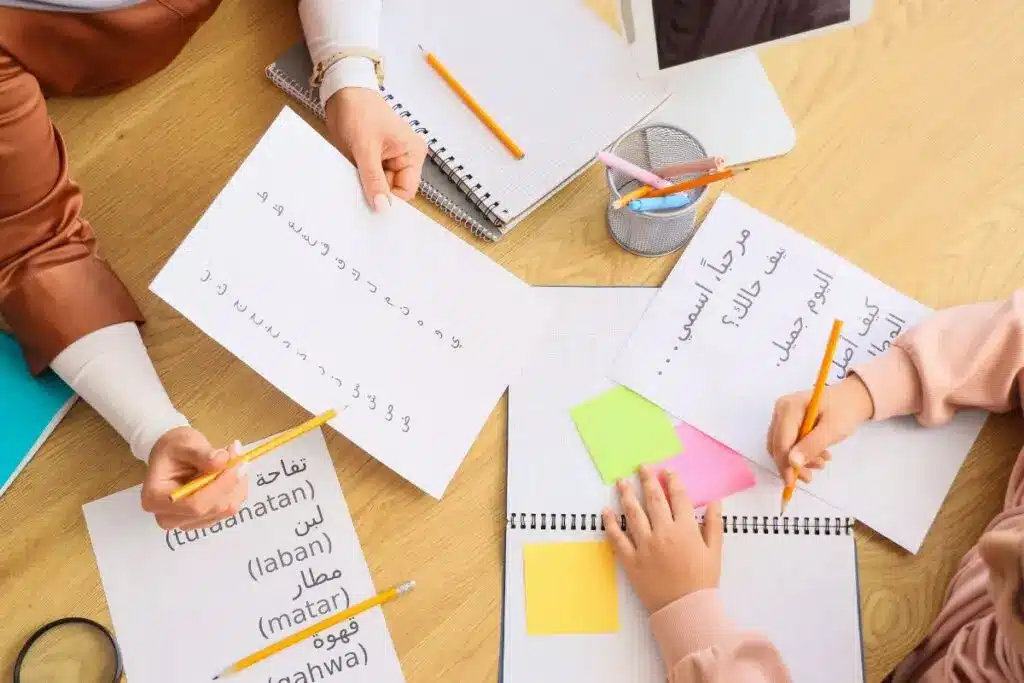
4. Learn Basic Arabic for Daily Life in Kuwait
Now, something very important. اللغة العربية (Al-lugha al-Arabiyya – Arabic language). Living in Kuwait will be easier if you learn some Arabic. Many Kuwaitis speak English, but learning Arabic shows respect for the culture, and it will help you in your daily life, like at the market or when asking for directions, or just talking about wether.
For example, imagine you meet a Kuwaiti friend and want to chat about the weather. At Kalimah Center, you’ll learn how to have a simple conversation like this:
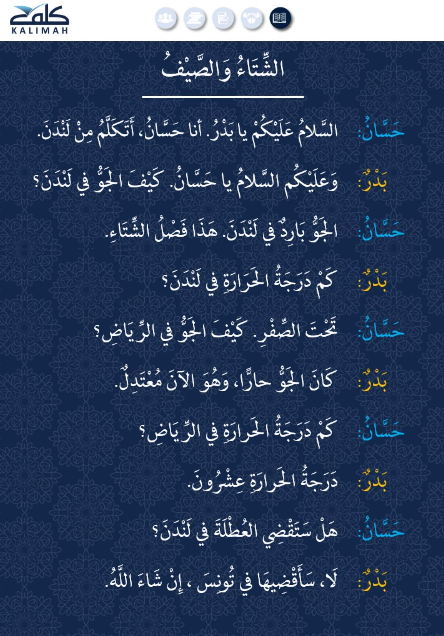
- حسان: الجو بارد في لندن، هذا فصل الشتاء (Ḥassān: al-jaww bārid fī landan, hāḏā faṣl al-shitāʼ) – Hassan: The weather is cold in London, it’s winter.
- بدر: كم درجة الحرارة في لندن؟ (Badr: kam darajat al-ḥarāra fī landan?) – Badr: What’s the temperature in London?
- حسان: تحت الصفر، كيف الجو في الرياض؟ (Ḥassān: taḥt al-ṣifr, kayf al-jaww fī al-riyāḍ?) – Hassan: Below zero. How’s the weather in Riyadh?
- بدر: كان الجو حارا، وهو الآن معتدل. (Badr: kān al-jaww ḥārran, wa huwa al-ʾān muʿtadil.) – Badr: It was hot, and now it’s moderate.
This shows how Kalimah Center can equip you with the basic Arabic skills needed for everyday interactions in Kuwait, making your transition smoother and more enjoyable.
That’s why I recommend taking online classes at Kalimah Center. Many students say it’s the best place to learn Arabic.
Try a FREE trial lesson, and see if Kalimah is the right fit for you.
5. Prepare for Life as an Expat in Kuwait
Kuwaiti culture is warm and inviting, but there are some things you may want to keep in mind. For example, it’s customary to greet people with “As-salamu alaykum” (السلام عليكم, “peace be upon you”) and shake hands with your right hand.

Family is very important here, and you’ll often see large gatherings of relatives, especially on weekends. Don’t be shy if you’re invited to someone’s home for dinner, hospitality is a big part of the culture, and you will probably be offered a lot of food!
Kuwait is a conservative country, and while expats are welcome, it’s important to respect local customs. Modesty in dress is appreciated, especially in public places. For women, wearing clothing that covers the shoulders and knees is a good practice, though you won’t be expected to wear a hijab (headscarf) unless you choose to.
The climate is very hot, especially in the summer months, and many expats find that it takes time to adjust. However, Kuwait is known for its safety and high standard of living. You will have access to excellent healthcare, modern shopping malls, and plenty of entertainment options.

Social life in Kuwait may be different from what you are used to. There are many opportunities to connect with the local and expat communities through work, schools, and social events. It is common for expats to make friends within their compounds or through work, but it is also important to make an effort to understand and respect the local customs and traditions.
Can I Bring My Family to Kuwait?
Yes, if you have a family and want them to join you in Kuwait, it’s possible, but there are rules. A male expat can sponsor his wife and children if he earns at least 650 KWD per month. However, a woman cannot sponsor her husband. Also, sons over 21 years old cannot be sponsored, but daughters can.
The process is similar to getting a residency visa for yourself. Once your family arrives, they also have to undergo medical tests.
Can I Live Permanently in Kuwait?
Living permanently in Kuwait is not easy, but it is possible if you follow the right steps and meet the requirements. Unlike some countries, Kuwait does not have a clear path to permanent residency for most foreigners. Even if you live and work in Kuwait for many years, it doesn’t automatically qualify you for permanent resident status.
Here’s what you need to know:
- No Direct Permanent Residency: Kuwait primarily offers temporary residency permits tied to employment. These permits need to be renewed regularly, usually every year or two, and are dependent on your continued employment with your sponsor.
- Long-Term Residency is Possible: While not technically “permanent residency,” you can renew your temporary residency permit for many years as long as you continue to meet the requirements, which include maintaining a valid employment contract and abiding by Kuwaiti laws.
- Citizenship is Very Rare: Obtaining Kuwaiti citizenship is extremely difficult, even for those who have lived in Kuwait for a long time. It usually requires exceptional circumstances, like marrying a Kuwaiti citizen or providing extraordinary service to the country. Even then, the decision is at the discretion of the Kuwaiti government.
Read more about Learn Arabic In Kuwait: Full Guide
Experience Kalimah Center Classes
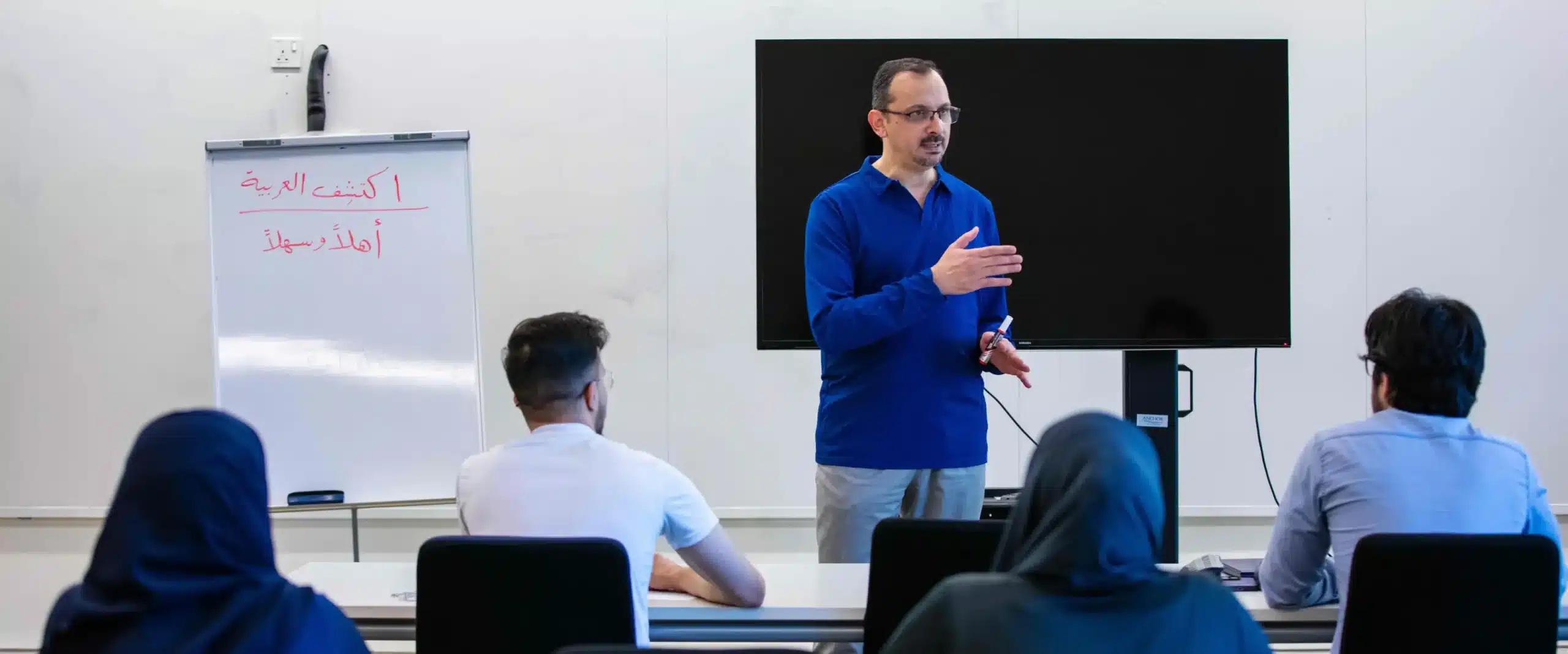
Watch real excerpts from our live sessions at Kalimah Center and see how we bring learning to life. These clips highlight our interactive, student-centered teaching approach across all our courses—designed to keep learners engaged, motivated, and actively involved every step of the way.
Master Arabic with Kalimah Center
Join our expert-led online classes and start your journey toward Arabic fluency today.
Book Your Free TrialAdvantages of Living in Kuwait
Kuwait might not be the first place that comes to mind when you think about living abroad, but it offers a unique blend of modern amenities and traditional culture. Here are some of the advantages that make Kuwait an attractive place to live:
1. Strong Economy and Tax-Free Income
Kuwait has a thriving economy, largely thanks to its oil reserves. This translates into a high standard of living and excellent job opportunities, particularly in sectors like engineering, construction, and oil and gas.
One of the biggest draws for expats is that there is no income tax in Kuwait. This means you get to keep your entire salary, which can significantly boost your savings potential.
2. Modern Infrastructure and Amenities
Kuwait boasts modern infrastructure, with well-maintained roads, state-of-the-art healthcare facilities, and excellent shopping malls. You’ll find everything you need for a comfortable life, from international brands and restaurants to entertainment options and leisure activities.
For example, the Avenues Mall is one of the largest malls in the Middle East, offering a wide variety of shopping, dining, and entertainment experiences.

3. Safe and Secure Environment:
Kuwait is known for being a safe and secure country with a low crime rate. This gives you peace of mind and allows you to focus on enjoying your life without worrying too much about personal safety. You can comfortably walk around at night, and there’s a strong sense of community, especially within residential areas.
Disadvantages of Living in Kuwait
Kuwait, with its tax-free salaries and modern amenities, can seem like a very attractive place to live. However, there are also some downsides to consider before making the move.
1. Extreme Weather of Kuwait
The heat can be a problem. In the summer, temperatures can go above 50°C, which is not easy to handle if you are not used to it. Most people avoid going out during the daytime in the summer. Air conditioning is a must everywhere, but the high heat is still a big challenge for new expats.
2. Cultural Adjustment for Western Expats
Kuwait has a strong traditional culture, and it’s important to respect local customs. For example, public displays of affection are not allowed, and alcohol is completely banned. These rules might take some time to get used to, especially if you come from a country with different norms.
3. Hight Cost of Living
There’s no income tax, but the cost of living can still be high, especially for rent. As mentioned earlier, renting a villa or even a three-bedroom apartment can be expensive. Plus, some items, especially international products, can be costly in Kuwait.
Is Kuwait Safe?
Kuwait is consistently ranked as one of the safest countries in the world, recently placing sixth globally in Gallup’s 2025 Global Safety Report. Violent crime is extremely rare, and the overall crime rate is low due to a robust security system and strict legal enforcement.
Most expatriates find that they can walk alone at night without concern, and the country offers a stable political environment that provides a high level of personal security for families and professionals alike.
Master Arabic with Kalimah Center
Join our expert-led online classes and start your journey toward Arabic fluency today.
Book Your Free TrialInside Kalimah Center: Moments from Our Courses
Get a glimpse into the vibrant learning experience at Kalimah Center. These snapshots capture real moments from our live classes—where students engage deeply, connect with passionate instructors, and grow in a welcoming, supportive environment.
Here Are The Reviews On Our Courses:
Our students frequently commend the excellence of our courses and the commitment shown by our instructors. You can read their complete reviews on Trustpilot.

Moving to Kuwait? Don’t Get Lost in Translation!
So you’re planning your move to Kuwait. Wouldn’t it be amazing to arrive in your new home with the ability to confidently communicate in Arabic?
At Kalimah Center, we help you do just that. Our online Arabic courses are designed to equip you with the language skills you need to thrive in Kuwait.
Here’s how we can help:
- Start from scratch: Even if you know zero Arabic, our alphabet course will give you a solid foundation.
- Learn practical vocabulary: Master everyday phrases for shopping, getting around, and making new friends.
- Gain conversational confidence: Our interactive lessons will have you speaking Arabic comfortably in no time.
Join us for a FREE trial class.

And Consider Joining our Group Classes Where you will:
- Learn from native Arabic teachers
- Practice with friendly classmates
- Enjoy affordable prices and flexible schedules
📚 Explore Our Courses:
Online Arabic Course: Tailored to your level, our comprehensive Arabic program includes 16 teaching levels and 400+ hours of personalized sessions.
Online Quran With Tajweed Course: Perfect for non-Arabic speakers, our course spans 13 levels and equips you with Tajweed mastery from beginner to advanced.
Online Arabic Course For Kids: Nurture your child’s love for Arabic with our engaging and structured program, available in 24 levels for primary, intermediate, and secondary stages.
🚀 Start Your Free Trial Today! 🚀
Don’t miss out on this life-changing opportunity to deepen your faith and knowledge. Sign up now for your free trial and take the first step towards becoming a better practicing Muslim with Kalimah Center!

Conclusion:
Moving to Kuwait involves essential preparations, particularly regarding visa regulations and housing. First, securing the correct visa is crucial, typically requiring a sponsor, such as an employer. For those planning to work, obtaining a residency visa (iqama) through your employer is necessary, along with a Civil ID for daily activities.
Adapting to Kuwaiti culture is vital for a smooth transition. While many locals speak English, learning basic Arabic can enhance daily interactions. Although Kuwait offers a high standard of living, low crime rates, and no income tax, challenges like extreme heat, cultural adjustments, and high living costs exist. With the right preparation, you can enjoy the unique blend of modernity and tradition that Kuwait provides.
FAQs about How to Move to Kuwait
What is the process for getting a Kuwait residency visa (Iqama)?
To live and work in Kuwait, you must secure an employer sponsor under the kafala system. Your employer applies for your residency visa (Iqama) and a No Objection Certificate (NOC). Upon arrival, you must pass mandatory medical tests before receiving your Iqama and applying for your Civil ID.
Can an expat sponsor their family to live in Kuwait?
Yes, a male expatriate can sponsor his wife and dependent children if he earns a minimum monthly salary of 650 KWD. However, female expats cannot sponsor their husbands, and sons over the age of 21 are entirely ineligible for standard family sponsorship.
Can foreigners get permanent residency or citizenship in Kuwait?
Kuwait does not offer a direct path to permanent residency for foreigners. Expats rely on temporary residency permits tied to their employment, which require regular renewal. Obtaining Kuwaiti citizenship is extremely rare and typically reserved for exceptional circumstances or marriage to a citizen.
How much does rent cost for expats living in Kuwait?
Expat housing costs vary based on property type and amenities. A standard three-bedroom apartment typically costs between 500 and 800 KWD per month, while villas can reach up to 2,500 KWD. Renting a fully furnished home generally increases the total price by 20% to 30%.
Is Kuwait a safe country for expats to live in?
Kuwait is exceptionally safe for expats, ranking sixth globally in the 2025 Global Safety Report. Violent crime is extremely rare due to strict legal enforcement and a robust security presence, allowing residents to comfortably walk alone at night in a highly secure environment.