When learning Arabic, one of the first things you’ll encounter is the beauty of Arabic greeting words. These greetings go beyond simple pleasantries—they carry deep meanings of respect, peace, and blessings, particularly in Muslim culture. Whether you’re greeting someone in everyday conversation or offering well wishes in religious contexts, learning how to greet in Arabic opens doors to understanding the rich cultural and spiritual nuances of the Arabic language.
How Do You Greet Someone in Arabic?
Arabic greetings are rich in culture and meaning. Each one offers something unique—sometimes a blessing, other times a gesture of respect. In this section, I’ll go through ten common Arabic greetings. I’ll explain what they mean, how and when to use them, and how to respond when someone greets you.
1. As-salamu alaykum (السلام عليكم)
This is the most common greeting among Muslims and Arabic speakers. It means “Peace be upon you.” You can use it any time, in both formal and informal situations. It’s a very polite and respectful way to say hello, and it is important in Islamic culture.
- When to use it: You can use this greeting with friends, family, or even strangers. It’s especially used in Muslim-majority countries.
- How to respond: You say, “Wa alaykumu as-salam” (وعليكم السلام), meaning “And peace be upon you too.”
Example:
- As-salamu alaykum (السلام عليكم)
- Wa alaykumu as-salam (وعليكم السلام)
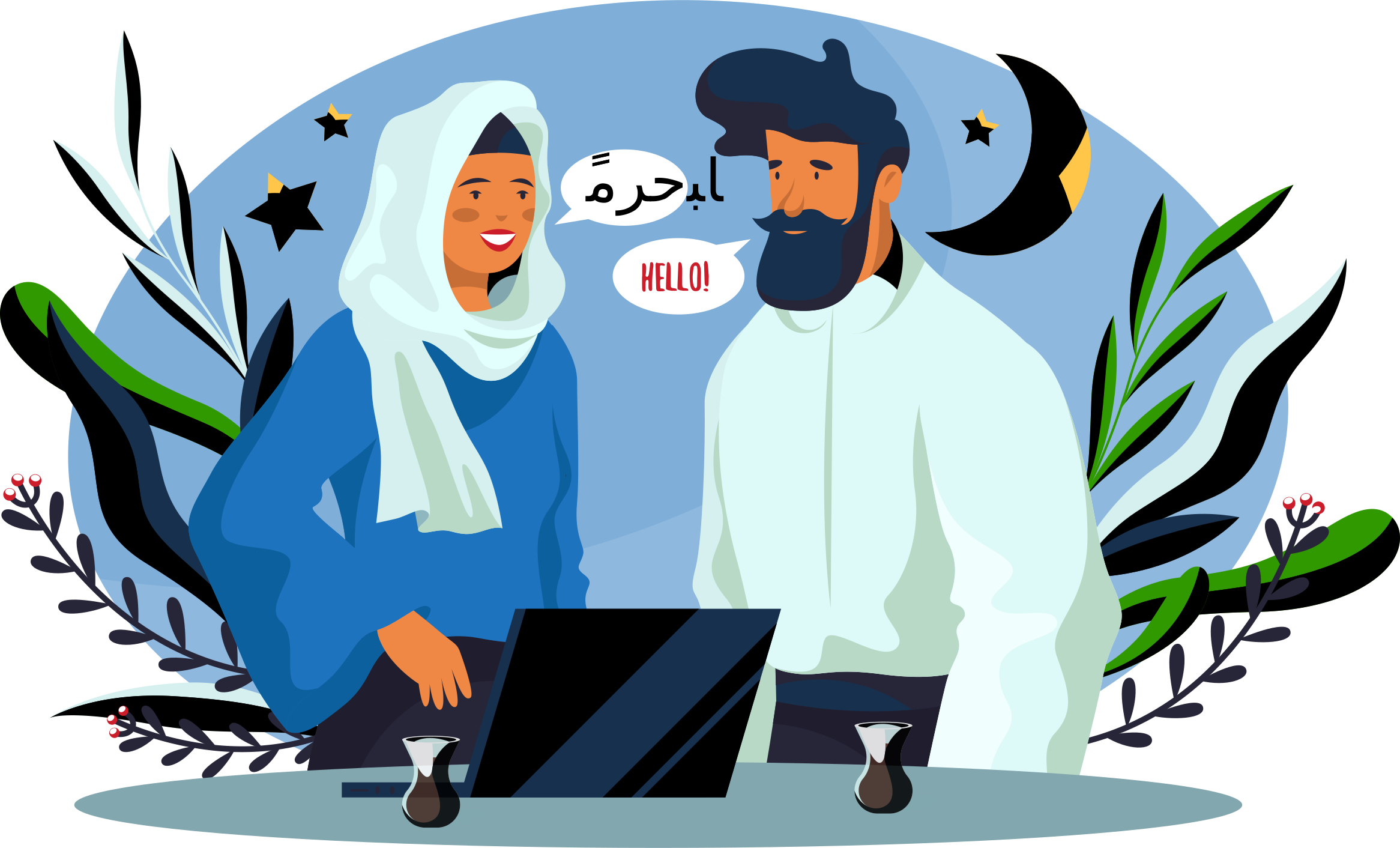
2. Marhaban (مرحبا)
This is a more casual greeting, meaning “Hello” or “Welcome.” It’s not as formal as As-salamu alaykum, but still polite. You can use it in both formal and informal situations. It’s very friendly.
- When to use it: Use it with friends, colleagues, or when you meet someone for the first time.
- How to respond: You can reply with “Marhaban bik” (مرحبا بك), which means “Hello to you too” or “Welcome to you.”
Example:
- Marhaban (مرحبا)
- Marhaban bik (مرحبا بك)
3. Ahlan wa sahlan (أهلاً وسهلاً)
This phrase means “Welcome” and is often used to show hospitality. It’s a warm greeting, and it’s common when you invite someone to your home or when you meet them.
- When to use it: Use it when you welcome guests or when someone arrives at your house, office, or event.
- How to respond: You can reply with “Ahlan bik” (أهلاً بك), which means “You are welcome.”
Example:
- Ahlan wa sahlan (أهلاً وسهلاً)
- Ahlan bik (أهلاً بك)
4. Sabah al-khair (صباح الخير)
This greeting means “Good morning.” It’s used in the morning, and it’s a polite way to start the day.
- When to use it: Use it when you see someone in the morning, whether at work, school, or even at home.
- How to respond: You can reply with “Sabah al-noor” (صباح النور), meaning “Morning of light.”
Example:
- Sabah al-khair (صباح الخير)
- Sabah al-noor (صباح النور)
5. Masa’ al-khair (مساء الخير)
This phrase means “Good evening” and is used after the afternoon, usually from late afternoon till night.
- When to use it: You can use it when you meet someone in the evening, whether it’s formal or informal.
- How to respond: The response is “Masa’ al-noor” (مساء النور), meaning “Evening of light.”
Example:
- Masa’ al-khair (مساء الخير)
- Masa’ al-noor (مساء النور)
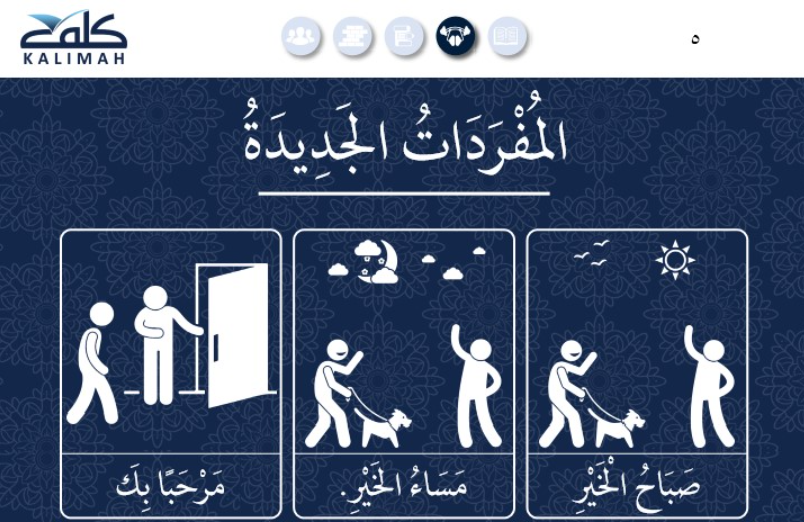
* Excerpted from Kalimah’s Online Arabic Course Curriculum
6. طاب صباحك (Tabba sabahak)
This is a polite way to wish someone a pleasant morning. It is a dar more formal than Sabah al-khair, and is less commonly used, but it’s still beautiful and full of good wishes.
Use this greeting when you want to sound more poetic in the morning.
7. طاب مساؤك (Tabba masa’ak)
Like Tabba sabahak, this greeting is more formal and poetic. You use it in the evening to greet someone with wishes of a good evening when you want to sound more poetic.
8. Salam (سلام)
This is a very short and informal way to say “Hello” or “Peace.” It’s used mostly between close friends or in quick conversations.
- When to use it: Use it with friends when you don’t have time for long greetings.
- How to respond: You can simply reply with “Salam” (سلام) again.
9. نهارك سعيد (Naharak sa’eed)
This is a cheerful and positive greeting, wishing someone happiness throughout the day. It’s a great way to lift someone’s spirits and make them feel special.
When to use it: Use it in the morning or afternoon. It’s a thoughtful way to greet someone when you want to offer more than just a standard “good day.”
Response: You can simply reply with “Wa naharak as’ad” (ونهارك أسعد), meaning “And may your day be happier.”
10. كيف الحال (Kayfa al-haal)
This is a common greeting used to ask about someone’s well-being. It is similar to asking “How are you?” in English. You can use it in all kinds of conversations, from casual to formal.
When to use it: You can say Kayfa al-haal when you meet someone, whether a friend or a colleague.
Response: The response can be “Alhamdulillah” (الحمد لله), meaning “Praise be to God,” or “Ana bekhair” (أنا بخير), meaning “I am fine.”
11. Ya Hala (يا هلا)
This is an informal, friendly greeting used mostly in Gulf countries. It means “You are welcome” or “Hello.”
- When to use it: You can use it when welcoming friends or during casual conversations.
- How to respond: Reply with “Ya Hala feek” (يا هلا فيك), meaning “You are welcome here.”
Experience Kalimah Center Classes
Watch real excerpts from our live sessions at Kalimah Center and see how we bring learning to life. These clips highlight our interactive, student-centered teaching approach across all our courses—designed to keep learners engaged, motivated, and actively involved every step of the way.
Master Arabic with Kalimah Center
Join our expert-led online classes and start your journey toward Arabic fluency today.
Book Your Free TrialHow Do Muslims Say Hello?
As we mentioned, Muslims use As-salamu alaykum as the primary greeting.
This Arabic greeting words are more than a casual hello—they express goodwill, peace, and a sense of community. This greeting is widely used across the Muslim world and is integral to Islamic culture. It’s common not just in Arabic-speaking countries but also among Muslims around the globe.
What Is the Full Muslim Greeting?
The full version of the Muslim greeting goes a step further, adding more blessings to the original phrase. The complete greeting is:
As-salamu alaykum wa rahmatullahi wa barakatuh (السلام عليكم ورحمة الله وبركاته), which translates to “Peace be upon you, and the mercy of Allah and His blessings.”
The Response: Wa alaykumu s-salam wa rahmatullahi wa barakatuh (And peace be upon you, too).
This extended greeting is typically used in more formal settings or during religious occasions. It’s a beautiful way of not only wishing peace but also invoking God’s mercy and blessings upon the person you are greeting.

* Excerpted from Kalimah’s Online Arabic Course Curriculum
How to Greet Someone in Egyptian Arabic?
While standard Arabic greetings like As-salamu alaykum are understood everywhere, local dialects introduce variations. In Egypt, for instance, you’ll often hear:
- Izayyak (إزيك) for “How are you?” when addressing a man, or Izayyik (إزيك) when speaking to a woman.
- Sabah el-full (صباح الفل): A playful version of “Good morning,” literally meaning “morning of flowers.”
Egyptians are known for their friendliness, and these phrases are a great way to connect with people during your travels or studies.
What Is an Arabic Blessing?
Arabic blessings go beyond greetings. When you want to wish someone well, you can use several Muslim blessing words and phrases. These blessings often invoke Allah’s protection or favor.
Muslims often bless one another by using phrases that bring to mind spiritual well-being.
What Are the Blessing Phrases in Arabic?
Some of the most common phrases include:
- Barakallahu feek (بارك الله فيك): Meaning “May Allah bless you.” This phrase is used in a variety of situations, from offering thanks to praising someone’s efforts.
- Allah yahmeek (الله يحميك): This means “May Allah protect you.” It’s a heartfelt way to wish someone safety.
- Mashallah (ما شاء الله): Meaning “What Allah has willed,” it’s often said to express admiration or gratitude without invoking jealousy.
- Jazakallahu khairan (جزاك الله خيرا): Meaning “May Allah reward you with goodness,” it’s often said when someone does a kind act.
- Rahimakallahu (رحمك الله): Meaning “May Allah have mercy on you,” this phrase is often used when speaking about someone who has passed away.
By learning these phrases, you’re not just expanding your vocabulary—you’re also gaining insight into the deep respect and care embedded in Arabic communication.
Read also: Learn how to introduce yourself in Arabic
Master Arabic with Kalimah Center
Join our expert-led online classes and start your journey toward Arabic fluency today.
Book Your Free TrialInside Kalimah Center: Moments from Our Courses
Get a glimpse into the vibrant learning experience at Kalimah Center. These snapshots capture real moments from our live classes—where students engage deeply, connect with passionate instructors, and grow in a welcoming, supportive environment.
Here Are The Reviews On Our Courses:
Our students frequently commend the excellence of our courses and the commitment shown by our instructors. You can read their complete reviews on Trustpilot.

Want to Greet People in Arabic with Confidence?
You’ve learned some Arabic greetings – that’s great! But wouldn’t it be amazing to use them in real conversations, understand the nuances of each greeting, and pronounce them perfectly?
At Kalimah Center, we help you go beyond simple greetings and achieve fluency in Arabic.
Our online Arabic courses offer:
- Expert teachers: Our native Arabic speakers will guide you and help you perfect your pronunciation.
- Interactive lessons: We use engaging materials and real-life scenarios to make learning fun and effective.
- Focus on all skills: You’ll learn to read, write, listen, and speak Arabic confidently.
Join us for a FREE trial class.
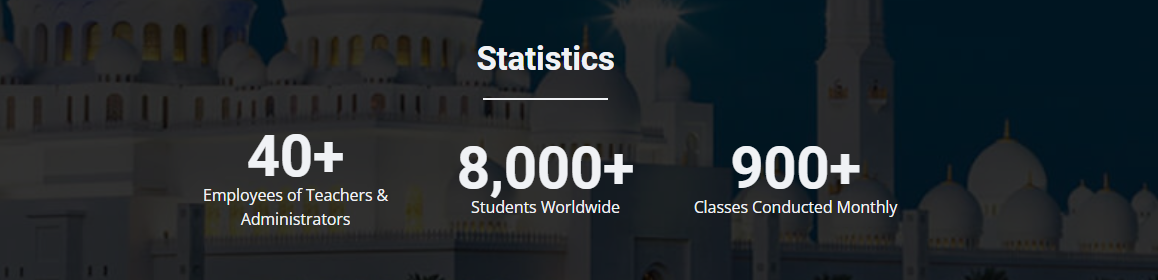
AND.. our group classes offer:
- Small class sizes
- Native Arabic teachers
- Interactive learning
- Affordable prices
📚 Explore Our Courses:
Online Arabic Course: Tailored to your level, our comprehensive Arabic program includes 16 teaching levels and 400+ hours of personalized sessions.
Online Quran With Tajweed Course: Perfect for non-Arabic speakers, our course spans 13 levels and equips you with Tajweed mastery from beginner to advanced.
Online Arabic Course For Kids: Nurture your child’s love for Arabic with our engaging and structured program, available in 24 levels for primary, intermediate, and secondary stages.
🚀 Start Your Free Trial Today! 🚀
Don’t miss out on this life-changing opportunity to deepen your faith and knowledge. Sign up now for your free trial and take the first step towards becoming a better practicing Muslim with Kalimah Center!

Conclusion:
Arabic greetings are rich in cultural significance, particularly within Muslim communities, conveying respect, peace, and blessings. Common phrases like “As-salamu alaykum” (Peace be upon you) and “Marhaban” (Hello) are used in various settings, with responses such as “Wa alaykumu as-salam” fostering community ties. Understanding these greetings enhances both communication and cultural appreciation.
Additionally, Arabic includes blessing phrases like “Barakallahu feek” (May Allah bless you) and “Jazakallahu khairan” (May Allah reward you), reflecting the care embedded in the language. Learning these expressions is essential for engaging meaningfully in Arabic-speaking contexts, and programs like those at the Kalimah Center help facilitate fluency and deeper connections.
FAQs about Islamic Greetings In Arabic Writing
Q1: What is the most common Islamic greeting and how do you respond to it?
A1: The most common Islamic greeting is As-salamu alaykum (السلام عليكم), which translates to “Peace be upon you.” It is used globally by Muslims in both formal and casual settings. The correct, respectful response is Wa alaykumu as-salam (وعليكم السلام), meaning “And peace be upon you too.”
Q2: What is the full version of the Muslim greeting in Arabic writing?
A2: The complete, formal Muslim greeting is As-salamu alaykum wa rahmatullahi wa barakatuh (السلام عليكم ورحمة الله وبركاته). This translates to “Peace be upon you, and the mercy of Allah and His blessings.” The appropriate full response is Wa alaykumu s-salam wa rahmatullahi wa barakatuh.
Q3: How do you say good morning and good evening in the Arabic language?
A3: To say good morning, use Sabah al-khair (صباح الخير); the standard reply is Sabah al-noor (صباح النور), meaning “morning of light.” For good evening, use Masa’ al-khair (مساء الخير), which is answered with Masa’ al-noor (evening of light).
Q4: What are the most common Arabic blessing phrases and their meanings?
A4: Common Arabic blessings include Barakallahu feek (“May Allah bless you”), Jazakallahu khairan (“May Allah reward you with goodness”), and Mashallah (“What Allah has willed”), which expresses admiration. Allah yahmeek means “May Allah protect you,” while Rahimakallahu asks for mercy on the deceased.
Q5: How do you say “how are you” and hello in the Egyptian Arabic dialect?
A5: In Egyptian Arabic, “how are you” is Izayyak (إزيك) when speaking to a man and Izayyik when addressing a woman. A popular, playful Egyptian morning greeting is Sabah el-full (صباح الفل), which literally translates to “morning of flowers.”