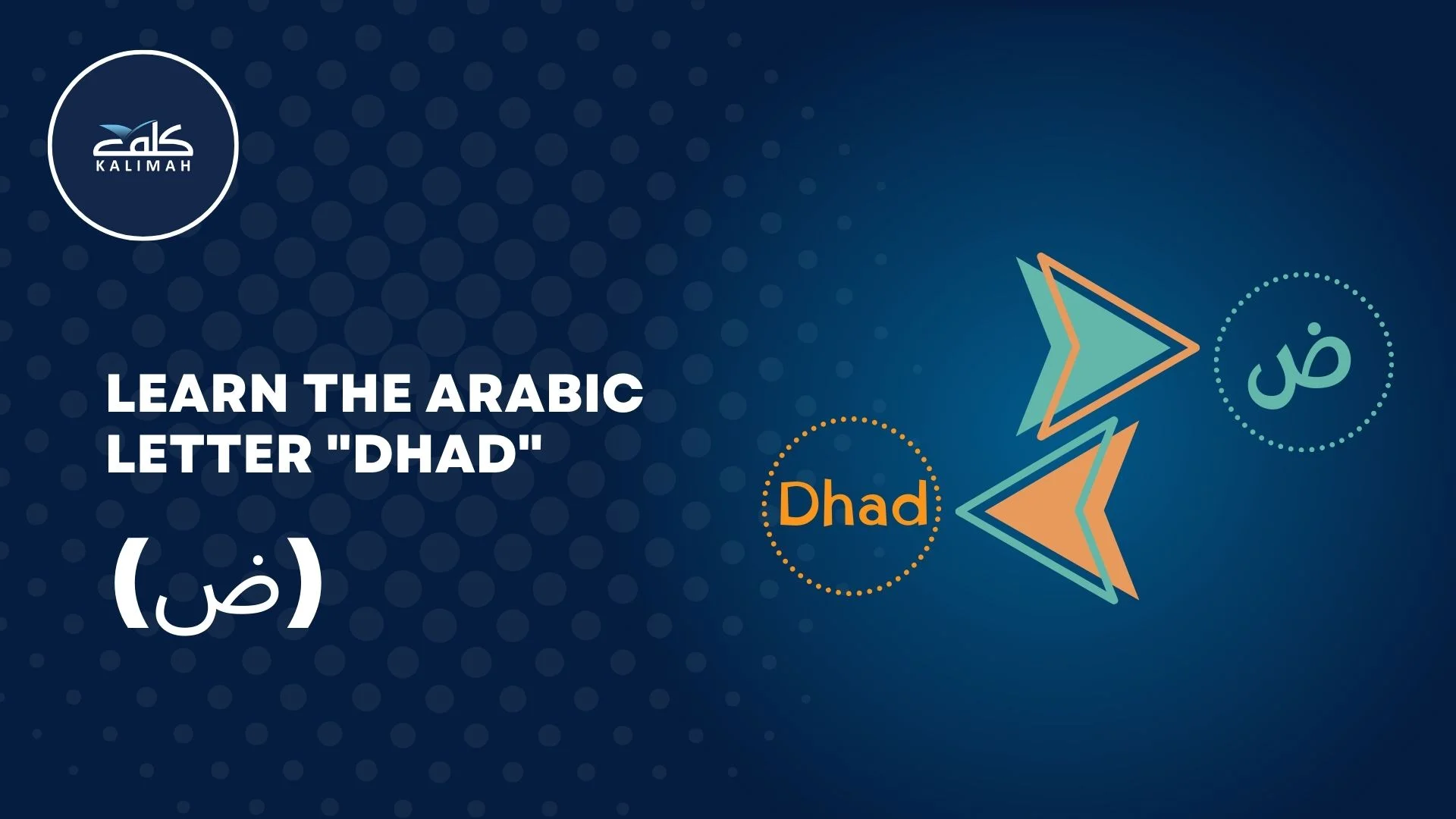
Arabic has unique and emphatic letters that are important in pronunciation and comprehension. One such letter is “ض” (Dhaad), which is typically considered one of the most distinctive forms of Arabic phonemes. It is frequently stressed as a challenging sound for non-native speakers, and because of this, Arabic is referred to as “لغة الضاد” (Lughat Al-Dhaad), or “The Language of Dhaad.”
This article will touch upon the significance of “ض”, how to recognize and write it, pronunciation hints, and some of the most frequent mistakes students make when utilizing it.
how to pronounce ض in arabic
The “ض” (Dhaad) is a one-of-a-kind letter in Arabic script and phonetics. It is one of the deeper and heavier sounds of the language and does not directly exist in most other languages. Therefore, it is crucial to learn its pronunciation and usage for fluency.

Though there are students who confuse “ض” with “د” (Dal) since they resemble each other, “ض” is a harder, more insistent sound that comes when the tongue presses against the upper gums. It occurs very commonly in the majority of Arabic words and is significant in distinguishing meaning.
Identifying And Writing “ض”
The letter “ض” has a distinctive shape in the Arabic alphabet, and recognizing its shape is necessary to read and write comfortably.

- Shape: “ض” is curvy in shape like “ص” with a dot on top.
- Position in the Alphabet: “ض” is the fifteenth letter of the Arabic alphabet, placed after “ص” (Saad) and before “ط” (Taa).
- Forms in Writing: Like the rest of the Arabic letters, “ض” takes different forms based on its position in a word:
Isolated: ض
Initial: ضـ
Medial: ـضـ
Final: ـض
Example Words:

- Initial: ضوء (Daw’ – Light)
- Medial: خضروات (Khodrawat – Vegetables)
- Final: بيض (Bayd – Eggs)
Example Sentences:
- ضياء طالب يحب ممارسة الرياضة – ( Diaa is a student who loves to exercise )
- تتميز الضفادع بأشكالها المتنوعة وألوانها الكثيرة – ( Frogs come in a variety of shapes and colors )
- الضروس تنمو بالتدريج عند ولادة الطفل – ( Molars grow gradually when the child is born)

Pronunciation Guide For “ض”
The letter “ض” is pronounced as a strong, emphatic sound where the sides of the tongue are pressed against the top molars. This results in a vibrating, heavy “D” sound, unlike the lighter “د”.
Pronunciation Tips:
- Press your tongue against the top side teeth (not just behind the front teeth like in “د”).
- Use pressure when pronouncing to create a thicker and more resonant sound.
- Try to say “ض” in the words “ضغط” (pressure) or “حضر” (attended) and compare it to “د” to hear the difference.
Common Challenges With “ض”
The majority of students struggle with the letter “ض” due to it possessing an emphatic characteristic and special pronunciation. Below are some of the most common mistakes:

- Confusing “ض” with “د” – Because “د” is not as heavy, students may interchange “ض” and say it less heavily. Tongue positioning exercises can differentiate them.
- Incorrect Stress – Students do not employ the deep stress required for “ض,” causing it to sound unnatural.
- Writing Problems – Because it is close to “ص,” new students are likely to forget to place the dot, which leads to misunderstandings when written.
Practical Exercises To Master “ض”
To master the letter “ض,” try the following exercises:

- Listening Practice: Listen carefully to native Arabic speakers, especially in words containing “ض.”
- Speaking Drills: Repeat words like “ضوء” (Light), “أبيض” (White), and “مرض” (Illness) a few times to build pronunciation.
- Writing Exercises: Practice writing “ض” in all its forms repeatedly to build muscle memory.
- Reading Aloud: Reading texts containing “ض” helps in reinforcing recognition and pronunciation.
Arabic words with ض
The letter ض (Daad) is unique to the Arabic language and is famously difficult for non-native speakers, which is why Arabic is sometimes called Lughat al-Ḍād (لغة الضاد), meaning “the language of the Daad.” It represents an emphatic ‘d’ sound, pronounced with the tongue touching the side molar teeth, giving it a heavy quality.
Here are some common and easy-to-recognize Arabic words that contain the letter ض (Daad):
| Arabic Word | Transliteration | Meaning | Context/Note |
| أبيض | Abiyaḍ | White | A very common color. |
| أخضر | Akhḍar | Green | Another common color. |
| رمضان | Ramaḍān | Ramadan | The holy month of fasting. |
| مضرب | Miḍrab | Racket/Bat | Used for sports like tennis or baseball. |
| مريض | Marīḍ | Sick/Ill (adj.) | Describes someone who is unwell. |
| ضوء | Ḍaw’ | Light | Used for natural light (sunlight) or electric light. |
| بيضة | Bayḍah | Egg | A common food item. |
| ضخم | Ḍakhm | Huge/Enormous | Used to describe a very large size. |
| ضفدع | Ḍifda‘ | Frog | A common animal. |
| رياضة | Riyāḍah | Sport/Exercise | The act of engaging in physical activity. |
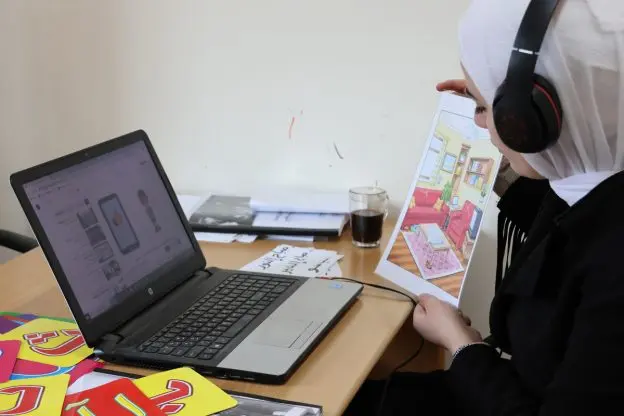
Inside Kalimah Center: Moments from Our Courses
Get a glimpse into the vibrant learning experience at Kalimah Center. These snapshots capture real moments from our live classes—where students engage deeply, connect with passionate instructors, and grow in a welcoming, supportive environment.
Here Are The Reviews On Our Arabic Courses:
Our students frequently commend the excellence of our courses and the commitment shown by our instructors. You can read their complete reviews on Trustpilot.

Unlock Your Potential in Arabic and Quran with Kalimah Center!
Ready to deepen your connection with the Quran and enhance your understanding of Arabic? Join Kalimah Center today and embark on a transformative journey of learning and growth! Our professional, handpicked Online Arabic and Quran Tutors are dedicated to helping you master these essential skills with ease and expertise.
📚 Explore Our Courses:
Online Arabic Course: Tailored to your level, our comprehensive Arabic program includes 16 teaching levels and 400+ hours of personalized sessions.
Online Quran With Tajweed Course: Perfect for non-Arabic speakers, our course spans 13 levels and equips you with Tajweed mastery from beginner to advanced.
Online Arabic Course For Kids: Nurture your child’s love for Arabic with our engaging and structured program, available in 24 levels for primary, intermediate, and secondary stages.
🚀 Start Your Free Trial Today! 🚀
Don’t miss out on this life-changing opportunity to deepen your faith and knowledge. Sign up now for your free trial and take the first step towards becoming a better practicing Muslim with Kalimah Center!
Conclusion
The Arabic letter “ض” is an essential and typical feature of the language. Its unique pronunciation and formation require rigorous practice, but through the right approach, you can learn it effectively. With focus on correct pronunciation, avoidance of common mistakes, and regular practice, you will gain confidence in using “ض” correctly in speech and writing.
With regular practice, this special letter will come as second nature to your Arabic language proficiency.