The Arabic letter “ط” (Taa) is one of the Arabic alphabet’s emphatic letters. It possesses a distinct sound that sets it apart from other letters, specifically its non-emphatic form “ت” (Taa). This article delves into the characteristics of “ط,” its phonetics, writing patterns, and examples to enable learners to understand its proper usage.
The Letter “ط” In Arabic
The letter “ط” (Taa) is the sixteenth letter of the Arabic alphabet and is an emphatic one. Its unique rounded form and absence of dots provide it with a very distinctive visual distinction. “ط” is a heavy consonant, since it is pronounced with a stronger sound produced by lifting the back of the tongue towards the roof of the mouth.

Appearance: The letter “ط” is a vertical line with a curved top, somewhat similar to a little hook.
Position in the Alphabet: It is placed after “ض” (Dhaad) and is followed by “ظ” (Zhaa).
Connection Rules: Like “د” the letter “ط” does not join the next letter of a word but joins the preceding one.
Pronunciation Of “ط” (Taa)
The sound of “ط” differs from the regular “ت” (Taa) because it is emphatic.
Sound: “ط” sounds like a thick, heavy “T” sound, similar to the English “T” in “tall,” but with the tongue positioned against the roof of the mouth.
Comparison with “ت”: Unlike “ت” which is light and soft, “ط” is sounded with more force and resonance.
Forms Of “ط” In Different Positions
Though Arabic letters change shape according to their position in a word, “ط” is one with a stable shape like “د.” Here’s its appearance in the different positions:

Isolated: ط
Initial: طـ
Medial: ـطـ
Final: ـط
What this means is that “ط” maintains its distinctive shape regardless of its position at the beginning, middle, or end of a word.
Master Arabic with Kalimah Center
Join our expert-led online classes and start your journey toward Arabic fluency today.
Book Your Free TrialExamples Of “ط” In Words And Sentences
To better understand how “ط” functions in words, here are some examples of its usage in different positions:

Words Containing “ط”
Initial:
- طعام (Ta’aam) – Food
- طائر (Taa’ir) – Bird
- طيب (Tayyib) – Good/kind
Medial:
- بطل (Batal) – Hero
- بطاقة (Bitaaqah) – Card
- قطر (Qatar) – Qatar (the country)
Final:
- شرط (Shart) – condition
- نشاط (Nashaat) – Activity
- خط (Khatt) – Line
Example Sentences
- “الطائر يحلق في السماء.” – (The bird flies in the sky.)
- “هذا الطعام لذيذ جداً.” – (This food is very delicious.)
- “يجب أن تكتب بخط واضح.” – (You must write in clear handwriting.)
Tips For Mastering “ط”
Practice Pronunciation: Recite words that have “ط” and compare them with the same words that have “ت” to distinguish between the sounds.

- Use Listening Exercises: Listen to Arabs and imitate their pronunciation.
- Writing Drills: Practice writing the letter in different positions to familiarize yourself with its shape.
- Recognize Common Mistakes: Avoid confusing “ط” with “ت” due to their similarity in shape and take careful note of the deep pronunciation.
Read also: Arabic letter tha
Common Challenges With “ط”
Students confuse “ط” with “ت” due to their similarity and wrongly pronounce it by failing to stress its deep, emphatic sound. Misspelling also occurs while replacing “ط” with “ت” in words that require the emphatic sound:

Mix-up with “ت”: Since both letters resemble each other in shape, students get the two mixed up.
Pronunciation issues: Some students fail to emphasize the “ط” sound and pronounce it too gently.
Spelling errors: Since “ط” is typically used in formal Arabic words, some students may incorrectly replace it with “ت.”
Read also: Arabic letter ta
Master Arabic with Kalimah Center
Join our expert-led online classes and start your journey toward Arabic fluency today.
Book Your Free TrialInside Kalimah Center: Moments from Our Courses
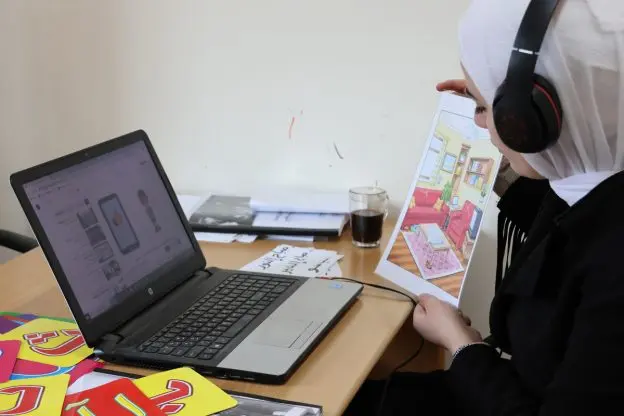
Get a glimpse into the vibrant learning experience at Kalimah Center. These snapshots capture real moments from our live classes—where students engage deeply, connect with passionate instructors, and grow in a welcoming, supportive environment.
Here Are The Reviews On Our Courses:
Our students frequently commend the excellence of our courses and the commitment shown by our instructors. You can read their complete reviews on Trustpilot.

Unlock Your Potential in Arabic and Quran with Kalimah Center!
Ready to deepen your connection with the Quran and enhance your understanding of Arabic? Join Kalimah Center today and embark on a transformative journey of learning and growth! Our professional, handpicked Online Arabic and Quran Tutors are dedicated to helping you master these essential skills with ease and expertise.
📚 Explore Our Courses:
Online Arabic Course: Tailored to your level, our comprehensive Arabic program includes 16 teaching levels and 400+ hours of personalized sessions.
Online Quran With Tajweed Course: Perfect for non-Arabic speakers, our course spans 13 levels and equips you with Tajweed mastery from beginner to advanced.
Online Arabic Course For Kids: Nurture your child’s love for Arabic with our engaging and structured program, available in 24 levels for primary, intermediate, and secondary stages.
🚀 Start Your Free Trial Today! 🚀
Don’t miss out on this life-changing opportunity to deepen your faith and knowledge. Sign up now for your free trial and take the first step towards becoming a better practicing Muslim with Kalimah Center!
Conclusion
The “ط” is among the Arabic letters that give Arabic its richness in pronunciation. Its sound, writing forms, and usage learning will significantly contribute to reading and speaking. By practicing regularly and doing correct listening exercises, learners can master this emphatic letter and use it confidently in daily life.
FAQs about The Arabic Letter “ط” (Taa)
Q1: What is the difference between the Arabic letters Taa (ط) and Taa (ت)?
The primary difference is that ط (Taa) is an emphatic, heavy letter, while ت (Taa) is a light, soft letter. To pronounce ط, you must lift the back of your tongue toward the roof of your mouth to create a deep, resonant “T” sound (like the “t” in tall). ت is pronounced softly with the tip of the tongue (like the “t” in tea).
Q2: What are the different shapes of the Arabic letter Taa (ط)?
The letter ط has a highly stable shape and maintains its core structure in all four positions:
Isolated: ط
Initial (Beginning): طـ
Medial (Middle): ـطـ
Final (End): ـط
Q3: What are some common examples of words starting with the letter Taa (ط)?
Three common Arabic words that begin with the initial form of ط (طـ) are:
طعام (Ta’aam) – meaning Food
طائر (Taa’ir) – meaning Bird
طيب (Tayyib) – meaning Good or Kind
Q4: Does the Arabic letter Taa (ط) connect to following letters?
Yes, ط connects to both the letter preceding it and the letter following it within a word. It follows standard Arabic cursive rules, extending a connecting line from its left side when placed in the initial or medial positions (e.g., ـطـ).
Q5: Why do Arabic learners struggle with the letter Taa (ط)?
Learners typically struggle with ط due to pronunciation, spelling, and visual confusion. They often fail to emphasize its deep, heavy sound, causing them to incorrectly pronounce or spell it as the lighter letter ت. Regular listening drills and writing exercises help overcome this mix-up.