Parents and teachers, let’s have some fun teaching Arabic words for kids! I’ll be your guide to the easiest, most helpful Arabic words and phrases you can start using right away with your kids.
Forget boring memorization! At Kalimah Center we know the secret to learning is using language in real life. That’s how they learned their first words, right? We’re going to do the same with Arabic!
We’ll go over the most important words for children, showing you how the Arabic Alphabet is written in English letters, what they mean, and giving you examples of how to use them in sentences.
Let’s explore some useful words your kids can use every single day. Get ready to see those smiles as they start speaking Arabic naturally!
Why Start with Simple Arabic Words with Kids?
Children learn best when they can connect new words with their daily lives. So, let’s start with words they hear and use every day. This way, Arabic doesn’t feel like a foreign language; it becomes a part of their world. The goal is to make them feel comfortable and confident in using Arabic in their everyday routine.
That’s why we at Kalimat Center care about giving young learners the most important, easy words first. We explain everything: how to say the word, what it means, and how to use it right. This makes it easier for kids to talk in Arabic every day.
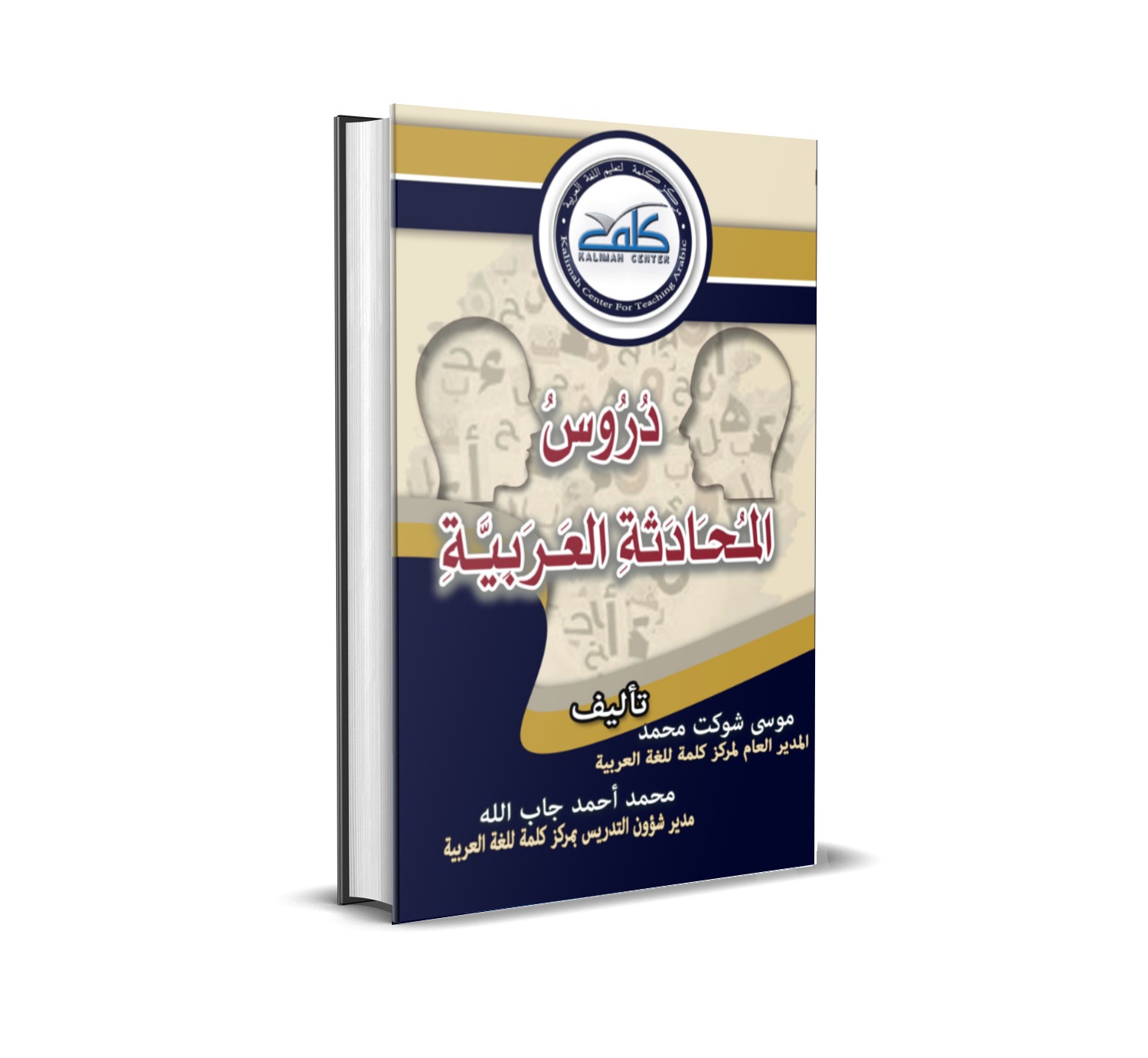
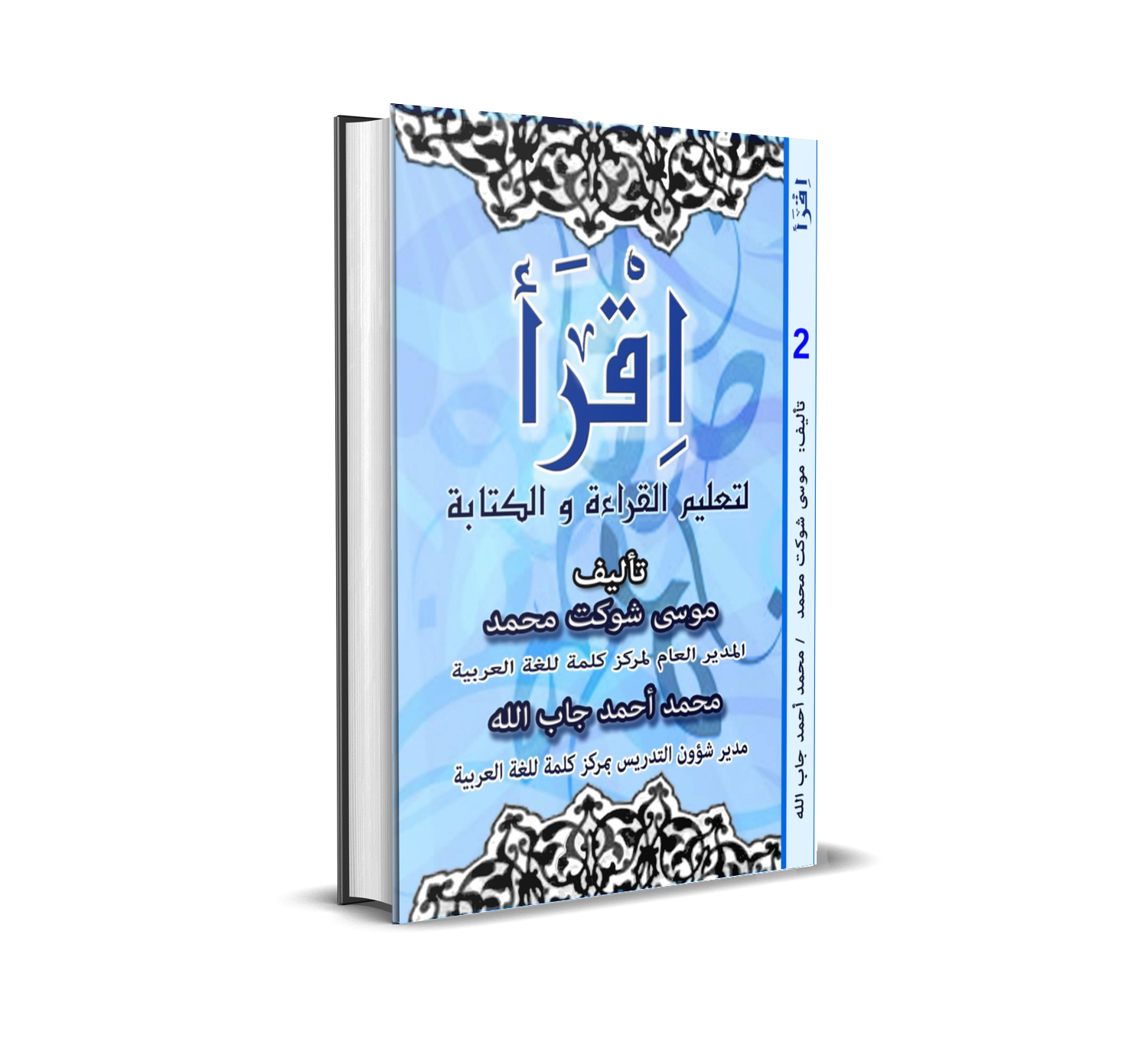
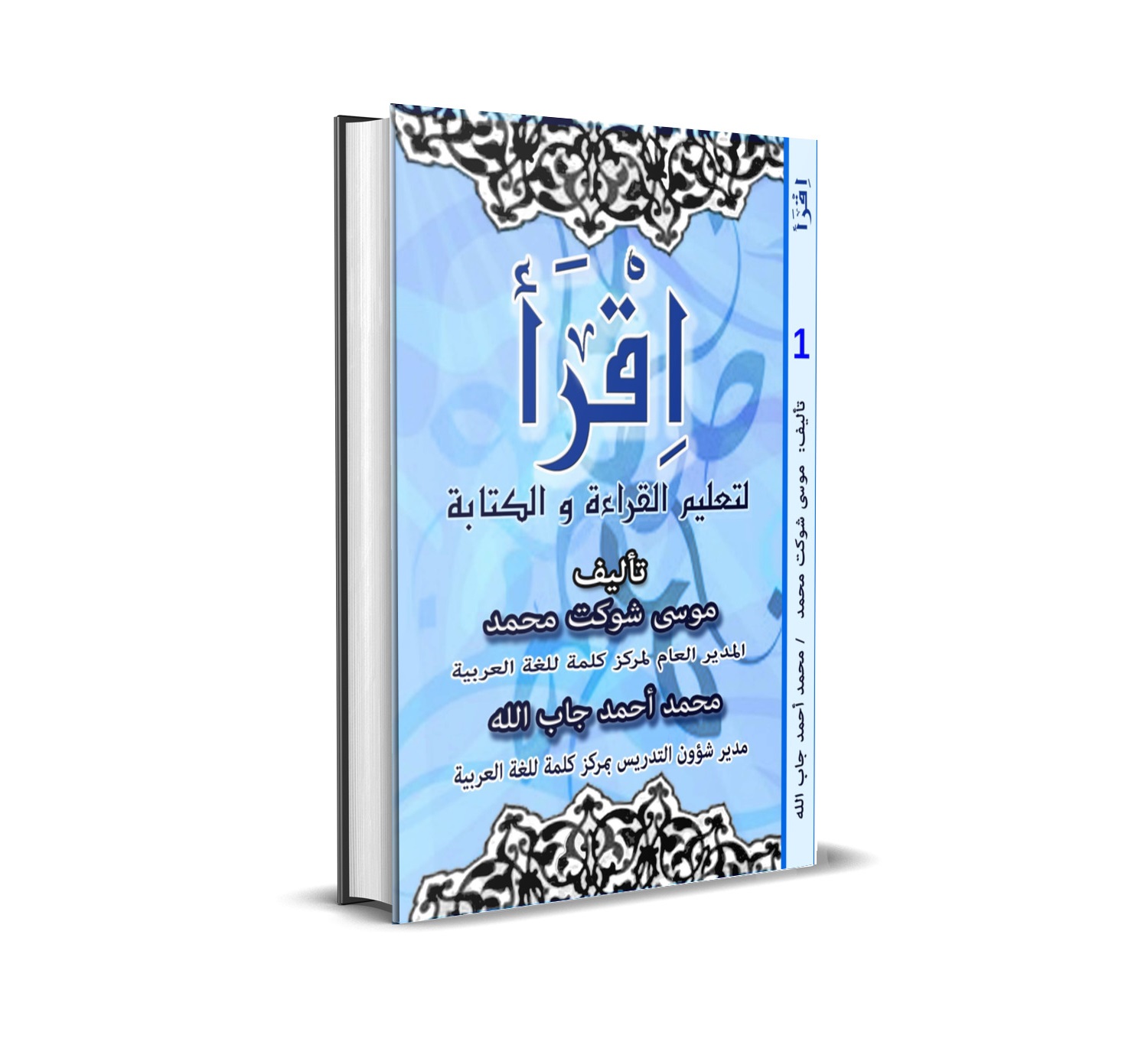
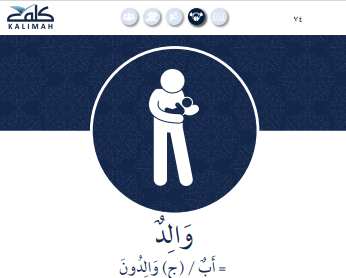
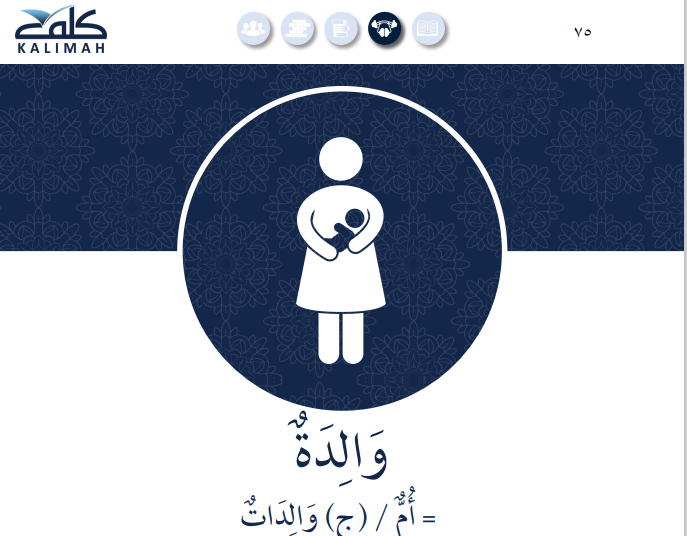
As you can see in the following image, which is an excerpt from our curriculum for teaching children in the early levels of our Arabic Course for Kids, we lay a solid groundwork for their language acquisition journey.

First: Everyday Arabic Words for Kids
Let’s start with some words that your kids can use every day. These are simple words that they can hear and say at home.
1. أمي (ummī) – My Mother
- A simple way to teach this word is by saying: “أين أمي؟” (ayna ummī?) – “Where is my mother?”
- Your child can reply: “أمي هنا” (ummī hunā) – “My mother is here.”
2. أبي (abī) – My Father
- You can say: “أين أبي؟” (ayna abī?) – “Where is my father?”
- Your child can reply: “أبي في العمل” (abī fī al-ʿamal) – “My father is at work.”
3. ماء (mā’) – Water
- When your child is thirsty, you can ask them: “هل تريد ماء؟” (hal turid mā’?) – “Do you want water?”
- They can reply: “نعم، أريد ماء” (naʿam, uridu mā’) – “Yes, I want water.”
4. طعام (ṭaʿām) – Food
- Before eating, you can say: “هيا نأكل الطعام” (hayya na’kul al-ṭaʿām) – “Let’s eat food.”
- Your child can say: “الطعام لذيذ” (al-ṭaʿām laẓīẓ) – “The food is delicious.”
5. كتاب (kitāb) – Book
- When reading, you can say: “هيا نقرأ كتابًا” (hayya naqra’ kitāban) – “Let’s read a book.”
- Your child can ask: “هل يمكنني أن آخذ هذا الكتاب؟” (hal yumkinunī an ākhudh hādhā al-kitāb?) – “Can I take this book?”

6. بيت (bayt) – House
- You can say: “هيا نذهب إلى البيت” (hayya nazhab ila al-bayt) – “Let’s go to the house.”
- Your child can say: “أحب بيتي” (uḥibbu baytī) – “I love my house.”
7. سيارة (sayyāra) – Car
- When going out, you can say: “هيا نركب السيارة” (hayya narkab al-sayyāra) – “Let’s get in the car.”
- Your child can say: “أحب السيارة الحمراء” (uḥibbu al-sayyāra al-ḥamrā’) – “I love the red car.”
8. شمس (shams) – Sun
- When it’s sunny, you can say: “الشمس مشرقة اليوم” (al-shams mushriqah al-yawm) – “The sun is shining today.”
- Your child can say: “الشمس ساطعة” (al-shams sāṭiʿah) – “The sun is bright.”
9. قطة (qiṭṭa) – Cat
- When seeing a cat, you can say: “القطة على الشجرة” (al-qiṭṭa ʿalā al-shajara) – “The cat is on the tree.”
- Your child can say: “أحب القطط” (uḥibbu al-qiṭaṭ) – “I love cats.”
Master Arabic with Kalimah Center
Join our expert-led online classes and start your journey toward Arabic fluency today.
Book Your Free TrialRead also: Family members in Arabic
Second: Essential Greetings & Polite Arabic Phrases for Kids
Teaching your kids how to greet others in Arabic is very important. It is part of our culture and religion to be polite and respectful.
1. مرحبا بك (marḥaban bika) – Welcome
- This is a warm way to welcome someone in Arabic. Teach your child to say this when someone visits their home or joins them in an activity.
- They can also say: “أهلا وسهلا” (ahlan wa sahlan) – “Welcome” (a more formal and elaborate way of welcoming).
2. صباح الخير (ṣabāḥ al-khayr) – Good morning
- Teach your child to greet people with “صباح الخير” (ṣabāḥ al-khayr) in the morning.
- The response to this is: “صباح النور” (ṣabāḥ an-nūr).
3. مساء الخير (masā’ al-khayr) – Good evening
- Teach your child to greet people with “مساء الخير” (masā’ al-khayr) in the evening.
- The response to this is also: “مساء النور” (masā’ an-nūr).

4. شكرا (shukran) – Thank you
Whenever someone gives something to your child, remind them to say “شكرا” (shukran). They can also say: “شكرا جزيلا” (shukran jazīlan) – “Thank you very much.”
5. عفوا (ʿafwan) – You’re welcome
When someone thanks your child, teach them to reply with “عفوا” (ʿafwan). They can also say: “لا شكر على واجب” (lā shukr ʿalā wājib) – “Don’t mention it, it was my pleasure.”
6. من فضلك (min faḍlik) – Please
- Teach your child to say “من فضلك” (min faḍlik) when they ask for something.
- For example: “أريد ماء من فضلك” (uridu mā’ min faḍlik) – “I want water, please.
7. سررت بلقائك (sururtu biliqā’ik) – Pleased to meet you
- This is a polite way to express your pleasure at meeting someone new. Teach your child to say this after being introduced to someone.
- The response to this can be: “وأنا كذلك” (wa anā kadhālik) – “The pleasure is mine.”
8. إلى اللقاء (ilā al-liqā’) – See you later/Goodbye
- This is a common way to say goodbye in Arabic, implying that you will see the person again soon.
Other ways to say goodbye include: “مع السلامة” (maʿa as-salāma) – “Go with peace” and “في أمان الله” (fī amān illāh) – “May God protect you.”

Read Also: Arabic Alphabet for Kids
Third: Arabic Playtime Words for Kids
Let’s explore some words your kids can use during their playtime adventures!
1. لعبة (luʿba) – Toy
- When your child wants to play, they can say: “أريد أن ألعب بلعبتي” (urīdu an alʿab bi-luʿbatī) – “I want to play with my toy.”
- You can ask: “ما هي لعبتك المفضلة؟” (mā hiya luʿbatuka al-mufaḍḍala?) – “What is your favorite toy?”
2. لعب (laʿib) – Play
- You can encourage your child to play by saying: “هيا نلعب سويا” (hayya nalʿab sawiyan) – “Let’s play together.”
- They can express their desire to play: “أريد أن ألعب في الحديقة” (urīdu an alʿab fī al-ḥadīqa) – “I want to play in the garden.”
3. كرة (kura) – Ball
- When playing catch, you can say: “ألق الكرة إليّ!” (ilqi al-kura ilayya!) – “Throw the ball to me!”
- Your child can ask: “هل يمكننا أن نلعب بالكرة؟” (hal yumkinunā an nalʿab bil-kura?) – “Can we play with the ball?”
Read Also: How to Speak Arabic for Kids?
4. دراجة (darrāja) – Bicycle
- When going for a ride, you can say: “هيا نركب الدراجة” (hayya narkab al-darrāja) – “Let’s ride the bicycle.”
- Your child can express their excitement: “أحب ركوب الدراجة” (uḥibbu rukūb al-darrāja) – “I love riding the bicycle.”
5. أرجوحة (arjuḥa) – Swing
- At the playground, you can ask: “هل تريد أن تلعب على الأرجوحة؟” (hal turīd an tatarajjaḥ ʿalā al-arjuḥa?) – “Do you want to swing on the swing?”
- Your child can express their joy: “التأرجح ممتع!” (al-tarajjuḥ mumtiʿ!) – “Swinging is fun!”
Know more about Arabic Grammar for Kids
Fourth: More Basic Arabic Words for Kids
I believe the general idea is clear now with the examples and scenarios provided. Next, I’ll give you some other basic Arabic words in a table with their translations and transliterations. Here are more Arabic words that are common in children’s everyday lives.
| Arabic Word | Transliteration | Translation |
| نوم | nawm | Sleep |
| صباح | ṣabāḥ | Morning |
| ليل | layl | Night |
| مدرسة | madrasa | School |
| صديق | ṣadīq | Friend (masculine) |
| صديقة | ṣadīqa | Friend (feminine) |
| أخت | ukht | Sister |
| أخ | akh | Brother |
| جد | jadd | Grandfather |
| جدة | jadda | Grandmother |
| طفل | ṭifl | Child (masculine) |
| طفلة | ṭifla | Child (feminine) |
| حيوان | ḥayawān | Animal |
| زهرة | zahra | Flower |
| شجرة | shajara | Tree |
| سماء | samā’ | Sky |
| نجمة | najma | Star |
| قمر | qamar | Moon |
| طاولة | ṭāwila | Table |
| كرسي | kursi | Chair |
| باب | bāb | Door |
| نافذة | nāfidha | Window |
| سرير | sarīr | Bed |
| ملابس | malābis | Clothes |
| حذاء | ḥidhā’ | Shoe |
| لعبة | luʿba | Toy |
| دمية | dumiyya | Doll |
| سيارة لعبة | sayyāra luʿba | Toy car |
| كتاب تلوين | kitāb talwīn | Coloring book |
| ألوان | alwān | Colors |
| رسم | rasm | Drawing |
| قصة | qiṣṣa | Story |
Read also: Body parts in Arabic
Master Arabic with Kalimah Center
Join our expert-led online classes and start your journey toward Arabic fluency today.
Book Your Free TrialInside Kalimah Center: Moments from Our Courses
Get a glimpse into the vibrant learning experience at Kalimah Center. These snapshots capture real moments from our live classes—where students engage deeply, connect with passionate instructors, and grow in a welcoming, supportive environment.
Here Are The Reviews On Our Arabic Courses:
Our students frequently commend the excellence of our courses and the commitment shown by our instructors. You can read their complete reviews on Trustpilot.

Your Kids Want to Learn Arabic Words? Make it fun and Easy with Kalimah!
You find good words in article, but words are not enough. Kids need MORE! They need to use the words, hear them, and play with them! Kalimah Center helps them learn real Arabic the fun way! Kalimah helps your kids:
- LOVE Arabic: Our native Arabic teachers know kids. We make class fun, with games, stories, and pictures.
- SPEAK Arabic: No boring drills! We talk about everyday things, like family, food, and animals.
- READ and WRITE Arabic: We use special books, just for kids. They learn the alphabet and build sentences.
- Learn at THEIR LEVEL: We start easy and go step-by-step. No one left behind, no one bored.
Kalimah Center, we make it easy, we make it fun. Come try, sign up for FREE trial, see for yourself!
📚 Explore Our Courses:
Online Arabic Course: Tailored to your level, our comprehensive Arabic program includes 16 teaching levels and 400+ hours of personalized sessions.
Online Quran With Tajweed Course: Perfect for non-Arabic speakers, our course spans 13 levels and equips you with Tajweed mastery from beginner to advanced.
Online Arabic Course For Kids: Nurture your child’s love for Arabic with our engaging and structured program, available in 24 levels for primary, intermediate, and secondary stages.
🚀 Start Your Free Trial Today! 🚀
Don’t miss out on this life-changing opportunity to deepen your faith and knowledge. Sign up now for your free trial and take the first step towards becoming a better practicing Muslim with Kalimah Center!

Conclusion
In conclusion, the key to successful language acquisition for children is moving beyond rote memorization and integrating Arabic words for kids into their daily lives. The methodology explored here focuses on high-frequency vocabulary—from immediate family members and greetings to common household objects and playtime terms—ensuring that the new language feels relevant, practical, and fun. By providing simple sentences and real-life scenarios, parents and teachers can create an immersive, low-pressure environment where children feel both comfortable and confident in speaking Arabic naturally.
The strategy employed by Kalimah Center ensures that young learners build a strong, usable foundation in Arabic. By offering structured yet playful lessons led by native teachers, the curriculum transforms the learning process into a joyful journey of discovery. This focus on practical application and personalized support is what enables children to not just learn words, but to actively speak Arabic from an early age, thereby fostering a deep, lifelong connection with the language and its cultural context.
FAQs about Arabic Words for Kids
How can I teach my child Arabic words without boring memorization?
The best way to teach kids Arabic is by integrating practical, high-frequency words into their daily routines. Instead of rote memorization, connect words like ummī (mother) or ṭaʿām (food) to real-life situations and use them in simple, everyday sentences to build natural speaking confidence.
What are some basic everyday Arabic words for children to learn first?
Children should start with immediate family and household entities. Core everyday words include ummī (my mother), abī (my father), mā’ (water), ṭaʿām (food), kitāb (book), bayt (house), sayyāra (car), and qiṭṭa (cat). Pairing these with everyday objects accelerates retention.
How do you teach polite phrases and greetings in Arabic to kids?
Essential polite Arabic phrases for young learners include marḥaban bika (welcome), ṣabāḥ al-khayr (good morning), shukran (thank you), and min faḍlik (please). Teaching these greetings early helps children understand cultural respect while actively practicing conversational Arabic during social interactions.
What Arabic vocabulary words can kids use during playtime?
Interactive playtime Arabic words include luʿba (toy), laʿib (play), kura (ball), darrāja (bicycle), and arjuḥa (swing). Using action-oriented vocabulary during active games encourages children to naturally adopt the language without feeling like they are doing rigid classroom work.
Why does Kalimah Center focus on conversational Arabic for children?
Kalimah Center utilizes a practical language acquisition methodology led by native Arabic teachers. By focusing on everyday scenarios—like family routines, meals, and playtime—rather than isolated grammar drills, the curriculum transforms learning into a fun, engaging experience that builds genuine speaking fluency.