In a nutshell: Mastering family terms in Arabic, from الأب (father) to حماة (mother-in-law), opens a window into Arab culture. The language distinguishes between paternal and maternal relatives, with unique words for cousins and in-laws. Whether talking about your ابن (son) or ابنة (daughter), learning these terms enriches communication and understanding, with Kalimah Center offering immersive courses to help you master them.
Understanding family terms connects you to the Arabic culture. Family is deeply rooted in Arab traditions, and learning these words helps you appreciate how relationships shape our lives. In this lesson, I’ll guide you step by step through the vocabulary for family members in Arabic, their pronunciation, and how to use them correctly in conversation. By the end, you’ll be able to recognize and speak these terms confidently
The Core Family Members in Arabic
Let’s start with the immediate family. You probably already know some of these:
1. الأب (al-‘ab) – Father
(pronounced “al-ab”, with a short “a” sound like in “cat”)
- Example: أبي يعمل طبيباً (Abi ya’malu tabiban) – My father works as a doctor.
2. الأم (al-‘umm) – Mother
(pronounced “al-umm”, with a short “u” sound like in “put”)
- Example: أمي طباخة ماهرة (Ummi tabbakhatun mahiratun) – My mother is a skilled cook.
3. الابن (al-ibn) – Son
- Example: لدي ابن واحد (Laday ibnun wahidun) – I have one son.
4. الابنة (al-ibna) – Daughter
- Example: ابنتي تحب القراءة (Ibnati tuhibbu al-qira’ata) – My daughter loves to read.
5. الأخ (al-‘akh) – Brother
(pronounced “al-akh”, with a guttural “kh” sound like in German “Bach”)
- Example: أخي يكبرني بسنتين (‘Akhi yakburni bi-sanatayn) – My brother is two years older than me.
6. الأخت (al-‘ukht) – Sister
(pronounced “al-ukht”, with a guttural “kh” sound)
- Example: أختي تدرس في الجامعة (‘Ukhti tadrusu fi al-jami’ati) – My sister studies at the university.
7. الزوج (az-zawj) – Husband
(pronounced “az-zawj”, with a voiced “z” sound)
- Example: زوجي مهندس (Zawji muhandisun) – My husband is an engineer.
8. الزوجة (az-zawja) – Wife
- Example: زوجتي معلمة (Zawjati mu’allimatun) – My wife is a teacher.
Arabic, like many languages, has grammatical genders. See how the words for “son” and “daughter” are different? That’s because “son” is masculine and “daughter” is feminine. This distinction is important in Arabic grammar, so pay attention to the genders of nouns!
Experience Kalimah Center Classes
Watch real excerpts from our live sessions at Kalimah Center and see how we bring learning to life. These clips highlight our interactive, student-centered teaching approach across all our courses—designed to keep learners engaged, motivated, and actively involved every step of the way.
Master Arabic with Kalimah Center
Join our expert-led online classes and start your journey toward Arabic fluency today.
Book Your Free TrialExtended Family: Relatives in Arabic
Now, let’s expand our family tree. Arabic has specific terms for many relatives:
1. الجد (al-jadd) – Grandfather
- Example: جدي حكيم جداً (Jaddi hakimun jiddan) – My grandfather is very wise.
2. الجدة (al-jadda) – Grandmother
- Example: جدة تحب خبز الكعك (Jaddati tuhibbu khabza al-ka’ki) – My grandmother loves to bake cakes.
3. الحفيد (al-hafid) – Grandson
- Example: حفيدي يلعب كرة القدم (Hafidi yal’abu kurata al-qadam) – My grandson plays football.
4. الحفيدة (al-hafida) – Granddaughter
- Example: حفيدتي ذكية جداً (Hafidati dakiyyatun jiddan) – My granddaughter is very smart.
5. العَمّ (al-‘amm) – Paternal uncle
- Example: عمي يسكن في دبي (‘Ammi yaskunu fi Dubai) – My uncle lives in Dubai.
6. العمة (al-‘amma) – Paternal aunt
- Example: عمتي تزورنا كل صيف (‘Ammati tazurna kullu sayf) – My aunt visits us every summer.
7. الخال (al-khal) – Maternal uncle
- Example: خالي يعمل مهندساً (Khali ya’malu muhandisan) – My uncle (maternal) works as an engineer.
8. الخالة (al-khala) – Maternal aunt
- Example: خالتي لديها ثلاثة أطفال (Khalati ladayha thalathu ‘atfal) – My aunt (maternal) has three children.
9. ابن العم (ibn al-‘amm) – Cousin
(son of paternal uncle) (pronounced “ibn al-‘amm”)
- Example: ابن عمي صديقي المقرب (Ibn ‘ammi sadiqi al-muqarribun) – My cousin (paternal uncle’s son) is my close friend.
10. ابنة العم (ibnat al-‘amm) – Cousin
(daughter of paternal uncle) (pronounced “ibnat al-‘amm”)
- Example: ابنة عمي تدرس الطب (Ibnat ‘ammi tadrusu al-tibb) – My cousin (paternal uncle’s daughter) is studying medicine.
11. ابن الخال (ibn al-khal) – Cousin
(son of maternal uncle) (pronounced “ibn al-khal”)
- Example: ابن خالي سافر إلى أمريكا (Ibn khali saafara ila Amrika) – My cousin (maternal uncle’s son) traveled to America.
12 ابنة الخال (ibnat al-khal) – Cousin
(daughter of maternal uncle) (pronounced “ibnat al-khal”)
- Example: ابنة خالي تعمل معلمة (Ibnat khali ta’malu mu’allimatan) – My cousin (maternal uncle’s daughter) works as a teacher.
There’s a different word for a cousin who’s the child of your father’s brother and one who’s the child of your mother’s brother!
Read also: Fruits in Arabic
In-Laws Relatives in Arabic
Marriage brings a whole new set of family members. Here are some key terms:
1. حمو (hamu) – Father-in-law
- Example: حموي رجل طيب (Hamuy rajulun tayyibun) – My father-in-law is a kind man.
2. حماة (hamat) – Mother-in-law
- Example: حماة تحبني كثيراً (Hamati tuhibbunee kathiran) – My mother-in-law loves me a lot.
3. صهر (sihr) – Son-in-law
- Example: صهرى يعمل في البنك (Sihri ya’malu fi al-bank) – My son-in-law works in the bank.
4. كنّة (kanna) – Daughter-in-law
- Example: كنتي فتاة جميلة (Kannati fatatun jamilatun) – My daughter-in-law is a beautiful girl.
5. زوج الأخت (zawj al-‘ukht) – Sister’s husband (brother-in-law)
- Example: زوج أختي يسافر كثيراً (Zawj ukhti yusaafiru kathiran) – My sister’s husband travels a lot.
6. زوجة الأخ (zawjat al-‘akh) – Brother’s wife (sister-in-law)
- Example: زوجة أخي طباخة ماهرة (Zawjat akhi tabbakhatun mahiratun) – My brother’s wife is a skilled cook.
These terms can vary slightly in different dialects. Don’t be surprised if you hear different words used in different Arab countries!
Read more about: Body Parts in Arabic
Master Arabic with Kalimah Center
Join our expert-led online classes and start your journey toward Arabic fluency today.
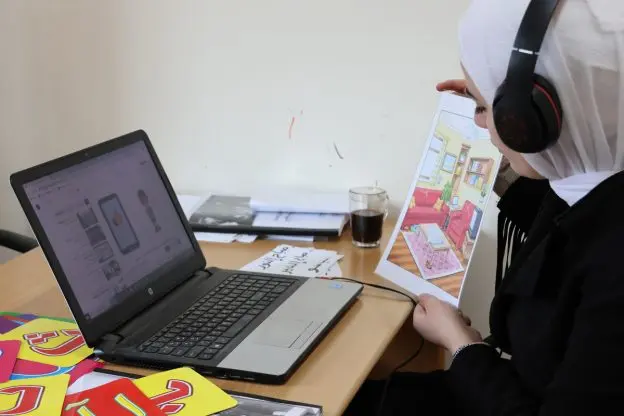
Book Your Free TrialInside Kalimah Center: Moments from Our Courses
Get a glimpse into the vibrant learning experience at Kalimah Center. These snapshots capture real moments from our live classes—where students engage deeply, connect with passionate instructors, and grow in a welcoming, supportive environment.
Here Are The Reviews On Our Courses:
Our students frequently commend the excellence of our courses and the commitment shown by our instructors. You can read their complete reviews on Trustpilot.

Why Learn ِArabic with Kalimah Center?
At Kalimah Center, we specialize in helping non-Arabs master the Arabic language. Our online Arabic courses are structured, engaging, and designed to build confidence. Former students say:
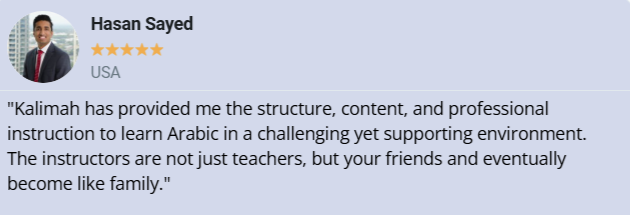
Yes, like FAMILY as Hasan said.
Through interactive lessons, cultural insights, and personalized feedback, we ensure you don’t just memorize words, you live the language.
📚 Explore Our Courses:
Online Arabic Course: Tailored to your level, our comprehensive Arabic program includes 16 teaching levels and 400+ hours of personalized sessions.
Online Quran With Tajweed Course: Perfect for non-Arabic speakers, our course spans 13 levels and equips you with Tajweed mastery from beginner to advanced.
Online Arabic Course For Kids: Nurture your child’s love for Arabic with our engaging and structured program, available in 24 levels for primary, intermediate, and secondary stages.
🚀 Start Your Free Trial Today! 🚀
Don’t miss out on this life-changing opportunity to deepen your faith and knowledge. Sign up now for your free trial and take the first step towards becoming a better practicing Muslim with Kalimah Center!
Conclusion:
In Arabic, family terms are essential for connecting with the culture, from immediate family like father (الأب, al-ab) and mother (الأم, al-umm) to siblings and children.
Gender distinctions are key in terms like ابن (son) and ابنة (daughter), while extended family members, such as grandparents and cousins, have specific names for paternal and maternal sides.
In-laws also have distinct terms like father-in-law (حمو, hamu) and mother-in-law (حماة, hamat). Learning these terms enhances cultural understanding and communication, with Kalimah Center offering structured Arabic courses to build confidence in using them.
FAQs about Family Members In Arabic
Q1: What is the Arabic word for father and mother?
A: The Arabic word for father is الأب (al-‘ab) and the word for mother is الأم (al-‘umm). In conversational Arabic, these terms are commonly adjusted to أبي (Abi) for “my father” and أمي (Ummi) for “my mother.”
Q2: How does Arabic distinguish between paternal and maternal uncles?
A: Arabic uses distinct terms based on the side of the family. A paternal uncle (father’s brother) is called العَمّ (al-‘amm), while a maternal uncle (mother’s brother) is called الخال (al-khal). Paternal and maternal aunts follow the same rule, using العمة (al-amma) and الخالة (al-khala) respectively.
Q3: What are the words for cousins in Arabic?
A: Arabic cousin terms specify the exact family connection by combining “son” (ابن) or “daughter” (ابنة) with the uncle’s term. For example, a paternal uncle’s son is ابن العم (ibn al-‘amm), while a maternal uncle’s son is ابن الخال (ibn al-khal).
Q4: What is the Arabic term for mother-in-law and father-in-law?
A: The Arabic term for father-in-law is حمو (hamu) and the term for mother-in-law is حماة (hamat). These terms are part of the specific vocabulary Arabic uses for marriage-based relationships, known as in-laws.
Q5: How do gender distinctions work for children in Arabic family vocabulary?
A: Arabic applies clear grammatical gender distinctions to family vocabulary. The word for son is the masculine noun الابن (al-ibn), whereas the word for daughter is the feminine noun الابنة (al-ibna).