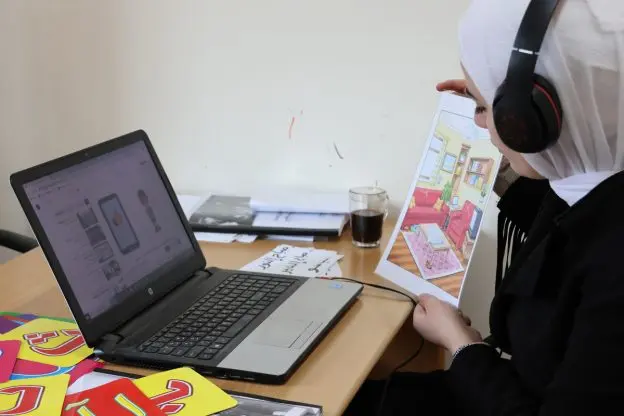
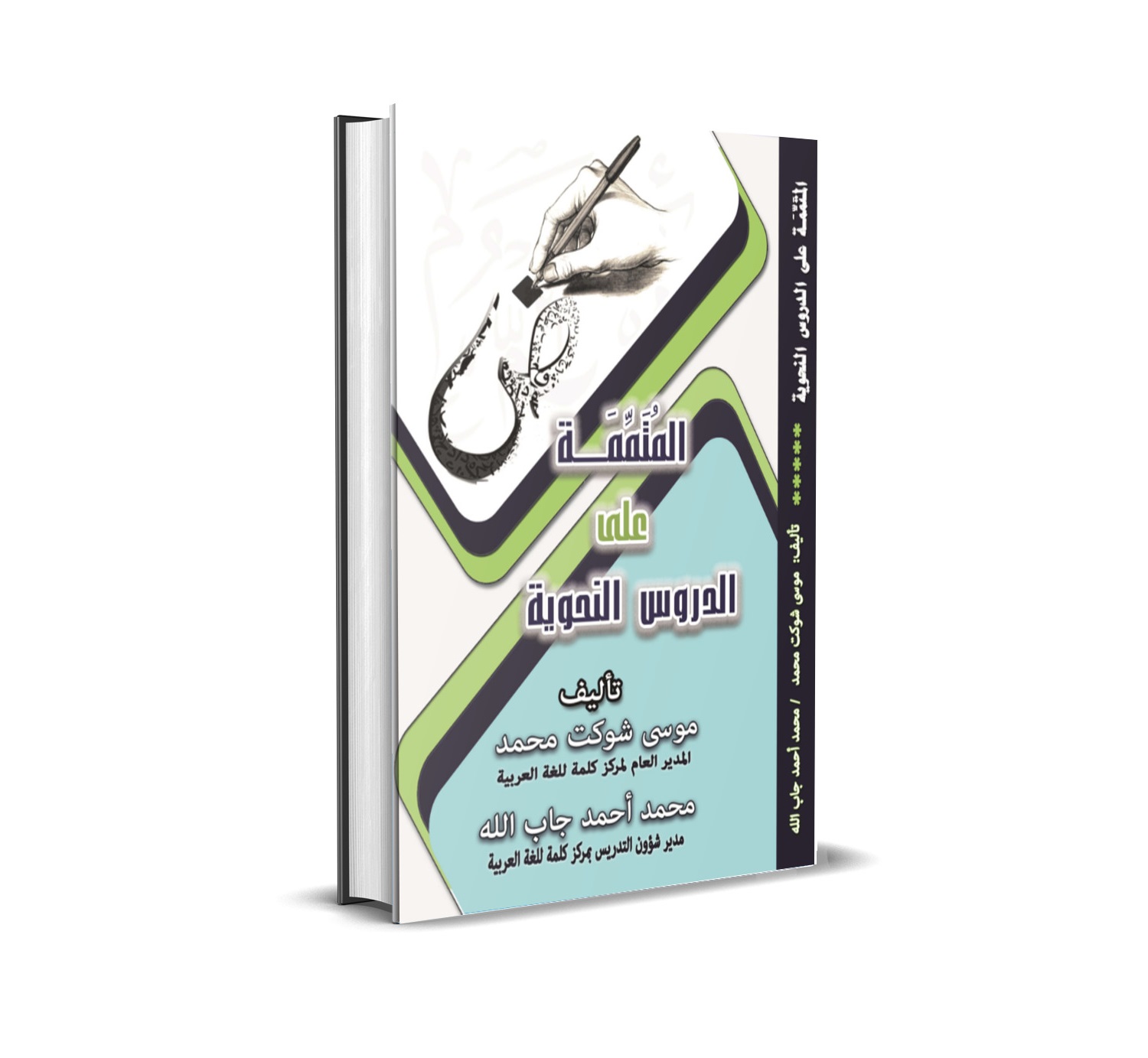
Free Arabic worksheets for kids cover alphabet recognition (28 letters), writing practice, reading comprehension, number learning (1-100), and word building. For ages 3-5, focus on letter tracing and recognition worksheets. Ages 6-8 benefit from word formation and simple sentence worksheets. Ages 9-12 can handle reading comprehension and grammar exercises. Combine printable PDFs with interactive practice—spend 15-20 minutes daily for best results. Free resources available through educational sites like Teachers Pay Teachers (filter “free”), Twinkl free resources section, and Islamic education platforms.
Quick Age & Skill Reference Table:
| Age Group | Skill Focus | Worksheet Types | Daily Time | Free Resources |
|---|---|---|---|---|
| 3-5 years | Letter recognition, tracing | Alphabet tracing, coloring, matching | 10-15 min | Alphabet coloring sheets, letter recognition cards |
| 6-8 years | Reading, writing, basic words | Word building, simple sentences, phonics | 15-20 min | CVC word worksheets, sentence building |
| 9-12 years | Reading comprehension, grammar | Paragraph reading, grammar rules, writing | 20-30 min | Comprehension passages, grammar exercises |
| All ages | Numbers (1-100) | Number tracing, counting, writing | 10-15 min | Number worksheets, math in Arabic |
Looking for free Arabic worksheets to help your child learn the alphabet, practice writing, build vocabulary, and master Arabic numbers? You’re in the right place. This comprehensive guide covers exactly what worksheets work best for different ages, where to find quality free printables, and—most importantly—how to use them effectively so your child actually learns.
The challenge with Arabic worksheets: Finding truly free, high-quality resources isn’t easy. Many sites offer “free samples” but require payment for complete sets. Others provide free downloads but lack teaching guidance—leaving parents wondering if they’re using them correctly or in the right order.
This article solves both problems. You’ll discover:
- Specific free worksheet resources you can download today (with direct guidance on what’s free vs paid)
- Age-appropriate progression paths (which worksheets to use when, from age 3 to 12)
- Parent implementation strategies (how to teach effectively with worksheets, not just hand them to kids)
- Realistic expectations (what worksheets can and can’t do)
- Troubleshooting tips (what to do when your child struggles or loses interest)
Let’s start with understanding what Arabic worksheets actually are and what makes them effective.
What Are Arabic Worksheets for Kids? (Types & Age Ranges)
Arabic worksheets are structured practice activities designed to teach specific language skills—letter recognition, writing, reading, vocabulary, and numbers—through repetition and guided exercises. Think of them as targeted skill-building tools, not complete language programs.
What Worksheets CAN Do:
✅ Reinforce letter recognition through visual repetition
✅ Develop fine motor skills via tracing and writing
✅ Build vocabulary through word-picture associations
✅ Provide structured practice for specific skills
✅ Create screen-free learning time
✅ Offer measurable progress (you can see improvement on paper)
✅ Supplement other learning methods effectively
What Worksheets CAN’T Do Alone:
❌ Teach pronunciation (no audio feedback)
❌ Build conversational fluency (worksheets are passive)
❌ Maintain long-term engagement without variety
❌ Replace interactive teaching (human guidance essential)
❌ Adapt to individual pace (one-size-fits-all)
Bottom line: Worksheets are powerful supplements, not standalone solutions. Most successful Arabic-learning kids use worksheets as 20-30% of total practice, combined with songs, apps, conversation practice, and storytelling.
Three Main Categories of Arabic Worksheets
1. Recognition & Tracing Worksheets (Ages 3-6)
- Focus: Visual recognition, fine motor development
- Activities: Letter tracing, coloring, matching shapes
- Time investment: 10-15 minutes daily
- Outcome: Letter familiarity, pre-writing skills
2. Writing & Word-Building Worksheets (Ages 6-9)
- Focus: Active production, spelling, vocabulary
- Activities: Copy writing, word formation, fill-in-blanks
- Time investment: 15-20 minutes daily
- Outcome: Reading simple words, basic writing ability
3. Comprehension & Grammar Worksheets (Ages 9-12)
- Outcome: Reading fluency, grammatical awareness
- Focus: Understanding meaning, applying rules
- Activities: Reading passages, grammar exercises, sentence construction
- Time investment: 20-30 minutes daily
Free Arabic Alphabet Worksheets (Ages 3-8)
Worksheets focused on the alphabet help children recognize the unique letter shapes, associate them with their sounds, and practice writing them correctly.
One of the best resources I found is the “42 Arabic Alphabet Worksheet“ package. This set includes 42 colorful worksheets that are available in both Arabic-English and Arabic-only formats. Each worksheet is A5-sized, making it easy to carry around and perfect for use in various settings like Qur’an classes, Arabic centers, or even at home. The worksheets offer activities such as letter recognition, vocabulary building, tracing, coloring, writing, and matching.
What I love most about these worksheets is that they are versatile. You can use them with any theme or curriculum you’re following. The worksheets are engaging and help children practice letter identification while also allowing them to express their creativity through coloring and matching activities. Plus, the instructions are simple, making it easy for parents to guide their children through each activity.

Teacher’s Tip: Don’t just focus on rote memorization. Encourage children to use the letters they learn in context, like writing their names or labeling objects around the house. This makes learning more meaningful and fun!
Word Building Worksheets: From Letters to Words
Once children have mastered the alphabet, it’s time to start building words. Worksheets that focus on word formation help children understand how letters combine to create meaning.
A- Word Composition Worksheet
This activity is a word composition worksheet aimed at training children to compose words using separated and unordered syllables. The child tries to form a meaningful and useful word by arranging these syllables.
The word composition worksheet has a simple design, is useful, and is easy to obtain. It doesn’t require time or effort to assign a distinctive homework task or for children to complete it in class.
It’s great to have a competition between children for the fastest and most accurate answer. The child who can form the word quickly and correctly is the winner. The children will enjoy the spirit of competition and will have a beautiful and useful time.

B- Building Three-Letter Words
For a more creative approach to language learning, the “Building Three-Letter Words with Cubes” offers a unique way to build vocabulary through word-building activities. This resource uses cubes to create a fun and interactive way for children to learn new words and practice constructing words from letters.
The idea is simple: children cut out pictures and paste them on cubes, then match the correct word to the picture by arranging the letters. This hands-on activity is both entertaining and educational, making it an excellent tool for reinforcing vocabulary in a playful manner. It encourages children to think critically and helps them develop a deeper understanding of how words are formed.
This resource is particularly useful for parents looking to encourage their children to learn Arabic in a more relaxed and enjoyable way. By turning learning into a game, it helps reduce the pressure on children and makes the process of language acquisition more natural.
Know more about Arabic Learning Apps for Kids

Experience Kalimah Center Classes
Watch real excerpts from our live sessions at Kalimah Center and see how we bring learning to life. These clips highlight our interactive, student-centered teaching approach across all our courses—designed to keep learners engaged, motivated, and actively involved every step of the way.
Master Arabic with Kalimah Center
Join our expert-led online classes and start your journey toward Arabic fluency today.
Book Your Free TrialArabic Writing Practice Worksheets (Beginner to Advanced)
The next step is to practice writing. Writing worksheets help develop fine motor skills and teach children how to connect letters to form words and simple sentences.
Read Also: Arabic Alphabet for Kids
My First Arabic Sentences
Thankfully, there are resources like the “My First Arabic Sentences“ that focus on interactive find-and-trace activities. These worksheets are specially designed for young learners aged 4-7, making them ideal for both homeschooling and classroom environments.
The worksheets are interactive, encouraging children to trace letters and build simple sentences. With 20 pages of build-a-sentence worksheets, children can learn how to form sentences with 2-4 words.
This is a great way to foster essential reading and writing skills in Arabic while keeping the activities fun and engaging. The customizable sentences also allow teachers and parents to adapt the content to the specific needs of each child.
For children a bit older, there are sentence-building worksheets that help introduce them to the fundamentals of Arabic sentence structure. This is a crucial step in learning how to communicate effectively in Arabic.
The simplicity of the sentences ensures that even beginners can follow along, while the repetitive nature of the activities helps reinforce their learning.

Reading Comprehension Worksheets for Kids
Reading worksheets help children develop decoding skills and understand the meaning of words, sentences, and texts. Developing reading skills in Arabic can be challenging, but with the right worksheets, it becomes an enjoyable journey.
A- Easy Arabic Reading Worksheet
The “Easy Arabic Reading Worksheet“ is an excellent resource that focuses on taking your child’s Arabic to the next level.
This set of worksheets includes various activities designed to enhance vocabulary, improve pronunciation, and develop fluency. One of the highlights is the vocabulary list, which serves as a starting point. Children are encouraged to familiarize themselves with the Arabic words and their meanings before moving on to the matching activity. Here, they match Arabic words with their English translations, which helps reinforce their understanding.
The fill-in-the-blanks section is another valuable tool. Children use the vocabulary list to complete sentences, practicing how to use words in context. This method helps them develop a deeper understanding of how the language works and how words fit together to form meaningful sentences. The review and practice section ensures that they have mastered the material, making it an effective tool for both learning and assessment.

B- Comprehensive Arabic Reading & Learning Worksheets
Another fantastic resource is the “Comprehensive Arabic Reading & Learning Worksheets.” These worksheets are comprehensive, focusing on reading comprehension, vocabulary building, and grammar.
They are perfect for children who are ready to dive deeper into the Arabic language.
The worksheets are structured to improve the understanding of written Arabic texts, expand vocabulary, and learn the rules and structure of the language.
This makes them an ideal tool for building fluency and comprehension, as well as for reinforcing grammar and syntax.

Arabic Numbers Worksheets: 1-100 (Free Printables)
Arabic number worksheets help children recognize, write, and use Arabic numerals in simple calculations.
The “Arabic Worksheet Numbers 1-100 Printable Activity“ package is a comprehensive set of worksheets that cover everything from tracing numbers to counting and writing them in words.
This 16-page package is designed to cater to various cognitive skill levels, making it suitable for a wide range of learners.
The worksheets include five pages dedicated to tracing numbers, helping children develop the fine motor skills needed to write numbers accurately.
There are also engaging activities like counting numbers with fruits, coloring numbers with emojis, and arranging numbers in the sky. These activities make learning numbers fun and interactive, ensuring that children stay engaged throughout the process.
For more advanced learners, the worksheets offer activities like matching numbers and identifying the correct numbers. There is also a word game that challenges children to write numbers in words, further reinforcing their learning.
This package is an excellent resource for parents and teachers looking to provide a solid foundation in Arabic numbers for kids.

Free vs Paid Arabic Worksheets: What You Need to Know
Let’s be transparent: truly comprehensive, free Arabic worksheet sets are rare. Most quality resources follow one of these models:
Model 1: Freemium (Some Free, Full Sets Paid)
Examples: Teachers Pay Teachers, Twinkl
What’s free: Sample worksheets (usually 3-5 pages)
What costs money: Complete 20-50 page workbooks
Best for: Trying before buying, supplementing other resources
How to maximize free access:
- Filter by “free” on Teachers Pay Teachers
- Create free Twinkl account (gives limited free downloads monthly)
- Download samples from multiple creators to build variety
Model 2: Donation-Based/Islamic Organizations
Examples: LearningRoots, MuslimKidsTV, local mosque resources
What’s free: Most basic materials, especially Quranic Arabic
What costs money: Premium sets, specialized curricula
Best for: Islamic/Quranic focus, budget-conscious families
How to find:
- Search “free Islamic worksheets for kids”
- Check local mosque education departments
- Join Muslim homeschooling Facebook groups (members share resources)
Model 3: DIY/Print-Your-Own
Examples: Pinterest aggregations, teacher blogs
What’s free: Individual worksheets created by teachers/parents
What costs money: Nothing, but time to compile cohesive set
Best for: Customizing to your child’s specific needs
How to find:
- Pinterest search: “free printable Arabic worksheets”
- Teacher blogs: Often share worksheets they created
- Editable templates: Customize with your child’s name/interests
Model 4: Online Platforms with Printables
Examples: Kalimah Center, Arabic Road, Bayyinah TV resources
What’s free: Sample lessons, basic worksheets
What costs money: Full curriculum access, structured programs
Best for: Families wanting comprehensive, structured approach
Our Honest Recommendation:
For occasional practice: Use free samples from multiple sources (Twinkl, TPT, Pinterest)
For structured learning: Invest in one quality paid set (£15-30) OR subscribe to platform like Kalimah for complete curriculum
For budget-conscious families: Combine free Islamic resources + DIY customization + library books
Age-Appropriate Worksheet Progression (3-12 Years)
Not all worksheets suit all ages. Here’s exactly what to use when:
Ages 3-4: Pre-Writing Foundation
Goals at this stage:
- Recognize 10-15 Arabic letters visually
- Develop pencil grip and control
- Build positive association with Arabic learning
Recommended worksheet types:
- ✅ Large letter coloring pages
- ✅ Letter tracing with arrows showing direction
- ✅ Matching games (letter to picture)
- ✅ Dot-to-dot letter shapes
Time: 5-10 minutes daily, 2-3 times per week
Parent tip: Focus on fun, not perfection. If child colors outside lines or traces incorrectly, that’s fine. Goal is exposure and motor development.
Red flags: If child shows frustration or resistance, stop. Age 3-4 is too early to push.
Ages 5-6: Letter Mastery
Goals at this stage:
- Recognize all 28 Arabic letters
- Trace letters with increasing accuracy
- Begin connecting letters to sounds
- Write simple letters independently
Recommended worksheet types:
- ✅ Full alphabet tracing sheets
- ✅ Letter sound association (ب = ball)
- ✅ Beginning letter identification (which words start with ب?)
- ✅ Copy writing (trace then write independently)
Time: 10-15 minutes daily, 4-5 times per week
Parent tip: Introduce letters in groups by similar shape (ب، ت، ث، ن، ي) rather than alphabetical order. This helps visual discrimination.
Red flags: If child still struggles with letter recognition after 6 months, consider vision check or learning assessment.
Ages 7-8: Word Building
Goals at this stage:
- Read simple 2-3 letter words
- Write short words from memory
- Understand word formation rules
- Build vocabulary of 50-100 common words
Recommended worksheet types:
- ✅ CVC word worksheets (consonant-vowel-consonant)
- ✅ Word scrambles and unscrambles
- ✅ Fill-in-the-blank with word banks
- ✅ Simple sentence building with picture cues
Time: 15-20 minutes daily, 5-6 times per week
Parent tip: Use themed worksheets (animals, food, family) to build vocabulary in context, not random word lists.
Red flags: If child can recognize letters but can’t blend them into words after 3-4 months, focus on phonics practice before advancing.
Ages 9-10: Reading Fluency
Goals at this stage:
- Read simple paragraphs with comprehension
- Write short sentences independently
- Understand basic grammar concepts
- Expand vocabulary to 200-300 words
Recommended worksheet types:
- ✅ Short reading passages with comprehension questions
- ✅ Grammar exercises (plurals, verb conjugation basics)
- ✅ Sentence writing prompts
- ✅ Vocabulary expansion (synonyms, opposites)
Time: 20-25 minutes daily
Parent tip: Prioritize comprehension over speed. Ask “what did you just read about?” after each paragraph.
Red flags: If child reads without understanding (can pronounce words but can’t explain meaning), slow down and focus on comprehension strategies.
Ages 11-12: Advanced Skills
Goals at this stage:
- Read age-appropriate stories and articles
- Write paragraphs with proper structure
- Apply grammar rules consciously
- Engage with authentic Arabic content
Recommended worksheet types:
- ✅ Multi-paragraph reading with analysis questions
- ✅ Creative writing prompts
- ✅ Grammar deep-dives (verb forms, case endings)
- ✅ Translation exercises (Arabic ↔ English)
Time: 25-30 minutes daily
Parent tip: Transition from worksheets to authentic materials (children’s books, short stories, Quranic passages for Islamic learning).
Red flags: If worksheets feel tedious at this age, child may be ready for conversation practice, tutoring, or formal classes instead.
Master Arabic with Kalimah Center
Join our expert-led online classes and start your journey toward Arabic fluency today.
Book Your Free TrialHow to Use Arabic Worksheets Effectively: Parent’s Guide
Handing a child a worksheet and saying “do this” rarely produces learning. Here’s how to maximize effectiveness:
Before the Worksheet (5 minutes)
1. Preview together
- Look at worksheet with child
- Identify what skill it practices
- Explain the goal in child-friendly terms
Example:
❌ “Here, do this worksheet on the letter ب”
✅ “Today we’re practicing the letter ب which makes the ‘buh’ sound. Let’s find all the ب letters on this page together first.”
2. Model the first example
- Complete one problem/item together
- Verbalize your thinking process
- Show them what “done correctly” looks like
During the Worksheet (10-20 minutes)
3. Stay nearby but don’t hover
- Be available for questions
- Resist urge to correct every mistake immediately
- Let them work independently
4. Provide scaffolded help
- If stuck: Ask guiding questions first (“What sound does this letter make?”)
- If frustrated: Break task into smaller steps
- If wrong: Wait until finished to review together
5. Take strategic breaks
- Young kids (5-7): Break after every 5-7 minutes
- Older kids (8-12): Break after 15-20 minutes
- Stand up, stretch, get water—prevent worksheet fatigue
After the Worksheet (5 minutes)
6. Review together
- Check work together, not alone
- Focus on what they got RIGHT first
- For errors: Ask “how could we fix this?” before telling answer
7. Connect to real life
- “You practiced the word كتاب (book). Go find a book in our house and label it in Arabic!”
- Application > completion
8. Track progress visibly
- Keep completed worksheets in folder
- Periodically review old worksheets: “Look how much better your writing is now!”
- Celebrate milestones (completed 10 worksheets, mastered all letters, etc.)
Common Parent Mistakes to Avoid
❌ Mistake 1: Using worksheets as punishment or chore
✅ Fix: Position as “special Arabic time” with positive framing
❌ Mistake 2: Doing the worksheet FOR the child
✅ Fix: Guide and support, but let them do the actual work
❌ Mistake 3: Only using worksheets (no variety)
✅ Fix: Rotate between worksheets, apps, songs, stories
❌ Mistake 4: Not checking answers or providing feedback
✅ Fix: Review together every time—feedback is essential
❌ Mistake 5: Pushing too hard when child resistant
✅ Fix: If worksheets cause tears or tantrums, take break or try different method
Where to Download Free Arabic Worksheets (Top Resources)
Here are the best sources for quality free Arabic worksheets, with honest notes on what’s actually free:
1. Teachers Pay Teachers (TPT)
🌐 URL: teacherspayteachers.com
What’s free: Hundreds of individual worksheet sets if you filter by “free”
What’s paid: Comprehensive 30-50 page workbooks (typically $3-15)
How to find:
- Search “Arabic worksheets for kids”
- Left sidebar: Set price filter to “Free”
- Sort by “Best Seller” to find highest quality
Best for: Alphabet worksheets, coloring pages, flashcards
Our rating: ⭐⭐⭐⭐ (4/5) — Great variety, quality varies by creator
2. Twinkl (Requires Free Account)
🌐 URL: twinkl.com
What’s free: Limited downloads per month with free account (typically 5-10)
What’s paid: Unlimited downloads with subscription (£5-10/month)
How to find:
- Create free account
- Search “Arabic worksheets”
- Filter by “Free resources”
Best for: Professional-quality, curriculum-aligned worksheets
Our rating: ⭐⭐⭐⭐⭐ (5/5) — Highest quality, but limited free access
3. Pinterest Aggregations
🌐 URL: pinterest.com
What’s free: Links to hundreds of free worksheets from various creators
What’s paid: Clicking through sometimes leads to paid resources
How to find:
- Search: “free printable Arabic alphabet worksheets”
- Search: “Arabic worksheets for kids PDF”
- Follow boards dedicated to Arabic education
Best for: Visual browsing, finding diverse styles
Our rating: ⭐⭐⭐ (3/5) — Great for discovery, but time-consuming to filter quality
4. Islamic Education Sites
Free Islamic resources:
- LearningRoots.com — Quranic Arabic focus, many free printables
- MuslimKidsTV.com — Free alphabet and basic worksheets
- Safar Resources — Some free, some paid Islamic materials
Best for: Families wanting Islamic/Quranic content
Our rating: ⭐⭐⭐⭐ (4/5) — Excellent for Islamic focus, limited secular content
5. Local Mosque/Community Centers
What’s available: Often have free Arabic educational materials
How to access: Visit education department, ask about learning resources
Best for: Community connection, culturally relevant materials
Our rating: ⭐⭐⭐ (3/5) — Variable quality, but free and supportive
Troubleshooting Common Worksheet Challenges
Problem 1: Child resists worksheets
Why it happens: Worksheets feel like “school work” / boring
Solutions:
- Let child choose which worksheet to do
- Use stickers/stamps as completion rewards
- Make it social: do worksheets with sibling or friend
- Gamify: race against timer, earn points
When to pivot: If resistance continues 2+ weeks, switch to apps, games, or tutoring instead
Problem 2: Child makes same mistakes repeatedly
Why it happens: Concept not understood / needs different approach
Solutions:
- Stop advancing, reteach foundation
- Use multisensory methods (trace in sand, form letters with playdough)
- Break skill into smaller sub-skills
- Consider if child needs vision/hearing check
When to seek help: If no progress after 4-6 weeks of focused reteaching
Problem 3: Child races through without care
Why it happens: Wants to finish quickly / not engaged
Solutions:
- Set quality expectations before starting: “Three neat examples better than 20 sloppy ones”
- Review together immediately—redo sloppy work
- Reduce quantity: better to do 5 items well than 20 poorly
- Add timer: “Let’s see how carefully you can do this in 10 minutes” (not how fast)
Problem 4: Child perfectionistic/upset by mistakes
Why it happens: Fear of failure / high self-expectations
Solutions:
- Model making mistakes yourself: “Oops, I wrote that wrong. Let me try again!”
- Praise effort over correctness: “I love how hard you tried on that tricky letter”
- Use pencil (easy to erase) not pen initially
- Celebrate mistakes as learning opportunities
Master Arabic with Kalimah Center
Join our expert-led online classes and start your journey toward Arabic fluency today.
Book Your Free TrialInside Kalimah Center: Moments from Our Courses
Get a glimpse into the vibrant learning experience at Kalimah Center. These snapshots capture real moments from our live classes—where students engage deeply, connect with passionate instructors, and grow in a welcoming, supportive environment.
Here Are The Reviews On Our Courses:
Our students frequently commend the excellence of our courses and the commitment shown by our instructors. You can read their complete reviews on Trustpilot.

Kalimah Center: We make Arabic FUN!
Worksheets are good, but Kalimah Center is better! Our Arabic classes for kids have EVERYTHING:
- Fun teachers: They know how to make kids laugh AND learn.
- Exciting lessons: No boring stuff here! We use games, stories, and even cool pictures.
- We have special Arabic books JUST for kids! No hard stuff, only interesting stories they will enjoy.
- Right level for your child: We find out what they know first, then teach them the right things.
- Talking, writing, listening… ALL: We no just teach words, we teach how to USE Arabic!
See our classes and try one for FREE. Your kids will thank you!
📚 Explore Our Courses:
Online Arabic Course: Tailored to your level, our comprehensive Arabic program includes 16 teaching levels and 400+ hours of personalized sessions.
Online Quran With Tajweed Course: Perfect for non-Arabic speakers, our course spans 13 levels and equips you with Tajweed mastery from beginner to advanced.
Online Arabic Course For Kids: Nurture your child’s love for Arabic with our engaging and structured program, available in 24 levels for primary, intermediate, and secondary stages.
🚀 Start Your Free Trial Today! 🚀
Don’t miss out on this life-changing opportunity to deepen your faith and knowledge. Sign up now for your free trial and take the first step towards becoming a better practicing Muslim with Kalimah Center!

Conclusion
The various resources explored in this article—from tracing the Arabic alphabet to tackling number activities—all share a common goal: to make learning Arabic fun, engaging, and highly effective for children. By utilizing Arabic worksheets for kids that focus on essential skills like reading, writing, and word building, parents and educators can help build a robust foundation in the language. These interactive tools allow kids to practice at their own pace, transforming the challenge of learning a new language into an enjoyable journey of discovery.
Ultimately, the best way to secure your child’s success in this beautiful language is through a well-structured and engaging program. While worksheets provide excellent supplementary practice, consider a comprehensive approach that ties everything together. The goal is to cultivate fluent communicators, not just good practitioners of exercises. Take the next step by exploring structured classes, such as those at Kalimah Center, which prioritize making Arabic FUN through expert-led, interactive lessons.
Frequently Asked Questions About Arabic Worksheets for Kids
Where can I download free Arabic worksheets for kids?
Free Arabic worksheets are available on Teachers Pay Teachers (filter by “free”), Twinkl’s free resources section (requires free account), and Islamic education sites like MuslimKidsTV. Pinterest also aggregates many free printables. For Quranic Arabic specifically, check websites like LearningRoots and Safar Resources which offer free Islamic educational materials.
What age should kids start using Arabic worksheets?
Children as young as 3 can begin with simple letter recognition and coloring worksheets. Ages 3-5 focus on visual recognition and fine motor skills through tracing. Ages 6-8 transition to reading and writing simple words. Ages 9+ can handle comprehension passages and grammar exercises. Match worksheet difficulty to child’s development, not just age.
How long should my child practice with Arabic worksheets daily?
For ages 3-5: 10-15 minutes daily prevents burnout. Ages 6-8: 15-20 minutes maintains engagement. Ages 9+: 20-30 minutes allows deeper practice. Quality beats quantity—focused 15 minutes outperforms distracted 45 minutes. Use worksheets as part of varied activities (songs, games, conversation) rather than sole learning method.
Should I use Arabic-English bilingual or Arabic-only worksheets?
For complete beginners (especially non-Arabic speaking households), bilingual worksheets help bridge understanding—children connect Arabic letters to familiar English sounds. Once letters are recognized (typically 2-3 months), transition to Arabic-only worksheets to build immersion and prevent English dependency. Quranic Arabic learners benefit from Arabic-only earlier to develop pure pronunciation.
Are printable worksheets as effective as digital/interactive apps?
Both have value. Printable worksheets develop fine motor skills, writing muscle memory, and screen-free learning—crucial for young children. Digital apps offer immediate feedback, gamification, and audio pronunciation modeling. Best approach: combine both. Use printables for writing practice and quiet focus time; use apps for listening, speaking, and interactive review.