In a nutshell: Moving to Lebanon offers a vibrant culture and delicious cuisine. Start by obtaining the right visa and securing temporary housing. Be ready for power outages and manage finances wisely, keeping funds in foreign accounts. Permanent residency is possible through work or family ties, and knowing Arabic will help you integrate into the community.
“Hi! I want some opinions as everyone I tell says I’m crazy. I want to move to Lebanon… I’m the type of person that struggles to find where I belong. Whenever I go visit Lebanon, I feel like myself.” this is what a dual citizen of Us and Canada said on a social media platform. If your thought are like his, I am here to help you with actual practical steps and points which you need for sure.
Here is a step-by-step guide from me, a fellow Arabic speaker, to help you inshallah (God willing) with your move. Let’s make sure you are prepared for everything, from visas to how you will drink clean water!
How to Move to Lebanon?
You will love the food, the people, and the culture in Lebanon. But there are some things you need to know before you take your first step.
1. Get Your Lebanese Visa and Residency Sorted
You need to apply for the right visa. Lebanon offers different types of visas, like tourist, business, and work visas.
If you’re planning to stay for a long period, you will need Lebanese Resident Visas. Lebanese resident visas are designed for individuals who want to live in Lebanon for an extended period. These visas cater to various purposes, including employment, education, family reunification, and retirement. They offer the opportunity for both temporary and permanent residency.
Also, if you are over 50 years old, you can apply for permanent residency if you can show that you have a pension of at least USD 2,000 monthly. It’s good for those who are looking to retire in Lebanon.
2. Prepare Your Documents For a Visa to Lebanon
Lebanese bureaucracy can be complicated, so be sure to gather all the necessary documents before you apply for your visa or residency. Here’s a quick checklist of what you will need:
- Visa application form
- Valid passport with a copy
- Proof of residence if you are applying from a country that isn’t your own
- Bank statement showing the last three months
You should also provide proof of employment if you are moving for work. Make sure everything is in order because missing one document can slow things down, yani (you know), Lebanese-style.
3. Find a Place to Live in Lebanon
Once you arrive in Lebanon, you’ll need a place to stay. I recommend renting at first until you understand the different neighborhoods and what suits you best. The best areas to live depend on your lifestyle.
- Beirut is the most popular, especially if you want to be near the business centers, shops, and cafes. It’s a busy city but full of life.
- If you prefer something quieter, you can look into the mountain areas like Aley or Broummana, where it’s more peaceful and cool during summer.
When looking for an apartment, try to find one with solar panels or a generator because electricity can be a big problem here. You will sometimes go hours without power.
And always check the water situation. If you are in the mountains, maybe you can get a house with a well, but in Beirut, make sure you invest in a water filtration system. Trust me, it’s important!
4. Set Up Your Utilities
Now, let’s talk about utilities. Like I said, electricity can be unreliable. Most Lebanese people have a generator or solar panels for backup. A good solar system will save you money in the long run, but it can be expensive at first.
For internet, don’t rely on just one provider. You’ll need a fiber connection and maybe a backup like 4G or 5G, especially if you plan to work remotely. Lebanese internet is getting better, but you should be ready for anything.
5. Manage Your Money Well While Staying in Lebanon
One of the first things you need to know is that the Lebanese banking system is not reliable right now. It’s better to keep your money in a foreign account and just send what you need to Lebanon.
If you can, keep your phone number from abroad. You can use Wi-Fi calling to stay connected without crazy roaming charges. It’s good to have this as a backup for accessing foreign bank accounts or services that don’t work with Lebanese numbers.
6. Learn Basic Arabic Before you Arrive in Lebanon
If you don’t already speak Arabic, now is the time to start learning! Lebanon is a multilingual country, and many people speak French or English, but knowing some Arabic will help you a lot, especially with the locals. You’ll need it when you’re shopping in the market, asking for directions, or just talking about wether.
Here are some vocabulary from Kalimah’s Online Arabic Course Curriculum you need in talking about whether:
- الصيف (as-sayf) – summer
- الشتاء (ash-shita’) – winter
- حار (ḥārr) – hot
- بارد (bārid) – cold
- معتدل (mu’tadil) – moderate/temperate
- درجة الحرارة (darajat al-ḥarārah) – temperature
- تحت الصفر (taḥt aṣ-ṣifr) – below zero

At Kalimah Center, you can learn Arabic online with native experienced teachers who know how to help you get started. They offer well-structured courses that are perfect for preparing you for daily life in Lebanon.
Experience Kalimah Center Classes
Watch real excerpts from our live sessions at Kalimah Center and see how we bring learning to life. These clips highlight our interactive, student-centered teaching approach across all our courses—designed to keep learners engaged, motivated, and actively involved every step of the way.
Many former students have said it helped them use Arabic language in a short time.

Try a FREE trial lesson. It’s a good idea to sign up for a basic course before you arrive!
Master Arabic with Kalimah Center
Join our expert-led online classes and start your journey toward Arabic fluency today.
Book Your Free Trial7. Plan for the Unpredictable
Finally, one of the most important things you need to do is plan for unpredictability. Be patient, and always have backup plans.
- Keep extra cash in case the ATMs stop working.
- Make sure your car is always filled with gas, as shortages can happen.
- Have enough food and water stored for a few days just in case.
Living in Lebanon can be amazing, but you have to be prepared for anything. Once you get used to the rhythm, inshallah, you will love it here!
Advantages of Living in Lebanon
Life in Lebanon is not always easy, but it is always interesting. When you move to Lebanon, there are many good things. Here are some advantages of living in Lebanon:
1. Beautiful Country and Nature
You can see mountains, the sea, and green areas. It is easy to take a trip to nature, even if you live in the city. The weather is nice, too, with four seasons. In the summer, you can go to the beach. In winter, you can ski in the mountains.
2. Warm, Welcoming people
Lebanese people are friendly. They like to welcome foreigners, especially from the Arab world. Many people speak English and French, so if you don’t speak perfect Arabic, no problem. You can find help easily. But, it’s still a good idea to know basic Arabic conversation, like “كيف حالك؟” (kayfa halak ? — How are you?) or “شكراً” (shukran — Thank you) or “مرحبا بك” (Marhaban bik – Welcome).
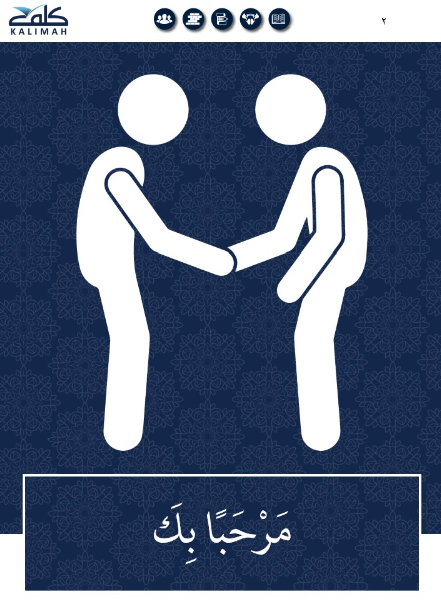
* Excerpted from Kalimah’s Online Arabic Course Curriculum
3. Food and Lifestyle
The food in Lebanon is delecious. Lebanese cuisine is famous. You can enjoy fresh vegetables, meat, and seafood. If you like مشاوي (mashawi – grilled meat) or حمص (hummus), you will find it everywhere. Also, Lebanon has a good nightlife if you are in Beirut. There are cafes and restaurants where you can sit with friends and enjoy life.
Read also: Learn Arabic in Lebanon & Beirut: Schools, Costs & Guide
Disadvantages of Living in Lebanon
However, Lebanon also has its challenges. Here are some things you should be aware of if you’re thinking about living in Lebanon:
1. Economic instability
One big problem is the economy. Prices go up and down, and the currency is unstable. This can make it hard to plan your budget. That’s why I said you might need to keep money in a foreign bank account and transfer it slowly into Lebanon. Don’t depend too much on the local currency (الليرة اللبنانية – lira lubnaniya).
2. Electricity and Internet
In Lebanon, you cannot always count on electricity. Sometimes there are long power cuts, and you need to have a generator or solar panels. The internet can be slow in some areas. Make sure to have backup plans, like using 4G on your phone if Wi-Fi doesn’t work.
3. Traffic and public transport
Traffic in Beirut can be bad (ازدحام – izdiham), especially during rush hour. Public transport is not well organized, so you need a car to get around easily. Taxis are available, but they can be expensive, especially for foreigners.
Can I Live Permanently in Lebanon?
Yes, you can live permanently in Lebanon. You can get it through work, retirement, or family ties.
- Work: If you have a job in Lebanon, your company can help you get a work residency permit. But you can’t change jobs easily.
- Retirement: If you’re over 50 with a good pension, you can apply for permanent residency. You need to show proof of your pension and that you’ll transfer money to a Lebanese bank.
- Family: If you have close family in Lebanon, they can help you get residency. You’ll need to provide documents like a marriage or birth certificate.
Buying property can help your application, but it’s not enough on its own. You still need a visa or permit.
Can I Move to Lebanon with My Family?
Yes, you can move to Lebanon with your family, but it requires careful planning. First, if you are working in Lebanon, your employer will need to apply for your work residency, and after that, you can apply for family residency permits for your spouse and children. You will need to show proof of your relationship, like your marriage certificate and your children’s birth certificates.
Schools in Lebanon are available in both Arabic and international programs, but finding a good one can take time.
Also, be prepared to arrange healthcare, as the public system is limited, and private insurance is recommended.
Make sure to secure stable housing before bringing your family, as the process can take a while, especially in popular areas like Beirut.
It’s always a good idea to visit Lebanon first to understand the lifestyle and plan the move smoothly.
Master Arabic with Kalimah Center
Join our expert-led online classes and start your journey toward Arabic fluency today.
Book Your Free TrialInside Kalimah Center: Moments from Our Courses
Get a glimpse into the vibrant learning experience at Kalimah Center. These snapshots capture real moments from our live classes—where students engage deeply, connect with passionate instructors, and grow in a welcoming, supportive environment.
Here Are The Reviews On Our Courses:
Our students frequently commend the excellence of our courses and the commitment shown by our instructors. You can read their complete reviews on Trustpilot.

Moving to Lebanon? Master the Arabic for Your New Life Abroad
Kalimah Center offers the perfect solution! Our online Arabic courses are designed to give you the practical language skills you need in Lebanon.
Here’s what makes us special:
- We start with the basics: Learn the Arabic alphabet and essential phrases to get you started.
- Focus on everyday conversations: Master the language you’ll need for shopping, dining, and getting around.
- Learn from experienced teachers: Our native Arabic speakers will guide you with patience and support.
Join us for a FREE trial class.

And consider our group classes, they are fun and active. You’ll talk with your teacher and classmates, do activities together, and learn from each other. This helps you learn to speak Arabic better and faster, and save money too.
📚 Explore Our Courses:
Online Arabic Course: Tailored to your level, our comprehensive Arabic program includes 16 teaching levels and 400+ hours of personalized sessions.
Online Quran With Tajweed Course: Perfect for non-Arabic speakers, our course spans 13 levels and equips you with Tajweed mastery from beginner to advanced.
Online Arabic Course For Kids: Nurture your child’s love for Arabic with our engaging and structured program, available in 24 levels for primary, intermediate, and secondary stages.
🚀 Start Your Free Trial Today! 🚀
Don’t miss out on this life-changing opportunity to deepen your faith and knowledge. Sign up now for your free trial and take the first step towards becoming a better practicing Muslim with Kalimah Center!

Conclusion:
Moving to Lebanon can be a rewarding adventure, with its rich culture, delicious cuisine, and stunning landscapes. Start by obtaining the right visa and gathering necessary documents, then consider renting a home in vibrant Beirut or the peaceful mountains. Be prepared for inconsistent utilities, manage finances carefully by keeping money in foreign accounts, and learn basic Arabic to engage with locals.
While Lebanon offers a welcoming environment, challenges like economic instability and unreliable electricity exist. Permanent residency is possible through work, retirement, or family ties, so plan carefully for housing and healthcare. Embrace the local culture and consider taking Arabic language courses to ease your transition and enhance your experience.
FAQs about How To Move To Lebanon
Q1: How can expats obtain a permanent residency visa in Lebanon?
Expats can secure permanent residency in Lebanon through three main pathways: employment sponsorship via a local company, family reunification (requiring marriage or birth certificates), or retirement. For retirement, applicants over 50 must provide official proof of a monthly pension of at least USD 2,000 to qualify.
Q2: What are the necessary documents required for a Lebanese visa application?
To apply for a Lebanese visa, you must submit a completed visa application form, a valid passport with copies, and a three-month bank statement. Additionally, you must provide proof of residence if applying outside your home country, and an official proof of employment if moving for work.
Q3: How should expats manage banking and money when moving to Lebanon?
Due to ongoing unreliability in the Lebanese banking system, expats should keep their core funds in a foreign bank account. It is best to transfer money into Lebanon slowly as needed, maintain an international phone number with Wi-Fi calling for bank verification, and hold extra physical cash.
Q4: What are the main challenges of daily utility setup in Lebanon?
The primary utility challenges in Lebanon are highly unreliable electricity grids and inconsistent Wi-Fi. Expats must rent or buy properties equipped with solar panels or generator backups for power. For remote work, it is critical to secure a fiber internet connection paired with a 4G or 5G backup plan.
Q5: Is it possible to move to Lebanon with a family?
Yes. To move your family to Lebanon, an employer must first secure your work residency permit. Afterward, you can apply for family residency permits for your spouse and children using marriage and birth certificates. Private healthcare insurance and advanced planning for international schooling in Beirut are highly recommended.