Learning Arabic in Lebanon offers a unique blend of rich cultural experiences and immersive language opportunities. The country’s vibrant history, diverse communities, and lively urban atmosphere make it an ideal setting for language learners. With a variety of language schools and informal conversation groups, students can engage with native speakers, practice dialects, and explore the nuances of the language in real-life contexts.
Whether navigating bustling markets or enjoying traditional cuisine, the journey to mastering Arabic in Lebanon is both educational and enriching.
Lebanon — particularly Beirut — offers Arabic learners immersion in Levantine Arabic alongside French and English influences in a cosmopolitan Mediterranean setting. Schools like AIS, LAU, and LCC provide MSA and Lebanese dialect programs. However, Lebanon’s ongoing economic crisis (since 2019) has created significant instability. Living costs are low but infrastructure is unreliable. Students should assess current conditions carefully before committing.
Key Takeaway Table:
| Factor | Detail |
|---|---|
| Primary City | Beirut (nearly all programs are here) |
| Dialect | Lebanese Arabic (Levantine family) |
| Key Institutions | LAU, AIS, LCC, Al-Maqdisi Center, IFL |
| Annual Cost (Tuition + Living) | $7,000–$30,000 (highly variable due to economic crisis) |
| Currency Situation | Lebanese Lira severely devalued; many prices now quoted in USD |
| Visa | Visa on arrival for most Western nationalities (1 month, extendable) |
| Safety | Variable — check your government’s travel advisory before booking |
| Unique Advantage | Trilingual environment (Arabic-French-English); cosmopolitan culture |
| Key Risk | Economic instability, infrastructure issues (electricity, internet) |
| Similar Alternative | Jordan (same Levantine dialect family, more stable) |
Why Lebanon and Beirut Are Ideal for Learning Arabic
Beirut is Lebanon’s primary hub for Arabic language education, with schools concentrated in neighborhoods like Hamra, Achrafieh, and Gemmayzeh. Students can choose between programs focused on Modern Standard Arabic (MSA), Lebanese colloquial dialect, or both. Most schools accept complete beginners and offer placement tests to match you with the right level. Programs typically run year-round, with intensive summer sessions available at institutions like AIS and LCC.
Lebanon is a great place to learn Arabic! The country offers a unique combination of modernity and tradition, allowing students to experience the language in various contexts. You’ll find a rich cultural landscape, diverse dialects, and opportunities to practice Arabic speaking with native speakers. Additionally, the lively social scene and numerous language schools create an engaging environment for learners.
Overall, Lebanon’s dynamic atmosphere enhances the language-learning experience, making it both enjoyable and effective.
Top Arabic Language Schools in Lebanon (Compared)
Nearly all structured Arabic programs in Lebanon are located in Beirut. Here are the main options:
| School | Type | Focus | Est. Tuition | Duration Options | Best For |
|---|---|---|---|---|---|
| Lebanese American University (LAU) | University | MSA + academic Arabic | $3,000–$8,000/semester | Semester or full year | University students, academic track |
| Arab Institute for Studies (AIS) | Private language center | MSA + Lebanese dialect | $1,000–$3,000/semester | 4 weeks to semester | Immersion-focused, cultural activities |
| Language and Culture Center (LCC) | Private language center | MSA + Lebanese dialect | $800–$2,500/course | Flexible (intensive to part-time) | Flexible schedules, private lessons |
| Al-Maqdisi Arabic Center | Private language center | MSA + Lebanese dialect | $1,000–$2,500/course | 4–12 weeks | Conversational focus, interactive |
| Institut Français du Liban (IFL) | Cultural institute | Arabic for French speakers | Varies | Varies | French-speaking learners specifically |
Tuition figures are estimates as of 2025-2026 and may vary due to Lebanon’s economic conditions. Contact institutions directly for current pricing — many now quote in USD rather than Lebanese Lira.
Important note: Due to Lebanon’s economic situation, some schools have reduced staff or modified programs since 2019. Verify that your chosen program is currently operational and accepting international students before booking flights or accommodation.
Experience Kalimah Center Classes
Watch real excerpts from our live sessions at Kalimah Center and see how we bring learning to life. These clips highlight our interactive, student-centered teaching approach across all our courses—designed to keep learners engaged, motivated, and actively involved every step of the way.
Master Arabic with Kalimah Center
Join our expert-led online classes and start your journey toward Arabic fluency today.
Book Your Free TrialUnderstanding Lebanese Arabic: What Makes It Different
Lebanese Arabic belongs to the Levantine dialect family, closely related to the Arabic spoken in Syria, Jordan, and Palestine. A Lebanese speaker and a Jordanian speaker can understand each other with minimal difficulty. However, Lebanese Arabic has distinctive features that set it apart:
Pronunciation Differences from MSA
| MSA Sound | Lebanese Sound | Example |
|---|---|---|
| ق (qaf) = deep “q” | ق = glottal stop (ء) or dropped entirely | قال → ‘aal (he said) |
| ج (jeem) = “j” | ج = “zh” (like French “j”) | جميل → zhmiil (beautiful) |
| ث (tha) = “th” | ث = “t” or “s” | ثلاثة → tlete (three) |
The French and English Factor
What makes Lebanese Arabic truly unique is its heavy code-switching — mixing Arabic with French and English within the same sentence. This is especially common in Beirut and among educated, younger speakers.
Examples of everyday Lebanese code-switching:
- “Hi, كيفك؟ (kifak?) ça va?” — Mixing English greeting, Arabic question, French confirmation
- “مرسي (merci) كتير” — French “thank you” + Arabic “very much”
- “بدي أروح على الـ parking” — Arabic sentence with French/English word for parking lot
What this means for learners:
- In Beirut, you’ll hear Arabic-French-English blended constantly. This can be confusing at first but becomes natural quickly
- Outside Beirut (in the Bekaa Valley, Tripoli, or southern Lebanon), Arabic dominates more and French/English mixing is less common
- Your language school will likely teach “pure” Lebanese Arabic and MSA — but real street conversation will include code-switching
Read also: How To Move To Lebanon? Step-by-Step Guide
Common Lebanese Arabic Words and Phrases
| Lebanese Arabic | Transliteration | Meaning | MSA Equivalent |
|---|---|---|---|
| كيفك؟ | Kifak? (m) / Kifik? (f) | How are you? | كيف حالك؟ |
| منيح | Mniih | Good / Well | جيد |
| شو | Shu | What? | ماذا؟ |
| هلق | Halla’ | Now | الآن |
| بدي | Biddi | I want | أريد |
| وين | Wein | Where? | أين؟ |
| ليش | Leish | Why? | لماذا؟ |
| كتير | Ktiir | Very / A lot | كثير |
| ما بعرف | Ma ba’ref | I don’t know | لا أعرف |
| يلا | Yalla | Let’s go | هيا بنا |
If you already know some Egyptian Arabic, you’ll notice significant differences in everyday words (Egyptian عايز vs. Lebanese بدي for “I want”; Egyptian فين vs. Lebanese وين for “where”). However, the grammatical structures are similar enough that knowledge of one Levantine dialect transfers well to another.

How Long Does It Take to Learn Arabic in Lebanon? (Realistic Timeline)
The time it takes to learn Arabic in Lebanon can vary widely depending on several factors, including your prior language experience, the intensity of your studies, and your goals. If you’re immersed in a structured program and practice regularly, you might reach basic conversational proficiency in about six months to a year.
For more advanced fluency, particularly in understanding the nuances of Lebanese dialect and culture, it could take several years of consistent study and practice. Immersion in the local environment and daily interactions can significantly accelerate the learning process.
Cost of Living and Studying in Lebanon
Here’s a breakdown of the estimated costs for living and studying in Lebanon for a year:
Tuition Fees Cost In Lebanon:
- Public universities: $1,500–$4,000 per year
- Private universities: $5,000–$15,000 per year (depending on the program)
Accommodation Cost In Lebanon:
- Shared apartments: $200–$600 per month
- University dorms: $150–$400 per month
- Annual Cost: $1,800–$7,200
Food Cost In Lebanon:
- Eating at local restaurants: $5–$15 per meal
- Monthly grocery costs: $150–$250
- Annual Cost: $1,800–$3,000
Transportation Cost In Lebanon:
- Public transport (buses, taxis): $30–$60 per month
- Annual Cost: $360–$720
Utilities and Internet Cost In Lebanon:
- Utilities: $50–$100 per month
- Internet: $20–$40 per month
- Annual Cost: $840–$1,680
Miscellaneous Cost In Lebanon (entertainment, supplies, etc.):
- Annual Cost: $600–$1,800
Total Estimated Annual Costs For A Year For Living And Studying In Lebanon:
- Low End: Approximately $7,200 (public university, lower living costs)
- High End: Approximately $30,000 (private university, higher living costs)
These figures can vary widely based on personal lifestyle choices, the specific university, and city. It’s always a good idea to research specific universities and areas for more accurate estimates.
Read more about How To Move To Lebanon? Step-by-Step Guide
How to Get a Student Visa for Lebanon
International students planning to study Arabic in Lebanon for more than 30 days need a student visa (student residence permit). Here’s what the process typically involves:
Requirements:
- Valid passport (minimum 6 months validity beyond your planned stay)
- Acceptance letter from a recognized Lebanese institution
- Proof of sufficient funds to cover tuition and living expenses
- Health insurance coverage valid in Lebanon
- Completed visa application form
Process:
- Apply to your chosen language school and obtain an official acceptance letter.
- Submit your visa application at the nearest Lebanese embassy or consulate.
- Upon arrival, register with Lebanese General Security within your visa validity period.
- Renew your residence permit annually if continuing studies.
- Timeline: Processing typically takes 2–6 weeks. Apply at least 2 months before your intended start date.
Note: Visa regulations can change. Always verify current requirements with the Lebanese embassy in your country and Lebanese General Security’s official website.
Read also: How to move to Jordan
Are There Options To Work While Studying In Lebanon?
Yes, there are options to work while studying in Lebanon. Many universities allow students to take on part-time jobs, often in areas like tutoring, administrative roles, or hospitality. Internships related to your field of study are also common and can provide valuable experience.

Freelancing is another option, especially if you have skills in writing, graphic design, or digital marketing. However, it’s important to check local regulations regarding work permits, as international students may need specific authorization to work legally. Overall, while balancing work and study can be challenging, there are various opportunities available for students in Lebanon.
Student Life in Beirut: What to Expect
Beirut offers a student-friendly environment with a mix of urban energy and Mediterranean charm. Here’s what daily life looks like for Arabic language students:
- Neighborhoods: Hamra is the most popular area for students — affordable, central, and close to major universities. Gemmayzeh and Mar Mikhael offer vibrant nightlife and cultural scenes.
- Getting Around: Beirut’s public transport is limited. Most students rely on shared taxis (service), ride-hailing apps, or walking within their neighborhoods.
- Social Life: Beirut’s café culture is ideal for language practice. Many students join conversation exchange meetups or volunteer with local organizations to build Arabic skills outside the classroom.
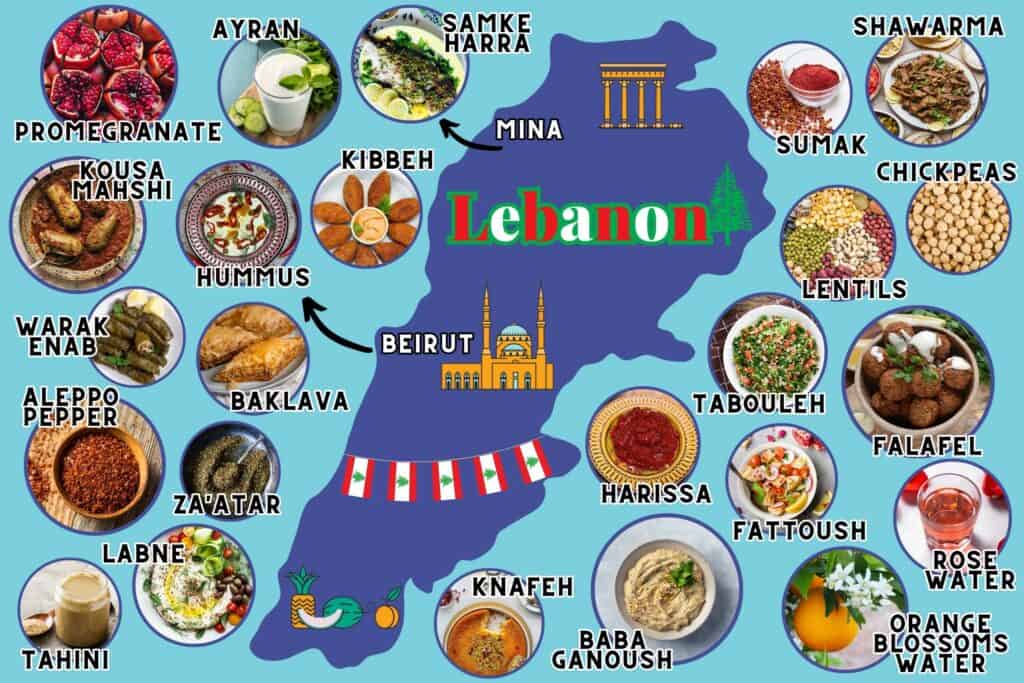
- Food: Street food like manoushe, falafel, and shawarma is both affordable and delicious. Budget around $5–$10 per day for meals if eating locally.
- Connectivity: Wi-Fi is widely available in cafés and co-working spaces, though Lebanon’s internet infrastructure can be inconsistent. Many students use mobile data as a backup.
Lebanon vs. Egypt vs. Jordan: Where Should You Learn Arabic?
Lebanon is a strong choice for learning Arabic, offering a good blend of quality education and relatively affordable living costs. Its universities provide diverse language programs with experienced instructors, and the cultural environment enhances language immersion. While it’s more affordable than some Gulf countries, factors like the current political and economic situation should also be considered.
However, Egypt and Jordan are other excellent options for Arabic studies, so the best choice ultimately depends on your personal preferences and circumstances.
| Factor | Lebanon | Egypt | Jordan |
|---|---|---|---|
| Primary Dialect | Lebanese Arabic | Egyptian Arabic | Levantine/Jordanian Arabic |
| Annual Cost | $7,200–$30,000 | $5,000–$15,000 | $6,000–$20,000 |
| MSA Programs | Widely available | Widely available | Widely available |
| Cultural Immersion | High (multilingual society) | Very high (largest Arab country) | High (stable environment) |
| Safety/Stability | Variable — check advisories | Generally stable for students | Stable |
| Best For | Levantine dialect, multicultural exposure | Egyptian dialect (most widely understood) | Structured immersion, stability |
Bottom line: Choose Lebanon if you want Levantine Arabic with a cosmopolitan, multilingual backdrop. Choose Egypt for the most universally understood dialect at lower costs. Choose Jordan for a stable, structured immersion experience.
Affordable Alternatives if You Can’t Study in Lebanon
If traveling to Lebanon isn’t financially feasible, consider these alternatives:
- Online Arabic Programs: Platforms like Kalimah Center offer structured Arabic courses with native instructors at a fraction of the cost of studying abroad.
- Scholarships: Research grants from organizations like AMIDEAST, the Fulbright Program, or individual Lebanese universities that support international language students.
- Language Exchange Apps: Use platforms like Tandem or HelloTalk to practice Lebanese Arabic with native speakers for free.
- Short-Term Intensive Programs: Some Beirut schools offer 2–4 week intensives that reduce travel and accommodation costs compared to semester-long commitments.
- Save and Plan: If Lebanon is your goal, create a dedicated savings plan. Living costs in Beirut can be modest with shared housing and local dining.
Master Arabic with Kalimah Center
Join our expert-led online classes and start your journey toward Arabic fluency today.
Book Your Free TrialInside Kalimah Center: Moments from Our Courses
Get a glimpse into the vibrant learning experience at Kalimah Center. These snapshots capture real moments from our live classes—where students engage deeply, connect with passionate instructors, and grow in a welcoming, supportive environment.
Here Are The Reviews On Our Courses:
Our students frequently commend the excellence of our courses and the commitment shown by our instructors. You can read their complete reviews on Trustpilot.

Explore the Depths of Arabic with Kalimah Center!
Are you ready to dive into the rich and vibrant world of Arabic language and culture? At Kalimah Center, we offer immersive language programs designed for all levels, from complete beginners to advanced speakers. You’ll learn from native Arabic instructors who are passionate about teaching, ensuring you receive the best guidance in your language journey. Our tailored courses provide flexibility to fit your schedule and goals, whether you want to master Modern Standard Arabic or explore local dialects.
Enroll today at Kalimah Center and embark on a journey that transcends language, opening doors to new friendships and cultural insights.
Visit us at Kalimah Center to learn more and start your Arabic adventure!
Test the Waters with a Free Arabic Trial Session—Sign Up Now!
📚 Explore Our Courses:
Online Arabic Course: Tailored to your level, our comprehensive Arabic program includes 16 teaching levels and 400+ hours of personalized sessions.
Online Quran With Tajweed Course: Perfect for non-Arabic speakers, our course spans 13 levels and equips you with Tajweed mastery from beginner to advanced.
Online Arabic Course For Kids: Nurture your child’s love for Arabic with our engaging and structured program, available in 24 levels for primary, intermediate, and secondary stages.
Master Arabic with Kalimah Center
Join our expert-led online classes and start your journey toward Arabic fluency today.
Book Your Free TrialConclusion
Learning Arabic in Lebanon is a rewarding journey that combines language acquisition with rich cultural experiences. The country’s diverse dialects, vibrant atmosphere, and welcoming communities create an ideal environment for immersive learning. With various reputable language schools offering tailored programs, students can engage with native speakers, participate in cultural activities, and practice in real-life settings.
Whether you aim for basic conversational skills or advanced fluency, the unique blend of academic rigor and cultural exploration in Lebanon makes it a fantastic destination for anyone looking to master the Arabic language.
FAQs about Learn Arabic In Lebanon And Beirut
Q1: Can I learn Modern Standard Arabic and Lebanese dialect at the same time in Lebanon?
Yes. Most language schools in Beirut offer dual-track programs that teach MSA for reading, writing, and formal communication alongside Lebanese dialect for everyday conversation. Schools like AIS and LCC specifically structure their curricula this way.
Q2: Do I need a student visa to study Arabic in Lebanon?
Yes. International students enrolling in programs longer than 30 days typically need a student visa. You’ll need an acceptance letter from your institution, proof of funds, and a valid passport. Short-term tourists can take courses under a tourist visa for stays under 30 days, but check current Lebanese General Security regulations.
Q1: Is it safe to study Arabic in Lebanon right now?
Safety conditions in Lebanon vary and change frequently. Since the 2019 economic crisis, Lebanon has experienced political instability, occasional protests, and infrastructure deterioration. As of 2025-2026, many areas of Beirut remain functional for daily life, but electricity cuts, internet instability, and currency fluctuations affect quality of life. Always check your government’s current travel advisory (UK FCDO, US State Department, or equivalent) before committing to a program, and have a contingency plan for departure.
Q4: What is the difference between Lebanese Arabic and Standard Arabic?
Lebanese Arabic is a spoken dialect used in daily life, featuring unique vocabulary, pronunciation, and grammatical shortcuts not found in MSA. MSA is the formal written language used across all Arab countries in media, academia, and official settings. Lebanese Arabic also incorporates significant French and English loanwords.
Q5: Can I study Arabic in Lebanon on a budget?
Yes. Choosing a public university, sharing an apartment, and eating locally can bring annual costs to around $7,200–$10,000. Some institutions offer scholarships or reduced rates for intensive short-term programs. Freelancing or part-time tutoring (with proper work authorization) can also offset expenses.
Q2: What dialect of Arabic will I learn in Lebanon?
Lebanese Arabic, which belongs to the Levantine dialect family (shared with Syria, Jordan, and Palestine). Lebanese Arabic is characterized by softer pronunciation than Egyptian or Gulf dialects, significant French and English code-switching (especially in Beirut), and unique vocabulary. It’s mutually intelligible with Jordanian, Syrian, and Palestinian Arabic. Formal programs also teach Modern Standard Arabic (MSA) alongside the dialect.
Q3: How much does it cost to study Arabic in Lebanon?
Costs have been volatile since Lebanon’s economic crisis. Tuition at private language centers ranges from approximately $1,000–$4,000 per semester. Living costs in Beirut average $500–$1,200/month (accommodation, food, transport), though prices fluctuate with currency conditions. Many expenses are now priced in USD rather than the unstable Lebanese Lira. Lebanon is significantly cheaper than Gulf countries but conditions are less predictable.
Q5: Can I learn Lebanese Arabic online instead of traveling to Lebanon?
Yes. Online platforms with native Lebanese teachers provide structured Levantine Arabic instruction without the risks and costs of relocating. This is increasingly popular given Lebanon’s instability. Online study can also serve as preparation before a short in-country immersion trip, allowing you to maximize your time when you do visit.