Malaysia offers affordable, quality Arabic education through institutions like International Islamic University Malaysia (IIUM) and University of Malaya, with tuition ranging from $1,100-$3,300/year and total living costs around $4,000-$8,000 annually—significantly cheaper than Middle Eastern or Western alternatives. The country combines Modern Standard Arabic (MSA) programs with Islamic studies in a Muslim-majority, multicultural environment.
While not an Arabic-speaking country, Malaysia’s strong Islamic educational tradition, English-medium instruction, and lower costs make it ideal for budget-conscious learners seeking structured programs, though immersion seekers may prefer Egypt or Jordan.
Quick Decision Framework Table
| Factor | Malaysia | Egypt | Jordan | UAE |
|---|---|---|---|---|
| Annual Cost (Total) | $4,000-$8,000 | $3,000-$6,000 | $5,000-$9,000 | $12,000-$25,000 |
| Arabic Immersion | Low (Malay spoken) | Very High | High | Moderate (English common) |
| Program Quality | Excellent (IIUM, UM) | Excellent (Al-Azhar) | Excellent (U of Jordan) | Good-Excellent |
| Islamic Integration | Strong | Very Strong | Strong | Moderate |
| Visa Ease | Moderate | Easy | Moderate | Moderate-Difficult |
| Safety/Stability | Very High | Moderate | High | Very High |
| Best For | Budget learners, structured programs | Immersion seekers, traditional study | Balanced approach | Luxury learners, Gulf dialect |
Should you fly halfway around the world to learn Arabic in a country where hardly anyone speaks it?
That’s the question thousands of prospective Arabic students ask when considering Malaysia. Unlike Egypt, Jordan, or Saudi Arabia, Malaysia isn’t an Arabic-speaking nation—yet it has quietly become one of Asia’s top destinations for quality, affordable Arabic education.
Here’s why Malaysia stands out:
- World-class Islamic universities like IIUM and UM offer comprehensive Arabic programs
- Significantly cheaper than Middle Eastern or Western alternatives ($4K-8K/year total)
- Muslim-majority environment (63% of population) with strong Islamic culture
- Strategic location in Southeast Asia with multicultural exposure
- English-medium instruction making adjustment easier for international students
- Political stability and safety compared to some Middle Eastern alternatives
The tradeoff? You won’t get the daily Arabic immersion of Cairo or Amman—Malaysians speak Malay (Bahasa Malaysia) in everyday life. But for students seeking structured academic programs, affordability, and a safe environment, Malaysia offers compelling advantages.
Historical Context:
Since 1998, the Malaysian Ministry of Education has systematically integrated Arabic into the national education system, making it compulsory in Islamic schools (Sekolah Agama) and offering it as an elective in public schools. This policy created infrastructure—qualified teachers, standardized curricula, abundant learning resources—that benefits international students today.
Malaysian public universities now offer extensive Arabic programs from undergraduate through PhD levels, with the International Islamic University Malaysia (IIUM) leading the way as a hub for Islamic and Arabic scholarship in Southeast Asia.
This guide provides everything you need to decide if Malaysia is right for your Arabic journey—from university comparisons to visa processes to real cost breakdowns.
How to Choose the Right Malaysian University for Your Arabic Goals
Not all Arabic programs are created equal—even within Malaysia. Here’s how to match your goals with the right institution:
Decision Framework:
Choose IIUM if:
- You want the most comprehensive Arabic program in Malaysia
- You’re interested in Islamic studies integration with Arabic
- You prefer a fully Islamic university environment (modest dress, gender-separated facilities)
- You want international diversity (students from 100+ countries)
- You plan to pursue graduate studies in Arabic or Islamic studies
Choose University of Malaya (UM) if:
- You want Malaysia’s most prestigious/oldest university (founded 1905)
- You prefer a secular university with Islamic department vs full Islamic university
- You value linguistic analysis and Arabic linguistics over purely language acquisition
- You want better research facilities and library resources
- You’re interested in comparative language studies (Arabic + other languages)
Choose USIM if:
- You want focus on Arabic communication for professional use
- You’re interested in media and journalism in Arabic
- You prefer smaller class sizes (newer university, less crowded)
- You want more affordable tuition than IIUM or UM
- You’re from local/ASEAN region (strong regional focus)
Choose UPM if:
- You’re interested in Arabic for specific purposes (business Arabic, agricultural terminology)
- You want to combine Arabic with another major (agriculture, engineering)
- You prefer structured, beginner-friendly progression (General Arabic I, II, III system)
- You want campus life outside Kuala Lumpur (in Serdang, quieter environment)
Choose UniSZA if:
- You want to study on Malaysia’s East Coast (different cultural experience)
- You’re interested in Arabic for Southeast Asian context specifically
- You prefer smaller university, closer community
- You want lower living costs (Terengganu cheaper than KL)
- You’re researching Arabic language pedagogy (their specialty)
Now let’s examine each institution in detail:

Top 5 Universities for Arabic Studies in Malaysia
Malaysia, being a multi-ethnic Muslim state with strong ties to the Arab world, presents perhaps on of the best avenue for studying Arabic. Several quality universities and professional language centers offering courses in Arabic abound in the country.
These range from academic to professional learning and are tailored toward various different proficiency levels. Most of these combine the best of modern teaching methods with traditional efficiency in learning Arabic, often in an immersive environment using the multicultural setting of the country to greater advantage.
We will now list the most important universities and centers for teaching the Arabic language in Malaysia:
1. International Islamic University Malaysia (IIUM)
IIUM is one of the leading institutions in Arabic language education within the country, while putting much emphasis on the importance of Arabic as a second medium of instruction after English.

All undergraduate students study Arabic regardless of their major, and that mirrors how the university accommodates a very vital need for enhancing linguistic proficiency among its diverse student body. The two Arabic programs at IIUM cater both to specialists and non-specialists, offering courses for academic, career, and practical purposes.
Similarly, the Arabic language program in IIUM is integrated with Islamic values and practice so that while learning the language, students also appreciate the culture and religion tied up with it. These various levels of study, such as bachelor’s, master’s, and doctoral programs are provided through their respective departments under the Faculty of Islamic Revealed Knowledge, Faculty of Education, and Faculty of Language and Management.
Other courses are also made available by the Quranic Language Division, which follows an integrated learning approach in providing the necessary language learning skills and instilling moral values within the students. Since the university is committed to Arabic education, it shall be one of the fundamental initiations towards obtaining in-depth knowledge concerning the usage and application of the language among its students.
2. University Of Malaya (Um)
Arabic learning at the University of Malaya encompasses a strong curriculum in both language proficiency and cultural knowledge. It is intended to achieve this objective through its three-year Bachelor of Arabic Language and Linguistics that will enable students to acquire skills in the Arabic language and linguistics.

This will adequately prepare them with a degree of competitiveness in the job market. The program has been designed into seven semesters and is made up of a total of 126 credits. UM emphasizes the integration of ethical values and critical thinking skills into the curriculum; this helps the students to develop essential information management and entrepreneurial management skills.
The university provides higher-level Arabic courses aimed at developing the skills of reading, writing, listening, and communication among the students who may be willing to continue the courses in Islamic studies. Further courses offered in the framework of the Academy of Islamic Studies at UM cover the Arabic grammatical rules in depth, widening the practical proficiency in the language. Such steps express the university interest in raising overall awareness of Arabic as an academic language and an essential tool when dealing with original Islamic sources.
3. Universiti Sains Islam Malaysia (USIM)
Universiti Sains Islam Malaysia can provide a holistic approach to learning Arabic both with regard to the proficiency level of the language and its wide usage.

USIM offers the Master of Arabic Communication, ideal for students who graduated and want to have a deep knowledge of the language in both professional and academic perspectives. The program provides courses enabling students to develop their management communication, technological, and cultural communication skills.
At USIM, the integration of Islamic values into language education provided in this curriculum means that besides acquiring linguistic skills, students will be able to maintain the cultural and religious value of the Arabic language. Above all, USIM regards itself as one of the main institutions for the teaching of Arabic in Malaysia, at both national and foreign student levels.
4. Universiti Putra Malaysia (UPM)
Universiti Putra Malaysia provides systematic learning in Arabic, whereby more emphasis is placed on how to acquire language proficiency and the skill of communication.

It offers a Bachelor of Arabic Language and Communication with the aim of equipping students with the necessary reading, writing, and speaking skills in Arabic, thereby enabling them to enter working fields. Arabic courses are provided at the university across different proficiency levels, starting with General Arabic Language, I, II, and III, which introduce the student to pronunciation, grammar of the language, and basic conversational phrases. Such a course will develop the communication skill of students in practical Arabic through exercises and structured learning.
What is more important, UPM takes care of the insertion of Arabic studies into more extensive education systems. The institution provides students with the opportunity to approach a language in close relation to Islamic studies and cultural backgrounds. Such practice will not only provide a wider perspective for graduates to later work in education and translation fields but also give more significance to living with the Arabic language worldwide.
5. Universiti Sultan Zainal Abidin (UniSZA)
Universiti Sultan Zainal Abidin, popularly known as UniSZA, was founded in the year 2006 and renamed in 2010. It is a university situated in Terengganu, Malaysia.
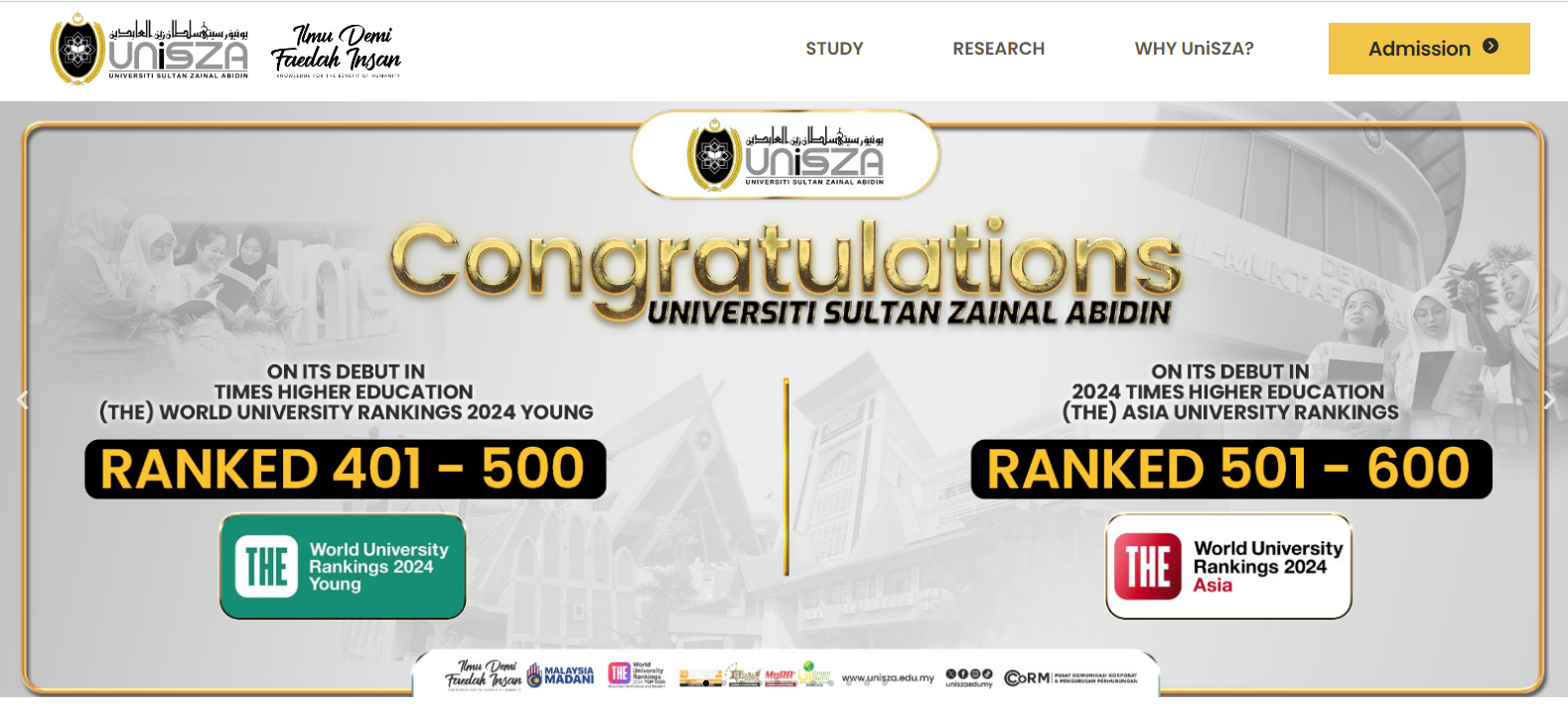
On the East Coast of Peninsular Malaysia, UniSZA applies a philosophy of offering holistic programs through all disciplines. The university, however, is renowned for its excellent Arabic language course package offered in the Faculty of Languages and Communication.
UniSZA has its campuses in Gong Badak, Kuala Nerus, and Kuala Terengganu, holds a strong emphasis on research, and maintains international collaborations. It holds the key provisions of Arabic language courses for both local and international students.
Does Malaysia Speak Arabic? Language Reality for Students
In Malaysia, Malay is the official language and is the most spoken throughout the country. There are dialects in each of the different regions, such as Johor Malay or Kelantanese, which may be very different from standard Malay.

Classically, Arabic is somewhat known to many Malaysians, especially Muslims, for being used in some religious settings, such as during prayers and Islamic education. Not everyone is fluent, though; some may read and understand it very well, while others know only basic phrases. In general, Malay remains the most spoken language in everyday life, while Arabic is dominant in religious and intellectual circles.
Experience Kalimah Center Classes
Watch real excerpts from our live sessions at Kalimah Center and see how we bring learning to life. These clips highlight our interactive, student-centered teaching approach across all our courses—designed to keep learners engaged, motivated, and actively involved every step of the way.
Master Arabic with Kalimah Center
Join our expert-led online classes and start your journey toward Arabic fluency today.
Book Your Free TrialCost Breakdown: Studying Arabic in Malaysia for 1 Year
The cost of living in Malaysia for a year while living and studying Arabic can vary depending on the city, lifestyle, and institution. Here’s a general breakdown:
Tuition Fees
- Language Schools/Universities: Tuition can range from approximately MYR 5,000 to MYR 15,000 (around USD 1,100 to USD 3,300) per year for Arabic language courses.
Accommodation
- Shared Apartment: MYR 300 to MYR 800 per month (USD 70 to USD 180).
- University Dormitory: MYR 200 to MYR 500 per month (USD 45 to USD 110).
Food
- Eating at local restaurants or street food can cost around MYR 10 to MYR 20 per meal (USD 2 to USD 4). Monthly, this can range from MYR 400 to MYR 600 (USD 90 to USD 135).
Transportation
- Public transport is affordable, with monthly costs typically around MYR 100 to MYR 200 (USD 22 to USD 45).

Miscellaneous
- This includes entertainment, books, and personal expenses, which might average around MYR 300 to MYR 500 (USD 70 to USD 110) monthly.
Total Estimated Costs
- Monthly Total: MYR 1,500 to MYR 3,000 (USD 335 to USD 670).
- Yearly Total: MYR 18,000 to MYR 36,000 (USD 4,000 to USD 8,000).
These figures can vary based on personal choices and lifestyle, but this should give you a rough idea of the overall costs for living and studying Arabic in Malaysia for a year.
Visa Requirements & Application Process for Arabic Students
Getting a Malaysian Student Pass is straightforward but time-consuming. Plan 3-6 months ahead of your intended start date.
Step-by-Step Process:
Step 1: Secure University Admission (Month 1-2)
- Apply directly to university (applications usually online)
- Submit required documents:
- Completed application form
- Certified academic transcripts (high school or bachelor’s degree)
- English proficiency proof (IELTS 5.0-6.0 or equivalent)
- Passport copy (valid 18+ months)
- Passport photos (recent)
- Application fee ($30-50)
- Wait for Offer Letter (2-6 weeks processing)
Step 2: Student Pass Approval (Month 2-3)
- University submits your documents to Malaysian Immigration Department (EMGS – Education Malaysia Global Services)
- EMGS processes application (4-8 weeks typically)
- Receive eVAL (Electronic Visa Approval Letter) via email
Step 3: Single Entry Visa (Month 3-4)
- Take eVAL to nearest Malaysian Embassy/Consulate in your country
- Apply for Single Entry Visa with:
- Original passport
- eVAL printout
- Passport photos
- Visa fee (~$50-100 depending on country)
- Receive SEV stamp in passport (usually 1-5 days)
Step 4: Enter Malaysia & Complete Registration (Week 1)
- Enter Malaysia within 3 months of SEV issue
- Within 7 days of arrival:
- Report to university international office
- Complete health screening (chest X-ray, blood test) at approved clinic (~$50)
- Submit to EMGS for biometric appointment
- Attend biometric appointment at EMGS office (Kuala Lumpur or Putrajaya)
- Receive Student Pass (valid 1 year, renewable annually)
Total Timeline: 3-6 months from application to Student Pass in hand
Costs Breakdown:
- University application: $30-50
- EMGS processing: $200-300
- Visa fee: $50-100
- Medical screening: $50
- Miscellaneous (photos, courier): $30
Total: ~$360-530
Malaysia vs Arab Countries: Where Should You Study Arabic?
Short answer: It depends on your priorities.
Malaysia excels in specific areas while falling short in others. Here’s an honest assessment to help you decide:
Malaysia is BEST for you if:
- Budget is your primary concern – Total costs 30-50% lower than UAE, 20-40% lower than Jordan
- You want structured, academic Arabic – Excellent formal MSA programs, linguistic analysis, grammar depth
- Safety and stability matter – Malaysia ranks among world’s safest countries with stable government
- You need English support – All programs taught in English; easier transition
- You value multicultural exposure – Experience Malay, Chinese, Indian cultures alongside Islamic studies
- You plan to use Arabic academically – Great preparation for research, teaching, Islamic scholarship
Malaysia is NOT ideal if:
- You prioritize conversational fluency – Limited daily Arabic practice outside classroom
- You want dialect/colloquial Arabic – Programs focus on MSA, not Egyptian, Levantine, or Gulf dialects
- Cultural immersion is essential – You’ll experience Malaysian culture, not Arab culture
- You need intensive speaking practice – Fewer native Arabic speakers to practice with daily
- You want to live in Arab world long-term – Less cultural adaptation preparation
The Verdict:
Malaysia ranks as a top-tier option for academic Arabic education on a budget, particularly for students from Southeast Asia, East Asia, and South Asia seeking quality Islamic/Arabic scholarship. It sits in the “sweet spot” of affordability + quality + safety.
However, for conversational fluency and cultural immersion, Egypt (Al-Azhar), Jordan (University of Jordan), or Yemen (pre-conflict) traditionally held advantages—though political instability has shifted this calculation.
A hybrid approach works best: Study foundational Arabic in Malaysia (1-2 years) for strong grammar and reading, then supplement with a summer/semester in an Arab country for immersion and dialect acquisition.
Comparison Matrix: Malaysia vs Top Alternatives
| Factor | Malaysia | Egypt | Jordan | Saudi Arabia |
|---|---|---|---|---|
| Total Annual Cost | $4K-8K | $3K-6K | $5K-9K | $8K-12K (scholarships available) |
| Tuition Quality | ⭐⭐⭐⭐⭐ | ⭐⭐⭐⭐⭐ (Al-Azhar) | ⭐⭐⭐⭐ | ⭐⭐⭐⭐⭐ (Medina, Riyadh) |
| Arabic Immersion | ⭐⭐ (none outside class) | ⭐⭐⭐⭐⭐ | ⭐⭐⭐⭐⭐ | ⭐⭐⭐⭐ |
| Safety/Stability | ⭐⭐⭐⭐⭐ | ⭐⭐⭐ (improved but concerns remain) | ⭐⭐⭐⭐ | ⭐⭐⭐⭐ |
| Islamic Environment | ⭐⭐⭐⭐ (63% Muslim) | ⭐⭐⭐⭐⭐ (90%+ Muslim) | ⭐⭐⭐⭐ (95%+ Muslim) | ⭐⭐⭐⭐⭐ (100% Muslim) |
| Visa Ease | ⭐⭐⭐ (moderate) | ⭐⭐⭐⭐ (easy) | ⭐⭐⭐ | ⭐⭐ (scholarships easier) |
| Job Opportunities (Part-time) | ⭐⭐⭐ (limited, regulated) | ⭐⭐⭐⭐ (more flexible) | ⭐⭐⭐ | ⭐ (restricted) |
| Cultural Experience | ⭐⭐⭐⭐ (Malaysian/Islamic) | ⭐⭐⭐⭐⭐ (Arab) | ⭐⭐⭐⭐⭐ (Levantine) | ⭐⭐⭐⭐⭐ (Gulf Arab) |
| English Support | ⭐⭐⭐⭐⭐ (widely spoken) | ⭐⭐ (limited) | ⭐⭐⭐ (moderate) | ⭐⭐⭐ |
Recommendation by Student Profile:
- Budget-Conscious Academic: Malaysia or Egypt
- Immersion Seeker: Egypt or Jordan
- Safety-First Family Student: Malaysia or UAE
- Scholarship Hunter: Saudi Arabia (full scholarships common) or Malaysia
- Professional/Career Changer: UAE (networking) or Malaysia (affordability)
- Traditional Islamic Scholar Path: Egypt (Al-Azhar) or Saudi Arabia (Medina)

Master Arabic with Kalimah Center
Join our expert-led online classes and start your journey toward Arabic fluency today.
Book Your Free TrialCan’t Afford Malaysia? Alternative Ways to Learn Arabic
If you’re unable to afford the expenses of traveling, living, and studying in Malaysia, there are several alternative solutions to consider:
Online Programs:
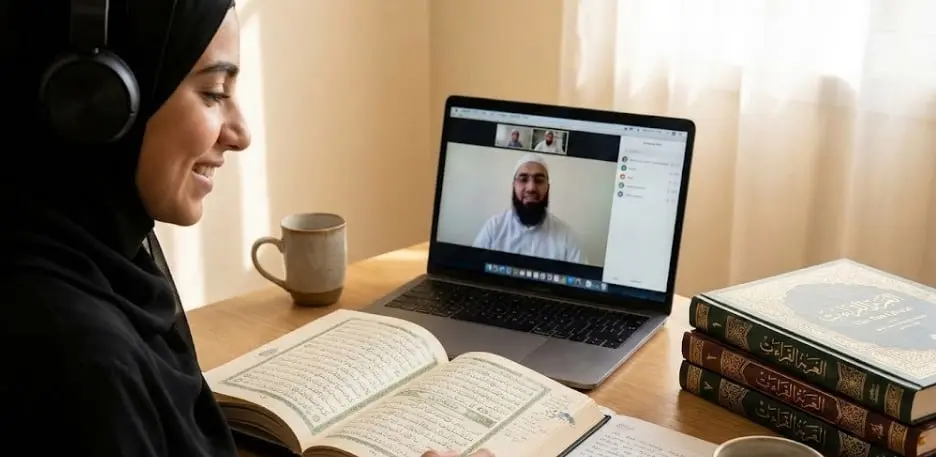
Look into online courses offered by institutions like Kalimah Center, which provides courses to learn Arabic and the Quran at good prices that can be completed remotely. This allows you to study without the costs associated with living abroad.
Scholarships:
Research scholarships specifically for international students. Some universities and organizations offer financial aid for those pursuing studies in Malaysia.
Part-time Work:
If you have the option, consider working part-time in your home country or online to save up for your study abroad expenses.
Crowdfunding:
You could create a crowdfunding campaign to share your educational goals with family, friends, and your community to seek financial support.
Exchange Programs:
Some universities have exchange programs that allow students to study abroad for a semester or year at a reduced cost. Check if your current institution has such partnerships.
Save and Budget:
Create a strict budget plan to save money over time. Small, consistent savings can add up significantly.
Financial Aid:
Look into financial aid options at your current institution or potential study programs that can help cover costs.
Exploring these options can provide you with more flexibility and opportunities to pursue your studies without the burden of financial constraints.
Master Arabic with Kalimah Center
Join our expert-led online classes and start your journey toward Arabic fluency today.
Book Your Free TrialInside Kalimah Center: Moments from Our Courses
Get a glimpse into the vibrant learning experience at Kalimah Center. These snapshots capture real moments from our live classes—where students engage deeply, connect with passionate instructors, and grow in a welcoming, supportive environment.
Here Are The Reviews On Our Courses:
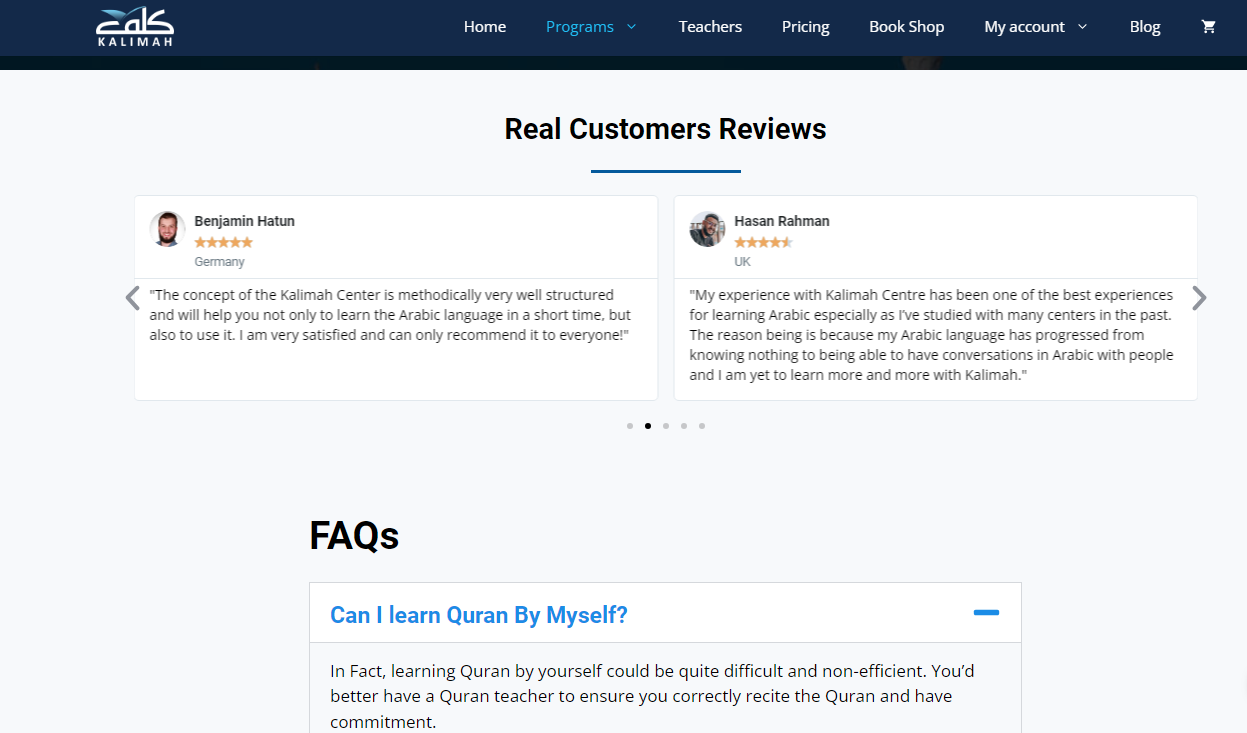
Our students frequently commend the excellence of our courses and the commitment shown by our instructors. You can read their complete reviews on Trustpilot.

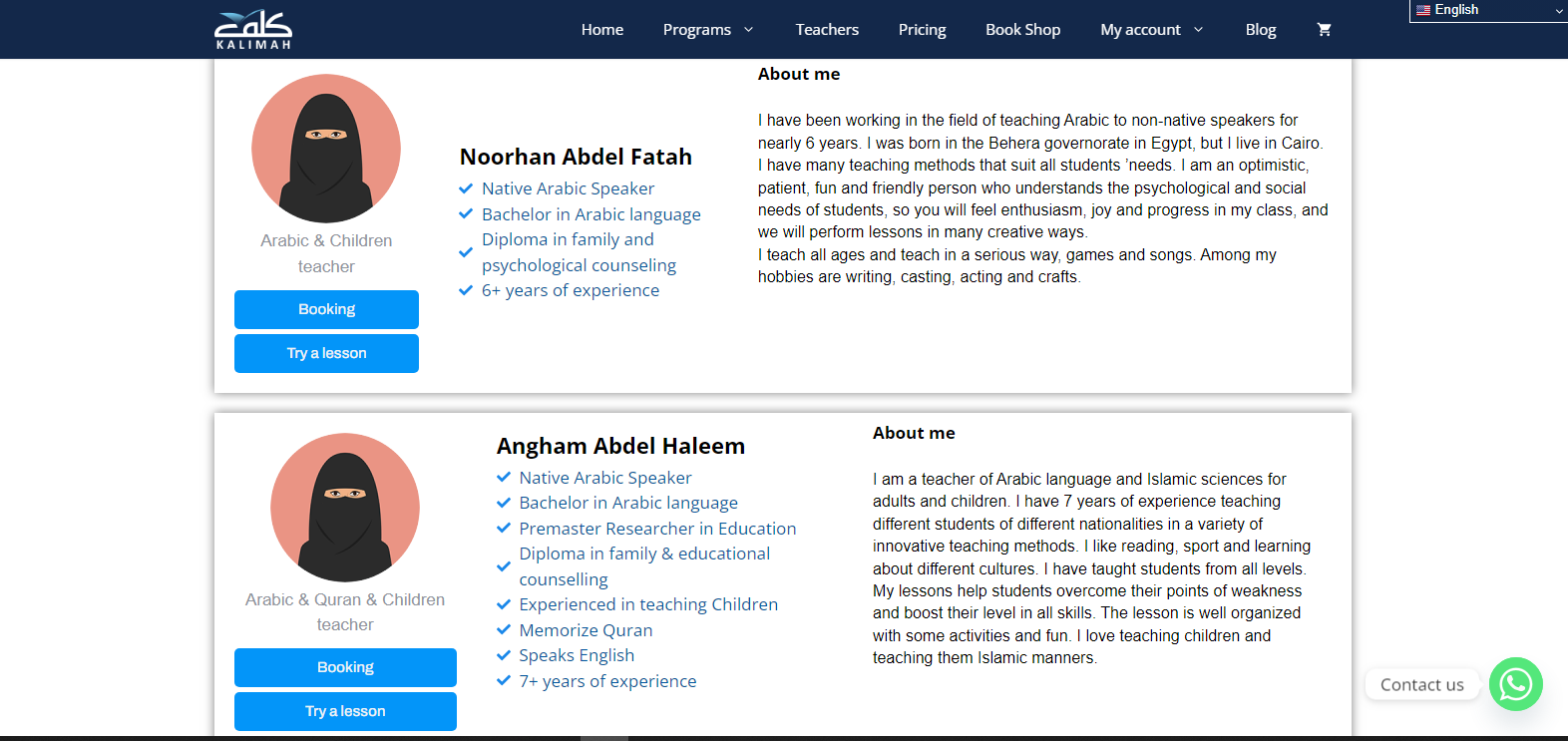
Learn Arabic With A Professional Team Of Native Teachers
Get Started to Improve your Arabic Language & Linguistic Skills! If you wish to practice Arabic speaking, you’ve landed in the right place.
If you wish your child would get close to the Quran and learn it by heart, you’ve reached the right place!
All our courses are presented in unique attractive presentations and supported by interactive materials to boost the Arabic learning experience.
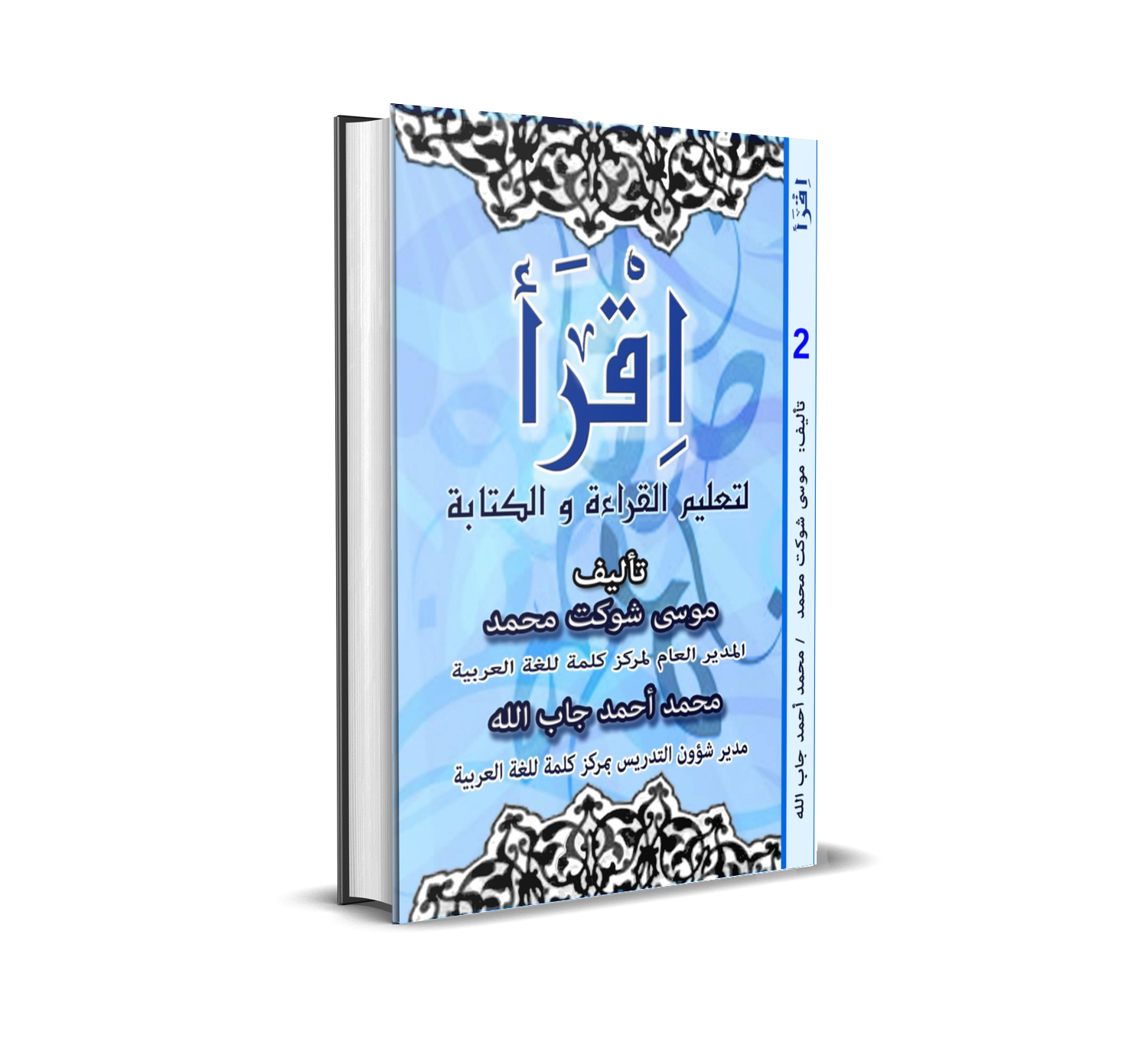
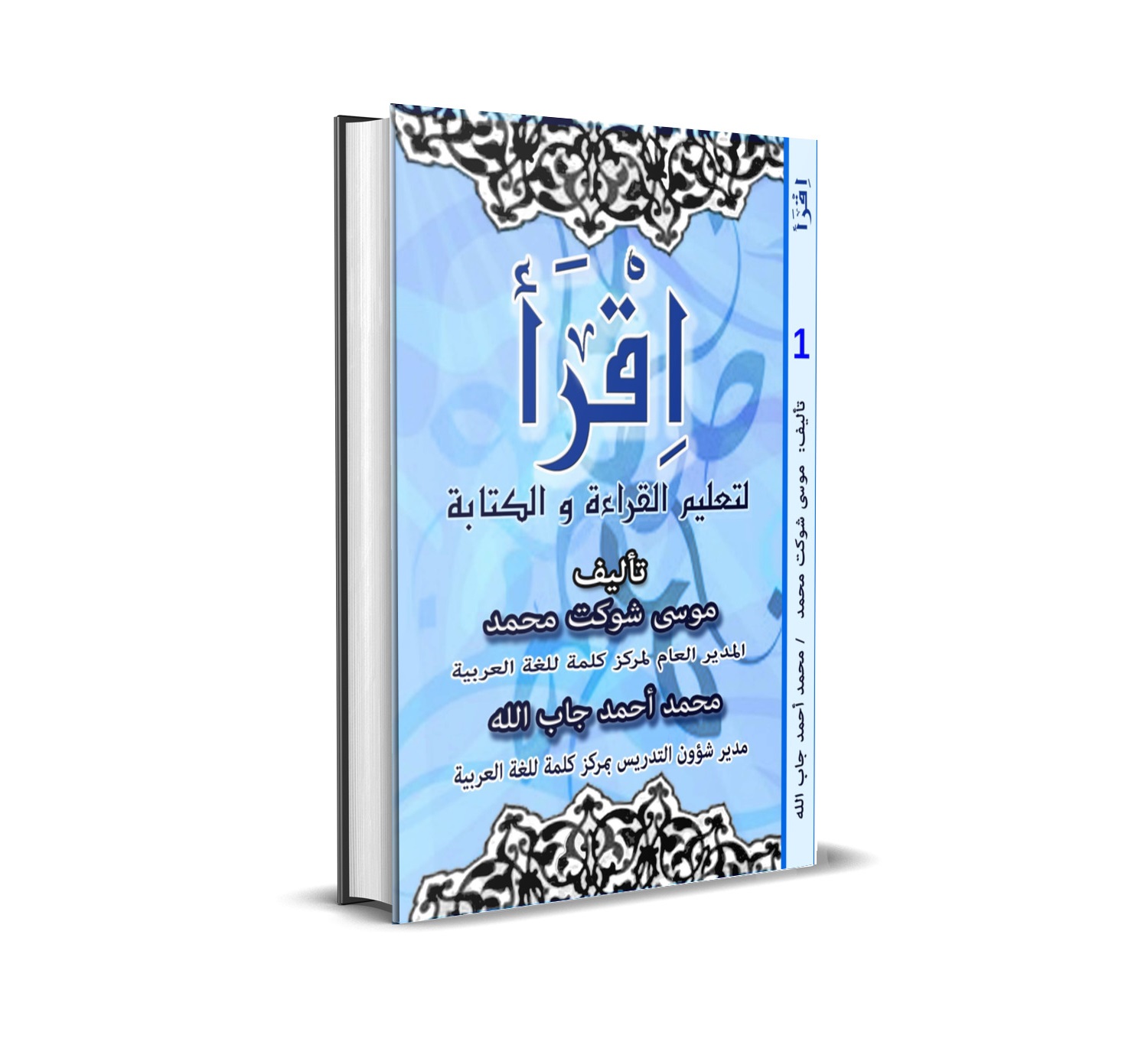
Buy the best books to learn the Arabic language now
📚 Explore Our Courses:
Online Arabic Course: Tailored to your level, our comprehensive Arabic program includes 16 teaching levels and 400+ hours of personalized sessions.
Online Quran With Tajweed Course: Perfect for non-Arabic speakers, our course spans 13 levels and equips you with Tajweed mastery from beginner to advanced.
Online Arabic Course For Kids: Nurture your child’s love for Arabic with our engaging and structured program, available in 24 levels for primary, intermediate, and secondary stages.
🚀 Start Your Free Trial Today! 🚀
Don’t miss out on this life-changing opportunity to deepen your faith and knowledge. Sign up now for your free trial and take the first step towards becoming a better practicing Muslim with Kalimah Center!
Conclusion
Learning Arabic in Malaysia can introduce one to the very rich cultural and linguistic heritage. Simultaneously, the multi-ethnic setting, together with a greater emphasis recently on Islamic studies and international relations, promises a very encouraging environment for students of Arabic.
Easy access to competent teachers, language institutions, and online resources also facilitates individual efforts towards competence in the language.
Besides, the growing demand for Arabic, especially in the business and diplomatic fronts, places the learner at an advantageous position. All in all, learning Arabic in Malaysia creates rooms not only for personal growth but also for professional opportunities.
FAQs about Learn Arabic In Malaysia
Q1: Do I need to speak Malay to study Arabic in Malaysia?
No—English is the medium of instruction at most Malaysian universities offering Arabic programs, including IIUM and UM. While the national language is Malay (Bahasa Malaysia), all academic Arabic courses are taught in English, making it accessible for international students. Learning basic Malay phrases helps with daily life (markets, transportation), but it’s not required for academic success. Many international students complete degrees without becoming fluent in Malay.
Q2: How does learning Arabic in Malaysia compare to studying in Egypt or Jordan?
Malaysia advantages: Lower costs ($4K-8K/year vs $6K-10K+ elsewhere), political stability, multicultural environment, strong English usage. Disadvantages: No Arabic immersion outside classroom (Malay is spoken daily), fewer opportunities for street-level practice. Egypt/Jordan advantages: Full Arabic immersion, cheaper street food/housing, authentic cultural experience. Disadvantages: Possible political instability, language barrier for non-Arabic speakers in daily life. Choose Malaysia if: You want structured, affordable programs with English support. Choose Egypt/Jordan if: You prioritize immersion and conversational fluency over formal academics.
Q3: What are the visa requirements for international students studying Arabic in Malaysia?
International students need a Student Pass (Student Visa) to study in Malaysia. Process: (1) Secure admission from a Malaysian institution, (2) University applies for Student Pass Approval Letter from Malaysian Immigration, (3) Upon approval (4-8 weeks), obtain Single Entry Visa from Malaysian embassy in your country, (4) Enter Malaysia and complete medical exam and biometric registration within 7 days, (5) Receive Student Pass valid for 1 year (renewable).
Requirements: Valid passport (6+ months), admission letter, proof of finances ($400/month living expenses), medical report, passport photos.
Cost: Approx. $100-200 for visa processing.
Tip: Universities often handle most paperwork—work closely with their international student office.
Q4: Can I work part-time while studying Arabic in Malaysia?
Yes, with restrictions. International students on Student Pass can work maximum 20 hours/week during semester breaks and holidays only (not during academic terms) with permission from Immigration Department. Your university must apply for this permission.
Common jobs: English tutoring, campus positions, restaurant work.
Earnings: RM 8-15/hour ($1.80-$3.30), enough for supplementary income but not to cover full expenses.
Alternative: Many students do online freelancing (writing, translation, design) which falls in a gray area—technically allowed if registered properly.
Important: Violating work restrictions can result in visa cancellation and deportation.
Q5: Are there scholarships available for international students studying Arabic in Malaysia?
Yes, several options exist:
1. Malaysian Government Scholarships: Malaysian International Scholarship (MIS) covers tuition + living allowance for select students at public universities. Competitive, merit-based.
2. University-specific scholarships: IIUM offers IIUM Fellowship and IIUM Endowment Fund scholarships for international students, covering 50-100% tuition.
3. Islamic Development Bank (IsDB) Merit Scholarship Programme for students from member countries.
4. Country-specific: Some governments offer bilateral scholarships for Malaysian study (check your country’s education ministry).
5. Private foundations: Various Malaysian and international Islamic organizations offer aid.
Application: Usually requires strong academics (GPA 3.5+), recommendation letters, and Arabic language motivation statement. Apply 6-12 months before intended start date.
Q6: What level of Arabic will I achieve after studying in Malaysia for 1-3 years?
After 1 year (intensive program): Typically reach intermediate level—can read Arabic texts with vowels (tashkeel), hold basic conversations, understand MSA news with effort. Comparable to B1-B2 CEFR.
After 3-year Bachelor’s: Reach advanced level—read classical texts, write essays, discuss complex topics, understand most MSA media. Comparable to C1 CEFR. However, colloquial/dialect fluency will be limited unless you supplement with travel to Arab countries or dialect study. Malaysian programs focus on Modern Standard Arabic (MSA) and Classical Arabic (for Quranic study), not regional dialects.
To maximize progress: Join Arabic conversation clubs, find language exchange partners, consume Arabic media daily, and consider semester abroad in Arab country during your degree.
Q7: Is Malaysia’s Arabic education recognized internationally?
Yes—Malaysian universities are internationally accredited. IIUM, UM, and other public universities are recognized by:
– Malaysian Qualifications Agency (MQA) – national accreditation
– OIC (Organization of Islamic Cooperation) – recognizes IIUM as Islamic higher education institution
– Many Arab countries recognize Malaysian Arabic degrees for teaching positions, translation work, and further study
– UNESCO and World Bank recognize Malaysian higher education standards
Graduates work as: Arabic teachers (internationally), translators for NGOs/governments, Islamic studies researchers, diplomats. For teaching in Arab countries: Some Gulf states require additional certification, but degree is accepted as foundation. For PhD programs: Malaysian Master’s in Arabic is accepted at Al-Azhar, Um al-Qura, and other top Arab institutions.