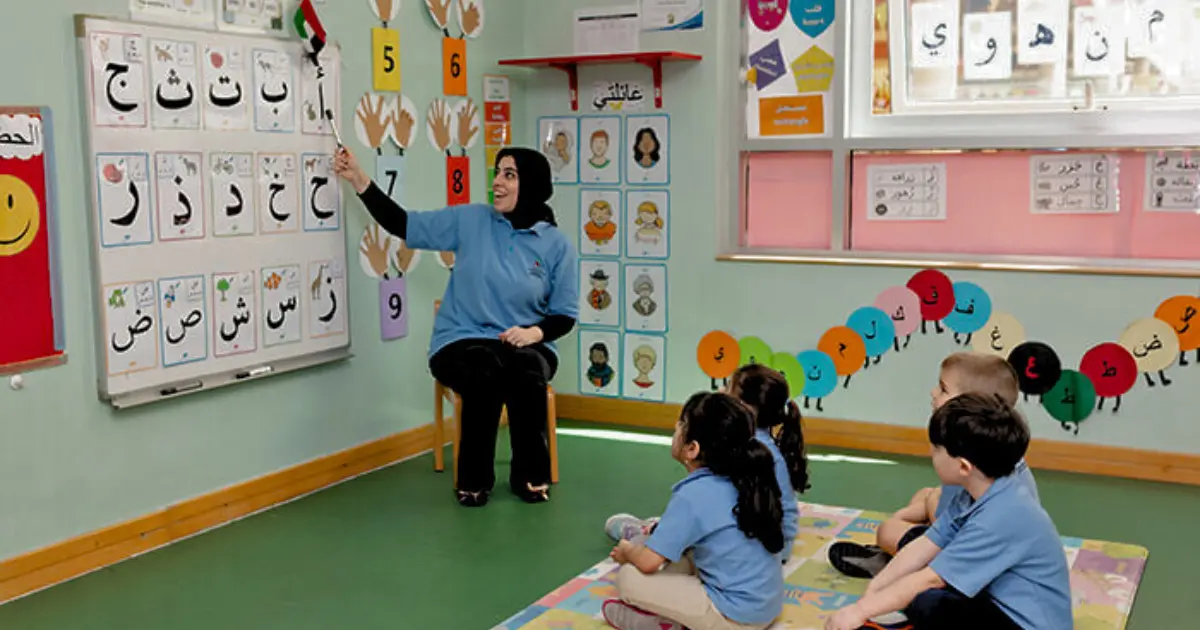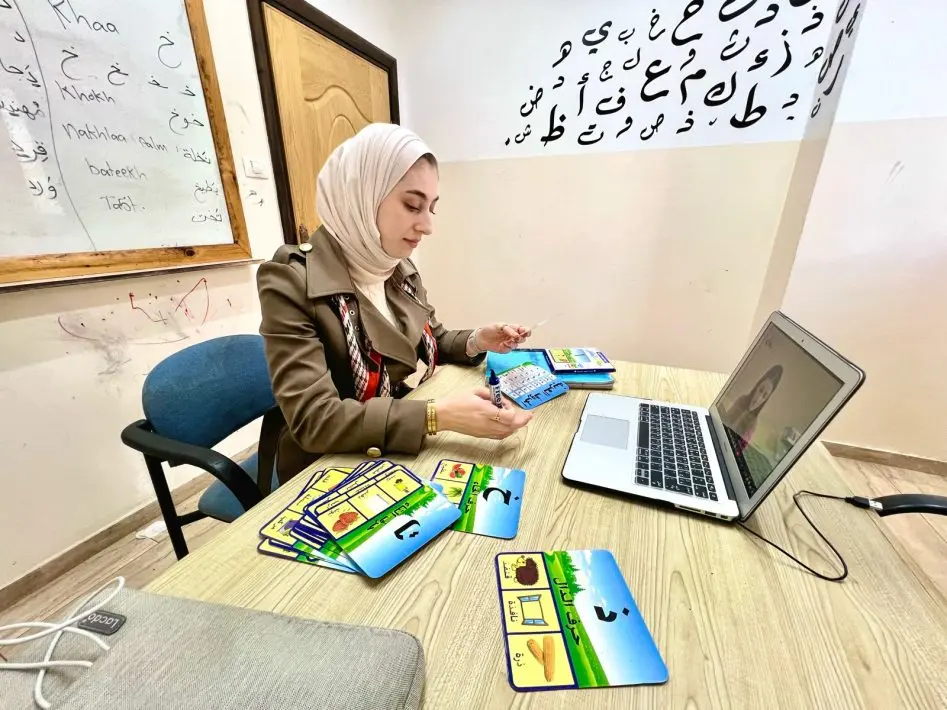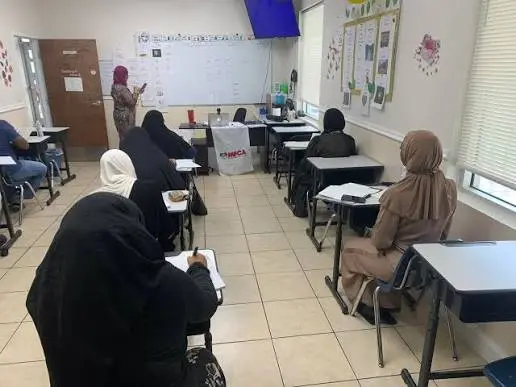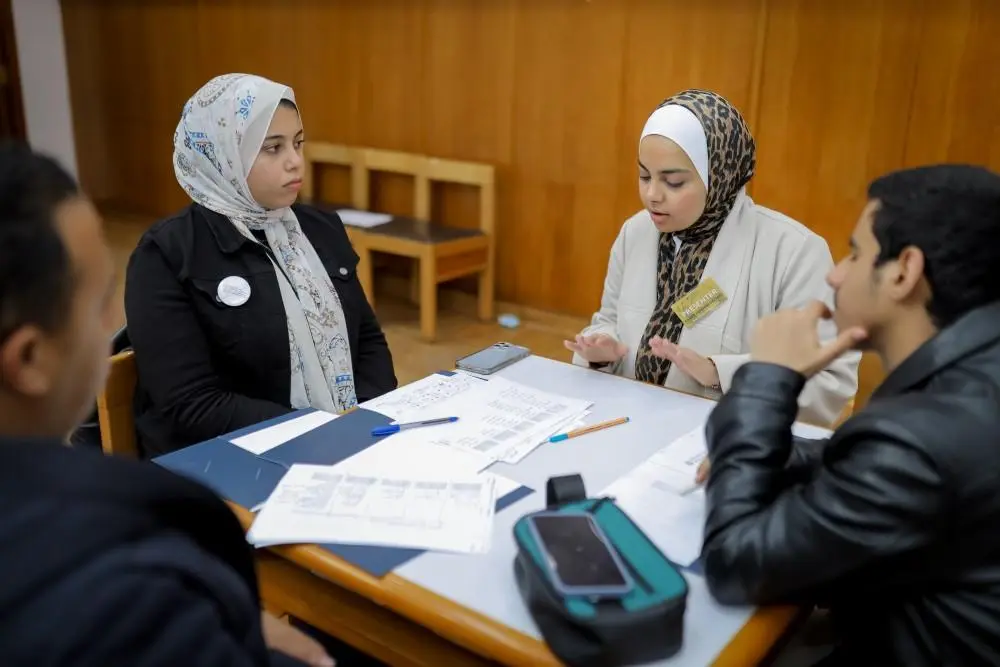
Becoming a Muslim is the beginning of a completely new journey. Along with learning about Islam, many converts also become interested in learning Arabic because it is the language of the Quran, salah, and many Islamic expressions used every day by Muslims around the world.
At first, Arabic may seem difficult because the letters look different from English and some sounds are unfamiliar. However, most new Muslims quickly discover that Arabic becomes easier when learned step by step instead of trying to study everything at once.
If you are wondering how to learn Arabic as a new Muslim or convert online, the best approach is starting with simple words, basic pronunciation, and useful Islamic phrases that you can use daily in your life as a Muslim.
Why Arabic Is Important for New Muslims?
Arabic is closely connected to Islam because the Quran was revealed in Arabic. Muslims also recite Arabic during prayer and use many Arabic expressions in daily conversations.
For example, you probably already hear phrases like:
| Arabic | Transliteration | Meaning |
| السلام عليكم | Assalamu Alaikum | Peace be upon you |
| الحمد لله | Alhamdulillah | All praise is for Allah |
| سبحان الله | SubhanAllah | Glory be to Allah |
| إن شاء الله | InshaAllah | If Allah wills |
When a new Muslim begins understanding these words, worship becomes more meaningful and Arabic starts feeling familiar instead of foreign.
Another important thing to understand is that learning Arabic does not mean becoming fluent immediately. Most converts begin with small goals like reading Quran letters correctly, understanding common Islamic words, and improving pronunciation little by little.
Learning Arabic as a new Muslim works best as a phased journey, not an all-at-once effort. You begin with the letters and the words you already say in prayer, then expand outward toward reading and understanding the Quran. The four phases below take you from recognizing your first letter to grasping the meaning of the verses you recite — without the overwhelm.
Master the Arabic Alphabet
Your foundation is the script and the words you repeat daily in Salah. Get these right early and everything afterward builds faster.
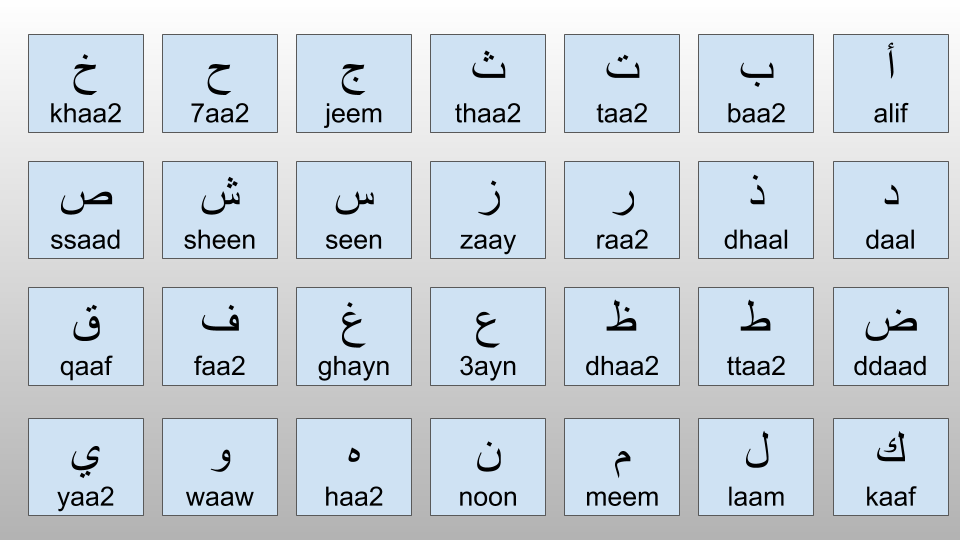
Start with the 28 Arabic letters — first recognizing them, then pronouncing them correctly. A trusted beginner text is Alif Baa: Introduction to Arabic Letters and Sounds, which pairs every letter with audio.
Then learn the exact pronunciation and meaning of your daily prayer essentials:
- The Shahada — the testimony of faith
- Surah Al-Fatihah — recited in every unit of prayer
- Short surahs such as Surah Al-Ikhlas
Use transliteration alongside audio as a temporary bridge, then drop it as soon as you can read the script itself.
Use Online Platforms and Apps
Once you can read letters, structured digital tools let you practice daily at your own pace. Combine one core program with one vocabulary app.
- Free structured lessons: Arabic101 offers free courses built specifically for non-native speakers and new Muslims.
- Vocabulary builders: Apps like Duolingo or Memrise reinforce daily words in short sessions.
- Video learning: Channels such as Madinah Arabic and Arabic 101 walk through Tajweed and grammar visually, step by step.
Connect and Practice With People
Apps build knowledge, but real progress comes from speaking and being corrected. Pair your self-study with human practice.
- Local Islamic centers: Many mosques run free classes designed for new Muslims and reverts — call and ask.
- Language exchange: Apps like Tandem or HelloTalk connect you with native speakers for conversational practice.
Focus on Quranic Arabic
If your main goal is understanding what you recite, prioritize Classical/Quranic Arabic over a regional spoken dialect. The two serve different purposes, so choose based on your goal:
| Classical / Quranic Arabic (الفصحى) | Spoken Dialect (Egyptian, Levantine, etc.) | |
| Best for | Reading the Quran, hadith, and prayer | Everyday conversation |
| Where it’s used | Religious texts, formal writing, news | Daily speech, varies by country |
| Priority for a new Muslim | High — connects you directly to worship | Optional — useful for travel or family |
To go deeper, use a word-for-word Quran translation and study Tafsir (exegesis) so each word connects to its spiritual meaning, not just its dictionary definition.
Takeaway: Letters and prayer first, daily app practice second, real conversation third, and Quranic Arabic when you’re ready to understand the text — that order keeps the journey steady and rewarding.
Many converts feel pressure to understand the entire Quran quickly. In reality, Quranic Arabic is usually learned gradually through repetition and regular exposure.
A good beginner method is starting with short surahs and common Quranic words.
For example:
| Arabic Word | Transliteration | Meaning |
| نور | Noor | Light |
| رحمة | Rahmah | Mercy |
| هدى | Huda | Guidance |
| كتاب | Kitab | Book |
These words appear many times throughout the Quran.
Now that you understand some basic Quran vocabulary, the next step is learning how these words sound inside actual recitation.
Listening to Quran daily helps beginners:
- improve pronunciation
- recognize repeated words
- become familiar with Arabic rhythm
- read more confidently
Even listening for a short time every day can make Arabic feel much more natural.
Experience Kalimah Center Classes
Watch real excerpts from our live sessions at Kalimah Center and see how we bring learning to life. These clips highlight our interactive, student-centered teaching approach across all our courses—designed to keep learners engaged, motivated, and actively involved every step of the way.
Master Arabic with Kalimah Center
Join our expert-led online classes and start your journey toward Arabic fluency today.
Book Your Free TrialLearn Arabic Words Used in Salah
One of the easiest ways to learn Arabic as a new Muslim is by focusing on words already used during salah.
Because Muslims repeat prayer several times every day, these words naturally become easier to remember over time.
For example, during prayer you hear:
| Arabic Phrase | Transliteration | Meaning |
| الله أكبر | Allahu Akbar | Allah is the Greatest |
| سمع الله لمن حمده | Sami Allahu liman hamidah | Allah hears those who praise Him |
| سبحان ربي الأعلى | Subhana Rabbiyal A‘la | Glory be to my Lord, the Most High |
When you understand the meaning behind these phrases, salah feels more personal and connected instead of memorized sounds only.
Another useful thing new Muslims should know is that many Quran words repeat constantly in prayer and recitation. This repeated exposure slowly improves vocabulary without needing difficult memorization techniques.
Strengthen Your Arabic and Quran Recitation with Kalimah Center
Learning Arabic as a new Muslim becomes even more rewarding when combined with proper Quran recitation. At Kalimah Center, students can build a strong foundation in Arabic while learning to read and recite the Quran correctly through structured online classes designed for beginners and converts.
The Online Quran with Tajweed Course helps students improve their pronunciation, understand the rules of Tajweed, and develop confidence when reciting the Quran. With qualified instructors, flexible scheduling, and personalized guidance, Kalimah Center provides a supportive learning environment for anyone seeking a deeper connection with the Quran and the Arabic language.
Enroll in Kalimah Center’s Online Quran with Tajweed Course today and take the next step in your Islamic learning journey.
Read also: Common Mistakes New Arabic Learners Make
Learn Useful Arabic Phrases for New Muslims
New Muslims often hear Arabic expressions during Islamic lectures, mosque visits, and conversations with other Muslims.
Learning these phrases early helps beginners feel more comfortable inside Muslim communities.
For example:
| Arabic Phrase | Transliteration | Meaning |
| جزاك الله خيرًا | JazakAllahu Khairan | May Allah reward you |
| بارك الله فيك | BarakAllahu Feek | May Allah bless you |
| ما شاء الله | MashaaAllah | What Allah has willed |
| لا حول ولا قوة إلا بالله | La Hawla wa la Quwwata illa Billah | There is no power except through Allah |
Try saying these phrases during daily situations. For example, if somebody helps you, you can say:
“JazakAllahu Khairan.”
This practical usage makes Arabic easier to remember because the language becomes connected to real conversations instead of isolated vocabulary lists.
How to Learn Arabic as a New Muslim or Convert Online Free?
Many beginners worry that Arabic learning is expensive. Fortunately, there are many free online resources available today for new Muslims.
For example, beginners can use:
- Quran recitation videos
- beginner Arabic lessons
- pronunciation practice channels
- Arabic alphabet exercises
- vocabulary applications
However, free learning becomes more effective when students follow a simple structure.
A beginner may start by:
- learning Arabic letters
- reading short words
- understanding prayer vocabulary
- practicing common Islamic expressions
Trying to study everything randomly usually creates confusion. Step-by-step learning produces better results and helps students stay motivated longer.
Common Mistakes New Muslims Make When Learning Arabic
One common mistake is trying to learn advanced grammar too early. Many beginners start studying difficult grammar rules before becoming comfortable with reading simple Arabic words.
Another misunderstanding is believing that Arabic must be mastered quickly. In reality, language learning takes time, especially when the student is still adapting to a completely new alphabet and pronunciation system.
Some converts also focus only on memorization without understanding meanings. For example, repeating:
“Alhamdulillah”
without knowing it means:
“All praise is for Allah”
makes learning less meaningful.
Pronunciation fear is another challenge for many beginners. Arabic contains sounds that may not exist in English, but improvement happens naturally through listening and practice.
Simple Ways New Muslims Can Improve Arabic Daily
One practical way to improve Arabic is connecting the language to your daily Islamic routine.
For example, when hearing:
- Alhamdulillah
- SubhanAllah
- Astaghfirullah
pause for a moment and remember their meanings.
Another useful tip is reading small amounts consistently instead of studying heavily once in a while.
For example, reading:
- one short Quran verse
- one Arabic word
- one Islamic phrase
every day often produces stronger long-term improvement than long irregular study sessions.
Listening regularly also plays an important role. Even if you do not fully understand Arabic yet, hearing Quran recitation and beginner Arabic conversations trains your ears to recognize pronunciation patterns naturally.
Read also: Which Ayah in the Quran Contains All Arabic Letters?
Inside Kalimah Center: Moments from Our Courses
Get a glimpse into the vibrant learning experience at Kalimah Center. These snapshots capture real moments from our live classes—where students engage deeply, connect with passionate instructors, and grow in a welcoming, supportive environment.
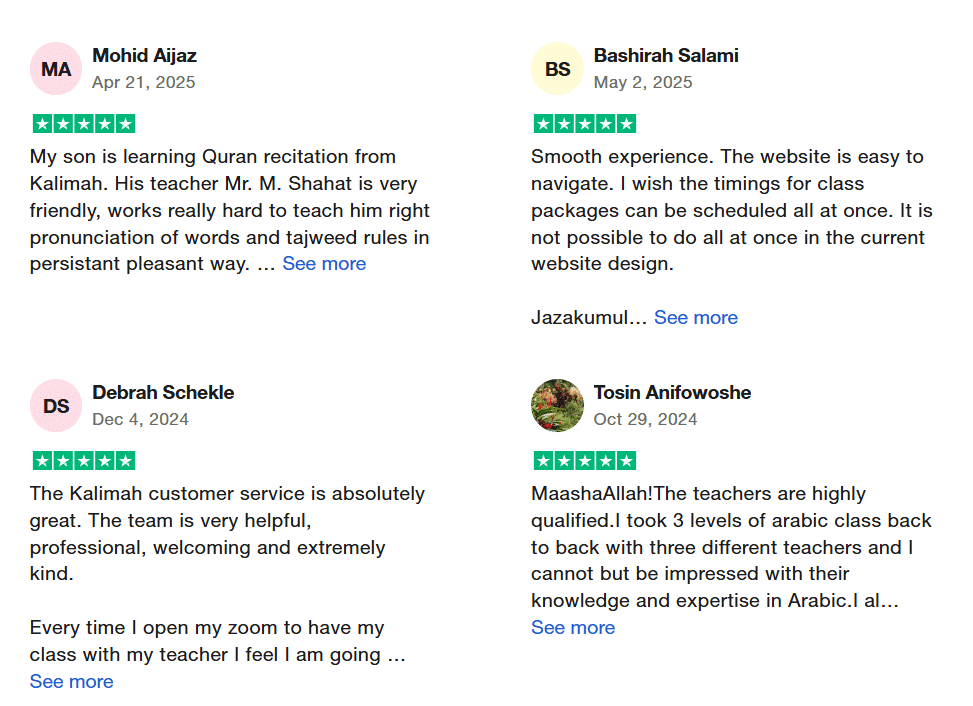
Here Are The Reviews On Our Courses:
Our students frequently commend the excellence of our courses and the commitment shown by our instructors. You can read their complete reviews on Trustpilot.
Read more reviews on Trustpilot
Start Your Arabic Learning Journey with Kalimah Center
If you’re a new Muslim looking for a structured and supportive way to learn Arabic online, Kalimah Center offers beginner-friendly courses designed to help students build confidence step by step. From learning the Arabic alphabet and pronunciation to understanding Quranic vocabulary and essential Islamic expressions, every lesson is tailored to make Arabic accessible and enjoyable for learners of all levels.
At Kalimah Center, experienced instructors guide students through a personalized learning journey that combines language skills with Islamic understanding. Whether your goal is to read the Quran correctly, improve your salah, or deepen your connection with Islam, you’ll receive the support and guidance needed to progress at your own pace.
Join Kalimah Center today and start learning Arabic with qualified teachers from anywhere in the world.
📚 Explore Our Courses:
Online Arabic Course: Tailored to your level, our comprehensive Arabic program includes 16 teaching levels and 400+ hours of personalized sessions.
Online Quran With Tajweed Course: Perfect for non-Arabic speakers, our course spans 13 levels and equips you with Tajweed mastery from beginner to advanced.
Online Arabic Course For Kids: Nurture your child’s love for Arabic with our engaging and structured program, available in 24 levels for primary, intermediate, and secondary stages.
🚀 Start Your Free Trial Today! 🚀
Don’t miss out on this life-changing opportunity to deepen your faith and knowledge. Sign up now for your free trial and take the first step towards becoming a better practicing Muslim with Kalimah Center!
Master Arabic with Kalimah Center
Join our expert-led online classes and start your journey toward Arabic fluency today.
Book Your Free TrialConclusion
Learning Arabic as a new Muslim is a rewarding process that strengthens your connection with Islam, the Quran, and daily worship. Although Arabic may seem challenging at first, consistent practice and gradual learning make the language much easier over time.
If you want to know how to learn Arabic as a new Muslim or convert online, begin with simple steps. Learn the alphabet carefully, understand the words used in salah, practice useful Islamic phrases, and listen regularly to Quran recitation.
Most importantly, stay patient with yourself. Every new word, letter, and phrase brings you closer to understanding the beauty of the Arabic language and the message of the Quran.
FAQs About Learning Arabic as a New Muslim
Is Arabic difficult for new Muslims?
Arabic may feel unfamiliar in the beginning because of the alphabet and pronunciation, but many beginners improve quickly through regular practice and listening.
How long does it take to learn Arabic as a convert?
The answer depends on your learning goals and consistency. Many beginners start understanding common Islamic phrases and basic reading within a few months.
Should I learn Quranic Arabic or conversational Arabic first?
Most new Muslims begin with Quranic and Islamic Arabic because it directly supports prayer, Quran reading, and understanding Islamic teachings.
Can I learn Arabic online as a complete beginner?
Yes. Many converts successfully learn Arabic online through beginner-friendly lessons, pronunciation practice, and structured Quran learning.
What is the best free way to start learning Arabic?
Most teachers recommend starting with the Arabic alphabet, simple pronunciation practice, and common Islamic expressions used daily.