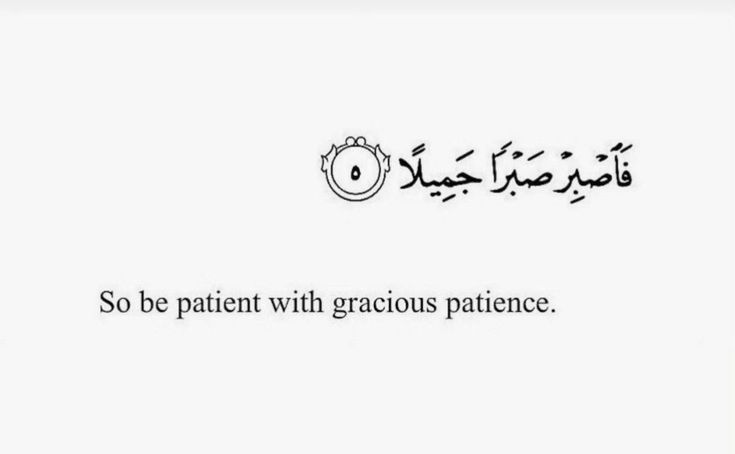
Patience, or sabr (صبر), appears more than 90 times across the Quran, often paired with a direct promise from Allah.
If you have searched for quran verses about patience in Arabic, you are likely looking for the exact Arabic wording, the meaning behind it, and how to actually use these ayat when life gets hard — not just a translated list.
This article gives you the original Arabic text, transliteration, and English meaning for the most cited patience verses, organized by what each one teaches: reward, divine companionship, relief after hardship, and how to ask Allah for strength. Each verse here is paired with its context, so you understand not just what it says, but when Muslims turn to it.
What You’ll Learn in This Article
- The Arabic text, transliteration, and meaning of 7 key patience verses in the Quran
- The Arabic word for “beautiful patience” (صبر جميل) and the verse it comes from
- How each verse differs in what kind of patience it addresses
- A simple way to memorize and recall these verses when you need them
- Where to learn proper Quranic Arabic so you can read these verses without relying on translation
Sabr in the Quran is not passive waiting. It describes a deliberate choice to stay steady — in worship, in hardship, and in self-restraint — while trusting Allah’s plan. The Quran links sabr directly to reward, divine love, and relief, which is why it appears across nearly every surah dealing with trial or loss.
Classical commentators distinguish three categories of sabr: patience in obedience (continuing acts of worship even when difficult), patience in avoiding sin (resisting temptation), and patience in hardship (illness, loss, grief). Recognizing which category a verse addresses changes how you apply it. A verse about patience during a calamity is not the same instruction as a verse about patience in daily prayer, even though both use the word sabr.
Quran Verses About The Reward For Patience
The Quran links sabr directly to reward, divine love, and relief, which is why it appears across nearly every surah dealing with trial or loss.
The verse most often cited for the sheer scale of sabr’s reward is from Surah Az-Zumar:
إِنَّمَا يُوَفَّى الصَّابِرُونَ أَجْرَهُم بِغَيْرِ حِسَابٍ
Innamā yuwaffa aṣ-ṣābirūna ajrahum bighayri ḥisāb
“Indeed, the patient will be given their reward without account.” (Surah Az-Zumar, 39:10)
This verse stands out because it does not specify a measured reward — it removes the ceiling entirely.
Every other rewarded deed in the Quran tends to carry a stated multiplier (ten-fold, seven hundred-fold); sabr is one of the few acts described as rewarded “without account,” meaning without limit. This is the verse Muslims most often recall during prolonged hardship, precisely because it promises that the difficulty of the wait does not cap what is given in return.
1. Allah’s Companionship With The Patient
The first verse doesn’t address the reward for patience, but rather who stands with the person practicing it at that very moment.
وَاللَّهُ مَعَ الصَّابِرِينَ
“And Allah is with the patient.” (Surah Al-Baqarah, 2:153)
This phrase appears as part of a longer verse instructing believers to seek help through patience and prayer. The word ma’a (مع — “with”) in Quranic Arabic carries a sense of active nearness, not distant approval, which is why this verse is frequently recited during acute distress rather than long-term hardship.
2. Allah’s Love For The Patient
Allah elevates the status of the steadfast by tying patience directly to His divine affection. This shifts our perspective of hardship from a sign of abandonment to an opportunity to be recognized among His beloved servants:
وَاللَّهُ يُحِبُّ الصَّابِرِينَ
“And Allah loves the patient.” (Surah Al-Imran, 3:146)
This verse sits in a passage about believers who fought without weakening, without giving in, and without losing resolve.
The patience described here is active endurance during struggle, not passive acceptance — an important distinction when applying this verse to modern situations like illness, financial strain, or prolonged effort toward a goal.
3. Patience As A Direct Instruction From Allah To The Prophet
Patience is so vital that it was commanded directly to the best of creation, Prophet Muhammad (PBUH). This divine directive reminds us that human strength alone is insufficient; true steadfastness is a quality sought and sustained through God’s aid:
وَاصْبِرْ وَمَا صَبْرُكَ إِلَّا بِاللَّهِ
Wa-ṣbir wa mā ṣabruka illā billāh
“And be patient, and your patience is not but through Allah.” (Surah An-Nahl, 16:127)
This verse is addressed directly to Prophet Muhammad (PBUH) during a period of harsh opposition in Mecca. The grammar is worth noting: it does not say patience comes from Allah as a gift handed over once — it says patience is only possible through Him, continuously.
This is the verse most cited when someone asks how to actually build patience, rather than just be told to have it.
4. The Promise Of Glad Tidings For The Patient
This specific address serves as a profound tool for consolation, reminding the suffering soul that a beautiful outcome is on the horizon:
وَبَشِّرِ الصَّابِرِينَ
Wa bashshir aṣ-ṣābirīn
“And give good tidings to the patient.” (Surah Al-Baqarah, 2:155)
This instruction follows immediately after a verse describing trials of wealth, life, and fruits — meaning loss of money, loved ones, and provision.
The command “give good tidings” is addressed to the Prophet (and by extension, to anyone consoling another person), making this one of the few patience verses framed as a duty for the comforter, not just an instruction to the sufferer.
Read Also:Quran Verses About Mothers in Arabic
Experience Kalimah Center Classes
Watch real excerpts from our live sessions at Kalimah Center and see how we bring learning to life. These clips highlight our interactive, student-centered teaching approach across all our courses—designed to keep learners engaged, motivated, and actively involved every step of the way.
Master Arabic with Kalimah Center
Join our expert-led online classes and start your journey toward Arabic fluency today.
Book Your Free TrialBeautiful Patience Quran Verse In Arabic
“Beautiful patience” — ṣabr jamīl (صبر جميل) — appears in Surah Yusuf, spoken at two separate moments of devastating loss. It describes patience that is silent, dignified, and free of complaint to other people, while still permitting grief directed to Allah alone.
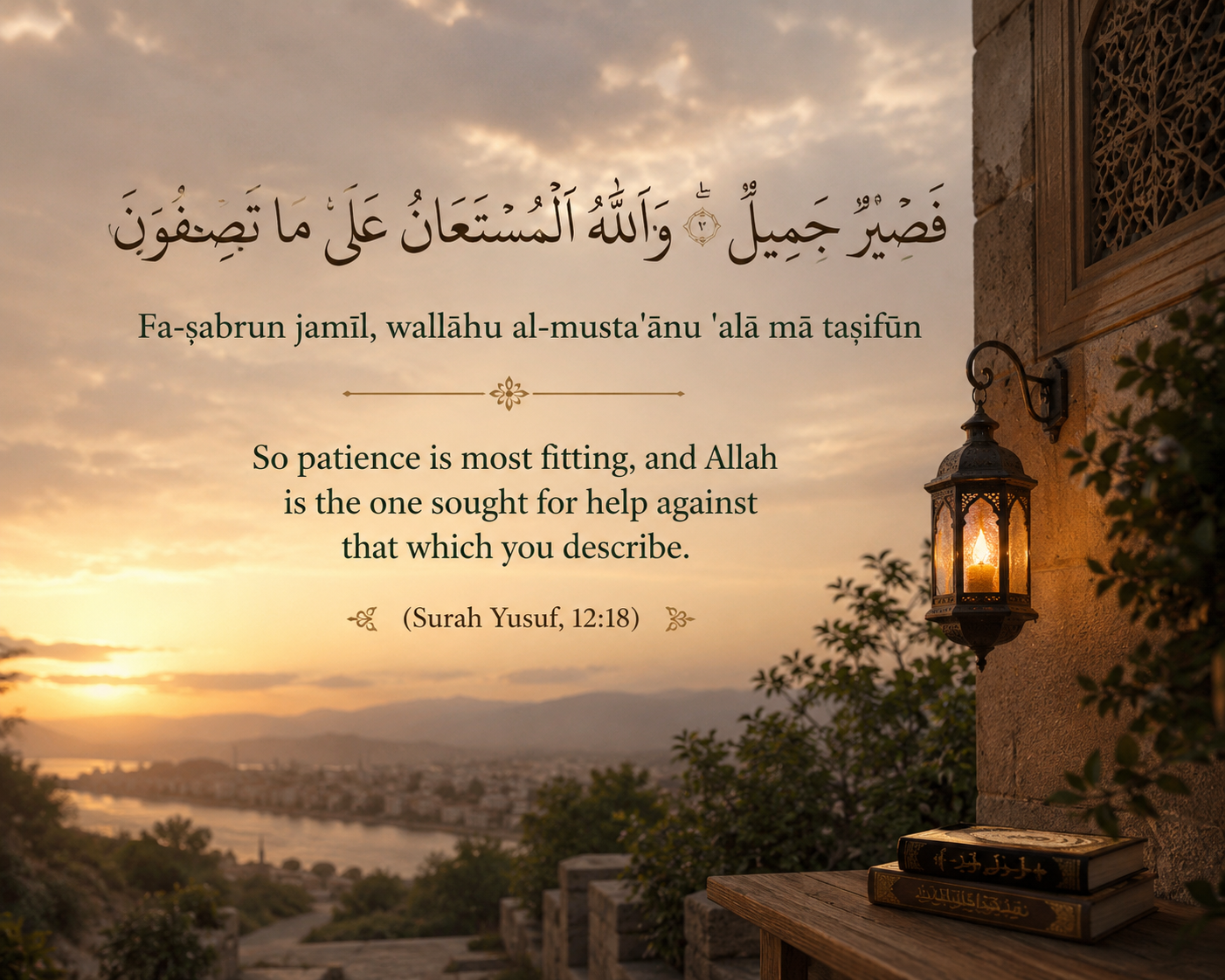
فَصَبْرٌ جَمِيلٌ ۖ وَاللَّهُ الْمُسْتَعَانُ عَلَىٰ مَا تَصِفُونَ
Fa-ṣabrun jamīl, wallāhu al-musta’ānu ‘alā mā taṣifūn
“So patience is most fitting, and Allah is the one sought for help against that which you describe.” (Surah Yusuf, 12:18)
Prophet Ya’qub (AS) says this twice in Surah Yusuf — once when his sons bring back Yusuf’s blood-stained shirt, and again years later when Benjamin is detained in Egypt.
The repetition is the original-language detail most translations flatten: the same exact phrase, in the same grammatical form, used for two separate griefs decades apart. That repetition is the Quran’s own model of sabr jamīl — it is not a one-time reaction, it is a standing posture you return to every time loss repeats.
The Distinction Between Sabr Jameel And Suppressing Emotion
The concept of beautiful patience does not mean suppressing feelings completely. Jacob (peace be upon him) cried and grieved openly in the same surah; what the term “beautiful” describes is the absence of complaint directed at people, not the absence of feeling.

If reading verses like this one in their original script still feels slow, that gap closes faster than most people expect with structured Tajweed and reading practice — something Kalima Academy’s Quran courses are built specifically to address for non-native readers.
Read Also: 16 Most Beautiful Arabic Words in the Quran
How to Memorize These Patience Verses
Committing these verses to memory requires more than rote repetition; it demands a structured approach that links the mind, tongue, and heart. Here is a step-by-step strategy to integrate these powerful words into your daily life:
- Read the Arabic script aloud daily for one week before attempting memorization — recognition comes before recall.
- Pair each verse with its specific context (Yusuf’s loss, the Prophet’s persecution, trials of wealth) rather than memorizing it as an isolated phrase.
- Recite the verse in a relevant moment as it happens — during a setback, a wait, or a loss — rather than only in formal study sessions.
- Review weekly for the first month, then monthly; short, spaced repetition outperforms one long memorization session.
A decision worth making early: if you are memorizing meaning only, transliteration is enough. If you want to recite correctly in prayer or recognize the verse when heard, you need the Arabic script and correct pronunciation, which is a different skill, and the one most people underestimate.
Build a Real Connection With These Verses Through Proper Quranic Arabic
Knowing seven verses by translation is a starting point. Reading them correctly, in their original Arabic, with proper Tajweed, is what lets you actually use them in prayer, recitation, and daily reflection — not just recall them as quotes.
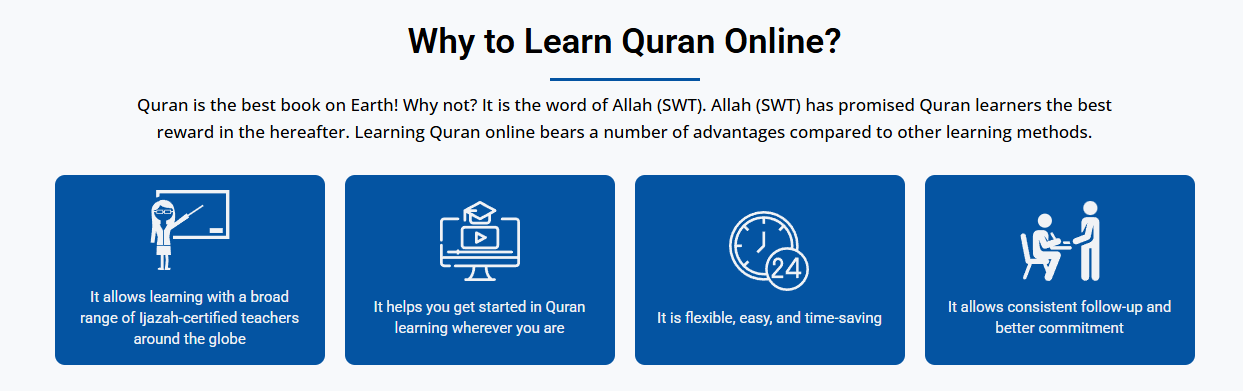
Kalima Academy offers live, one-on-one Quran courses with certified native instructors, built specifically for non-Arabic speakers, starting from the alphabet through full Tajweed mastery. Every plan includes personalized pacing, progress tracking, and a free trial session before you commit.

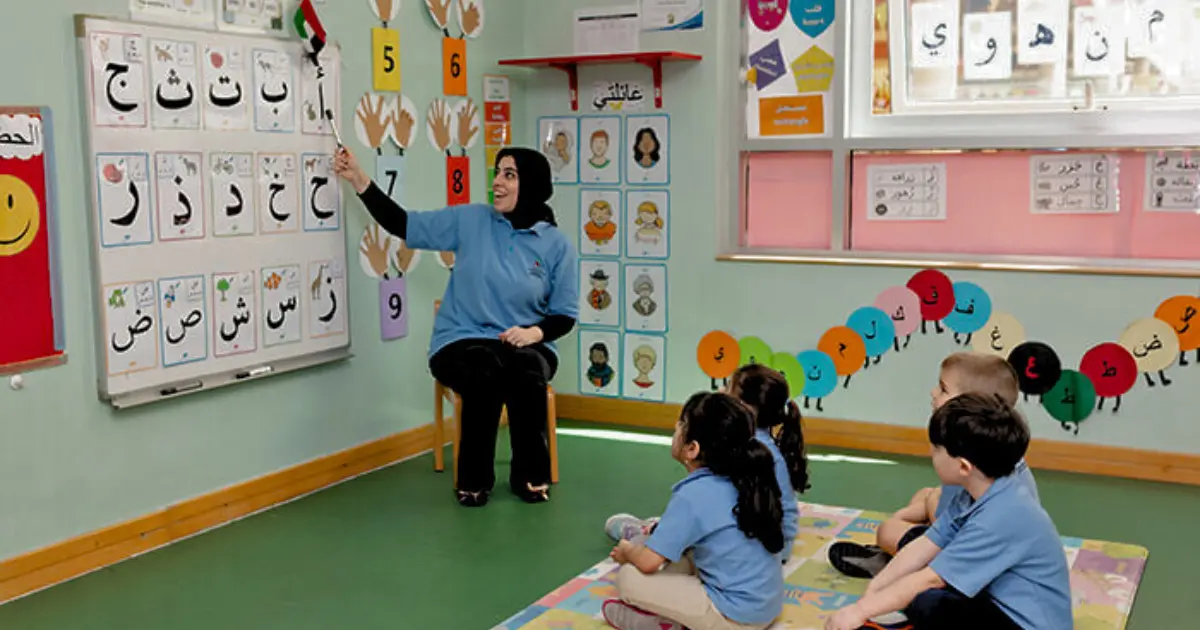
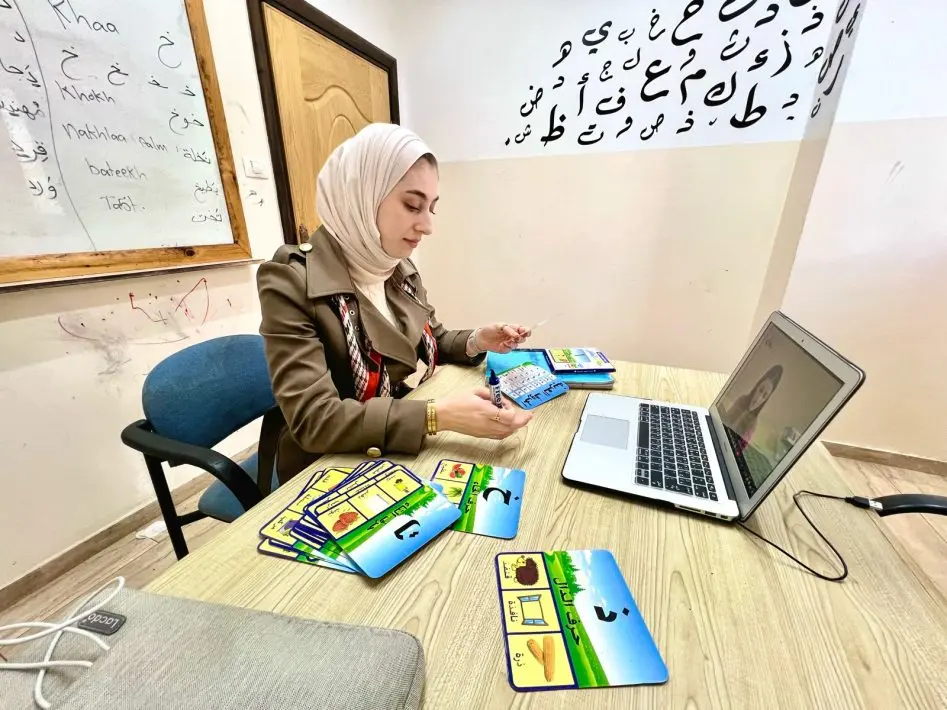
Inside Kalimah Center: Moments from Our Courses
Get a glimpse into the vibrant learning experience at Kalimah Center. These snapshots capture real moments from our live classes—where students engage deeply, connect with passionate instructors, and grow in a welcoming, supportive environment.
Here Are The Reviews On Our Courses:
Our students frequently commend the excellence of our courses and the commitment shown by our instructors. You can read their complete reviews on Trustpilot.
Read more reviews on Trustpilot

Start Reading the Quran’s Patience Verses in Their Original Arabic
Translation gives you the idea. Arabic gives you the weight behind words like sabr jamīl that no English paraphrase fully carries. Kalima Academy’s live, one-on-one courses take you from recognizing letters to reciting these exact verses with correct Tajweed — at your own pace, with a certified native instructor watching your pronunciation in real time.
Explore Our Courses:
- Online Arabic Course: tailored to your level, with 16 teaching levels and 400+ hours of personalized sessions.
- Online Quran With Tajweed Course: built for non-Arabic speakers, spanning 13 levels from beginner to advanced Tajweed mastery.
- Online Arabic Course for Kids: a structured program in 24 levels covering primary, intermediate, and secondary stages.
Start Your Free Trial Today!
Book your free trial session today and start with the verse that matters most to you right now.
Master Arabic with Kalimah Center
Join our expert-led online classes and start your journey toward Arabic fluency today.
Book Your Free TrialConclusion
The Quran’s patience verses share one consistent thread: sabr is never described as passive suffering — it is paired every time with a specific divine response, whether that is reward without limit (Surah Az-Zumar), Allah’s nearness (Surah Al-Baqarah), His love (Surah Al-Imran), or good tidings (Surah Al-Baqarah again).
Reading these quran verses about patience in Arabic — rather than translation alone — preserves the exact grammatical weight behind words like sabr jamīl that English paraphrase tends to lose.
Whether you are memorizing these ayat for personal reflection or learning to recite them correctly in prayer, the Arabic text itself is where the verse’s full meaning lives.
Frequently Asked Questions
To deepen your foundational understanding of how sabr is structured across the Quran, here are direct answers to the most common queries regarding these verses:
What is the most famous Quran verse about patience?
The most cited verse is from Surah Az-Zumar (39:10): “Indeed, the patient will be given their reward without account.” It is widely referenced because it describes sabr’s reward as unlimited, unlike most rewarded deeds in the Quran, which carry a stated multiplier.
What does “sabr jameel” mean in the Quran?
How many times does the word “sabr” appear in the Quran?
The root word for patience (ص-ب-ر) and its derivatives appear over 90 times across the Quran, making it one of the most repeated themes in the entire text, alongside related concepts like gratitude (shukr) and trust in Allah (tawakkul).
Can I recite these verses without knowing Arabic?
You can recite using transliteration, but proper Tajweed pronunciation requires reading the Arabic script directly, since transliteration cannot capture sounds like the heavy letters (ص, ض, ط) accurately. Structured Quranic Arabic instruction closes this gap for non-native readers.
Is patience the same as giving up or staying silent?
No, sabr in the Quran describes active endurance, not resignation. Verses like Surah Al-Imran (3:146) describe sabr in the context of believers actively struggling and not weakening, which is distinct from passive acceptance.
Where should I start if I want to read these verses myself in Arabic?
Start with letter recognition and basic pronunciation rules before attempting full verses, since Quranic Arabic relies on sounds not present in English. A structured course with a certified instructor, such as those offered at Kalima Academy, typically moves faster than self-study because pronunciation errors are corrected in real time.