Fasting during Ramadan is a fundamental act of worship in Islam. However, certain actions can invalidate a fast, requiring the individual to make up for the missed day or, in some cases, offer additional compensation. Below is a detailed explanation of what breaks a Muslim’s fast, along with exceptions and considerations.
What Breaks a Muslim’s Fast in Ramadan?
While fasting is a deeply spiritual practice, certain actions can invalidate it, requiring the individual to either make up for the missed day or, in some cases, offer an expiation (kaffarah). Below is a detailed explanation of the main actions that break the fast.
Actions that invalidate a Muslim’s fast in Ramadan include intentionally eating or drinking, engaging in sexual intercourse, and purposely inducing vomiting. Other actions that break the fast are commencement of menstruation or postpartum bleeding, intentional emission of semen, taking nutritious injections, and smoking. Furthermore, using nasal or ear drops will invalidate the fast if the drops reach the throat.\
To invalidate the fast, the person must be aware they are fasting, remember they are fasting, and perform the invalidating action intentionally. Exceptions to fasting include illness, travel, pregnancy, and breastfeeding, allowing for making up missed days later. Additionally, some scholars believe that undergoing cupping or donating a large amount of blood invalidates the fast.
Here are the details
1. Eating and Drinking
The most obvious way to break a fast is by intentionally consuming any food or drink.
- Intentionally Eating or Drinking: If a person knowingly eats or drinks, their fast is broken, and they must make up for that day after Ramadan.
- Unintentionally Eating or Drinking: If someone eats or drinks out of forgetfulness, their fast remains valid, as per the saying of the Prophet Muhammad (peace be upon him):
“If somebody eats or drinks forgetfully, then he should complete his fast, for what he has eaten or drunk has been given to him by Allah.” (Sahih al-Bukhari, Sahih Muslim)
2. Sexual Intercourse (Jima’)
Engaging in sexual relations is one of the most serious actions that nullifies the fast.
- Definition: This refers to the insertion of the glans of the penis into the vagina, even if ejaculation does not occur.
- Consequences:
- The fast is immediately broken.
- The person must make up for the missed fast (Qada’).
- Additionally, they must offer an expiation (kaffarah), which involves:
- Freeing a slave (if applicable).
- If unable to do so, fasting for 60 consecutive days.
- If this is not possible, feeding 60 poor people.
This strict penalty highlights the seriousness of engaging in sexual relations during the fasting hours.
3. Intentional Vomiting
Inducing Vomiting: If a person intentionally vomits by inserting fingers into their throat or through other means, their fast is invalidated, and they must make up for that day.
Unintentional Vomiting: If vomiting occurs involuntarily (e.g., due to illness or nausea), the fast remains valid, and the person should continue fasting.
The Prophet Muhammad (peace be upon him) said: “Whoever is overcome by vomiting, then he does not have to make up the fast, but whoever vomits intentionally, then he must make up the fast.” (Sunan Abu Dawood, Sunan al-Tirmidhi)
4. Menstruation and Postnatal Bleeding (Nifas)
Menstruation (Hayd): If a woman begins her menstrual cycle, even just moments before sunset, her fast becomes invalid.
Postnatal Bleeding (Nifas): If a woman is experiencing postpartum bleeding, fasting is not valid.
Consequences: Women experiencing menstruation or postpartum bleeding must make up the missed fasts after Ramadan but are not required to offer expiation (kaffarah).
The Prophet Muhammad (peace be upon him) said: “Is it not the case that when she menstruates, she does not pray or fast?” (Sahih al-Bukhari)
5. Intentional Emission of Semen
- Masturbation or Other Stimulation: Any deliberate act leading to ejaculation, such as masturbation, inappropriate touching, or watching explicit material, invalidates the fast.
- Consequences: The person must:
- Repent sincerely.
- Make up for the missed day after Ramadan.
- Unlike sexual intercourse, there is no kaffarah (expiation) for this act.
- Unintentional Emission: If semen is released involuntarily (e.g., due to a wet dream), the fast remains valid.
6. Nutritious Injections
- Injections that Provide Nutrition: Medical injections that provide sustenance, such as glucose drips or IV fluids that replace food and drink, break the fast.
- Non-Nutritious Injections: Vaccines, insulin, painkillers, or antibiotics do not invalidate the fast as they are not a substitute for food or drink.
- Inhalers and Nasal Sprays: Some scholars argue that if inhalers or nasal sprays reach the throat or stomach, they break the fast, while others consider them permissible for medical necessity.
Conditions for Invalidation
For an action to break the fast, the following conditions must be met:
- Knowledge: The individual must be aware that they are fasting and that the action invalidates it.
- Remembrance: The action must be done while remembering that they are fasting. If done out of forgetfulness, the fast remains valid.
- Intent: The action must be deliberate and not accidental.
Other non-popular acts related to breaking the fast:
Hijama (Cupping) and fasting: Some scholars, like Imam Ahmad, believe cupping (bloodletting) invalidates the fast. Others, including Imam Shafi’i, Imam Malik, and Imam Abu Hanifa, hold that it does not.
Donating Blood and fasting: Similar to cupping, donating a large amount of blood may invalidate the fast due to its impact on the body.
Smoking: Since smoke enters the body, smoking invalidates the fast.
Ejaculation without Intercourse: If ejaculation occurs due to desire (without intercourse), the fast is broken, and the day must be made up.
Using Nasal or Ear Drops: If the drops reach the throat, according to the four schools of thought, the fast is broken.
Exceptions: Who Is Exempt from Fasting?
Here are the main people who are not required to fast in Ramadan:
- Illness and Travel
- Those who are sick or traveling are exempt but must make up the missed days later.
- Elderly Individuals
- If unable to fast, they may compensate by feeding a poor person for each missed day.
- Pregnant and Breastfeeding Women
- If they fear for their health or the child’s well-being, they can postpone fasting and later either make up for the days or offer charity.
Actions That Do Not Invalidate the Fast
- Forgetful Eating or Drinking: If one eats or drinks out of forgetfulness, the fast remains valid.
- Involuntary Vomiting: If vomiting happens naturally and is not self-induced, the fast remains intact.
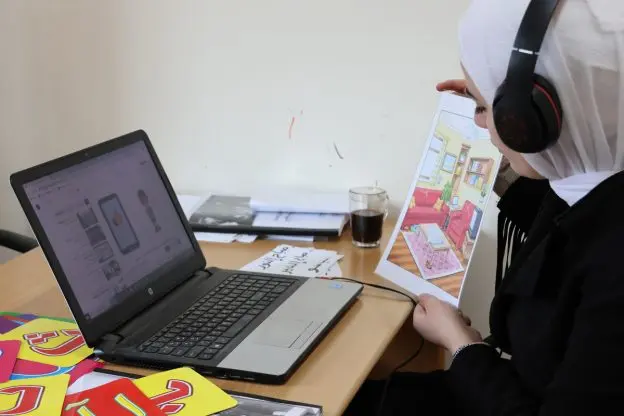
Inside Kalimah Center: Moments from Our Courses
Get a glimpse into the vibrant learning experience at Kalimah Center. These snapshots capture real moments from our live classes—where students engage deeply, connect with passionate instructors, and grow in a welcoming, supportive environment.
Here Are The Reviews On Our Courses:
Our students frequently commend the excellence of our courses and the commitment shown by our instructors. You can read their complete reviews on Trustpilot.

Ready to Deepen Your Connection with the Quran Through Arabic?
You’ve started your journey to learn Arabic for Quranic understanding, but are you equipped with the right tools and guidance? Let Kalimah Center be your companion on this path.
Explore our courses:
- Quran and Tajweed Courses: Master the art of Quranic recitation, from the basics of Arabic pronunciation to advanced Tajweed rules.
- Arabic Language Courses: Expand your vocabulary, grammar, and comprehension skills to unlock the deeper meaning of the Quran.
- Supportive Community: Connect with fellow learners in our group classes, share insights, and build a lifelong relationship with the Quran.
📚 Explore Our Courses:
Online Arabic Course: Tailored to your level, our comprehensive Arabic program includes 16 teaching levels and 400+ hours of personalized sessions.
Online Quran With Tajweed Course: Perfect for non-Arabic speakers, our course spans 13 levels and equips you with Tajweed mastery from beginner to advanced.
Online Arabic Course For Kids: Nurture your child’s love for Arabic with our engaging and structured program, available in 24 levels for primary, intermediate, and secondary stages.
🚀 Start Your Free Trial Today! 🚀
Don’t miss out on this life-changing opportunity to deepen your faith and knowledge. Sign up now for your free trial and take the first step towards becoming a better practicing Muslim with Kalimah Center!
Conclusion
Fasting in Ramadan is a sacred obligation for Muslims, requiring sincerity, patience, and discipline. While there are specific actions that invalidate the fast, Islam provides clear guidelines on when a fast is broken and what steps must be taken to rectify it. Understanding these rules ensures that one observes fasting correctly and fulfills this pillar of Islam in the best way possible.
For those who inadvertently break their fast, seeking forgiveness and making up for missed days is the proper course of action. However, intentional violations, especially sexual intercourse, carry heavier consequences, including expiation (kaffarah).