Moving to Morocco requires checking your visa requirements, obtaining a Carte Séjour (residency permit) if staying over 90 days, and providing proof of income and a local address. The process involves submitting documents at a local police station, opening a Moroccan bank account, and finding registered accommodation. After 5 years of continuous legal residency, you can apply for permanent residency. Morocco is affordable, culturally rich, and welcoming to foreigners — but patience with bureaucracy is essential.
Key Takeaway Table:
| Step | Action | Timeline |
|---|---|---|
| 1 | Check visa requirements by nationality | Before departure |
| 2 | Enter Morocco (visa-free up to 90 days for many nationalities) | On arrival |
| 3 | Find accommodation + get legal rental contract | Week 1–2 |
| 4 | Open a Moroccan bank account | Week 1–3 |
| 5 | Apply for Carte Séjour at local police station | Within first month |
| 6 | Receive residency permit (valid 1 year, renewable) | 1–4 months |
| 7 | Apply for permanent residency after 5 years | Year 5+ |
As a native Arabic speaker, I’m here to share steps and some tips that will help you understand what it’s like to relocate to Morocco, and will make your move to Morocco smoother and help you settle in faster.
Can I Move To Morocco?
Yes, you can move to Morocco! Start by determining if you need a visa based on your nationality, as this will dictate your entry requirements. If you plan to stay longer than 90 days, you’ll need a residency permit (Carte Sejour), which requires submitting various documents, including proof of income and a local address. Consider opening a Moroccan bank account and finding a place to live, as having these arrangements in place will facilitate the residency application process.
How to Move To Morocco Step-By-Step?
Maybe you’re relocating for work, studies, or just a change of scenery. These practical steps will guide you smoothly through the process, Inshallah (God willing).
1. Start with Your Visa (If Needed)
Depending on your nationality, you may need to apply for a visa before you move. If you come from a country that requires a visa, make sure the type of visa matches the reason for your stay in Morocco. For example, if you’re coming for work, your visa should state that.
You can apply for an e-visa, If your country is eligible, you can apply for an e-visa at the official Moroccan government website, or through your local Moroccan embassy.

2. Obtain Your Residency Permit (Carte Séjour): Requirements and Process
In Morocco, if you want to stay longer than 90 days, you need a residency permit, called Carte Sejour in french and تصريح إقامة in Arabic. You apply at the local police station in bigger cities or at the Gendarmerie in smaller towns. Be patient, the process takes time! It’s better to start soon after you arrive.
A friendly tip: Be prepared for the possibility that they will ask for more documents later. It’s part of the process, so just keep your patience.
3. Prepare Your Documents Carefully
You will need many official documents, like your birth certificate and marriage certificate if you are married. These must be translated into Arabic by a certified translator. For example, your criminal record should be on high-quality paper, and in some cases, you might need to get an apostille certificate. Take care of this early, Inshallah (God willing), it will go smoothly.
Show Proof of Income
When you apply for residency (carte de séjour), you must show that you can support yourself financially. This might be a bit surprising to some, but in Morocco, even if you are married to a local, you may still need to show income proof. If you work, provide your contract. If you’re a pensioner or on savings, provide bank statements from the last three months.
If your Moroccan spouse or family is sponsoring you, they can provide their bank statement instead. Just make sure everything is ready when you visit the immigration office.
Open a Bank Account in Morocco
You will also need a Moroccan bank account. Depending on your situation, you may need to deposit between 15,000 MAD to 100,000 MAD to show you can support yourself. If you are applying through a business, you will need a business account too. Once your residency is approved, you can use this money as you like.
4. Find a Place to Live in Morocco
To get your residency permit, you need an address in Morocco. If you rent a place, make sure to get a legal contract, and have it legalized at the local district office. If you are living with family, like your spouse or in-laws, you can use their address.
The best way to find a place is through local contacts, so don’t hesitate to ask around. Renting in Morocco is not as formal as in some countries, so many landlords prefer personal interactions. You can say, “هل يوجد شقة للإيجار؟” (hal yujad shaqqa lil-ijar? – Is there an apartment for rent?).
Make sure to negotiate the price—it’s quite normal here. Inshallah, you will find a good apartment that suits your needs!
5. Consider Starting a Business in Morocco
If you are planning to stay in Morocco long-term, one way to make your residency application easier is to open a business. This shows the Moroccan government that you’re contributing to the economy. It can take a little longer to get everything in place, but in the end, it’s worth it.
To open a company, you might need an office and at least one employee, depending on your business type. This is a good option for digital nomads or entrepreneurs who want to live in Morocco and work remotely.
6. Learn Arabic to Make Your Life Easier in Morocco
If you are serious about moving to Morocco, learning Arabic should be one of your top priorities. Many people speak French or English, but Arabic is the official language, and speaking it will help you integrate more easily into daily life. Whether you’re buying groceries, making friends, or dealing with paperwork, Arabic will be your key to unlocking deeper connections.
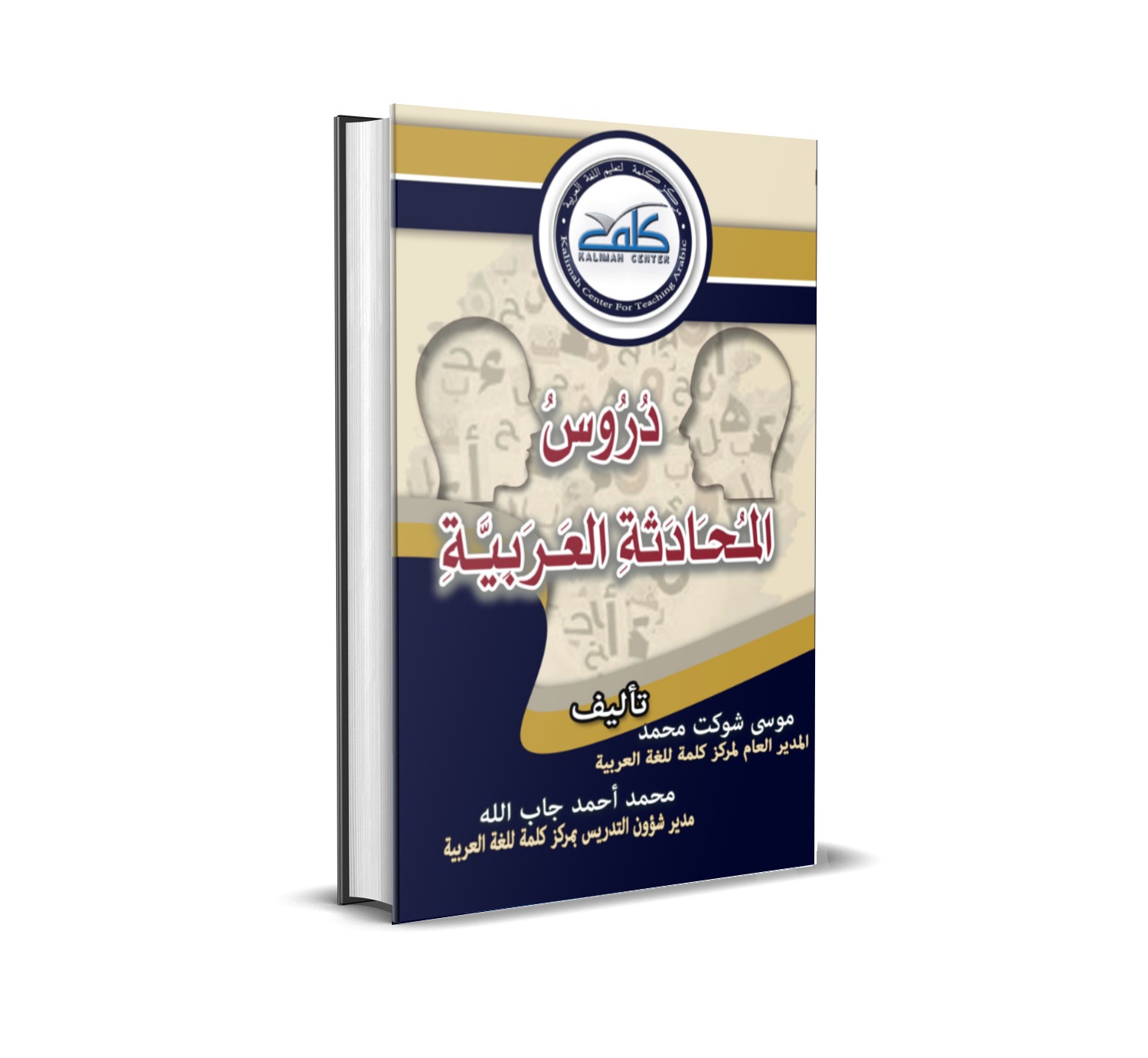
For instance, imagine you arrive at the airport in Morocco and realize your bag is missing. Here is an excerption from Kalimah Center’s Arabic curriculum to prepare you for such situations by teaching you practical dialogues, like this one:
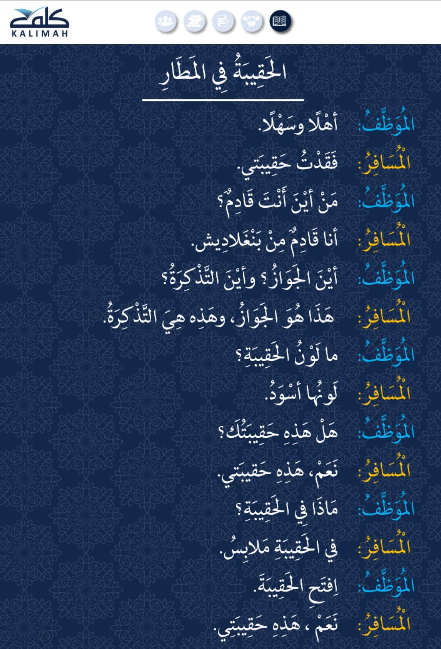
- الموظّف: أهلًا وسهلًا. (al-muwaẓẓaf: Ahlan wasahlan) – Employee: Welcome.
- المسافر: فَقَدْتُ حَقِيبَتي. (al-musāfir: faqadtu ḥaqībatī) – Traveler: I lost my bag.
- الموظّف: مِن أَيْنَ أَنْتَ قَادِمٌ؟ (al-muwaẓẓaf: min ayna anta qādim?) – Employee: Where are you coming from?
- المسافر: أَنا قَادِمٌ مِن بَنْغلاديش. (al-musāfir: ana qādim min banglādīsh) – Traveler: I am coming from Bangladesh.
- الموظّف: أَيْنَ الجواز؟ وَأَيْنَ التذكرة؟ (al-muwaẓẓaf: ayna jawāzuka? wa ayna taḏkiratuka?) – Employee: Where is your passport? And where is your ticket?
- المسافر: هَذَا هُوَ جَوازِي، وَهَذِهِ هِيَ تَذْكِرَتي. (al-musāfir: hāḏā huwa jawāzī, wa hāḏihi hiya taḏkiratī) – Traveler: This is my passport, and this is my ticket.
And so on…
Learning these common phrases and vocabulary will equip you to handle everyday situations with confidence. Kalimah Center‘s focus on practical language skills ensures that you’re not just learning Arabic words, but also how to use them effectively in real-life scenarios.
Try a FREE trial lesson, and see if Kalimah is the right fit for you.
Master Arabic with Kalimah Center
Join our expert-led online classes and start your journey toward Arabic fluency today.
Book Your Free Trial7. Pre-Departure Checklist: Prepare Before You Leave
Before you land in Morocco, these preparations will make your first weeks significantly smoother:
| Task | Details | When to Do It |
|---|---|---|
| Apostille your documents | Birth certificate, marriage certificate, criminal record — all need certified Arabic translations | 4–6 weeks before departure |
| Open a transferwise/Wise account | For transferring money to your Moroccan account at real exchange rates | Before departure |
| Research your target city | Casablanca (business hub), Rabat (capital, quieter), Marrakech (tourism, expat community), Agadir (coastal, European feel) | 1–2 months before |
| Get international health insurance | Coverage until your Moroccan private insurance is arranged | Before departure |
| Download key apps | Careem (ride-hailing), Jumia (e-commerce), Avito Maroc (rentals and classifieds), Google Translate (offline Arabic/French) | Before departure |
| Pack for all seasons | Morocco has 4 distinct climate zones — coastal moderate, mountain cold, interior hot, southern desert extreme | 1–2 weeks before |
| Notify your bank | Inform your home bank of international use; get a card with low foreign transaction fees | Before departure |
Currency note: Morocco’s currency is the درهم (Dirham — MAD). As of 2026, 1 USD ≈ 10–10.5 MAD. The Dirham is not freely convertible outside Morocco — exchange money upon arrival at banks or ATMs rather than before departure.
Cost of Living in Morocco: What to Budget for in 2026
Morocco is one of the most affordable countries in the Arab world and MENA region for Western expats. Here is a realistic monthly budget breakdown:
Monthly Expense Estimates (in USD)
| Expense Category | Budget Level | Comfortable Level | Luxury Level |
|---|---|---|---|
| Rent (1-bed apartment) | $200–350 (small city) | $400–700 (major city) | $800–1,500+ (premium) |
| Groceries | $150–200 | $250–350 | $400+ |
| Eating out | $50–100 | $150–250 | $300+ |
| Transportation | $30–60 (public) | $80–150 (mix) | $200+ (car/taxi) |
| Utilities (electric, water, internet) | $50–80 | $80–130 | $150+ |
| Private health insurance | $80–120 | $150–250 | $300+ |
| Entertainment & social | $50–100 | $150–250 | $300+ |
| TOTAL (estimated) | $610–1,010/month | $1,260–2,080/month | $2,450+/month |
City-by-City Cost Comparison
| City | Rent (1-bed) | Overall Cost Index | Expat Popularity |
|---|---|---|---|
| Casablanca | $400–900 | Highest in Morocco | Business expats |
| Rabat | $350–750 | High | Government/diplomatic |
| Marrakech | $300–700 | Moderate-high | Tourism, digital nomads |
| Agadir | $250–550 | Moderate | Retirees, European expats |
| Fes | $200–450 | Low-moderate | Students, cultural seekers |
| Chefchaouen | $150–350 | Lowest | Digital nomads, artists |
Key cost insights for expats:
- Fresh produce at local markets (souks) costs 60–70% less than supermarket prices
- Private school fees range from $300–1,500/month — the biggest variable for families
- A full-time housekeeper/cleaner costs $150–300/month in Morocco
- Morocco has no property tax for the first 5 years on new builds — attractive for buyers
- The Moroccan Dirham (MAD) is pegged to a basket of Euro and USD — relatively stable
Retiring in Morocco: Is There a Morocco Retirement Visa?
Morocco does not have a dedicated “retirement visa” as a standalone product. However, retirees are among the most common and welcomed foreign residents in Morocco, particularly from France, Spain, Belgium, the Netherlands, and the UK.
How retirees legally reside in Morocco:
Retirees apply for the standard Carte Séjour (residency permit) using their pension income as proof of financial means. Morocco’s immigration authorities accept:
- Monthly pension bank statements (last 3 months)
- A pension award letter confirming regular income
- Savings account statements showing sufficient funds
There is no official minimum income threshold published, but in practice, demonstrating 1,000–1,500 USD/month equivalent in reliable income has been sufficient for most retirees.
Why Morocco is popular for retirement:
| Factor | Details |
|---|---|
| Cost of living | Pension income that barely covers costs in France or the UK provides a comfortable lifestyle in Morocco |
| Climate | Mild Mediterranean and Atlantic coastal climate; warm winters in Agadir and Marrakech |
| Healthcare | Private healthcare costs a fraction of Western prices; major cities have quality private clinics |
| Culture | Rich cultural life, safe environment, welcoming to older foreigners |
| Proximity to Europe | 2–3 hour flights to France, Spain, UK — easy to visit family |
Best cities for retirees in Morocco:
- Agadir — Beach lifestyle, European feel, large French and Dutch retiree community
- Marrakech — Culture, warmth, active expat social scene
- Essaouira — Calm coastal town, artistic community, wind-surfing culture
- Fes — Historic, affordable, cooler climate
Moving to Morocco from the USA: What American Expats Need to Know
American citizens are among the most common non-European expats in Morocco, drawn by the culture, climate, and cost of living. Here is what makes the US-to-Morocco move distinctive:
- Visa status: US passport holders can enter Morocco visa-free for up to 90 days. No visa is needed at the border — just a valid passport. For stays beyond 90 days, apply for a Carte Séjour after arrival.
- Banking: American expats should be aware of FATCA (Foreign Account Tax Compliance Act) obligations — US citizens must report foreign bank accounts over $10,000 to the IRS. Opening a Moroccan bank account is straightforward, but inform your US bank and tax advisor before transferring significant funds.
- Tax obligations: The USA taxes citizens on worldwide income regardless of where they live. Even as a Morocco resident, you must file US tax returns annually. The Foreign Earned Income Exclusion (FEIE) can reduce or eliminate US tax on foreign-earned income up to approximately $126,500 (2026 figure — verify annually). Consult a US expat tax specialist before relocating.
- Health insurance: US health insurance (Medicare, Medicaid, most private plans) does not cover you in Morocco. Arrange international health insurance before departure. Cigna Global, Allianz Care, and AXA are popular among American expats.
- Flight connections: Direct flights between the US and Morocco operate from New York (JFK) and Washington Dulles to Casablanca’s Mohammed V International Airport (Royal Air Maroc). Average flight time: 7–8 hours. Connecting through Paris, Madrid, or Lisbon adds options.
Moving to Morocco from the UK: British Expat Guide
Morocco is one of the most popular destinations for British expats outside of Europe, particularly post-Brexit. Here is what UK nationals need to know:
- Visa status: UK passport holders can enter Morocco visa-free for up to 90 days. Post-Brexit, this remains unchanged — Morocco’s visa policy is bilateral and not tied to EU membership.
- Driving licence: Your UK driving licence is valid in Morocco. However, once you become a resident, you will eventually need to exchange it for a Moroccan driving licence. The process requires your original UK licence, certified translation, and a local medical certificate.
- Pension income for residency: British retirees can use their UK state pension or private pension as proof of income for the Carte Séjour application. Bank statements from the last three months demonstrating regular pension deposits are typically sufficient.
- NHS and healthcare: The NHS does not cover you in Morocco. A UK Global Health Insurance Card (GHIC) provides some emergency coverage in countries with reciprocal agreements — Morocco is not one of them. Arrange private international health insurance before departure.
- Time zone: Morocco is on GMT (Western European Time) and observes daylight saving — the same as the UK in summer, 1 hour behind in winter. This makes remote working with UK clients very convenient.
- Flight connections: Multiple daily flights connect London Heathrow, London Gatwick, Manchester, and Birmingham to Casablanca, Marrakech, Agadir, and Fes. Budget carriers (Ryanair, easyJet) offer very affordable connections, particularly to Marrakech and Agadir.
Is Morocco a Good Place to Live for Foreigners?
The honest answer: yes, for most expats — with realistic expectations.
Morocco consistently ranks as one of Africa’s most livable countries for foreign residents, combining a low cost of living, Mediterranean-Atlantic climate, rich culture, and relative political stability. However, the experience varies significantly based on your lifestyle, nationality, income source, and chosen city.
Morocco is particularly well-suited for:
- Retirees from Western Europe seeking warm weather and lower costs
- Digital nomads and remote workers needing GMT timezone and affordability
- Muslim families seeking a culturally aligned environment
- Language learners wanting Arabic or French immersion
- Entrepreneurs targeting African markets from a business-friendly hub
Morocco may present challenges for:
- Those who require high-quality public healthcare (private is good; public is variable)
- Professionals seeking local employment (job market is competitive for foreigners)
- Those uncomfortable with significant bureaucratic patience requirements
- People who require extensive English-language services outside major cities
How expats rate Morocco (based on common expat surveys):
| Category | Expat Rating |
|---|---|
| Cost of living | ⭐⭐⭐⭐⭐ Excellent |
| Culture and welcome | ⭐⭐⭐⭐⭐ Excellent |
| Climate | ⭐⭐⭐⭐ Very Good |
| Safety | ⭐⭐⭐⭐ Very Good |
| Healthcare (private) | ⭐⭐⭐ Good |
| Bureaucracy | ⭐⭐ Challenging |
| English language availability | ⭐⭐ Limited outside cities |
Advantages of Living in Morocco for Foreigners and Expats
Morocco has its good sides. When you migrate to Morocco, there are many good things. Here are some advantages of living in Morocco:
1. Rich Culture and Historical Heritage
Morocco offers a unique blend of Arab, Berber, Amazigh, and French influences embedded in architecture, food, music, and daily life. From the Roman ruins of Volubilis to the medieval medinas of Fes and Marrakech (both UNESCO World Heritage Sites), living here means being surrounded by layers of history. Each city has its own distinct personality — the cosmopolitan energy of Casablanca, the royal grandeur of Rabat, the mountain serenity of Chefchaouen.
2. Warm and Hospitable People
Moroccan hospitality — known as كرم الضيافة (karam al-diyafa) — is genuine and deeply cultural. Neighbors bring food during celebrations, shopkeepers offer mint tea during negotiations, and strangers offer directions without being asked. For expats adjusting to a new country, this social warmth is invaluable.
3. Affordable Cost of Living
Morocco offers a significantly lower cost of living than Western Europe or North America. See the detailed cost breakdown below.
4. Strategic Location — Gateway Between Europe, Africa, and the Middle East
Morocco is geographically and logistically exceptional. A 14km strait separates it from Spain. Direct flights connect Casablanca to Paris, London, New York, Dubai, and Dakar. For expats who travel frequently for work or family, Morocco’s connectivity is a major advantage.
5. Growing Expat and Digital Nomad Community
Cities like Marrakech, Rabat, Agadir, and Tangier have established expat communities offering networking groups, international schools, multilingual services, and foreign-friendly neighborhoods. Facebook groups, expat forums, and co-working spaces are readily available.
6. Year-Round Pleasant Climate
Coastal cities like Agadir and Essaouira enjoy mild temperatures nearly year-round. The Atlas Mountains offer cool escapes in summer. The imperial cities have distinct seasons, and the Sahara south offers a completely different climate experience — all within one country.
Challenges to Expect When Moving to Morocco
Yes, Morocco is a beautiful country for sure, however, there are some things to consider before relocating there. These are some challenges you might face:
1. Bureaucracy and Administrative Delays
Morocco’s administrative processes can be slow and unpredictable. Documents may be requested that weren’t listed in official requirements. Processing times for the Carte Séjour can range from 2 weeks to several months depending on the city and your individual circumstances.
Mitigation: Start your residency application within the first weeks of arrival. Keep multiple certified copies of every document. Be polite, patient, and persistent — relationships with administrative staff matter here.
2. Language Complexity
Morocco is officially trilingual in practice: Darija (Moroccan Arabic dialect), Modern Standard Arabic (for formal/written contexts), and French (government, business, education). English is growing but is not widely spoken outside tourism. Berber (Amazigh) languages are also spoken in many regions.
Mitigation: Learn basic Modern Standard Arabic and key French phrases before arriving. Even basic Arabic greetings dramatically improve how locals receive you.
3. Healthcare Limitations
Public healthcare in Morocco is free but underfunded and variable in quality. Major hospitals in Casablanca and Rabat have competent facilities, but rural areas have very limited access. Most expats use private healthcare.
Mitigation: Budget for private health insurance (typically 100–300 USD/month for comprehensive coverage). Identify the nearest reputable private clinic to your area before you need it.
4. Internet and Infrastructure Variability
Urban Morocco has good 4G and growing fiber connectivity. However, internet reliability and speed drop significantly outside major cities. Power outages, while infrequent in cities, occur more in rural areas.
Mitigation: For remote workers, choose accommodation in urban areas with verified internet speeds. A local SIM card (Maroc Telecom or Orange) provides reliable mobile data as a backup.
5. Cultural Adjustment and Social Norms
Morocco is a Muslim-majority country with conservative social norms, particularly outside tourist areas. Dress codes, public behavior expectations, and social dynamics differ from Western countries.
Mitigation: Research local customs before arriving. Dress modestly in non-tourist areas, respect prayer times, and approach cultural differences with curiosity rather than frustration. Most expats find the adjustment rewarding.
Morocco Citizenship: Permanent Residency, Naturalization, and Citizenship by Investment
Permanent Residency in Morocco
After 5 consecutive years of legal residency with a valid Carte Séjour, foreigners can apply for permanent residency (إقامة دائمة). Requirements include:
- Continuous, uninterrupted residency for 5 years (gaps can reset the clock)
- Renewed Carte Séjour throughout the period
- Proof of stable financial means
- Clean criminal record
Moroccan Citizenship by Naturalization
Foreign nationals can apply for Moroccan citizenship through naturalization after 5 years of legal residency. Key requirements:
- 5+ years of continuous, documented legal residency
- Demonstrated knowledge of Arabic (the official language)
- Integration into Moroccan society
- Clean criminal record
- Approval is discretionary — the Moroccan government is not obligated to grant citizenship even if all criteria are met
Moroccan citizenship by marriage: Marrying a Moroccan citizen does not automatically grant citizenship. Foreign spouses can apply for naturalization after 5 years of marriage and residency, but the process is discretionary.
Does Morocco Have Citizenship by Investment?
As of 2026, Morocco does not have a formal citizenship by investment (CBI) or golden visa program in the structured sense of Malta, Portugal, or the UAE. However, foreign investors who establish businesses, create employment, and contribute to the Moroccan economy may receive preferential consideration in residency applications.
Morocco’s “Golden Visa” context: Morocco launched a residence-by-investment framework discussion in recent years. Wealthy investors purchasing significant real estate or establishing businesses have reported facilitated residency pathways — but this is not a codified program. Always verify the current status with a licensed Moroccan immigration lawyer before making investment decisions.
Important note: Morocco allows dual citizenship — you do not need to renounce your original citizenship to become Moroccan.
Can I Move to Morocco with My Family?
Yes, you can move to Morocco with your family, but there are a few extra steps. If you are the main visa holder (for work or business), your spouse and children can apply for dependent visas. After arriving, they will also need to register for residency permits.
It’s important to know that schools in Morocco vary, there are local public schools where lessons are in Arabic, and international schools where lessons are in English or French. If you plan to send your children to an international school, you need to budget carefully because they can be expensive. Some schools even have waiting lists, so it’s better to apply as early as possible.
Master Arabic with Kalimah Center
Join our expert-led online classes and start your journey toward Arabic fluency today.
Book Your Free TrialExperience Kalimah Center Classes
Watch real excerpts from our live sessions at Kalimah Center and see how we bring learning to life. These clips highlight our interactive, student-centered teaching approach across all our courses—designed to keep learners engaged, motivated, and actively involved every step of the way.
Here Are The Reviews On Our Courses:
Our students frequently commend the excellence of our courses and the commitment shown by our instructors. You can read their complete reviews on Trustpilot.
Read more reviews on Trustpilot

Kalimah Center Can Help You With Your Move to Morocco
At Kalimah Online Academy, we can help you learn Arabic quickly and easily.
Our teachers are all native Arabic speakers with many years of experience.
We have a special program designed for people who are new in the Arabic learning journey.
We will teach you the words and phrases you need to know to get around and communicate with people in your everyday life.
Join us for a FREE trial class.

And consider our online group classes.
Gain the confidence to speak Arabic in our supportive group classes!
Our experienced teachers create a safe and encouraging environment where you can practice your speaking skills without feeling shy. You’ll learn from your mistakes, get helpful feedback, and improve your pronunciation alongside other learners.
Plus, it is 4 times cheaper than one-on-one sessions
Conclusion:
Relocating to Morocco also involves cultural adjustments, so learning Arabic will enhance your experience and integration into the community. The friendly locals appreciate when newcomers attempt to speak their language. While Morocco offers a rich cultural tapestry and an affordable cost of living, be prepared for potential bureaucratic hurdles and varying public services, especially outside major cities. With patience and preparation, you can enjoy a fulfilling life in this vibrant country.
FAQs about How to Move to Morocco
Q1: How long can I stay in Morocco without a visa?
Citizens of many countries — including the USA, UK, EU member states, and Canada — can stay in Morocco visa-free for up to 90 days. After 90 days, you must either leave and re-enter or apply for a Carte Séjour (residency permit). Overstaying without a valid residency permit can result in fines and difficulties with future entry. Always check the latest requirements at the Moroccan embassy for your specific nationality.
Q2: How much money do you need to live in Morocco per month?
The cost of living in Morocco is significantly lower than in Western Europe or North America. A comfortable lifestyle for a single person typically costs 800–1,500 USD/month in major cities like Casablanca or Marrakech, and as low as 500–900 USD/month in smaller cities. This includes rent (200–600 USD for a furnished apartment), food, transportation, and utilities. Retirees with a Western pension or remote workers with Western salaries generally live very comfortably.
Q3: Can foreigners buy property in Morocco?
Yes, foreigners can legally buy property in Morocco. There are no restrictions on foreign property ownership — you can purchase apartments, houses, or land. The buying process requires a notary (notaire), and you will need to transfer funds through a Moroccan bank account. When you sell the property, you can repatriate the proceeds in foreign currency. Many French, Spanish, and British expatriates have successfully purchased property in cities like Marrakech, Agadir, and Tangier.
Q4: Is Morocco safe to live in as a foreigner?
Morocco is generally considered safe for expatriates. It has a stable government, low violent crime rates compared to regional neighbors, and is experienced at hosting foreign residents and tourists. Petty crime (pickpocketing, minor scams in touristy areas) exists, as in any country. Women living alone should take standard urban precautions, particularly in medina areas at night. Overall, most expats report feeling safe and welcome in Morocco.
Q5: Does Morocco have a digital nomad visa or retirement visa?
As of 2026, Morocco does not have a formally branded “digital nomad visa” or “retirement visa” as standalone products. However, Morocco’s standard long-stay visa and residency permit system accommodates both remote workers and retirees effectively. Retirees typically qualify using pension income as proof of financial means. Digital nomads often use the 90-day visa-free entry system or apply for a residency permit demonstrating remote income. Morocco has been developing policies to attract foreign investment and skilled residents, so dedicated visa categories may emerge — check the latest Moroccan immigration authority updates.