Ramadan activities for kids:
Engaging children in meaningful activities during Ramadan not only makes the holy month special for them but also helps build a strong spiritual foundation. Here are some enjoyable and educational Ramadan activities for kids beyond the toddler stage:1. Storytime for Older Kids: Inspiring Tales from Islamic History
Storytelling remains a powerful way to teach kids about faith, and as they grow, the stories can become more detailed and meaningful. Older siblings or parents can narrate inspiring tales of the prophets, righteous companions, and the significance of Ramadan.
These stories can be found in the Quran and authentic Islamic sources online. Discussions can go beyond storytelling to explain the deeper meaning behind Ramadan practices, encouraging kids to reflect on their faith.
2. Fasting Training: Introducing Kids to the Concept of Fasting
Since young children are not obligated to fast, parents can introduce them to fasting in a gradual and playful way. A fun method is “mini fasting,” where children refrain from eating and drinking for a short, manageable period, such as a few hours in the morning or before Maghrib.
This helps them understand the spiritual value of fasting and prepares them for full fasting in the future. Rewarding their efforts with praise or small treats can encourage them to appreciate the practice.
3. Teaching Kids How to Pray: Developing a Lifelong Habit
Ramadan is the perfect time to introduce or reinforce the habit of daily prayers. Parents can encourage kids to join in the five obligatory prayers, starting with simple steps like learning the postures, short surahs, and the meaning of Salah.
Praying together as a family strengthens their connection to worship and creates a comforting spiritual routine. Kids can also be encouraged to participate in Taraweeh prayers at home or in the mosque in a way that suits their attention span.
4. Arabic and Quran Learning: Enhancing Language and Recitation Skills
Since Ramadan is the month of the Quran, it’s an ideal time to improve Arabic and Quranic recitation skills. Children can engage in interactive Quran-learning sessions, where they practice Tajweed, memorization, and Arabic vocabulary.
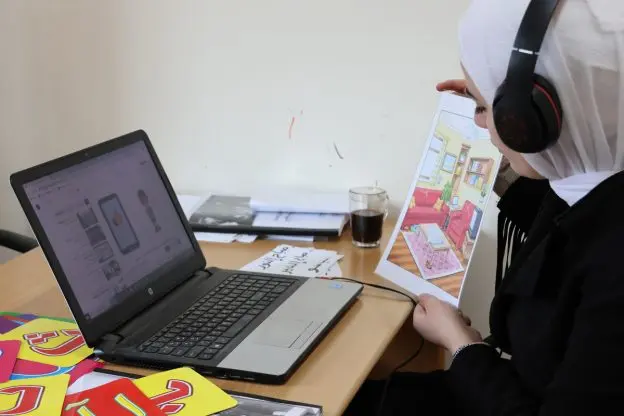
Online platforms like Kalimah Center offer structured courses tailored for kids, making learning fun and effective. Parents can also use illustrated books, Islamic apps, and engaging videos to make language learning enjoyable.
5. Encouraging Kindness: Involving Kids in Iftar Preparation for Others
One of the most rewarding Ramadan traditions is providing Iftar for others. Parents can involve their kids in preparing and distributing food to neighbors, relatives, or those in need. Simple tasks like packing dates, pouring juice, or helping arrange meal boxes instill generosity and compassion.
Encouraging children to serve family members by preparing Iftar as a surprise can also make them feel responsible and connected to the spirit of giving in Ramadan.
6. Strengthening Family Bonds: Visiting Distant Relatives
Encouraging kids to visit extended family members helps them build strong connections beyond their immediate household. Visiting grandparents, aunts, uncles, or cousins teaches them the importance of family ties (Silat al-Rahm) and fosters a sense of belonging.
These visits create cherished memories and help children grow into compassionate individuals who prioritize relationships.
7. Spreading Joy: Teaching Kids to Bring Happiness to Others
One of the simplest yet most fulfilling acts during Ramadan is making others happy. Teach kids the power of kind words, heartfelt duaa, and small gestures of generosity.
They can write thoughtful notes, share a kind word with a friend, or make duaa for a loved one. These actions nurture empathy and remind children of the beauty of spreading kindness.
8. Instilling Helpfulness: Encouraging Acts of Service
Ramadan is a great time to develop a child’s sense of responsibility and helpfulness. Assigning small chores, like setting the table for Iftar or tidying up, teaches them teamwork and gratitude.
Beyond the home, encourage them to assist those in need—whether by holding the door for someone, helping a neighbor, or supporting a community initiative. These simple habits cultivate a lifelong attitude of kindness.
9. Quran Recitation Circles: Making Quran Time Special
Arranging a daily or weekly Quran recitation circle for children during Ramadan strengthens their connection with the Quran while fostering a sense of togetherness.
Whether at home with siblings or in a small group with friends, children can take turns reciting, listening, and discussing the meanings of verses. This practice enhances their recitation skills and makes learning the Quran a joyful, shared experience.
10. Keeping Kids Organized: A Productive Muslim Ramadan Planner
A Ramadan planner helps kids stay on track with their worship and good deeds. They can jot down their fasting progress, daily prayers, acts of kindness, and Quran readings.
This small but effective habit encourages discipline and allows them to reflect on their Ramadan journey. It also serves as a beautiful keepsake to look back on in the future.
11. DIY Ramadan Countdown Calendar
Create a fun and interactive countdown calendar with small daily tasks or treats leading up to Eid. Each day could include a good deed challenge, a short Islamic lesson, or a Quran verse to memorize. This keeps kids excited and engaged throughout the month while reinforcing positive habits.
12. Acts of Gratitude Journal
Encourage kids to keep a Ramadan gratitude journal where they write down one thing they’re thankful for each day. This simple habit teaches mindfulness, contentment, and appreciation for blessings—whether it’s a loving family, delicious food, or a kind gesture from a friend.
13. Charity Jar Challenge
Set up a charity jar where kids can collect small amounts of money throughout Ramadan. They can earn it by helping around the house, doing extra chores, or even contributing their pocket money. At the end of the month, they can donate it to a charity of their choice, learning the value of giving and helping those in need.
14. Islamic Arts and Crafts
Let kids express their creativity with Ramadan-themed crafts! They can design lanterns, paint mosque silhouettes, or make decorative prayer charts. Another fun activity is creating Eid cards for friends and family, adding a personal touch to their celebrations.
15. Night Sky Gazing & Moon Phases Learning
Since Ramadan follows the lunar calendar, teaching kids about moon phases can be an exciting educational activity. Take them outside at night to observe the moon and discuss how Islamic months begin and end. You can even create a moon-tracking chart to mark changes throughout the month.

Ramadan activities for students:
There are many Ramadan activities for students that teachers can carry out with their students. Such activities are fun for both parties and educational for both parties as well.1. Ramadan activities teachers Should Practice:
Although teachers are not required to introduce Ramadan-specific activities, doing so can be incredibly beneficial. By incorporating Ramadan into lesson plans, educators can create a spiritually inspiring environment where students learn about its significance in a structured and engaging manner. Simple acts like starting the day with a motivational Ramadan story, discussing the meaning of fasting, or even organizing small charitable initiatives can leave a lasting impact on young minds. Furthermore, teachers can collaborate with parents to reinforce the values of patience, gratitude, and self-discipline at home and in the classroom. A supportive learning environment during Ramadan can make it easier for students to balance schoolwork and religious commitments. Even non-Muslim students can participate by learning about different cultures and the significance of Ramadan in Islam.2. Discussions are vital for their young minds:
Engaging students in discussions about the lives of prophets, messengers, and other pious figures mentioned in the Quran enriches their understanding of Islamic history. These conversations spark curiosity, allowing students to ask deep questions about faith, morality, and character development. Teachers can make these discussions more interactive by using storytelling, role-playing, or even creative writing exercises where students reflect on the lessons they learn. Beyond historical knowledge, discussions can also focus on the meaning behind Ramadan traditions and how they apply to daily life. Encouraging students to share personal experiences or reflections on fasting, prayer, and acts of kindness helps them internalize the values of this sacred month. When students see how Ramadan connects to their personal growth, they are more likely to embrace its teachings with enthusiasm.3. Arabic language must be on the list:
Languages can be challenging to master, but for students, learning Arabic is particularly significant because it deepens their connection with the Quran. Encouraging students to study Arabic during Ramadan can make their experience of reciting and understanding the holy text more meaningful. Teachers can incorporate Arabic vocabulary, calligraphy activities, and Quranic verses into their lessons, making the language more accessible and enjoyable. To further support students, teachers can introduce fun learning tools such as interactive apps, flashcards, or group-based learning challenges. Even small steps, such as teaching students how to correctly pronounce common Islamic phrases or their meanings, can be a great way to strengthen their linguistic and spiritual journey during Ramadan.4. A tailored schedule of Kids’ to-do-list:
Helping students create a Ramadan to-do list is an excellent way to teach them time management and goal-setting. A personalized schedule can include daily acts of worship, Quran reading goals, good deeds, and study commitments. Teachers can make this activity engaging by having students design their own Ramadan planners or journals, where they track progress and reflect on their daily experiences.5. How Kids Control their Young hearts, wild willingness:
The excitement and energy of youth are natural, but one of the greatest lessons of Ramadan is learning self-discipline and control over desires. Teachers can guide students on how to harness their enthusiasm in positive ways—whether it’s through fasting, resisting distractions, or setting personal challenges to improve their character.
Encouraging mindfulness and self-reflection helps students understand that true strength comes from patience and inner peace.
Through class discussions, role-playing scenarios, or even journaling exercises, students can explore ways to strengthen their willpower. Teaching them about the rewards of perseverance, delayed gratification, and resisting temptations will help them apply these lessons beyond Ramadan, shaping them into more focused and disciplined individuals.
Ramadan activities For toddlers:
Family members can carry out many Ramadan activities with toddlers who can’t yet participate in the fasting or praying sectors of Ramadan. Though, they can still be part of the spirituality of Ramadan by including them in simple activities.1. Have a Talk time with your toddlers:
A family member such as a loving grandparent or a sweetheart cousin can gather them around for a simple explanation of what Ramadan is and what everyone does during the month,2. Make Storytime, the younger version:
Simple stories about Allah’s messengers, and simple moral stories that instigate faith into their little innocent hearts.3. Select good Baby songs:
Religious baby songs can be fun to compose and sing along with them.🌙 Ramadan Competition 2026

🌙 Embrace Ramadan with Al-Halaqah ($19 For The Entire Month Of Ramadan)🌟

What do Muslims do during Ramadan? – Fun activities for Ramadan:
There are many fun Ramadan activities that people perform to start to build religious habits or healthy worldly habits. We would like to give you some ideas for fun activities during Ramadan, and ideas for Ramadan activities. Though there are many:-
- Arrange and organize your ideas in what we would like to call Ramadan activity sheets.
-
- There are some of those out there with cool designs.
-
- You can design your own as a psychological preparation for the holy month.