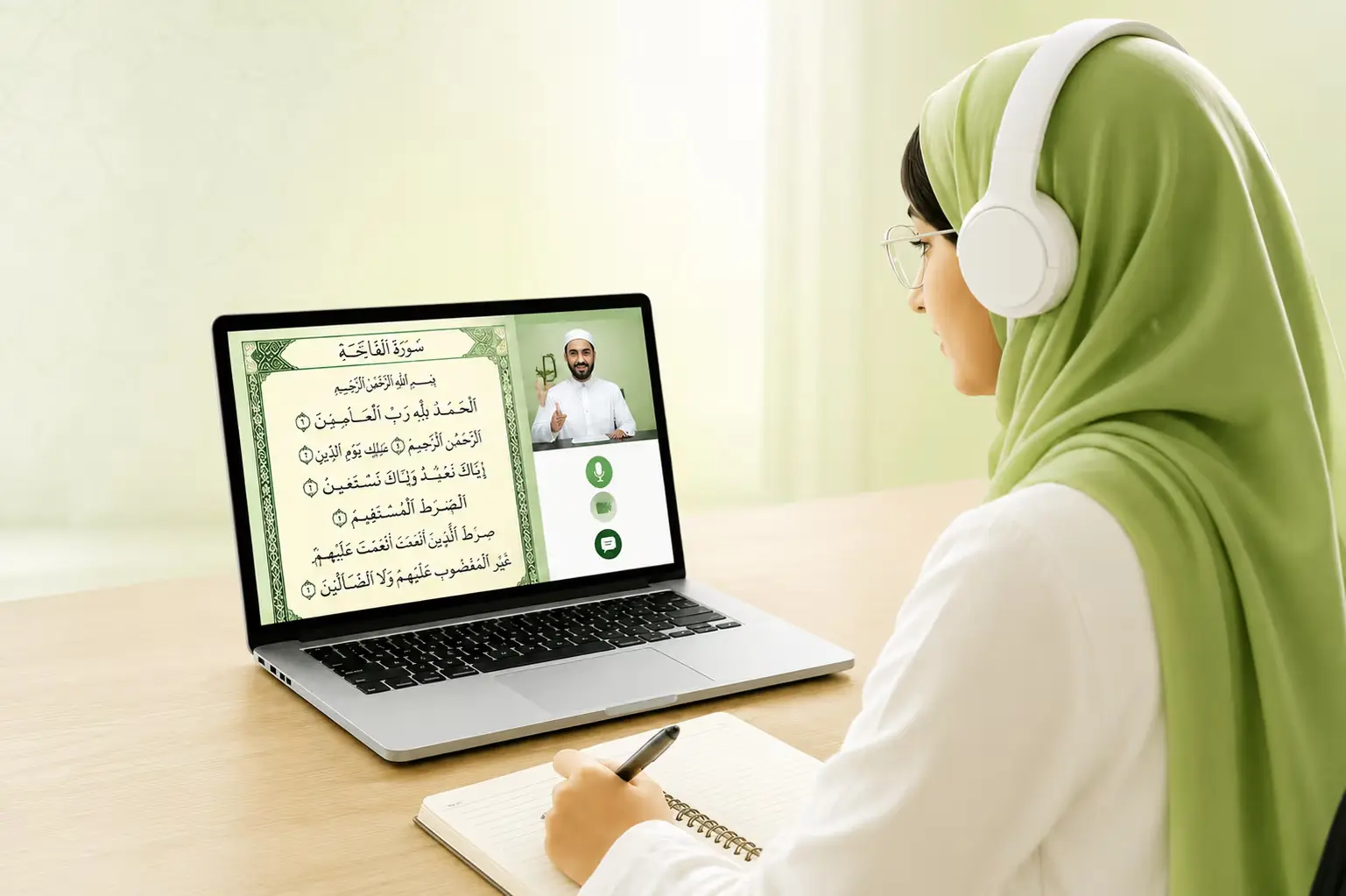
Fusha Arabic (الفصحى — Al-Fusha) means “the most eloquent Arabic” — the formal, classical standard of the Arabic language used in the Quran, literature, news media, education, and official communication across all 22 Arab countries. Fusha is the umbrella term covering both Modern Standard Arabic (MSA — the contemporary form) and Classical Arabic (the Quranic form). No Arab country speaks Fusha as a daily conversational language — spoken dialects serve that role — but all formally educated Arabic speakers understand and can use Fusha.
Key Takeaway Table:
| Question | Quick Answer |
|---|---|
| What does Fusha mean? | “The most eloquent” — formal, classical Arabic |
| Is Fusha the same as MSA? | Yes — MSA is the contemporary form of Fusha |
| Is the Quran in Fusha? | Yes — Quranic Classical Arabic is a form of Fusha |
| Do Arabs speak Fusha daily? | No — spoken dialects are used; Fusha is formal/written |
| Who speaks Fusha? | All formally educated Arabs (22 countries) |
| Which dialect is closest to Fusha? | No single dialect; Gulf and Yemeni dialects retain more classical features |
| How long to learn Fusha? | Basic proficiency: 6–12 months; full fluency: 2–4 years |
Although Allah would hear the pleas of believers in any language, and all languages are created by Allah Almighty, the Arabic language has a very distinguished status amongst other languages in Islam. You can easily learn Fusha Arabic nowadays.
This is because fundamental religious deeds such as praying will undoubtedly need some knowledge of the Arabic language. But then again, we are faced with a question: which Arabic language?
We hear of many versions of the Arabic language, and each of them is an independent entity, with some common features with the other Arabic dialects.
We have MSA (Modern Standard Arabic), Fusha Arabic, Egyptian dialect, Libyan dialect, Saudi Dialect, Palestinian dialect, Algerian dialect, and the list goes on and on…
What Is Fusha Arabic? Definition, Meaning, and Examples
Fusha Arabic is basically the standard sophisticated Arabic language that is used in formal occasions, official occasions, and prestigiously authoritative occasions.
It’s the language that was spoken during the Pre-Islamic period when language sophistication and language aesthetics was highlighted in their distinguished composition of poetry, and it’s currently the official language of many Arabic countries.
The Arabic language’s successful survival for centuries and millennia shows its alive soul, which is adaptable to when and where it is spoken; when one compares Pre-Islamic Arabic with the current standard Arabic, it has shifted and changed a lot.
To further understand what Fusha Arabic is, we need to know what it is like, and what it is not like.
How Do You Spell “Fusha” in English?
Arabic does not have a single official romanization system, which is why “Fusha” appears in many different English spellings. All of the following refer to the same Arabic word الفصحى:
| English Spelling | Notes |
|---|---|
| Fusha | Most common academic transliteration |
| Fus’ha | Reflects the hamza (glottal stop) in الفُصْحَى |
| Fuṣḥā | Formal academic transliteration with diacritics |
| Fus7a | Arabizi/Franco Arabic style — 7 represents ح |
| Fosha / Fosha | Common informal Egyptian pronunciation of الفصحى |
| Fusa | Simplified informal spelling |
| Fuhsa | Less common variant |
| Fusah / Fusaah | Attempts to capture the long vowel |
| Fasha / Fash | Informal, less accurate |
The correct Arabic: الفُصْحَى — Al-Fusha is the standard academic transliteration used in this article and throughout Arabic linguistics.
What Does الفصحى (Al-Fusha) Mean in Arabic?
الفصحى (Al-Fusha) is an Arabic adjective in the feminine superlative form, meaning “the most eloquent” or “the most articulate.”
| Component | Arabic | Meaning |
|---|---|---|
| Root | ف-ص-ح (f-s-h) | Eloquence, clarity, correct speech |
| Adjective | فَصِيح (Fasih) | Eloquent / Articulate |
| Superlative (feminine) | الفُصْحَى (Al-Fusha) | The most eloquent (feminine, referring to لغة — language) |
The full classical expression is العربية الفصحى (Al-Arabiyya Al-Fusha) — “The Eloquent Arabic” or “The Most Articulate Arabic.”
Why feminine superlative? In Arabic, لُغَة (lugha — language) is a feminine noun. All adjectives describing it must be feminine — hence الفُصْحَى (feminine) not الأَفْصَح (masculine).
Related Arabic words from the same root:
| Arabic | Transliteration | Meaning |
|---|---|---|
| فَصِيح | Fasih | Eloquent / Fluent |
| فَصَاحَة | Fasaha | Eloquence |
| أَفْصَح | Afsah | More eloquent |
| الفُصْحَى | Al-Fusha | The most eloquent (the formal language) |
| فَصُحَ | Fasuha | To be eloquent |
When an Arab says “تكلم بالفصحى” (takallam bil-Fusha) — “Speak in Fusha” — they are asking for formal, classical Arabic rather than a regional dialect.
Is Fusha the Same as MSA? The Complete Answer
Short answer: Yes — for most practical purposes, Fusha and MSA refer to the same language.
Long answer: Fusha is the broader umbrella term; MSA is the specific contemporary form.
| Term | Arabic | What It Includes | Time Period |
|---|---|---|---|
| Fusha | الفصحى | All formal Arabic — both Classical and Modern | Pre-Islamic era → present |
| Classical Arabic | العربية الكلاسيكية | The Arabic of the Quran and pre-modern texts | Pre-7th century → ~19th century |
| MSA (Modern Standard Arabic) | العربية الفصحى المعاصرة | Standardized contemporary formal Arabic | 19th century → present |
How Arab Speakers Think About This
Native Arabic speakers do not usually distinguish between “MSA” and “Classical Arabic” in everyday conversation. They call both الفصحى (Al-Fusha) — the formal language, as opposed to their dialect.
When scholars need to distinguish:
- MSA = فصحى العصر (Fusha Al-Asr) — “Contemporary Fusha”
- Classical Arabic = فصحى التراث (Fusha Al-Turath) — “Heritage Fusha”
For Learners: What This Means Practically
| If you learn… | You will be able to… |
|---|---|
| MSA (Modern Fusha) | Read newspapers, watch news, communicate formally, access modern Arabic literature |
| Classical Arabic (Old Fusha) | Read the Quran and Hadith with deeper understanding, study pre-modern Islamic scholarship |
| Both | Full access to 1,400+ years of Arabic writing and all formal modern contexts |
The grammatical rules are essentially identical between MSA and Classical Arabic. The main differences are vocabulary (some archaic terms vs. modern additions) and rhetorical style.
Fusha Arabic vs. Ammiya (Dialect): Understanding Arabic Diglossia
One of the most important concepts for Fusha learners to understand is diglossia — the co-existence of two distinct language varieties in the same speech community.
In the Arab world:
- الفصحى (Al-Fusha) = the “High” (H) register — formal, written, educated
- العامية / الدارجة (Al-Ammiya / Al-Darija) = the “Low” (L) register — spoken, informal, regional
| Feature | Fusha Arabic | Ammiya (Dialect) |
|---|---|---|
| Used in | Writing, news, education, formal speech | Daily conversation, home, markets |
| Understood by | All educated Arabs across 22 countries | Primarily the specific region |
| Grammar | Full case endings (I’rab), dual forms | Simplified, often no case endings |
| Vocabulary | Standardized, classical roots | Regional words, foreign borrowings |
| Examples | Al Jazeera newscasts, Quran, academic papers | Egyptian, Moroccan, Gulf daily speech |
What makes this remarkable: Every educated Arab operates in both registers seamlessly — switching from Fusha in a formal presentation to their regional dialect at lunch with colleagues. This code-switching is so natural that most Arabs do it unconsciously.
An example of the same meaning in both:
| Meaning | Fusha Arabic | Egyptian Ammiya | Gulf Ammiya |
|---|---|---|---|
| How are you? | كيف حالك؟ (Kayfa haluk?) | إزيك؟ (Izzayyak?) | شلونك؟ (Shloonak?) |
| I want water | أريد ماءً (Ureedu ma’an) | عايز مية (Ayyiz mayya) | أبي مي (Abi may) |
| I don’t know | لا أعرف (La a’rif) | مش عارف (Mesh ‘arif) | ما أدري (Ma adri) |
Is the Quran Written in Fusha Arabic?
Being a language of aestheticism, sophistication, and richness in meaning, the Quran is written in Fusha Arabic.
Though, being the words of Allah, there is nothing written in the same style, or will ever be written in even a similar style.
We as human beings acquire what are already existent languages and use them to convey messages, but Allah is the one who created language in the first place; thus, his words must have no similarities and no alike.
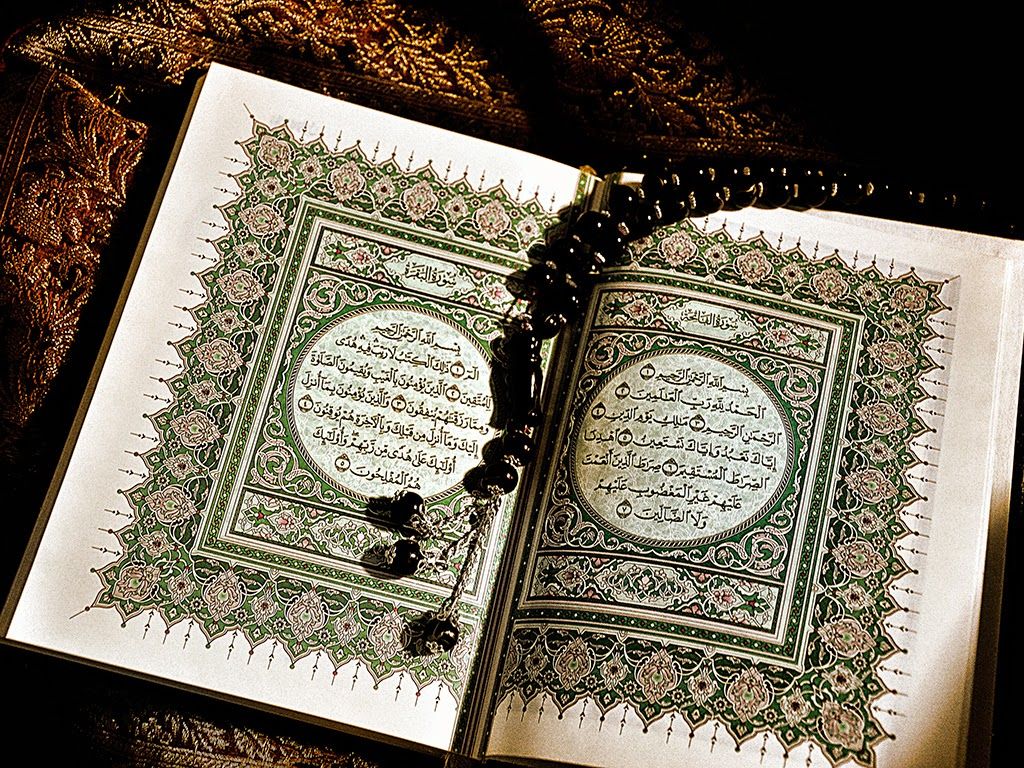
It’s from the Quran, Allah’s words, that Arabic linguists derived the grammar of standard Arabic.
How To Learn Fusha Arabic?
Languages are a tricky field of knowledge to learn; because, unlike all other fields of knowledge, it’s not about learning some information, but about training your brain to become bilingual or multilingual which is neither easy nor simple.
Bear in mind that languages are the field of knowledge that permit us, human beings, to communicate and share all other fields of knowledge.
Kalimah Center offers different educational packages and courses of different levels, which allows you the opportunity to choose what suits you best.
The courses at Kalimah Center are online, which will help you save a lot of time and effort in learning Fusha Arabic or MSA.
How Long Does It Take to Learn Fusha Arabic?
| Proficiency Level | What You Can Do | Estimated Time (1 hr/day) |
|---|---|---|
| Beginner (A1) | Read the alphabet, basic vocabulary, simple greetings | 1–3 months |
| Elementary (A2) | Read short voweled texts, basic sentences, simple conversations | 3–6 months |
| Intermediate (B1) | Read unvoweled news headlines, hold formal conversations | 6–12 months |
| Upper-Intermediate (B2) | Read newspapers, write formal emails, watch Arabic news | 1–2 years |
| Advanced (C1) | Read classical literature, academic texts, speak fluently | 2–4 years |
| Mastery (C2) | Full professional and academic fluency | 4+ years |
The FSI benchmark: The US Foreign Service Institute classifies Arabic as a Category IV language requiring approximately 2,200 class hours for English speakers to reach professional proficiency. This translates to roughly 5–6 years of structured study at typical pace — but functional Fusha reading and communication is achievable much sooner.
Key accelerating factors:
- Daily practice — even 20 minutes — beats weekly long sessions
- Live instruction with native speakers from week one
- Quranic exposure supplements MSA learning (shared vocabulary)
- Reading authentic Fusha text (news, books) daily from intermediate level
How to Learn Fusha Arabic Online: What to Look For in a Course
At Kalimah Center, our Arabic courses teach Fusha Arabic from the very beginning — using structured curricula developed by Al-Azhar trained native instructors. Our program progresses from alphabet and pronunciation through grammar, vocabulary, and reading, to formal writing and advanced comprehension.
When evaluating any Fusha Arabic online course, look for:
- Live instruction with native Arabic teachers — not just videos or apps
- Structured curriculum with clear level progression
- Grammar integration — Fusha requires explicit grammar teaching, not just conversation
- Quranic text exposure at intermediate and advanced levels
- Cultural context woven into lessons
What to Expect from a Structured Fusha Arabic Course
This Fusha Arabic online course focuses on modern standard Arabic. It is designed to take you on a learning journey from the modern standard Arabic basics to the high level of speaking, listening, writing, and reading Modern Standard Arabic efficiently and professionally. We offer engaging Fusha Arabic lessons that will amaze you.
After this Modern Standard Arabic, you may expect to be able to do the following:
Read and comprehend modern Arabic books efficiently and professionally; Be able to use the learning tools required to develop your MSA Arabic in the Future;
Have a good understanding of variant modern Arabic structures and how to extend your learning.
Tips That Will Make Learning Arabic A Lot Easier Than Expected:
To make learning Arabic easier, focus on regular reading, consistent practice with native speakers, and structured language courses. Stay patient, maintain a routine, and remember that mastering Fusha Arabic is a gradual process requiring time and dedication.

1. Reading is your magic wand:
Generally, reading helps students in acquiring languages faster and with ease; as it will keep feeding your dictionary, and will keep the language alive in your brain.
2. Practice is key:
Remember how we explained earlier that language acquisition is different from learning any other field of knowledge?! Well, the solution to taming the monster languages can be practicing.
Make a new friend, whose native language is your targeted language, and ask them to help you in your journey.
3. Language courses are the safe way out of the woods:
Although learning a language on one’s own isn’t impossible, it usually exposes one to embarrassment when they make a mistake in front of a native.
And trust me, you will make mistakes on your own; so, take the shortcut and join a course; such as the professional Arabic courses at Kalimah Center.
4. Don’t lose your fired-up spirit:
Be aware that it’s not a one-day trip, but a several-month journey, that can be time-consuming, and exhausting. But, it will definitely be fruitful and bloom beautiful flowers; so, be patient and keep going, hero.
5. The routine is your best friend in facing impatience:
How about you forget about immediate achievement; because my friend it’s a long journey, and focus on setting an unchangeable routine.
6. How long does it take to learn Fusha Arabic?
The amount of time one needs to learn Fusha Arabic differs from one to another. It depends on many factors; such as: time management, dedication, and individual priorities.
Though, the full educational program at Kalimah Center would take around 600 hours to complete with efficiency.
Fusha Arabic Words
Modern Standard Arabic (MSA), known as Fusha (الفصحى), is the formal version of Arabic used in literature, news, education, and official documents across the Arab world.
To help you get started, I’ve organized some essential Fusha words into categories.
1. Common Greetings & Social Phrases
These are the building blocks of any conversation in a formal or polite setting.
| Arabic | Transliteration | English |
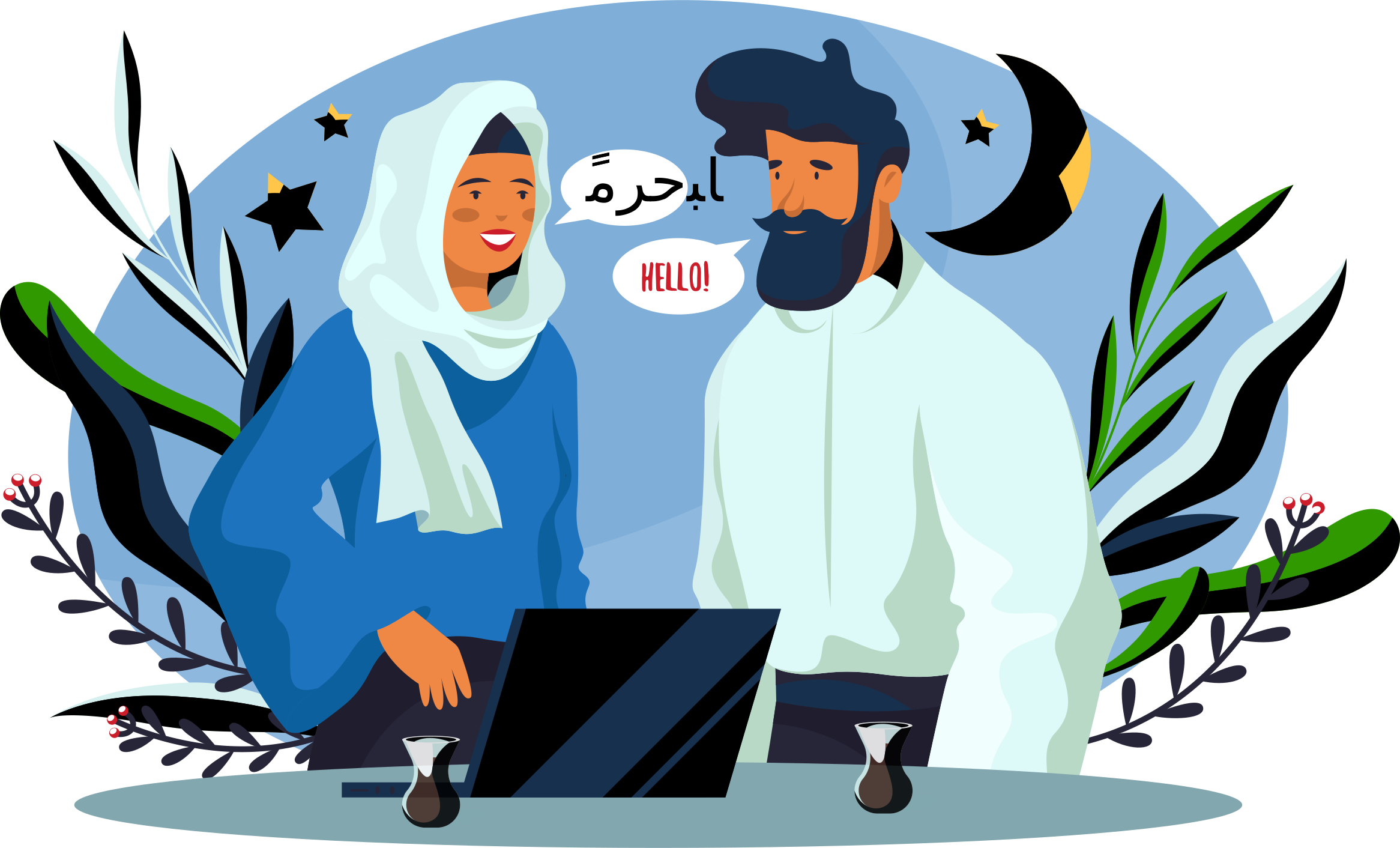
| مَرْحَبًا | Marhaban | Hello |
| السَّلامُ عَلَيْكُم | As-salaamu ‘alaykum | Peace be upon you |
| كَيْفَ حَالُكَ؟ | Kayfa haluka? | How are you? (to a male) |
| تَشَرَّفْنَا | Tasharrafna | Pleased to meet you |
| شُكْرًا جَزِيلاً | Shukran jazilan | Thank you very much |
| عَفْوًا | ‘Afwan | You’re welcome / Excuse me |
| مَعَ السَّلامَة | Ma’a as-salama | Goodbye |
2. Essential Nouns (People & Places)
Fusha is very precise with its vocabulary for daily life.
- أستاذ (Ustadh): Teacher/Professor
- طالب (Talib): Student
- جامعة (Jami’ah): University
- مكتبة (Maktaba): Library/Bookstore
- مدينة (Madina): City
- دولة (Dawla): Country/State
- صديق (Sadiq): Friend
3. High-Frequency Verbs
Verbs in Fusha change based on the subject, but here are the “root” or past tense (he) forms:
- ذَهَبَ (Dhahaba): To go
- قَرَأَ (Qara’a): To read
- كَتَبَ (Kataba): To write
- أَكَلَ (Akala): To eat
- شَرِبَ (Shariba): To drink
- تَعَلَّمَ (Ta’allama): To learn
4. Useful Connecting Words
These help bridge your thoughts together in a formal way.
- لِأَنَّ (Li’anna): Because
- لٰكِنْ (Lakin): But
- أَيْضًا (Aydan): Also
- رُبَّمَا (Rubbama): Perhaps / Maybe
Experience Kalimah Center Classes
Watch real excerpts from our live sessions at Kalimah Center and see how we bring learning to life. These clips highlight our interactive, student-centered teaching approach across all our courses—designed to keep learners engaged, motivated, and actively involved every step of the way.
Master Arabic with Kalimah Center
Join our expert-led online classes and start your journey toward Arabic fluency today.
Book Your Free TrialHow Do You Say Numbers In Fusha Arabic?
In Fusha (Modern Standard Arabic), numbers are unique because they often change based on the gender of the thing you are counting. However, if you are just counting (1, 2, 3…) or reading a phone number, you can use the standard forms.
Here is a breakdown of how to say and write numbers in Fusha.
1. Numbers 0–10
These are the foundation for all other numbers. Note that Arabic numerals (used in the Middle East) look different from Western digits.
| Number | Arabic Script | Transliteration | Pronunciation Tip |
| 0 (٠) | صِفْر | Sifr | Like “cipher” |
| 1 (١) | وَاحِد | Wahid | WAA-hid |
| 2 (٢) | اِثْنَان | Ithnan | Ith-NAAN |
| 3 (٣) | ثَلَاثَة | Thalatha | Tha-LAA-tha |
| 4 (٤) | أَرْبَعَة | Arba’a | Ar-BA-ah |
| 5 (٥) | خَمْسَة | Khamsa | KHAM-sah |
| 6 (٦) | سِتَّة | Sitta | SIT-tah |
| 7 (٧) | سَبْعَة | Sab’a | SAB-ah |
| 8 (٨) | ثَمَانِيَة | Thamaniyah | Tha-MAA-ni-yah |
| 9 (٩) | تِسْعَة | Tis’a | TIS-ah |
| 10 (١٠) | عَشَرَة | ‘Ashara | ASH-ar-ah |
2. Numbers 11–20
The numbers 11 and 12 are slightly irregular, while 13–19 follow a pattern of “Digit + Ten.”
- 11: Ahad ‘ashar (أَحَدَ عَشَرَ)
- 12: Ithna ‘ashar (اِثْنَا عَشَرَ)
- 13: Thalathata ‘ashar (ثَلَاثَةَ عَشَرَ)
- 14: Arba’ata ‘ashar (أَرْبَعَةَ عَشَرَ)
- 20: ‘Ishrun (عِشْرُون) — Pronounced: Ish-ROON
3. Counting in Tens (20–90)
To create “tens” (30, 40, 50…), you generally take the root of the single digit and add the suffix -un (or -in depending on grammar).
- 30: Thalathun (ثَلَاثُون)
- 40: Arba’un (أَرْبَعُون)
- 50: Khamsun (خَمْسُون)
- 100: Mi’ah (مِائَة) — Pronounced: MEE-yah
4. How to Form Compound Numbers (21–99)
In Arabic, you say the ones first, then the tens, connected by the word “wa” (and).
Example: 25 In English: Twenty-five In Fusha: Khamsa wa ‘ishrun (Five and twenty)
Which Countries Speak Fusha Arabic?
Many Arab countries speak Fusha Arabic or MSA, yet no countries actually speak Fusha Arabic or MSA. This puzzle of who speaks Fusha Arabic requires an explanation of how Arabs deal with the concept of language itself.

Any language should be able to function as a system for written and spoken communication, and this highly applies to Fusha Arabic; as it has an amazing, alive, and rich value in writing, and a musical effect when spoken.
Though, Arabs don’t unite their spoken system and their written system. While all Arab countries use Fusha Arabic as an official language, and make use of its written system, we scarcely use its spoken system but are able to speak it just fine..
So, in all Arab countries, where Fusha Arabic is spoken and used as an official language in formal situations, spoken colloquial dialects differ from one country to another.
You can think of the Fusha Arabic as a robe that ties all Arabs together but still allows us to shine in individuality.
Read: HOW TO LEARN ARABIC ONLINE?
Where Is Fusha Arabic Spoken?
Standard Arabic, also known as Fusha, is spoken as the official and national language in several countries in the Middle East and North Africa. The countries where Standard Arabic is spoken as a native language include:
Saudi Arabia, United Arab Emirates, Qatar, Kuwait, Bahrain, Oman, Yemen, Iraq, Syria, Jordan, Palestine, Egypt, Libya, Tunisia, Algeria, and Morocco
In these countries, Standard Arabic is the primary language used in government, education, media, and other formal settings. It is based on the Arabic of the Quran and is considered the most prestigious and formal variety of the Arabic language.
Fusha Arabic is the official language of 22 countries — all members of the Arab League. But “spoken” requires careful explanation: Fusha is the official written and formal spoken language everywhere, but not the language of daily street conversation.
Fusha is used in these contexts in all 22 countries:
| Context | Fusha Used? |
|---|---|
| Newspapers, books, academic publications | ✅ Always |
| TV news (Al Jazeera, BBC Arabic, Al Arabiya) | ✅ Always |
| School and university instruction | ✅ Always |
| Government documents and laws | ✅ Always |
| Formal speeches, parliamentary sessions | ✅ Always |
| Daily casual conversation, markets, home | ❌ Local dialects used |
The 22 Arab League countries where Fusha is official:
| Region | Countries |
|---|---|
| Gulf | Saudi Arabia, UAE, Kuwait, Qatar, Bahrain, Oman |
| Levant | Syria, Lebanon, Jordan, Palestine |
| North Africa | Egypt, Libya, Tunisia, Algeria, Morocco, Mauritania |
| East Africa | Sudan, Somalia, Djibouti, Comoros |
| Other | Iraq, Yemen |
Beyond the Arab world: Fusha is also studied formally in Indonesia, Pakistan, Malaysia, Nigeria, Turkey, Iran, and across the Muslim world for religious literacy, and in Western universities as the primary entry point to Arabic language study.
Is Modern Standard Arabic (MSA) the same as Fusha Arabic?
Yes! It’s basically the same language with the same grammar, vocabulary, and phonetic system.
The only difference lies in eloquence and aestheticism. The Fusha Arabic is far more eloquent, sophisticated, and aesthetic than the Modern Standard Arabic. So, it’s the same language but seen from a different angle.
What Are The Differences Between Msa And Quranic Arabic?
The difference between MSA and Quranic Arabic is in the form in which they are presented. Quranic classical Arabic is more common in literature and writing, while MSA is more commonly spoken. Because both are similar, with a few minor differences, most Arabs can be taught one and quickly learn the other.

When deciding whether to study Quranic or Modern Standard Arabic, evaluate why you want to learn Arabic. If you want to learn to read, write, or gain a deeper understanding of the Quran, then Quranic Arabic would be a great fit. If you’re thinking of traveling to an Arabic-speaking country or want to be fluent in speaking Arabic, Modern Standard Arabic would be the most beneficial.
With both versions of Arabic being so similar, once you master one, you’ll be able to quickly learn the other. Being fluent in Arabic has many benefits, especially for those wanting to study political science, business, linguistics, and more. It will help set you apart and open up many more career opportunities.
Do Arabs Speak Fusha With An Accent?
Now, we understand that for Arabs the language used for everyday conversions is different from the official language spoken on formal occasions, and used in writing. But what are those variations exactly?
Is it an accent, a dialect, or perhaps a completely different language?
We call a variation an accent when it differs from the official language in terms of pronunciation only, but call it a dialect when it contains new vocabulary that can’t be found in the standard language, and we count it as a different language when its grammar differs from the standard language, along with its vocabulary and pronunciation.
Actually, linguists determined that the variations are not to be named accents, but determining whether it’s a dialect or a language was and still is a bit tricky.
Though, many linguists argue the variations are different dialects; so we shall treat them as different dialects of the same language, which is in this case the Fusha Arabic.
Note: You can learn Arabic Online For Kids With Native Arab Tutors.
Which Arabic Dialect Is Closest To Fusha?
The closest Arabic dialect to Fusha is a pretty relative matter that has not been unified in opinion, as each country’s dialect will have much in common with MSA. Each dialect is developed enough; so, it’s far from being identical to Fusha, yet very similar to it.

Why Are The Arabic Subtitles In Fusha?
A valid question is why are the Arabic subtitles in Fusha instead of local dialects? The reason behind this is that Fusha is the official language in all Arab countries, which means all Arabs can understand it perfectly. On the other hand, local dialects are limited to their regions only.
So, when Arabic subtitles are written in Fusha, it guarantees a wider range of audiences.
What Is Fusha Vs Masri Arabic Grammar?
Now that we have settled all the previous issues, a very important point arises: should we learn Arabic or a local dialect such as the Masri Arabic grammar?
As explained, Fusha is the official written and sometimes spoken language in all Arab countries. On the other hand, the Masri Arabic dialect is one of the most widespread colloquial dialects of the Arabic language. It’s the Egyptian dialect, but most Arabs, regardless of their home country can understand and speak it.
Since each of them has a crucial distinct role, the decision depends on your reason behind learning the Arabic language.
If you’re learning the Arabic language; you need to be engaged with locals of an Arab country in the conversation for some economic or social reasons, for example, you should learn the local dialect of that country.
If you are learning the Arabic language for a religious reason; such as: converting to Islam, then you should learn MSA, which will greatly help you exercise all religious deeds in Islam.
Fusha Arabic Vs Saudi Arabia Arabic
Even though Saudi Arabia is small in population (About 20 millions), but there are a lot of spoken accents. And that because Saudi Arabia is very big in area.
Although there are a lot of accents but a lot of words in Fusha is still in use today by most of Arabic modern accents.
MSA is very close to spoken accents, and it’s used in all newspaper and television programs.
Inside Kalimah Center: Moments from Our Courses
Get a glimpse into the vibrant learning experience at Kalimah Center. These snapshots capture real moments from our live classes—where students engage deeply, connect with passionate instructors, and grow in a welcoming, supportive environment.
Master Arabic with Kalimah Center
Join our expert-led online classes and start your journey toward Arabic fluency today.
Book Your Free TrialHere Are The Reviews On Our Courses:
Our students frequently commend the excellence of our courses and the commitment shown by our instructors. You can read their complete reviews on Trustpilot.

🌟 Unlock Your Potential In Arabic And Quran With Kalimah Center! 🌟
Ready to deepen your connection with the Quran and enhance your understanding of Arabic? Join Kalimah Center today and embark on a transformative journey of learning and growth! Our professional, handpicked Online Arabic and Quran Tutors are dedicated to helping you master these essential skills with ease and expertise.

📚 Explore Our Courses:
Online Arabic Course: Tailored to your level, our comprehensive Arabic program includes 16 teaching levels and 400+ hours of personalized sessions.
Online Quran With Tajweed Course: Perfect for non-Arabic speakers, our course spans 13 levels and equips you with Tajweed mastery from beginner to advanced.
Online Arabic Course For Kids: Nurture your child’s love for Arabic with our engaging and structured program, available in 24 levels for primary, intermediate, and secondary stages.
💡 Why Choose Kalimah?
Expert Tutors: Learn from native Arabic speakers and Ijazah-certified teachers who prioritize your progress.
Flexible Learning: Enjoy one-on-one classes, 24/7 access to materials, and interactive exercises for a dynamic learning experience.
Comfortable Environment: Benefit from a supportive and encouraging atmosphere, where mistakes are seen as opportunities for growth.
Proven Success: With over 8,000 students worldwide and glowing testimonials, Kalimah Center is your trusted partner in Arabic and Quran education.
🚀 Start Your Free Trial Today! 🚀
Don’t miss out on this life-changing opportunity to deepen your faith and knowledge. Sign up now for your free trial and take the first step towards becoming a better practicing Muslim with Kalimah Center!
Conclusion:
Fusha Arabic, characterized by eloquence and richness, serves as the standard language for formal and official occasions, including the Quran. While all Arab countries adopt Fusha Arabic in writing, spoken dialects vary regionally, highlighting both unity and individuality among Arabs.
Learning Fusha Arabic offers access to wider audiences, making it a common choice for Arabic subtitles. While each Arabic dialect shares similarities with MSA, distinctions exist, prompting considerations for learners based on their goals. Kalimah Center provides online courses tailored to individual needs, offering efficient paths to mastering Fusha Arabic, with reading, practice, and structured learning forming essential strategies for success in this linguistic journey.
FAQs about Fusha Arabic
Q1: What does “Fusha” mean in Arabic?
الفصحى (Al-Fusha) means “the most eloquent” or “the most articulate” in Arabic. It comes from the root ف-ص-ح (f-s-h), meaning eloquence, clarity, and correct speech. When Arabs say الفصحى, they are referring to formal, classical Arabic — the elevated language of the Quran, literature, and official communication, as distinguished from everyday spoken dialects (العامية — Al-Ammiya). The full classical phrase is العربية الفصحى (Al-Arabiyya Al-Fusha) — “The Eloquent Arabic.”
Q2: Is Fusha Arabic the same as Modern Standard Arabic (MSA)?
Essentially yes — but with a nuance. Fusha is the broader umbrella term for all formal Arabic, including both Classical Arabic (the 7th-century Arabic of the Quran) and Modern Standard Arabic (the 19th-century standardized form used in contemporary media and education). Arab speakers themselves rarely distinguish between MSA and Classical Arabic — they call both “Fusha.” When distinction is needed, MSA is called فصحى العصر (Fusha Al-Asr) — “Contemporary Fusha” — and Classical Arabic is called فصحى التراث (Fusha Al-Turath) — “Heritage Fusha.”
Q3: Is the Quran written in Fusha Arabic?
Yes — the Quran is written in Classical Arabic, which is the original and most elevated form of Fusha. Specifically, Quranic Arabic represents the peak of Arabic linguistic eloquence — Arab linguists and grammarians derived the rules of Arabic grammar from the Quran itself. While Modern Standard Arabic (the contemporary form of Fusha) shares the same grammatical foundation, Quranic Arabic contains unique vocabulary, rhetorical devices, and stylistic features that go beyond everyday MSA. Learning MSA (modern Fusha) provides a strong foundation for understanding Quranic Arabic.
Q4: Which Arabic dialect is closest to Fusha?
No single dialect is universally considered “closest to Fusha” — this is debated among linguists and Arab speakers themselves. However, several observations: Gulf Arabic (particularly Saudi Hejazi and Yemeni dialects) retains some phonological features and vocabulary closer to Classical Arabic than other dialects. Levantine Arabic (Syrian, Lebanese, Jordanian) is often described as melodic and closer in pronunciation to Classical Arabic than Egyptian. Moroccan Arabic (Darija) is generally considered furthest from Fusha, due to heavy Berber and French influence. The reality is that every Arabic dialect has its own unique relationship with Fusha — sharing some features while diverging in others.
Q5: Why are Arabic subtitles in Fusha instead of dialects?
Arabic subtitles use Fusha because it is the only Arabic variety understood by educated speakers across all 22 Arab countries. A Moroccan and an Iraqi speak mutually unintelligible dialects — but both were educated in Fusha at school, both read newspapers in Fusha, and both watch news broadcasts in Fusha. Writing subtitles in Egyptian dialect would exclude educated Moroccan, Saudi, and Iraqi viewers. Writing in Moroccan Darija would exclude almost everyone outside Morocco. Fusha is the universal written standard that bridges all Arabic dialects — it is the only choice for pan-Arab media.