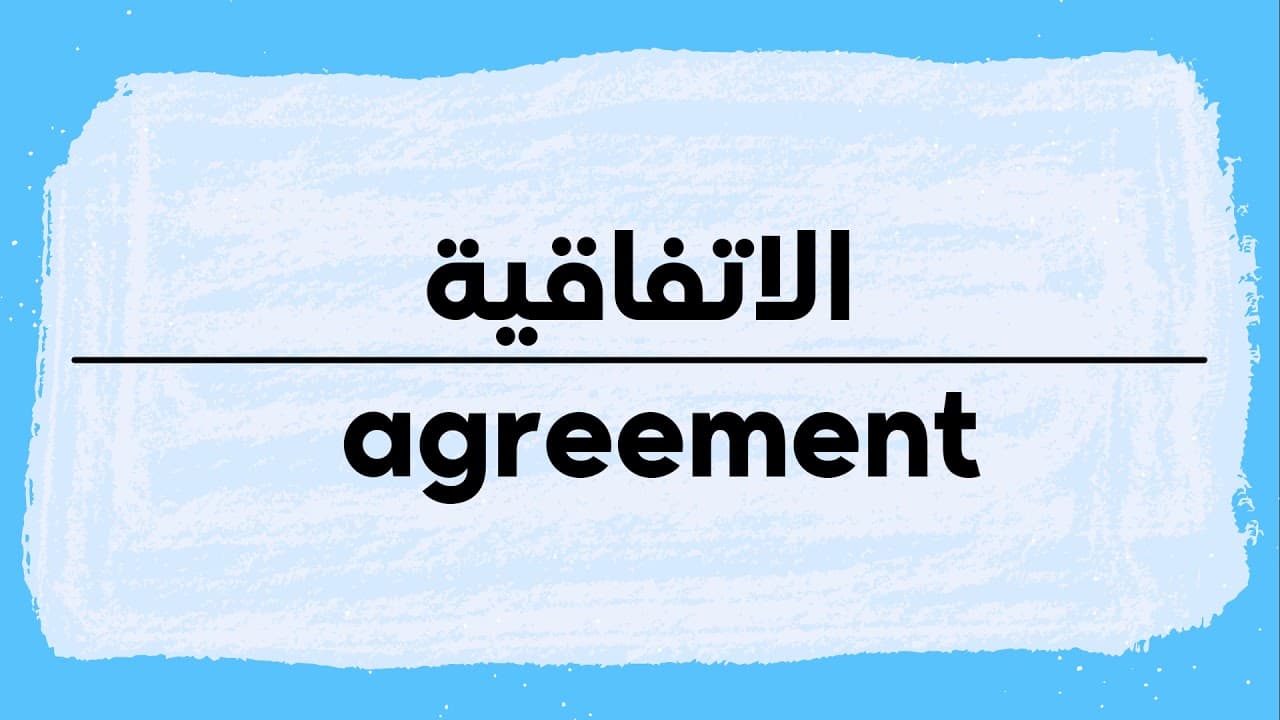
When learning Arabic, many students start with simple words like نعم meaning “yes” and لا meaning “no.” These words are important, but real Arabic conversations need more than direct answers. Native speakers use different expressions depending on the situation, the person they are speaking to, and the level of politeness they want to show.
For example, saying “yes” in Arabic can be simple, enthusiastic, formal, or hesitant. In the same way, saying “no” can be direct, polite, soft, or very strong. That is why learning common arabic expressions for agreement and common arabic expressions for Disagreement helps students speak more naturally and understand real Arabic conversations better.
In this article, you will learn the most useful Arabic expressions for agreeing, disagreeing, accepting, refusing, and responding politely in everyday situations.
Why Arabic Learners Should Study Agreement and Disagreement Expressions?
Arabic is a rich language, and meaning often depends on tone and context. A short answer may be correct, but it may not always sound natural or polite. For example, if someone invites you to dinner and you only say لا “no,” the answer may sound too cold. A better response would be لا، شكرًا meaning “No, thank you,” or أعتذر، لا أستطيع meaning “I’m sorry, I can’t.”
The same applies to agreement. If someone gives a good idea, saying نعم “yes” is correct, but saying فكرة ممتازة “excellent idea” sounds warmer and more natural.
By studying common arabic expressions for agreement, learners can show support, interest, and approval. By studying common arabic expressions for Disagreement, they can refuse or disagree without sounding rude.
Common Arabic Expressions for Agreement in Daily Conversation
There are many ways to agree in Arabic. Some are formal, while others are casual and used in everyday speech.
نعم — Yes
نعم is the standard Arabic word for “yes.” It is clear, correct, and suitable for formal situations.
Example:
هل توافق على هذا الرأي؟
Do you agree with this opinion?
نعم، أوافق.
Yes, I agree.
This expression is useful in formal Arabic, interviews, classrooms, and written conversations.
أجل — Yes / Indeed
أجل also means “yes,” but it sounds more formal or literary than نعم. You may hear it in formal speech, books, or classical-style conversations.
Example:
هل هذا هو القرار النهائي؟
Is this the final decision?
أجل، هذا هو القرار النهائي.
Yes, this is the final decision.
بالطبع / طبعًا — Of Course
بالطبع and طبعًا both mean “of course.” بالطبع is more formal, while طبعًا is very common in daily speech.
Example:
هل يمكنني الاتصال بك لاحقًا؟
Can I call you later?
طبعًا، لا مشكلة.
Of course, no problem.
This is one of the most useful common arabic expressions for agreement because it sounds natural and friendly.
بالتأكيد — Certainly
بالتأكيد means “certainly” or “definitely.” It shows strong agreement and confidence.
Example:
هل يمكننا الاعتماد عليك؟
Can we depend on you?
بالتأكيد.
Certainly.
This expression is suitable for professional, academic, and formal conversations.
Expressions That Show Strong Agreement in Arabic
Sometimes, you do not only want to agree. You want to show that you really like the idea or fully support it. In these situations, Arabic has many strong agreement expressions.
فكرة ممتازة — Excellent Idea
فكرة ممتازة means “excellent idea.” It is used when someone suggests something good and you want to encourage them.
Example:
ما رأيك أن نبدأ الدرس الآن؟
What do you think about starting the lesson now?
فكرة ممتازة.
Excellent idea.
أنا معك تمامًا — I Completely Agree With You
أنا معك تمامًا literally means “I am completely with you.” In meaning, it is close to “I completely agree with you.”
Example:
تعلم اللغة يحتاج إلى ممارسة يومية.
Learning a language needs daily practice.
أنا معك تمامًا.
I completely agree with you.
This expression is common in discussions and debates.
أتفق معك تمامًا — I Fully Agree With You
أتفق معك تمامًا is a direct and polite way to say “I fully agree with you.”
Example:
أتفق معك تمامًا في هذه النقطة.
I fully agree with you on this point.
This phrase is one of the best common arabic expressions for agreement for learners who want to sound respectful and fluent.
Partial Agreement: When You Agree, But Not Completely
In real conversations, people do not always agree completely. Sometimes they agree with part of an idea but disagree with another part. Arabic has useful expressions for this balanced response.
أتفق معك جزئيًا — I Partly Agree With You
This expression means that you agree with some of what the person said, but not everything.
Example:
أتفق معك جزئيًا، لكن هناك جانب آخر للموضوع.
I partly agree with you, but there is another side to the topic.
This is very useful in discussions because it keeps the conversation polite.
إلى حد ما — To Some Extent
إلى حد ما means “to some extent.” It shows limited or cautious agreement.
Example:
هل توافق على هذا القرار؟
Do you agree with this decision?
إلى حد ما.
To some extent.
كلامك صحيح، لكن… — What You Said Is Correct, But…
This phrase is common when someone wants to agree first and then add a different opinion.
Example:
كلامك صحيح، لكن التطبيق صعب.
What you said is correct, but applying it is difficult.
These expressions make common arabic expressions for agreement more flexible because they allow the speaker to agree without accepting everything.
Common Arabic Expressions for Disagreement in Direct Situations
Disagreement is not always negative. Sometimes you need to say clearly that you do not agree with an idea, opinion, or decision. Arabic has direct expressions for this.
لا — No
لا means “no.” It is the simplest Arabic word for refusal or disagreement.
Example:
هل تريد القهوة؟
Do you want coffee?
لا.
No.
Although this answer is correct, it can sound too direct in some social situations. It is often better to say لا، شكرًا meaning “No, thank you.”
كلا — No / Absolutely Not
كلا is a strong and formal word for “no.” It is often used in formal Arabic or strong responses.
Example:
هل تقبل هذا التصرف؟
Do you accept this behavior?
كلا، لا أقبله.
No, I do not accept it.
لا أوافق — I Do Not Agree
لا أوافق means “I do not agree.” It is clear, direct, and useful in discussions.
Example:
لا أوافق على هذا القرار.
I do not agree with this decision.
This is one of the most important common arabic expressions for Disagreement because it is direct but still respectful.
Polite Arabic Expressions for Refusing a Request
In Arabic culture, politeness is very important, especially when refusing a request or invitation. Instead of saying “no” directly, speakers often use softer expressions.
أعتذر، لا أستطيع — I’m Sorry, I Can’t
This is one of the most polite ways to refuse.
Example:
هل يمكنك الحضور غدًا؟
Can you attend tomorrow?
أعتذر، لا أستطيع.
I’m sorry, I can’t.
للأسف، لن أتمكن من ذلك — Unfortunately, I Will Not Be Able To
This phrase is more formal and is often used in emails, work situations, or professional conversations.
Example:
للأسف، لن أتمكن من حضور الاجتماع.
Unfortunately, I will not be able to attend the meeting.
أقدّر طلبك، لكن… — I Appreciate Your Request, But…
This is a respectful way to refuse while showing appreciation.
Example:
أقدّر طلبك، لكنني لا أستطيع المساعدة الآن.
I appreciate your request, but I cannot help right now.
These polite forms are essential common arabic expressions for Disagreement because they help learners refuse without sounding rude.
Read also: Arabic Bakery Vocabulary
Master Arabic Online with Confidence
If you want to learn Arabic in a structured and flexible way from anywhere in the world, the Online Arabic Course at Kalimah Center is built to help you achieve real progress. The program is designed to guide learners step by step, starting from the fundamentals and moving toward confident, natural communication. With experienced teachers and interactive lessons, you don’t just study Arabic—you practice it in real conversations.
At Kalimah Center, the online course focuses on developing all core language skills: speaking, listening, reading, and writing. Lessons are adapted to your level and learning pace, making it suitable for beginners and advanced students alike. The goal is to help you use Arabic naturally in everyday situations with clarity and confidence.
Start your journey today with the Online Arabic Course at Kalimah Center and take your Arabic skills to the next level.
Experience Kalimah Center Classes
Watch real excerpts from our live sessions at Kalimah Center and see how we bring learning to life. These clips highlight our interactive, student-centered teaching approach across all our courses—designed to keep learners engaged, motivated, and actively involved every step of the way.
Master Arabic with Kalimah Center
Join our expert-led online classes and start your journey toward Arabic fluency today.
Book Your Free TrialHow to Disagree With an Opinion Politely in Arabic?
Disagreeing with an opinion is different from refusing a request. When you disagree with someone’s idea, it is better to show respect before giving your different view.
أرى الأمر بطريقة مختلفة — I See It Differently
This is a soft and polite way to disagree.
Example:
أفهم وجهة نظرك، لكنني أرى الأمر بطريقة مختلفة.
I understand your point of view, but I see it differently.
لا أتفق معك تمامًا — I Do Not Completely Agree With You
This phrase is softer than saying لا أوافق directly.
Example:
لا أتفق معك تمامًا في هذه النقطة.
I do not completely agree with you on this point.
قد يكون كلامك صحيحًا، ولكن… — What You Said May Be Correct, But…
This expression is useful when you want to avoid rejecting someone’s opinion completely.
Example:
قد يكون كلامك صحيحًا، ولكننا نحتاج إلى معلومات أكثر.
What you said may be correct, but we need more information.
These examples show how common arabic expressions for Disagreement can be respectful and diplomatic.
Common Spoken Arabic Expressions for Agreement
In daily conversation, native speakers often use casual expressions instead of formal Arabic. These expressions may change from one dialect to another, but many are widely understood.
أيوه — Yes
أيوه is very common in Egyptian Arabic and other dialects. It means “yes.”
Example:
هتيجي معانا؟
Are you coming with us?
أيوه.
Yes.
ماشي — Okay
ماشي means “okay” or “fine.” It is used to accept a suggestion or plan.
Example:
نقابل بعض الساعة خمسة؟
Shall we meet at five?
ماشي.
Okay.
تمام — Great / Okay
تمام means “okay,” “great,” or “all good.”
Example:
نبدأ بكرة؟
Shall we start tomorrow?
تمام.
Great.
أكيد — Sure
أكيد means “sure” or “definitely.”
Example:
هتساعدني؟
Will you help me?
أكيد.
Sure.
These spoken phrases are very useful common arabic expressions for agreement for students who want to understand everyday Arabic.
Common Spoken Arabic Expressions for Disagreement
Spoken Arabic also has many simple ways to refuse or disagree. These expressions are common in daily life.
لأ — No
لأ is the spoken form of لا in many dialects.
Example:
هتشرب شاي؟
Will you drink tea?
لأ، شكرًا.
No, thank you.
مش هينفع — It Won’t Work / It’s Not Possible
This is common in Egyptian Arabic and means that something is not possible or not suitable.
Example:
ينفع نتقابل النهارده؟
Can we meet today?
مش هينفع.
It won’t work.
صعب — Difficult
صعب means “difficult,” but in conversation it can be used as a soft refusal.
Example:
ممكن تخلص الشغل الليلة؟
Can you finish the work tonight?
صعب.
Difficult.
معلش، مش هقدر — Sorry, I Won’t Be Able To
This is a polite spoken refusal.
Example:
هتيجي معانا؟
Will you come with us?
معلش، مش هقدر.
Sorry, I won’t be able to.
These casual phrases are practical common arabic expressions for Disagreement because they appear often in real conversations.
How to Choose the Right Expression?
Choosing the right expression depends on the situation. In formal settings, use phrases like نعم, بالتأكيد, لا أوافق, and أعتذر، لا أستطيع. These sound respectful and clear.
In casual settings, you can use spoken expressions like أيوه, ماشي, تمام, لأ, and مش هينفع. These sound more natural with friends, family, and people you know well.
You should also think about how strong your response is. If you strongly agree, use أتفق معك تمامًا. If you partly agree, use أتفق معك جزئيًا. If you politely refuse, use أعتذر، لا أستطيع. If you strongly disagree, use لا أوافق or هذا مرفوض.
Learning common arabic expressions for agreement and common arabic expressions for Disagreement gives you more control over your tone and helps you sound more fluent.
Short Dialogues Using Agreement and Disagreement
Dialogue 1: Agreement
Ali: ما رأيك أن نبدأ الدرس الآن؟
What do you think about starting the lesson now?
Omar: فكرة ممتازة.
Excellent idea.
Ali: هل أنت جاهز؟
Are you ready?
Omar: بالتأكيد.
Certainly.
Dialogue 2: Polite Refusal
Sara: هل يمكنك الحضور الليلة؟
Can you attend tonight?
Mona: أعتذر، لا أستطيع. لدي موعد آخر.
I’m sorry, I can’t. I have another appointment.
Sara: لا مشكلة.
No problem.
Mona: شكرًا لتفهمك.
Thank you for understanding.
Dialogue 3: Polite Disagreement
Khalid: أعتقد أن تأجيل المشروع أفضل.
I think postponing the project is better.
Hassan: أفهم وجهة نظرك، لكنني لا أتفق معك تمامًا.
I understand your point of view, but I do not completely agree with you.
Khalid: لماذا؟
Why?
Hassan: لأن التأجيل قد يسبب مشكلة أكبر.
Because postponing may cause a bigger problem.
Read also: Snack Vocabulary In Arabic
Common Mistakes Arabic Learners Should Avoid
One common mistake is using لا alone in every situation. Although it means “no,” it may sound too direct. Instead, learners should use expressions like لا، شكرًا, أعتذر، لا أستطيع, or للأسف، لن أتمكن من ذلك.
Another mistake is using strong agreement when you are not fully sure. If you are not completely confident, do not say بالتأكيد. Instead, say ربما, إلى حد ما, or أحتاج إلى التفكير.
Learners should also understand the difference between لا أوافق and لا أستطيع. لا أوافق is used for opinions and decisions. لا أستطيع is used when you are unable to do something.
Example:
لا أوافق على هذا القرار.
I do not agree with this decision.
لا أستطيع حضور الاجتماع.
I cannot attend the meeting.
Inside Kalimah Center: Moments from Our Courses
Get a glimpse into the vibrant learning experience at Kalimah Center. These snapshots capture real moments from our live classes—where students engage deeply, connect with passionate instructors, and grow in a welcoming, supportive environment.
Here Are The Reviews On Our Courses:
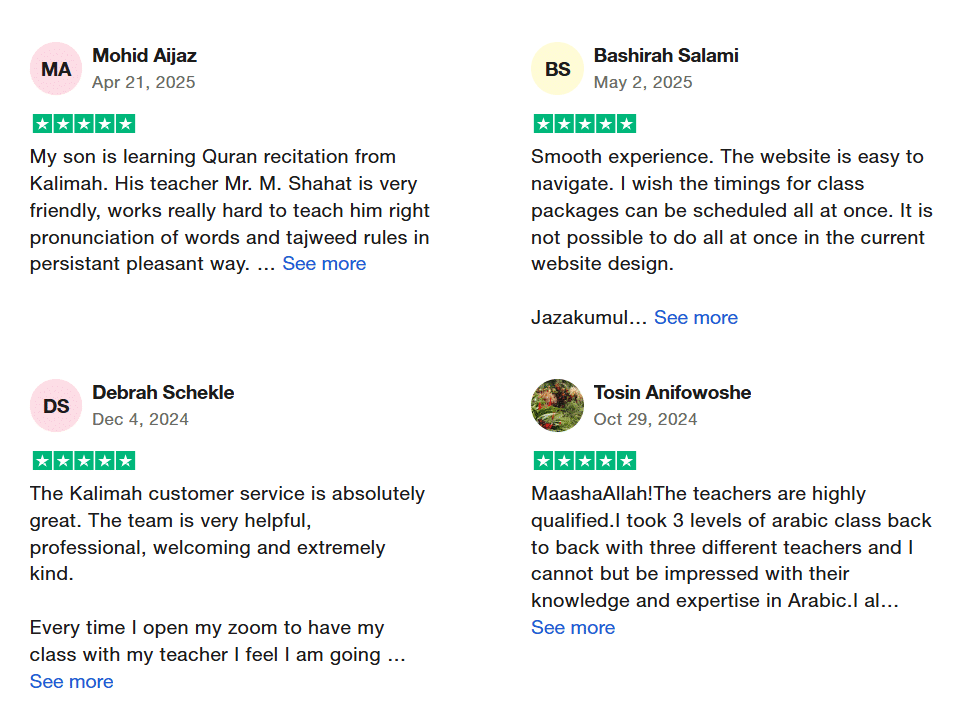
Our students frequently commend the excellence of our courses and the commitment shown by our instructors. You can read their complete reviews on Trustpilot.
Read more reviews on Trustpilot
Learn Arabic Naturally with Kalimah Center
If you want to go beyond memorizing words and truly speak Arabic like native speakers, structured learning is the key. At Kalimah Center, you will find courses designed to help you understand real-life expressions, improve your speaking skills, and use Arabic confidently in everyday conversations. Whether you are a beginner or looking to refine your fluency, the center provides guided learning that matches your level and goals.
What makes learning easier at Kalimah Center is the focus on practical usage, not just theory. You don’t only learn rules—you practice how native speakers actually talk, including agreement, disagreement, and polite communication in different situations. This approach helps you sound more natural and understand Arabic as it is truly spoken.
Start your Arabic learning journey today with Kalimah Center and take your communication skills to the next level.
📚 Explore Our Courses:
Online Arabic Course: Tailored to your level, our comprehensive Arabic program includes 16 teaching levels and 400+ hours of personalized sessions.
Online Quran With Tajweed Course: Perfect for non-Arabic speakers, our course spans 13 levels and equips you with Tajweed mastery from beginner to advanced.
Online Arabic Course For Kids: Nurture your child’s love for Arabic with our engaging and structured program, available in 24 levels for primary, intermediate, and secondary stages.
🚀 Start Your Free Trial Today! 🚀
Don’t miss out on this life-changing opportunity to deepen your faith and knowledge. Sign up now for your free trial and take the first step towards becoming a better practicing Muslim with Kalimah Center!
Master Arabic with Kalimah Center
Join our expert-led online classes and start your journey toward Arabic fluency today.
Book Your Free TrialConclusion
Arabic has many ways to express agreement and disagreement. Instead of only using نعم and لا, learners should understand the different levels of meaning behind each expression. Some phrases show strong agreement, others show partial agreement, polite refusal, or respectful disagreement.
By learning common arabic expressions for agreement, you can support ideas, accept invitations, and respond positively in a natural way. By learning common arabic expressions for Disagreement, you can refuse requests, disagree with opinions, and express your view without sounding rude.
The more you practice these expressions in real conversations, the more natural your Arabic will become. With time, you will know when to say بالتأكيد, when to say أعتذر، لا أستطيع, and when to use softer expressions like إلى حد ما or أرى الأمر بطريقة مختلفة.
FAQ About Arabic Agreement and Disagreement Expressions
What is the most common Arabic expression for agreement?
The most common formal expression is نعم, but in daily speech, people often use أيوه, تمام, ماشي, and أكيد. These are common arabic expressions for agreement that learners hear often in real conversations.
What is the best polite Arabic expression for disagreement?
A good polite expression is لا أتفق معك تمامًا, which means “I do not completely agree with you.” Another useful phrase is أرى الأمر بطريقة مختلفة, meaning “I see it differently.”
How do I refuse politely in Arabic?
You can say أعتذر، لا أستطيع, meaning “I’m sorry, I can’t,” or للأسف، لن أتمكن من ذلك, meaning “Unfortunately, I will not be able to.”
Are spoken Arabic expressions different from formal Arabic?
Yes. Formal Arabic uses expressions like نعم, بالتأكيد, and لا أوافق. Spoken Arabic often uses phrases like أيوه, ماشي, تمام, لأ, and مش هينفع.
Why should I learn both agreement and disagreement expressions?
Because real conversations require more than simple yes-or-no answers. Learning common arabic expressions for Disagreement helps you refuse, object, or express a different opinion politely and clearly.