Arabic immersion programs are the fastest route to real fluency in Arabic — but only when you choose the right format for your level, goal, and schedule.
Whether you’re a complete beginner or a B1 learner ready to push toward advanced reading and conversation, the program you pick will either accelerate your progress or stall it.
This guide covers how immersion works, which programs lead the field, how to evaluate your options, and — critically — what to do if traveling to an Arabic-speaking country isn’t on the table right now.
What You’ll Learn in This Article?
- What Arabic immersion programs actually are and why they work.
- The leading in-country programs for cultural and academic immersion.
- The best Arabic immersion programs online for adults who can’t relocate.
- Free and affordable options worth your time.
- How to match a program to your current level.
- What separates a strong immersion program from a disappointing one.
What Arabic Immersion Programs Are — and Why They Accelerate Fluency?
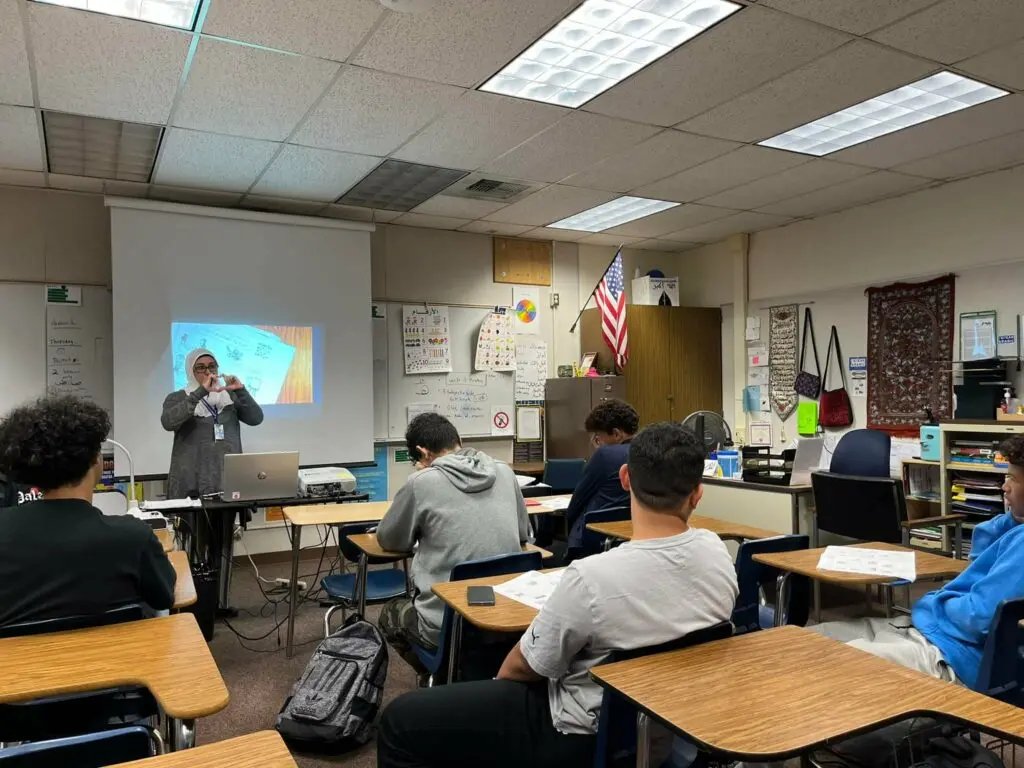
Arabic immersion programs are structured learning experiences in which Arabic is the exclusive or dominant medium of instruction, communication, and daily interaction.
Rather than studying Arabic as a subject for a few hours a week, learners are placed — physically or digitally — inside an Arabic-speaking environment where the language becomes the tool for navigating everyday life.
The mechanism behind immersion is well-established in language acquisition research. When learners are forced to use a language for real purposes — asking directions, following a lecture, negotiating in a market — their brains process vocabulary and grammar as functional tools rather than abstract rules. Three outcomes follow consistently:
- Retention improves.
- Response times drop.
- Fear of speaking dissolves faster than in any classroom setting.
The key variable is intensity. Studies show that the most effective Arabic immersion programs typically provide learners with at least four hours of daily exposure and interaction with the language. Programs that fall below this threshold tend to produce classroom learners, not communicators.
The Best Arabic Immersion Programs In-Country
For learners who can travel, in-country immersion remains the gold standard.
These programs combine structured instruction with unscripted daily practice — conversations with shopkeepers, navigating transit, attending cultural events — that no online environment fully replicates.
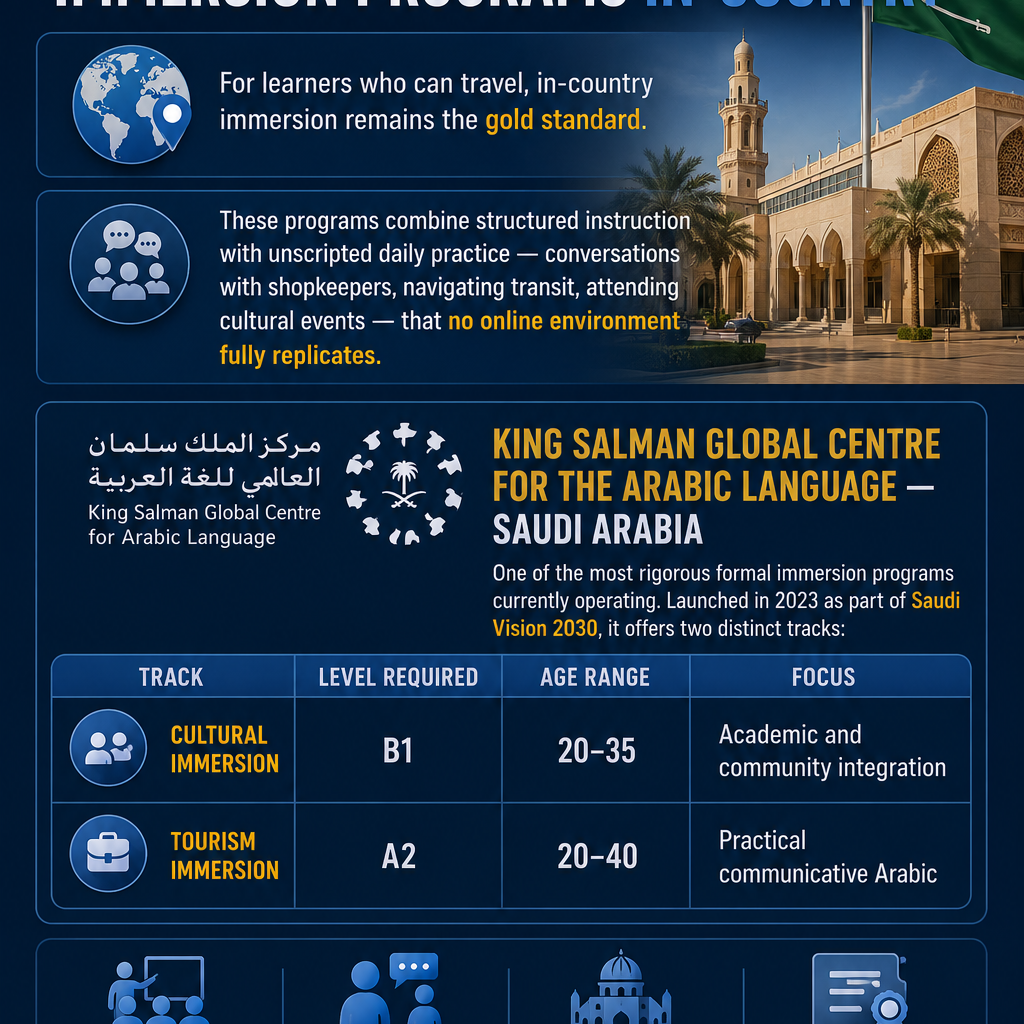
The King Salman Global Academy for Arabic Language
One of the most rigorous formal immersion programs currently operating. Launched in 2023 as part of Saudi Vision 2030, it offers two distinct tracks:
| Track | Level Required | Age Range | Focus |
| Cultural Immersion | B1 | 20–35 | Academic and community integration |
| Tourism Immersion | A2 | 20–40 | Practical communicative Arabic |
Both tracks share the following structure:
- 8 weeks duration.
- 4 contact hours daily, delivered in-person.
- Participants drawn from 34 countries.
- Field visits to historical and cultural sites.
- Family hosting stays.
- Regional travel to experience linguistic variation.
- Certificate of completion upon finishing.
Admission requirements:
- Valid passport with 6+ months remaining.
- Active health insurance.
- Recent CV.
- Academic transcripts.
The family hosting component in particular is where participants report the most significant spoken Arabic gains — community immersion, not just classroom immersion, is built into the curriculum design.
The Arabic Language Intensive (ALIN) — American University in Cairo, Egypt
AUC’s ALIN program offers 20–25 contact hours per week, combining Modern Standard Arabic instruction with Egyptian dialect exposure in a university setting inside Cairo. Key features:
- Daily interaction with Egyptian society — one of the most Arabic-saturated urban environments in the world.
- Proximity to Al-Azhar for learners focused on Quranic or classical Arabic.
- University campus setting with access to Egyptian student life.
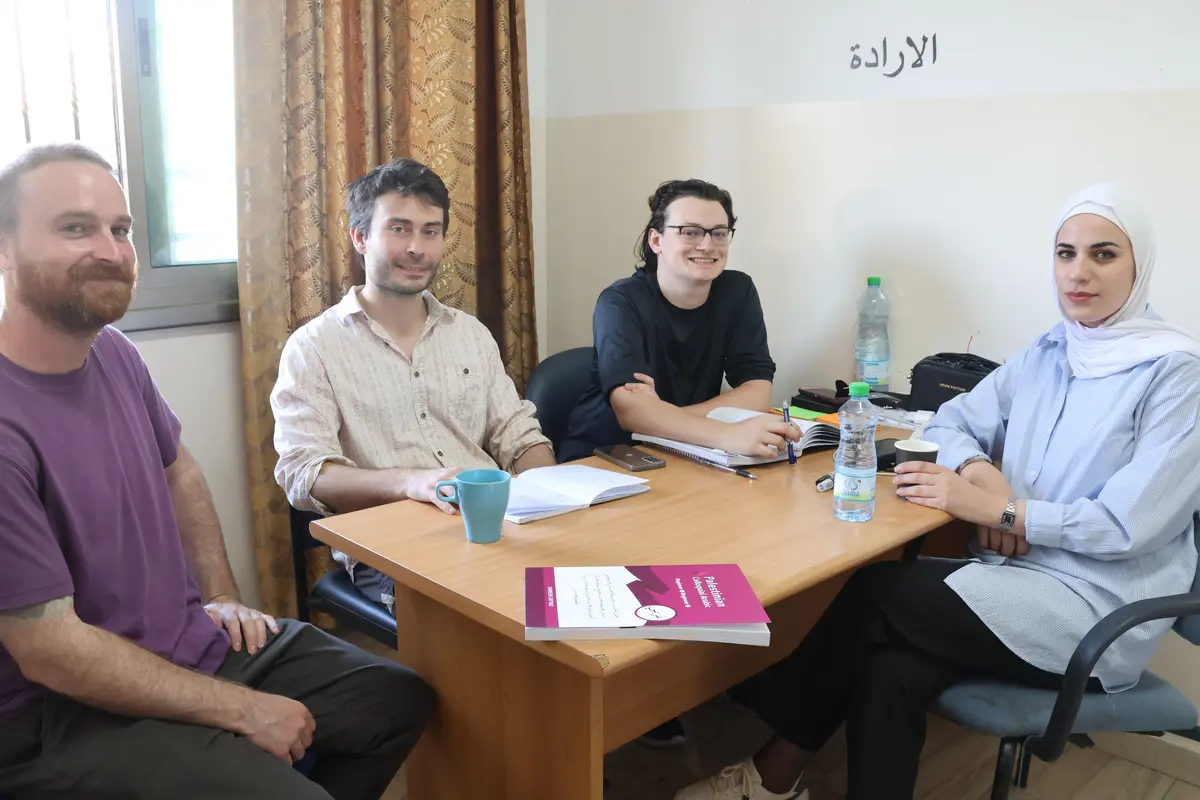
Linguistic and Cultural Immersion Program — An-Najah National University, Palestine
An-Najah’s program prioritizes one-on-one and small-group interaction with local community members. What distinguishes it from standard classroom programs:
- Learners participate in community activities, not just attend lectures about them.
- Deliberately avoids the “tourist in a classroom” model.
- Palestinian daily life is the learning environment, not a backdrop to it.
The Best Arabic Immersion Programs Online for Adults
Not every adult learner can relocate for eight weeks. Visa restrictions, work commitments, family responsibilities, and cost make in-country programs inaccessible for many serious learners.
Online immersion has matured significantly — done correctly, it produces measurable fluency gains that rival in-person programs.
One distinction matters before choosing: watching YouTube videos in Arabic is passive exposure, not immersion. Genuine online immersion requires three components:
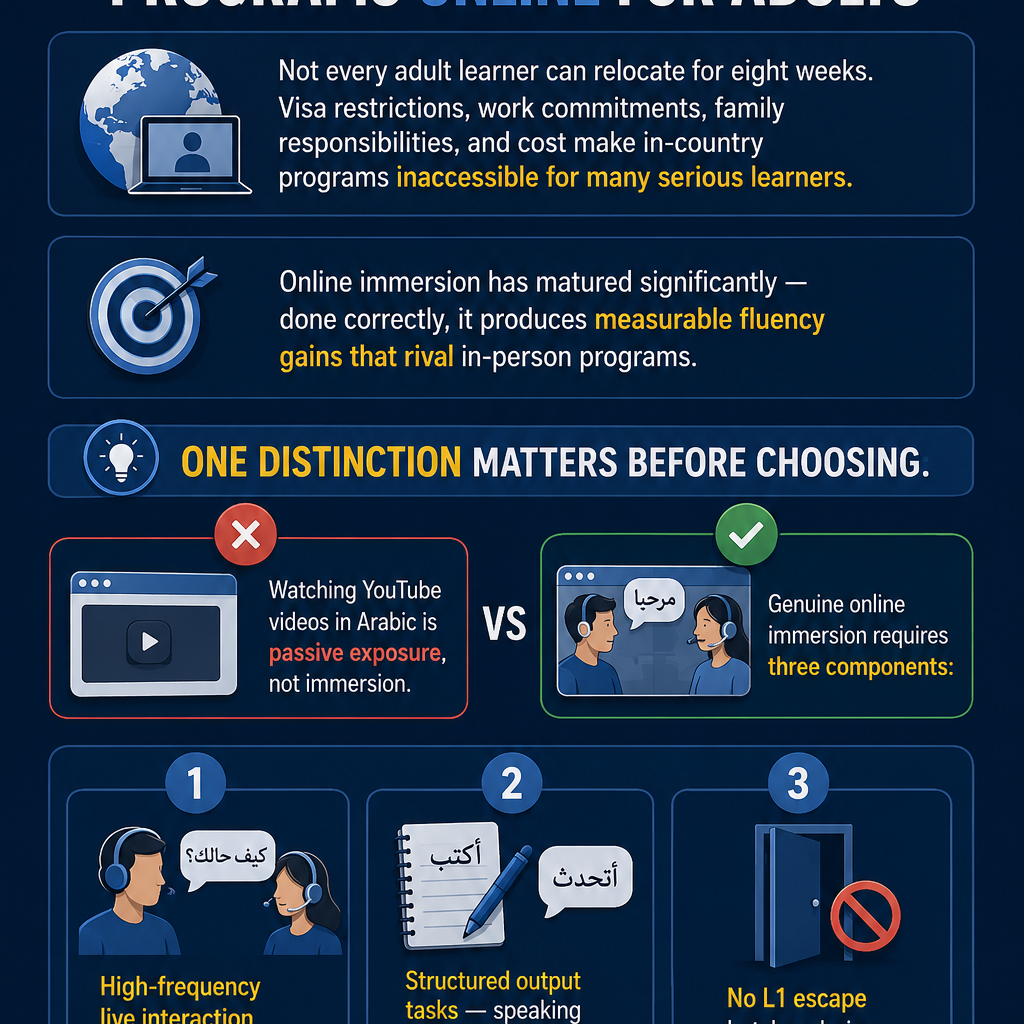
- High-frequency live interaction with a native speaker.
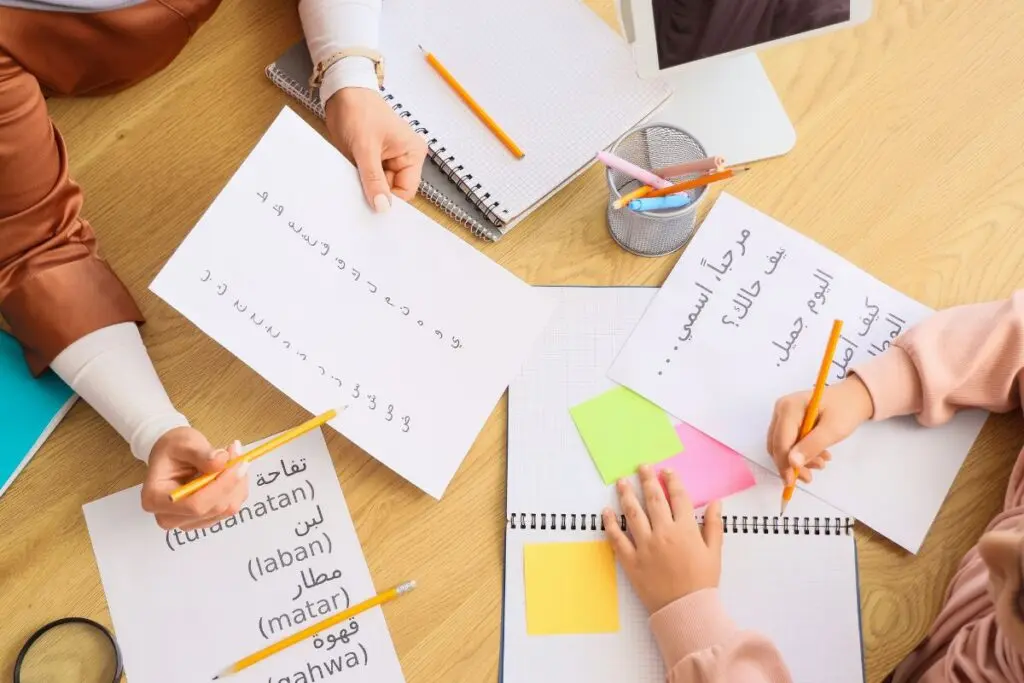
- Structured output tasks — speaking and writing in Arabic, not about Arabic.
- No L1 escape hatches during sessions.
Read also: Is Arabic A Phonetic Language? A Complete Beginner’s Guide
Experience Kalimah Center Classes
Watch real excerpts from our live sessions at Kalimah Center and see how we bring learning to life. These clips highlight our interactive, student-centered teaching approach across all our courses—designed to keep learners engaged, motivated, and actively involved every step of the way.
Master Arabic with Kalimah Center
Join our expert-led online classes and start your journey toward Arabic fluency today.
Book Your Free TrialWhat Makes an Online Arabic Immersion Program Effective?
The programs worth your time share features that weaker platforms consistently omit:
| Feature | Why It Matters |
| Daily speaking practice with real-time correction | Recorded videos cannot tell you your pronunciation of ع is unclear. A live instructor can. |
| Leveled input (i+1) | Exposing a beginner to unmodified native-speed Arabic produces confusion, not acquisition |
| Accountability structure | Scheduled sessions with a human teacher who notices absence produce far better completion rates than self-paced apps |
Free Arabic Immersion Programs Online
Fully free programs with structured curriculum depth are rare, but several resources offer legitimate immersion value at no cost:
- YouTube immersion channels — useful when used strategically, not passively. The step most learners skip: pause, produce the sentence yourself, then compare. Passive watching alone is not immersion.
- Language exchange partners — free conversation immersion through platforms connecting you with native Arabic speakers. Quality varies; best used as a supplement to structured instruction, not a replacement.
- Al-Kitaab companion resources — the standard Arabic curriculum used by universities across the US and UK, with free companion audio and open digital materials for structured listening practice.
For adults who need a cost-effective starting point, combining free resources with two or three live sessions per week with a qualified instructor delivers far more than free resources alone.
How to Choose the Right Arabic Immersion Program for Your Level?
Most guides list programs without explaining which level should attend which. Here is a straightforward decision framework:
| Your Level | What You Need | Recommended Entry Point |
| A1–A2 (Beginner) | Immersion with L1 scaffolding — some English explanation alongside Arabic-dominant interaction. Full immersion without metalinguistic support produces frustration, not fluency. | King Salman Tourism Track — one of the few formal programs accessible at A2 |
| B1 (Intermediate) | Higher immersion intensity — four hours of daily Arabic-only instruction is manageable and will produce rapid gains in conversational confidence and grammatical accuracy | King Salman Cultural Track — requires B1 as minimum entry |
| B2 and above (Advanced) | Minimal scaffolding, maximum authentic interaction — media consumption, academic readings, debates, professional conversations. Standard programs may feel too slow. | Specialized advanced tracks or professional Arabic programs |
Inside Kalimah Center: Moments from Our Courses
Get a glimpse into the vibrant learning experience at Kalimah Center. These snapshots capture real moments from our live classes—where students engage deeply, connect with passionate instructors, and grow in a welcoming, supportive environment.
Here Are The Reviews On Our Courses:
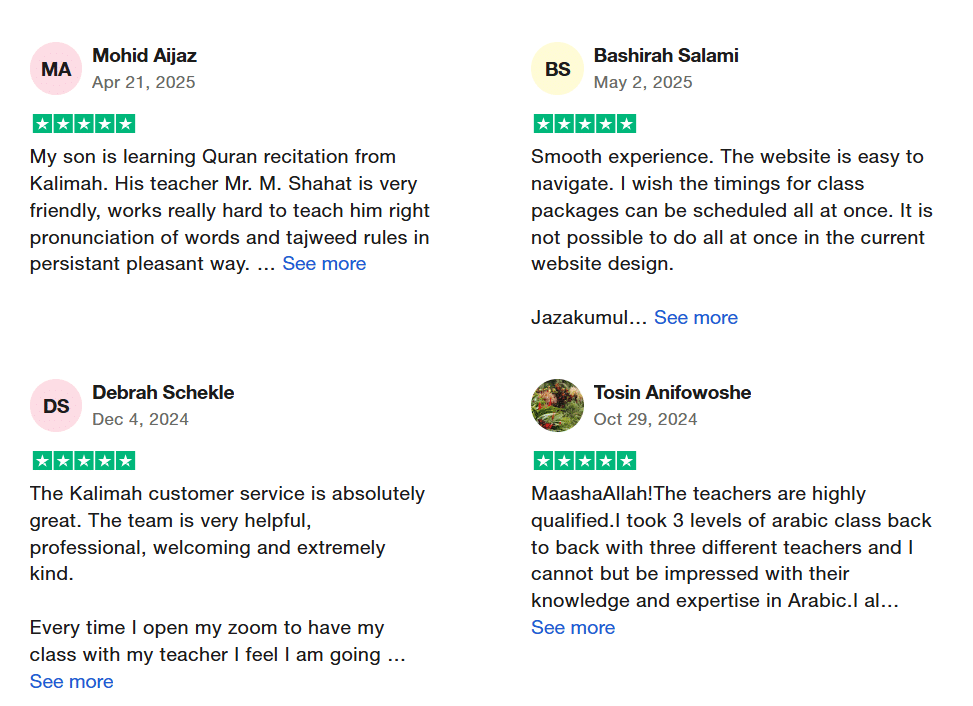
Our students frequently commend the excellence of our courses and the commitment shown by our instructors. You can read their complete reviews on Trustpilot.
Read more reviews on Trustpilot
Start Speaking Arabic This Month — Kalimah Center’s Expert-Led Online Program
Traveling to Saudi Arabia or Egypt is not the only path to real Arabic fluency. Kalimah Center’s online Arabic program delivers the core of immersion — live native-speaker interaction, structured daily output, and real-time correction — from wherever you are in the world.
The following features make Kalimah Center different from typical self-study platforms:
- Al-Azhar certified instructors with over a decade of experience teaching non-native adult learners.
- One-on-one sessions built around your level and goals — no waiting for a class cohort to catch up.
- Real-time pronunciation correction — the feedback gap that no recorded course can close.
- Structured output from lesson one — you speak Arabic in session one, not after completing a module.
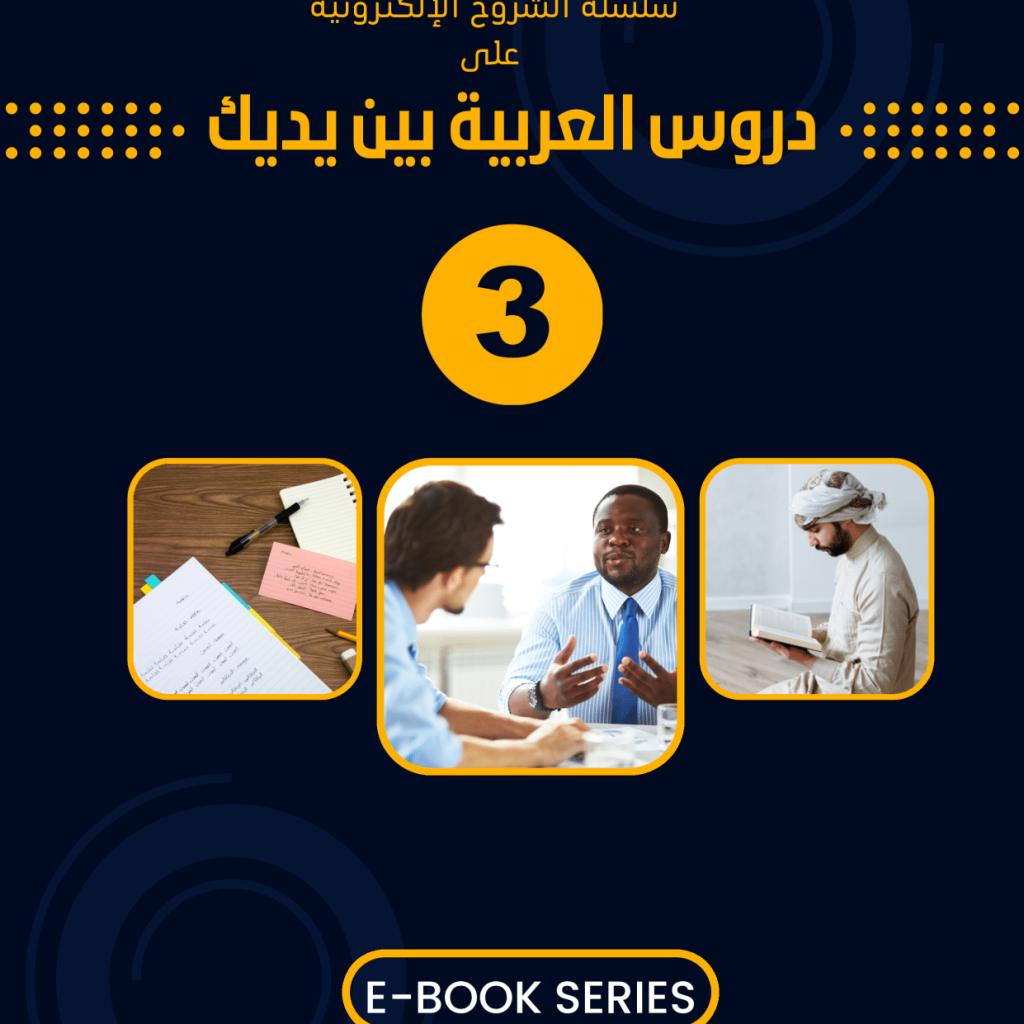
- And one thing: a complete digital series based on العربية بين يديك — one of the most trusted Arabic curricula in the world — available exclusively through Kalimah to support every level of your learning journey, inside and between sessions.
What Kind of Arabic Learner Are You — Really?
The one who reads every guide but never starts? Or the one who just spent time learning how immersion actually works — and is ready to do something about it?
If you are still reading, you already know the answer.
Kalimah Center offers three programs built for learners who are done waiting for the “right time” to start:
- The Online Arabic Course — 16 levels of one-on-one instruction with a specialist tutor you choose yourself, based on real reviews from real students. Supported by affordable course books that make every session land harder.
How to Join Kalimah Group Program | Step by Step Guide #ArabicForBeginners #learnarabicfast
- The Online Quran with Tajweed Course — 13 levels with Ijazah-certified instructors who connect every grammar rule and pronunciation habit directly to Quranic text.
- The Online Arabic for Kids — 24 levels designed around how children actually absorb language, taught by instructors trained specifically for young learners.
Master Arabic with Kalimah Center
Join our expert-led online classes and start your journey toward Arabic fluency today.
Book Your Free TrialOne free session. No commitment. Just the answer to one question:
How much Arabic could you have by this time next month?
Book your free trial and find out
Conclusion
Arabic immersion programs work because they replace passive study with active, high-stakes communication. The best programs — whether in Saudi Arabia, Egypt, Palestine, or online — share a common structure:
- High-intensity daily contact with Arabic.
- Real-world output tasks.
- No path back to your native language when things get difficult.
In-country programs like the King Salman Centre or AUC’s ALIN offer unmatched authenticity for those who can attend.
For adults who need flexibility, the best Arabic immersion programs online replicate the essential mechanism — live interaction, structured output, expert correction — without requiring relocation.
The right entry point depends on your current level. A2 learners need scaffolded immersion.
B1 learners are ready for intensive programs. Students at higher proficiency levels benefit most from using real Arabic materials while relying as little as possible on their native language.
Choose based on where you are, not where you want to be — and progress will be faster than you expect.
Frequently Asked Questions
What is an Arabic immersion program?
An Arabic immersion program is a structured learning experience in which Arabic is the primary or exclusive language of instruction and communication, placing learners inside an Arabic-speaking environment — in-country or online — to accelerate fluency through daily practical use.
What level of Arabic do I need to join an immersion program?
It depends on the program. The King Salman Cultural Track requires B1. The King Salman Tourism Track accepts A2.
Many online programs are designed for beginners. Always confirm the entry level requirement before applying — mismatched placement is the most common reason learners leave programs early.
Are there free Arabic immersion programs online?
Free immersion resources exist — YouTube channels, language exchange platforms, and open university materials — but they lack the live instructor feedback and structured output that produce real fluency gains.
The most effective approach combines free input resources with scheduled live sessions with a qualified teacher.
How long does an Arabic immersion program take to show results?
Most structured programs report measurable improvement in spoken confidence within four to eight weeks of consistent daily contact.
The King Salman programme runs exactly eight weeks for this reason. Immersion accelerates acquisition — it does not replace the time required to build a solid grammar and vocabulary foundation.
Can adults learn Arabic through immersion, or is it only effective for children?
Adults learn Arabic through immersion effectively — often faster than children in the initial stages. Adults bring existing language learning strategies, stronger working memory for vocabulary, and clearer motivation.
Children acquire pronunciation more naturally; adults acquire grammar patterns more efficiently. Both benefit from immersion — the methods differ slightly, not the outcome.
What is the difference between cultural immersion and tourism immersion in Arabic programs?
Cultural immersion tracks are designed for intermediate and advanced students embedded in academic and community settings for sustained language development.
Tourism immersion tracks target lower-level learners during short visits, focusing on practical communicative phrases rather than full linguistic proficiency. Choose based on your current level and how long you can commit.