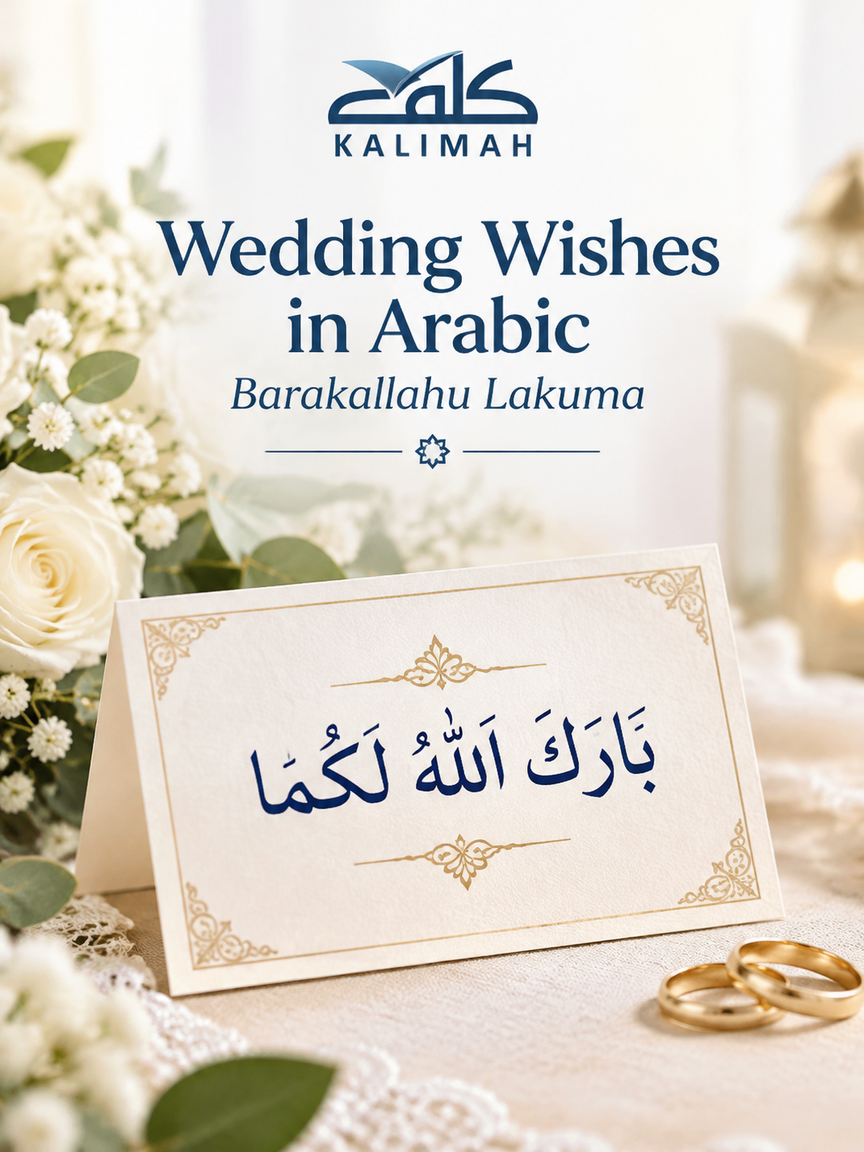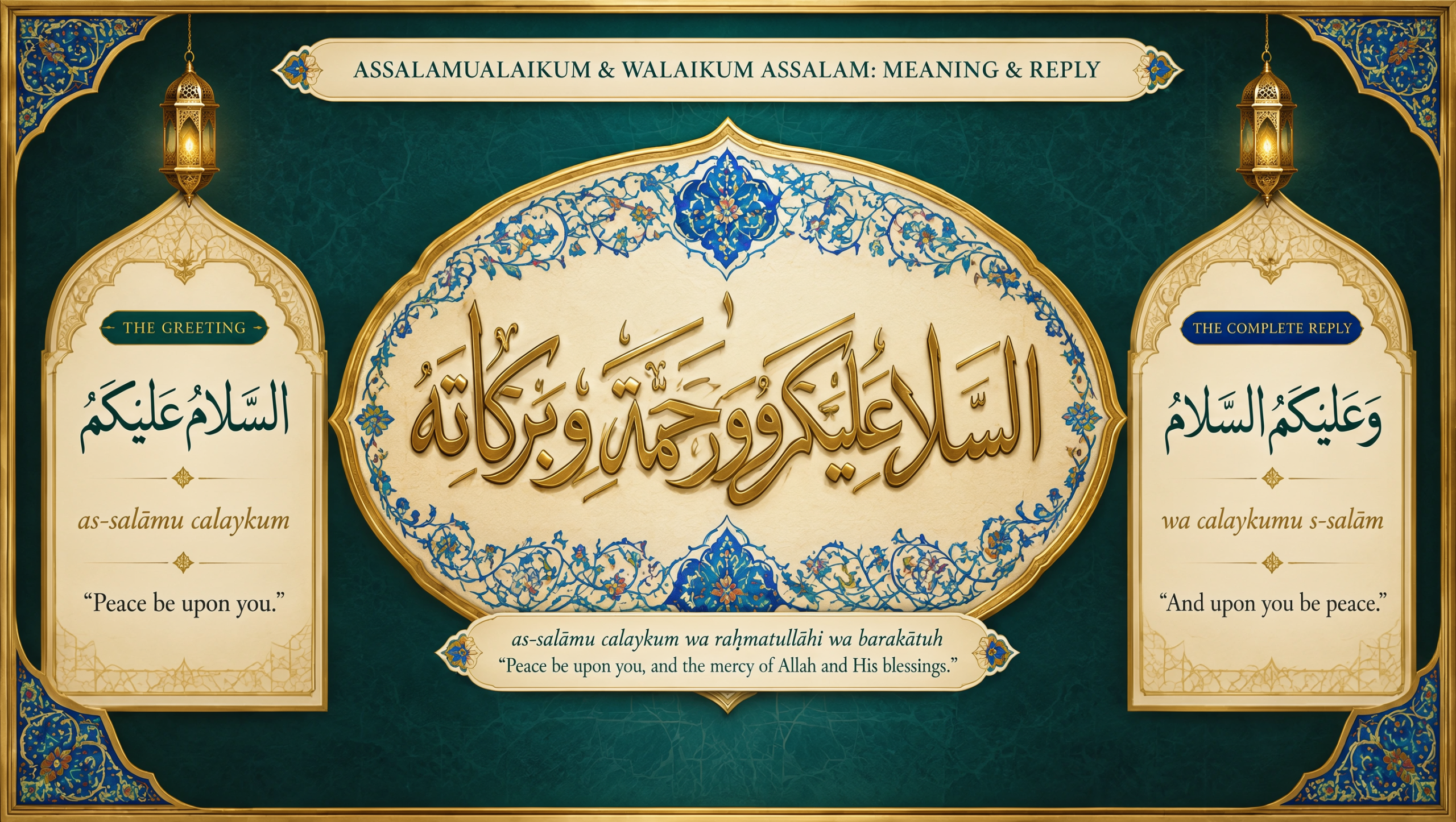
Assalamualaikum in Arabic is السَّلَامُ عَلَيْكُمْ (as-salāmu ʿalaykum). It means “peace be upon you.” Walaikum assalam in Arabic is وَعَلَيْكُمُ السَّلَامُ (wa ʿalaykumu s-salām). It means “and upon you be peace.”
The full greeting is السَّلَامُ عَلَيْكُمْ وَرَحْمَةُ اللهِ وَبَرَكَاتُهُ (as-salāmu ʿalaykum wa raḥmatullāhi wa barakātuh). It means “peace be upon you, and the mercy of Allah and His blessings.”
Most Muslims say these words every day. Still, small slips are common. One missing letter or one swapped word can change the meaning.
This guide shows you how to write each form, what every word means, and how to reply the right way. You will also see short real conversations and the mistakes to avoid.
What You Will Learn In This Article
- How to write the greeting and the reply in Arabic, with vowel marks.
- What each word means and why the reply starts with “wa”.
- The three levels of salam and the right reply for each.
- Why “assalamualaikum” and “as-salāmu ʿalaykum” are the same phrase.
- The mistakes people make when they speak, reply, and write.
Assalamualaikum In Arabic: How To Write It And What It Means
Assalamualaikum is the greeting of Islam. It is a short prayer that asks Allah to keep the other person safe. Below, you will see how the full greeting is built, what each word means, and why it uses a plural word.
For other common phrases, see Kalimah Center‘s guide to Arabic greeting words.
How The Full Greeting Is Built
The full greeting has three parts. Each part is a short phrase, and you add them one after another.
- The first part is السَّلَامُ عَلَيْكُمْ. This is the short greeting, and it is complete on its own.
- The second part is وَرَحْمَةُ اللهِ. It adds “and the mercy of Allah.”
- The third part is وَبَرَكَاتُهُ. It adds “and His blessings.”
You can stop after any part. All three forms are correct. The full form is simply the most complete one the Prophet ﷺ taught.Now look at the small marks above and below the letters. These are vowel marks, called ḥarakāt. They show you how to say each sound.
Most people drop these marks when they text. That is fine in daily life. When you are still learning, keep them. They help you read the words the right way from the first day.
What Each Word In The Greeting Means
The greeting has five small parts. The table below shows each part in Arabic, how to say it, and what it means.
| Arabic | In English Letters | Meaning |
| السَّلَامُ | as-salām | peace |
| عَلَيْكُمْ | ʿalaykum | upon you |
| وَ | wa | and |
| رَحْمَةُ اللهِ | raḥmatullāh | mercy of Allah |
| وَبَرَكَاتُهُ | wa barakātuh | and His blessings |
The word as-salām means peace and safety. It is also one of the names of Allah, As-Salām. Scholars explained the phrase in a few close ways. Al-Qurtubi said it means “may Allah keep you safe in your faith and your life.” Ibn Hajar shared the view that it means “may Allah’s care and protection be with you.” Both views are listed on Arabic Wikipedia.
Raḥmah means mercy. It is the kindness of Allah that reaches a person. Barakah means blessing. It is good that grows and lasts. So the greeting is much more than “hello.” You ask Allah to give the other person safety, mercy, and lasting good, all in one breath.
Why The Greeting Uses ʿAlaykum For One Person
ʿAlaykum means “upon you all.” It is a plural word. Still, Muslims use it even when they greet just one person. This is the standard form of the greeting.
Al-Nawawi gave the reason, as quoted by Islam Online. The plural also covers the angels who stay with each person. So when you greet one friend, you greet more than the one you see.
The singular forms are still correct. To one man, you can say as-salāmu ʿalayka. To one woman, you can say as-salāmu ʿalayki. But the plural is the form people know best. It is also the safe choice when you are not sure.
The plural works in the reply as well. Wa ʿalaykumu s-salām fits a man, a woman, a child, or a full room. That makes the greeting easy to learn. You need only one form, and it covers every case you will meet in daily life.
Walaikum Assalam In Arabic: How To Reply The Right Way
Walaikum assalam is the answer to the greeting. Replying is more than good manners. Allah commands it in Quran 4:86: when someone greets you, greet back with something better, or at least the same. The two parts below show how to write the reply and why it is built this way.
How To Write Wa Alaikum Salam In Arabic
You write wa alaikum salam in Arabic as وَعَلَيْكُمُ السَّلَامُ (wa ʿalaykumu s-salām), which means “and upon you be peace.” Follow these steps to write it, then add the longer parts if you want the full reply.
- Start with وَ (wa). This means “and.” Don’t leave a space after it. It joins straight onto the next word.
- Write عَلَيْكُمُ (ʿalaykumu). This means “upon you.” Put a small ḍammah (ُ) on the last letter, م. That mark gives you the extra “u” sound.
- Add السَّلَامُ (as-salāmu). This means “peace.” Put a shaddah (ّ) on the س to double the “s.” Leave the first alif plain, with no hamza.
- Read the short reply aloud. Say wa ʿalaykumu s-salām. The “u” at the end of ʿalaykumu links it to s-salām, so the two words flow in one breath.
- For more reward, add وَرَحْمَةُ اللهِ (wa raḥmatullāh). This means “and the mercy of Allah.” Now s-salām becomes s-salāmu, because it links to the next word too.
- For the full reply, finish with وَبَرَكَاتُهُ (wa barakātuh). This means “and His blessings.” The complete reply reads وَعَلَيْكُمُ السَّلَامُ وَرَحْمَةُ اللهِ وَبَرَكَاتُهُ.
Say the full reply slowly a few times: wa ʿalaykumu s-salāmu wa raḥmatullāhi wa barakātuh. Once the linking sounds feel natural, speed up.
You’ll hear a related form of salam at the end of every prayer, when you turn your head right and left. Kalimah Center explains each prayer phrase step by step in its guide to Arabic prayer words.
Why The Reply Starts With Wa And Flips The Order
The reply is not just the greeting said back. It changes in two clear ways.
- First, the order flips. The greeting puts peace first: as-salāmu ʿalaykum, “peace upon you.” The reply puts the person first: wa ʿalaykumu s-salām, “and upon you, peace.”
- Second, the reply starts with وَ (wa), which means “and.” This small word does a big job. It ties your answer to the greeting you just heard.
A well-known Islamic law book, Al-Mawsuʿah al-Fiqhiyyah, explains the idea with a simple picture, as quoted by Islam Online. With wa, the reply means “peace be upon me, and upon you be peace.”
So the person who replies is also covered by the prayer. Without wa, the reply only covers the other person. Al-Nawawi said a reply without wa still counts. But the reply with wa is the better form. It is a full answer, not a copy.
Watch a real lesson before you book
Not sure what online Arabic classes look like? This short clip gives you a feel for our teaching style and how each class is built around the student.
Master Arabic with Kalimah Center
Join our expert-led online classes and start your journey toward Arabic fluency today.
Book Your Free TrialThe Three Levels Of Salam And Their Replies
The greeting can be short, medium, or full. Each level has its own reply and its own reward. The parts below show all three, give real examples, and explain how to pick the right reply.
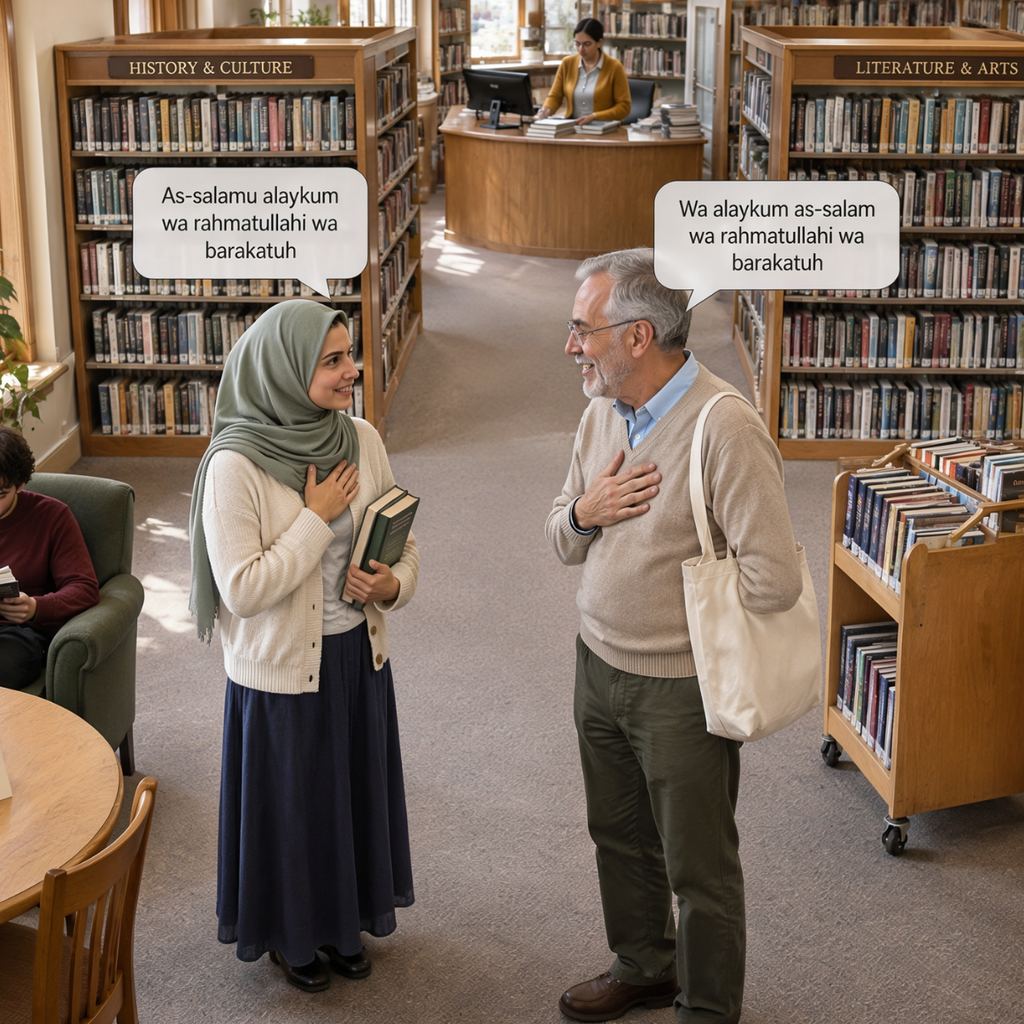
Each Greeting Next To Its Reply
Each level adds one phrase to the level before it. The table below puts every greeting next to its reply and its reward.
| Level | Greeting | Reply | Reward |
| Short | السَّلَامُ عَلَيْكُمْ | وَعَلَيْكُمُ السَّلَامُ | 10 good deeds |
| Medium | السَّلَامُ عَلَيْكُمْ وَرَحْمَةُ اللهِ | وَعَلَيْكُمُ السَّلَامُ وَرَحْمَةُ اللهِ | 20 good deeds |
| Full | السَّلَامُ عَلَيْكُمْ وَرَحْمَةُ اللهِ وَبَرَكَاتُهُ | وَعَلَيْكُمُ السَّلَامُ وَرَحْمَةُ اللهِ وَبَرَكَاتُهُ | 30 good deeds |
The rewards come from one hadith. A man greeted the Prophet ﷺ with the short form, and he said “ten.” Then a second man added mercy, and he said “twenty.” A third man said the full greeting, and he said “thirty.”
You can read this hadith in Abu Dawud 5195 and al-Tirmidhi 2689. The numbers mean good deeds, and each added phrase earns ten more.
The short form is fully correct, and you do nothing wrong by using it. The full form simply earns more for a few extra seconds of speech.
Short Conversations For Each Level
Seeing the words in a real exchange makes them easier to remember. Here is how each level sounds between two people.
Short
Ali: As-salāmu ʿalaykum.
Sara: Wa ʿalaykumu s-salām.
Medium
Ali: As-salāmu ʿalaykum wa raḥmatullāh.
Sara: Wa ʿalaykumu s-salāmu wa raḥmatullāh.
Full
Ali: As-salāmu ʿalaykum wa raḥmatullāhi wa barakātuh.
Sara: Wa ʿalaykumu s-salāmu wa raḥmatullāhi wa barakātuh.
Giving more than you got
Ali: As-salāmu ʿalaykum.
Sara: Wa ʿalaykumu s-salāmu wa raḥmatullāhi wa barakātuh.
Practice these aloud with a friend or a family member. Take turns being the one who greets first. After a few rounds, the right reply comes out on its own. If you want more phrases to use after salam, read Kalimah Center’s guide on how to say hi in Arabic.
Choosing The Right Reply For Each Greeting
The verse gives you two choices. You can reply with something better, or you can reply with the same. We turn this into one easy rule called Match or Exceed. Your reply should never be shorter than the greeting you got.
- If you hear the short form, reply with at least the short form. Adding mercy and blessings is better.
- If you hear the medium form, reply with at least the medium form. Adding wa barakātuh is better.
- If you hear the full form, reply with the full form. No confirmed wording goes past it.
Scholars treat these cases a bit differently. Adding to a short greeting is a good extra. But when the greeting is already full, matching it is required, as Islam Online explains.
In other words, a short reply to a full greeting falls below what is asked. Keep this rule in mind, and you will never have to stop and think. Listen to the greeting, then give the same or more.
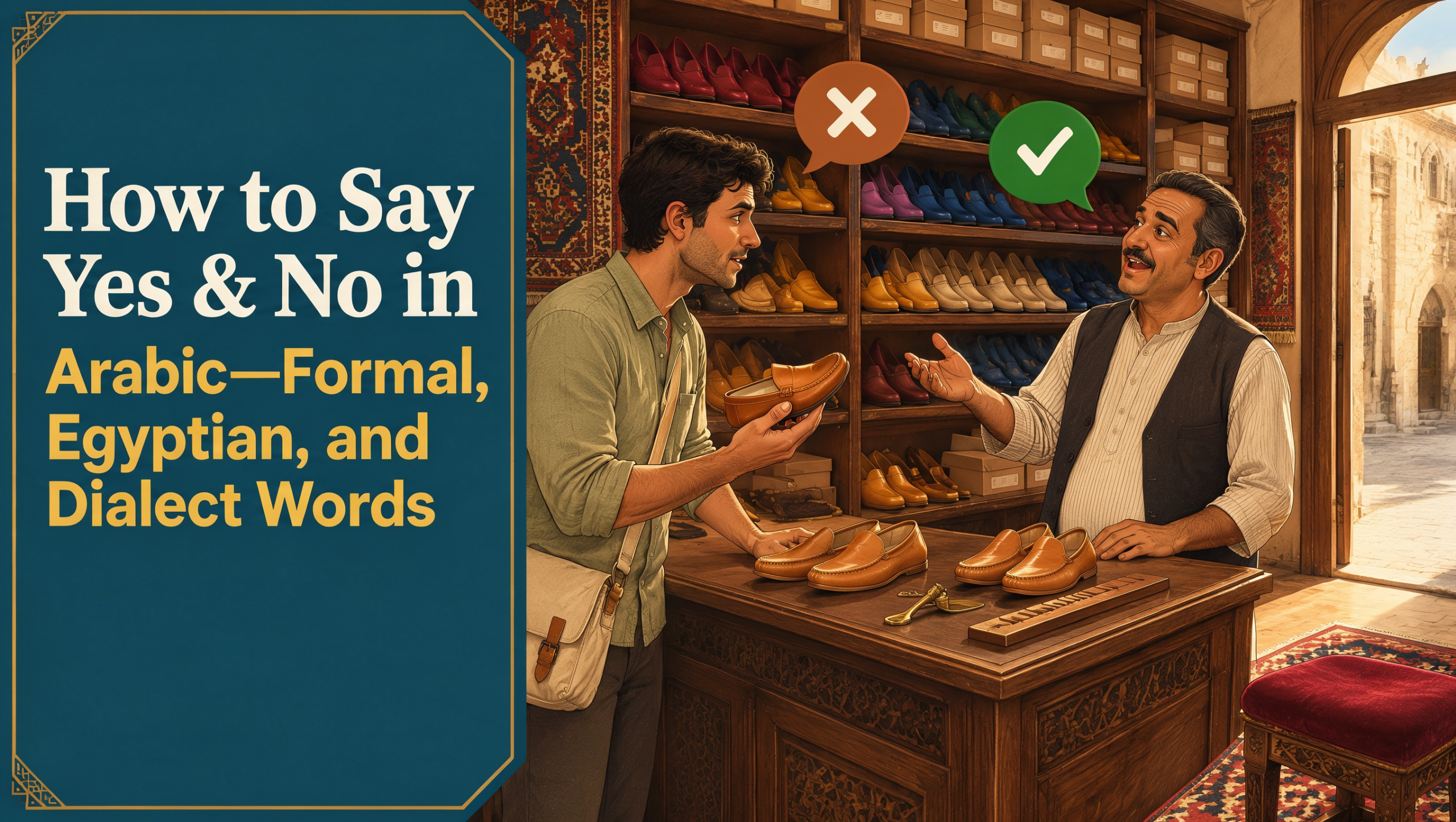
Read also: How To Say Yes & No in Arabic
Spelling And Pronouncing Assalamualaikum
People type this greeting in many ways. Many also say a few sounds wrong without knowing it. The two parts below clear up the spelling and fix the hard sounds.
Different Spellings, Same Phrase
Assalamualaikum, assalamu alaikum, and as-salāmu ʿalaykum are not three different phrases. They are one Arabic phrase written in English letters three ways. The same is true for the reply.
- For the greeting: Assalamualaikum = Assalamu alaikum = Asalamualaikum = As-salāmu ʿalaykum
- For the reply: Walaikum assalam = Wa alaikum salam = Walaikumussalam = Wa ʿalaykumu s-salām
There is no single official English spelling. Each writer picks a style. This article uses one system the whole way through: As-salāmu ʿalaykum, Wa ʿalaykumu s-salām, and Wa raḥmatullāhi wa barakātuh.
The line over a letter, as in “ā,” means a long vowel. The mark “ʿ” stands for the Arabic letter ع. A casual spelling like “assalamualaikum” is fine in a text message. When you learn to speak, the exact form helps more. It shows you sounds that the casual spelling hides.
Three Sounds Learners Often Get Wrong
The first is the hidden “l.” The word السَّلَامُ looks like it starts with “al.” But you say as-salām, not al-salām. The letter س is a “sun letter,” so the “l” melts into it and the “s” doubles.
The second is ع (ʿayn) in ʿalaykum. It comes from deep in the throat. English has no sound like it, so a plain “a” is close but not right.
The third is ح (ḥā’) in raḥmah. It is a breathy “h,” like a soft whisper from the throat. It is not the light “h” at the end of barakātuh.
These sounds are hard to fix alone, because you can’t hear your own slips. Kalimah Center’s Arabic course for beginners trains them in live one-on-one lessons. A native tutor listens to you and corrects your ʿayn and ḥā’ on the spot.
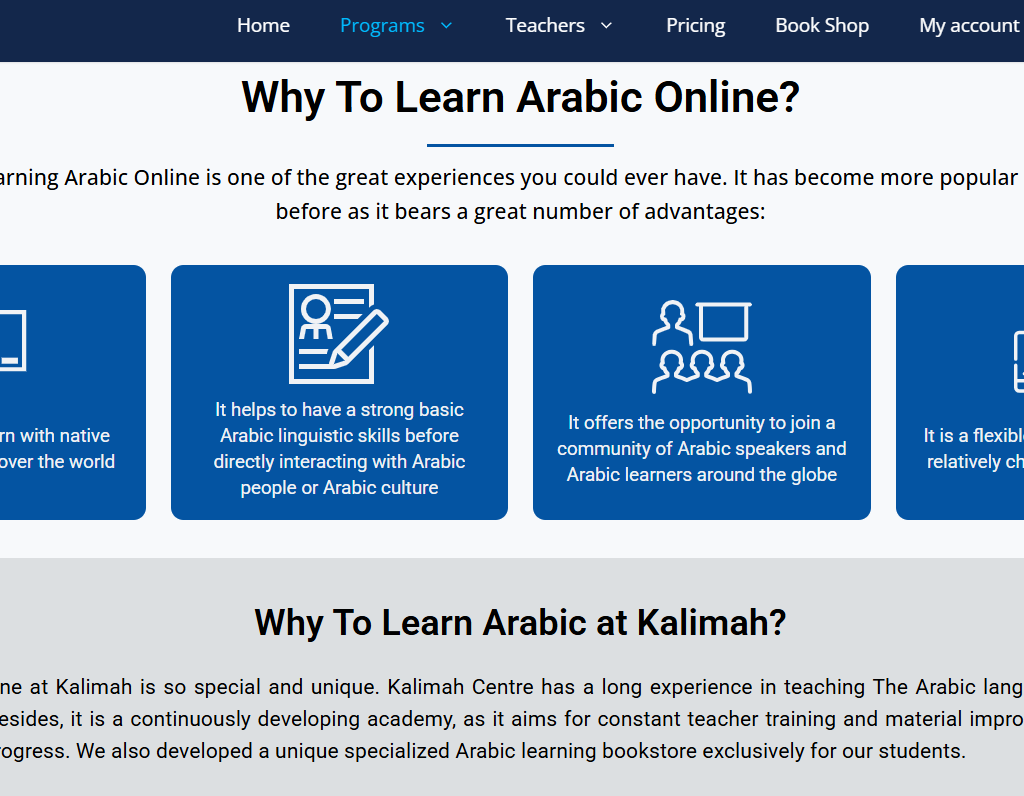
Common Mistakes With Salam And How To Fix Them
Some slips only make the greeting weaker. Others mean it no longer counts as a greeting or a reply. The mistakes fall into three groups: replying, greeting first, and writing.
a. Mistakes When Replying
The first mistake is saying wa ʿalaykum bis-salām. Many people add the letter ب without thinking. This has no basis in the Sunnah.
The extra letter changes the meaning. It turns the prayer into an order, like “go and say salam.” So it does not count as a reply, as Islam Online explains.
The second mistake is answering with “hello” or “good morning.” Ibn Hajar said scholars agree that salam is only answered with salam, as quoted in an IslamWeb fatwa. A nod or a wave alone does not count either.
You can still be warm and friendly. Just say the reply first, then add any other words you like.
The third mistake is waiting too long. The reply should come right away. Scholars said that a long delay with no good reason no longer counts as a reply.
If you were busy and could not answer, that is a valid excuse. Reply as soon as you are free.
b. Mistakes When Greeting First
The first mistake is opening with the reply. Wa ʿalaykumu s-salām is only for answering. Al-Mutawalli said starting with it is not a real greeting, so no one has to answer it, as noted on Arabic Wikipedia. The wa assumes someone already greeted you.
The second mistake is opening with ʿalayka s-salām. The Prophet ﷺ told Abu Jurayy not to start with these words. He said they are the greeting used for the dead, as reported in Abu Dawud 5209.
The third mistake is adding wa maghfiratuh, “and His forgiveness,” after barakātuh. The hadiths with this addition are weak. Ibn al-Qayyim, al-Nawawi, Ibn Hajar, and al-Albani all said so, as Islam Online shows. The full greeting ends at wa barakātuh.
The fourth mistake is using the singular for a group. ʿAlayka is for one man, and ʿalayki is for one woman. Using either one for a group is wrong. When you are not sure, use ʿalaykum.
c. Mistakes When Writing Salam In Arabic
The first mistake is adding a hamza. Some people write ألسلام with a hamza (ء) on the first letter. This is wrong. The first alif in السَّلَامُ is a joining alif, and it never carries a hamza.
The second mistake is splitting the wa. Some people write و عليكم with a space in between. In Arabic, و always joins the word after it. Write وَعَلَيْكُمُ as one unit.
The third mistake is in speech, not spelling. “Salam,” “salaam,” and “salām” are all fine in English letters. But the second “a” is long. Saying it short, like “suh-lum,” blurs the word, so stretch it.
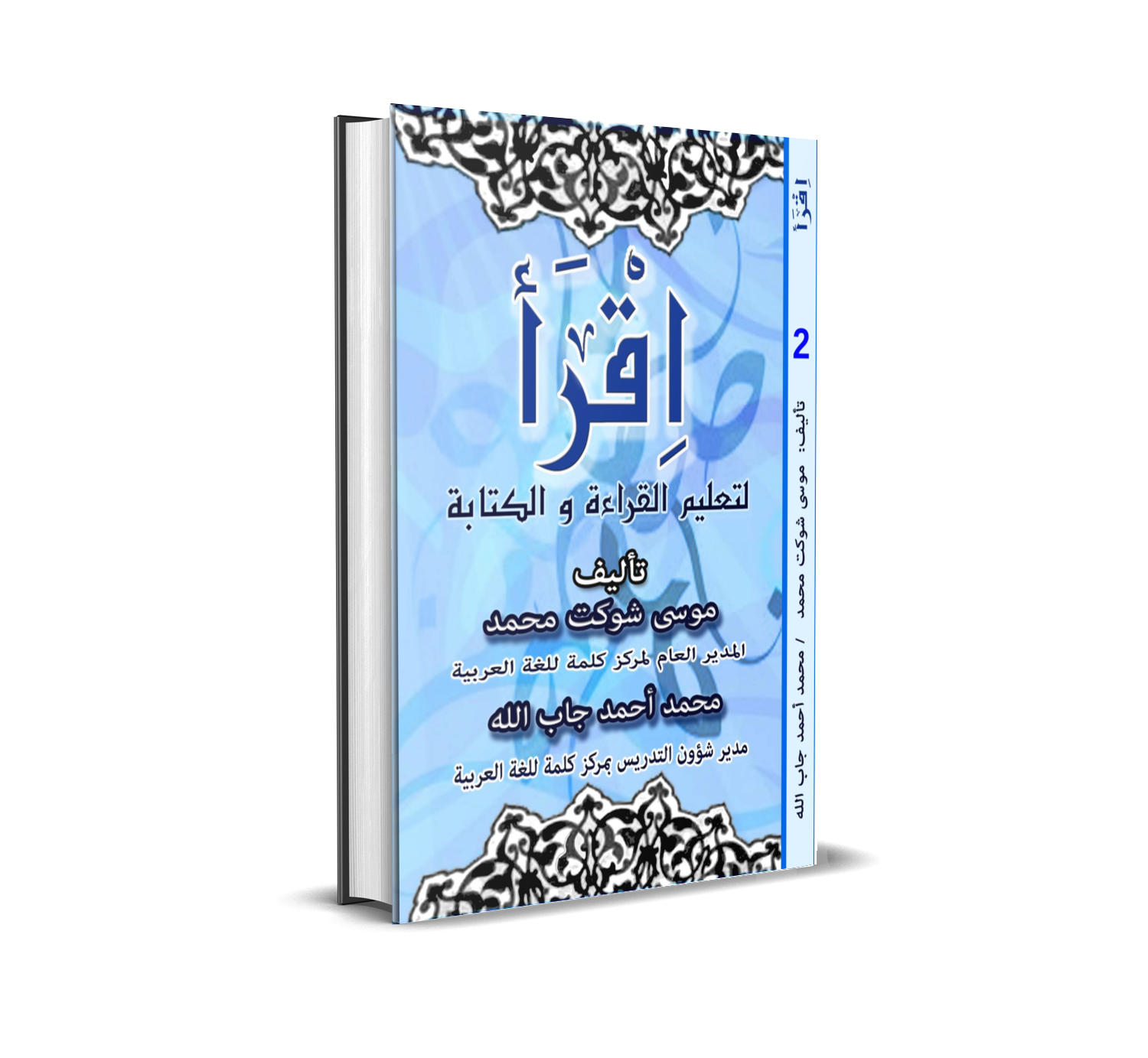
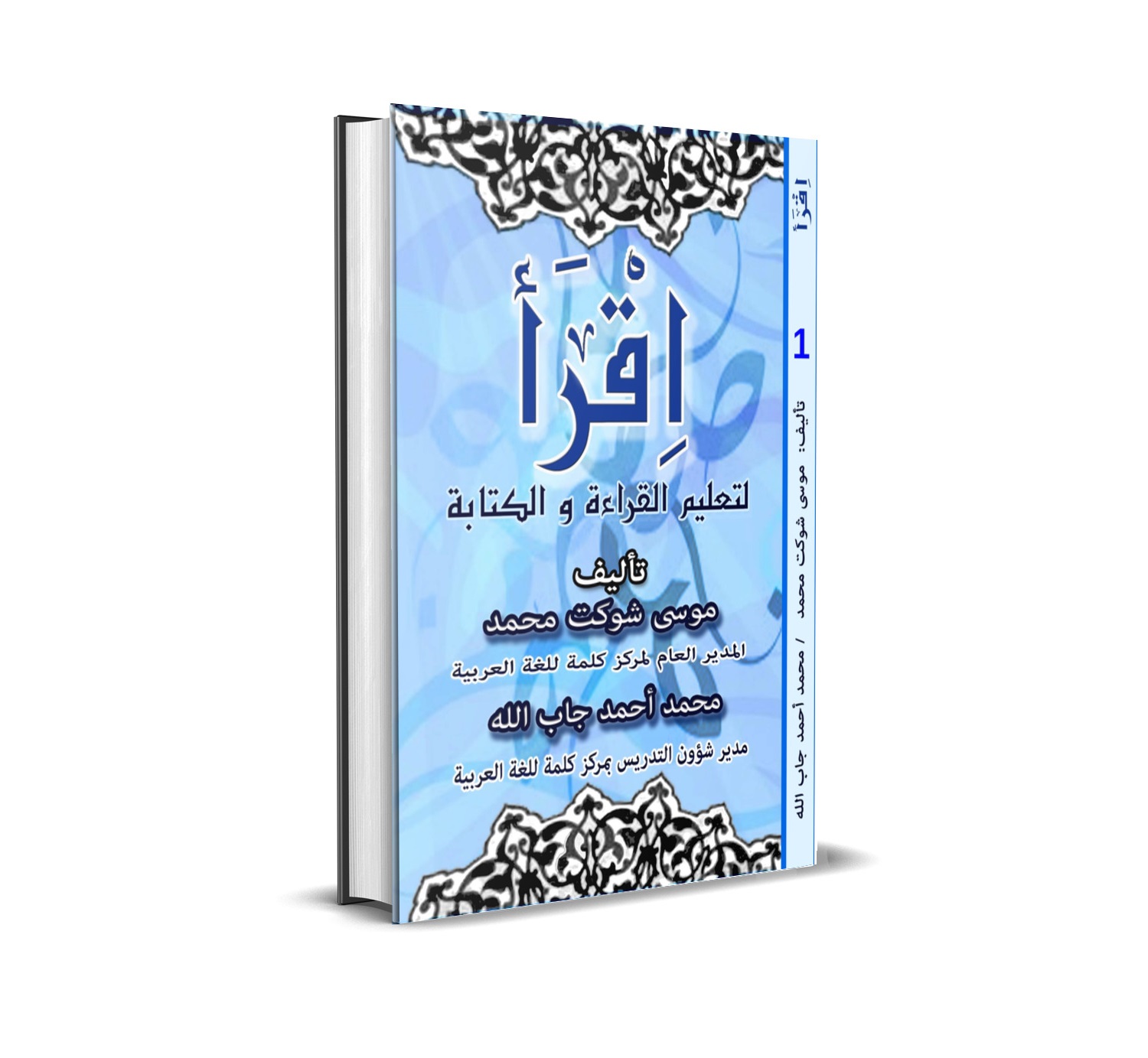
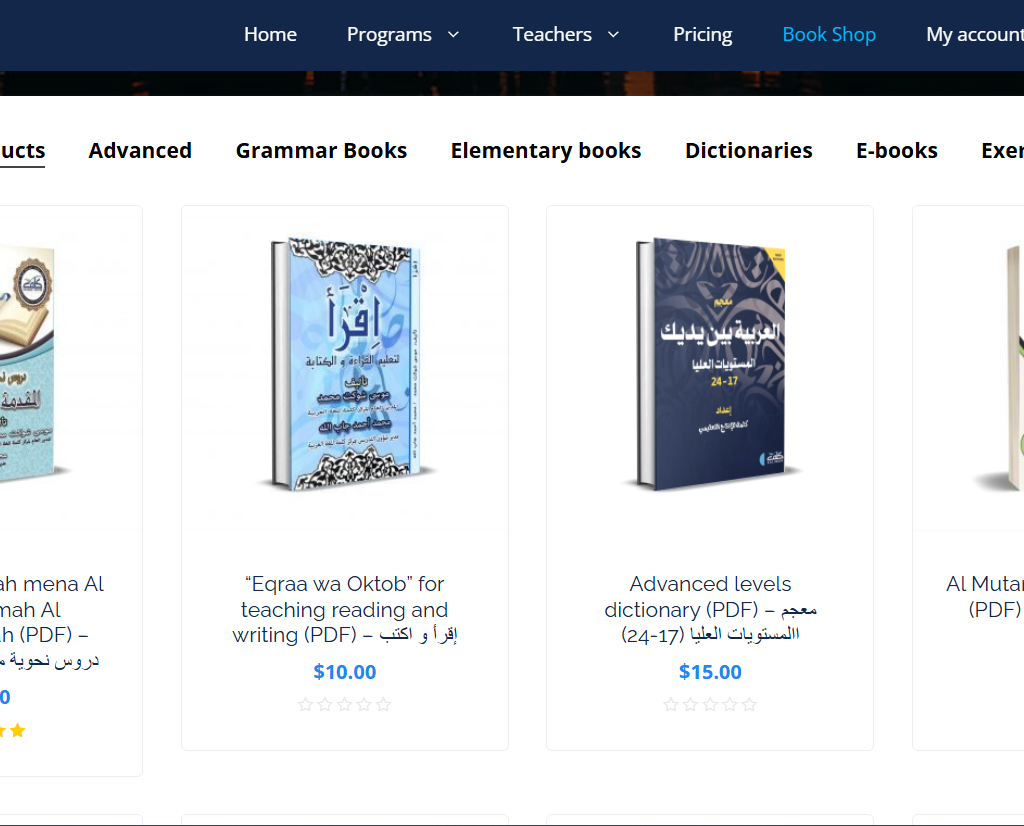
Writing Arabic well starts with letters and vowel marks, and the easiest way to learn them is to read and write at the same time. Kalimah Center wrote its own book for this. Eqraa wa Oktob (إقرأ و اكتب) teaches reading and writing to non-Arabic speakers and children, step by step.
After each reading page comes a dotted tracing page, so your hand learns each word while your eyes do. It also puts similar sounds side by side, which helps you hear the difference between letters like ح and ه. You can find it with other titles in the Kalimah Center book shop.
Key Rulings On Giving And Returning Salam
A few clear rulings answer the questions people ask most. They cover who must reply and which language you can use.
Is Replying To Salam Required?
Yes. Starting the greeting is a strong Sunnah, and replying is required. Ibn ʿAbd al-Barr and al-Nawawi both said scholars agree on this, as listed on Arabic Wikipedia.
The rule changes a little in a group. If someone greets you alone, you must reply yourself. If someone greets a group, the duty is shared by everyone in it. Scholars call this a shared duty, or farḍ kifāyah.
In a group, one reply is enough for all. If more people reply, each one earns the reward. If no one replies, they all carry the sin. So in a family room, a classroom, or an office, someone must answer. Do not wait for another person to do it.
The same goes for the mosque door or a busy shop. Your one clear reply may be the one that lifts the duty from everyone.
Can You Say Salam In Another Language?
Yes, with one condition. A greeting in another language counts if the listener understands it. Al-Nawawi called this the correct view, as quoted in IslamWeb fatwa no. 51602.
The reply has a tighter rule. If someone greets you with the Arabic salam, and you can say the Arabic reply, you should not swap it for another language. The same fatwa makes this point.
Using another language also has a cost. You miss the reward tied to the exact words. Those words come from the Prophet ﷺ, and each one carries its own meaning.
For people who cannot yet say the Arabic, the rule is gentle. Scholars said they may greet in the best way they can. Still, learning the Arabic words is the goal. The greeting is short, and a few minutes of daily practice is enough to say it well.
Inside Kalimah Center: Moments from Our Courses
Get a glimpse into the vibrant learning experience at Kalimah Center. These snapshots capture real moments from our live classes—where students engage deeply, connect with passionate instructors, and grow in a welcoming, supportive environment.
Master Arabic with Kalimah Center
Join our expert-led online classes and start your journey toward Arabic fluency today.
Book Your Free TrialStart Learning Arabic With Kalimah Center Today
You now know how to say, write, and reply to salam the right way. Now bring that same care to every duʿāʾ you make, every prayer you pray, and every verse you hear.
At Kalimah Center, you learn with a teacher who hears you, not an app that guesses. Here is what you get:
- Arabic and Quran teaching online since 2011, with more than 8,000 students around the world
- Over 40 native Arabic tutors with checked qualifications
- Private, live one-on-one classes that move at your pace
- Male and female teachers to choose from
- Morning, evening, and weekend times that fit your week, in any time zone
- A study plan and books written by Kalimah Center’s own teachers
- Real student reviews on Trustpilot
Book a trial lesson, meet your tutor, and start speaking Arabic with confidence.

Explore Our Courses:
- Online Arabic Course: Tailored to your level, our comprehensive Arabic program includes 16 teaching levels and 400+ hours of personalized sessions.
- Online Quran With Tajweed Course: Perfect for non-Arabic speakers, our course spans 13 levels and equips you with Tajweed mastery from beginner to advanced.
- Online Arabic Course For Kids: Nurture your child’s love for Arabic with our engaging and structured program, available in 24 levels for primary, intermediate, and secondary stages.
Conclusion
Assalamualaikum in Arabic is السَّلَامُ عَلَيْكُمْ, and walaikum assalam in Arabic is وَعَلَيْكُمُ السَّلَامُ. Together, they form a two-way prayer. One person asks Allah to keep the other safe, and the other asks the same back.
The greeting grows in three steps, from short to full. The reply follows the same steps, and the reward grows with each one. That makes the full form worth the extra few seconds every time.
The reply has a shape of its own. It opens with wa, puts the person before the peace, and brings the speaker into the prayer too. The plural ʿalaykum keeps things simple, since it fits one person or a crowd.
Spelling is no longer a puzzle. Every English version you see points back to the same Arabic words. The real work is in the sounds: the melted “l,” the throat ʿayn, the breathy ḥā’, and the long “ā.”
Here is a simple way to make it stick. For one week, use only the full greeting at home. Ask your family to answer with the full reply. Record yourself once a day and listen for the three hard sounds.
By the end of the week, the full form will feel natural. Small habits like this turn a daily word into an act of worship done well.
FAQ
You may still have a few questions about using salam in daily life. Here are short answers to the ones people ask most.
How Do You Reply When Someone Sends Salam Through Another Person?
Say wa ʿalayhi s-salām, which means “and upon him be peace.” ʿĀʾishah replied wa ʿalayhi s-salāmu wa raḥmatullāh when told that Jibrīl sent her salam, as in Sahih al-Bukhari 6253.
Who Should Say Salam First?
The person who greets first is the one closest to Allah. The Prophet ﷺ said this in Abu Dawud 5197, so try to be the first to say it.
Do You Say Salam When Entering An Empty House?
Yes, saying salam when entering an empty house is recommended. Allah says in Quran 24:61 to greet yourselves when you enter houses, with a blessed and good greeting from Him.
Should Salam Be Said Out Loud?
Yes, the Sunnah is to say salam out loud so the other person hears it. A clear greeting brings more joy to the heart, as noted on Arabic Wikipedia.
Are There Times When You Do Not Have To Reply Right Away?
Yes, scholars listed times when a person does not have to reply in that moment. These include praying, using the toilet, eating, reading the Quran, and giving a sermon, as listed on Arabic Wikipedia.
Can Non-Muslims Say Assalamualaikum?
Yes, many Arabic-speaking Christians and Jews use as-salāmu ʿalaykum as a normal greeting, as noted on Arabic Wikipedia. Rules on greeting non-Muslims and replying to them are a separate topic in Islamic law.
Is “Salāmun ʿAlaykum” Without “As” Correct?
Yes, salāmun ʿalaykum is a correct greeting and appears in Quran 13:24. Scholars say you may choose either form, but the best is the full as-salāmu ʿalaykum wa raḥmatullāhi wa barakātuh, as noted on Arabic Wikipedia.