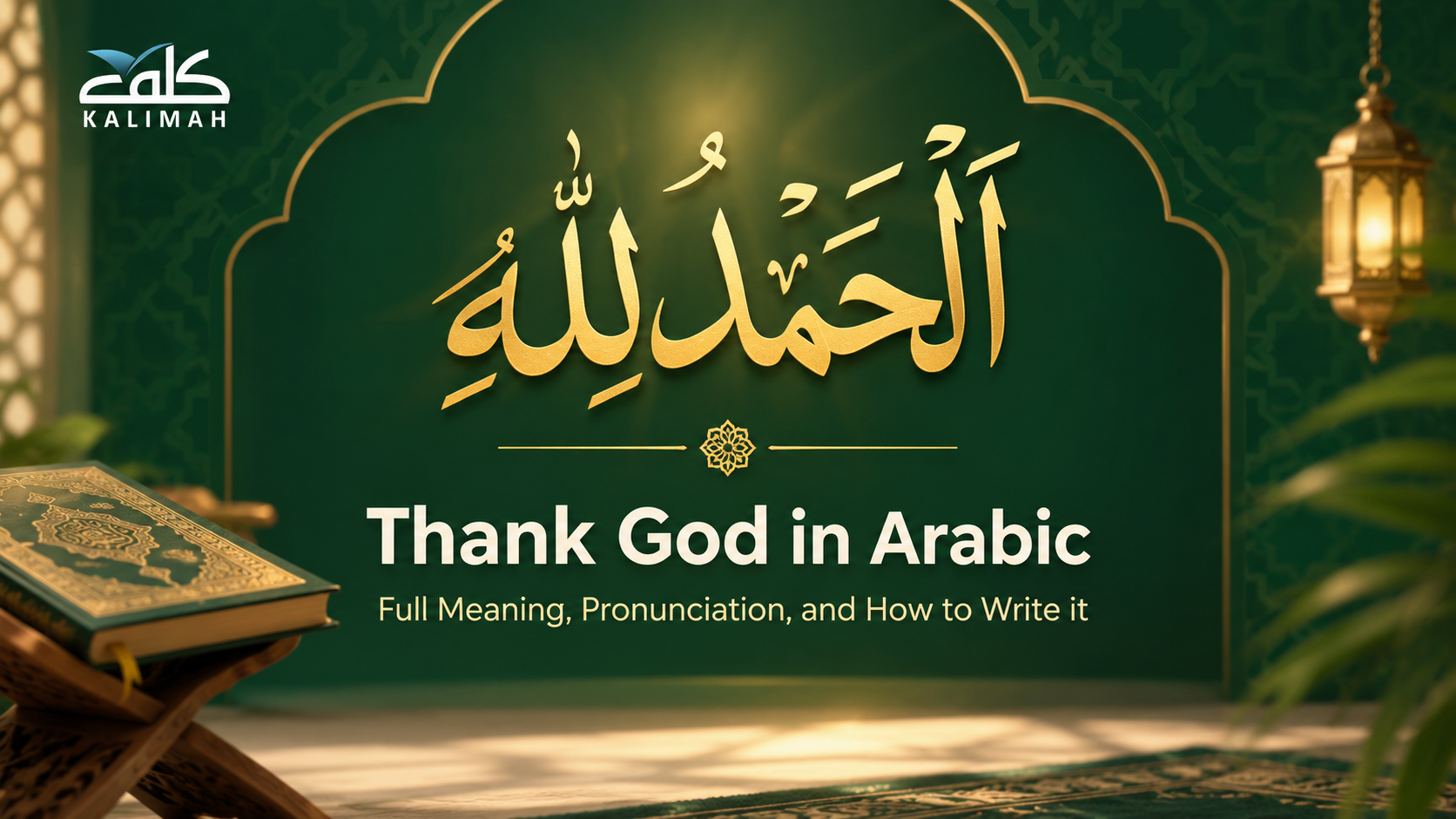
In a nutshell: To say “Thank You” in Arabic, the word “شكراً” (Shukran) is the basic way to say “thank you” in Arabic, while “شكراً جزيلاً” (Shukran Jazeelan) expresses deeper gratitude. For religious contexts, use “جزاك الله خيراً” (Jazak Allah Khairan). In response, “عفوا” (Afwan) means “You’re welcome,” with more formal options like “على الرحب والسعة” (Alaa ar-rahbi was-sa’a) reflecting greater respect.
In Arabic, the phrase for “thank you” is شكرًا (shukran). But there’s more to it! Let me guide you through the different ways to say “thank you” in Arabic, when to use each one, and how to make your Arabic sound natural and culturally appropriate.
Saying “Thank You” in Arabic
The most common way to say “thank you” in Arabic is shukran (شكرا). This is your go-to phrase for everyday situations. You can use it with anyone, from the shopkeeper to your friend. It’s like saying “thanks” in English – simple and effective.
Let’s illustrate with some practical examples:
- You buy bread from a bakery.
- Baker: تفضل (Tafaddal) – Here you are.
- You: شكرا (Shukran) – Thank you.
- A friend lends you a book.
- Friend: خذ الكتاب (Khud al-kitab) – Take the book.
- You: شكرا (Shukran) – Thank you.
- Someone gives you directions to a mosque.
- Person: انعطف يسارا ثم يمينا (In’atif yasaran thumma yaminan) – Turn left then right.
- You: شكرا (Shukran) – Thank you.
How to Say “Thank You So Much” in Arabic?
say shukran jazilan (شكرا جزيلا) in Arabic to express the meaning of “thank you very much” or “thank you so much” in Arabic Now, what if someone does something really nice for you? Something that deserves more than a simple “thank you”?
The word jazilan (جزيلا) is an adjective that means “very much,” “abundant,” or “copious.” By adding it to shukran, you amplify the expression of thanks. Think of it as adding emphasis to your gratitude.
A colleague helps you complete a project on a tight deadline.
- You: “I really appreciate you staying late to help me finish this report.”
- Them: “No problem, we’re a team.”
- You: “شكرا جزيلا لك (Shukran jazilan lak)! I couldn’t have done it without you. Thank you so much!” (Adding lak (لك) which means “to you” makes it even more polite.)

Experience Kalimah Center Classes
Watch real excerpts from our live sessions at Kalimah Center and see how we bring learning to life. These clips highlight our interactive, student-centered teaching approach across all our courses—designed to keep learners engaged, motivated, and actively involved every step of the way.
How to Respond to “Thank You” in Arabic
To respond to someone thanking you in Arabic say afwan (عفوا). it’s important to understand other options and their specific contexts. This will make your Arabic sound more natural and nuanced.
1. Afwan (عفوا)
As mentioned, afwan (عفوا) is the standard response to shukran. It’s versatile and can be used in almost any situation. Think of it as the Arabic equivalent of “you’re welcome,” “don’t mention it,” or “it’s nothing”.
Example:
- Person 1: Shukran (شكرا) – Thank you
- Person 2: Afwan (عفوا) – You’re welcome
2. Alaa ar-rahbi was-sa’a (على الرحب والسعة)
Alaa ar-rahbi was-sa’a (على الرحب والسعة) is a more formal and elegant way to say “you’re very welcome”. It literally translates to “on the spaciousness and the wideness,” implying that you are happy to have been of service and that there was no inconvenience at all.
This phrase is particularly useful when you want to emphasize your willingness to help and show genuine hospitality.
2. La Shukr Ala Wajib (لا شكر على واجب):
La Shukr Ala Wajib is a more formal and polite way to respond to thanks. La Shukr Ala Wajib literally means “no thanks is necessary for a duty.” It implies that you were happy to help and that it was your duty to do so. This is often used when you’ve done something significant for someone.
Example: If you helped a neighbor move heavy furniture, and they thank you profusely, you might respond with la shukr ala wajib.
More Gratitude in Arab Culture
In Arabic-speaking cultures, gratitude is not just a word; it’s a deeply rooted part of social etiquette. Arabs often go beyond a simple “thank you” to show their appreciation. Here are some culturally rich phrases:
- بارك الله فيك (Barak Allah feek)
- Pronunciation: BA-rahk AL-lah FEEK
- Meaning: May Allah bless you.
This phrase is especially common in religious contexts. You might hear it when thanking someone for significant help or generosity.
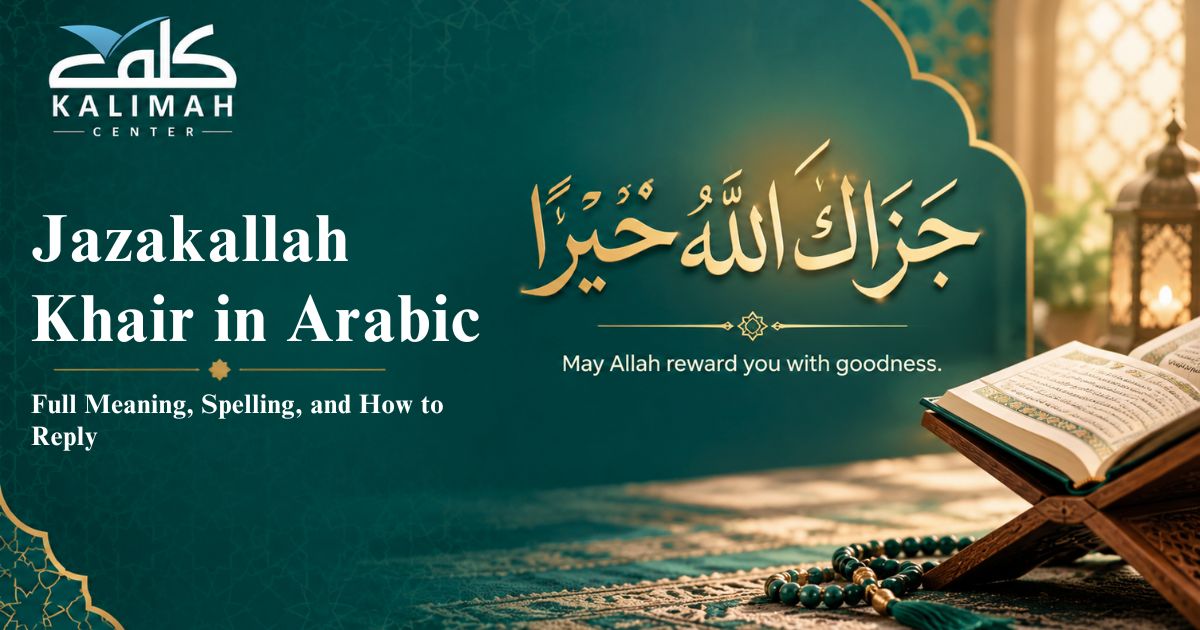
- جزاك الله خيرًا (Jazak Allah khayran)
- Pronunciation: JA-zahk AL-lah KHAY-ran
- Meaning: May Allah reward you with goodness.
This is often used among Muslims, reflecting the religious values tied to gratitude.
Ways if Saying Thank you in Arabic:
In Arabic, there are several ways to say “Thank you,” depending on the level of formality or the context. Here are the most common phrases and variations:
1. شكراً (Shukran)
The most basic and widely used way to say “Thank you.” It’s appropriate in most situations, both formal and informal.
2. شكراً جزيلاً (Shukran Jazeelan)
This means “Thank you very much” or “Many thanks.” It adds more emphasis and shows greater appreciation.
3. ألف شكر (Alf Shukr)
Literally meaning “A thousand thanks,” this is an expression used to convey deep gratitude. It’s a more enthusiastic way to thank someone.
4. مشكور (Mashkoor)
This word literally translates to “appreciated” or “thankful.” It’s commonly used to thank someone in a more informal context, like a friend or peer.
5. بارك الله فيك (Barak Allah Feek)
This phrase means “May God bless you.” It’s often used in response to someone doing something kind, showing both gratitude and a prayer for blessing.
6. جزاك الله خيراً (Jazak Allah Khairan)
A commonly used phrase in Islamic contexts, meaning “May Allah reward you with goodness.” It’s a way of thanking someone with a religious tone, especially for favors or acts of kindness.
7. تسلم (Tislam)
This is another informal way to express thanks, commonly used in some Arabic-speaking regions. It literally translates to “May you be safe” or “You are safe,” often used when thanking someone for a favor or help.
8. متشكر (Mutashakir)
In Egyptian Arabic and some other dialects, this is another way to say “Thank you.” It is derived from the classical Arabic word “شكراً” but with a regional touch.
Each of these expressions can be used in different contexts based on the formality, relationship, and regional dialect of the speaker.
Inside Kalimah Center: Moments from Our Courses
Get a glimpse into the vibrant learning experience at Kalimah Center. These snapshots capture real moments from our live classes—where students engage deeply, connect with passionate instructors, and grow in a welcoming, supportive environment.
Here Are The Reviews On Our Courses:
Our students frequently commend the excellence of our courses and the commitment shown by our instructors. You can read their complete reviews on Trustpilot.

Want to go beyond “thank you” in Arabic?
Expressing gratitude is important, but there’s so much more to learn in Arabic. At Kalimah Center, we can help you become fluent.
Our online Arabic courses offer:
- Beginner-friendly environment: Even if you’re a complete beginner, we’ll guide you every step of the way.
- Focus on all skills: You’ll learn to read, write, listen, and speak Arabic confidently.
- Interactive lessons: Our classes are fun and engaging, making learning a joy.
Join Kalimah Center today for a free trial! We’ll help you master greetings, express gratitude, and have real conversations in Arabic.

Want learn Arabic faster, cheaper? Join Kalimah group classes!
- More sessions, less money!
- Better learning with friends!
- Small groups, more practice!
📚 Explore Our Courses:
Online Arabic Course: Tailored to your level, our comprehensive Arabic program includes 16 teaching levels and 400+ hours of personalized sessions.
Online Quran With Tajweed Course: Perfect for non-Arabic speakers, our course spans 13 levels and equips you with Tajweed mastery from beginner to advanced.
Online Arabic Course For Kids: Nurture your child’s love for Arabic with our engaging and structured program, available in 24 levels for primary, intermediate, and secondary stages.
🚀 Start Your Free Trial Today! 🚀
Don’t miss out on this life-changing opportunity to deepen your faith and knowledge. Sign up now for your free trial and take the first step towards becoming a better practicing Muslim with Kalimah Center!

Conclusion:
In Arabic, expressing gratitude can vary in both formality and context. The most common and simple way to say “Thank you” is “شكراً” (Shukran), which works in most situations. For greater emphasis, you can say “شكراً جزيلاً” (Shukran Jazeelan), meaning “Thank you very much.” Other phrases, such as “ألف شكر” (Alf Shukr), meaning “A thousand thanks,” or “مشكور” (Mashkoor), which conveys a sense of appreciation, add more intensity to the gratitude.
For more formal or religious settings, “جزاك الله خيراً” (Jazak Allah Khairan) and “بارك الله فيك” (Barak Allah Feek) are commonly used, often reflecting spiritual appreciation. These expressions illustrate the depth of gratitude in Arab culture, where thanks go beyond words to express genuine respect.
Responding to “Thank you” in Arabic also varies with context. The most standard reply is “عفوا” (Afwan), meaning “You’re welcome” or “It’s nothing.” In more formal settings, phrases like “على الرحب والسعة” (Alaa ar-rahbi was-sa’a) express an elegant “You’re very welcome,” while “لا شكر على واجب” (La Shukr Ala Wajib) is used to show humility when a favor was a duty.
These responses, along with culturally rich expressions like “جزاك الله خيراً” (Jazak Allah Khairan), emphasize the cultural importance of hospitality and service in Arab societies.