Learning Arabic through the Quran means using the Quran itself as your Arabic textbook — not just studying Arabic separately to understand the Quran later. This method works because the Quran uses a limited set of vocabulary (~14,870 unique word forms), repeats key structures throughout, and provides instantly meaningful context for every word and grammar rule.
The practical approach: study each verse word by word (the “word-for-word” method), identify root words and their patterns, analyze grammatical structures in their Quranic context, and use books like “Arabic Through the Qur’an” by Alan Jones that use Quranic examples for every grammatical concept. This method is slower than dedicated grammar courses but builds deeper comprehension because everything is learned in a spiritually meaningful context.
Core Method Summary Table:
| Technique | What You Do | Example Surah | Skill Built |
|---|---|---|---|
| Letter identification | Spot specific letters across Quran pages | Any surah | Alphabet recognition |
| Word-for-word analysis | Break every word into root + pattern + meaning | Al-Fatiha (1:1–7) | Vocabulary + morphology |
| Grammar pattern hunting | Find all examples of one grammar rule in Quran | Look for all ال examples in a page | Grammar in context |
| Root tracing | Find all words from one root in the Quran | Root ح-م-د across all surahs | Root system mastery |
| Tafsir study | Read linguistic commentary on verses | Ibn Kathir, Al-Tabari | Advanced comprehension |
| Recitation + analysis | Recite aloud then analyze what you recited | Surah Al-Ikhlas (112) | Pronunciation + meaning |
The “Quran as Textbook” Method: How It Works
Most Arabic learners use this sequence: Study Arabic → Then understand Quran. The “Quran as textbook” method reverses it: Study Quran → Use that to learn Arabic. Both paths work; here’s why the reversed approach suits certain learners:
Why it works linguistically:
| Factor | Why It Favors This Method |
|---|---|
| Limited vocabulary | The Quran uses ~14,870 unique word forms — far less than modern literature. Every word you learn appears repeatedly throughout, creating natural reinforcement. |
| Consistent style | Classical Arabic grammar in the Quran is completely consistent — no colloquialisms, no evolving slang, no dialect variations. Every rule you learn applies everywhere in the text. |
| Meaningful context | When you learn the word رَحمَة (mercy) from Surah Al-Fatiha, you learn it with spiritual significance — making it far more memorable than learning it from a vocabulary list |
| Instant applicability | Every grammar concept you learn can be immediately applied to the verses you’re reading — there’s no disconnect between “textbook Arabic” and “real Arabic” |
| Frequency-based learning | The most frequent words in the Quran are spiritually essential words: Allah, Rahman, Rahim, believers, guidance. Learning frequency-based vocabulary means learning the most important words first |
The method in practice — what a single study session looks like:
Example verse:
Surah Al-Baqarah (2:2): ذَٰلِكَ الْكِتَابُ لَا رَيْبَ ۛ فِيهِ ۛ هُدًى لِّلْمُتَّقِينَ
“This is the Book about which there is no doubt, a guidance for those conscious of Allah.”
| Step | What You Do | What You Learn |
|---|---|---|
| 1. Read aloud | Recite the verse following proper pronunciation | Pronunciation + familiarity with the sounds |
| 2. Word-by-word | Break into: ذَٰلِكَ / الْكِتَابُ / لَا / رَيْبَ / فِيهِ / هُدًى / لِّلْمُتَّقِينَ | Identify 7 individual units |
| 3. Root identification | كِتَاب → root ك-ت-ب (writing). هُدًى → root ه-د-ي (guidance). رَيْب → root ر-ي-ب (doubt) | 3 new roots, each unlocking 5–10+ related words |
| 4. Grammar analysis | الْكِتَابُ has ـُ ending → it’s the subject (Raf’). لِلْمُتَّقِينَ has لـ preposition + plural noun in genitive (Jarr) | Case ending system applied in real context |
| 5. Vocabulary note | Write new words + roots in a Quran vocabulary journal | New words: كتاب (book), هدى (guidance), ريب (doubt), متقين (God-conscious ones) |
| 6. Cross-reference | Find الْكِتَابُ elsewhere in the Quran (it appears ~200 times) | Reinforcement through natural repetition |
| 7. Tafsir | Read Ibn Kathir’s brief commentary on this verse | Linguistic nuances + scholarly understanding |
Time required: This one verse takes 20–30 minutes done properly. That’s fine — Surah Al-Baqarah has 286 verses. Done at this pace for 1 year, you’d complete it. But the vocabulary, grammar, and linguistic patterns you’d acquire would give you comprehension across the entire Quran.
Learn Arabic Through the Quran: Creative Techniques
Mastering Arabic becomes an inspiring spiritual journey when using the Quran as your primary textbook for linguistic and phonetic excellence. These five creative techniques provide a structured roadmap to transform holy verses into practical lessons for fluency, grammar, and deep comprehension.
Technique 1: Learning the Arabic Alphabet Using the Quran
As-salamu alaykum, dear students! Bismillah, let’s begin our beautiful journey of learning Arabic through the Quran. Our first step is to get to know the Arabic letters, the building blocks of this amazing language.
Arabic letters are written from right to left. Yes, the opposite of English! We have 28 main letters in our alphabet, but some letters can change shape depending on where they are in a word – beginning, middle, or end.
Don’t worry, you don’t need to learn fancy calligraphy right away. Just focus on recognizing the letters in their printed form, like you see in the Quran.
Exercises to Get You Started:
1. Look at the following Arabic alphabet chart. Try to say the names of the letters out loud.
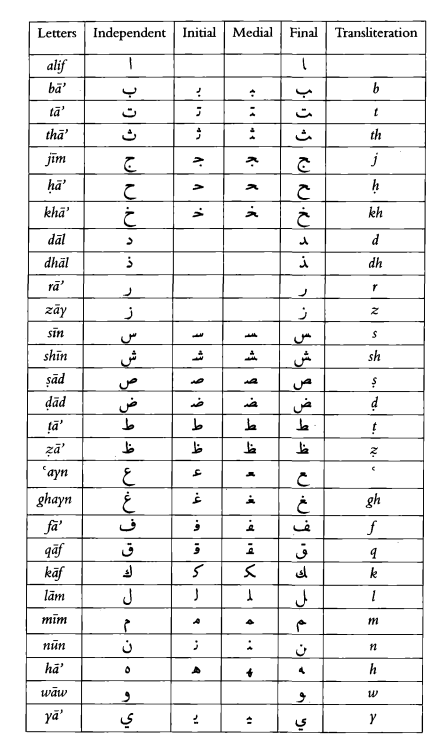
2. Then, open a Mushaf to any page and try to spot letters you recognize from the chart. As you encounter verses in the Quran, try to identify the letters you’ve learned.
Arabic has 28 letters, and it is written from right to left. Here’s a brief introduction:
| Letter | Name | Example in Quran |
| ا | Alif | الرحمن (Ar-Rahman) |
| ب | Ba | بسم (Bism) |
| ت | Ta | التين (At-Teen) |
| ث | Tha | ثمرات (Thamarat) |
| ج | Jeem | جنة (Jannah) |
| ح | Ha | الحمد (Hamd) |
| خ | Kha | خالدين (Khalideen) |
3. You can practice how to write each letter with this playlist we’ve prepared for you on our YouTube channel Kalimah4Arabic.
Technique 2: Mastering Arabic Pronunciation Through Quranic Recitation
You know, to speak Arabic beautifully, like the language of the Quran, we must learn its special sounds. It’s like learning a secret code! Some sounds, like the “ع” (Ayn) and the “غ” (Ghayn), are not found in English. They’re unique to Arabic.
The “ع” (Ayn) is a sound from deep in your throat. Listen to the word “عِندَ” (einda) in Surah Al-Baqarah (2:62), meaning “towards.” Hear that special sound in the beginning? That’s the Ayn!
And here is a video on our Youtube channel that teaches you how to correctly pronounce the Arabic letter ع (ayn) in the opening verse of the Quran, “الْحَمْدُ لِلَّهِ رَبِّ الْعَالَمِينَ” (al-hamdu lillahi rabbil-ʿālamīn) (Al-Fatiha 1:2) The letter ع is a difficult sound for non-native Arabic speakers to master, as it is a deep guttural sound that does not exist in many other languages. By practicing along with the video, viewers can learn to pronounce this letter correctly and improve their overall Arabic pronunciation.
The “غ” (Ghayn) is also from the throat, but a bit different. It’s like a soft gargle. Listen to the word “غَفُورٌ” (ghafoorun) in Surah Al-Baqarah (2:192), meaning “forgiving”. That gentle rumble is the Ghayn!
To practice, listen closely to Quran recitations. The reciters are experts, such as shaykh Mahmoud Khalil Al-Husary or shaykh Muhammad Siddiq Al-Minshawi. Listen how they make these sounds smoothly and beautifully. Then, try to imitate them. It takes time, but with practice, you’ll be reciting well, in sha Allah!
Technique 3: Understanding Arabic Grammar Through Quranic Examples
After the beautiful sounds of Arabic, let’s move on to the building blocks of language – grammar. Don’t worry, we won’t get too technical. We’ll just focus on the basics, enough to help you understand how to learn grammar through the Quran.
A. Nouns and Gender:
In Arabic, every noun has a gender – either masculine or feminine. This might seem strange at first, but it’s like giving each word a special personality.
For example, the word “كتاب” (kitab) meaning “book” is masculine, while “سورة” (surah) meaning “chapter” is feminine. You can often spot feminine nouns by their “ة” (taa marbutah) ending, like in “رحمة” (rahmah) meaning “mercy” in Surah Al-Baqarah (2:157).
B. Definite Article:
Speaking of definite articles, the Arabic equivalent of “the” is “ال” (al). It plays a big role in telling us whether we’re talking about a specific thing or just anything.
In Surah Al-Baqarah (2:2), we find the words “ذَٰلِكَ الْكِتَابُ” (dhalika al-kitabu) meaning “That is the Book.” Notice how “الكتاب” (al-kitabu) has the definite article “ال” (al) added to the beginning, showing us it is a specific book – the Quran.
In Surah Al-Fatihah (1:2), we begin with “الْحَمْدُ لِلَّهِ” (al-hamdu lillahi) meaning “All praise is due to Allah.” The “ال” (al) at the beginning of “الحمد” (al-hamdu) shows us we’re talking about all praise, not just some praise.
C. Verb Conjugation:
Arabic verbs change their form depending on who’s doing the action, when the action happened, and whether the action is a statement or a command.
For example, the verb “قرأ” (qara’a) means “to read.” But its form changes if we say “he read” (“قرأ”), “they read” (“قرأوا”), or “read!” (“اقرأ”).
In Surah Al-‘Alaq (96:1), Allah commands the Prophet Muhammad (peace be upon him) to “اقرأ” (iqra’) which means “Read!” Notice how the verb is in the command form, giving it a powerful and direct tone.
These are just a few basic grammar rules to get you started. As you read the Quran, try to identify these patterns. Don’t worry if you don’t understand everything at first. Just like learning any new skill, it takes time and practice.
To strengthen your foundation in Arabic grammar, I invite you to explore the valuable resource offered by the Kalimah Center:
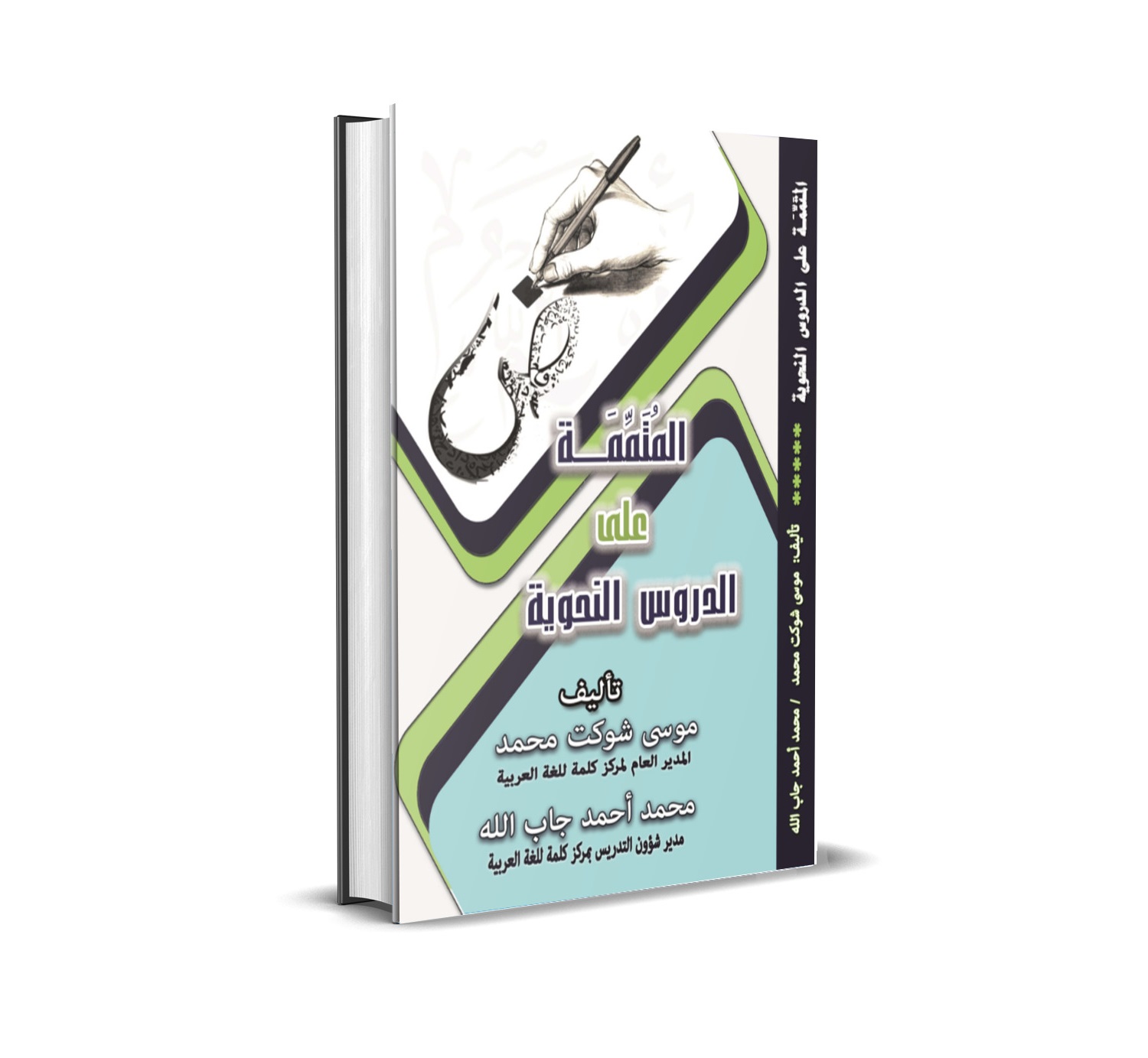
Droos nahwiyah mena Al Moqaddemah Al AAjourromiyah (PDF) – دروس نحوية من المقدمة الآجرومية
This book, based on the renowned Ajurrumiyyah, offers clear and concise explanations of essential grammatical concepts.
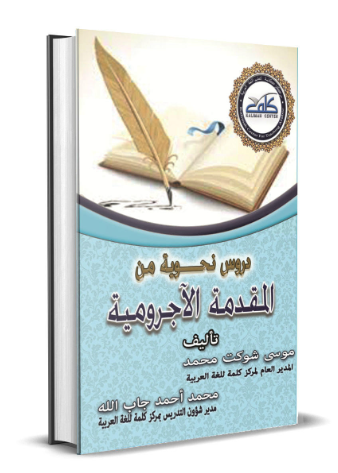
You are invited to explore our book shop.
Technique 4: Building Vocabulary from the Quran’s Most Repeated Words
Alhamdulillah, we’re moving on to another exciting step in our Quranic Arabic learning journey: building our vocabulary!
Let’s start with some words that you’ll find repeated throughout the Quran:
- سماء (samaa’): This means “sky” or “heaven.” When you look up at the vastness of the sky, remember this word and marvel at Allah’s creation.
For example, in Surah Al-Baqarah (2:22), it says,
“الَّذِي جَعَلَ لَكُمُ الْأَرْضَ فِرَاشًا وَالسَّمَاءَ بِنَاءً وَأَنزَلَ مِنَ السَّمَاءِ مَاءً فَأَخْرَجَ بِهِ مِنَ الثَّمَرَاتِ رِزْقًا لَّكُمْ ۖ فَلَا تَجْعَلُوا لِلَّهِ أَندَادًا وَأَنتُمْ تَعْلَمُونَ”
“[He] who made for you the earth a bed [spread out] and the sky a ceiling and sent down from the sky, rain and brought forth thereby fruits as provision for you. So do not attribute to Allah equals while you know [that there is nothing similar to Him].”
- أرض (ard): This means “earth.” It’s the ground we walk on, the place where Allah has provided for us. In Surah Ar-Rahman (55:10), it says,
“وَالْأَرْضَ وَضَعَهَا لِلْأَنَامِ”
“And the earth He laid [out] for the creatures.”
- نبي (nabiyy): This means “prophet.”Throughout the Quran, we learn about the stories of many prophets, like Noah, Abraham, Moses, and Jesus (peace be upon them all). In Surah Al-Ahzab (33:53), it says,
“يا أَيُّهَا الَّذِينَ آمَنُوا لَا تَدْخُلُوا بُيُوتَ النَّبِيِّ إِلَّا أَن يُؤْذَنَ لَكُمْ إِلَىٰ طَعَامٍ غَيْرَ نَاظِرِينَ إِنَاهُ”
“O you who have believed, do not enter the houses of the Prophet except when you are permitted for a meal, without awaiting its readiness.”
Now, let’s explore some words related to actions:
- صلى (salla): This means “to pray.” It’s one of the five pillars of Islam, and it’s a way we connect with Allah. In Surah Al-Baqarah (2:45), it says, “And seek help through patience and prayer.”
- صوم (sawm): This means “to fast.” During the month of Ramadan, we fast from dawn till dusk, a practice that teaches us discipline and empathy. In Surah Al-Baqarah (2:183), it says, “O you who have believed, decreed upon you is fasting as it was decreed upon those before you that you may become righteous.”
- زكى (zakah): This means “to purify.” It refers to the act of giving a portion of our wealth to the needy, an act that purifies our hearts and our wealth. In Surah At-Tawbah (9:103), it says, “Take, [O, Muhammad], from their wealth a charity by which you purify them and cause them increase, and invoke [Allah ‘s blessings] upon them.”
So, as you read the Quran pay attention to words you don’t know. Look them up in a dictionary, or ask your teacher or Imam. Try to understand how they fit into the overall message of the verse.
For example, in Surah Al-Baqarah (2:186), Allah says:
“وَإِذَا سَأَلَكَ عِبَادِي عَنِّي فَإِنِّي قَرِيبٌ أُجِيبُ دَعْوَةَ الدَّاعِ إِذَا دَعَانِ فَلْيَسْتَجِيبُوا لِي وَلْيُؤْمِنُوا بِي لَعَلَّهُمْ يَرْشُدُونَ”
You might notice the words “عبادي” (Eibadi – My servants), “قريب” (Qareeb – near), and “دعوة” (Da’wa – supplication).
Write down these new words and their meanings.
Technique 5: Advanced Exercises — Root Tracing, Tafsir Study & Composition
A. Identifying Root Words
Morphology, or Sarf, is the study of how words are formed and altered in Arabic. Understanding Sarf is crucial for mastering Quranic Arabic.
- Select a verse from the Quran.
- Identify the root words of significant terms.
- Write down the root words and their meanings.
- Example: Surah Al-Fatihah (1:1)
“الْحَمْدُ لِلَّهِ رَبِّ الْعَالَمِينَ” (Alhamdulillahi Rabbil ‘alamin) – “Praise be to Allah, the Lord of the Worlds.”
Root: ح م د (ha-ma-da)
Meaning: praise, thanks
B. Enhancing Arabic Reading and Comprehension through Quran
Objective: To improve Arabic reading skills and comprehension of Quranic Arabic.
- Example: Read a short Surah from the Quran and summarize its meaning.
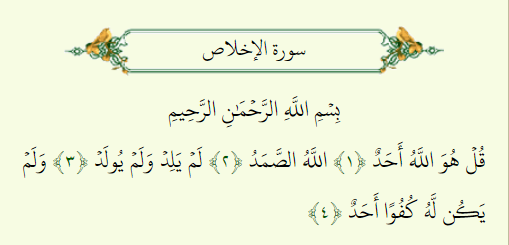
- For instance: Surah Al-Ikhlas (Surah 112)
( قُلْ هُوَ ٱللَّهُ أَحَدٌ ٱللَّهُ ٱلصَّمَدُ لَمْ يَلِدْ وَلَمْ يُولَدْ وَلَمْ يَكُن لَّهُۥ كُفُوًا أَحَدٌۢ)
(Qul huwa Allāhu ‘aḥad. Allāhuṣ-ṣamad. Lam yalid wa lam yūlad. Wa lam yakun lahu kufuwan ‘aḥad.)
(Say, “He is Allah, [who is] One, Allah, the Eternal Refuge. He neither begets nor is born, nor is there to Him any equivalent.)
- Exercise: Listen to it from an experienced reciter such as Mahmoud Khalil Al-Husary or shaykh Muhammad Siddiq Al-Minshawi, and imitate them while you are reading from a Mushaf to link sounds with shapes of letters and words.
Read Also: Learn Arabic To Understand Quran
C. Enhancing Arabic Writing and Composition through Quran
Writing out verses helps reinforce your learning, while recitation improves your pronunciation and fluency.
Exercise: Write out Surah Al-Ikhlas (Surah 112) ten times and recite it aloud. Focus on correct pronunciation and tajweed (rules of Quranic recitation).
D. Learning Arabic through Tafsir (Advanced)
Classical Tafsir books, such as those by Ibn Kathir or Al-Tabari, provide detailed explanations of the Quranic verses, including linguistic insights.
Choose a well-known Tafsir (such as Tafsir Ibn Kathir) and study the explanations of your chosen verses. Pay attention to the linguistic nuances explained by the scholars.
Modern Tafsir books (such as Tafsir Al-Jalalayn) and online resources often provide simplified explanations suitable for beginners.
Use modern Tafsir resources to understand the broader meanings and implications of the verses you study.
Master Arabic with Kalimah Center
Join our expert-led online classes and start your journey toward Arabic fluency today.
Book Your Free TrialHow to Analyze a Quranic Verse for Arabic Learning: Step-by-Step
This is the practical process you use every study session when learning Arabic through the Quran:
Choose your verse: Start with Al-Fatiha (7 verses) or Surah Al-Ikhlas (4 verses). Both are short, frequently recurring, and densely packed with essential vocabulary and grammar patterns.
The 7-step verse analysis process:
Mastering the depths of the Quran requires a systematic approach that blends linguistic precision with spiritual reflection. By following this structured seven-step methodology, learners can transform their reading from simple recitation into a comprehensive scholarly analysis of every word and meaning.
Step 1: Read the verse aloud 3 times
Follow a qualified reciter (Mahmoud Khalil Al-Husary for slow, clear recitation; Sheikh Mishary Al-Afasy for melodic). Don’t analyze yet — just let the sounds become familiar.
Step 2: Write out each word separately
Take Surah Al-Ikhlas (112:1): قُلْ هُوَ اللَّهُ أَحَدٌ → Write: قُلْ / هُوَ / اللَّهُ / أَحَدٌ
Step 3: Identify the root of each word
- قُلْ → root ق-و-ل (saying/speech) — connects to: قول (saying), قائل (one who says), مقال (article/speech)
- هُوَ → pronoun (he) — no root; a particle
- اللَّهُ → the Divine name
- أَحَدٌ → root أ-ح-د (one/unity) — connects to: أحد (one), واحد (single), وحدة (unity)
Step 4: Identify the grammatical case (I’rab)
- قُلْ → Verb in command form (فعل أمر)
- هُوَ → Subject pronoun
- اللَّهُ → Predicate (خبر) in Nominative case — ـُ ending
- أَحَدٌ → Predicate (خبر) in Nominative case — ـٌ (indefinite)
Step 5: Record new vocabulary
Keep a dedicated “Quran vocabulary journal.” Entry format: Arabic word / root / English meaning / verse reference / example sentence
Step 6: Verify using the Quranic Arabic Corpus
Go to corpus.quran.com → type the surah and verse number → verify your root identification and grammatical analysis against the scholarly database.
Step 7: Read tafsir for the verse
Use a simplified tafsir like Tafsir Al-Sa’di (available in English online) for beginners or Ibn Kathir for intermediate learners. Pay attention to any linguistic comments the scholar makes.
“Arabic Through the Qur’an” by Alan Jones: Full Review and How to Use It
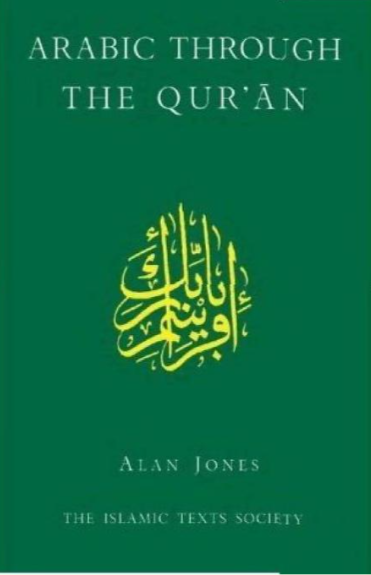
Book details:
“Arabic Through the Qur’an” by W.M. (Alan) Jones | Publisher: Islamic Texts Society | 40 lessons | Self-study format
Overview: This is arguably the most focused Quranic Arabic grammar book available in English. Unlike Madinah Arabic Books (which teach Classical Arabic generally) or conversational MSA courses, Alan Jones’ book uses exclusively Quranic examples for every grammatical concept — from the first lesson through the most advanced structures. Every grammar rule is illustrated, practiced, and tested using real Quranic verses.
Who it’s for:
| Learner Type | Is This Book Right for You? |
|---|---|
| Complete beginner (no Arabic) | ✅ Yes — starts from the alphabet in Lesson 1 |
| Academic/patient learner | ✅ Yes — systematic, text-based, thorough |
| Visual/interactive learner | ⚠️ Partially — the book is text-heavy with limited visuals |
| Wants spoken Arabic | ❌ No — this book focuses on reading and comprehension only |
| Seeking fast results | ❌ No — this is a slow, methodical approach |
| Quran-focused (Tajweed not priority) | ✅ Yes — Tajweed not covered; grammar and meaning is the focus |
Curriculum breakdown:
| Lessons | Topics Covered | Key Grammar Concepts |
|---|---|---|
| 1–8 | Alphabet, short vowels, definite article, basic nouns | ال (al), nunation (tanween), masculine/feminine |
| 9–16 | Verb introduction, past tense, pronouns | Perfect tense verbs, subject pronouns, إضافة (possession) |
| 17–24 | Imperfect tense, weak verbs, participles | Present tense, active/passive participles |
| 25–32 | Dual form, broken plurals, verb forms | المثنى (dual), أوزان الفعل (verb patterns) |
| 33–40 | Advanced syntax, conditional sentences, complete review | Conditional structures, إن and لو, comprehensive I’rab |
How to use the book effectively:
- Don’t skip the exercises. Each lesson has exercises specifically designed to check your understanding. Many self-studiers read the lesson and move on — this is a mistake. Complete every exercise in writing before checking the key.
- Read each example verse in the Quran. When Jones uses Surah Al-Baqarah 2:255 to illustrate a grammar point, open your Mushaf and read the full verse. The isolated example gains meaning and context.
- Use the Quranic Arabic Corpus alongside it. When Jones explains a grammatical point, verify it using the word-by-word grammar analysis at corpus.quran.com for the same verse.
- Don’t rush between lessons. Jones’ system is cumulative — Lesson 20 assumes mastery of Lessons 1–19. Spending 2–3 weeks per lesson rather than days produces better retention.
- Combine with audio. The book provides no audio. Supplement with a reciter (Mahmoud Khalil Al-Husary for slow, clear recitation) to hear every verse you read.
Is the PDF available free?
Yes — search “Arabic Through the Quran Alan Jones PDF” and multiple PDF versions are freely available online. However, if you find it valuable, purchasing the physical book from the Islamic Texts Society supports the publisher and gives you a better reading experience.
How it compares to alternatives:
| Book | Quranic Focus | Grammar Depth | Ease of Use | Best For |
|---|---|---|---|---|
| Alan Jones | ★★★★★ (Quran only) | ★★★★★ | ★★★☆☆ (academic) | Serious Quran-focused learners |
| Madinah Arabic (3 books) | ★★★☆☆ (general classical) | ★★★★★ | ★★★★☆ | Broadest classical Arabic foundation |
| Learning Quranic Arabic for Complete Beginners | ★★★★☆ | ★★★☆☆ | ★★★★★ | Absolute beginners wanting the gentlest entry |
| Learning Arabic Language of the Quran | ★★★★★ | ★★★☆☆ | ★★★★☆ | Learners who want Quranic examples at every step |
| Bayyinah Dream (online video) | ★★★★★ | ★★★★☆ | ★★★★★ | Visual learners; engaging teaching style |
Want a Complete Free Resource Directory?
We’ve covered the creative technique of using the Quran directly as your Arabic textbook. For a comprehensive list of all free resources — YouTube channels, apps, websites, PDFs, and a month-by-month free study plan — see our dedicated guide:
→ [Learn Quranic Arabic Online Free: 15+ Channels, Books, Apps & Study Roadmap →]
And for paid course options and a structured curriculum breakdown:
→ [Learn Quranic Arabic: Complete Guide to Courses, Curriculum & Timeline →]
Master Arabic with Kalimah Center
Join our expert-led online classes and start your journey toward Arabic fluency today.
Book Your Free TrialInside Kalimah Center: Moments from Our Courses
Get a glimpse into the vibrant learning experience at Kalimah Center. These snapshots capture real moments from our live classes—where students engage deeply, connect with passionate instructors, and grow in a welcoming, supportive environment.
Here Are The Reviews On Our Courses:
Our students frequently commend the excellence of our courses and the commitment shown by our instructors. You can read their complete reviews on Trustpilot.
Read more reviews on Trustpilot

Kalimah Center is your Trusted Companion on your Path to Quranic Fluency and Linguistic Mastery
You’ve discovered creative techniques for learning Arabic basics through the Quran, but why stop there? Let Kalimah Center be your guide on an immersive journey that intertwines language learning and spiritual growth.
Why Kalimah? Because we offer more than just techniques:
- Certified Quran Teachers: Learn from Ijazah-certified experts who deeply understand the Quran’s language and nuances.
- Structured Quranic Curriculum: Progress systematically through the Quran, mastering Tajweed rules and expanding your vocabulary.
- Integrated Arabic Courses: Combine Quranic studies with comprehensive Arabic language courses to enhance your understanding and communication skills.

Kalimah is the bridge between Quranic study and Arabic fluency:
- Noorani Qaida: Establish a solid foundation in Arabic pronunciation, essential for accurate Quran recitation.
- Tajweed Courses: Master the art of Quranic recitation with meticulous attention to pronunciation and rhythm.
Everyone’s Invited to Try Learning Arabic and Quran for Free!
- Adult Learners of All Levels: Welcome!
- Quran & Tajweed: Start your journey here.
- Young Learners: Arabic is fun for kids too!
Don’t Miss Your Free Trial
Conclusion:
Learning Arabic through the Quran unlocks a deeply enriching language experience. By focusing on Quranic verses, you can master the Arabic alphabet, pronunciation, and grammar while connecting with the text’s spiritual depth. Creative methods, such as identifying letters and understanding grammatical structures through Quranic examples, make the learning process engaging and effective.
To enhance your skills, utilize resources like “Arabic Through the Qur’an,” online tools, and expert tutoring. Embrace the Quran as both a linguistic and spiritual guide to achieve fluency and a richer understanding of Arabic.
FAQs about Learn Arabic Through Quran
Q1: Can I actually learn Arabic just by reading the Quran?
Partially — and it depends on what you mean by “learn Arabic.” The Quran alone, without grammar instruction, will help you recognize patterns and vocabulary through repetition. However, you cannot learn grammar rules from the Quran without a grammar framework to interpret what you’re seeing. The most effective approach is using the Quran AS your textbook while simultaneously using a grammar resource (like Madinah Arabic or Alan Jones’ book) to understand WHY each word takes its form. The Quran provides the context; grammar books provide the analytical tools.
Q2: What is the word-for-word method of learning Arabic through the Quran?
The word-for-word method involves analyzing every word in a verse individually before understanding the verse as a whole. For each word you identify: the Arabic root (3-letter base), the grammatical pattern (how the root was modified), the grammatical role in the sentence (subject, object, verb), and the exact meaning in this context. Tools like the Quranic Arabic Corpus (free website) provide this analysis for every word. Books like “Arabic Through the Qur’an” by Alan Jones teach grammar exclusively through Quranic examples using this approach.
Q3: Is “Arabic Through the Qur’an” by Alan Jones good for beginners?
Yes, but with a caveat. The book is self-contained and starts from the alphabet, making it technically suitable for beginners. However, its approach is more academic than books like Madinah Arabic — it assumes the learner is patient with a systematic, text-based approach. Complete beginners who prefer visual, interactive learning may find it dense. Those who do well with grammar books and enjoy an academic style will find it the most focused Quranic Arabic grammar resource available in English. The PDF is freely available online; start with Lesson 1–5 to gauge whether the style suits you before purchasing the physical book.
Q4: How long should I spend on each Quran verse when learning Arabic through it?
At beginner level, spend 20–40 minutes per verse. This seems slow, but it’s intentional — thorough analysis of one verse in depth teaches more than skimming ten verses. For Al-Fatiha alone (7 verses), a serious beginner should spend 2–3 weeks: looking up every root, understanding every grammatical form, reading tafsir commentary, and memorizing the vocabulary. Once you’ve analyzed a verse thoroughly, its vocabulary and structures appear in hundreds of other verses and become instantly recognizable.
Q5: What Arabic grammar must I know before learning Arabic through the Quran?
Ideally: the Arabic alphabet (reading fluency), basic noun and verb concepts (masculine/feminine, singular/plural/dual), the definite article (ال), and the concept of I’rab (case endings). You don’t need to be an expert — even A1-level grammar knowledge is enough to start analyzing simple verses. As you work through the Quran, you’ll encounter grammar naturally and can look up each new concept as it appears. The Quran-as-textbook method is actually forgiving for beginners because you’re motivated to understand every word.