Learning Arabic to understand the Quran requires two distinct skill sets: Tajweed (correct recitation rules) and Quranic comprehension (understanding meaning through grammar and vocabulary). Most learners focus only on Tajweed but cannot understand what they recite. To understand the Quran in Arabic, you need: the Arabic alphabet (1–3 months), Quranic vocabulary — the 500 most common words cover ~80% of the Quran (3–6 months), and basic Quranic grammar including Nahw and Sarf (6–12 months).
With consistent study of 5 hours/week, most learners reach basic Quranic comprehension in 12–18 months and functional understanding in 2–3 years.
Key Reference Table:
| Aspect | Details |
|---|---|
| What Arabic the Quran uses | Classical Arabic (الفصحى) — not Modern Standard Arabic or any dialect |
| MSA vs. Classical Arabic | MSA shares ~75% grammar overlap with Classical; Classical has more complex I’rab and unique vocabulary |
| Unique Quranic words | ~14,870 unique word forms; ~1,800 root words; 500 most frequent = ~80% of text |
| Two goals (different paths) | Recitation (Tajweed) = pronunciation rules only; Comprehension = grammar + vocabulary |
| Time to basic comprehension | 12–18 months with 5 hrs/week structured study |
| Time to functional comprehension | 2–3 years with consistent study |
| Best starting point | Arabic alphabet → basic vocabulary (300 words) → basic Nahw → Quran reading with meaning |
| Best resources | Live instructor + Madinah Arabic books + Quranic Arabic Corpus (free) + Bayyinah TV |
Why Arabic Is the Only Way to Truly Understand the Quran
The Quran was revealed in Arabic for a profound reason — Arabic’s root system, grammatical precision, and rhetorical structures carry meaning that no translation can fully capture. Consider a single example: the word صبر (Sabr) is translated as “patience,” but in Arabic it simultaneously means steadfastness, endurance, active resilience, and unwavering trust in Allah’s plan.
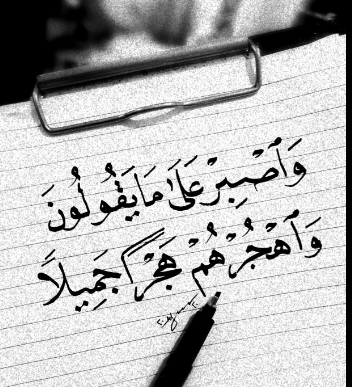
When Allah commands in Surah Al-Muzamil (73:10): “وَاصْبِرْ عَلَىٰ مَا يَقُولُونَ” — you’re not just being told to wait quietly. You’re being given a comprehensive life philosophy in a single word.
Similarly, قلب (qalb) — translated as “heart” — encompasses intellect, intention, emotion, and spiritual orientation in Quranic usage. “أَلَا بِذِكْرِ اللَّهِ تَطْمَئِنُّ الْقُلُوبُ” (Ar-Ra’d 13:28) doesn’t just say hearts become calm — it says the entirety of your inner being finds its ultimate rest.
These are not poetic embellishments. They are the actual meanings the words carry. This is why this guide exists — to help you access them.
How to Learn Quranic Arabic
So, how to learn Arabic for the Quran? Learning Quranic Arabic starts with mastering the Arabic alphabet and short vowels. It is recommended to begin with Modern Standard Arabic (MSA) before transitioning into Classical Arabic to gain a strong foundation. Additionally, practicing through listening to Quranic recitation and writing Arabic calligraphy can significantly enhance your learning journey.
1. Arabic Alphabet & Short Vowels
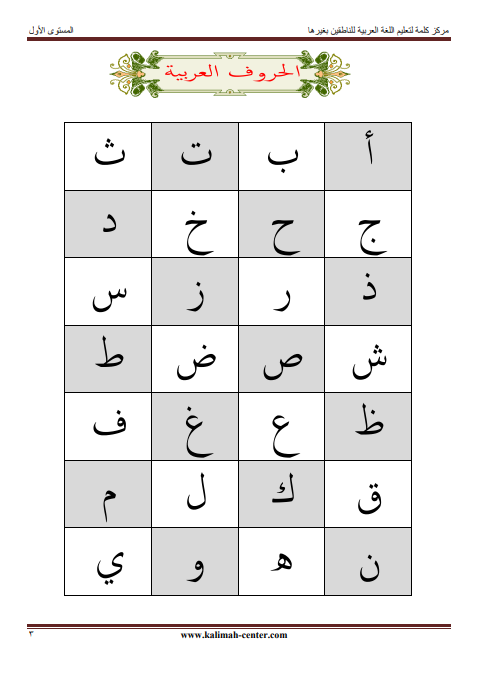
Like any beautiful structure, learning Quranic Arabic starts with a solid base. Begin by immersing yourself in the Arabic alphabet (الأبجدية العربية), paying close attention to the unique sounds of each letter. Proper pronunciation (النطق المضبوط) is key to truly appreciating the Quran’s recitation.
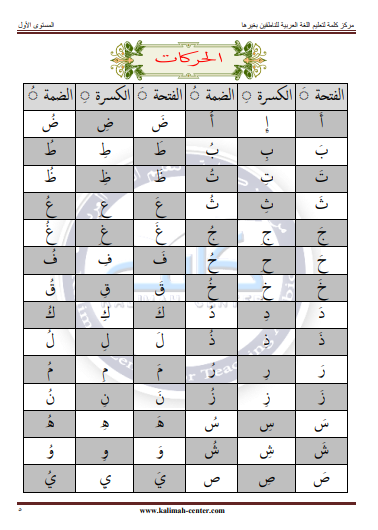
- Alif, Ba, Ta: Familiarize yourself with the 28 letters, their sounds, and how they connect. Take your time here, as this foundation will make the rest of your journey smoother.
- Fatha, Kasra, Damma: These short vowels (الحركات القصيرة) are like musical notes that give life to the letters. Learn how they change the sound of a word. For instance, “kataba” (كَتَبَ – he wrote) becomes “kutiba” (كُتِب – it was written) with the change of just 2 vowel.
2. Words of the Quran
As you progress, focus on mastering the most frequent words found in the Quran. These words are the building blocks of your understanding.
- Rabb (رب): Meaning “Lord,” this word reminds us of our relationship with the Divine.
- Aman (آمن): To “believe” is at the core of faith, and this word reinforces that concept.
3. Learn Arabic Grammar to understand Quran
Think of Arabic grammar (النحو والصرف) as the thread that weaves words into meaningful sentences.
- Nahw: Uncover the rules governing word order and relationships.
- Sarf: Learn how words transform to convey different meanings.
- Practice: Analyze Quranic verses to solidify your understanding.
- Seek Guidance: Learn from Native teachers and experts.
Start with the essentials:
- Verb Conjugation (تصريف الأفعال): Learn how verbs change based on who’s doing the action and when. For example, the verb “kataba” (كتب – he wrote) transforms into “taktubu” (تكتب – you write) when the subject changes.
- Noun-Adjective Agreement (مطابقة الاسم والصفة): Discover how adjectives need to match the nouns they describe in gender and number. For instance, “rajul saleh” (رجل صالح – a righteous man) becomes “rijal salihoon” (رجال صالحون – righteous men) in the plural.
4. Learn With a Mushaf
Begin to engage with the Quran itself, starting with shorter chapters (suwar – سور). The beauty of Quranic Arabic lies in its ability to convey deep meanings through eloquent words. Tafsir (تفسير), or Quranic commentary, can be a wonderful guide as you delve into these verses.
5. Start With MSA Before Transitioning into Classical Arabic
Mastering the Quranic language is best achieved by starting with Modern Standard Arabic (MSA). Once you have a firm grasp of MSA’s grammar and vocabulary, transitioning into Classical Arabic, the language of the Quran, becomes significantly easier. While both MSA and Classical Arabic share the same fundamental rules, Classical Arabic is primarily distinguished by its application in the Quran.
6. Structured Learning – Your Guide
Consider enrolling in structured courses that are tailor-made for learning Arabic. Many online platforms offer comprehensive programs that guide you through each stage.
To accelerate your Arabic language acquisition, consider enrolling in Kalimah Center’s structured online courses. Designed for learners of all levels, from beginners to advanced students, Kalimah Center offers a comprehensive curriculum that covers Modern Standard Arabic (MSA) and Classical Arabic.
Kalimah courses, spanning 16 levels and totaling over 400 hours of one-on-one instruction, ensure a personalized and effective learning experience. With Kalimah Center’s expert guidance and interactive materials, you’ll be well on your way to mastering Arabic and unlocking a deeper understanding of the Arabic and Quran.
Read Also about: Learn Quranic Arabic
7. Listen and Write
Learning any language requires practice, and Quranic Arabic is no exception. Dedicate time each day to reading, writing, and even speaking.
- Quranic Recitation (تلاوة القرآن): Listen to recitations by skilled Qaris (قراء), such as Al-Minshawi, to attune your ear to the correct pronunciation and the musicality of the Quran.
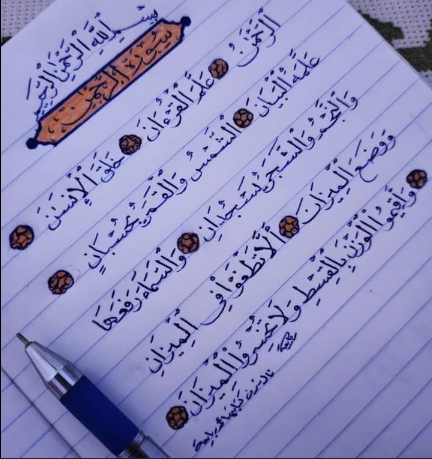
- Arabic Calligraphy (الخط العربي): Engage with the beautiful art of Arabic calligraphy. Writing out verses can be a form of meditation and a way to internalize the words.
Read Also about: Noorani Qaida Course
The Difference Between Reading and Understanding Quranic Arabic
It all begins with the Arabic alphabet (abjad). Each letter holds a unique sound. Familiarize yourself with the characteristics of Arabic letters, their unique shapes, and the sounds they represent. Resources like Kalimah’s Online Quran course focus on teaching our students the proper pronunciation of the Arabic Alphabet through the Noorani Qaida. This enables our students to effectively read any Surah of the Quran at any time. offer excellent beginner lessons.
Beyond individual letters, practice is key to perfecting your pronunciation. Quranic Arabic boasts a beautiful rhythm, with each letter flowing seamlessly into the next. Tajweed is like the fine-tuning of your reading. It’s a set of rules that govern pronunciation, ensuring your recitation is accurate and melodious.
Example: Notice how the letter “ق” (qaf) is pronounced deep in the throat, distinct from the “k” sound.
Immerse yourself in the melodic recitations available online and strive to replicate the nuances of each sound. Websites like Quran.com offer the Qur’an with transliteration and translation, making it easier to follow along.
As you gain confidence, begin exploring the Quran itself. Start with shorter chapters like Surah Al-Fatihah (The Opening) or Surah Al-Ikhlas (The Purity). Don’t worry if you don’t understand the meaning yet – focus on the sounds and the flow.
Inside Kalimah Center: Moments from Our Courses
Get a glimpse into the vibrant learning experience at Kalimah Center. These snapshots capture real moments from our live classes—where students engage deeply, connect with passionate instructors, and grow in a welcoming, supportive environment.
Master Arabic with Kalimah Center
Join our expert-led online classes and start your journey toward Arabic fluency today.
Book Your Free TrialThe Quranic Arabic Learning Roadmap (Stage by Stage)
| Stage | Duration | Focus | What You’ll Be Able to Do | Resources |
|---|---|---|---|---|
| Stage 1: Foundation | 1–3 months (5 hrs/week) | Arabic alphabet, short vowels (harakat), basic letter connections | Read any Arabic word aloud with vowel marks; pronounce all 28 letters correctly | Noorani Qaida, Iqraa Book, live instructor |
| Stage 2: Quranic Vocabulary | 3–6 months (5 hrs/week) | The 500 most frequent Quranic words; basic root system | Recognize common words in Quranic verses; sense general meaning of familiar passages | 80% Quran Words app, Anki flashcard decks, Madinah Arabic Book 1 |
| Stage 3: Basic Grammar (Nahw) | 4–8 months (5 hrs/week) | Nominal sentences, verbal sentences, I’rab (case endings), gender agreement | Parse simple Quranic sentences; understand who is doing what to whom | Madinah Arabic Books 1–2, Al-Ajurrumiyyah, live instructor |
| Stage 4: Morphology (Sarf) | 4–6 months (5 hrs/week) | Arabic root system; word formation patterns (أوزان); verb conjugations | Derive meaning from unfamiliar words using root + pattern recognition | Tayseer al-Sarf, Madinah Arabic Book 2 |
| Stage 5: Quran Reading with Meaning | 6–12 months (5 hrs/week) | Reading Quranic text with grammar analysis; tafsir study | Read short surahs and understand them without translation; follow basic tafsir | Quran + tafsir (Ibn Kathir simplified), Quranic Arabic Corpus |
| Stage 6: Advanced Comprehension | 12+ months (ongoing) | Rhetorical analysis (Balagha); classical texts; independent tafsir reading | Understand complex verses; appreciate linguistic miracles; read classical Arabic scholarship | Advanced texts, traditional scholars, Al-Azhar resources |
Total time estimate (5 hours/week):
- Basic comprehension (50–60% of Quranic text without translation): 12–18 months
- Functional comprehension (most verses with minimal reference): 2–3 years
- Advanced scholarly comprehension: 5–7+ years
Accelerators:
- Live instruction with a native Classical Arabic teacher reduces timeline by 30–40%
- Quran memorization provides massive passive vocabulary — students who have memorized portions reach comprehension faster
- Daily Quran reading (even without full understanding) trains the ear and eye simultaneously
Tajweed vs. Quranic Comprehension: Two Different Goals
This distinction is the most important — and most overlooked — concept in Quranic Arabic learning. Many Muslims spend years learning Tajweed thinking they’re learning to understand the Quran. They’re not. These are two separate disciplines.
| Aspect | Tajweed (تجويد) | Quranic Comprehension (الفهم) |
|---|---|---|
| What it teaches | How to pronounce Arabic correctly | What the Arabic words mean |
| Skills developed | Pronunciation, articulation, recitation rhythm | Vocabulary, grammar, translation |
| Can you understand without it? | You can understand without Tajweed | You cannot understand without vocabulary + grammar |
| Can you recite without it? | No — Tajweed IS correct recitation | Yes — you can recite without understanding meaning |
| Time to learn | 6–12 months (basic); 1–2 years (advanced) | 1–3 years for functional comprehension |
| Result | Beautiful recitation, no meaning | Meaning, possibly with imperfect pronunciation |
| Complete Quran experience | Requires BOTH Tajweed AND comprehension | Requires BOTH |
The common mistake: Most learners focus exclusively on Tajweed (because it has clear rules, certifiable progress, and many available teachers) while neglecting vocabulary and grammar. After 2–3 years, they can recite the Quran beautifully but understand almost nothing.
The recommended path: Learn both simultaneously, but with different priorities at each stage:
- Months 1–3: Alphabet + basic Tajweed (together)
- Months 3–12: Grammar + vocabulary as primary focus; Tajweed rules as secondary
- Year 2+: Refine Tajweed while deepening comprehension
Your goal should be reading the Quran with both correct pronunciation AND understanding — not one at the expense of the other.
Best Resources to Learn Quranic Arabic Online (Free & Paid)
The digital age has made learning Quranic Arabic more accessible than ever. Here are some top resources:
| Resource | Type | Cost | What It Covers | Best For |
|---|---|---|---|---|
| Kalimah Center | Live 1-on-1 course | $42–$170/mo | Classical Arabic, Quranic grammar, live instruction with native teachers | Structured learning with personalized correction |
| Bayyinah TV (Dream Program) | Self-paced video | $11–$22/mo | Quranic grammar (Nouman Ali Khan), Arabic for Quran comprehension | Engaging grammar explanations, self-motivated learners |
| Madinah Arabic Books 1–3 | Free textbook | Free | MSA foundation → Classical Arabic grammar + Quranic vocabulary | Self-study with structured progression |
| Quranic Arabic Corpus | Website | Free | Word-by-word Quran analysis, grammar breakdown of every verse | Reference tool — look up any word or verse |
| 80% Quran Words (app) | App | Free | The 300 most frequent Quranic words | Quick vocabulary building for Quran comprehension |
| Understand Quran Academy | Self-paced | $10–$15/mo | Short daily lessons connecting grammar to Quran directly | Busy learners wanting brief daily Quran-focused sessions |
| Quranic Arabic (lqtoronto — YouTube) | YouTube (free) | Free | Comprehensive Arabic grammar for Quran comprehension | Free grammar lessons with Quranic examples |
| Bayyinah YouTube (Nouman Ali Khan) | YouTube (free) | Free | Tafsir + grammar explanations | Conceptual understanding of Quranic vocabulary |
| Kalimah4Arabic YouTube | YouTube (free) | Free | Grammar, vocabulary, Quranic Arabic lessons | Free supplementary content |
Recommended combination:
- Free path: Madinah Arabic Books + Quranic Arabic Corpus + Bayyinah YouTube + 80% Quran Words app
- Budget path ($11–$22/mo): Bayyinah TV + 80% Quran Words app
- Most effective path: Kalimah Center live course (2–3 sessions/week) + Quranic Arabic Corpus (reference) + 80% Quran Words app (daily vocabulary)
Click Here to Explore our Bookstore
Classical Arabic vs. MSA: Which Should You Study for the Quran?
| Feature | Classical Arabic (CA) | Modern Standard Arabic (MSA) |
|---|---|---|
| Time period | 6th–12th century | 19th century–present |
| I’rab (case endings) | Fully applied — essential for Quranic grammar | Often simplified or dropped |
| Vocabulary overlap with Quran | ~95% (plus archaic and Quranic-specific terms) | ~75% (modern vocabulary added; some classical dropped) |
| Where taught | Islamic seminaries, traditional scholars | Schools, universities, language centers |
| Difficulty | Higher — more complex grammar | Lower — simplified structures |
| Best approach for Quran | ✅ Ultimate goal | ✅ Practical starting point |
The honest answer: You need Classical Arabic to fully understand the Quran, but MSA is the practical bridge for most learners — it’s more widely taught, has more learning resources, and shares 75% of the grammatical system you’ll need. Most scholars recommend:
- Build MSA foundation (6–12 months with structured study)
- Transition to Classical Arabic (add I’rab, archaic vocabulary, rhetorical structures)
- Read the Quran directly with tafsir as grammar deepens
Alternative view: Some traditional scholars argue learners should study Classical Arabic directly from the start (through Madinah Arabic or Al-Ajurrumiyyah) rather than MSA, since MSA introduces modern constructs that Classical Arabic doesn’t use. Both approaches work — the MSA-first path is more accessible; the Classical-first path is more direct if your only goal is Quran comprehension.
Do Native Arabic Speakers Understand the Quran?
Yes, Arabs can generally understand Quranic Arabic, although the level of comprehension varies based on their education and familiarity with classical texts. While Quranic Arabic is clear to those who have studied it, it requires specific knowledge due to its archaic vocabulary and complex style.
Contextual Understanding:
- Educated Arabs: Those with a background in classical studies or Islamic education find Quranic Arabic more accessible.
- General Public: While they can understand the broad meanings, the subtleties and deeper interpretations might require further study.
Example of Comprehension:
- Verse: “وَمَا خَلَقْنَا السَّمَاءَ وَالْأَرْضَ وَمَا بَيْنَهُمَا لَاعِبِينَ” (Wama khalaqna al-samaa wa al-ard wa ma baynahuma la’ibeen) – “And We did not create the heavens and the earth and that between them in play.” (Al-Anbiya 21:16)
- Modern Understanding: The verse is generally understood, but appreciating its full depth and the context may need additional commentary.
How Long Does It Take to Learn Arabic to Understand the Quran?
Reaching a level of basic understanding might take around 2-3 years. To gain a deeper, more comprehensive understanding, it could take anywhere from 5-7 years of consistent study. Generally, it can take several years of dedicated study to reach a level where one can understand the Quran without relying heavily on translations. Here are some factors to consider:
- Language Background: If you already know a Semitic language like Hebrew or Aramaic, learning Arabic might be faster for you. However, if you’re coming from a language with a completely different structure, it might take longer.
- Study Routine: Consistency and immersion are key. Daily study and practice can significantly speed up the learning process.
- Quality of Resources: Using effective learning materials and resources tailored to Quranic Arabic can make a big difference.
- Teacher Guidance: Having a knowledgeable teacher to guide you through the nuances of Quranic Arabic can be invaluable.
Can a Beginner Understand the Quran?
No, a complete beginner might find it challenging to understand the Quran in its original Arabic form due to the classical nature of the language and the depth of its content. However, beginners can start to understand the Quran by taking the following steps:
- Learn Basic Arabic Grammar and Vocabulary: Starting with the fundamentals of the Arabic language is crucial. This includes learning the alphabet, basic grammar rules, and common vocabulary.
- Study Quranic Arabic: Focusing specifically on the vocabulary and grammar used in the Quran can help. Many words and phrases are repeated throughout the text, so recognizing these can aid understanding.
- Use Translations and Tafsir (Exegesis): Using reputable translations and studying tafsir can help beginners understand the meanings and context of the verses.
- Join Quranic Arabic Classes: Enrolling in courses that specialize in teaching Quranic Arabic can provide structured learning and support.
With consistent effort, even beginners can start to grasp the meanings of simpler verses and gradually build their understanding over time.
Read also: Do all Muslims speak Arabic
Most Common Arabic Words in the Quran (50+ Words for Beginners)
The Quran contains approximately 77,000 total words. Of those, just 500 unique root words account for approximately 80% of the text. Learning these first is the most efficient path to Quranic comprehension. Here are the most frequent, organized by category:
Verbs (الأفعال) — Most Frequent
| Arabic | Transliteration | Meaning | Approximate Frequency |
|---|---|---|---|
| قَالَ | qāla | He said | 1,700+ times |
| كَانَ | kāna | He was / It was | 1,300+ times |
| جَعَلَ | jaʿala | He made / He placed | 340+ times |
| أَرْسَلَ | arsala | He sent | 280+ times |
| عَمِلَ | ʿamila | He did / He worked | 360+ times |
| آمَنَ | āmana | He believed | 500+ times |
| أَتَى | atā | He came | 540+ times |
| خَلَقَ | khalaqa | He created | 250+ times |
| أَخَذَ | akhadha | He took | 280+ times |
| ذَكَرَ | dhakara | He remembered / He mentioned | 280+ times |
Nouns — Allah and the Divine
| Arabic | Transliteration | Meaning | Notes |
|---|---|---|---|
| اللَّه | Allāh | Allah (God) | Most frequent word in Quran |
| رَبّ | Rabb | Lord | Followed by a possessive (ربُّكم, ربُّنا) |
| رَحْمَة | Raḥma | Mercy | Cannot be fully translated — divine tenderness |
| نِعْمَة | Niʿma | Blessing, favor | |
| عِلْم | ʿIlm | Knowledge | Divine knowledge vs. human knowledge |
| حَقّ | Ḥaqq | Truth, right, due | |
| نُور | Nūr | Light | Spiritual and physical |
| كِتَاب | Kitāb | Book, scripture |
Time and Place
| Arabic | Transliteration | Meaning |
|---|---|---|
| يَوْم | Yawm | Day |
| آخِرَة | Ākhira | The Hereafter |
| دُنْيَا | Dunyā | This world (temporal life) |
| أَرْض | Arḍ | Earth, land |
| سَمَاء | Samāʾ | Sky, heaven |
| وَقْت | Waqt | Time |
People and Relationships
| Arabic | Transliteration | Meaning |
|---|---|---|
| نَاس | Nās | People, humankind |
| مُؤْمِن | Muʾmin | Believer |
| كَافِر | Kāfir | Disbeliever |
| نَبِيّ | Nabī | Prophet |
| رَسُول | Rasūl | Messenger |
| نَفْس | Nafs | Soul, self |
| قَلْب | Qalb | Heart (spiritual center) |
Actions, States, and Concepts
| Arabic | Transliteration | Meaning |
|---|---|---|
| صَبْر | Ṣabr | Patience, steadfastness, endurance |
| شُكْر | Shukr | Gratitude |
| تَقْوَى | Taqwā | God-consciousness, piety |
| إِيمَان | Īmān | Faith |
| إِسْلَام | Islām | Submission (to Allah) |
| عِبَادَة | ʿIbāda | Worship |
| صَلَاة | Ṣalāt | Prayer |
| حَمْد | Ḥamd | Praise |
| هُدَى | Hudā | Guidance |
| ذِكْر | Dhikr | Remembrance (of Allah) |
Learning strategy: Don’t memorize these as isolated words. Learn each word in a Quranic sentence where it appears. The root system connects them — learning اللَّه, إِلَه, and تَأَلَّه together (all from the root أ-ل-ه) builds a semantic cluster that’s far more memorable than 3 separate words.
Master Arabic with Kalimah Center
Join our expert-led online classes and start your journey toward Arabic fluency today.
Book Your Free TrialExperience Kalimah Center Classes
Watch real excerpts from our live sessions at Kalimah Center and see how we bring learning to life. These clips highlight our interactive, student-centered teaching approach across all our courses—designed to keep learners engaged, motivated, and actively involved every step of the way.
Here Are The Reviews On Our Courses:
Our students frequently commend the excellence of our courses and the commitment shown by our instructors. You can read their complete reviews on Trustpilot.

Ready to Deepen Your Connection with the Quran Through Arabic?
You’ve started your journey to learn Arabic for Quranic understanding, but are you equipped with the right tools and guidance? Let Kalimah Center be your companion on this path.
Why Kalimah? Because our approaches to learn Arabic and the Quran are comprehensive:
- Integrated Learning: We intertwine Arabic language instruction with Quranic studies, ensuring you gain both linguistic skills and spiritual insights.
- Certified Experts: Our Ijazah-certified teachers have a deep understanding of Tajweed and the nuances of Quranic Arabic, ensuring you learn from the best.
- Holistic Curriculum: We cover everything from the Arabic alphabet to advanced Tajweed rules, empowering you to recite and understand the Quran with confidence.
Kalimah is the bridge between your desire to learn and a profound understanding of the Quran:
- Noorani Qaida: Master Arabic pronunciation for accurate and beautiful Quranic recitation.
- Graded Tajweed Courses: Progress step-by-step through the complexities of Tajweed rules.
Explore our courses:
- Quran and Tajweed Courses: Master the art of Quranic recitation, from the basics of Arabic pronunciation to advanced Tajweed rules.
- Arabic Language Courses: Expand your vocabulary, grammar, and comprehension skills to unlock the deeper meaning of the Quran.
- Supportive Community: Connect with fellow learners in our group classes, share insights, and build a lifelong relationship with the Quran.
Conclusion:
Learning Arabic to understand the Quran is more than just acquiring a language; it’s a spiritual journey that connects you to the divine words of Allah. The Quran’s unique beauty and depth are best appreciated in its original Arabic form, which reveals eloquence, rhythm, and subtle nuances that translations often miss.
By learning Arabic, you unlock the profound wisdom and guidance embedded in the Quran’s language, enriching your spiritual experience and deepening your connection with the divine.
To embark on this transformative journey, start with mastering the Arabic alphabet and short vowels, then progress to understanding frequent Quranic words and Arabic grammar.
Engaging with the Quran directly, beginning with shorter chapters and utilizing resources like tafsir for deeper insights, can enhance your learning. Structured courses and consistent practice, including Quranic recitation and Arabic calligraphy, are crucial. This path not only enhances your comprehension of the Quran but also fosters a deeper understanding of Islam and strengthens your relationship with Allah.
FAQs about Learn Arabic To Understand Quran
Q1: Will learning Arabic help me understand the Quran?
Yes — and the difference is profound. The Arabic Quran uses words that carry layers of meaning lost in translation. For example, “صبر” (Sabr) is translated as “patience” but encompasses steadfastness, active endurance, and trust in Allah’s plan simultaneously. “رحمة” (Rahma) becomes simply “mercy” in translation but contains within it softness, tenderness, love, and encompassing care. Most scholars of Arabic report that their relationship with the Quran transformed completely when they began reading it in Arabic. The Quran was specifically revealed in Arabic — this is stated 11 times within the Quran itself.
Q2: How long does it take to learn Arabic to understand the Quran?
With 5 hours of study per week: basic comprehension of common verses (understanding 50–60% of Quranic text) takes approximately 12–18 months. Functional comprehension (understanding most verses with occasional dictionary reference) takes 2–3 years. Deep scholarly comprehension takes 5–7+ years. The key accelerator is learning the most frequent Quranic vocabulary first — 500 words cover approximately 80% of the Quran’s text. Pair this with basic Nahw (grammar) understanding and you can begin reading with meaning relatively quickly.
Q3: Should I learn Modern Standard Arabic (MSA) or Classical Arabic for the Quran?
For Quran understanding, Classical Arabic is the goal — but MSA is often the practical starting point. MSA shares approximately 75% of Classical Arabic’s grammar and a large portion of its vocabulary. Learning MSA first through widely available structured programs gives you a foundation that transfers to Classical Arabic. The additional elements of Classical Arabic that differ from MSA — fuller I’rab (case endings), archaic vocabulary, rhetorical structures — can be added progressively. Starting with Classical Arabic directly (through programs like Madinah Arabic or Kalimah Center’s Classical Arabic course) is also valid and perhaps more efficient if your sole goal is Quran comprehension.
Q4: What is the difference between learning Arabic for Tajweed vs. learning Arabic for comprehension?
These are two completely different skills that are frequently confused. Tajweed is the science of correct pronunciation — it teaches you HOW to recite the Quran sounds accurately (makharij, sifaat, madd rules, noon sakinah rules, etc.). You can master Tajweed and recite the Quran beautifully while understanding zero of the meaning. Quranic comprehension requires grammar (Nahw — understanding sentence structure, I’rab, and case endings) and vocabulary (knowing what each word means). Most learning programs cover Tajweed but few systematically build the grammar and vocabulary needed for comprehension. You need both — recite correctly AND understand what you’re reciting.
Q5: Can I understand the Quran if I learn Arabic words without grammar?
Partially. Learning the 500 most frequent Quranic words without grammar gives you “meaning extraction” — you can sense the general topic of a verse from recognizable words. But without grammar, you cannot determine who is doing what to whom, whether a statement is a condition or a command, or what qualifies what. Arabic grammar (specifically I’rab — case endings) changes meaning entirely: “أَكَلَ الأَسَدُ النَّمِرَ” (the lion ate the leopard) and “أَكَلَ الأَسَدَ النَّمِرُ” (the leopard ate the lion) use identical words — only the case endings reveal who was eaten. Both vocabulary and grammar are essential for true Quranic comprehension.