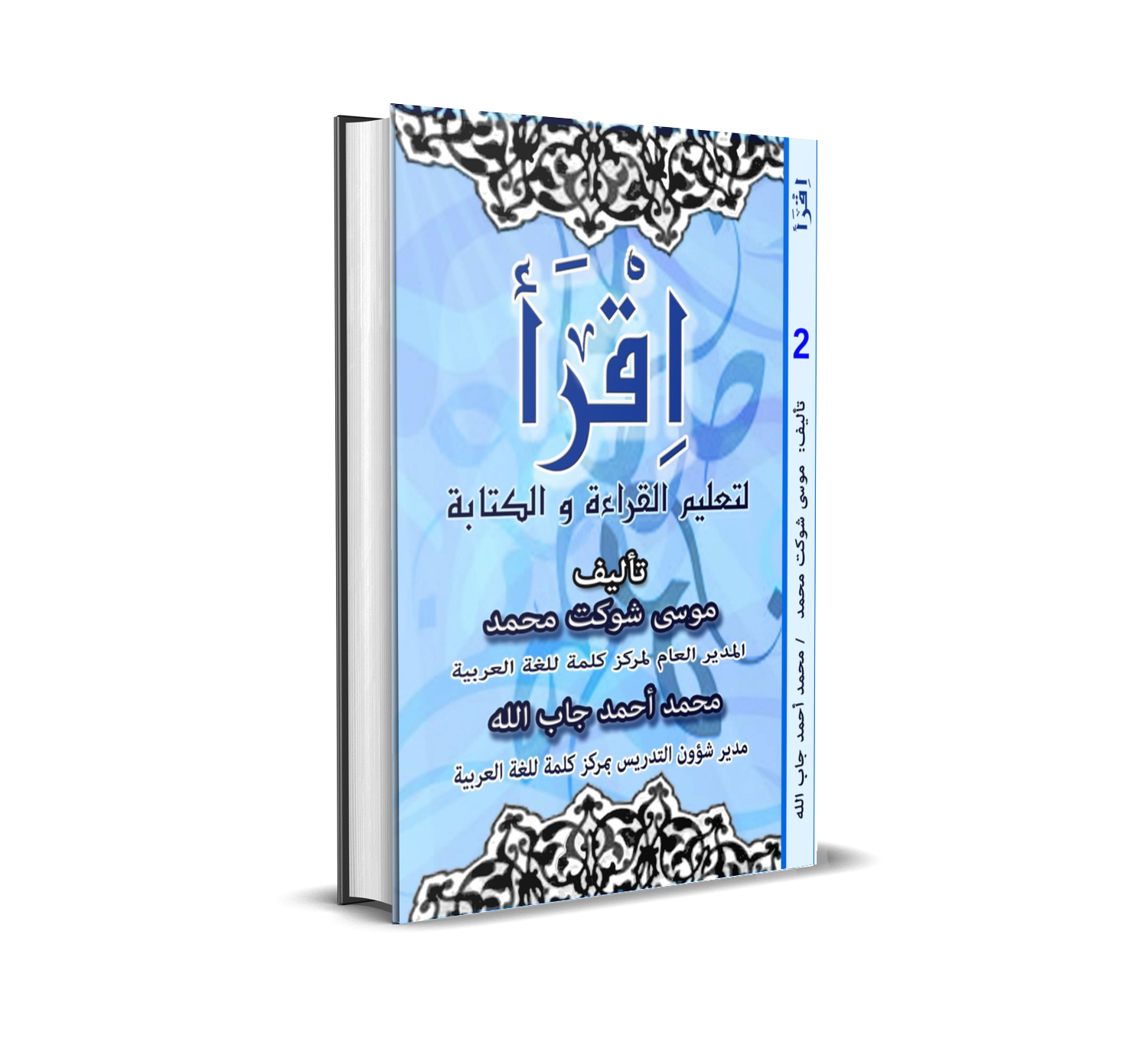
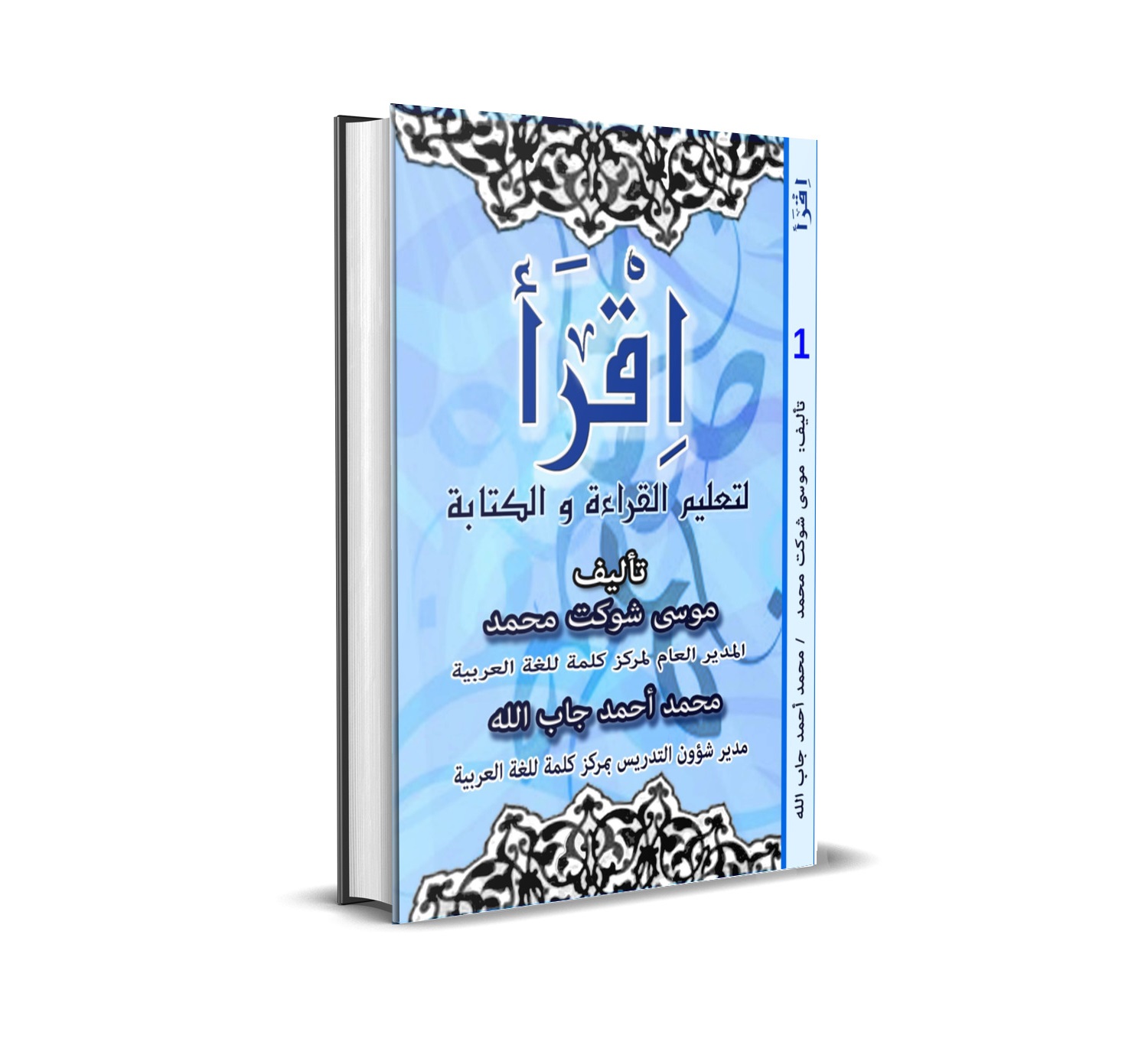
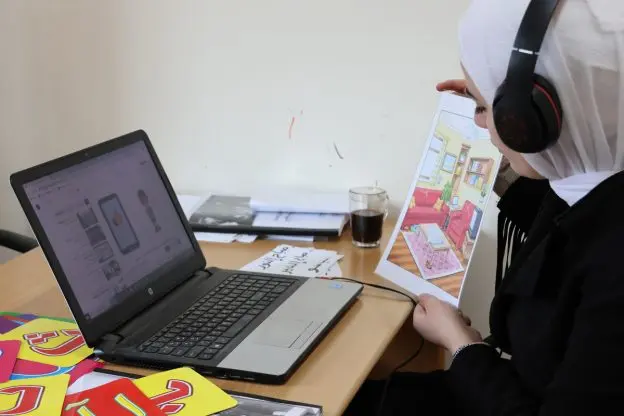
In a nutshell: the Noorani Qaida course is a structured program designed to teach beginners the Arabic alphabet, pronunciation, and essential Tajweed rules, laying a solid foundation for Quranic reading. Through step-by-step lessons, students master letter shapes, sounds, and Quranic recitation with personalized guidance from experienced teachers, ensuring accurate and confident reading.
You want to learn read Quran properly? Then you need to know about Noorani Qaida. Noorani Qaida course teaches you the basics of how to read the Quran. Arabic alphabet, how to join letters, how to pronounce correctly. This article explains all about Noorani Qaida course. Noorani Qaida is good for beginners, kids and adults. Noorani Qaida is the correct way to learn Quran reading. Read this article and you will understand why this is so important.
What is Noorani Qaida?
Noorani Qaida is a foundational book designed to teach the Arabic alphabet, proper pronunciation, and basic rules of Tajweed. Noorani Qaida helps you learn the shape and sounds of each Arabic letter, how to join them together, and how to read Arabix words and then Arabic sentences. Noorani Qaida is the first step, the foundation, for anyone who wants to read the Quran properly. Noorani Qaida was written by Sheikh Noor Muhammad Ludhyanvi, a scholar from India.

Get Your Noorani Qaida Free Trial Lesson
What is Noorani Qaida Course?
A Noorani Qaida course is a structured program that helps you learn to read Arabic using the Noorani Qaida book. A Noorani Qaida course is not just about reading the book; it’s about understanding it, practicing it, and mastering it with the help of an Arabic teacher.
In a good Noorani Qaida course, you will have a teacher who will guide you, correct your mistakes, and help you become a confident Arabic reader.

Noorani Qaida Online Lessons at Kalimah Center
At Kalimah Center, we understand the importance of a well-structured curriculum. Our Noorani Qaida course is divided into several key lessons, each designed to build upon the last. Here is a glimpse of what you will learn in our Noorani Qaida course:
Lesson 1: Basic Arabic Alphabets and Individual letters
Learn to recognize and pronounce all 28 letters of the Arabic alphabet.
Understand the unique sounds of letters like “ع” (‘ayn) and “غ” (ghayn), which have no English equivalent.
Practice writing each letter in its isolated form.

Lesson 2: Joint Arabic letters
Learn how letters change shape when they connect to each other. And practice writing simple two and three-letter combinations.
Understand the concept of ligatures, where two letters combine to form a new shape, such as “لا” (laam-alif).

Lesson 3: The Muqattiat Letters in the Quran
Explore the unique combinations of letters that appear at the beginning of certain Surahs in the Quran.
Learn the special pronunciation rules associated with these letters.
Example: “الم” (Alif-Laam-Meem), “يس” (Yaa-Seen)

Lesson 4: The Arabic Movements (Harakat)
Master the three short vowel sounds: Fatha (a), Kasra (i), and Damma (u).
Learn how these movements change the sound of each letter. And practice reading and writing words with Harakat.
Example: “هَ” (ha), “هِ” (hi), “هُ” (hu)

Lesson 5: The Nunation (Tanween) in Arabic
Understand the concept of Tanween, which adds an “n” sound to the end of a word.
Learn the three types of Tanween: Fathatayn (an), Kasratayn (in), and Dammatayn (un).
Practice reading and writing words with Tanween.
Example: “بً” (ban), “بٍ” (bin), “بٌ” (bun)

Get Your Noorani Qaida Free Trial Lesson
Lesson 6: The Nunation & Movements (Tanween & Harakat) in Arabic
Practice combining Harakat and Tanween in different words, and develop fluency in reading words with various vowel combinations.
Example: “أحَدٌ” (Ahadun)

Lesson 7: Standing Fatha, Standing Kasrah, and Standing Dummah in the Quran
Learn these alternative ways of representing long vowels, and understand how they are used in certain words in the Quran.
like in “الرَّحْمَـٰن” (ar-Rahman)

Lesson 8: The MaddoLeen (Maddah Letters)
Master the three long vowel sounds: Alif (aa), Waw (oo), and Yaa (ee).
Learn how these letters extend the sound of the preceding vowel. Practice reading words with Madd letters.
Example: “بَاب” (baab), “بُوق” (booq), “سِين” (seen)

Lesson 9: Exercises on MaddoLeen, Tanween, Harakat, and Standing (Fatha, Kasrah, and Dummah)
Consolidate your knowledge through comprehensive exercises.
Practice reading longer phrases and sentences incorporating all the learned concepts.

Lesson 10: The Sakoon and Jazm in Arabic
Understand the concept of Sukoon, which indicates the absence of a vowel sound.
Learn how Sukoon affects pronunciation. Practice reading words with Sukoon.
Example: “قُلْ” (qul), “مِنْ” (min)

Get Your Noorani Qaida Free Trial Lesson
Lesson 11: Exercises on “Sakoon” and “Jazm”
Reinforce your understanding of Sukoon through various exercises. Practice reading longer passages that include words with Sukoon.

Lesson 12: The Duplication Sign (Tashdeed)
Learn how Tashdeed doubles the sound of a consonant. Understand how Tashdeed is written and pronounced. Practice reading words with Tashdeed.
like in “الشَّمْس” (ash-shams)

Lesson 13: Exercises on The Tashdeed
Solidify your knowledge of Tashdeed through targeted exercises. Practice reading verses from the Quran that contain words with Tashdeed.

Lesson 14: The Tashdeed with Sakoon
Learn how Tashdeed and Sukoon can appear together in certain words. Understand the pronunciation rules for these combinations.
like in “الشَّمْس” (ash-shams)

Lesson 15: The Tashdeed with Tashdeed
Explore the rare occurrence of double Tashdeed.Practice reading words with this complex combination.
like in “المُدَّثِّر” (al-Muddathir)

Lesson 16: The Tashdeed with Huroof Maddah
Learn how Tashdeed can be combined with long vowel sounds. Practice reading words with these combinations.
like in “دَآبَّةٍ” – daabbatin

Lesson 17: The rules of Noon Sakinah and Tanween
Dive deeper into Tajweed with the rules of Noon Sakinah and Tanween.
Learn the four main rules: Idgham (merging), Ikhfaa (hiding), Idhhar (clear), and Iqlab (changing).
Practice applying these rules when reading the Quran.
Example: “مِن شَرِّ” (min sharri – Idgham), “مَن يَعْمَلْ” (man ya’mal – Idhhar)

This is just a brief overview. Each lesson at Kalimah Center is filled with detailed explanations, examples, and practice exercises. Our experienced teachers will guide you through each step, ensuring you have a strong foundation in Arabic reading and Quran recitation.

Get Your Noorani Qaida Free Trial Lesson
Experience Kalimah Center Classes
Watch real excerpts from our live sessions at Kalimah Center and see how we bring learning to life. These clips highlight our interactive, student-centered teaching approach across all our courses—designed to keep learners engaged, motivated, and actively involved every step of the way.
What you will Learn in Noorani Qaida Course?
Here is a breakdown of the core knowledge and skills you will acquire:
1. Mastery of the Arabic Foundations
You will start by deconstructing the language to its most basic elements. This ensures that your foundation is “solid as a rock” before moving to actual verses.
- The 28 Letters: You won’t just memorize the names; you will learn their Makharij (points of articulation). You will discover how a “Qaf” (ق) resonates from the deep throat while a “Kaf” (ك) sits lighter in the mouth.
- Cursive Mechanics: Arabic letters change their appearance based on their position (initial, medial, or final). You will learn to recognize these “chameleon” letters when they join to form words.
- Ligatures: You will master special combinations, such as the Laam-Alif (لا), which can be confusing for beginners.
2. The Science of Vowels and Phonetics
Arabic reading relies heavily on symbols above and below letters. You will learn to navigate:
- Harakat (Short Vowels): Mastering the Fatha (a), Kasra (i), and Damma (u).
- Tanween (Nunation): Learning the double-vowel sounds that add an “n” sound to the ends of words, which is vital for proper Quranic grammar.
- Madd (Long Vowels): Understanding how to stretch sounds correctly using Alif, Waw, and Yaa.
3. Advanced Quranic Symbols and Flow
Once basics are mastered, the course introduces the “grammar of recitation”:
- Sukoon and Jazm: Learning how to pronounce a letter with no vowel, creating a “stop” or “rest.”
- Tashdeed (Emphasis): Mastering the doubling of sounds, which adds rhythm and strength to your recitation.
- The Muqattiat: Decoding the “disconnected letters” (like Alif-Laam-Meem) that appear at the start of various Surahs.
4. Essential Tajweed Rules (Noon Sakinah & Tanween)
This is where you bridge the gap between “reading Arabic” and “reciting the Quran.” You will learn the four primary rules of the Noon Sakinah:
- Idgham (Merging): Blending sounds together.
- Ikhfaa (Hiding): Creating a nasal, hidden sound.
- Idhhar (Clear): Pronouncing the letter sharply and clearly.
- Iqlab (Changing): Converting one sound into another (specifically the ‘n’ to an ‘m’ sound).
5. Practical Application & Methodology
The course doesn’t just teach theory; it focuses on retention and confidence:
- Repetition: Utilizing the “Repetition teaches the clever ones” philosophy to build muscle memory in the tongue and throat.
- Immediate Quranic Context: Every rule you learn is immediately applied to verses like Bismillah or Surah Al-Fatiha, making the transition to the Quran seamless.
- Personalized Correction: You will receive one-on-one guidance to fix specific struggles, such as the difficult throat sound of the letter ‘Ayn (ع).
Kalimah Center’s Special Methodology to Teach Noorani Qaida
At Kalimah Center, we love Noorani Qaida! We know it is the best way to start reading Quran. We have our own way to teach Noorani Qaida. It is special, and it works very well. Here is what we do:
1. Focus on Arabic Pronunciation (Makharij)
We don’t rush. We take our time to make sure you say each letter correctly. We use pictures, we show you exactly where the sound comes from. For example, the letter ق (Qaf) is different from ك (Kaf). Qaf is deeper in the throat. We practice this until it is perfect.
- ق (Qaf) is pronounced from the deepest part of the throat. For example, in the word قَلَم (qalam), which means “pen,” the ‘Qaf’ sound is deep and strong.
- ك (Kaf) is pronounced a bit further forward in the mouth. For instance, in the word كِتَاب (kitab), which means “book,” the ‘Kaf’ sound is lighter compared to ‘Qaf’.

2. Lots of Repetition to Pronounce Arabic Letters Correctly
We say, “Repetition teaches the clever ones.” So, we repeat, repeat, repeat. But not boring repetition! We use different activities.
3. Step-by-Step Noorani Qaida Learning
We follow the Noorani Qaida book very carefully. We start with the alphabet, then simple combinations,
then more complex words,
then tajweed rules.
Each lesson builds on the one before.
We make sure you understand everything before we move on.
4. Quran Examples
From the beginning, we use examples from the Quran. This way, you are not just learning letters and words, you are learning the Quran itself!
We learn to read بِسْمِ اللَّهِ الرَّحْمَٰنِ الرَّحِيمِ (Bismillah Ar-Rahman Ar-Rahim) which means “In the name of Allah, the Most Gracious, the Most Merciful.”
We practice with short surahs like Surah Al-Fatiha, the first chapter of the Quran.
5. Personal Attention to See Where You are Struggling with Noorani Qaida
You can learn in one-on-one classes or in group classes.
Our classes are small. This means we can give each student personal attention. we can see where you are struggling, and I can help you. We are a team, you and us, working together.
For example, if you have difficulty with the letter ع (‘Ayn), we will spend extra time with you, showing you how to produce the sound correctly from your throat.
we will give you personalized exercises based on your needs, like repeating words or phrases that you find challenging.
6. Here is How a Typical Lesson in Our Noraani Qa’ida Course Might Go
- Review: We start by reviewing what you learned in the last lesson. For example, if you learned the letters “ب” (ba), “ت” (ta), and “ث” (tha), we will practice reading them again.
- New Letter/Rule: Then, we introduce a new letter or rule. Let’s say we are learning the letter “ج” (jeem). The teacher will show you how it is written in all its forms (isolated, initial, medial, final).
- Pronunciation: The teacher will pronounce the letter many times, and you will repeat after them. They will explain the makhraj of the letter, where the sound comes from.
- Practice with Harakat: We will practice reading the letter with different harakat: “جَ” (ja), “جِ” (ji), “جُ” (ju).
- Examples from the Quran: We will show you examples of the letter in words from the Quran, like “جَنَّة” (jannah – paradise).
- Exercises: You will do exercises from the Noorani Qaida book, reading words and sentences with the new letter.
- Tajweed Rule: If there is a relevant Tajweed rule, the teacher will explain it. For example, if we are learning about qalqalah (bouncing sound), the teacher will explain how to make this sound with the letter “ج” and other letters.
- Homework: You will get homework, wajib (homework), to practice what you have learned.
Benefits of The Noorani Qaida Course
The key benefits of the Noorani Qaida Course:
- Builds a Solid Foundation: It is the essential first step for beginners, kids, and adults to learn how to read the Quran properly.
- Correct Pronunciation (Makharij): Teaches you exactly where each letter sound originates in the throat and mouth to ensure accurate recitation.
- Mastery of the Alphabet: Helps you recognize all 28 Arabic letters in their individual, joined, and changing shapes.
- Step-by-Step Learning: Offers a structured curriculum that moves logically from simple letters to complex words and sentences.
- Introduction to Tajweed: Provides an early understanding of essential rules like Tanween, Tashdeed, and Noon Sakinah.
- Improved Fluency: Through constant repetition and exercises, students develop the confidence to read smoothly without hesitation.
- Practical Quranic Application: Uses examples directly from the Quran (like Surah Al-Fatiha) so you apply what you learn immediately to holy verses.
- Personalized Guidance: One-on-one attention from experienced teachers helps identify and fix specific pronunciation struggles.
Who Will Benefit from the Noorani Qaida Online Course
the Noorani Qaida Online Course is designed to be inclusive and foundational, making it beneficial for a wide range of learners, Here are the specific groups who will benefit:
1. Total Beginners:
It is the ideal starting point for anyone who has zero knowledge of the Arabic language and wants to learn from scratch.
2. Children:
The structured, step-by-step methodology and repetitive exercises make it engaging and easy for kids to build a strong foundation early in life.
3. Adults:
The course is designed for all ages, offering a clear and logical path for adults who may find it challenging to start learning a new script later in life.
4. Aspiring Quran Readers:
Those who want to recite the Quran exactly as it was revealed, focusing on proper pronunciation (Makharij) and accuracy.
5. Students of Tajweed:
It serves as a prerequisite for anyone looking to master the rules of Tajweed, as it introduces essential concepts like Noon Sakinah, Tanween, and Tashdeed.
6. Non-Native Speakers:
Since the course focuses on unique sounds that don’t exist in English (like “ع” and “غ”), it is perfect for those who need guidance on throat-based articulation.
7. Learners Seeking Structure:
Anyone who prefers a curriculum that builds upon itself—starting with individual letters and progressing to full Quranic sentences.
Read more about: Al-Azhar Arabic Course
Inside Kalimah Center: Moments from Our Courses
Get a glimpse into the vibrant learning experience at Kalimah Center. These snapshots capture real moments from our live classes—where students engage deeply, connect with passionate instructors, and grow in a welcoming, supportive environment.
Here Are The Reviews On Our Courses:
Our students frequently commend the excellence of our courses and the commitment shown by our instructors. You can read their complete reviews on Trustpilot.

Want to Learn Noorani Qaida in a Structured Way?
If you want to read Quran correctly, with Tajweed, like Prophet Muhammad (peace be upon him) recited, you need a good teacher. Like in Kalimah Center
Here is what we offer in our Quran & Tajweed Learning Courses, simple and clear:
- Start from the very beginning: We teach you Arabic letters, how to pronounce them right. This is with Noorani Qaida. Very important first step. If your pronunciation isn’t good, your Quran reading also not good.

- Learn Tajweed rules step by step: We don’t throw everything at you at once. We have levels, from easy to hard. You learn rules of Noon and Meem, rules of prolongation, where letters come from in your mouth – all these things.

- We have teachers with Ijazah, most of them from Al-Azhar University.
- We offer one-on-one classes, so the teacher can focus on you.
- We have classes for all levels, from beginners to advanced.
- We teach Arabic, Quran, and Islamic studies.
- We have male and female teachers.
- Affordable.
Get Your Quran Course Free Trial

📚 Explore Our Courses:
Online Arabic Course: Tailored to your level, our comprehensive Arabic program includes 16 teaching levels and 400+ hours of personalized sessions.
Online Quran With Tajweed Course: Perfect for non-Arabic speakers, our course spans 13 levels and equips you with Tajweed mastery from beginner to advanced.
Online Arabic Course For Kids: Nurture your child’s love for Arabic with our engaging and structured program, available in 24 levels for primary, intermediate, and secondary stages.
🚀 Start Your Free Trial Today! 🚀
Don’t miss out on this life-changing opportunity to deepen your faith and knowledge. Sign up now for your free trial and take the first step towards becoming a better practicing Muslim with Kalimah Center!
Conclusion:
The Noorani Qaida is a foundational book that teaches the Arabic alphabet, pronunciation, and basic Tajweed rules. It is designed for beginners to help them read the Quran accurately by learning how to recognize Arabic letters, their sounds, and how to join them into words and sentences.
Created by Sheikh Noor Muhammad Ludhyanvi, this book serves as the essential first step for anyone wanting to master Quranic recitation. Kalimah Center’s course follows a structured approach, offering lessons from basic letter recognition to advanced Tajweed practices, ensuring that each student can read confidently and correctly.
The course at Kalimah Center is carefully designed to guide students through each stage of Noorani Qaida with personalized attention. Lessons include repetition for better pronunciation, step-by-step progression, and Quranic examples for practical learning.
Students will explore crucial Tajweed rules, including those related to Arabic movements, Tanween, and Tashdeed, and will practice these with the guidance of experienced teachers. With a focus on both individual learning and group support, the course aims to build a strong foundation in reading and reciting the Quran with proper pronunciation and fluency.