Contrary to common belief, not all Muslims speak Arabic. While Arabic holds a special place in Islam as the language of the Quran, the global Muslim community is highly diverse, encompassing various cultures, ethnicities, and languages.
Most Muslims worldwide do not use Arabic as their native language but may learn it to connect with Islamic practices and texts.
This article explores the relationship between Islam and the Arabic language, why Muslims often learn Arabic, and whether being fluent in Arabic is necessary for practicing Islam
Do All Muslims Speak Arabic?
No, not all Muslims speak Arabic. While Arabic holds significant religious importance in Islam as the language of the Quran and many Islamic texts, the global Muslim community is diverse and speaks various languages based on their geographical regions and cultural backgrounds.
Muslims are spread across different countries, and most Muslims are not native Arabic speakers. For example, the majority of Muslims in countries like Indonesia, Pakistan, and Turkey do not speak Arabic as their first language.
However, many Muslims learn Arabic to recite the Quran and engage with Islamic teachings in their original form, even if they are not fluent in the language. This shows that while Arabic is integral to Islamic practices, it is not the primary language for all Muslims.
Does Islam Speak Arabic?
Islam, as a belief system, does not inherently “speak” any one language, but Arabic plays a crucial role as the language of the Quran. The Quran was revealed to Prophet Muhammad (peace be upon him) in Arabic because it was the language spoken by him and the people of his community at that time.
However, there’s a deeper wisdom behind the choice of Arabic as the language of the Quran. Allah (God) could have chosen any language, but Arabic was selected for a few key reasons:
1. Preserving the Message Across Time
The Quran is a universal and timeless message for all humanity. By revealing it in Arabic, Allah ensured that the meaning of His words would be preserved as languages and cultures evolve.
This allows the Quran to remain in its original, unaltered form, ensuring that future generations would receive the same guidance as those who lived during the Prophet’s time.
2. Arabic’s Richness and Precision
Arabic is a highly expressive and precise language. It has a vast vocabulary and complex grammatical structure that allows it to convey deep, nuanced meanings. This makes it an ideal language for a divine message that covers a wide range of spiritual, moral, and social issues with clarity and beauty.
3. A Natural, Human Mission
The Prophet Muhammad (peace be upon him) was a human messenger, sent to guide humanity in a relatable way. He spoke the language of his people, just as any other leader would. His mission was to communicate with those around him in the most natural and effective way possible, using the language they understood best.
Therefore, Arabic became the language of Islam because it was the language in which the Quran was revealed. It is an integral part of the way Allah chose to guide humanity.
Does this mean you need to be fluent in Arabic to practice Islam?
Absolutely not! Being a good Muslim is about your faith and your actions, not your linguistic abilities. However, learning Arabic can enhance your understanding of Islam and bring you closer to the original teachings of the Quran. Understanding the language of the Quran helps deepen your connection to its divine message, but it’s not a requirement to be a sincere and devoted follower of Islam.
Experience Kalimah Center Classes
Watch real excerpts from our live sessions at Kalimah Center and see how we bring learning to life. These clips highlight our interactive, student-centered teaching approach across all our courses—designed to keep learners engaged, motivated, and actively involved every step of the way.
Master Arabic with Kalimah Center
Join our expert-led online classes and start your journey toward Arabic fluency today.
Book Your Free TrialWhy Do Muslims Learn Arabic?
Muslims learn Arabic primarily to connect with the Quran, which was revealed in Classical Arabic over 1,400 years ago. Arabic holds immense significance as the sacred language of Islam, and mastering its pronunciation is essential for performing prayers correctly and reciting Quranic verses.
Here are some key reasons why Muslims learn Arabic:
1. Understanding the Quran in Its Original Form
The Quran was revealed in Arabic, and its divine message is most accurately understood in its original language. While translations of the Quran are available in numerous languages, they often fail to fully capture the subtleties, linguistic nuances, and richness of meaning embedded in the Arabic text.
يقول الله سبحانه وتعالى: “إنا أنـزلناه قرآنا عربيا لعلكم تعقلون”
In the Quran, Allah (SWT)says:
“Indeed, We have sent it down as an Arabic Quran so that you may understand.”
(Surah Yusuf, 12:2)
Learning Arabic allows Muslims to engage with the Quran on a deeper level, gaining access to the complexities and beauty of its message. This connection enriches their spiritual experience, allowing for a more profound relationship with the words of Allah.
2. Performing Daily Prayers Accurately
Muslim prayers, or Salah, are recited in Arabic, regardless of the individual’s native language. Learning Arabic enables Muslims to perform their prayers correctly, ensuring that the meaning and pronunciation are preserved.
قال النبي محمد (صلَّى اللهُ عليهِ وسلَّمَ): صَلُّوا كما رَأَيْتُموني أُصلِّي. صحيح البخاري
The Prophet Muhammad (peace be upon him) also said:
“Pray as you have seen me praying.”
(Sahih Bukhari)
This emphasizes the importance of following the Prophet’s example, which includes reciting prayers in Arabic as he did.
When Muslims recite their prayers in Arabic, they maintain the purity of the original language in which the Quran was revealed. Proper pronunciation and understanding enhance the spiritual essence of Salah, allowing worshippers to connect deeply with Allah.
3. Connecting with the Sunnah and Hadith
The sayings and actions of Prophet Muhammad, known as the Sunnah and Hadith, are preserved in Arabic. Learning the language allows Muslims to understand these texts without relying on translations, which may miss critical elements of the Prophet’s words.
قال النبي (صلَّى اللهُ عليهِ وسلَّمَ): تركتُ فيكم أَمْرَيْنِ لن تَضِلُّوا ما تَمَسَّكْتُمْ بهما : كتابَ اللهِ وسُنَّةَ نبيِّهِ.
The Prophet said:
“I have left among you two matters by holding fast to which, you will never be misguided: the Book of Allah and my Sunnah.”
Since both the Quran and the Prophet’s Sunnah are in Arabic, knowledge of the language allows Muslims to directly engage with the texts and understand the complete wisdom behind the Prophet’s words.
4. Deepen Connection with Allah
Simple Arabic phrases like “الحمد لله” (Alhamdulillah – Praise be to God) and “إن شاء الله” (Insha’Allah – God willing) enrich both prayers and daily interactions. Alhamdulillah expresses gratitude, reminding Muslims to be thankful for Allah’s blessings in every situation.
Insha’Allah acknowledges Allah’s will in future plans, fostering reliance on His divine plan. These phrases are not just words but acts of worship that strengthen the believer’s connection with Allah, integrating mindfulness and remembrance into everyday life.
5. Strengthening Ties with Muslim Communities
Arabic serves as a unifying language across the Muslim world. Learning it helps Muslims communicate effectively with fellow believers from different countries and regions, thereby fostering a stronger sense of community and shared identity. Whether for religious, cultural, or social reasons, speaking Arabic strengthens the bonds within the global Muslim ummah (community).
Whether for religious or cultural reasons, speaking Arabic strengthens the bonds within the global Muslim ummah (community).
Ultimately, Arabic is not just a language; it’s a vital component of the Islamic faith. Learning Arabic helps Muslims connect more deeply with the Quran, perform their prayers accurately, engage with the Sunnah and Hadith, and strengthen their ties with the global Muslim community.
Read more about Learn Arabic In Turkey And Istanbul
Is it obligatory to learn Arabic in Islam?
It is not obligatory for every Muslim to learn Arabic fluently. However, a basic knowledge of Arabic is essential for performing certain religious duties.
Imam Shafi’i’s view suggests that one must know enough Arabic to perform essential Islamic practices, like:
- Reciting the Shahada (declaration of faith): لَا إِلَٰهَ إِلَّا ٱللَّٰهُ مُحَمَّدٌ رَسُولُ ٱللَّٰهِ (La ilaha illallah, Muhammadur rasulullah) – There is no god but Allah, and Muhammad is the messenger of Allah.
- Surah Al-Fatiha (the opening chapter of the Quran): It is recited every prayer.
- Other short verses in prayers.
These are foundational elements of Islamic worship, and knowing them in their original Arabic form is considered a key aspect of connecting with Allah. While mastering Arabic is not compulsory for all Muslims, learning enough to carry out these essential acts of worship is a minimum requirement.
Complete fluency or advanced knowledge of the language is encouraged for those who wish to deepen their understanding of Islamic texts like the Quran and Hadith, but it is not mandatory for everyone.
Is it Allowed to Pray Using Your Own Language?
In Islam, the ritual prayer known as Salah, which is one of the five pillars of the faith, must be performed in Arabic. This is because the Quran, the holy book of Islam, was revealed in Arabic, and the words used during Salah hold deep significance, both linguistically and spiritually.
By performing Salah in Arabic, Muslims around the world maintain a unified form of worship that transcends language barriers and connects them directly to the original message as revealed to the Prophet Muhammad (peace be upon him).
However, when it comes to personal supplications, known as dua, there is flexibility. Duas are informal prayers in which believers can ask Allah for help, guidance, forgiveness, or express gratitude, and they can be made in any language.
This allows Muslims to communicate their thoughts and emotions to Allah in the language they are most comfortable with, enhancing their personal connection with the Divine.
Is Arabic the Language of Allah?
While Arabic is the language in which the Quran was revealed, Allah is not limited by any single language. He understands and listens to all languages, and what truly matters is the devotion and sincerity of the worshiper.
The Quran reminds us of the beauty of linguistic diversity:
(وَمِنْ آيَاتِهِ خَلْقُ السَّمَاوَاتِ وَالْأَرْضِ وَاخْتِلَافُ أَلْسِنَتِكُمْ وَأَلْوَانِكُمْ ۚ إِنَّ فِي ذَٰلِكَ لَآيَاتٍ لِّلْعَالِمِينَ)
“And of His signs is the creation of the heavens and the earth, and the diversity of your languages and your colors. Verily, in that are signs for those who know.” (Surah Ar-Rum 30:22)
This verse illustrates that the variation in languages is a sign of Allah’s power and creativity. Although Arabic holds a special place as the language of the Quran, this doesn’t lessen the significance of other languages.
Arabic serves as the medium through which the final revelation was communicated, but it was never intended to be a barrier. Rather, it is a means to deepen understanding of the essence of Islam.
For those who embark on the journey of learning Arabic, it becomes a bridge to the profound meanings of the Quran and the broader Islamic tradition. However, all believers, regardless of language, are equally valued in their worship and devotion to Allah.
How to Learn Arabic for the Quran?
Learning Quranic Arabic is a rewarding journey that allows Muslims to connect deeply with the Quran. This process starts with the fundamentals and progresses into more complex aspects of the language. Here’s a step-by-step guide to help you on your path:
1. Arabic Alphabet
Like building a beautiful structure, learning Quranic Arabic begins with a solid foundation. Start by mastering the Arabic alphabet (الأبجدية العربية) and familiarize yourself with the distinct sounds of each letter. Proper pronunciation is essential to appreciate the recitation of the Quran.

Check this helpful video (Arabic Alphabet Pronunciation Guide) to learn the 28 Arabic letters and their sounds.
2. Short Vowels: Fatha, Kasra, Damma
These short vowels (الحركات القصيرة) are crucial, as they bring life to the letters. For example, the change from “kataba” (كَتَبَ – he wrote) to “kutiba” (كُتِبَ – it was written) illustrates how just a couple of vowel changes can alter a word’s meaning.

2. Quranic Vocabulary
As you progress in your journey to learn Quranic Arabic, it’s crucial to focus on the most commonly used words in the Quran. These key terms serve as the foundational building blocks for your understanding of the text and its profound teachings:
- Rabb (رب): Translated as “Lord,” this word emphasizes our relationship with the Divine, reminding us of Allah’s sovereignty and care for His creation.
- Aman (آمن): Meaning “to believe,” this term encapsulates the essence of faith in Islam, highlighting the importance of belief in Allah and His guidance in our lives.
- Taqwa (تقوى): This word translates to “God-consciousness” or “piety,” representing a key quality that believers strive to achieve in their relationship with Allah.
3. Understanding Arabic Grammar
Arabic grammar serves as the foundation for constructing meaningful sentences. It is essential for learners to grasp the intricacies of this grammatical structure to effectively convey their thoughts and understand the Quran.
Key Areas to Focus On:
- Verb Conjugation (تصريف الأفعال): Learn how verbs change according to the subject and tense. For example, the verb “kataba” (كَتَبَ – he wrote) alters to “taktubu” (تكتب – you write) depending on who is performing the action and when it occurs.
- Noun-Adjective Agreement (مطابقة الاسم والصفة): Understand how adjectives must correspond to the nouns they modify in terms of gender and number.
For instance, the singular “rajul saleh” (رجل صالح – a righteous man) becomes “rijal salihoon” (رجال صالحون – righteous men) when pluralized, demonstrating the grammatical agreement required in Arabic.
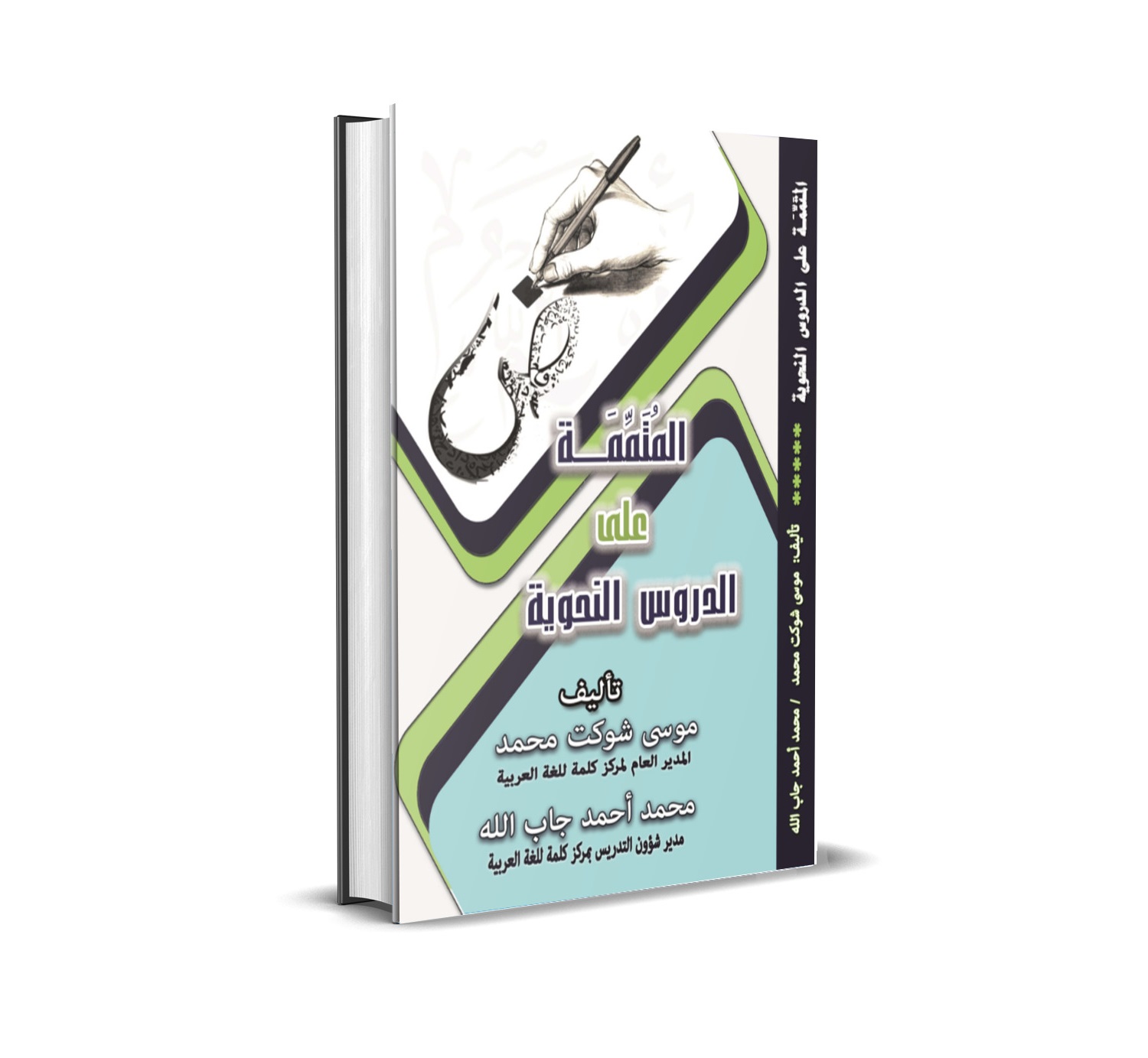
Dive into the enriching world of Arabic grammar with our comprehensive PDF, Dive into “Droos Nahwiyah mena Al Moqaddemah Al AAjourromiyah (PDF) – دروس نحوية من المقدمة الآجرومية”! from Kalimah Center.

This invaluable resource offers detailed lessons that will elevate your understanding of Arabic syntax and structure, enhancing your journey in learning Quranic Arabic.
4. Engage with the Quran
Start engaging with the Quran by focusing on shorter chapters (سور) first. The beauty of Quranic Arabic lies in its capacity to convey deep meanings through eloquent expressions. By immersing yourself in the text, you will begin to appreciate the intricacies of its language and message.
To enhance your understanding, consider utilizing Tafsir (تفسير), or Quranic commentary, as a valuable resource. Tafsir provides explanations and interpretations of verses, offering insights that can deepen your comprehension of the Quran’s teachings and their relevance to your life.
This interaction will not only improve your language skills but also strengthen your spiritual connection to the Quran.
5. Engage Through Listening and Writing
Regular practice is crucial for mastering any language, and Quranic Arabic is no exception. Devote time each day to reading, writing, and speaking to strengthen your skills.
- Quranic Recitation (تلاوة القرآن): Immerse yourself in the beauty of Quranic recitation by listening to accomplished Qaris (قراء) like Al-Minshawi. This practice will not only refine your pronunciation but also allow you to appreciate the musicality and rhythm inherent in the Quranic text.
- Arabic Calligraphy (الخط العربي): Delve into the exquisite art of Arabic calligraphy. Writing out Quranic verses can serve as a meditative exercise, helping you internalize the words while enhancing your appreciation of the Arabic language’s beauty.
Looking to Deepen Your Connection with the Quran Through Arabic?
If you’re on a journey to learn Quranic Arabic, make sure you have the right support to guide you. Kalimah Center is here to be your trusted companion in this spiritual and educational endeavor.
Why choose Kalimah Center for your learning path?
- Comprehensive Learning: Our approach integrates Arabic language lessons with Quranic studies, ensuring you not only develop linguistic skills but also gain valuable spiritual insights.
- Certified Expertise: Our Ijazah-certified teachers specialize in Tajweed and the intricacies of Quranic Arabic, ensuring that you learn from highly qualified experts.
- Well-Rounded Curriculum: From mastering the Arabic alphabet to advanced Tajweed techniques, we provide everything you need to confidently recite and understand the Quran.
At Kalimah Center, we serve as the bridge between your aspiration to learn Arabic and a profound understanding of the Quran. Here’s how:
- Noorani Qaida: Achieve precision in Arabic pronunciation for accurate and beautiful Quranic recitation.
- Step-by-Step Tajweed: Grasp the complexities of Tajweed rules with our structured and graded courses.
Explore Our Courses:
- Online Quran with Tajweed Course: Master Quranic recitation, starting with basic Arabic pronunciation and advancing to complex Tajweed rules.
- Online Arabic Course: Expand your grammar, vocabulary, and comprehension skills to unlock deeper meanings within the Quran.
- Online Arabic Course for Kids: Engage young learners with 24 interactive levels designed to make Arabic enjoyable and effective.
- Supportive Community: Join group classes, engage with fellow learners, and build lasting connections with the Quran.
Start your journey today with a FREE TRIAL at Kalimah Center and take the first step toward mastering Quranic Arabic.
Master Arabic with Kalimah Center
Join our expert-led online classes and start your journey toward Arabic fluency today.
Book Your Free TrialInside Kalimah Center: Moments from Our Courses
Get a glimpse into the vibrant learning experience at Kalimah Center. These snapshots capture real moments from our live classes—where students engage deeply, connect with passionate instructors, and grow in a welcoming, supportive environment.
Here Are The Reviews On Our Courses:
Our students frequently commend the excellence of our courses and the commitment shown by our instructors. You can read their complete reviews on Trustpilot.
Read more reviews on Trustpilot

Conclusion
In conclusion, while Arabic holds immense importance in Islam as the language of the Quran and Islamic rituals, not all Muslims speak Arabic as their native language. The Muslim community is vast and culturally diverse, encompassing people from various linguistic backgrounds across the globe.
However, many non-Arabic-speaking Muslims learn and use essential Arabic for religious practices like prayer and Quran recitation. This illustrates the unifying power of the Arabic language in Islam, serving as a bridge between Muslims worldwide, regardless of their native tongues.
Ultimately, Arabic’s significance lies not only in communication but in its spiritual connection to the Islamic faith.
FAQs about Do All Muslims Speak Arabic
Q1: Do all Muslims speak Arabic?
A1: No, the majority of Muslims worldwide are not native Arabic speakers. While Arabic is the sacred language of Islam, the global Muslim population is highly diverse. Most Muslims reside in non-Arab nations like Indonesia, Pakistan, and Turkey, speaking their respective regional and cultural languages as their primary tongue.
Q2: Why do Muslims learn the Arabic language?
A2: Muslims learn Classical Arabic primarily to connect directly with the Quran, perform daily prayers (Salah) accurately, and study the Prophet’s sayings (Hadith). Because translations cannot fully capture the precision and linguistic nuances of the original divine text, Arabic acts as a spiritual and structural anchor for global worship.
Q3: Is it obligatory for a Muslim to learn Arabic?
A3: Complete fluency in Arabic is not mandatory for every Muslim. However, Islamic scholars like Imam Shafi’i note that learning basic Arabic is required to fulfill essential religious duties. This includes accurately reciting the Shahada (declaration of faith), Surah Al-Fatiha, and short verses during ritual prayers.
Q4: Are Muslims allowed to pray in languages other than Arabic?
A4: Ritual prayers (Salah) must be performed in Arabic to maintain a unified global format of worship. However, personal supplications (Dua)—where believers ask for personal guidance, help, or express gratitude—can be made in any language, allowing Muslims to communicate intimately with Allah in their native tongue.
Q5: What are the first steps to learning Quranic Arabic?
A5: Learning Quranic Arabic begins with mastering the 28 letters of the Arabic alphabet and their correct phonetic sounds. Beginners then progress to short vowels (Fatha, Kasra, Damma), core vocabulary (Rabb, Taqwa), fundamental grammar rules like verb conjugation, and practicing daily recitation with structural guides like Noorani Qaida.