Moving to the UAE involves securing a job or business for visa purposes and finding a suitable, often costly, place to live. The country offers a luxurious lifestyle and safety but faces challenges like high living expenses and extreme heat. Families must navigate visa sponsorship and competitive schooling options, while basic Arabic knowledge aids in cultural integration.
As someone from the Arab world, where the bonds between our countries run deep, I’ve had a front-row seat to the UAE’s remarkable progress. It has become a global commercial center attracting people from all corners of the globe, including USA, UK, and whole Europe.
I have many friends who’ve lived there for years, and they’ve shared their experiences with me. Here, I’ll share key insights for those considering a move to the UAE. Let’s get started!
How to Move to the UAE?
To legally move to the UAE, you must first secure a sponsor through a job offer, start a business, or apply for a self-sponsored visa (such as the Golden or Green Visa).
Once your entry permit is approved, you will undergo a mandatory medical fitness test and biometric scan to obtain your Emirates ID, which serves as your official residency card.
Finally, you can secure housing by signing a tenancy contract and registering it locally (e.g., via the Ejari system in Dubai) to activate essential utilities like DEWA or ADDC.
Step 1: Secure a Job Offer or Start Your Own Business in UAE
The most important step is getting your foot in the door, and that starts with finding a job or setting up a business. Most people ask, “Can I move to UAE without a job?” Technically, you could come on a tourist visa, but to stay long-term, you’ll need either a work visa or an investor visa if you’re starting a business.
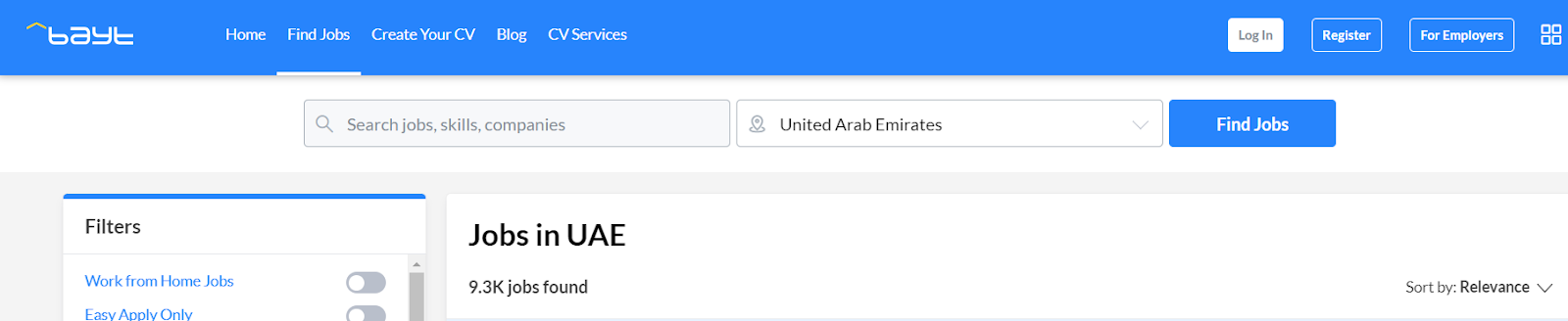
My advice here: Before applying for jobs, research the industries that are booming in the UAE. Construction, finance, hospitality, and tech are big. Websites like Bayt.com or LinkedIn are great places to start your job hunt. Once you have a job offer, your employer will handle most of the visa process for you.
Step 2: Choose the Right UAE Visa (Work, Golden, or Green Visa)
The UAE has different visas depending on why you want to move: business, work, study, tourism or even just retirement.
Recent UAE Visa Updates for Expats:
The UAE has recently revolutionized its residency system, meaning you no longer strictly need an employer to sponsor you. Depending on your qualifications and financial status, you can apply for:
- The Golden Visa: A highly sought-after 10-year self-sponsored residency for investors, entrepreneurs, scientists, outstanding students, and frontline heroes.
- The Green Visa: A 5-year residency track designed specifically for skilled professionals, freelancers, and self-employed individuals without the need for a corporate sponsor.
- Standard Employment Visa: Typically valid for 2 years, where your employer handles all paperwork, medical tests, and sponsorship fees.
In the UAE, your residency is linked to your job, and you’ll often hear locals referring to the visa process as الإقامة (Iqaamah), which means “residency.”
Usually, your company or school will help with the paperwork, but it’s good to know a little. Make sure you check with your employer to make sure you have everything needed before coming.
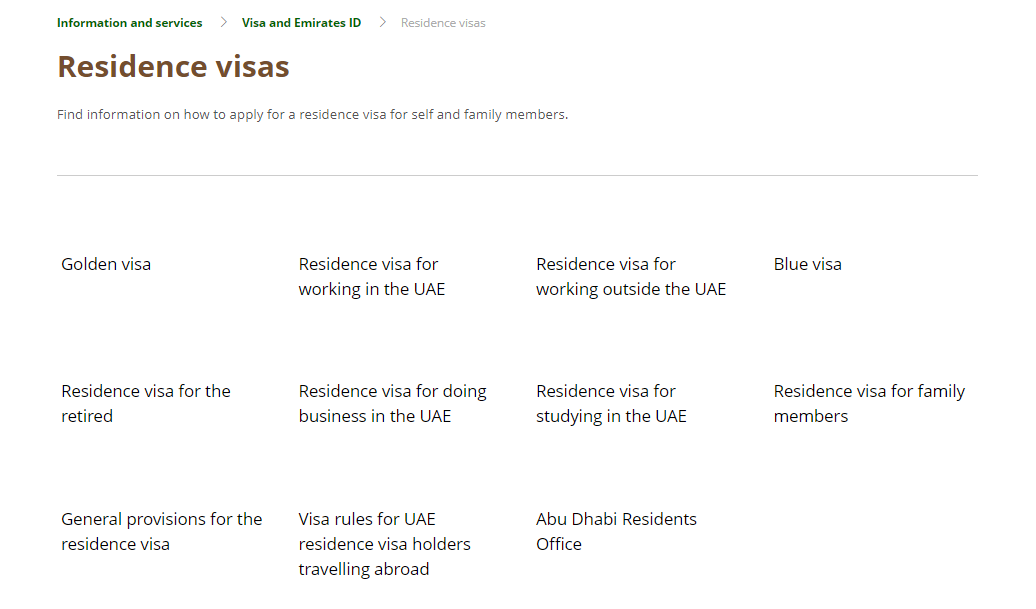
And you can find more details about the different types of residence visas for the UAE on the official portal of UAE government.
Step 3: Finding Housing & Navigating the Rental Market
Once your visa is in process, it’s time to figure out where you’ll live. Most people move to Dubai or Abu Dhabi, but there are other places like Sharjah, Al Ain, or Ajman. Each city is different, and the prices are also different.
Crucial Need-to-Know: How Rent is Paid in the UAE
Unlike many Western countries where rent is paid monthly via bank transfer, the UAE rental market traditionally operates on an annual basis using post-dated cheques.
Landlords usually ask for the yearly rent to be divided into 1, 2, 4, or sometimes 6 or 12 cheques. Paying in a single cheque (upfront for the whole year) often gives you the power to negotiate a lower rental price.
Additionally, you will need to pay a 5% refundable security deposit and a 5% agency fee. Once the contract is signed, it must be officially registered with the government (using the Ejari system in Dubai or Tawtheeq in Abu Dhabi) to legalize your stay and allow you to connect water and electricity.
1. Living in Dubai: The Modern City
If you want to live in Dubai, be ready to pay more. Dubai is very popular because it’s modern and has many attractions. You can find everything from luxury apartments to smaller places, but they can be expensive. For example, in areas like Downtown or Dubai Marina, a one-bedroom apartment can cost around 80,000 to 120,000 dirhams per year.
But if you want something cheaper, you can look at areas like Deira or Al Qusais. Here, a one-bedroom might be 40,000 to 60,000 dirhams per year. Also, don’t forget to check if utilities like water and electricity are included in the rent.
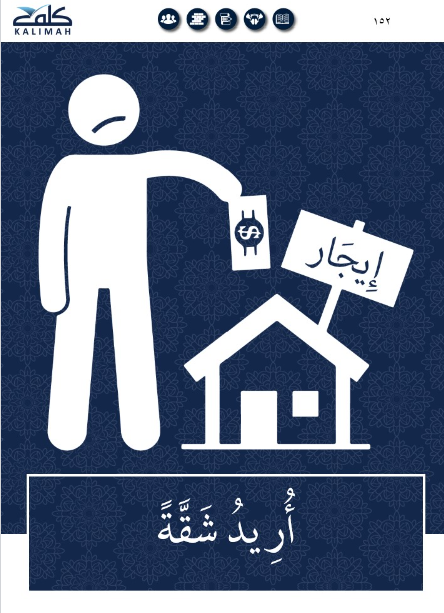
In Arabic, we call rent إيجار (Ijār), and in the UAE it’s paid yearly, not monthly.
* Excerpted from Kalimah’s Online Arabic Course Curriculum
2. Living in Abu Dhabi: The Capital
Abu Dhabi is also expensive, but sometimes cheaper than Dubai. Areas like Al Reem Island or Saadiyat Island are popular, and rent can be between 70,000 to 100,000 dirhams for a one-bedroom apartment. If you look at places like Khalifa City or Mussafah, you might find something for around 50,000 to 70,000 dirhams.
Abu Dhabi is quieter than Dubai, and many families like it because it’s more relaxed. If you like to live in a peaceful place but close to work, Abu Dhabi might be good for you.
3. Living in Sharjah: Affordable and Close to Dubai
Sharjah is popular for people who work in Dubai but want cheaper rent. It’s close to Dubai, maybe 30 minutes or 1 hour by car, depending on traffic. Rent in Sharjah is much cheaper. You can find a one-bedroom apartment for 25,000 to 40,000 dirhams per year. In Arabic, we say رخيص (Rakhīs), meaning cheap or affordable.
But be careful about traffic. If you work in Dubai and live in Sharjah, the roads can be very busy in the morning and evening. Many people drive between the two cities every day.
4. Living in Ajman: The Quiet Option
If you want to live in a quiet place with low prices, you can think about Ajman. It’s smaller and more relaxed. Rent here can be around 20,000 to 30,000 dirhams for a one-bedroom apartment. Ajman is good if you don’t mind a little distance from the big cities. It’s close to Sharjah, but not as developed.
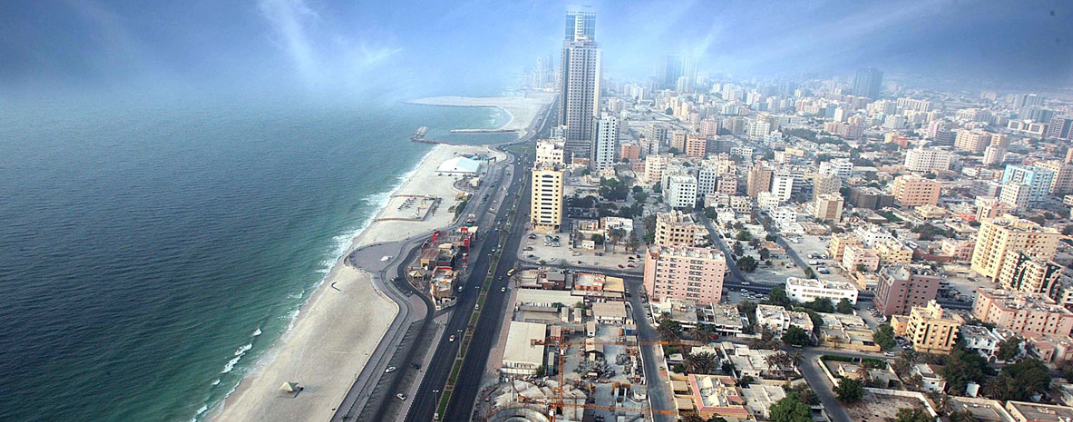
* The Emirate of Ajman
Step 4: Get Your Emirates ID
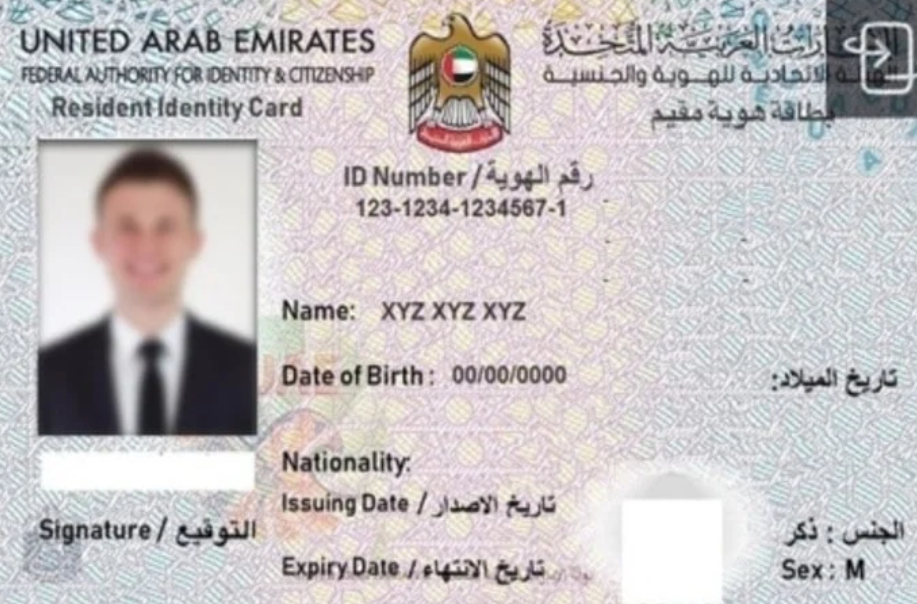
Your Emirates ID is your key to life in the UAE. You’ll need it for almost everything—signing rental contracts, getting a phone line, opening a bank account, and even at airport immigration. It’s essentially your proof of residency.
Your company will usually help you apply for this once your visa is processed. The process involves a medical test (blood test and X-ray) and biometric scans. After that, you’ll receive your Emirates ID within a couple of weeks.
Don’t stress too much about the medical exam—it’s a standard procedure, and it’s required for all expats.
And you can learn more about Emirates ID on the the official portal of th UAE government.
Read also: How to move to Oman
Step 5: Try to Learn Arabic before You Move to UAE
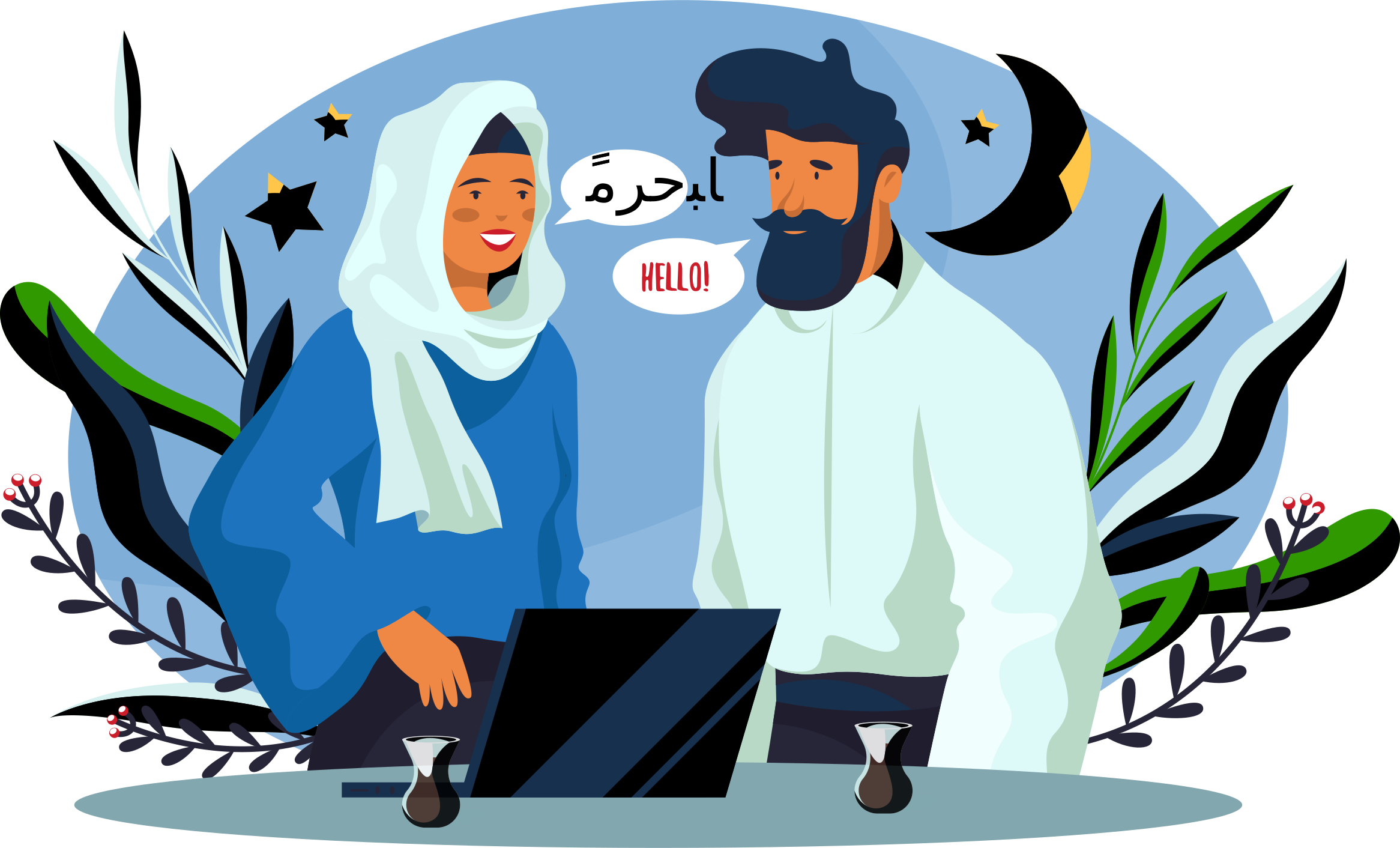
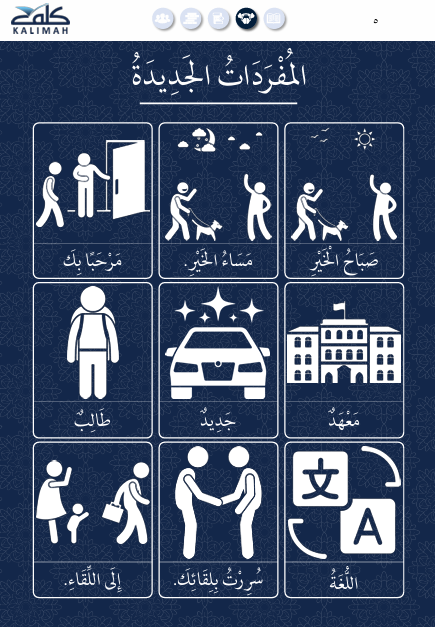
You don’t need to be fluent in Arabic to live in the UAE—many people speak English. But learning basic Arabic will definitely help you in daily situations. Words like Marhaba (مرحبا) for “hello” or Kayfa Halak (كيف حالك؟) for “how are you?” are easy to learn and will go a long way in showing respect.
* Excerpted from Kalimah’s Online Arabic Course Curriculum
If you plan to stay here for a long time, I highly recommend improving your Arabic. It’s not just for practical reasons, but it will help you feel more connected to the culture. I mentioned Kalimah Center earlier, and I really believe it’s the best option for learning Arabic.
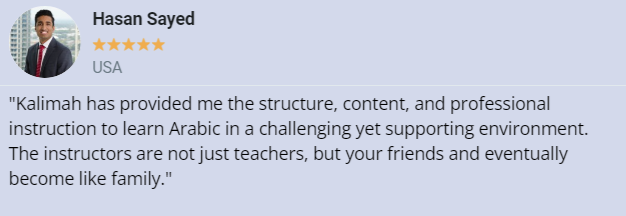
Kalimah center offers structured online Arabic courses, and their students have shared great reviews about how easy and effective the lessons are. It’s a good way to prepare for your move and ensure you can handle everyday tasks, like talking to neighbors or shopping.
Try a FREE trial lesson, and see if Kalimah is the right fit for you.
Step 6: Navigate the Expat Community in the UAE
One of the best parts of moving to the UAE is the thriving expat community. There are tons of social groups, clubs, and networking events where you can meet people from all over the world. Whether you’re into sports, dining, or cultural experiences, there’s something for everyone.
Don’t be shy to join expat groups on social media like Facebook or Meetup. It’s an easy way to connect with people who are in the same boat as you.
Experience Kalimah Center Classes
Watch real excerpts from our live sessions at Kalimah Center and see how we bring learning to life. These clips highlight our interactive, student-centered teaching approach across all our courses—designed to keep learners engaged, motivated, and actively involved every step of the way.
Master Arabic with Kalimah Center
Join our expert-led online classes and start your journey toward Arabic fluency today.
Book Your Free TrialRead also: How to move to Kuwait
The True Cost of Living in the UAE for Expats
The cost of living in the UAE varies significantly based on your Emirate and lifestyle choices. While the tax-free income is a massive benefit, certain expenses require careful budgeting. Here is a breakdown of what to expect:
1. Housing Costs
Rent will be your largest monthly expense. As discussed above, living in prime Dubai or Abu Dhabi locations commands a premium, whereas commuting from Sharjah or Ajman offers significant savings. Always factor in the 5% security deposit and real estate agency fees when budgeting for your initial move.
2. Utilities and Internet Costs (DEWA & ADDC)
When setting up utilities, you must register with the government provider for your specific Emirate—such as DEWA (Dubai Electricity and Water Authority) or ADDC (Abu Dhabi Distribution Company). Expats are required to pay a refundable activation deposit.
Air conditioning is a major expense in the summer. Look for “chiller-free” apartments where the landlord covers the AC; otherwise, you will pay separate cooling fees to district cooling companies like Empower. For telecommunications, the state-approved providers, Etisalat and Du, require your Emirates ID to set up home Wi-Fi and mobile postpaid plans. A standard home internet package typically starts around 300 to 400 AED per month.
3. Groceries and Food Costs
Supermarkets like Carrefour, Lulu Hypermarket, and Spinneys cater to all budgets. You can expect to spend between 500 to 1,500 AED per month for a single person. For fresh produce at a fraction of the cost, visit local markets (Souqs).
Here are some essential Arabic words to help you shop in the market, taken directly from a lesson in the Kalimah Center Online Arabic Course titled “Shopping at the Food Market”:
- بصل (basal) – onion
- طماطم (tamatem) – tomato
- خيار (khiyar) – cucumber
- ملح (milh) – salt
- سكر (sukkar) – sugar
- طبق بيض (tabaq bayd) – a plate of eggs
- يدفع (yadfa’u) – to pay
4. Transportation Costs
Public transport in the UAE is modern and affordable. In Dubai, purchasing a Nol Card gives you access to the Metro, trams, and buses, costing roughly 300 AED for a monthly pass. Taxis and ride-hailing apps (Uber, Careem) are widely available but will increase your monthly budget. If you purchase a car, remember that while gasoline is relatively cheaper than in Europe, you must budget for annual registration, Salik (toll gates in Dubai), and mandatory car insurance.
5. Healthcare and Insurance Costs
Public healthcare is not free for expats. However, in Emirates like Dubai and Abu Dhabi, it is mandatory by law for your employer to provide you with basic health insurance. If you are on a freelance or investor visa, or if you are sponsoring your family, you must purchase private health insurance.
- Basic Plans: Starting from AED 500 to 1,000 per year (limited network and basic emergency care).
- Mid-Range Plans: Ranging from AED 1,500 to AED 4,000 per year (broader hospital networks and specialist access).
- Premium Plans: Upwards of AED 10,000 per year (comprehensive, worldwide coverage including dental and optical).
Read also: How to move to Qatar
Advantages of Living in the UAE:
I can assure you that UAE offers a very good lifestyle. Here are some of the advantages that you will experience if you relocate to UAE:
1. Great Quality of Life
The UAE offers a very high standard of living. Everything is modern—clean streets, great public services, and world-class healthcare. You will find the malls, restaurants, and entertainment options to be amazing. If you love luxury, the UAE is one of the best places to live.
2. Tax-Free Income in UAE
One of the biggest reasons many people move to the UAE is that there is no income tax. What you earn is yours to keep. This makes a big difference, especially for those working in high-paying jobs. You can save a lot of money or use it to enjoy life here.
3. Safe Environment
The UAE is very safe, Alhamdulillah. Crime rates are very low, and you can walk around, even late at night, without worrying. For families, this is a great place to raise children. The government takes security seriously, and people respect the laws.
4. Cultural Diversity
In the UAE, you will meet people from all over the world. There are so many nationalities and cultures here. This makes life interesting because you can experience different traditions, foods, and festivals. But also, you can still practice your own culture freely.
Read more about Arabic Language Schools In Abu Dhabi And Dubai
Disadvantages of Living in the UAE
Honestly, there are some downsides that aren’t always obvious from the outside. Let me share some disadvantages that you might encounter.
1. High Cost of Living
While the quality of life is high, so are the costs. Rent can be very expensive, especially in Dubai and Abu Dhabi. Sometimes, it feels like your salary goes quickly just to cover basic things like housing and groceries. You have to plan carefully to live comfortably without overspending.
2. Hot Weather
The UAE is very hot, especially in the summer months. From June to September, temperatures can reach over 45°C (113°F). It’s very uncomfortable to be outside during the day. Most people stay indoors or in air-conditioned places, but the heat can be difficult if you’re not used to it.
A phrase you will hear a lot during summer is “Harr jiddaan” (حر جداً), meaning “it’s very hot.” It’s important to drink plenty of water and avoid the sun during peak hours.

3. Work-Life Balance
Some people find that working in the UAE can be very demanding. In some industries, long hours are expected, and you may find it hard to maintain a good work-life balance. The fast-paced lifestyle in cities like Dubai can sometimes feel stressful, especially if you’re not used to it.
Important Cultural Etiquette for Expats
The UAE is an Islamic country that beautifully balances modernity with tradition. While it is highly tolerant and welcoming to expats, understanding local etiquette is essential for a smooth transition. Modest dress is expected in public spaces like malls and government buildings (covering shoulders and knees).
Furthermore, during the holy month of Ramadan, eating, drinking, or smoking in public during daylight hours is restricted out of respect for those fasting. Showing cultural awareness will instantly earn you the respect of the local Emirati population and your fellow Arab expats.
Can I Move to UAE with My Family?
Yes, you can move to the UAE with your family. Many expats bring their families here, and it is a family-friendly place. But, there are important things to know.
First, if you are moving for work, you need to check if your job gives you a visa that allows you to sponsor your family. In the UAE, you will be called the kafeel (كفيل), which means “sponsor.” It’s your responsibility to arrange the visas for your wife and children. Usually, your company can help with this, but make sure to ask them before you move.
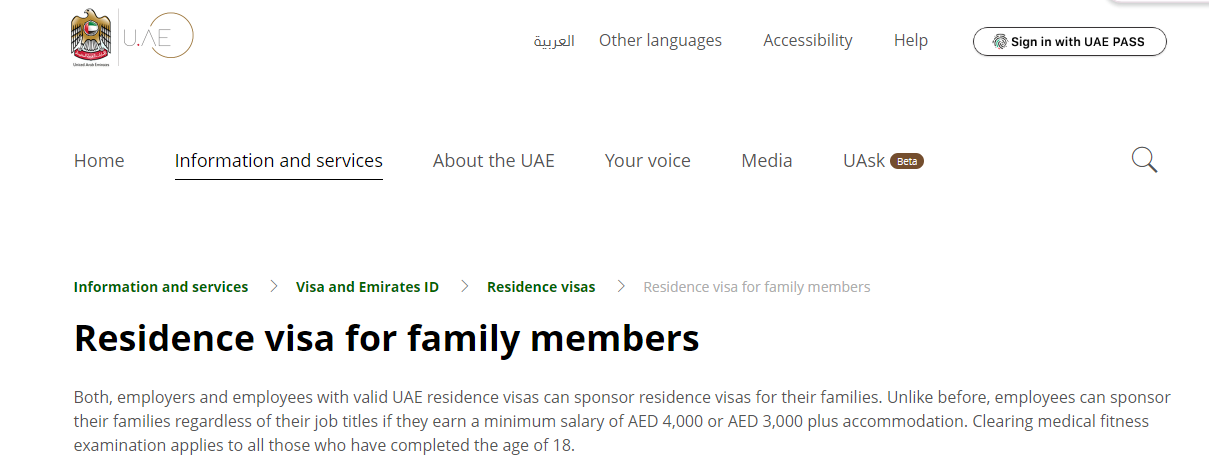
You can find more information about the sponsorship requirements, the necessary documents, and everything you need on the Residence visa for family members on the official UAE government portal.
You also need to know about school options for your kids. There are many international schools in the UAE, but they can be expensive. It’s better to apply early because the good schools fill up fast. Some schools have long waiting lists, especially for younger children. You can look for schools in your area and check if they follow the Arabic curriculum you prefer. Don’t forget to ask about transportation—many schools offer buses, but it’s good to know the routes.
Inside Kalimah Center: Moments from Our Courses
Get a glimpse into the vibrant learning experience at Kalimah Center. These snapshots capture real moments from our live classes—where students engage deeply, connect with passionate instructors, and grow in a welcoming, supportive environment.
Here Are The Reviews On Our Courses:
Our students frequently commend the excellence of our courses and the commitment shown by our instructors. You can read their complete reviews on Trustpilot.
Read more reviews on Trustpilot

Why Learning Arabic is Important Before Moving to the UAE
Before you make the move to the UAE, it is a great idea to learn some basic Arabic. Even though many people in the UAE speak English, knowing Arabic will help you in many everyday situations.
It will make things like shopping, talking to neighbors, and navigating government offices much easier. Plus, it will show respect for the local culture. Learning a few phrases, such as Marhaban (مرحبا, “Hello”) or Shukran (شكراً, “Thank you”), will make a big difference.
At Kalimah Center, we offer a range of online Arabic courses that are perfect for anyone planning to relocate to the UAE.
Our courses include:
- Arabic Alphabet: Master the building blocks of the language with our beginner-friendly course.
- Basic Arabic: Learn essential vocabulary and grammar for everyday conversations.
- Conversational Arabic: Develop the confidence to communicate in real-life situations.
Our courses are flexible and affordable, and our experienced native teachers will guide you every step of the way.
Join us for a FREE trial class.
We also offer group classes, which allow you to practice speaking with other students and the native Arabic teachers, just like in a real classroom.
- Learn with other learners from all over the world
- Practice speaking more with smaller class sizes
- Enjoy our special group class price – 4 times cheaper than one-on-one!
Master Arabic with Kalimah Center
Join our expert-led online classes and start your journey toward Arabic fluency today.
Book Your Free TrialConclusion:
Moving to the UAE involves several key steps, starting with securing a job or establishing a business to obtain a work or investor visa. Researching thriving industries using platforms like LinkedIn is essential.
After securing a job, you’ll navigate the visa process, find suitable accommodation in cities like Dubai or Abu Dhabi, and manage living costs, including utilities and transportation, as expenses can be high.
While the UAE offers a high quality of life, tax-free income, and safety, it also presents challenges like a steep cost of living, extreme summer heat, and demanding work hours. Families must understand visa sponsorship and schooling options, as international schools can be pricey and have long waiting lists. Learning basic Arabic can greatly enhance your experience and facilitate integration into the local culture.
FAQs about How to Move to the UAE
Can I move to the UAE without a job offer?
Yes. While traditional work visas require an employer sponsor, the UAE now offers self-sponsored options such as the Freelance Visa, the 5-year Green Visa for skilled professionals, and the 10-year Golden Visa for investors and exceptional talents.
How much money do I need to move to the UAE?
Expats should have a financial buffer of at least AED 20,000 to AED 30,000. This covers initial hotel stays, a rental deposit, the first rent installment (often paid via post-dated cheques), and utility activation fees.
Is healthcare free for expats in the UAE?
No, public healthcare is not free for expats. However, it is mandatory by law (in Emirates like Dubai and Abu Dhabi) for your employer to provide you with basic private health insurance.
Do expats pay taxes in the UAE?
The UAE offers a tax-free personal income environment, meaning you keep 100% of your salary. However, there is a 5% Value Added Tax (VAT) on most goods and services, and a 9% corporate tax for businesses exceeding a certain revenue threshold.
How does renting an apartment work in the UAE?
Unlike many Western countries where rent is paid monthly, UAE landlords typically require annual rent to be paid upfront using 1, 2, 4, or 6 post-dated cheques.