In a nutshell: To say goodbye in Arabic, the most common phrase is “مع السلامة” (Ma’a as-salama), meaning “Go with peace.” For more formal or specific occasions, you can use “إلى اللقاء” (Ila al-liqa’) or “أراك لاحقًا” (Araka lahiqan) for casual goodbyes. If you’re parting for a long time, “وداعًا” (Wada’an) conveys a deeper sense of farewell. Additionally, expressions like “في أمان الله” (Fi Amanillah), meaning “In God’s protection,” offer a spiritual send-off, reflecting the cultural significance of parting words in Arabic.
Today, we learn how to say goodbye in Arabic. Many people know ma’a as-salama (مع السلامة), but Arabic, like any rich language, has many ways to say goodbye, depending on the situation. It is like… in English, you say “goodbye,” “see you later,” “farewell,” or “take care,” right? Same in Arabic!
The Most Common Way to Say Goodbye in Arabic
The most common way to say goodbye in Arabic is ma’a as-salamah (مع السلامة), which means “go with peace.” It’s equivalent to “goodbye” or “safe travels” in English and can be used in almost any situation.
When to Use Ma’a as-salama
Ma’a as-salama is appropriate in almost any situation, whether formal or informal. You can use it:
- When saying goodbye to friends, family, or colleagues.
- In phone conversations.
- In written communication, though less common.
For example, if you are ending a phone call with a business contact:
- You: شكرا لوقتك. مع السلامة. (Shukran li-waqtik. Ma’a as-salama.) – Thank you for your time. Goodbye.
- Business Contact: مع السلامة. (Ma’a as-salama.) – Goodbye.

Experience Kalimah Center Classes
Watch real excerpts from our live sessions at Kalimah Center and see how we bring learning to life. These clips highlight our interactive, student-centered teaching approach across all our courses—designed to keep learners engaged, motivated, and actively involved every step of the way.
Saying “See You Later” in Arabic
The most common way to say “See you later” in Arabic is إلى اللقاء (Ila al-liqa’) and أراك لاحقًا (Araka lahiqan). Just like in English, there are various ways to say “see you later” in Arabic, each carrying a slightly different connotation and suitable for different contexts. Choosing the right phrase will make your Arabic sound more natural and appropriate.
1. إلى اللقاء (Ila al-liqa’)
Ila al-liqa’ is the most formal way to say “see you later.” It implies a longer period before the next meeting or a more formal relationship with the person you are speaking to. You might use this phrase when saying goodbye to a business associate, a professor, or someone you don’t know well.
Example:
Imagine you are leaving a business meeting.
- Business Partner: أتمنى لك يومًا سعيدًا (Atamanna laka yawman sa’eedan) – I wish you a happy day.
- You: شكرًا لك، إلى اللقاء (Shukran laka, ila al-liqa’) – Thank you, see you later.
2. أراك لاحقًا (Araka lahiqan) / أراكِ لاحقًا (Arake lahiqan)
Araka/Arake lahiqan is a common way to say “see you later.” It’s suitable for most everyday situations, whether you are talking to a friend, a colleague, or someone you know casually. Remember the gender difference: أراك لاحقًا (to a male) / أراكِ لاحقًا (to a female).
This is a crucial aspect of Arabic grammar that we cover extensively in our courses at Kalimah Center.

* Excerpted From Kalimah’s online Arabic course curriculum.
Examples:
- To a male friend: أراك لاحقًا يا صديقي (Araka lahiqan ya sadiqi) – See you later, my friend.
- To a female colleague: أراكِ لاحقًا في العمل (Arake lahiqan fi al-‘amal) – See you later at work.
Read more about: How to Say Hi in Arabic?
How to Say “Farewell” in Arabic
The most common way to say farewell in Arabic is (وداعًا). Wada’an carries a more profound sense of parting than ma’a as-salama. Wada’an suggests a longer absence or even a final goodbye. It’s similar to the English “farewell” in its weight and formality.
Example:
Imagine a close friend is moving to another country permanently.
- You: أتمنى لك كل التوفيق في حياتك الجديدة. وداعًا يا صديقي. (Atamanna laka kull at-tawfiq fi hayatika al-jadida. Wada’an ya sadiqi.) – I wish you all the best in your new life. Farewell, my friend.
Religious Expressions to Say Goodbye in Arabic
Arabic is deeply intertwined with Islam, and many goodbyes reflect spiritual or religious values. These phrases show respect and faith, and they are often used among Muslims.
1. Fi Amanillah (في أمان الله) – “In the protection of Allah”
This phrase is used when you want to leave someone with a heartfelt, religious blessing. It’s like saying, “May God keep you safe.”
Example:
- You are leaving a gathering with close friends or family:
- You: في أمان الله (Fi Amanillah) – May Allah protect you!
- Friend: في أمان الله (Fi Amanillah) – May Allah keep you safe!
2. Assalamu Alaikum (السلام عليكم) – “Peace be upon you”
Assalamu Alaikum is one of the most commonly used Arabic greetings, but did you know it can also be used as a farewell? It’s a beautiful way to leave someone with a wish of peace.
Example:
- You’re leaving your Arabic class at Kalimah Center:
- You: السلام عليكم (Assalamu Alaikum) – Peace be upon you!
- Teacher: وعليكم السلام (Wa Alaikum Assalam) – And peace be upon you too!
This phrase is deeply respectful and spiritual, and it’s used widely across the Arab world.
Chart of Phrases to Say Goodbye in Arabic
Here is a chart summarizing the different ways to say goodbye in Arabic. This should help you quickly reference the phrases we discussed.
| Arabic Phrase | Transliteration | Translation | Context/Notes |
| مع السلامة | Ma’a as-salama | With peace/safety | Most common, general use. Like “goodbye” or “farewell.” |
| سلام | Salam | Peace/safety | Shortened, informal version of مع السلامة. Like “bye.” |
| إلى اللقاء | Ila al-liqa’ | Until the meeting/Until we meet again | Formal, used when you expect to see the person again. |
| أراك لاحقًا (to male) | Araka lahiqan | I will see you later (to a male) | Common, less formal than إلى اللقاء. |
| أراكِ لاحقًا (to female) | Arake lahiqan | I will see you later (to a female) | Common, less formal than إلى اللقاء. |
| وداعًا | Wada’an | Farewell | Formal, used when you may not see the person again. Less common in daily use. |
| في أمان الله | Fi aman Allah | In the safety of God |
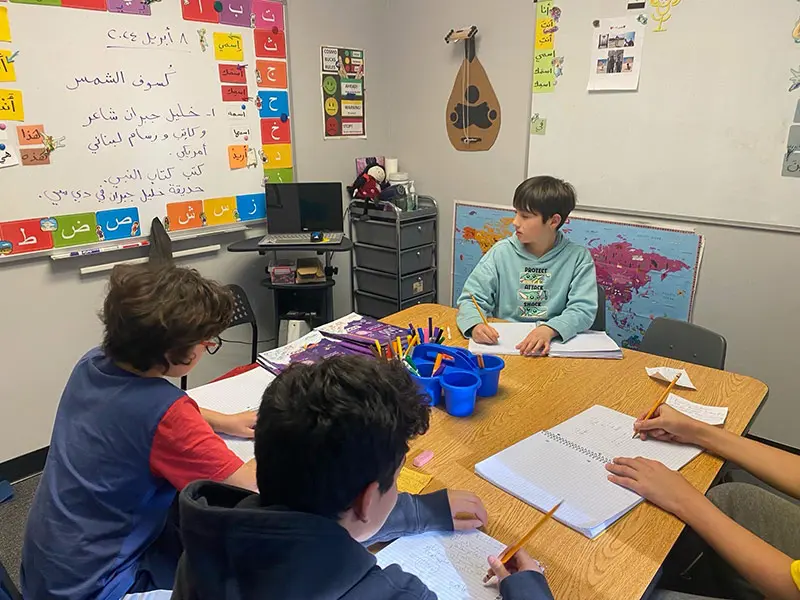
Inside Kalimah Center: Moments from Our Courses
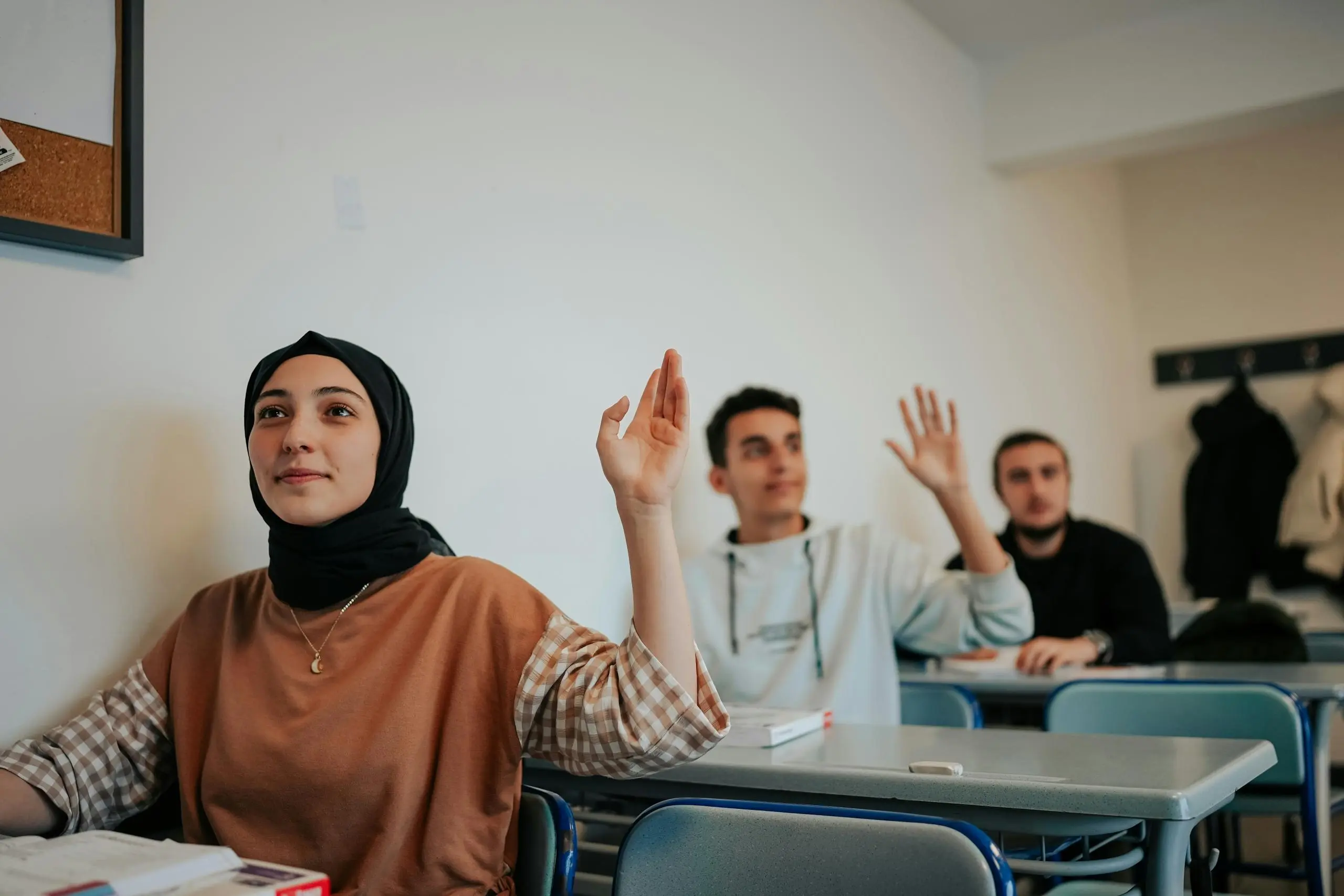
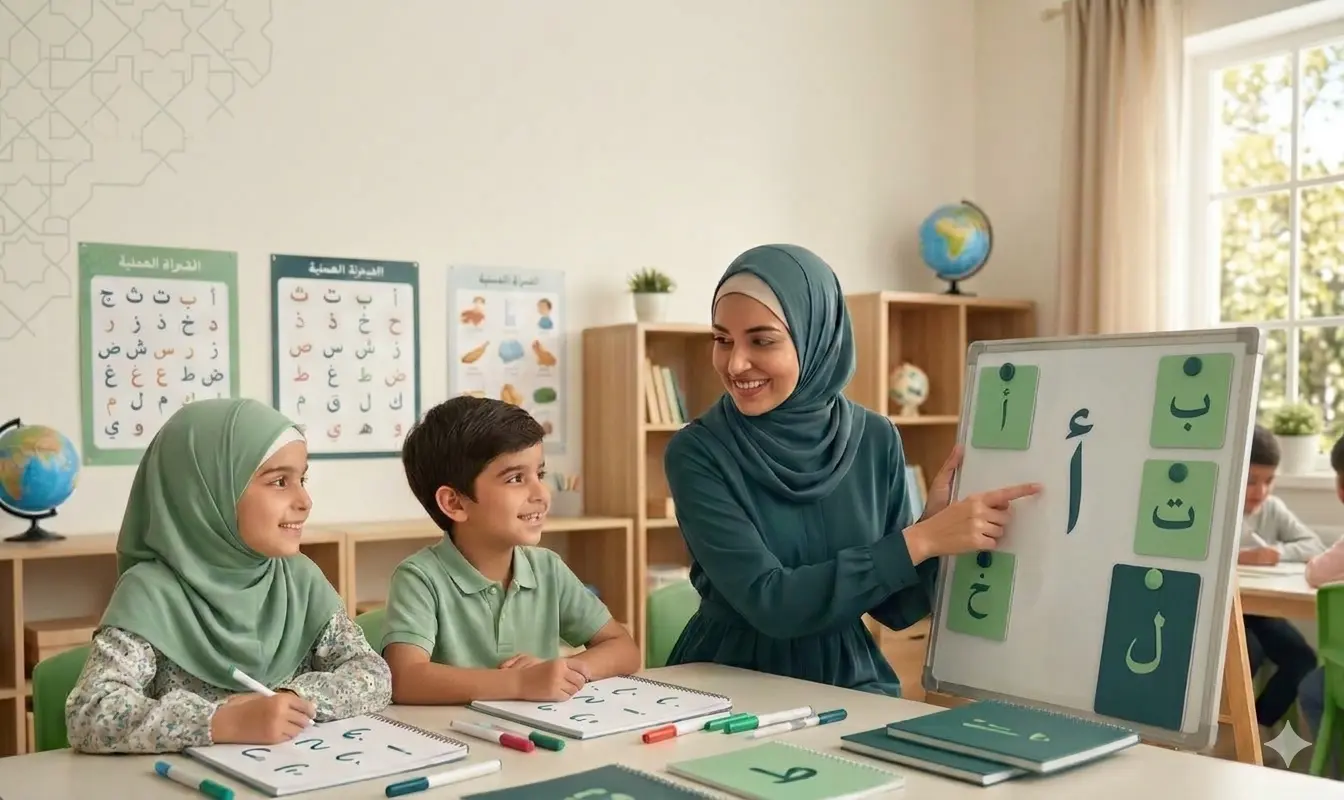
Get a glimpse into the vibrant learning experience at Kalimah Center. These snapshots capture real moments from our live classes—where students engage deeply, connect with passionate instructors, and grow in a welcoming, supportive environment.
Here Are The Reviews On Our Courses:
Our students frequently commend the excellence of our courses and the commitment shown by our instructors. You can read their complete reviews on Trustpilot.

Why Kalimah Center is Your Best Option to Learn Arabic
At Kalimah Center, we help you not just learn Arabic words but understand how to use them with confidence. Our structured Arabic courses, led by native Arabic teachers like me, focus on real-life conversations, cultural context, and practical skills.
Why choose Kalimah Center?
- Expert teachers with years of experience
- Structured lessons for beginners to advanced learners
- Real-life practice and cultural insights
- Testimonials from students who now speak Arabic fluently
One of our former students said:

Join Kalimah Center today for a free trial

Conclusion:
In Arabic, the most common way to say goodbye is “مع السلامة” (Ma’a as-salama), meaning “Go with peace.” It can be used in various contexts, from casual encounters to formal situations, such as phone calls or business exchanges.
Other alternatives include “إلى اللقاء” (Ila al-liqaa), a more formal “See you later,” and “أراك لاحقًا” (Araka lahiqan), which is informal and used for everyday goodbyes. For more profound departures, “وداعًا” (Wada’an) signifies a longer, more permanent farewell.
In addition to these common phrases, there are religious expressions deeply embedded in Arabic-speaking cultures. “في أمان الله” (Fi Amanillah), meaning “In God’s protection,” offers a spiritual blessing, while “السلام عليكم” (Assalamu Alaikum), meaning “Peace be upon you,” can also be used as a parting phrase.
These expressions reflect the cultural and religious values of the region, adding layers of meaning to everyday interactions.