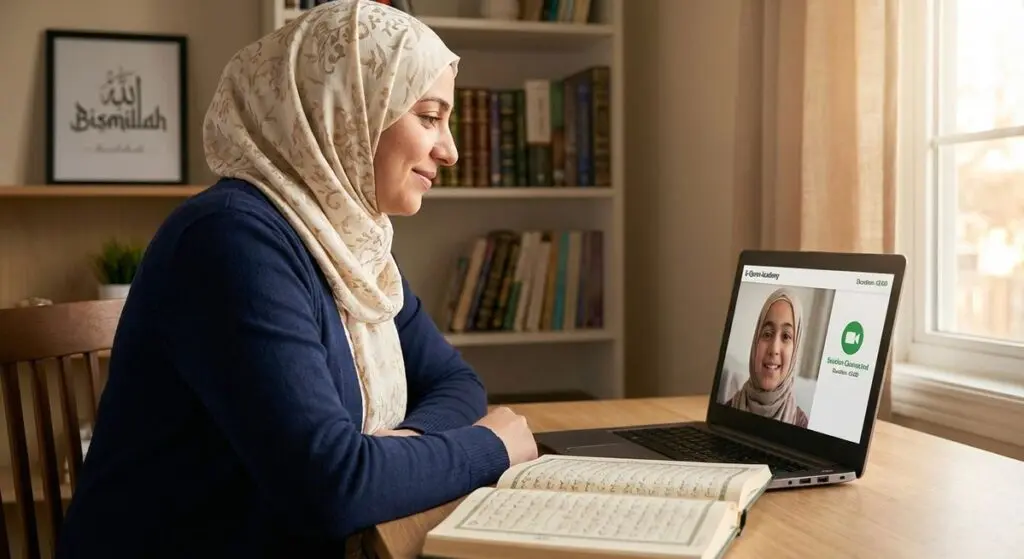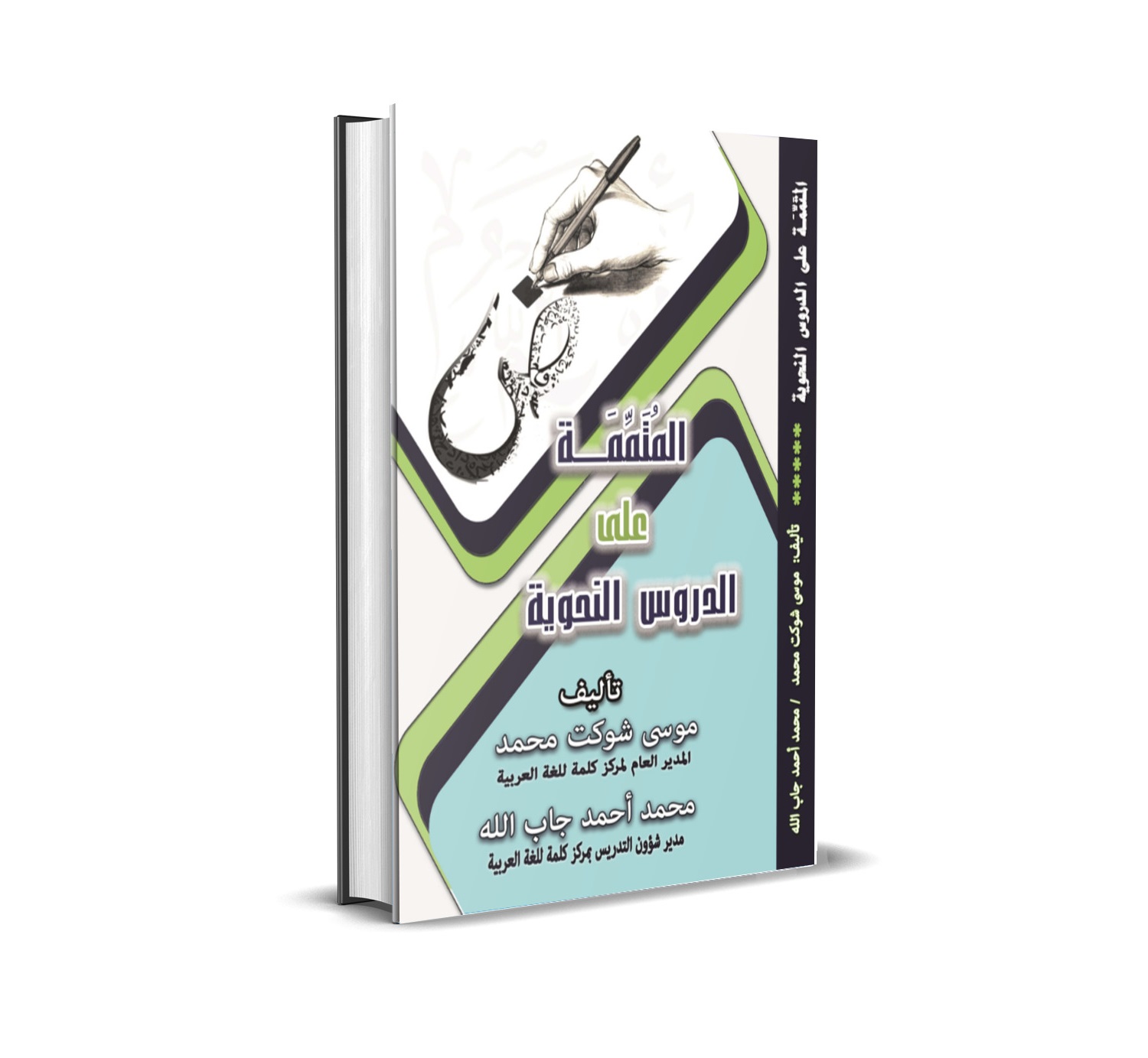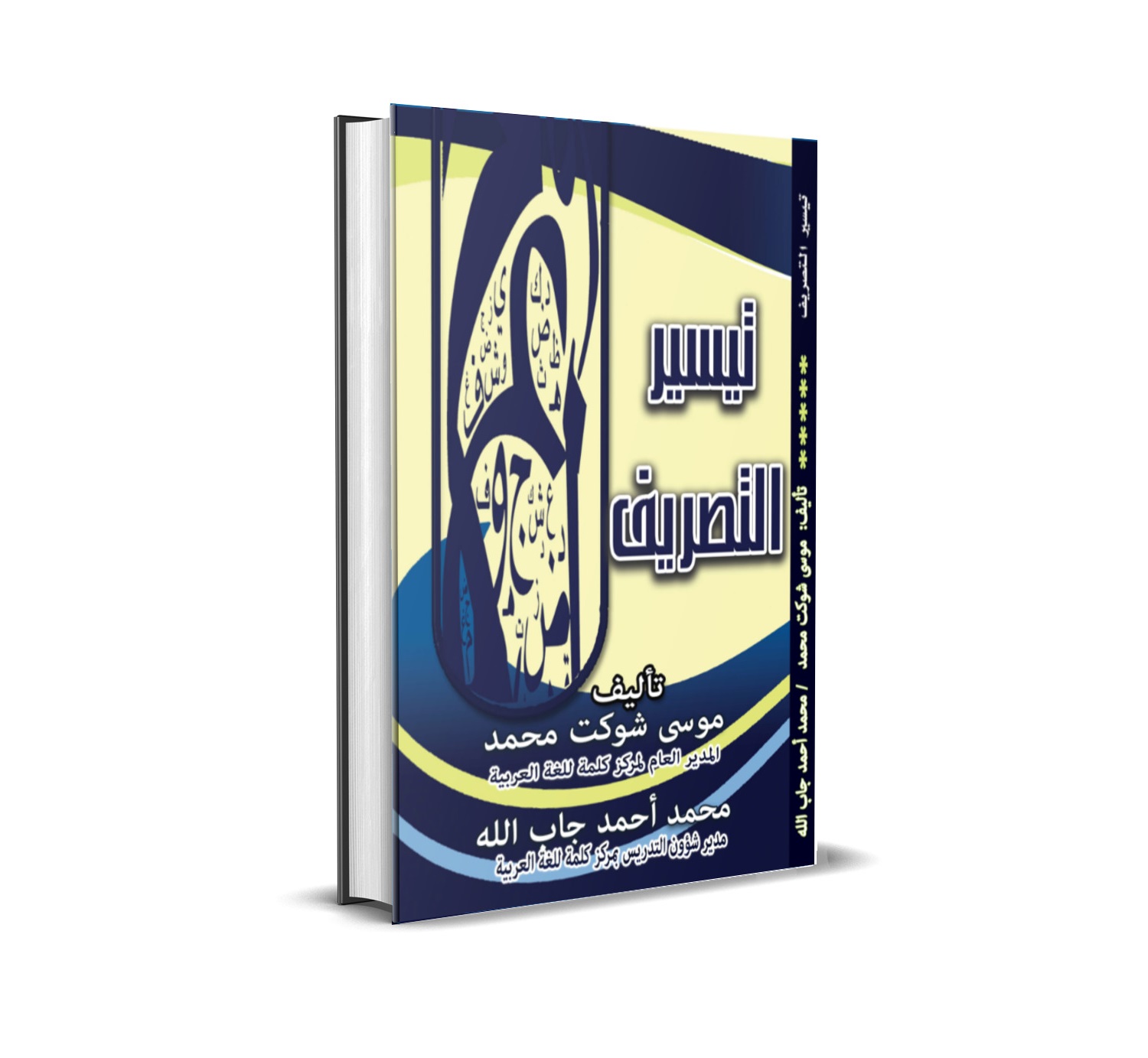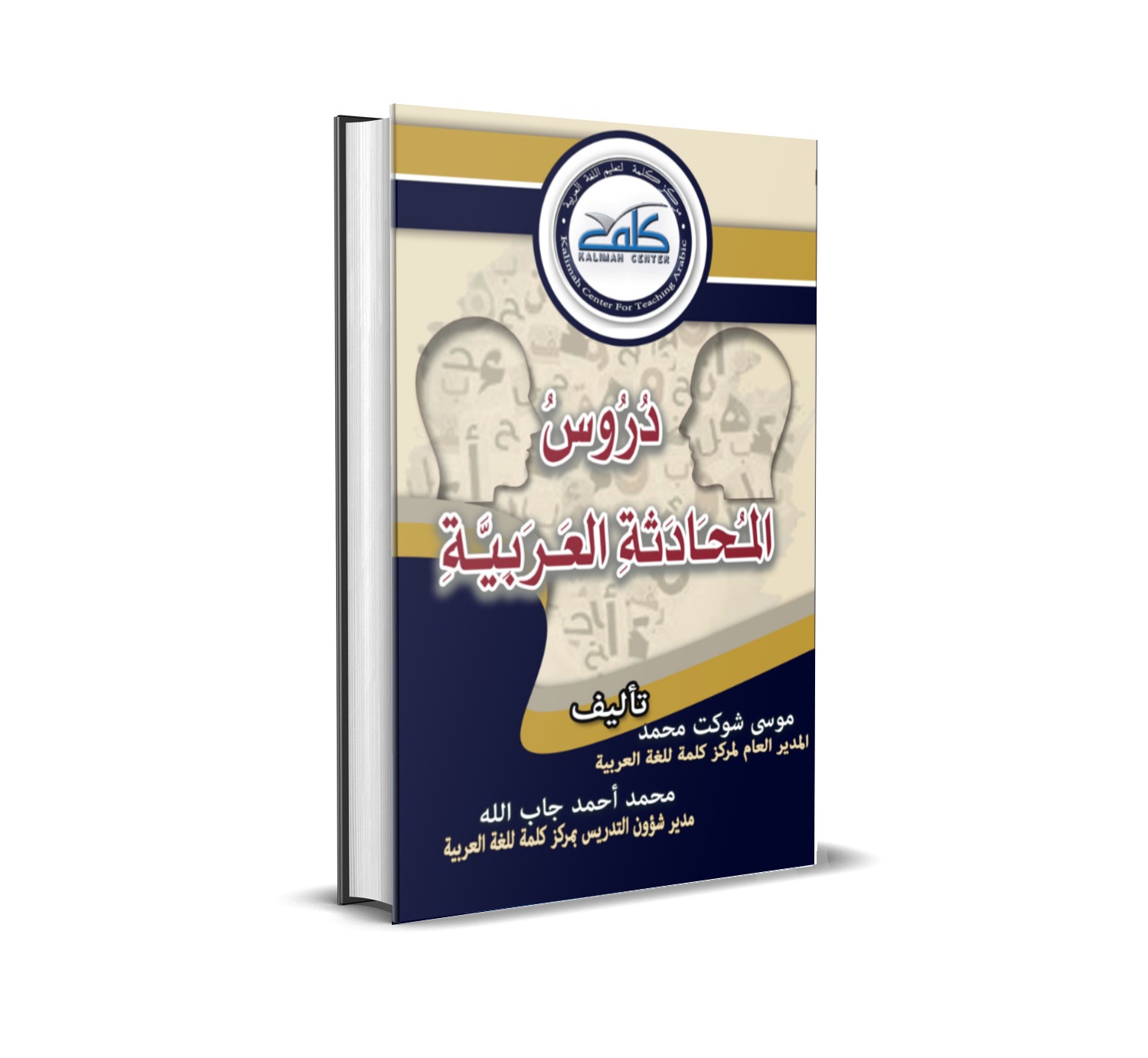
Choosing the right Arabic language books for children can make the difference between a child who dreads language lessons and one who looks forward to them. With so many options on the market, parents and teachers are often left wondering which books actually work — and which ones just sit on the shelf.
This guide breaks down the best Arabic language books for children currently available, organized by what each one is actually good for: building vocabulary, mastering the alphabet, learning verbs, or developing reading fluency. Every recommendation here is drawn from real classroom use with non-native Arabic learners.
Why Arabic Children’s Books Matter for Language Learning?
Arabic children’s books are educational resources that teach the language through stories, illustrations, and structured activities rather than isolated drills. Unlike generic language workbooks, the best Arabic children’s books combine storytelling, colorful visuals, and age-appropriate vocabulary, which makes the material easier to retain.
Reading regularly with children builds several skills at once: vocabulary and sentence structure, memory and problem-solving, imagination, and — through exposure to characters and settings from the Arab world — empathy and cultural understanding. It also builds the attention span and comprehension habits a child will rely on once formal schooling and ARABIC for Kids: A 4 Week Course-type structured lessons begin.
For children outside Arabic-speaking households, books are often the only consistent source of language exposure between formal lessons. That makes the choice of material more important than it would be for a child surrounded by Arabic daily.
The Real Challenges Children Face Learning Arabic
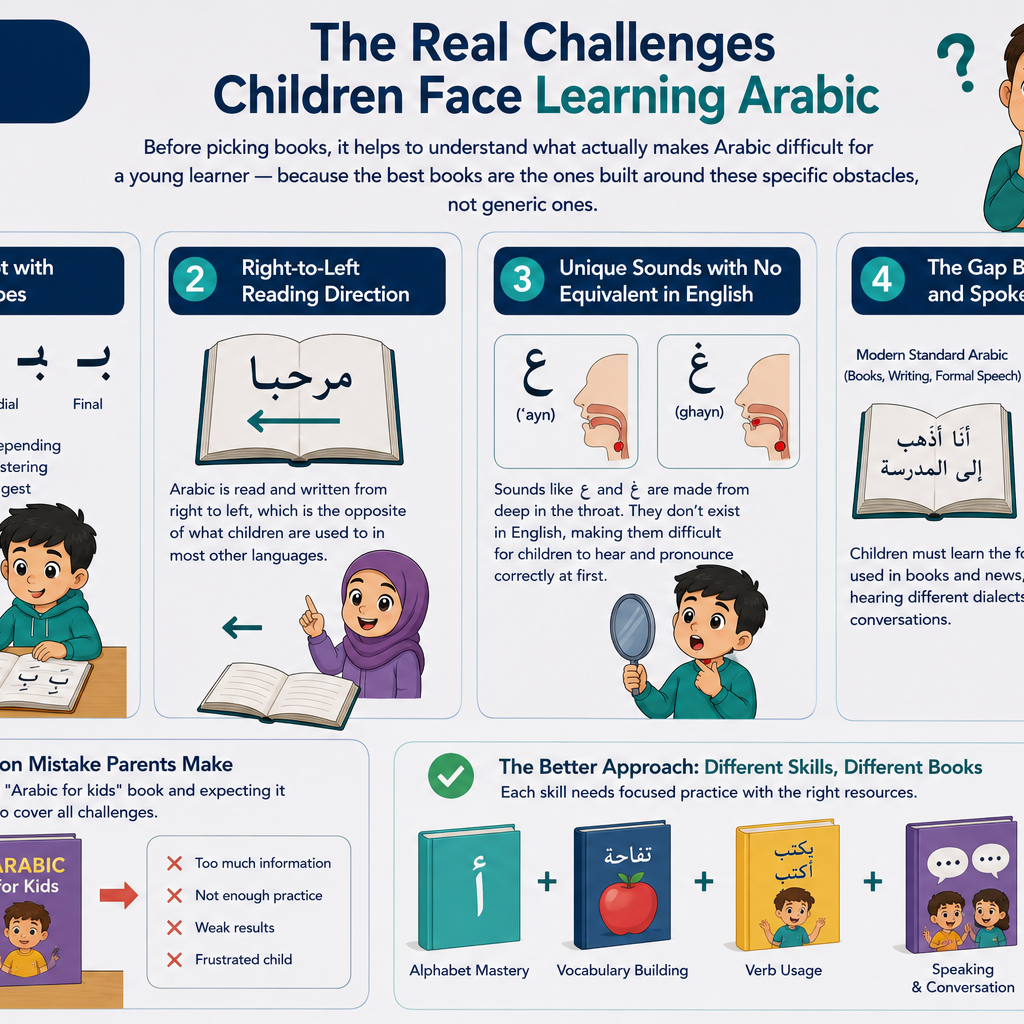
Before picking books, it helps to understand what actually makes Arabic difficult for a young learner — because the best books are the ones built around these specific obstacles, not generic ones.
Arabic presents four hurdles that don’t exist in most European languages: a 28-letter script where each letter changes shape depending on its position in a word, right-to-left reading direction, sounds with no equivalent in English (such as ع and غ), and the gap between Modern Standard Arabic — used in books, writing, and formal speech — and the spoken dialects used in daily conversation.
A common mistake parents make is buying a single “Arabic for kids” book and expecting it to cover all of this. In practice, alphabet mastery, vocabulary building, and verb usage are different skills that usually require different books, even though publishers often bundle them together under one title.
7 Best Arabic Language books for children oks for Children
The list below is grouped by what skill each book targets — curriculum, alphabet, vocabulary, verbs, and reading fluency — so you can pick based on what your child actually needs next, not just what looks appealing on a shelf.
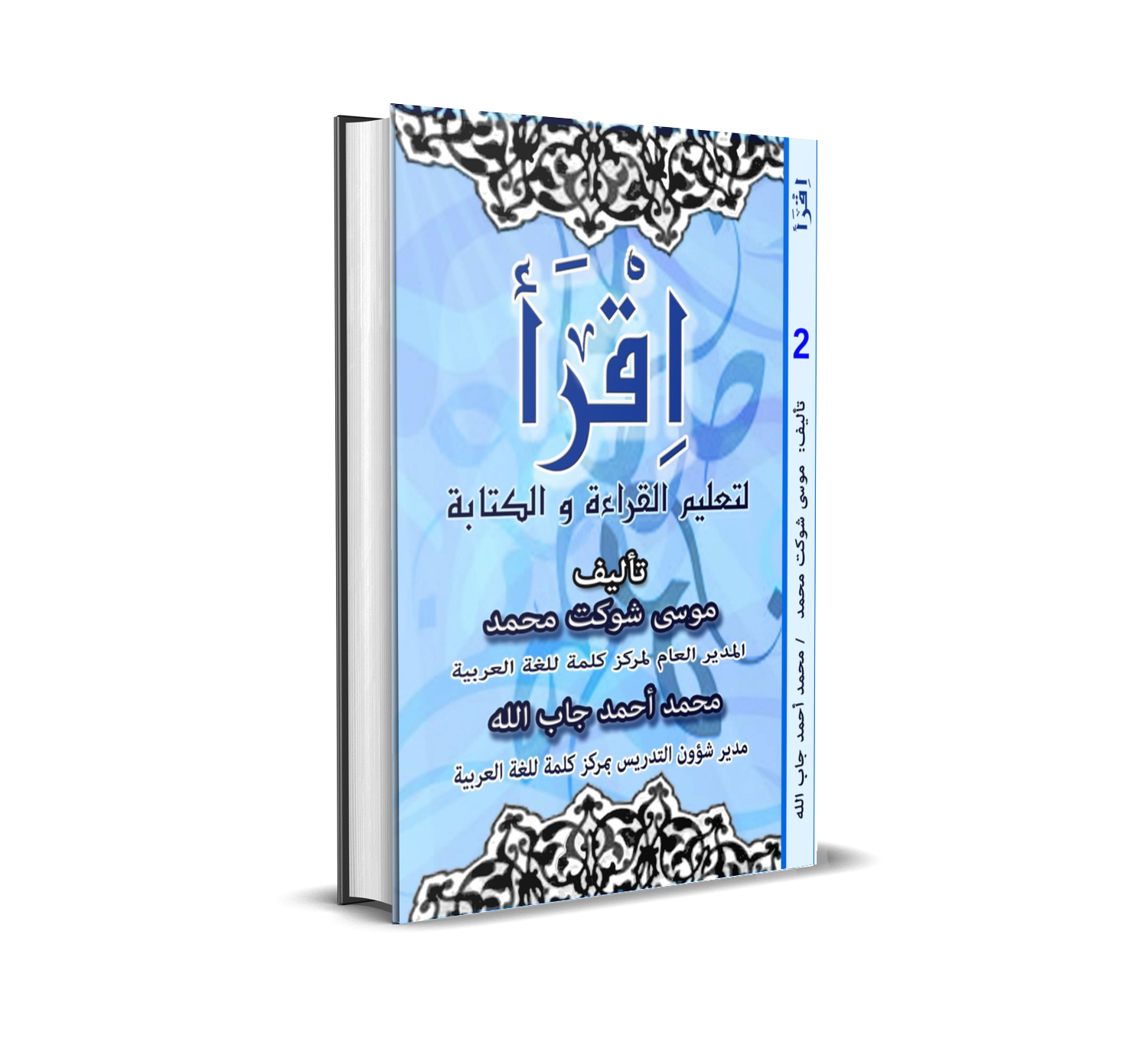
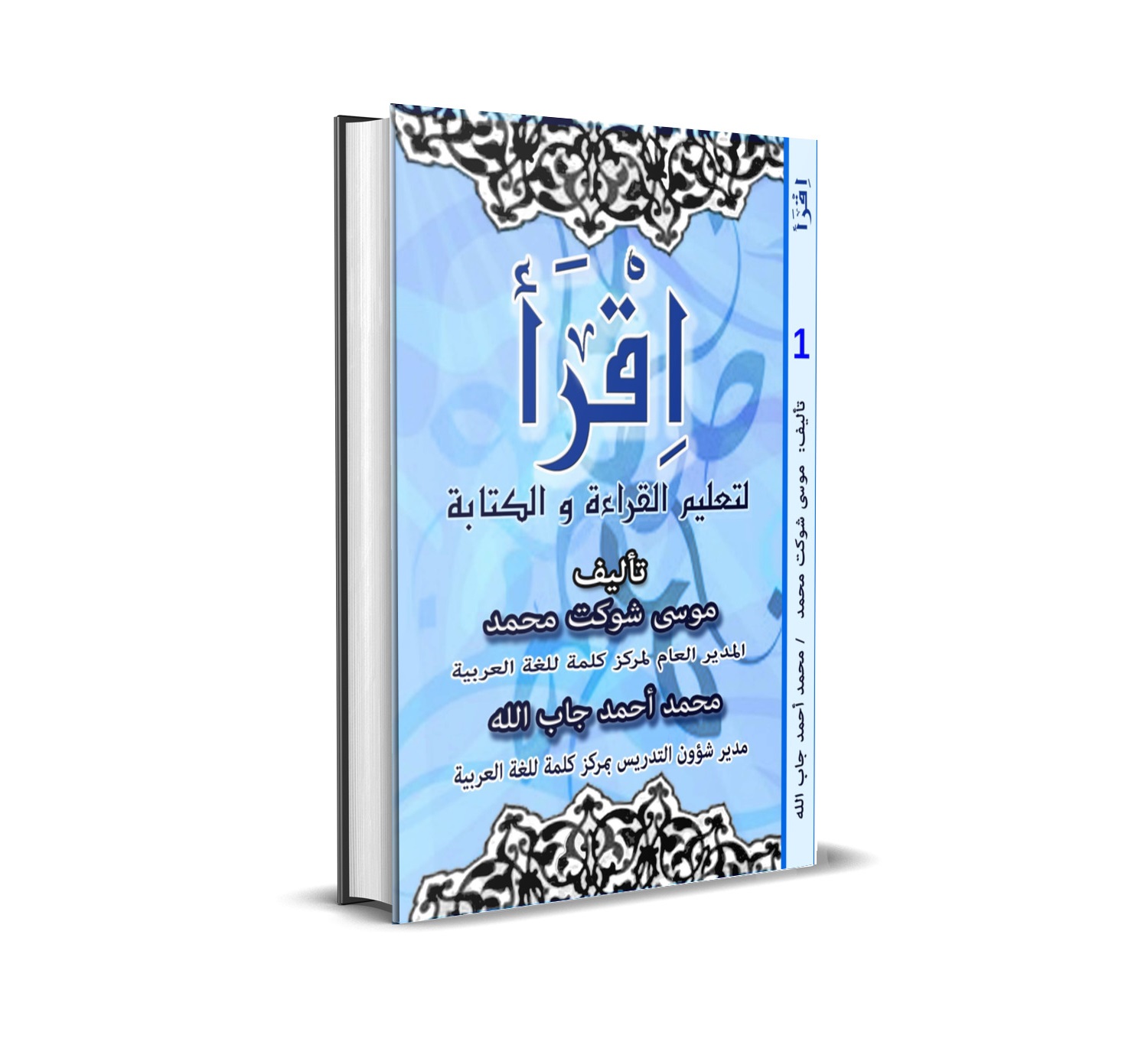
1. Uhebbo Al-Arabiyya Series — Complete Arabic Curriculum
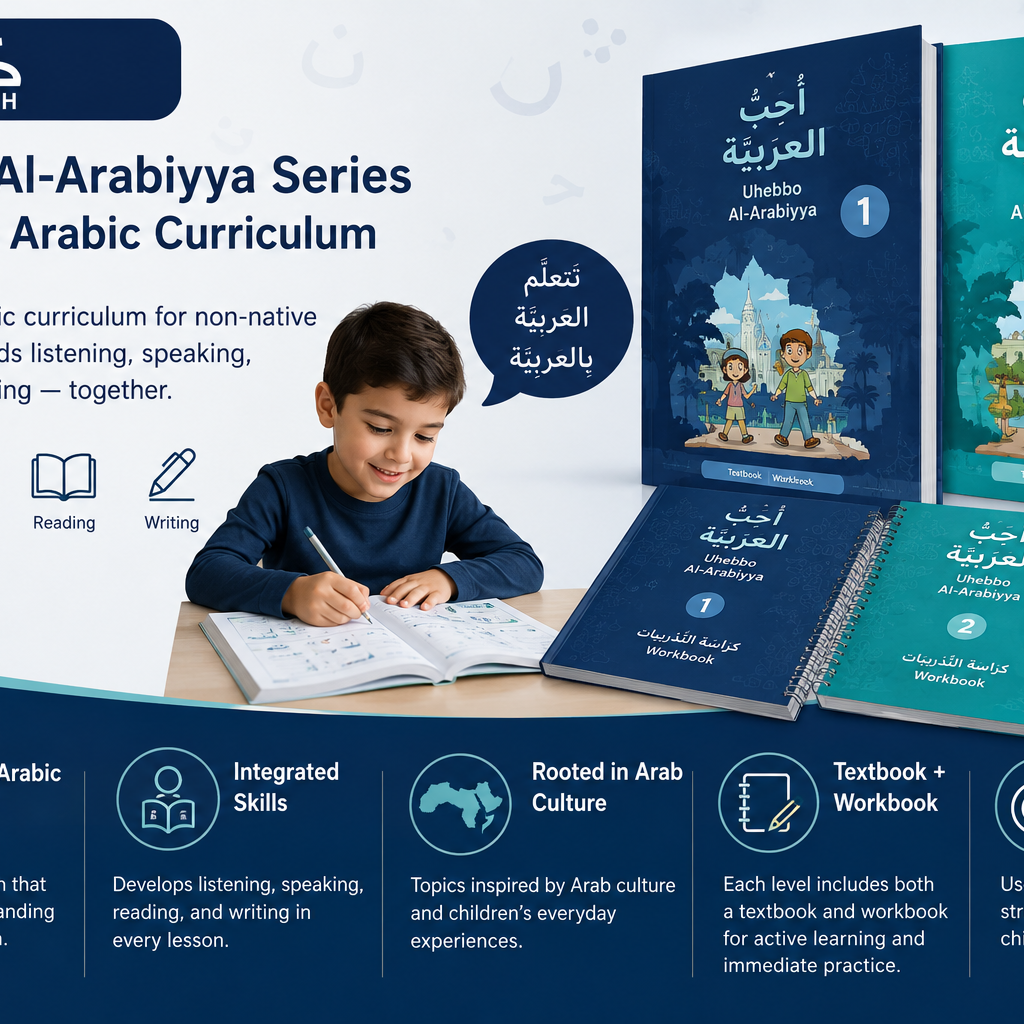
Uhebbo Al-Arabiyya is a full curriculum series for non-native speakers that develops listening, speaking, reading, and writing together rather than in isolation. Lesson topics are drawn from Arab culture and children’s everyday experiences, which keeps the material relatable.
What sets this series apart is that it teaches Arabic in Arabic, without relying on an intermediary language. This immersion approach is more demanding at first but produces stronger retention over time. Each level pairs a textbook with a workbook, so children reinforce new material immediately rather than just reading passively. This is the reason it’s used as a core component of structured Arabic courses for children rather than as standalone reading material.
2. Master the Arabic Alphabet — Handwriting Practice Workbook
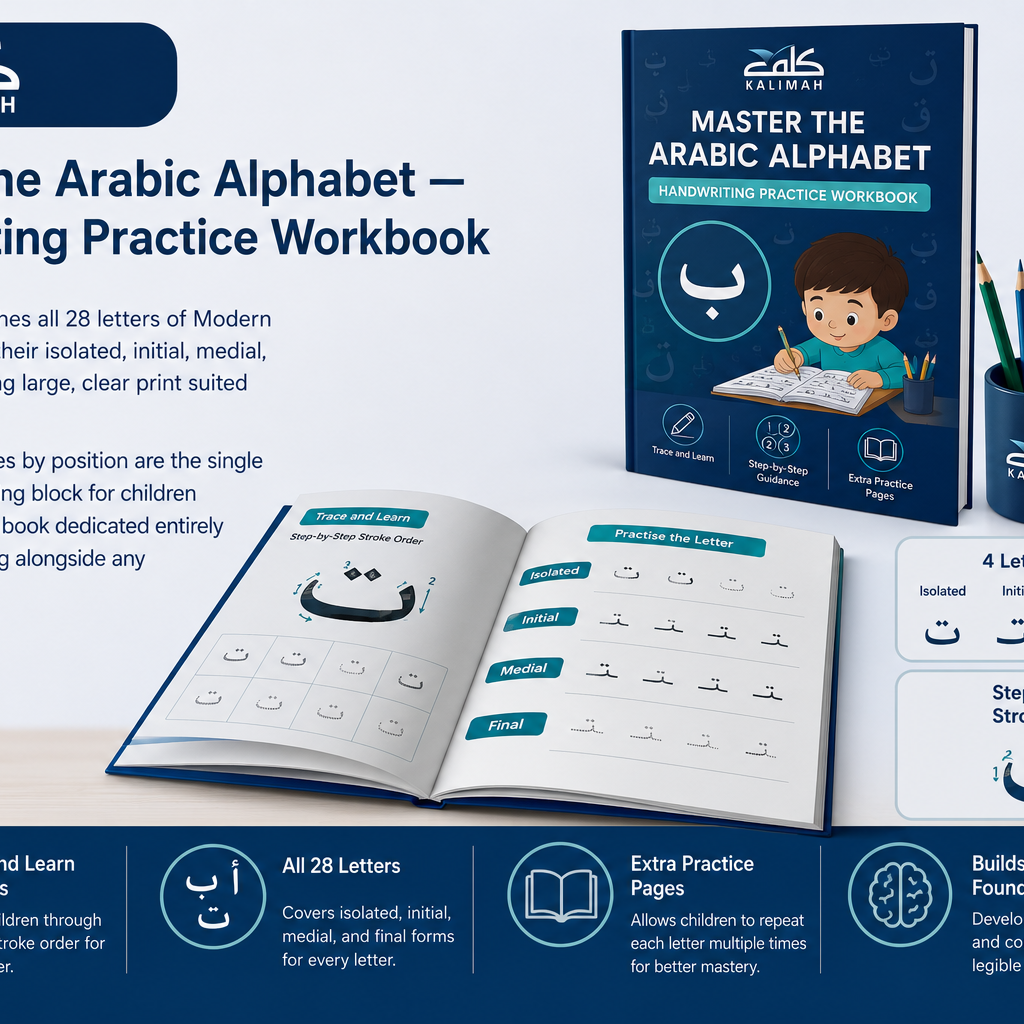
This workbook teaches all 28 letters of Modern Standard Arabic in their isolated, initial, medial, and final forms, using large, clear print suited to young learners. Letter shape changes by position are the single biggest early stumbling block for children learning Arabic, so a book dedicated entirely to this is worth having alongside any vocabulary book.
The “Trace and Learn” sections walk children through correct stroke order, which builds the muscle memory needed for legible handwriting later. Extra practice pages mean a child can repeat a letter multiple times before moving on, which matters more than working through the book quickly.
3. My First Book of Arabic Words — Vocabulary with Rhymes
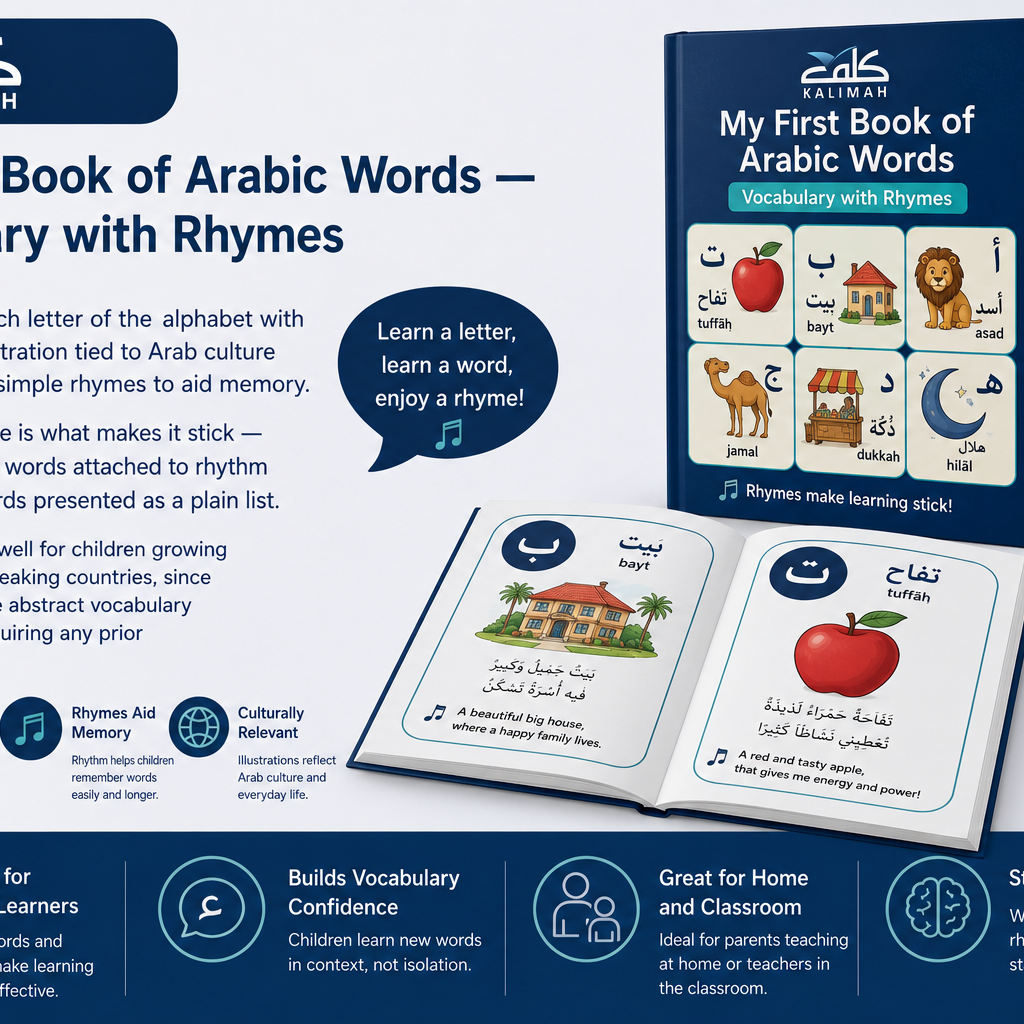
This book pairs each letter of the alphabet with a word and an illustration tied to Arab culture or daily life, using simple rhymes to aid memory. The rhyme structure is what makes it stick — children remember words attached to rhythm far longer than words presented as a plain list.
It works particularly well for children growing up outside Arabic-speaking countries, since the illustrations make abstract vocabulary concrete without requiring any prior cultural context.
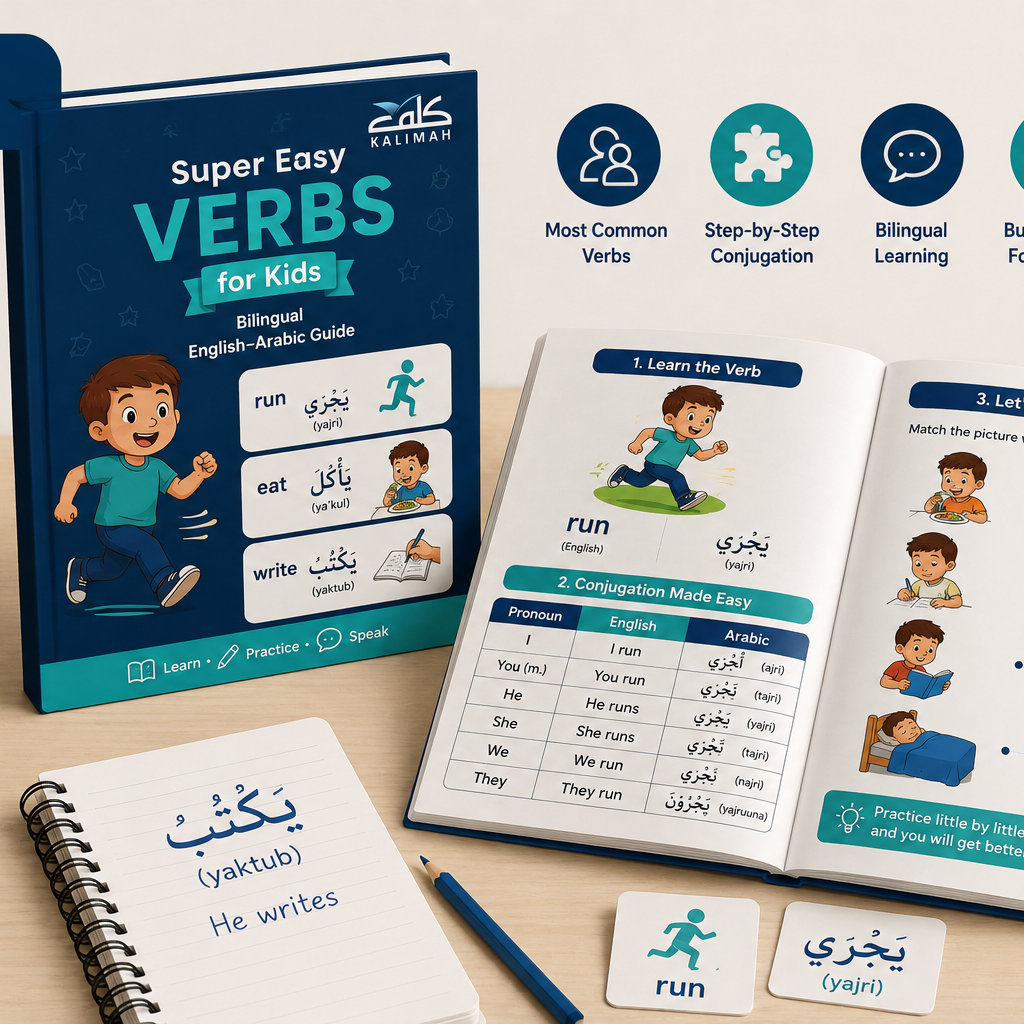
4. Super Easy Verbs for Kids — Bilingual English-Arabic Guide
Verbs are where Arabic sentence structure either clicks or falls apart for a young learner, since verb conjugation carries more grammatical weight in Arabic than in English. This bilingual workbook focuses on the most commonly used verbs and breaks conjugation into manageable steps rather than presenting full grammatical tables.
It’s best introduced once a child already has basic vocabulary in place — using it too early, before nouns and simple words are familiar, tends to overwhelm rather than help.
Read also
Read also: Learn Arabic in 3 Hours – Your Complete Intensive Routine
Experience Kalimah Center Classes
Watch real excerpts from our live sessions at Kalimah Center and see how we bring learning to life. These clips highlight our interactive, student-centered teaching approach across all our courses—designed to keep learners engaged, motivated, and actively involved every step of the way.
Master Arabic with Kalimah Center
Join our expert-led online classes and start your journey toward Arabic fluency today.
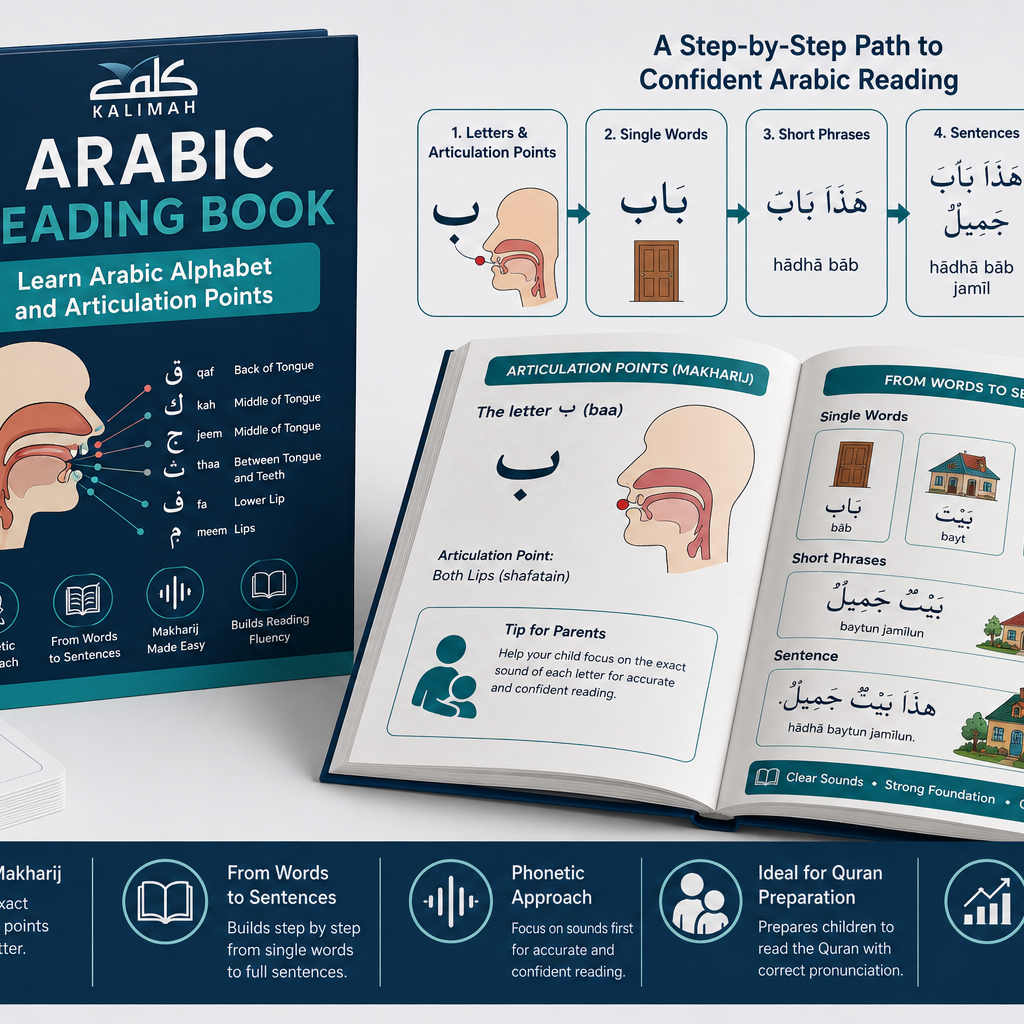
Book Your Free Trial5. Arabic Reading Book: Learn Arabic Alphabet and Articulation Points
This book uses a phonetic approach, teaching not just the alphabet but Makharij — the precise points in the mouth and throat where each Arabic letter is articulated. It starts with single words and builds gradually to full sentences, which gives children a structured path to reading fluency rather than jumping straight to connected text.
Because of its focus on articulation points, this is also one of the more useful books for parents preparing a child to read the Quran accurately, not just to read Arabic generally.
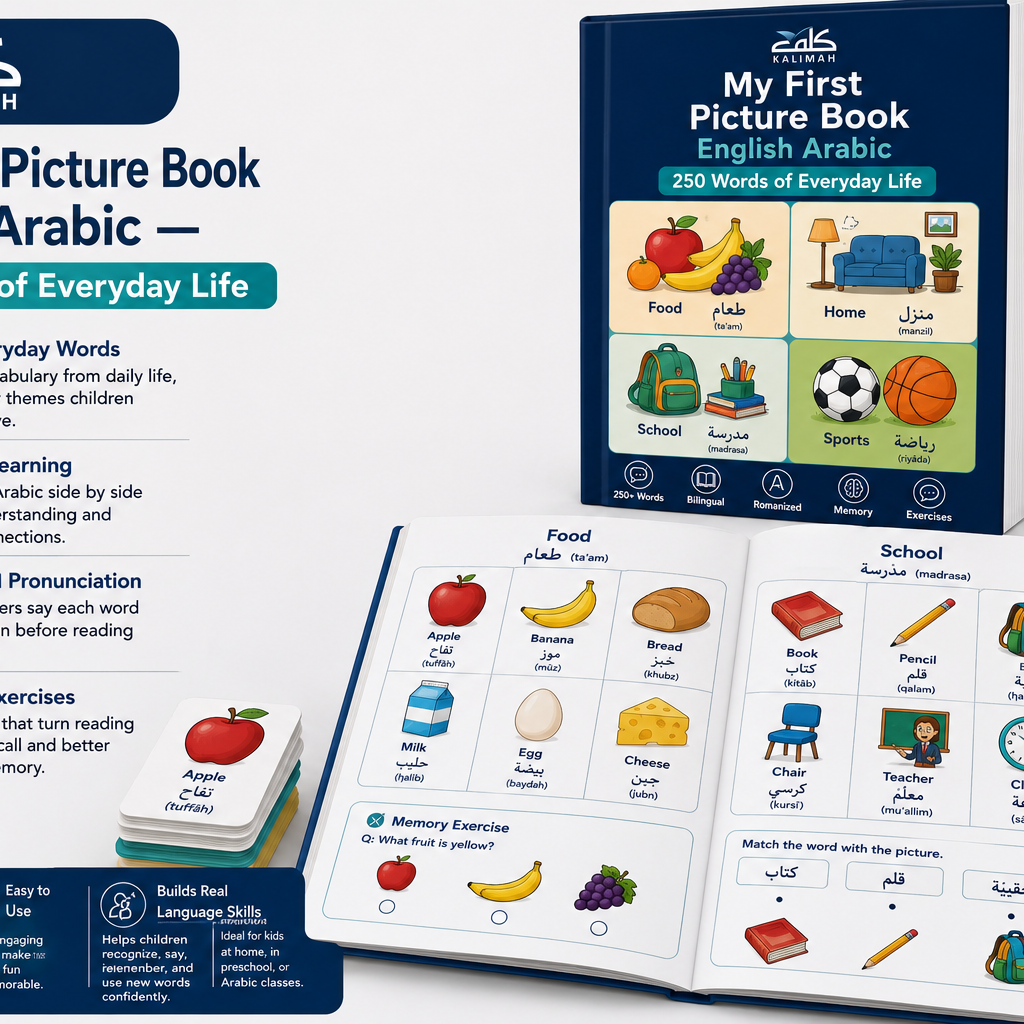
6. My First Picture Book English Arabic — 250 Words of Everyday Life
This bilingual picture book organizes over 250 words by theme — food, home, school, sports — rather than alphabetically, which mirrors how children naturally categorize new vocabulary. Romanized pronunciation alongside each word helps beginners sound words out before they’ve fully mastered the script.
Built-in memory exercises turn passive reading into active recall, which is the difference between a child recognizing a word on the page and actually being able to use it.
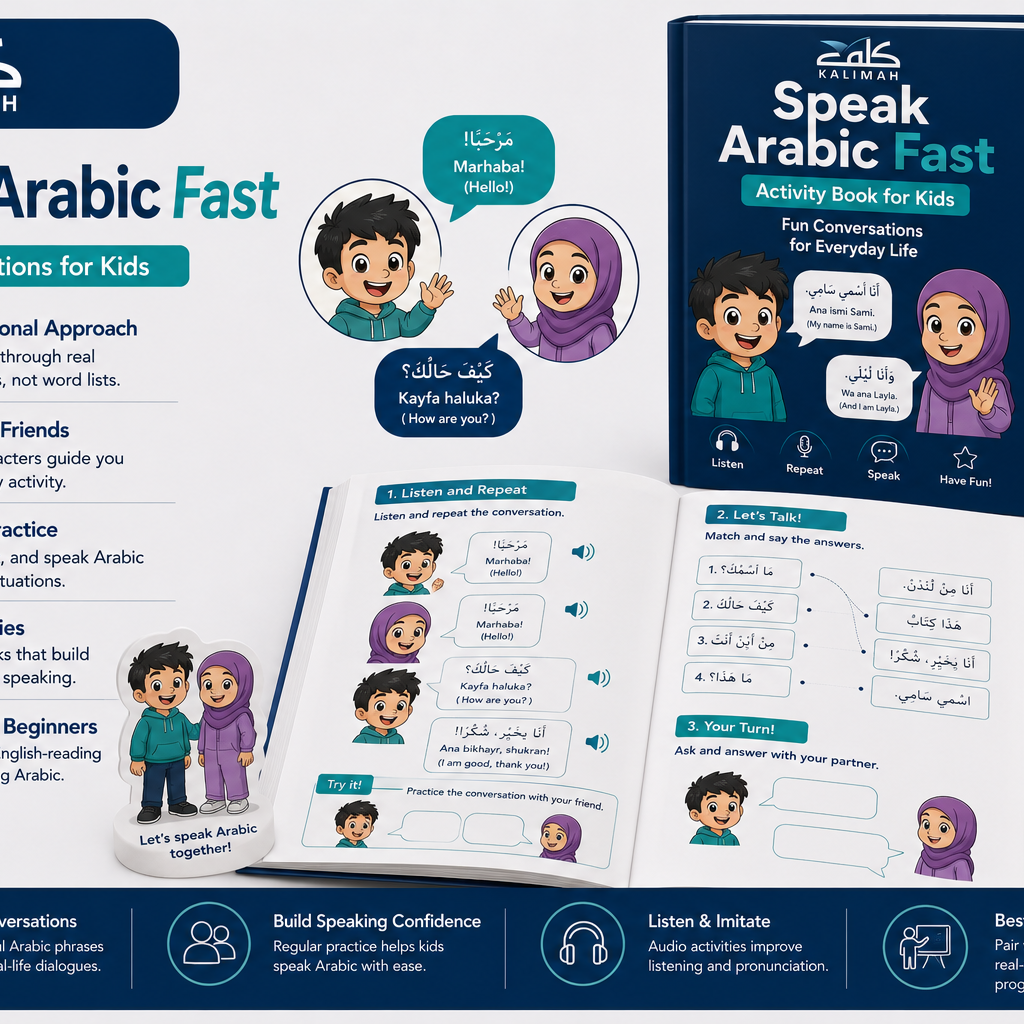
7. Speak Arabic Fast
This activity book is built around two recurring characters who guide children through conversational tasks rather than vocabulary lists. It’s aimed specifically at English-reading children just starting Arabic, and its strength is in conversational practice rather than reading or writing development.
Because it leans toward spoken practice, it pairs well with structured speaking practice — the kind a child gets through a dedicated Arabic course with a native instructor, where pronunciation can actually be corrected in real time.
Quick Comparison: Best Arabic Language Books for Children
Before picking a book, it helps to see how each one stacks up by purpose, age range, and format — since the right choice depends on what skill a child needs to build next.
| Book Title | Best For | Age Range | Format |
| Uhebbo Al-Arabiyya | Complete curriculum | 6–12 | Print + Workbook |
| Master the Arabic Alphabet | Handwriting practice | 5–10 | Print Workbook |
| My First Book of Arabic Words | Vocabulary building | 3–7 | |
| Super Easy Verbs for Kids | Verb & sentence structure | 6–10 | Print Workbook |
| Arabic Reading Book | Reading fluency & articulation | 5–9 | |
| My First Picture Book English Arabic | Themed vocabulary | 3–8 | |
| Speak Arabic Fast | Conversational practice | 5–9 | Activity Book |
A reading-fluency book like the Arabic Reading Book and a curriculum series like Uhebbo Al-Arabiyya are not interchangeable — most children benefit from one book per skill rather than one book that claims to do everything.
How to Choose the Right Arabic Books for Your Child?
The right choice depends on three things: your child’s age, their current level, and what they’re trying to achieve next.
For complete beginners, prioritize books with simple vocabulary, large clear illustrations, and bilingual support — alphabet and basic-word books, not grammar-heavy ones. For children who already recognize letters and basic words, introduce books that build sentence structure and longer stories, since repeating beginner material at this stage slows progress rather than reinforcing it.
A practical decision rule: if a child can already identify most letters by shape but struggles to read full words, move to a phonetic reading book before a vocabulary book — reading mechanics need to be solid before vocabulary expansion pays off. If a child knows plenty of words but can’t form sentences, a verb-focused workbook will do more than another vocabulary list.
Books alone, however, can’t correct pronunciation in real time or adjust pace based on how a specific child is responding — that’s a structural limit of any printed material, however well designed.
Combining Books with Live Arabic Classes for Best Results
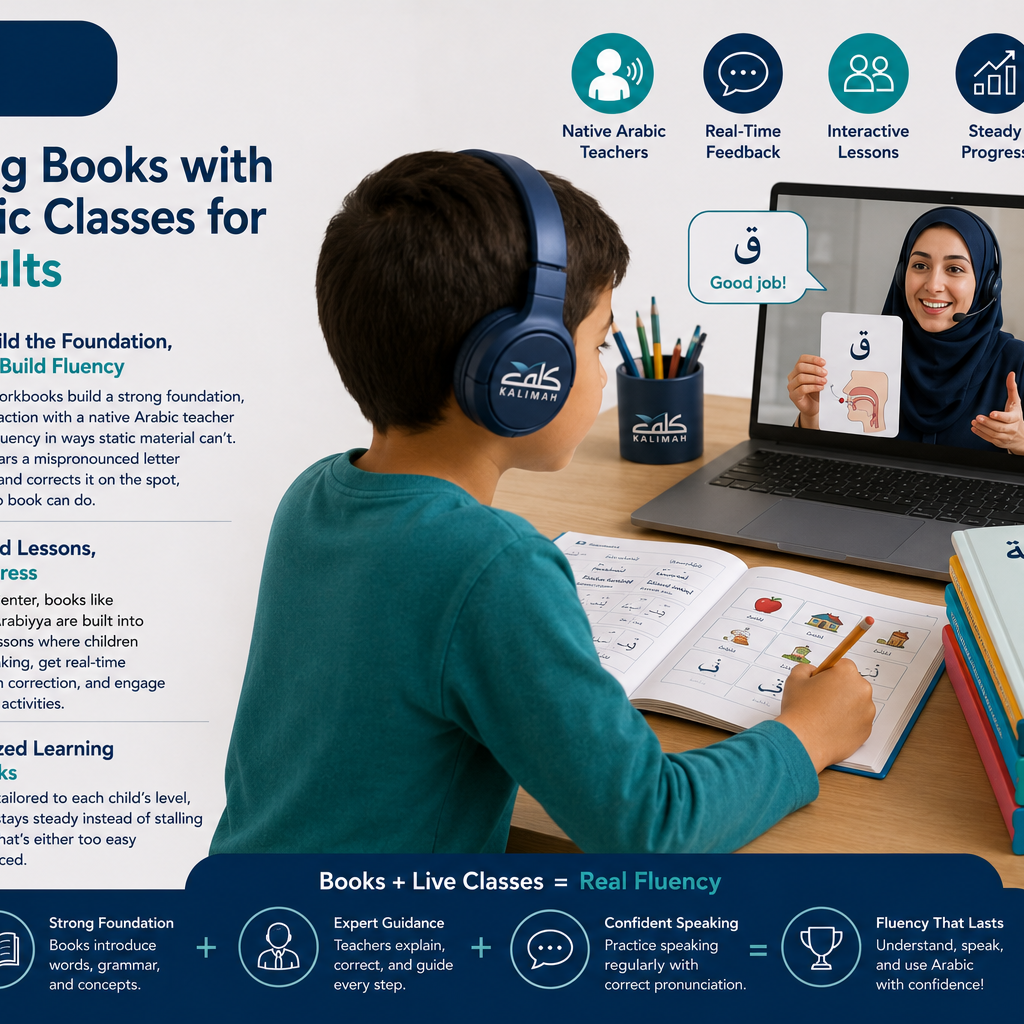
Books and workbooks build a strong foundation, but live interaction with a native Arabic teacher accelerates fluency in ways static material can’t. A teacher hears a mispronounced letter immediately and corrects it on the spot, something no book — however well illustrated — can do.
At Kalimah Center, books like Uhebbo Al-Arabiyya aren’t used as standalone material; they’re built into structured lessons where children practice speaking, get real-time pronunciation correction, and engage in interactive activities that make the language usable rather than just recognizable. Lessons are tailored to each child’s level, so progress stays steady instead of stalling on material that’s either too easy or too advanced.
Inside Kalimah Center: Moments from Our Courses
Get a glimpse into the vibrant learning experience at Kalimah Center. These snapshots capture real moments from our live classes—where students engage deeply, connect with passionate instructors, and grow in a welcoming, supportive environment.
Here Are The Reviews On Our Courses:
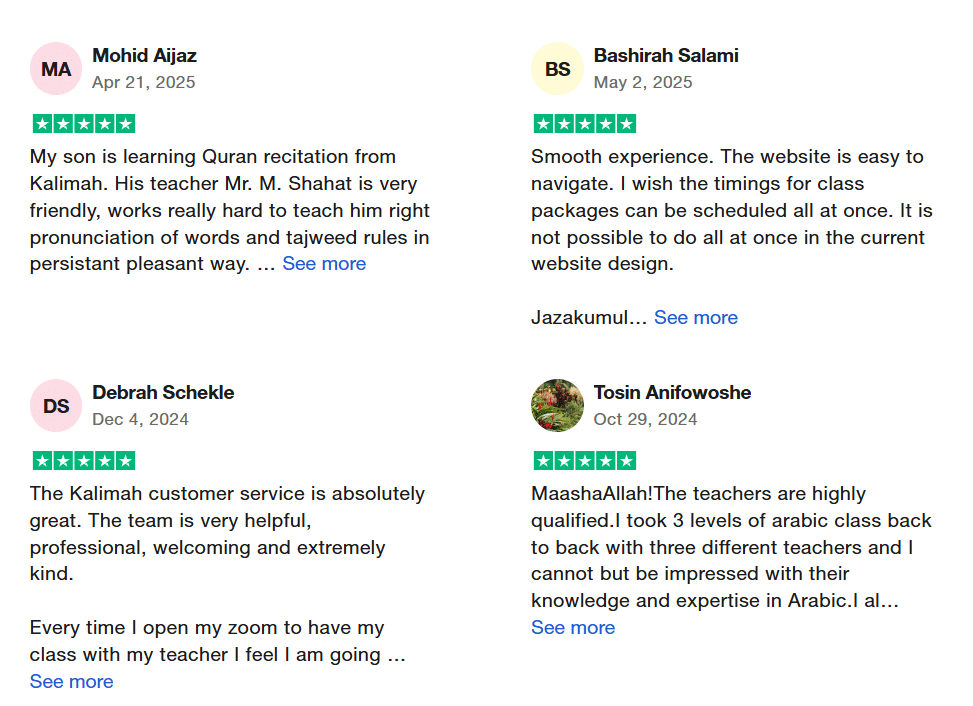
Our students frequently commend the excellence of our courses and the commitment shown by our instructors. You can read their complete reviews on Trustpilot.
Read more reviews on Trustpilot
Master Arabic with Kalimah Center
Give your child what a book alone can’t: a native teacher who corrects pronunciation in real time and adjusts the lesson to how your child is actually learning.
Kalimah Center’s Arabic courses for children pair proven books like Uhebbo Al-Arabiyya with live, native-speaker instruction — so reading, writing, listening, and speaking develop together, not in isolation. Every child is placed at the right level from day one.

📚 Explore Our Courses:
Online Arabic Course: Tailored to your level, our comprehensive Arabic program includes 16 teaching levels and 400+ hours of personalized sessions.
Online Quran With Tajweed Course: Perfect for non-Arabic speakers, our course spans 13 levels and equips you with Tajweed mastery from beginner to advanced.
Online Arabic Course For Kids: Nurture your child’s love for Arabic with our engaging and structured program, available in 24 levels for primary, intermediate, and secondary stages.
🚀 Start Your Free Trial Today! 🚀
Don’t miss out on this life-changing opportunity to deepen your faith and knowledge. Sign up now for your free trial and take the first step towards becoming a better practicing Muslim with Kalimah Center!
Master Arabic with Kalimah Center
Join our expert-led online classes and start your journey toward Arabic fluency today.
Book Your Free TrialConclusion
The best Arabic language books for children aren’t interchangeable — a curriculum series like Uhebbo Al-Arabiyya covers all four language skills, while alphabet, vocabulary, verb, and reading-fluency books each target a specific gap. Matching the book to what your child needs next, rather than what looks most complete, is what actually moves them forward.
Books give children consistent exposure to vocabulary, script, and culture between lessons, but they can’t replace the real-time correction and adaptive pacing that come from learning with a native speaker. Combining a strong book like My First Book of Arabic Words or Master the Arabic Alphabet with structured, live instruction gives a child both the repetition books provide and the speaking practice only a teacher can give.
FAQs
What are the best Arabic books for kids who don’t speak Arabic?
The best Arabic books for non-native kids include Uhebbo Al-Arabiyya for a complete curriculum, My First Book of Arabic Words for vocabulary with rhymes and illustrations, and Master the Arabic Alphabet for handwriting practice. These books rely on visuals, repetition, and bilingual support to make Arabic accessible without prior exposure to the language.
Should I choose Modern Standard Arabic books or dialect-focused material for my child?
For reading, writing, and formal education, start with Modern Standard Arabic books like Uhebbo Al-Arabiyya or the Arabic Reading Book. MSA is the form used in schooling and formal writing across the Arab world, so it gives children a foundation that transfers across regions, while dialect material is better suited to conversational use in a specific country.
At what age can children start using Arabic language books?
Children as young as 3 to 4 years old can begin with picture books that use simple vocabulary, rhymes, and illustrations, such as My First Book of Arabic Words. By ages 5 to 6, they’re typically ready for structured alphabet and reading books like Master the Arabic Alphabet or the Arabic Reading Book.
Are workbooks better than story-based books for learning Arabic?
Neither is better on its own — they serve different purposes. Workbooks like Master the Arabic Alphabet or Super Easy Verbs for Kids build specific mechanical skills through repetition, while story-based books like My First Book of Arabic Words build vocabulary and cultural familiarity through context. Most children progress faster using both rather than relying on one format.
How do I know if a book is too advanced for my child?
A book is too advanced if your child can’t recognize most of the letters or words on a page without help, or if completing a page takes significantly longer than the book’s intended age range suggests. In that case, step back to a simpler vocabulary or alphabet book before returning to the more advanced material.
Can books alone make my child fluent in Arabic?
Books build vocabulary, reading mechanics, and grammar awareness, but fluency requires spoken practice and real-time pronunciation correction that printed material can’t provide. Pairing books with a live Arabic course gives children both the structured input books offer and the conversational practice needed to actually use the language.