In a nutshell: The Arabic present tense, “المضارع” (al-mudari‘), describes current actions, habits, truths, and near-future events. It’s formed by adding prefixes to verb roots, like “أشربُ” (I drink). Negation is done with “لا” (laa), as in “لا أذاكر الآن” (I’m not studying now). This versatile tense can also express future plans, such as “أذهب إلى السوق غداً” (I will go to the market tomorrow).
In a previous article, we explored all the Arabic tenses. Now, it’s time to dive deep into the present tense in Arabic “المضارع” (al-mudari‘).
And let me tell you upfront: pay close attention! You’re about to hit two birds with one stone, because by truly understanding the present tense, you’ll also be well on your way to mastering the future tense in Arabic. In fact, there’s just a tiny extra step – two little words you can learn in minutes – that bridges the gap between the two.
I’ll share insights from years of experience, guiding you to master this cornerstone of Arabic grammar.
What is the Arabic Present Tense?
What exactly is this “present tense” in Arabic? The Arabic present tense (al-mudari` المضارع) is a tense we use to talk about what happens now, what happens regularly, what is generally true, or even to express the future. (We will see the details and the examples in the Arabic Present Tense Usages section below)
But it’s more than just talking about “right now”.
How Do We Spot the Present Tense in Arabic?
Focus please! Arabic verbs have “markers”, like little signs. For al-mudari` verbs, most often you see it starting with one of these letters (أ – ن – ي – ت). These letters are called the present form letters (حروف المضارعة) and are specific to present tense verbs.
We’ll use those letters with the root of “شرب” to create present tense forms:
- Alif ( أ ), Like in أشربُ (ʾashrabu) – I drink
أشربُ الماءَ كلَّ يومٍ
(ʾashrabu al-māʾa kulla yawmin.)
I drink water every day.
- Nun ( ن ), like in نشربُ (nashrabu) – We drink
نشربُ العصيرَ في الصيفِ
(nashrabu al-ʿaṣīra fī al-ṣayfi.)
We drink juice in the summer.
- Ya ( ي ), like in يشربُ (yashrabu) – He drinks
يشربُ القهوةَ في الصباحِ
(yashrabu al-qahwata fī al-ṣabāḥi.)
He drinks coffee in the morning.
- Ta ( ت ), like in تشربُ (tashrabu) – You (masculine singular) drink
تشربُ الشايَ معَ الحليبِ
(tashrabu al-shāya maʿa al-ḥalībi.)
You drink tea with milk.
Kalimah Center provides structured Arabic courses that cover these nuances with many examples, practice exercises, and real-life application.
Our experienced native teachers help students understand not just the rules but the practical side of using Arabic present tense confidently in conversations.
By studying with us, you’ll have the chance to apply these lessons in interactive sessions, ensuring you understand the finer details and can express yourself clearly in Arabic.
Don’t just take my word for it. Here’s what our students say:

Experience Kalimah Center Classes
Watch real excerpts from our live sessions at Kalimah Center and see how we bring learning to life. These clips highlight our interactive, student-centered teaching approach across all our courses—designed to keep learners engaged, motivated, and actively involved every step of the way.
Master Arabic with Kalimah Center
Join our expert-led online classes and start your journey toward Arabic fluency today.
Book Your Free TrialArabic Present Tense Forms:
Let’s look closer at the forms of the Arabic present tense. The Arabic verb changes to show the person, number, and gender of the subject. In Arabic, each verb root has what we call “three radical letters” (جذر الفعل – jadhir al-fi‘l), and from this root, we add prefixes سوابق and sometimes suffixes لواحق to form the present tense.
So the Key Components in Forming Present Tense Verbs in Arabic are:
- Verb Root: The core three letters conveying the verb’s meaning (e.g., “شرب” for “drinking”).
- Prefixes: Indicate the person and number of the subject (e.g., “أَ” for “I”, “نَ” for “we”).
- Suffixes: Show the gender and number of the subject (e.g., “ون” for masculine plural, “ين” for feminine singular 2nd person).
And again here are all the letters which present tense verbs start with, aling with their subject pronouns:
- أ (Hamza): Referring to the first person singular (أنا) – “I”
- ن (Noon): Referring to the first person plural (نحن) – “We”
- ت (Taa): Referring to the second person (you – أنتَ, أنتِ, أنتما, أنتم, أنتن)
- ي (Yaa): Referring to the third person masculine singular, dual, and plural (هو/هما/هم) – “He/They”
- ت (Taa): Referring to the third person feminine singular, dual, and plural (هي/هما/هن) – “She/They”
Now, let’s take a look at a table illustrating the conjugation of the verb “to drink” (شرب) in the present tense.
Arabic Present Tense Usages
The Arabic present tense is used for actions happening now, for habits, for general truths, and even for the near future. This flexibility helps Arabic speakers convey a lot with just one form.
Let’s explore each usage with practical examples and the expressions that come with them.
1. Use the Arabic Present Tense to Express Actions Happening Right Now
We use the present tense to talk about something that is happening right now, just like in the present continuous tense in English.
أذاكر الآن
(udhakir al-aan)
“I am studying now.”
Here, الآن (al-aan), which means “now,” gives a clear meaning of immediacy. Arabic doesn’t require a separate verb like “am” in English. Just أذاكر alone shows “I am studying” or “I study.”
2. Use the Arabic Present Tense to Talk About Habits and Regular Actions
The Arabic present tense is also used for actions that happen regularly, like habits. Arabic uses the same form as in “right now” situations, but here, context words like “every day” (كل يوم – kul yawm) or “always” (دائماً – daa’iman) clarify that it’s a routine, just like in the present simple tense in English.
أقرأ القرآن كل يوم
( aqra’ al-Qur’an kul yawm)
“I read the Quran every day.”
By adding كل يوم (kul yawm), it is clear that this action is a habit, not something happening just right now.
Or:
تذهب إلى المدرسة كل صباح
(tadhhab ila al-madrasa kul sabah)
“She goes to school every morning.”
Adding كل صباح (kul sabah) gives the meaning of a repeated action.
3. Use the Arabic Present Tense to Express General Truths and Facts
Arabic also uses the present tense for universal truths or things that are generally true, just like the present simple tense in English.
يغلي الماء عند ١٠٠ درجة مئوية
(yaghli al-maa ‘ind 100 darajah mi’awiyah)
“Water boils at 100 degrees Celsius.”
Notice the verb يغلي (yaghli), meaning “boils.” Here, the sentence doesn’t mean water is boiling right now; it’s a general truth that applies all the time.
4. Use the Arabic Present Tense to Express the Near Future
Interestingly, the Arabic present tense can also talk about things that are going to happen soon, especially when the context makes it clear. Arabic does not need a separate “will” or “going to” form like in English.
أذهب إلى السوق غداً
(sa’adhhab ila as-suq ghadan)
“I will go to the market tomorrow.”
By using غداً (ghadan), meaning “tomorrow,” the sentence takes on a future meaning. We use the same present tense form, أذهب (adhhab), but because of the time reference, it means “I will go.”
This structure is useful, and many students find it interesting that one tense can cover multiple time frames.
However, it is not very common. It is better to use the future tense structure and add س or سوف before the verb. Look our article about the future tense in Arabic.
Read also: Hollow verbs in Arabic
Arabic Present Tense Negation
Negating the present tense in Arabic is very simple, we use the word لا (laa) to negate verbs in the present tense, which gives a sentence the meaning of “not” or “do not.”
Let’s look closer at how لا is used with present verbs and see some examples.
When you want to say that you are not doing something in the present tense in Arabic, you simply place لا before the verb. This construction does not change the verb itself, which is helpful because there’s no need to modify the conjugation you’ve already learned. Here are some examples:
لا أذاكر الآن
(laa udhakir al-aan)
“I am not studying right now.”
In this sentence, لا (laa) comes directly before the verb أذاكر. With الآن (al-aan – now) added, the meaning becomes clear that it’s something I am not doing at this moment.
Another example could be:
لا يذهب إلى العمل كل يوم
(laa yadhhab ila al-‘amal kul yawm)
“He does not go to work every day.”
Here, لا (laa) makes it clear that going to work is not a daily habit for him. The negation لا combined with كل يوم (kul yawm – every day) helps express a habit that doesn’t happen.
Read also: Arabic irregular verbs
Arabic Present Tense Conjugation Chart
Here’s the present tense conjugation for the verb شَرِبَ (to drink), we can observe how it is conjugated in the present tense for various subject pronouns in the following chart:
| Person | Gender | Number | Conjugation | Transliteration | Translation |
| 3rd | Masculine | Singular | يَشْرَبُ | yashrabu | he drinks |
| Dual | يَشْرَبَانِ | yashrabāni | they (two males) drink | ||
| Plural | يَشْرَبُونَ | yashrabūna | they (males) drink | ||
| Feminine | Singular | تَشْرَبُ | tashrabu | she drinks | |
| Dual | تَشْرَبَانِ | tashrabāni | they (two females) drink | ||
| Plural | يَشْرَبْنَ | yashrabna | they (females) drink | ||
| 2nd | Masculine | Singular | تَشْرَبُ | tashrabu | you (male) drink |
| Dual | تَشْرَبَانِ | tashrabāni | you (two males) drink | ||
| Plural | تَشْرَبُونَ | tashrabūna | you (males) drink | ||
| Feminine | Singular | تَشْرَبِينَ | tashrabīna | you (female) drink | |
| Dual | تَشْرَبَانِ | tashrabāni | you (two females) drink | ||
| Plural | تَشْرَبْنَ | tashrabna | you (females) drink | ||
| 1st | Masculine & Feminine | Singular | أَشْرَبُ | ashrabu | I drink |
| Plural | نَشْرَبُ | nashrabu | we drink |

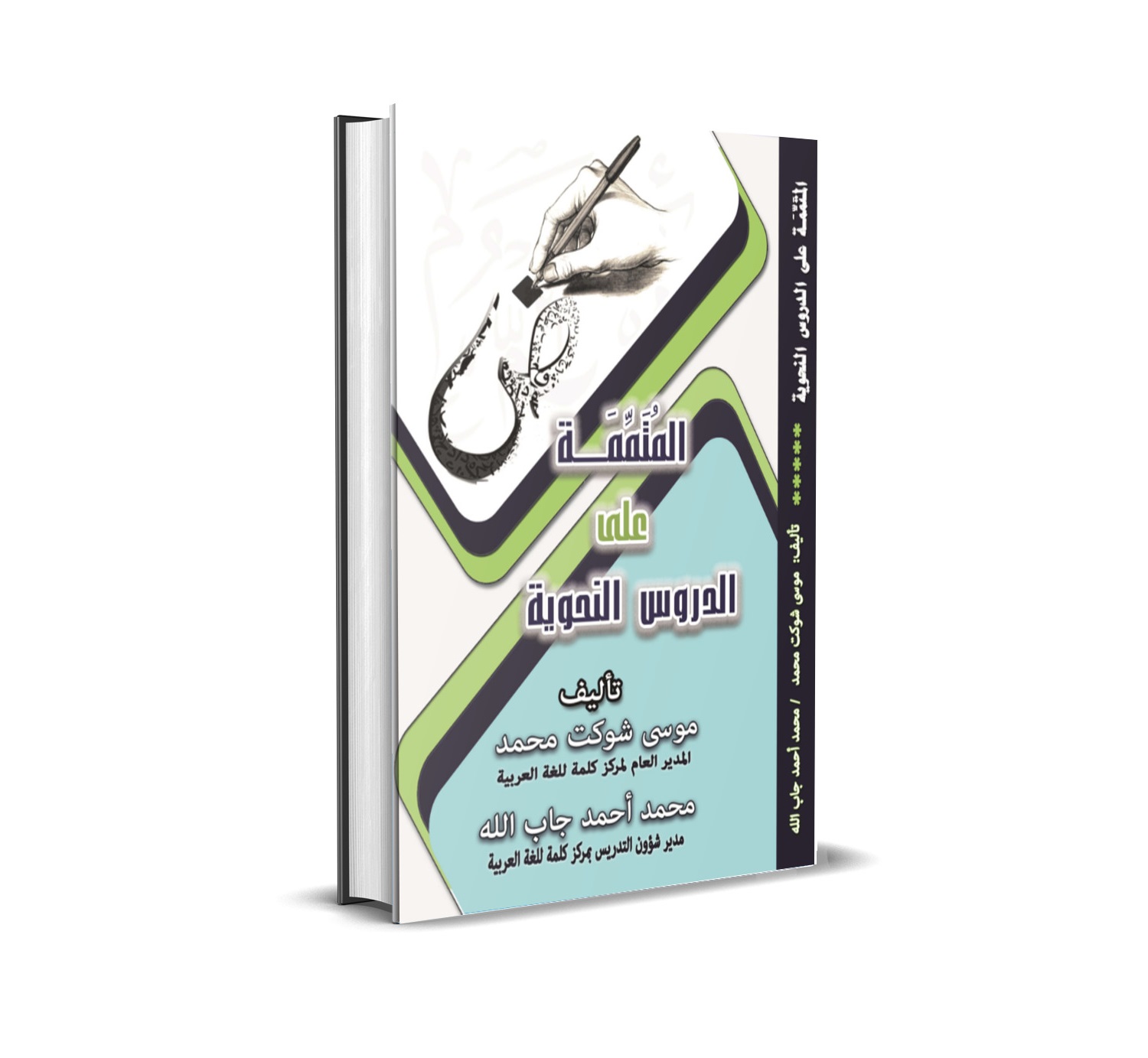
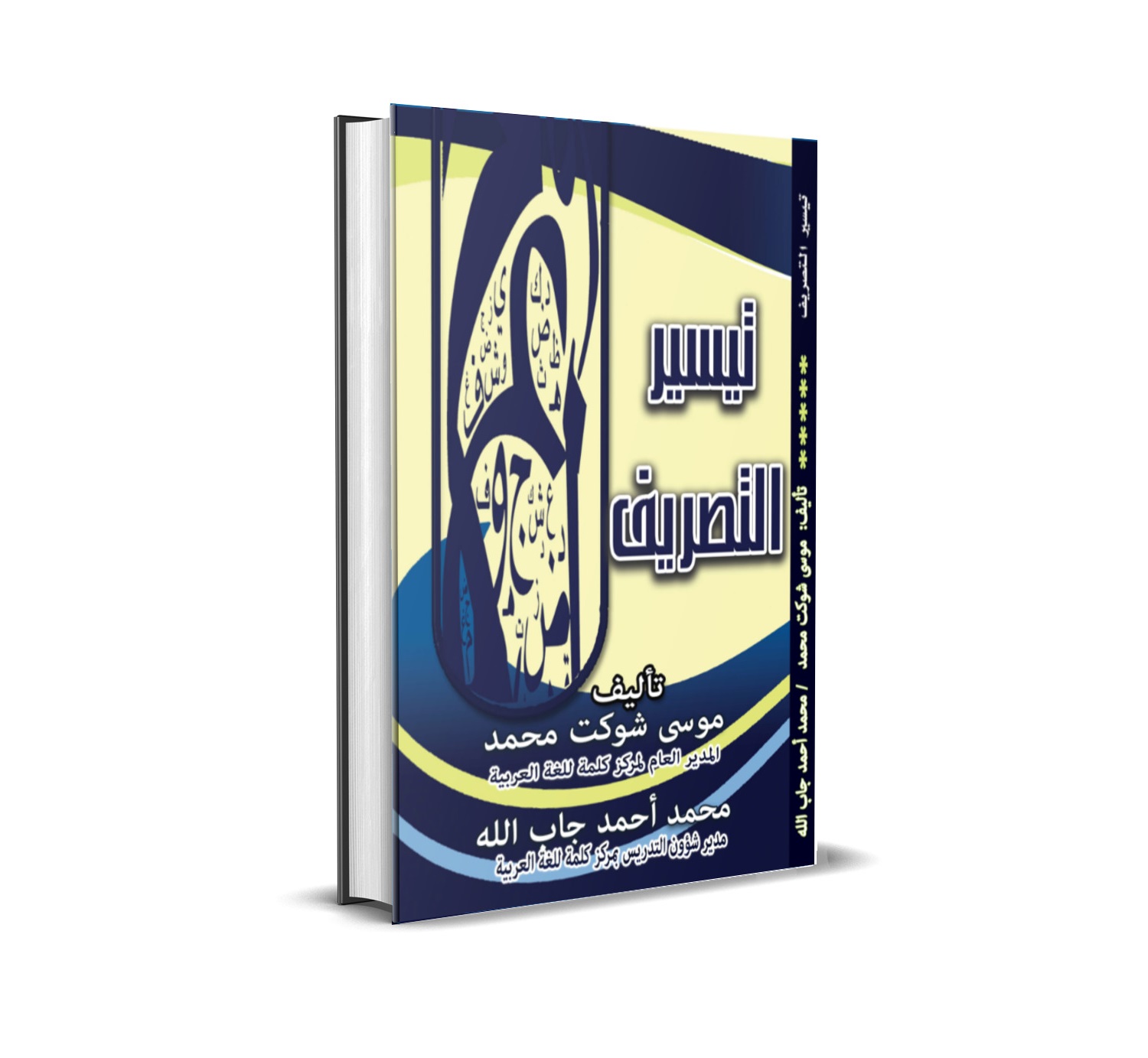
* Excerpted from Kalimah’s Attamheed book, another key resource we use in our online Arabic course.
Comparing Present, Past, Future, and Imperative Tenses
You must understand how different tenses shape the meaning and impact of your words and verbs.
To better understand the distinctions between these tenses, let’s examine them side-by-side using the verb شرب shariba (he drank) as our example:
| Tense | Conjugation (He) | Example Sentence | Translation |
| Past | shariba | شرب العصير أمس. | He drank the juice yesterday. |
| Present | yashrabu | يشرب العصير الآن. | He is drinking the juice now. |
| Future | sayashrabu | سيشرب العصير غداً. | He will drink the juice tomorrow. |
| Imperative | ʾishrab! | اشرب العصير! | Drink the juice! |
Master Arabic with Kalimah Center
Join our expert-led online classes and start your journey toward Arabic fluency today.
Book Your Free TrialInside Kalimah Center: Moments from Our Courses
Get a glimpse into the vibrant learning experience at Kalimah Center. These snapshots capture real moments from our live classes—where students engage deeply, connect with passionate instructors, and grow in a welcoming, supportive environment.
Here Are The Reviews On Our Courses:
Our students frequently commend the excellence of our courses and the commitment shown by our instructors. You can read their complete reviews on Trustpilot.

Why Learn Arabic Present Tense with Kalimah Center?
Wouldn’t it be great to have a teacher guide you through the intricacies of present tense verbs, ensuring you grasp the subtle nuances of usage and negation?
At Kalimah Center, we don’t just throw information at you. We provide a structured, supportive learning environment where you can truly master the Arabic present tense and confidently use it in real-life conversations.
In our online Arabic courses:
- We start with the basics, ensuring you understand the building blocks of the present tense.
- Learn to conjugate verbs effortlessly and use them in different sentence structures.
- Practice speaking in the present tense with our experienced teachers and gain confidence in your abilities.
- Explore the nuances of the present tense, including its various usages and negation.
Sign up for a free trial class today!

Consider joining our Arabic group classes and get:
- Practicing speaking in a supportive environment with native Arabic teachers
- Small class sizes
- Flexible schedule
- Affordable prices (4x cheaper than private lessons)
📚 Explore Our Courses:
Online Arabic Course: Tailored to your level, our comprehensive Arabic program includes 16 teaching levels and 400+ hours of personalized sessions.
Online Quran With Tajweed Course: Perfect for non-Arabic speakers, our course spans 13 levels and equips you with Tajweed mastery from beginner to advanced.
Online Arabic Course For Kids: Nurture your child’s love for Arabic with our engaging and structured program, available in 24 levels for primary, intermediate, and secondary stages.
🚀 Start Your Free Trial Today! 🚀
Don’t miss out on this life-changing opportunity to deepen your faith and knowledge. Sign up now for your free trial and take the first step towards becoming a better practicing Muslim with Kalimah Center!

Conclusion:
The Arabic present tense, “المضارع” (al-mudari‘), is used to describe actions happening now, habitual actions, general truths, and even near-future events. It is formed by adding specific prefixes to the root of a verb, such as “أ” for “I,” “ن” for “we,” and “ي” for “he,” among others. For example, “أشربُ” means “I drink,” while “نشربُ” means “we drink.”
The present tense in Arabic does not require auxiliary verbs like “am” or “is” in English, and can also indicate habitual actions, like “أقرأ القرآن كل يوم” (I read the Quran every day).
Negation of the present tense in Arabic is straightforward, using the word “لا” (laa) before the verb, such as “لا أذاكر الآن” (I am not studying now). This negation structure is simple and doesn’t require changes to the verb form.
The present tense is versatile, covering actions that occur right now, regular actions, general facts, and even future actions when the context makes it clear, like “أذهب إلى السوق غداً” (I will go to the market tomorrow).
FAQs about The Arabic Present Tense
What is the Arabic present tense?
The Arabic present tense, known as al-mudari‘ (المضارع), is a versatile verb tense used to express actions happening right now, habitual routines, universal facts, and near-future events. It is fundamentally characterized by adding specific present-tense prefixes to a core three-letter verb root.
What are the four prefix letters used in the Arabic present tense?
The four prefix letters used to form the Arabic present tense are Alif (أ), Noon (ن), Yaa (ي), and Taa (ت), collectively called huroof al-mudara’ah. They indicate the subject’s person and number; for example, Alif signifies “I” (ashrabu / I drink) and Noon signifies “we” (nashrabu / we drink).
How do you negate a present tense verb in Arabic?
To negate a present tense verb in Arabic, you place the negative particle laa (لا) directly before the conjugated verb. This construction translates to “not” or “do not” (e.g., laa udhakir al-aan / “I am not studying right now”) and requires no modifications to the verb form itself.
Can the Arabic present tense be used to express future actions?
Yes, the Arabic present tense can express the near future when paired with an explicit time reference context word, such as ghadan (غداً) meaning “tomorrow.” However, for standard future tense construction, it is more common to add the prefixes سـ (Sa) or سوف (Sawfa) before the present tense verb.
What is the verb root for “to drink” in Arabic conjugation?
The three-letter radical verb root for “to drink” in Arabic is shaba (شرب). When conjugated into the present tense al-mudari‘, prefixes and suffixes are attached to this root to reflect the subject’s gender, number, and grammatical person (e.g., yashrabu for “he drinks”).