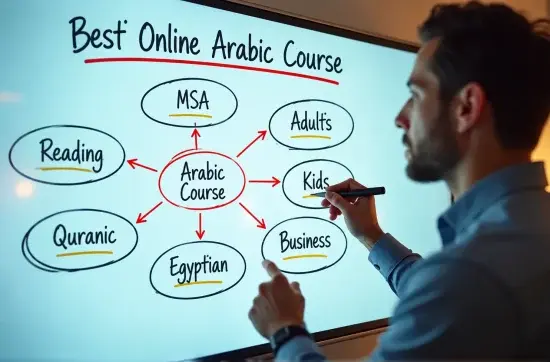
Learning Arabic through Arabic — using Arabic-only resources, Arabic-Arabic dictionaries, and Arabic-medium instruction — is an immersion approach that mirrors how native speakers acquired the language. Unlike translation-based methods, this approach builds direct connections between Arabic concepts and their meanings without routing through English.
“Arabic” in Arabic is “العربية” (al-‘arabīyah), and “I want to learn Arabic” is “أريد أن أتعلم العربية” (uridu an ata’allam al-‘arabīyah). This guide covers how to structure an Arabic immersion environment at home, which Arabic-Arabic resources to use, and how to think — not just speak — in Arabic.
✅ Quick Reference Table:
| What You’re Looking For | Direct Answer |
|---|---|
| How to say “Arabic” in Arabic | العربية (al-‘arabīyah) |
| How to say “I want to learn Arabic” in Arabic | أريد أن أتعلم العربية |
| How to say “Do you speak Arabic?” in Arabic | هل تتكلم العربية؟ (Hal tatakallam al-arabīyah?) |
| How to spell “Arabic” in Arabic | ا-ل-ع-ر-ب-ي-ة (7 letters) |
| What is Arabic called in Arabic | العربية (al-‘arabīyah) or اللغة العربية (al-lughah al-‘arabīyah) |
| How to write Arabic in Arabic script | العربية |
Why Learn Arabic in Arabic?
Learning Arabic with Arabic material provides a more comprehensive and enriching language learning experience, helping you achieve fluency faster and connect more deeply with the language and culture. When you learn the language in its native context, you:
- Develop a Native-Like Accent: Immersing yourself in Arabic pronunciation from the start helps you develop a natural accent and rhythm.
- Understand Cultural Nuances: Language and culture are deeply intertwined. Learning Arabic in Arabic allows you to grasp the subtleties of expressions, humor, and social interactions.
- Boost Your Confidence: Speaking and thinking in Arabic empowers you to communicate effectively and confidently with native speakers.
How to Learn Arabic in Arabic?
Imagine stepping into a vibrant classroom where the language spoken is entirely in Arabic. From day one, your teacher greets you with a warm “مرحبا” Marhaba!, meaning “Welcome.” This is the essence of learning Arabic in Arabic—total immersion.
Learning a language through immersion involves using the target language for all instructions, conversations, and activities. It might sound daunting, but this method mirrors how we naturally learn our first language.
As a passionate native Arabic teacher, I can tell you that this approach not only accelerates learning but also deepens your cultural understanding.
1. Surround Yourself with Arabic (أحِط نفسك باللغة العربية)
- Immersive Environment: If possible, spend time in an Arabic-speaking country or community. Interact with native speakers, listen to their conversations, and immerse yourself in the language’s natural rhythm and flow.
- Label Your Environment: Label items around your home in Arabic to build your vocabulary and get used to seeing and thinking in Arabic.
- Listen: Tune into Arabic podcasts, radio stations, and audiobooks. Start with slower-paced content designed for learners, and gradually challenge yourself with more complex material.
- Watch: Watch Arabic movies, TV shows, documentaries (وثائقيات), and vlogs. Utilize subtitles in Arabic or English to aid your comprehension.
- Read: Explore Arabic children’s books, short stories, novels, and newspapers. Look for resources with vocabulary lists and explanations to enhance your understanding.
2. Focus on Conversation
Connect with native Arabic speakers (تواصل مع أصحاب اللسان العربي) through language exchange platforms or online forums. Practice speaking with them regularly, even if it’s just for a few minutes each day.
Participate in online or offline Arabic conversation groups (مجموعات محادثة بالعربية) to engage in meaningful discussions and receive feedback from other learners and instructors.
3. Think in Arabic (فكر بالعربية)
Describe your thoughts and actions in Arabic, even if it’s just in your head. This will train your brain to think in the new language.
Stick Arabic labels on household items to reinforce vocabulary and create a mini-immersion environment at home.
You can also write about your experiences, thoughts, and feelings in Arabic. This is a great way to practice writing and self-expression.
4. Utilize Effective Learning Tools
Invest in a good Arabic-Arabic dictionary (قواميس عربية عربية) to look up unfamiliar words and deepen your understanding of their nuances and connotations.
Many resources offer structured learning paths specifically for Arabic learners, such as the immersive courses at Kalimah. Our online courses offer a comprehensive and immersive learning experience, with instruction, materials, books, and interactions conducted in Arabic.
Additionally, Engage with online forums and communities to ask questions, share resources, and connect with fellow learners.
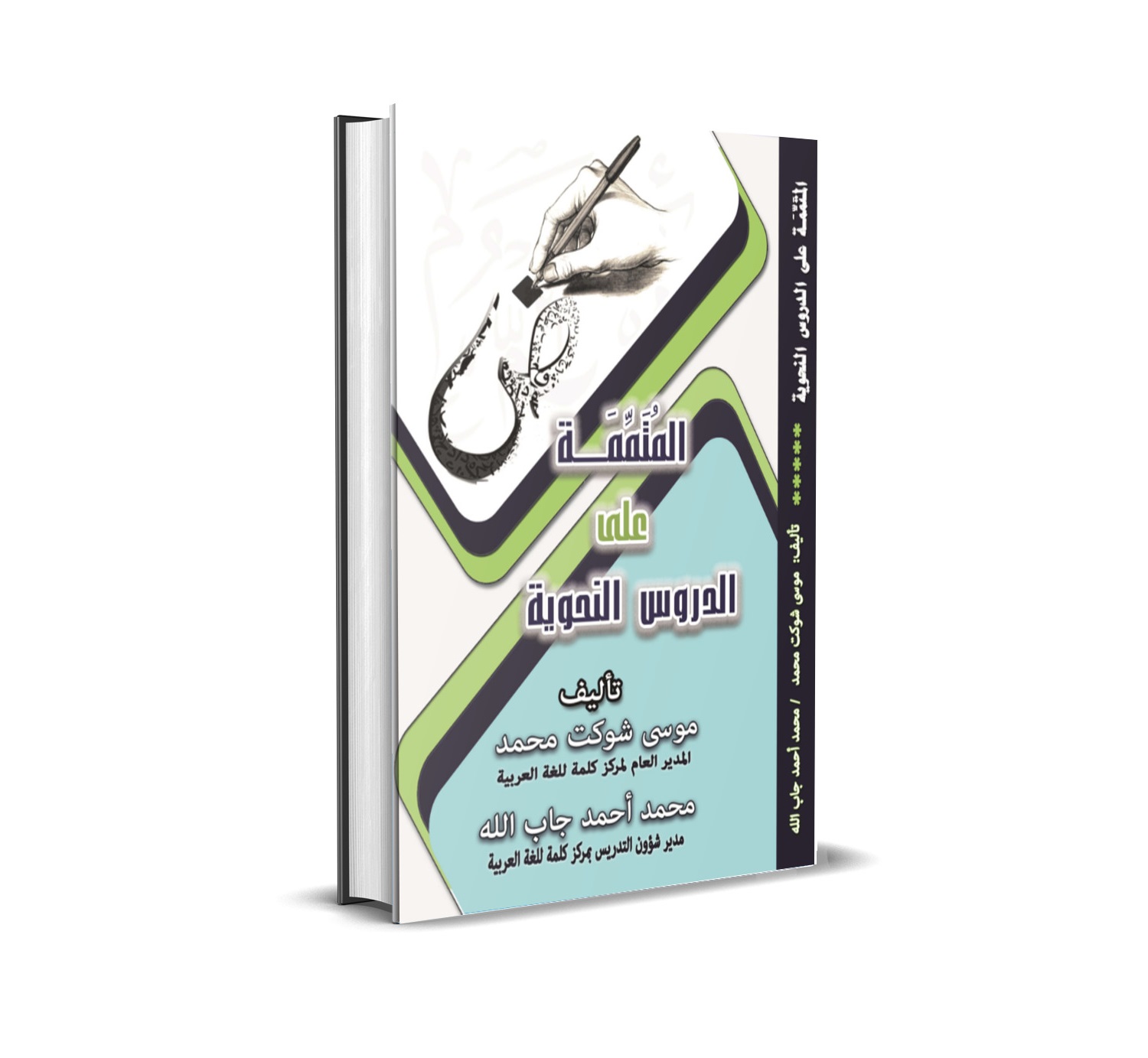
5. Learn Grammar and Structure in Arabic
Choose grammar resources that are taught entirely in Arabic. This will help you understand grammatical concepts in their native context and reinforce your overall language skills.
Don’t hesitate to ask for help from native speakers or Arabic language instructors when you encounter grammatical challenges.
6. Embrace the Culture
Explore the rich history (تاريخ زاخر), traditions, and customs of the Arab world. This will deepen your appreciation for the language and help you understand its cultural context.
Delve into the world of Arabic literature and poetry to appreciate the beauty and expressive power of the language.
Attend cultural events, festivals, and gatherings where you can interact with native speakers and immerse yourself in the Arabic-speaking community.
Read more about How To Learn Arabic In 10 Days?
How to Create an Arabic Immersion Environment at Home
You do not need to live in an Arabic-speaking country to experience Arabic immersion. The following strategies create a genuine immersion environment wherever you are:
1. Label Your Physical Environment
Place Arabic labels on every object in your home — and crucially, remove them after two weeks and test yourself. The goal is not permanent labels but forced daily visual Arabic exposure.
| Object | Arabic Label | Pronunciation |
|---|---|---|
| Door | باب | bāb |
| Window | نافذة | nāfidhah |
| Table | طاولة | ṭāwilah |
| Chair | كرسي | kursī |
| Kitchen | مطبخ | maṭbakh |
| Bathroom | حمام | ḥammām |
| Bedroom | غرفة النوم | ghurfat al-nawm |
| Book | كتاب | kitāb |
2. Change Your Phone and Devices to Arabic
Switch your smartphone, tablet, and computer interface to Arabic. This creates unavoidable daily exposure to written Arabic in a context you already understand (your own device’s menus). This is one of the most powerful immersion techniques because it is passive and automatic — it requires no additional time.
How to do it: iPhone → Settings → General → Language & Region → iPhone Language → العربية. Android → Settings → General Management → Language → Add Arabic → Set as default.
3. Consume Arabic Media Daily — In Stages
| Stage | Your Level | What to Watch/Listen |
|---|---|---|
| Stage 1 | Absolute beginner | Arabic alphabet songs, Arabic children’s cartoons (with Arabic subtitles) |
| Stage 2 | Beginner | Slow Arabic podcasts, ArabicPod101 videos |
| Stage 3 | Intermediate | Al Jazeera news (start with short clips), Arabic drama series |
| Stage 4 | Upper intermediate | Unscripted Arabic content, Arabic podcasts for native speakers |
4. Think in Arabic — Start With One Domain
Do not try to think entirely in Arabic immediately. Choose one domain of your life and narrate it to yourself in Arabic. The easiest starting point: your morning routine.
“أنا أستيقظ الآن. أذهب إلى الحمام. أشرب القهوة.”
“I am waking up now. I am going to the bathroom. I am drinking coffee.”
Simple, present-tense narration of immediate actions — this is the foundation of Arabic thinking.
5. Use Arabic-Arabic Dictionaries — Not Arabic-English
The moment you reach for an Arabic-English dictionary, you exit the Arabic immersion. Train yourself to look up unknown Arabic words in Arabic-Arabic dictionaries:
- Almaany.com — Free, comprehensive online Arabic-Arabic dictionary
- Al-Wasit — Modern Arabic definitions in clear Arabic
- Lisaan Al-Arab — Classical Arabic (for advanced learners)
When you look up a word in Arabic and read its definition in Arabic, you are processing language in Arabic — which is the entire goal of this method.
6. Join Arabic-Only Speaking Groups
Find online groups or classes where the rule is: Arabic only. No English explanations allowed. Even if you understand only 30% initially, the process of attempting to extract meaning from Arabic-only context is what builds immersion comprehension. Kalimah Center’s Arabic courses conduct instruction in Arabic for learners who request it — making them genuinely immersive.
7. Follow Arabic-Language Social Media
Follow Arabic news accounts, Arabic-speaking content creators, and Arabic cultural pages on your social media. Your feed becomes an Arabic-immersion environment every time you scroll.
Recommended Arabic accounts for immersion:
- Al Jazeera Arabic (الجزيرة) — current events in standard Arabic
- Roya TV (قناة رؤيا) — Jordan-based Arabic content
- Arabic calligraphy accounts — visual Arabic exposure
- Arabic poetry pages — literary Arabic exposure
perience Arabic-Medium Instruction — First Lesson Free
The immersion environment you create at home is the foundation. For learners who want fully Arabic-medium instruction — classes conducted entirely in Arabic — Kalimah Center offers that environment with native teachers who guide you through Arabic using Arabic.
Master Arabic with Kalimah Center
Join our expert-led online classes and start your journey toward Arabic fluency today.
Book Your Free TrialArabic-Arabic Resources vs Translation-Based Learning: What’s the Difference?
Most Arabic learners use translation-based resources — Arabic word, English meaning, Arabic word, English meaning. This is fast at the beginning but creates a dependency: your brain routes Arabic through English before understanding it. This is why many intermediate learners understand Arabic but “think in English” — they have learned translations, not Arabic thinking.
Arabic-through-Arabic resources define Arabic concepts using other Arabic words, building a mental network of Arabic meanings that does not require English as an intermediary.
| Approach | Example | Result |
|---|---|---|
| Translation-based | كتاب = “book” | You know the English equivalent |
| Arabic-through-Arabic | كتاب: وِعاءٌ للمعرفة مُؤَلَّف من صفحات | You understand the Arabic concept directly |
When to use each:
- Translation-based: Absolute beginners — weeks 1–4 of study. Use it to build initial vocabulary quickly.
- Arabic-through-Arabic: From month 2 onwards. Gradually shift dictionary lookups from Arabic-English to Arabic-Arabic. By month 6, aim for Arabic-Arabic dictionaries as your primary reference.
This progression — starting with translations as scaffolding and removing the scaffolding as your Arabic develops — is the most practical implementation of Arabic-medium learning.
How to Write Arabic in Arabic?
Writing in Arabic opens a window into a rich literary heritage. The first step is mastering the Arabic script. Arabic is written from right to left, and its letters change shape based on their position in a word. Let’s start with the basics:
- ألف باء (Alif Baa): The Arabic Alphabet.
- خط النسخ (Khatt al-Naskh): The Naskh script, commonly used in print.
- خط الرقعة (Khatt al-Ruq’ah): The Ruq’ah script, simpler and used for handwriting.

Begin by writing simple words like “بيت” (bayt), meaning “house,” and gradually progress to more complex sentences. Use calligraphy books or online resources to perfect your script.
Keep a journal in Arabic, even if you start with just a few sentences a day. Gradually, your confidence and skill will grow.
Use calligraphy practice sheets: These can help you perfect the form and flow of your handwriting.

*This image is excerpted from the Kalima Center‘s Arabic language curriculum
How to Speak Arabic in Arabic?
Speaking Arabic fluently involves daily practice and active engagement. Here are some tips to get you started:
- Practice Daily Conversations: Engage in dialogues about everyday topics like greetings, shopping, and dining.
- Join Speaking Clubs: Participate in Arabic language clubs or online forums.
- Use Multimedia: Watch Arabic movies and listen to Arabic podcasts.
At Kalimah Center, we offer interactive group classes where you can practice with native speakers and receive immediate feedback.

What Are the Best Resources for Learning Arabic in Arabic?
Embarking on your journey to learn Arabic in Arabic opens up a world of authentic language and cultural immersion. Here are some invaluable resources to guide you along the way:
1. Online Arabic Courses
Kalimah Center: Our online courses provide a comprehensive and immersive Arabic learning experience. With lessons taught entirely in Arabic if the learner needs so, interactive exercises, and opportunities to practice conversation with native speakers, Kalimah is an ideal choice for those committed to learning Arabic authentically.

2. Arabic-Arabic Dictionaries (قواميس عربية عربية):
- Al-Mawrid: A classic Arabic-Arabic dictionary known for its extensive vocabulary and clear definitions.
- Almaany: This comprehensive online Arabic dictionary provides definitions, examples, and usage notes in Arabic, helping you expand your vocabulary and deepen your understanding of the language.
- Lisaan Al-Arab: A comprehensive historical dictionary that delves into the etymology and evolution of Arabic words.
- Al-Wasit: A modern Arabic-Arabic dictionary with concise definitions and examples of usage.
3. Arabic Media
- Al Jazeera: Watch news broadcasts and documentaries to immerse yourself in authentic Arabic language usage and learn about current events in the Arab world.
- Arabic Podcasts: Tune into Arabic podcasts that discuss various topics, such as current events, culture, and language learning. Some popular options include Rumooz Podcast “بودكاست رموز” This podcast tells the stories of influential figures in Arab history, offering a unique blend of history and language learning.

4. Children’s Resources
- Arabic Children’s Books (كتب الأطفال العربية): Start with simple picture books and gradually progress to more complex stories as your language skills improve.
- Arabic Cartoons (رسوم متحركة عربية): Watch animated shows designed for Arabic-speaking children to learn basic vocabulary and grammar in an entertaining way.
5. Community and Conversation
- Language Exchange Platforms: Connect with native Arabic speakers through platforms like HelloTalk, Tandem, or iTalki to practice conversation and exchange language tips.
- Online Forums and Groups: Join online communities dedicated to learning Arabic to ask questions, share resources, and connect with fellow learners.
Read more about: How Can I Learn Arabic by Myself?
How Do You Say “Arabic” in Arabic?
The word “Arabic” in Arabic is العربية (al-‘arabīyah).
The full phrase “the Arabic language” is اللغة العربية (al-lughah al-‘arabīyah).
How to spell “Arabic” in Arabic:
| Position | Letter | Name | Sound |
|---|---|---|---|
| 1 | ا | Alif | al- (with lam) |
| 2 | ل | Lam | l |
| 3 | ع | Ayn | ‘ (guttural) |
| 4 | ر | Ra | r |
| 5 | ب | Ba | b |
| 6 | ي | Ya | iy |
| 7 | ة | Ta Marbuta | ah (at end of word) |
Related phrases — how to say Arabic-related words in Arabic:
| English | Arabic | Transliteration |
|---|---|---|
| Arabic (adjective) | عربي / عربية | ‘arabī (m.) / ‘arabīyah (f.) |
| The Arabic language | اللغة العربية | al-lughah al-‘arabīyah |
| Arab (person) | عربي | ‘arabī |
| Arabs (plural) | العرب | al-‘arab |
| Arabic script | الخط العربي | al-khaṭṭ al-‘arabī |
| Modern Standard Arabic | اللغة العربية الفصحى | al-lughah al-‘arabīyah al-fuṣḥā |
| The Arabic alphabet | الحروف الهجائية | al-ḥurūf al-hijā’īyah |
| I speak Arabic | أتكلم العربية | atakallam al-‘arabīyah |
| I am learning Arabic | أتعلم العربية | ata’allam al-‘arabīyah |
| Do you speak Arabic? | هل تتكلم العربية؟ | hal tatakallam al-‘arabīyah? |
Expressing Common English Sentences in Arabic
How to say in Arabic I want to learn Arabic, how to say do you speak Arabic, how to say I don’t speak Arabic, how to say I want to learn arabic, and more sentences. To help you get started, here are some essential English sentences translated into Arabic, along with their transliterations:
| English Sentence | Arabic Sentence | Transliteration |
| I want to learn Arabic | أريد أن أتعلم العربية | Uridu an ataalam al-arabiya |
| Do you speak Arabic? | هل تتكلم العربية؟ | Hal tatakallam al-arabiya? |
| I don’t speak Arabic | أنا لا أتكلم العربية | Ana laa atakallam al-arabiya |
| Where is the bathroom? | أين الحمام؟ | Ayn al-hammaam? |
| How much does this cost? | بكم هذا؟ | Bikam hadha? |
| Can you help me? | هل يمكنك مساعدتي؟ | Hal yumkinuka musaadati? |
| I need a doctor | أحتاج إلى طبيب | Ahtaju ila tabeeb |
Master Arabic with Kalimah Center
Join our expert-led online classes and start your journey toward Arabic fluency today.
Book Your Free TrialInside Kalimah Center: Moments from Our Courses
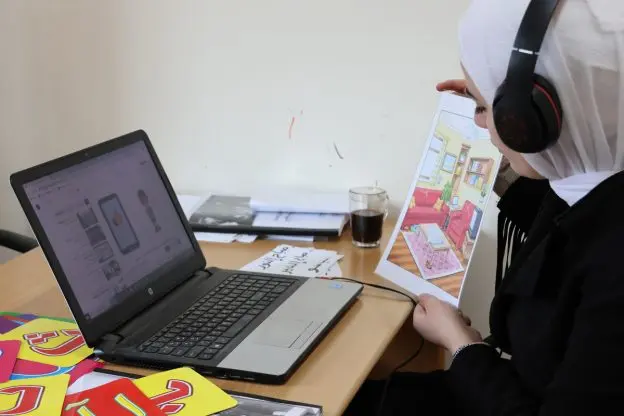
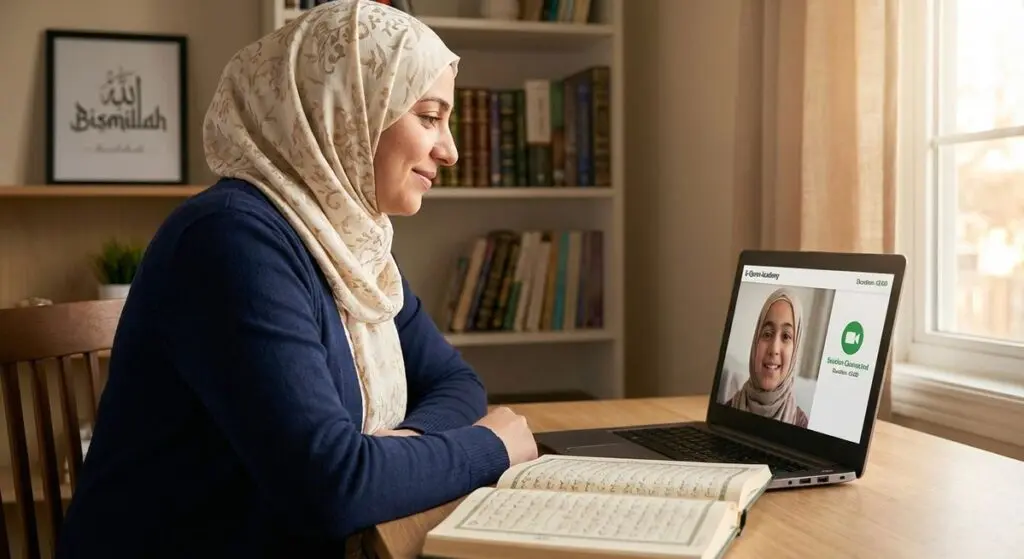
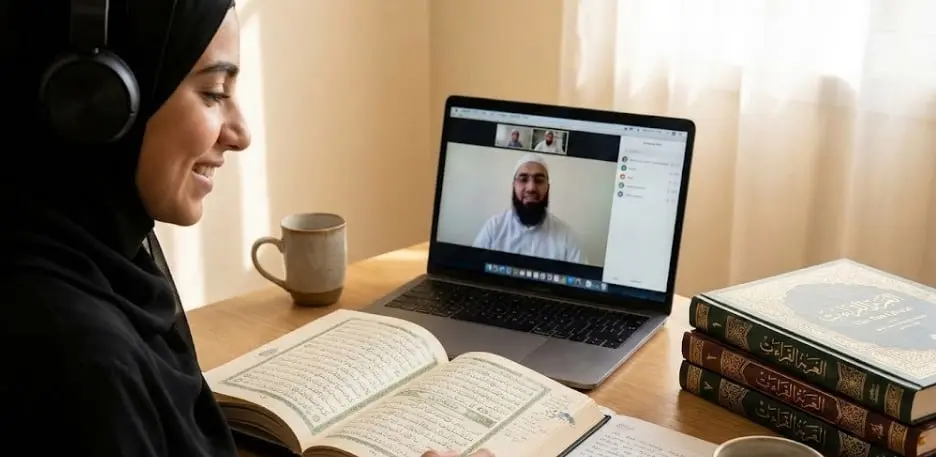
Get a glimpse into the vibrant learning experience at Kalimah Center. These snapshots capture real moments from our live classes—where students engage deeply, connect with passionate instructors, and grow in a welcoming, supportive environment.
Here Are The Reviews On Our Courses:
Our students frequently commend the excellence of our courses and the commitment shown by our instructors. You can read their complete reviews on Trustpilot.
Read more reviews on Trustpilot

Learn Arabic Through Arabic — Expert Immersion Instruction Available
At Kalimah, we offer a comprehensive range of online courses designed to immerse you in the Arabic language and culture. Our experienced instructors, all native Arabic speakers, will guide you every step of the way, providing personalized feedback and support.
Whether you dream of reciting the Quran in its original language, negotiating a business deal in Dubai, or simply connecting with Arabic-speaking friends and family, Kalimah is your gateway to fluency and cultural understanding.
With Kalimah, you’ll gain access to:
- Live Classes with Native Speakers: Learn from passionate instructors who are eager to share their love for the Arabic language and culture.
- Interactive Exercises and Quizzes: Reinforce your learning through engaging activities that test your comprehension and retention.
- Cultural Immersion Modules: Discover the rich traditions, history, and literature of the Arab world.
- Personalized Feedback and Support: Receive individual attention and guidance tailored to your unique learning style and goals.
Try your FREE TRIAL today and let us be your guide on this extraordinary journey!

Discover Our Comprehensive Programs:
- Learn Arabic Online (Main Program):
- Develop fluency and confidence in your Arabic communication skills.
- Dive into interactive materials and engaging presentations.
- Learn Arabic for Kids:
- Foster a love for Arabic in your children through science-based, child-friendly classes.
- Connect them to their faith, culture, and identity.
- Learn Quran Online:
- Master Quranic recitation and Tajweed rules with Ijazah-certified teachers.
- Deepen your understanding of Allah’s revelation.

Conclusion:
Learning Arabic through Arabic immersion, or “تعلّم اللغة العربية باللغة العربية,” offers an unparalleled way to grasp the language’s essence and cultural depth. By immersing yourself fully in Arabic, you develop a natural accent, understand cultural nuances, and gain confidence in communication.
This approach involves surrounding yourself with Arabic through various media, engaging in conversation, and even thinking in the language to accelerate fluency.
To effectively learn Arabic in Arabic, utilize resources such as immersive courses at Kalimah Center, Arabic-Arabic dictionaries, and Arabic media like podcasts and children’s books. Engage with native speakers through language exchange platforms and community groups to practice and refine your skills.
Embrace the rich cultural context of the language through literature, history, and cultural events to enhance your learning experience and achieve a deeper connection with Arabic.
FAQs about How to Learn Arabic in Arabic?
Q1: What does “learning Arabic in Arabic” mean?
“Learning Arabic in Arabic” (تعلّم اللغة العربية باللغة العربية) means using Arabic-language resources, Arabic-Arabic dictionaries, and Arabic-medium instruction — rather than translation-based approaches that route everything through English. The goal is to build direct mental connections between Arabic words and their meanings, without English as an intermediary. This is how children acquire their native language and how fluent bilinguals process their second language.
Q2: How do you say “Arabic” in Arabic?
“Arabic” in Arabic is العربية (al-‘arabīyah). The full phrase “the Arabic language” is اللغة العربية (al-lughah al-‘arabīyah). To say “I speak Arabic,” say أتكلم العربية (atakallam al-‘arabīyah). To say “Do you speak Arabic?” say هل تتكلم العربية؟ (hal tatakallam al-‘arabīyah?). The word العربية comes from the root ع-ر-ب (A-R-B), relating to “Arab” and “Arabic.”
Q3: How can I create an Arabic immersion environment at home?
The most effective home immersion techniques are:
(1) Label household items in Arabic and test yourself after two weeks.
(2) Change your phone and device interface to Arabic — creating unavoidable daily Arabic reading.
(3) Consume Arabic media daily in stages (children’s cartoons → slow podcasts → news → native content).
(4) Use Arabic-Arabic dictionaries instead of Arabic-English dictionaries.
(5) Follow Arabic-language social media accounts.
(6) Narrate your daily routine to yourself in simple Arabic sentences. These combined create genuine Arabic immersion without leaving home.
Q4: Is it better to learn Arabic through Arabic or through English explanations?
Both approaches serve different stages. Translation-based learning (English explanations) is faster for absolute beginners — it builds initial vocabulary quickly. Arabic-through-Arabic learning is more powerful from intermediate level onwards — it builds genuine Arabic thinking and prevents the dependency of routing all comprehension through English. The most effective approach: start with translation-based learning, then progressively shift to Arabic-Arabic dictionaries and Arabic-only resources as your vocabulary grows.
Q5: What Arabic-Arabic dictionaries are best for learners?
Almaany.com is the most accessible free Arabic-Arabic dictionary — comprehensive, fast, and available online and as an app. Al-Wasit provides clear, modern Arabic definitions. Lisaan Al-Arab is the most comprehensive classical Arabic dictionary — appropriate for advanced learners studying Quranic or classical Arabic. For absolute beginners, Arabic-English dictionaries are appropriate initially — transition to Arabic-Arabic resources from month 2–3 of study.