Quranic Arabic grammar (Nahw al-Quran) refers to the rules governing sentence structure, word function, and case endings in the Quran’s Classical Arabic. The 10 most important grammatical rules for Quran comprehension are: (1) Nominal sentences, (2) Verb conjugation and tense, (3) Adjective agreement, (4) Idafa (possessive construction), (5) Pronouns, (6) Particles, (7) Relative pronouns, (8) Vocative particle, (9) Conditional sentences, and (10) Kana and its sisters.
The single most important concept is I’rab — the case-ending system where a word’s vowel ending changes based on its grammatical role in the sentence. A change in I’rab can completely change the meaning of a Quranic verse.
Quick Reference Table:
| Grammar Rule | Arabic Term | What It Governs | Key Example from Quran |
|---|---|---|---|
| Nominal sentence | الجملة الاسمية (al-jumla al-ismiyya) | Subject + Predicate without a verb | اللَّهُ نُورُ السَّمَاوَاتِ (Allah is the Light of the heavens) |
| Verb conjugation | تصريف الفعل | Tense, voice, gender, number | خَلَقَ / يَخْلُقُ / خُلِقَ (He created / He creates / It was created) |
| Adjective agreement | النعت (an-naʿt) | Adjective matches noun in gender, number, case | الصِّرَاطَ الْمُسْتَقِيمَ (the straight path) |
| Possessive construction | الإضافة (al-idafa) | Noun + noun showing possession/relation | كِتَابُ اللَّه (the Book of Allah) |
| Pronouns | الضمائر (ad-damaʾir) | Replacing nouns, showing reference | هُوَ اللَّهُ أَحَدٌ (He is Allah, the One) |
| Particles | الحروف (al-huruf) | Prepositions, conjunctions, emphasis | إِنَّ اللَّهَ غَفُورٌ (Indeed, Allah is Forgiving) |
| Relative pronouns | الاسم الموصول | Introducing relative clauses | الَّذِينَ يُؤْمِنُونَ (Those who believe) |
| Vocative particle | حرف النداء (ya) | Direct address | يَا أَيُّهَا الَّذِينَ آمَنُوا (O you who believe) |
| Conditional sentences | الجملة الشرطية | Condition + result | إِنْ تَتَّقُوا… يَجْعَلْ (If you fear… He will grant) |
| Kana and sisters | كان وأخواتها | Indicating state of being in the past | كَانَ النَّاسُ أُمَّةً (Mankind was one nation) |
| I’rab (case endings) | الإعراب | Grammatical role through vowel endings | الطَّالِبُ / الطَّالِبَ / الطَّالِبِ (nominative/accusative/genitive) |
What Is Quranic Arabic Grammar? (Nahw al-Quran Defined)
Quranic Arabic grammar, or nahw al-Qur’an, includes the rules and structures that govern how words are formed and sentences are constructed in the Qur’an. This grammar helps us understand the exact meaning intended in each verse, ensuring we capture the full depth and nuances of Allah’s message.
For example, in the verse “إِنَّ اللَّهَ غَفُورٌ رَحِيمٌ” (Indeed, Allah is Forgiving and Merciful – Surah Al-Baqarah, 2:173), the use of “إِنَّ” emphasizes the statement, underscoring the attributes of Allah.
Learning these grammatical rules is like uncovering the layers of a precious gem. Each rule, from pronouns to particles, helps us appreciate the structure and beauty of the Qur’an, guiding us to a deeper and more accurate understanding of its teachings.
Why Learn Quranic Arabic Grammar?
Learning Quranic Arabic grammar is not just about learning a language; it is about connecting with the words of Allah in their purest form. When you learn the grammar, you can understand the Qur’an directly, without relying on translations that might miss the subtle meanings and beautiful expressions.
By understanding Quranic grammar, you open the door to a richer spiritual experience. Imagine reading a verse and feeling its full impact because you understand its structure and the choice of words.
For instance, the verse “يَا أَيُّهَا الَّذِينَ آمَنُوا” (O you who have believed – Surah Al-Ma’idah, 5:90) uses “يَا” to call upon the believers directly, making the message personal and urgent.
Moreover, learning Quranic Arabic grammar enriches your overall understanding of Arabic. It helps you appreciate the language’s complexity and beauty, enhancing your communication skills and cultural knowledge.
How to Learn Quranic Arabic Grammar: A Structured Approach
Quranic Arabic grammar has two distinct disciplines that must be studied together:
| Discipline | Arabic | What It Teaches | Key Questions Answered |
|---|---|---|---|
| Nahw | النحو (Syntax) | How words combine in sentences; case endings (I’rab); subject-verb-object relationships | “What role does this word play in the sentence?” |
| Sarf | الصرف (Morphology) | How words are built from roots; verb patterns; noun derivations | “What kind of word is this? What root is it from?” |
Step-by-step learning path:
Embark on a structured journey toward Arabic mastery through this systematic progression from foundational phonics to advanced linguistic analysis. This roadmap integrates practical application with theoretical rules to ensure a comprehensive understanding of Classical Arabic syntax and morphology.
Step 1 — Alphabet and basic reading (Weeks 1–6)
You cannot study grammar until you can read Arabic script fluently. Use Iqraa or Noorani Qaida with a live instructor for pronunciation. 15–20 minutes of daily reading practice.
Step 2 — Basic sentence components (Months 2–3)
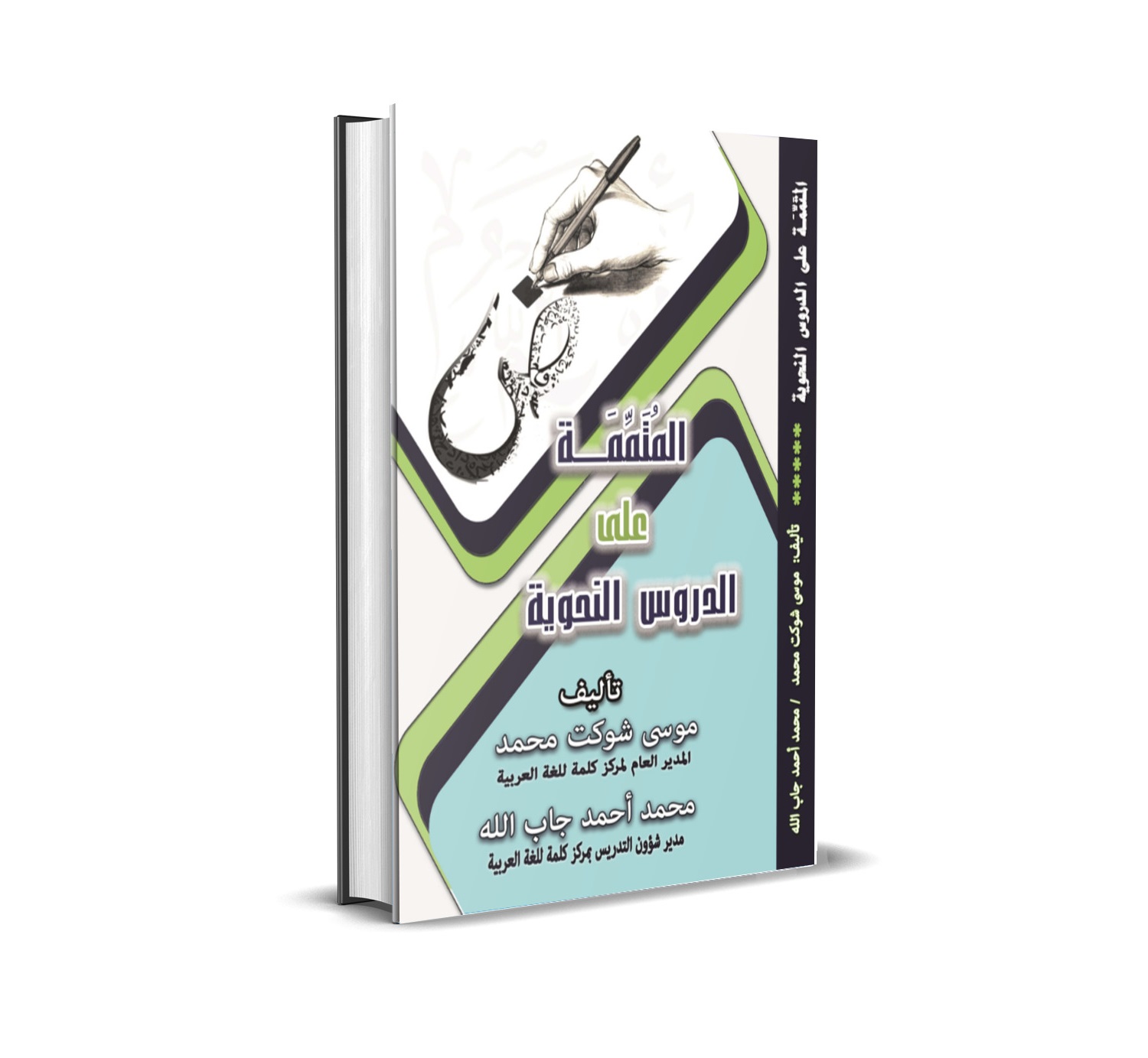
Learn to identify nouns (اسم), verbs (فعل), and particles (حرف) — the three fundamental building blocks of all Arabic sentences. Use Al-Tamheedi or Madinah Arabic Book 1, Lesson 1–10.
Step 3 — The 10 core grammar rules (Months 3–8)
Study the rules below systematically. For each rule: read the explanation → study the Quranic examples → do the practice exercises → find 3 more examples in the Quran yourself.
Step 4 — I’rab (case endings) — the crucial step (Months 4–8, parallel with Step 3)
This is where most self-studiers stall. I’rab requires a teacher who can hear you parse sentences aloud and correct errors. Even 1 session per week with a qualified instructor on I’rab practice dramatically accelerates progress.
Step 5 — Sarf (morphology) (Months 6–12)
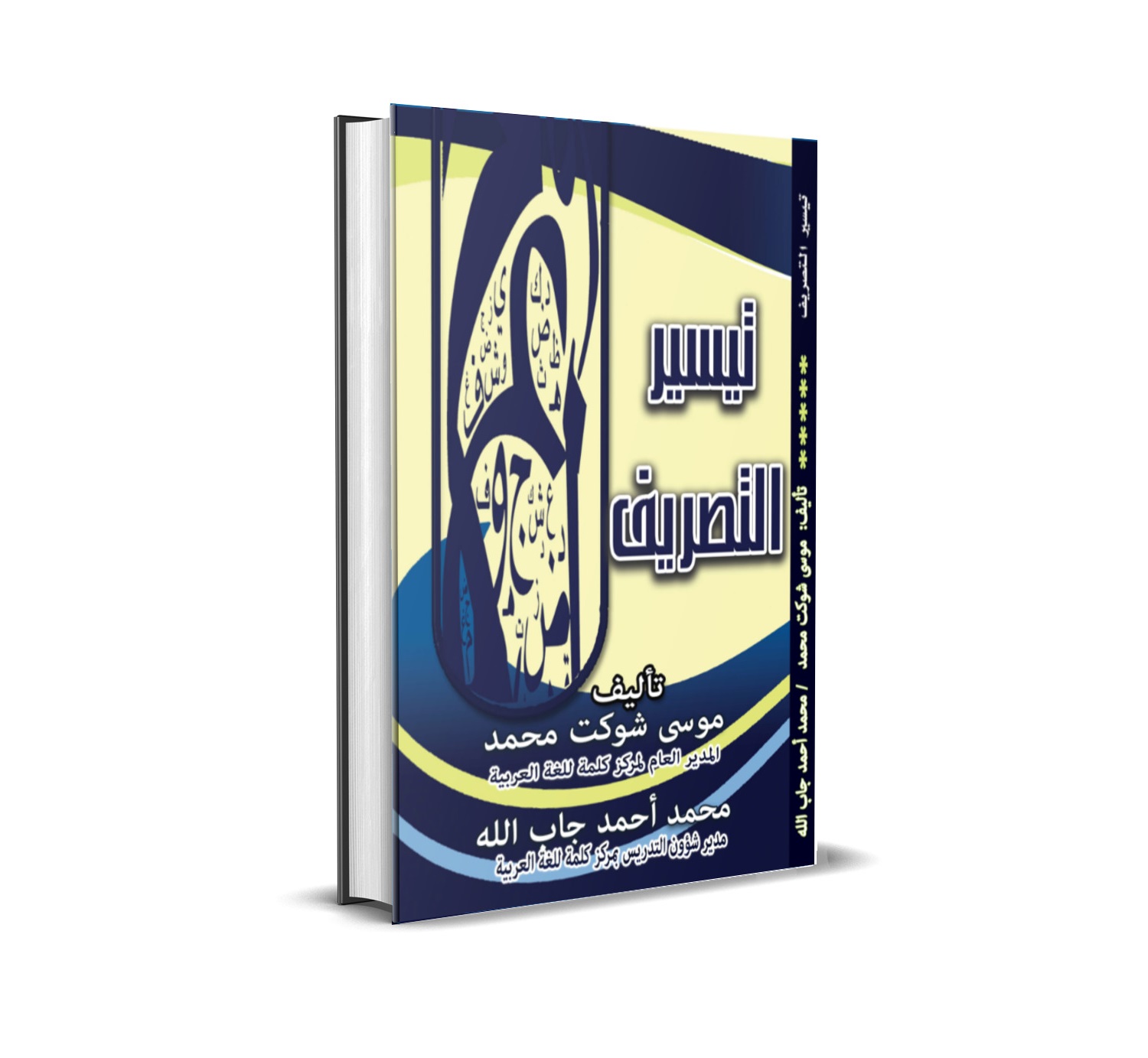
Learn the verb patterns (أوزان الفعل) — the 10 forms a verb root can take, each changing the meaning. Learn the common noun derivations: active participle (اسم الفاعل), passive participle (اسم المفعول), verbal noun (المصدر).
Step 6 — Application on Quranic text (Ongoing from Month 3)
After each grammar lesson, open your Quran and find 3–5 examples of that rule. The Quranic Arabic Corpus (corpus.quran.com) provides word-by-word grammar analysis for every verse — use it to verify your own analysis.
Recommended resources for each step:
| Step | Free Resources | Paid/Structured Resources |
|---|---|---|
| Alphabet | Noorani Qaida (free PDF), YouTube: Arabic alphabet channels | Iqraa Book (Kalimah Center) |
| Sentence components | Madinah Arabic Book 1 (free PDF) | Al-Tamheedi (Kalimah Center) |
| Grammar rules | LQToronto YouTube (free), Miftaah Institute YouTube | Live instructor sessions (Kalimah Center) |
| I’rab | Quranic Arabic Corpus (free) | Live instructor — mandatory for correction |
| Sarf | Arabic morphology YouTube channels | Tayseer al-Sarf (Kalimah Center) |
| Application | Quranic Arabic Corpus (free) | Any structured Quranic Arabic course |
Master Arabic with Kalimah Center
Join our expert-led online classes and start your journey toward Arabic fluency today.
Book Your Free TrialThe 10 Essential Quranic Arabic Grammar Rules (With Verse Examples)
Below are some grammatical rules from the Quranic Arabic that you will find useful, each with an explanation and examples.
Rule 1: The Nominal Sentence (Al-Jumla Al-Ismiyya — الجملة الاسمية)
Definition: A nominal sentence is a sentence that begins with a noun (or a pronoun) rather than a verb. It consists of two parts: the subject (المبتدأ — al-mubtada’, meaning “the beginning”) and the predicate (الخبر — al-khabar, meaning “the news/information”). The predicate provides information about the subject. Critically — neither part requires a verb. The verb “to be” (is/are/was) is implied, not written.
Why it matters for the Quran:
The Quran uses nominal sentences to state eternal, unchanging truths. When Allah makes a statement about Himself or about divine realities, the nominal sentence structure emphasizes that this is a permanent state — not an action that starts and stops. The structure itself carries theological meaning.
Grammatical rule for I’rab:
Both the subject (مبتدأ) and predicate (خبر) take the nominative case — the ـُ (damma) ending:
- مبتدأ: ـُ (damma) — nominative
- خبر: ـٌ (tanween damma) if indefinite, ـُ if definite
Primary Quranic example:
“اللَّهُ نُورُ السَّمَاوَاتِ وَالْأَرْضِ”
“Allah is the Light of the heavens and the earth.” (Surah An-Nur, 24:35)
| Word | Arabic | Grammatical Role | Case | Why |
|---|---|---|---|---|
| Allah | اللَّهُ | Subject (مبتدأ) | Nominative ـُ | The subject of the sentence |
| Light of | نُورُ | Predicate (خبر) — first part of Idafa | Nominative ـُ | The predicate is always nominative |
| The heavens | السَّمَاوَاتِ | Second part of Idafa (مضاف إليه) | Genitive ـِ | Second part of Idafa always genitive |
Additional Quranic examples:
| Verse | Arabic | Translation | Why It’s a Nominal Sentence |
|---|---|---|---|
| Al-Baqarah 2:2 | ذَٰلِكَ الْكِتَابُ لَا رَيْبَ فِيهِ | That is the Book; there is no doubt in it | ذَٰلِكَ (that) = subject; الْكِتَابُ (the Book) = predicate |
| Al-Ikhlas 112:1 | اللَّهُ أَحَدٌ | Allah is One | اللَّهُ = subject; أَحَدٌ = predicate (indefinite) |
| Al-Fatiha 1:2 | الْحَمْدُ لِلَّهِ | Praise is [due] to Allah | الْحَمْدُ = subject; لِلَّهِ = predicate (prepositional phrase) |
Common mistake:
Learners often assume every Arabic sentence needs a verb. When reading “اللَّهُ أَحَدٌ,” beginners sometimes look for a verb that isn’t there, or mistakenly identify أَحَدٌ as a verb. Remember: nominal sentences have NO verb — the “is” is implied by the structure.
Practice exercise:
Identify the subject (مبتدأ) and predicate (خبر) in this verse:
“إِنَّ اللَّهَ غَفُورٌ رَحِيمٌ” (Al-Baqarah 2:173)
(Note: إِنَّ changes the subject’s case — this is covered in Rule 6 on particles. For now, focus on identifying which word is the subject and which words form the predicate.)
Answer: Subject = اللَّهَ (Allah — note: إِنَّ makes it accusative); Predicate = غَفُورٌ رَحِيمٌ (Forgiving, Merciful — both nominative as the predicate).
Rule 2: The Verb and Its Conjugation (تصريف الفعل)
Definition: Arabic verbs are built on trilateral roots and change form based on three variables simultaneously: tense (past, present, future/command), person and number (who is doing it — I, you, he, she, we, they), and gender (masculine or feminine). This means a single English verb like “believe” can have over 13 different Arabic forms depending on these variables.
Why it matters for the Quran:
The Quran uses different verb forms with precision — switching between past tense (completed divine actions), present tense (ongoing states), and command form (direct divine instructions) — and each choice carries theological weight. When Allah says خَلَقَ (he created — past), it is complete and final. When He says يَخْلُقُ (he creates — present), it is ongoing. The grammar tells you whether Allah is describing what He did once or what He continuously does.
The three primary tenses in Quranic Arabic:
| Tense | Arabic Name | Pattern (using root خ-ل-ق) | Translation | Grammatical Marker |
|---|---|---|---|---|
| Past tense | الماضي (al-māḍī) | خَلَقَ | He created | Base verb — ـَ endings |
| Present/future tense | المضارع (al-muḍāriʿ) | يَخْلُقُ | He creates / He will create | Begins with يـ / تـ / أ / نـ prefix |
| Command | الأمر (al-amr) | اخْلُقْ | Create! | Begins with vowel + sukoon ending |
Conjugation table — verb يَعْلَمُ (he knows) in present tense:
| Person | Masculine | Transliteration | Feminine | Transliteration |
|---|---|---|---|---|
| He / She | يَعْلَمُ | yaʿlamu | تَعْلَمُ | taʿlamu |
| They (2) | يَعْلَمَانِ | yaʿlamāni | تَعْلَمَانِ | taʿlamāni |
| They (3+) | يَعْلَمُونَ | yaʿlamūna | يَعْلَمْنَ | yaʿlamna |
| You (sg) | تَعْلَمُ | taʿlamu | تَعْلَمِينَ | taʿlamīna |
| You (2) | تَعْلَمَانِ | taʿlamāni | تَعْلَمَانِ | taʿlamāni |
| You (pl) | تَعْلَمُونَ | taʿlamūna | تَعْلَمْنَ | taʿlamna |
| I | أَعْلَمُ | aʿlamu | أَعْلَمُ | aʿlamu |
| We | نَعْلَمُ | naʿlamu | نَعْلَمُ | naʿlamu |
Primary Quranic example:
“اقْرَأْ بِاسْمِ رَبِّكَ الَّذِي خَلَقَ”
“Read in the name of your Lord who created.” (Surah Al-Alaq, 96:1)
| Word | Form | Tense | Analysis |
|---|---|---|---|
| اقْرَأْ | Command (أمر) | Command | The very first word revealed — a direct divine command. The command form creates urgency and directness. |
| خَلَقَ | Past tense (ماضي) | Past | Allah’s act of creation is complete — described in the past tense, indicating a finished, perfect act. |
Additional Quranic examples:
| Verse | Verb | Form | What the Form Reveals |
|---|---|---|---|
| Al-Baqarah 2:29 | خَلَقَ لَكُم | Past | Allah’s creation of the earth — a completed act |
| Ar-Rahman 55:29 | يَسْأَلُهُ | Present | Every creature continuously asks Him — ongoing state |
| Al-Alaq 96:1 | اقْرَأْ | Command | The first divine command to the Prophet ﷺ |
| Al-Baqarah 2:2 | لَا رَيْبَ فِيهِ | — | Nominal sentence — no verb needed for eternal truth |
Common mistake:
Learners often assume the subject pronoun must be stated separately (هو يخلق — he creates). In Quranic Arabic, the verb itself carries the subject information — the ي prefix in يَخْلُقُ already means “he.” Stating هو explicitly is for emphasis only. When you see يَعْلَمُ alone in the Quran, it means “He knows” — the subject is in the verb, not missing.
Practice exercise:
Identify the verb form (past/present/command), the subject (who is doing it), and what the choice of tense reveals in this verse:
“وَاللَّهُ يَعْلَمُ مَا تَصْنَعُونَ” (Al-Baqarah 2:283)
Answer: يَعْلَمُ = present tense, subject is Allah (third person masculine singular). تَصْنَعُونَ = present tense, subject is “you all” (masculine plural). The present tense of both verbs reveals: this is not a one-time statement — Allah continuously and perpetually knows what you continuously do. If past tense had been used, it would imply a completed act.
Read also: Arabic grammar for kids
Rule 3: The Adjective (An-Na’t — النعت)
Definition: An adjective in Arabic is called an-naʿt (النعت) or ṣifa (الصفة). Unlike English, where adjectives come before the noun (the straight path), Arabic adjectives come after the noun they describe (الصِّرَاطَ الْمُسْتَقِيمَ — the path the straight). Crucially, Arabic adjectives must agree with their noun in four ways: gender (masculine or feminine), number (singular, dual, or plural), definiteness (with or without ال), and case (nominative, accusative, or genitive).
Why it matters for the Quran:
Allah’s attributes are described through adjectives extensively in the Quran. The names Al-Rahman and Al-Rahim in the Basmala are actually adjectives (not nouns) describing Allah — both derived from the root ر-ح-م (mercy), but each grammatically modified to carry a distinct shade of meaning. Understanding adjective agreement allows you to see how the Quran precisely calibrates every attribute it assigns.
The four agreement rules:
| Agreement Factor | Rule | Example |
|---|---|---|
| Gender | Adjective matches noun’s gender | كِتَابٌ كَرِيمٌ (noble book — both masculine); رِسَالَةٌ كَرِيمَةٌ (noble message — both feminine) |
| Number | Adjective matches noun’s number | مُؤْمِنٌ صَالِحٌ (one righteous believer); مُؤْمِنُونَ صَالِحُونَ (righteous believers pl.) |
| Definiteness | If noun has ال, adjective must have ال | الصِّرَاطُ الْمُسْتَقِيمُ (the straight path — both definite); صِرَاطٌ مُسْتَقِيمٌ (a straight path — both indefinite) |
| Case | Adjective takes the same case as noun | الصِّرَاطَ الْمُسْتَقِيمَ (accusative — both ـَ); الصِّرَاطِ الْمُسْتَقِيمِ (genitive — both ـِ) |
Primary Quranic example:
“اهْدِنَا الصِّرَاطَ الْمُسْتَقِيمَ”
“Guide us to the straight path.” (Surah Al-Fatiha, 1:6)
| Word | Role | Analysis |
|---|---|---|
| الصِّرَاطَ | Noun (object) | Definite, masculine, singular, accusative (object of اهْدِنَا — guide us) — ـَ ending |
| الْمُسْتَقِيمَ | Adjective (النعت) | Must match الصِّرَاطَ in ALL FOUR: definite (الـ), masculine, singular, accusative — ـَ ending ✓ |
Additional Quranic examples:
| Verse | Noun + Adjective | Analysis |
|---|---|---|
| Al-Baqarah 2:97 | كِتَابٌ مُّبِينٌ | Indefinite, masculine, singular, nominative — both without ال, both ـٌ |
| Al-Fatiha 1:7 | صِرَاطَ الَّذِينَ | Here the adjective is a relative clause modifying صِرَاطَ |
| An-Nisa 4:174 | نُورًا مُّبِينًا | Indefinite, masculine, singular, accusative — both ـً (tanween fatha) |
Common mistake:
Learners often correctly match gender and number but forget to match definiteness. They write الصِّرَاطَ مُسْتَقِيمًا — which is wrong because the noun is definite (الصِّرَاطَ with ال) but the adjective is indefinite (مُسْتَقِيمًا without ال and with tanween). The correct form is الصِّرَاطَ الْمُسْتَقِيمَ — both definite, both accusative.
Practice exercise:
In the phrase from Surah Al-Baqarah — “وَلَهُمْ عَذَابٌ أَلِيمٌ” (And for them is a painful punishment — 2:7) — identify how the adjective أَلِيمٌ agrees with the noun عَذَابٌ.
Answer: عَذَابٌ = indefinite, masculine, singular, nominative (ـٌ). أَلِيمٌ = indefinite ✓, masculine ✓, singular ✓, nominative (ـٌ) ✓ — all four agreement criteria are met.
Rule 4: The Genitive Construction (Idafa — الإضافة)
Definition: Idafa (الإضافة — meaning “addition” or “annexation”) is the primary way Arabic expresses possession, association, or specification between two nouns. It consists of two parts: the المضاف (al-muḍāf — the first noun, the possessed/specified item) and the مضاف إليه (muḍāf ilayh — the second noun, always in genitive case). Idafa is translated into English using “of” or “‘s”: رَبُّ الْعَالَمِينَ = “Lord of the Worlds.”
Why it matters for the Quran:
Idafa is arguably the most frequent grammatical structure in the Quran. Allah’s names and attributes are almost always expressed through Idafa: بِسْمِ اللَّهِ (in the name of Allah), رَبِّ الْعَالَمِينَ (Lord of the Worlds), يَوْمَ الدِّينِ (Day of Judgment). Understanding Idafa immediately unlocks dozens of divine attributes and Quranic phrases you encounter in every surah.
The two grammatical rules of Idafa:
| Rule | Explanation | Example |
|---|---|---|
| First noun (مضاف) loses tanween and cannot have ال | كِتَابُ — never كِتَابُ اللَّهِ with tanween OR الكِتَابُ اللَّهِ | كِتَابُ اللَّهِ (the Book of Allah) — NOT كِتَابٌ اللَّهِ |
| Second noun (مضاف إليه) takes genitive case | Always ـِ or ـٍ ending | اللَّهِ (genitive ـِ), الْعَالَمِينَ (genitive ـِ from ـُونَ → ـِينَ change) |
Why the first noun cannot have ال:
In Arabic, definiteness comes from one of three sources — having ال, being in Idafa with a definite noun, or being a proper name. When the second noun (مضاف إليه) is definite, the first noun automatically becomes definite through the Idafa relationship. Adding ال to the first noun would therefore be redundant and grammatically incorrect.
Primary Quranic examples:
“الْحَمْدُ لِلَّهِ رَبِّ الْعَالَمِينَ” (Al-Fatiha 1:2)
| Idafa Chain | First Noun (مضاف) | Second Noun (مضاف إليه) | Translation |
|---|---|---|---|
| First Idafa | رَبِّ | اللَّهِ | Lord of Allah — actually: رَبِّ belonging to اللَّهِ (i.e., the Lord who is Allah) |
| Second Idafa | رَبِّ | الْعَالَمِينَ | Lord of the Worlds |
Additional Quranic examples:
| Phrase | First Noun | Second Noun (Genitive) | Translation |
|---|---|---|---|
| بِسْمِ اللَّهِ | اسْمِ | اللَّهِ ـِ | In the name of Allah |
| مَلِكِ يَوْمِ الدِّينِ | مَلِكِ | يَوْمِ ـِ | Master of the Day of Judgment |
| كِتَابُ اللَّهِ | كِتَابُ | اللَّهِ ـِ | The Book of Allah |
| نِعْمَةَ اللَّهِ | نِعْمَةَ | اللَّهِ ـِ | The blessing of Allah |
| وَجْهَ اللَّهِ | وَجْهَ | اللَّهِ ـِ | The face of Allah |
Extended Idafa chains: The Quran sometimes chains three or more nouns: مَلِكِ يَوْمِ الدِّينِ (Master of the Day of Judgment) — three nouns in a chain where each becomes مضاف إليه for the previous one. All nouns after the first take genitive case ـِ.
Common mistake:
Learners often add ال to the first noun: writing الكِتَابُ اللَّهِ instead of كِتَابُ اللَّهِ. This is grammatically incorrect — the first noun in Idafa never has ال. The definiteness of the phrase comes from the definite second noun, not from adding ال to the first.
Practice exercise:
Identify the Idafa structure in this phrase and explain the case of each noun:
“يَوْمَ الدِّينِ” (Day of Judgment — Al-Fatiha 1:4)
Answer: يَوْمَ = first noun (مضاف) — accusative ـَ in this context (being an object of a preposition in the full verse). الدِّينِ = second noun (مضاف إليه) — definite (with ال), genitive ـِ as required by all مضاف إليه. يَوْمَ has no tanween ✓ and no ال ✓ — both rules of the first noun satisfied.
Read Also: Learn Arabic To Understand Quran
Master Arabic with Kalimah Center
Join our expert-led online classes and start your journey toward Arabic fluency today.
Book Your Free TrialRule 5: The Pronouns (Ad-Damaʾir — الضمائر)
Definition: Pronouns in Arabic (الضمائر — ad-damaʾir) replace nouns and indicate person, gender, number, and grammatical role simultaneously. Arabic has significantly more pronoun forms than English because it distinguishes masculine from feminine in all persons, has a dual form (referring to exactly two), and pronouns can be attached directly to verbs, nouns, or prepositions as suffixes.
Why it matters for the Quran:
The Quran’s use of pronouns is theologically deliberate. Allah sometimes refers to Himself as “I” (إِنِّي), sometimes as “We” (إِنَّا) for divine majesty, and sometimes as “He” (هُوَ) in the third person. Each choice carries meaning that translators must approximate. The famous “royal We” (نَحْنُ) in the Quran — as in “إِنَّا نَحْنُ نَزَّلْنَا الذِّكْرَ” (Indeed it is We who sent down the Quran) — is not plural but an expression of divine majesty and completeness.
Independent pronouns (الضمائر المنفصلة):
| Pronoun | Arabic | Transliteration | Quranic Example |
|---|---|---|---|
| He | هُوَ | huwa | هُوَ اللَّهُ أَحَدٌ (He is Allah, the One) |
| She | هِيَ | hiya | وَهِيَ رَاكِعَةٌ (while she was bowing in prayer) |
| They (masc.) | هُمْ | hum | الَّذِينَ هُمْ فِي صَلَاتِهِمْ خَاشِعُونَ (those who in their prayer are humble) |
| You (sg. masc.) | أَنتَ | anta | إِنَّكَ أَنتَ الْعَزِيزُ الْحَكِيمُ (Indeed You are the Exalted in Might, the Wise) |
| I | أَنَا | ana | إِنَّنِي أَنَا اللَّهُ (Indeed I am Allah) |
| We (majestic) | نَحْنُ | naḥnu | إِنَّا نَحْنُ نَزَّلْنَا الذِّكْرَ (Indeed it is We who sent down the reminder) |
Attached pronouns (الضمائر المتصلة):
These are suffixes attached to verbs, nouns, or prepositions:
| Pronoun | Suffix | Attached to Verb | Attached to Noun | Attached to Preposition |
|---|---|---|---|---|
| Him/it | ـهُ | ضَرَبَهُ (he hit him) | رَبُّهُ (his Lord) | عِنْدَهُ (with him) |
| Her/it | ـهَا | ضَرَبَهَا (he hit her) | رَبُّهَا (her Lord) | عِنْدَهَا (with her) |
| Them | ـهُمْ | أَعْطَاهُمْ (he gave them) | رَبُّهُمْ (their Lord) | لَهُمْ (for them) |
| You (sg.) | ـكَ | أَعْطَاكَ (he gave you) | رَبُّكَ (your Lord) | لَكَ (for you) |
| Us | ـنَا | أَعْطَانَا (he gave us) | رَبُّنَا (our Lord) | لَنَا (for us) |
Primary Quranic example:
“هُوَ اللَّهُ أَحَدٌ”
“He is Allah, the One.” (Surah Al-Ikhlas, 112:1)
| Word | Pronoun Type | Analysis |
|---|---|---|
| هُوَ | Independent pronoun (subject) | Third person masculine singular — refers to Allah. Used emphatically here — not required grammatically (since اللَّهُ would be sufficient as subject) but added for emphasis on the specific identity being described. |
Additional Quranic examples with attached pronouns:
| Verse | Phrase | Pronoun Analysis |
|---|---|---|
| Al-Fatiha 1:5 | إِيَّاكَ نَعْبُدُ | إِيَّاكَ = object pronoun “You” (second person masculine singular) — placed before the verb for emphasis: “You alone we worship” |
| Al-Fatiha 1:6 | اهْدِنَا | ـنَا = attached object pronoun “us” — guide + us |
| Al-Ikhlas 112:4 | لَهُ | ـهُ = attached to preposition “to/for him” — referring to Allah |
The majestic “We” — theological note: When the Quran uses نَحْنُ (We) referring to Allah, it does not indicate plurality. Arabic uses the first-person plural for majesty and grandeur — a grammatical convention also found in formal English (“We are pleased to announce…”). The Quran simultaneously uses this convention and explicitly affirms Allah’s oneness (Al-Ikhlas 112) — the grammar and theology are not in contradiction.
Common mistake:
Learners confuse ـهُ (attached pronoun “him”) with the definite article هـ of a word. For example, in رَبُّهُمْ (their Lord), the ـهُمْ is the attached pronoun “their” — not part of the word رَبّ itself. Always analyze whether a final هـ is part of the root or an attached pronoun by checking: does رَبّ exist as a word without it? Yes — so ـهُمْ is the pronoun suffix.
Practice exercise:
Identify all pronouns (independent and attached) in this verse and explain what each refers to:
“رَبَّنَا لَا تُزِغْ قُلُوبَنَا بَعْدَ إِذْ هَدَيْتَنَا” (Al-Imran 3:8)
Answer: رَبَّنَا = رَبّ + ـنَا (our Lord — “our” refers to the speakers, the believers). قُلُوبَنَا = قُلُوب + ـنَا (our hearts — same reference). هَدَيْتَنَا = هَدَيْتَ (you guided) + ـنَا (us — object pronoun). The independent pronoun is implied in هَدَيْتَ (second person masculine singular = “You” — referring to Allah).
Rule 6: The Particles (Al-Huruf — الحروف)
Definition: Particles (الحروف — al-ḥurūf) are words that do not fit into the noun or verb categories — they carry grammatical meaning rather than lexical meaning, and they do not change their form based on case or tense. They include prepositions, conjunctions, negation particles, emphasis particles, and conditional particles. Particles are often single letters or two-letter words, but they fundamentally alter the meaning and structure of every sentence they appear in.
Why it matters for the Quran:
A single particle can change an entire sentence’s meaning. The particle إِنَّ adds emphasis and certainty. The particle لَوْ introduces an impossible conditional. The particle لَا negates a present or future action. The particle لَمْ negates a past action grammatically as present. Missing or misunderstanding a particle in a Quranic verse means misunderstanding the verse’s fundamental message.
Key particles in the Quran and their grammatical effects:
| Particle | Arabic | Function | Grammatical Effect | Quranic Example |
|---|---|---|---|---|
| إِنَّ | inna | Emphasis (“indeed/verily”) | Makes the subject accusative ـَ | إِنَّ اللَّهَ غَفُورٌ (Indeed, Allah is Forgiving) |
| لَا | lā | Negation (“not/no”) | Negates following verb or noun | لَا إِلَٰهَ إِلَّا اللَّهُ (There is no god but Allah) |
| لَمْ | lam | Past negation (“did not”) | Makes following present-tense verb into negated past | لَمْ يَلِدْ وَلَمْ يُولَدْ (He neither begot nor was born) |
| فِي | fī | Preposition (“in/within”) | Following noun takes genitive ـِ | فِي السَّمَاوَاتِ (in the heavens) |
| مِن | min | Preposition (“from/of”) | Following noun takes genitive ـِ | مِن رَّبِّكَ (from your Lord) |
| إِلَى | ilā | Preposition (“to/toward”) | Following noun takes genitive ـِ | إِلَى اللَّهِ (to Allah) |
| وَ | wa | Conjunction (“and”) | No case change; joins equal elements | وَالسَّمَاءِ وَالْأَرْضِ (the heavens and the earth) |
| أَوْ | aw | Conjunction (“or”) | No case change; introduces alternative | مِن إِنسٍ أَوْ جِنٍّ (of men or jinn) |
| لِـ | li | Preposition (“for/to”) | Following noun takes genitive ـِ | لِلَّهِ مَا فِي السَّمَاوَاتِ (To Allah belongs what is in the heavens) |
The critical effect of إِنَّ on I’rab — detailed analysis:
Normally in a nominal sentence, the subject (مبتدأ) is nominative ـُ:
- اللَّهُ غَفُورٌ = “Allah is Forgiving” (subject اللَّهُ is nominative ـُ)
When إِنَّ begins the sentence, it changes the subject’s case to accusative ـَ:
- إِنَّ اللَّهَ غَفُورٌ = “Indeed, Allah is Forgiving” (subject اللَّهَ is now accusative ـَ)
The predicate (خبر إِنَّ) remains nominative ـٌ/ـُ: غَفُورٌ stays ـٌ.
Primary Quranic example:
“إِنَّ اللَّهَ غَفُورٌ رَّحِيمٌ”
“Indeed, Allah is Forgiving, Merciful.” (Surah Al-Baqarah, 2:173)
| Word | Grammatical Role | Case | Why |
|---|---|---|---|
| إِنَّ | Emphasis particle | — | Adds certainty; governs what follows |
| اللَّهَ | Subject of إِنَّ (اسم إِنَّ) | Accusative ـَ | إِنَّ makes its subject accusative |
| غَفُورٌ | Predicate of إِنَّ (خبر إِنَّ) | Nominative ـٌ | Predicate always remains nominative |
| رَّحِيمٌ | Second predicate | Nominative ـٌ | Additional predicate, same case |
Common mistake:
Learners sometimes assume all particles behave the same. This is incorrect — particles have very different effects. لَا (negation of present) and لَمْ (negation of past using present-tense verb) look similar but function completely differently. In لَمْ يَلِدْ (He did not beget), the verb يَلِدْ is in present tense form but with sukoon ending ـْ (a grammatical change called the jussive/majzūm), and the meaning is past negation. Without understanding this, the verse reads as present tense rather than the intended past negation.
Practice exercise:
In the Shahada — “لَا إِلَٰهَ إِلَّا اللَّهُ” — identify the particle, explain its grammatical effect, and explain why إِلَٰهَ has its specific case ending.
Answer: لَا here is لَا النافية للجنس (the particle that negates an entire category — “there is absolutely no god”). Its grammatical effect: it makes the following noun accusative and drops its tanween: إِلَٰهَ (accusative ـَ, no tanween). This specific لَا is stronger than simple negation — it negates the very existence of the category “god” universally, not just “not a god [right now].” The ـَ ending on إِلَٰهَ is the grammatical marker of this forceful categorical negation.
Rule 7: The Relative Pronouns (Al-Asmaʾ Al-Mawsoola — الأسماء الموصولة)
Definition: Relative pronouns (الأسماء الموصولة — al-asmāʾ al-mawṣūla) introduce relative clauses that provide additional description about a noun. They function similarly to English “who,” “which,” and “that” — but in Arabic, each relative pronoun form must match the noun it describes in gender and number.
Why it matters for the Quran:
The Quran uses relative pronouns extensively to define groups of people by their qualities — the believers, the disbelievers, those who do right, those who wrong themselves. Every time you encounter الَّذِينَ (those who) or الَّتِي (she who/that which) in the Quran, a relative clause follows that describes a category of people or things. Missing the relative pronoun means missing the categorization that the verse is making.
The Arabic relative pronoun forms:
| Number | Masculine | Feminine | Transliteration (m/f) |
|---|---|---|---|
| Singular | الَّذِي | الَّتِي | alladhī / allatī |
| Dual (nominative) | اللَّذَانِ | اللَّتَانِ | alladhāni / allatāni |
| Dual (accus./gen.) | اللَّذَيْنِ | اللَّتَيْنِ | alladhayni / allataynī |
| Plural | الَّذِينَ | اللَّاتِي / اللَّوَاتِي | alladhīna / allātī |
The “return pronoun” (الضمير العائد):
After a relative pronoun, Arabic requires a pronoun inside the relative clause that “returns” to refer back to the noun being described. In English we say “The man who came” — in Arabic: الرَّجُلُ الَّذِي جَاءَ (the man who came) — no return pronoun is needed when the relative clause verb itself marks the subject. But in longer clauses: الرَّجُلُ الَّذِي رَأَيْتُهُ (the man whom I saw him) — the ـهُ is the return pronoun referring back to الرَّجُل.
Primary Quranic example:
“الَّذِينَ يُؤْمِنُونَ بِالْغَيْبِ وَيُقِيمُونَ الصَّلَاةَ”
“Those who believe in the unseen and establish prayer.” (Surah Al-Baqarah, 2:3)
| Element | Analysis |
|---|---|
| الَّذِينَ | Relative pronoun — masculine plural (matching the believers referred to in verse 2:2) |
| يُؤْمِنُونَ | Present tense verb — third person masculine plural (matches الَّذِينَ) — “they believe” |
| The return pronoun | Here it is contained within the verb conjugation — يُؤْمِنُونَ already means “they believe,” so the subject “they” (referring back to الَّذِينَ) is embedded in the verb |
Additional Quranic examples:
| Verse | Relative Structure | Analysis |
|---|---|---|
| Al-Baqarah 2:6 | إِنَّ الَّذِينَ كَفَرُوا | الَّذِينَ (pl. masc.) + كَفَرُوا (they disbelieved) = “Those who disbelieved” |
| An-Nisa 4:1 | رَبَّكُمُ الَّذِي خَلَقَكُم | الَّذِي (sg. masc.) refers back to رَبَّكُمُ — “your Lord who created you” |
| Tahrim 66:12 | وَمَرْيَمَ ابْنَتَ عِمْرَانَ الَّتِي أَحْصَنَتْ | الَّتِي (sg. fem.) refers to مَرْيَمَ (Maryam — feminine) — “who guarded her chastity” |
Common mistake:
Learners often use الَّذِي (singular masculine) for all contexts. This is incorrect — the relative pronoun must match the noun in gender and number. For a group of female believers: اللَّاتِي آمَنَّ (those women who believed). For a dual: اللَّذَانِ آمَنَا (those two who believed). Using الَّذِي for all cases is a major grammatical error.
Practice exercise:
What relative pronoun would correctly complete this sentence, and why?
“هُمُ الَّذِينَ آمَنُوا” — He gave a gift to the two students (dual) ___ studied hard.
Answer: The relative pronoun for a masculine dual noun is اللَّذَانِ (nominative) or اللَّذَيْنِ (accusative/genitive). Since الطَّالِبَيْنِ (the two students) is in the genitive after لـ, and the relative pronoun’s case depends on its role in the main clause — if it is the object of “gave,” it would be in accusative: اللَّذَيْنِ.
Read Also about: Noorani Qaida Course
Rule 8: The Vocative Particle (Harfu Al-Nidaʾ — حرف النداء)
Definition: The vocative particle (حرف النداء — ḥarfu al-nidāʾ) is used to directly address or call upon someone or something. The primary vocative particle in Arabic is يَا (yā) — equivalent to “O” in formal English. After يَا, the noun being addressed takes a specific grammatical form depending on whether it is definite, indefinite, or a proper name.
Why it matters for the Quran:
The Quran’s calls to humanity and specific groups are largely structured through the vocative. يَا أَيُّهَا النَّاسُ (O mankind), يَا أَيُّهَا الَّذِينَ آمَنُوا (O you who have believed), يَا رَبِّ (O my Lord) — these vocative structures signal a direct divine address, demanding the reader’s full attention. The shift from third-person narration to second-person direct address through يَا is a deliberate Quranic rhetorical device.
Grammatical rules after the vocative يَا:
| Type of Noun Called | Grammatical Form After يَا | Example |
|---|---|---|
| Definite noun (with ال) | يَا + أَيُّهَا + definite noun | يَا أَيُّهَا النَّاسُ (O Mankind) — indirect call |
| Proper name (عَلَم) | يَا + proper name in nominative | يَا إِبْرَاهِيمُ (O Ibrahim) |
| Indefinite noun | يَا + noun with fatḥa/tanween | يَا رَجُلًا (O man!) — rare in Quran |
| Attached pronoun | يَا + pronoun + ال | يَا أَيُّهَا الَّذِينَ آمَنُوا (O you who believe) |
The formula يَا أَيُّهَا — the Quran’s most common address:
The Quran almost never uses يَا directly before a definite noun. Instead, it uses the formula يَا أَيُّهَا (for masculine referents) or يَا أَيَّتُهَا (for feminine). أَيُّهَا acts as an intermediate word — “O the-one-who-is” — that allows يَا to precede definite nouns indirectly. This formula appears over 50 times in the Quran.
Primary Quranic example:
“يَا أَيُّهَا الَّذِينَ آمَنُوا لَا تَأْكُلُوا الرِّبَا”
“O you who have believed, do not consume usury.” (Surah Al-Imran, 3:130)
| Element | Analysis |
|---|---|
| يَا | Vocative particle — initiates the direct address |
| أَيُّهَا | Intermediate vocative helper — masculine (أَيَّتُهَا for feminine) |
| الَّذِينَ آمَنُوا | Relative clause describing who is being addressed — “those who believed” |
| لَا تَأْكُلُوا | Negated command — the actual message following the address |
Pattern of address in the Quran — who is addressed:
| Formula | Who Is Called | Frequency |
|---|---|---|
| يَا أَيُّهَا الَّذِينَ آمَنُوا | Believers specifically | 89 times |
| يَا أَيُّهَا النَّاسُ | All of mankind | 20 times |
| يَا أَهْلَ الْكِتَابِ | People of the Book (Jews and Christians) | 11 times |
| يَا بَنِي إِسْرَائِيلَ | Children of Israel | 41 times |
| يَا رَبِّ / يَا رَبَّنَا | Supplication to Allah | Multiple times |
Rhetorical significance: When the Quran uses يَا أَيُّهَا الَّذِينَ آمَنُوا (O you who believe), classical scholars noted that this form of address carries an implicit honor and motivation: you are being called by your most noble quality — your faith. The same scholars noted that when you hear this phrase, the command that follows is particularly important and should be heeded with special attention.
Common mistake:
Learners sometimes confuse the grammatical role of يَا with the noun that follows it. يَا is a particle — it has no case and doesn’t change form. The noun after يَا (or after أَيُّهَا) determines the case. Proper names after يَا take the nominative case — يَا إِبْرَاهِيمُ (nominative ـُ) — not the accusative, as learners sometimes assume by analogy with similar structures.
Practice exercise:
What does the pattern يَا أَيُّهَا الَّذِينَ آمَنُوا tell us about the audience being addressed, and what happens grammatically to each element in the phrase?
Answer: يَا = vocative particle (no case, no change). أَيُّهَا = masculine intermediate helper (nominative case — أَيُّ is the called/vocative and takes nominative). الَّذِينَ = relative pronoun — masculine plural — acts as a descriptive adjective for أَيُّ (and also takes nominative). آمَنُوا = past tense verb completing the relative clause — “who believed.” The full address is: “O the-one-who [is characterized as] those who believed” — combining a vocative with a relative clause to specify exactly who is being addressed.
Rule 9: The Conditional Sentence (Al-Jumla Al-Shartiyya — الجملة الشرطية)
Definition: Conditional sentences in Arabic express a condition (شرط — sharṭ) and its result or consequence (جواب الشرط — jawāb al-sharṭ). English equivalents are “if…then” constructions. Arabic has different conditional particles for different levels of certainty: some conditions are open (may or may not happen), some are hypothetical (unlikely or impossible), and some are about an unrealized past condition.
Why it matters for the Quran:
The Quran uses conditional sentences to establish divine laws, moral principles, and cause-effect relationships. “If you do X, then Allah will do Y” is a recurring Quranic structure that conveys both promise and warning. Understanding which conditional particle is used — and therefore how certain or hypothetical the condition is — is essential for accurate Quranic comprehension.
The three primary conditional particles:
| Particle | Arabic | Type | Verb Form Required | Quranic Use |
|---|---|---|---|---|
| إِنْ | in | Real/possible condition | Jussive (مجزوم — majzūm) | Most common — “if (this is possible)” |
| إِذَا | idhā | Expected/likely condition | Usually past or present verb | “When/if (this will likely happen)” |
| لَوْ | law | Hypothetical/counterfactual | Past tense (even for present meaning) | “If (but it didn’t/won’t happen)” |
The jussive (مجزوم) — the special verb form in conditionals:
When إِنْ (and similar particles) begins a conditional sentence, both the condition verb and the result verb take the jussive case — marked by sukoon ـْ on the final letter instead of the normal present-tense damma ـُ.
- Normal present: يَجْعَلُ (he makes — ـُ)
- Jussive in conditional: يَجْعَلْ (he makes — ـْ)
Primary Quranic example:
“إِن تَتَّقُوا اللَّهَ يَجْعَل لَّكُمْ فُرْقَانًا”
“If you fear Allah, He will grant you a criterion.” (Surah Al-Anfal, 8:29)
| Element | Arabic | Analysis |
|---|---|---|
| Conditional particle | إِن | Real/possible condition — the believers can choose to fear Allah |
| Condition (شرط) | تَتَّقُوا | Present tense + jussive marker — normally تَتَّقُوا ends ـُوا, but in conditional it loses the final ا (jussive of plural = drop the نون) |
| Result (جواب الشرط) | يَجْعَل | Jussive — normal يَجْعَلُ → jussive يَجْعَلْ (sukoon replaces damma) |
Comparison of conditional types in the Quran:
| Verse | Particle | Condition Type | What It Signals |
|---|---|---|---|
| إِن تَنصُرُوا اللَّهَ يَنصُرْكُمْ (47:7) | إِن | Real/possible | “If you help Allah [which you can], He will help you” |
| إِذَا جَاءَ نَصْرُ اللَّهِ (110:1) | إِذَا | Expected/certain | “When Allah’s help comes [as it surely will]” — strong certainty |
| لَوْ أَنزَلْنَا هَٰذَا الْقُرْآنَ عَلَىٰ جَبَلٍ (59:21) | لَوْ | Hypothetical | “If We had sent this Quran down upon a mountain [which We didn’t]” |
Common mistake:
Learners use إِنْ and إِذَا interchangeably. This is a significant error because they carry different certainty levels. إِنْ leaves the condition open — it may or may not happen. إِذَا implies the condition is more certain or expected. When Allah says إِذَا جَاءَكُمُ الْمُؤْمِنَاتُ (When believing women come to you — Al-Mumtahana 60:10), إِذَا signals this will happen — it is an expected, not merely possible, scenario.
Practice exercise:
Identify the conditional particle, condition, and result in this verse, and explain what level of certainty the particle conveys:
“إِن تَشْكُرُوا وَتُؤْمِنُوا فَمَا كَانَ اللَّهُ شَاكِرًا عَلِيمًا” (An-Nisa 4:147)
Answer: Conditional particle = إِن (real/possible condition — the choice to be grateful and believe is genuinely available to the people being addressed). Condition = تَشْكُرُوا وَتُؤْمِنُوا (you are grateful and you believe — both jussive plural, indicated by the dropped نون). Result = فَمَا كَانَ اللَّهُ شَاكِرًا عَلِيمًا (then Allah has no need to punish you — He is appreciative, All-Knowing). The فَـ prefix on the result clause is a marker of the conditional result (جواب الشرط).
Rule 10: The Verb “Kana” and Its Sisters (كَانَ وَأَخَوَاتُهَا)
Definition: كَانَ (kāna — “was/used to be”) belongs to a category of verbs called كَانَ وَأَخَوَاتُهَا (Kana and its sisters) — a group of verbs that function differently from ordinary verbs. These verbs modify a nominal sentence (subject + predicate) in a specific way: they enter the sentence, take the subject as their own subject in nominative case, and change the predicate’s case to accusative. They essentially add time, state, or continuation information to an existing nominal sentence.
Why it matters for the Quran:
كَانَ and its sisters appear hundreds of times in the Quran to describe past states of affairs — what mankind was like, what the believers were, what conditions existed. The verb عَسَى (perhaps) — one of kana’s sisters — appears in key verses about hope. زَالَ (to cease) appears in conditional constructions. Understanding these verbs prevents a fundamental misreading where learners mistake the predicate’s accusative ـَ for an object of a transitive verb.
Kana and its major sisters:
| Verb | Arabic | Meaning | Quranic Usage |
|---|---|---|---|
| كَانَ | kāna | Was, used to be | Most common — past states |
| أَصْبَحَ | aṣbaḥa | Became (in the morning) | State change |
| أَمْسَى | amsā | Became (in the evening) | State change |
| أَضْحَى | aḍḥā | Became (at midday) | State change |
| بَاتَ | bāta | Spent the night (in a state) | Night state |
| ظَلَّ | ẓalla | Remained/continued | Persistence |
| لَيْسَ | laysa | Is not (present negation) | Negation of state |
| عَسَى | ʿasā | Perhaps/may | Hope with slight doubt |
| مَا زَالَ | mā zāla | Did not cease / still is | Continuation |
Grammatical effect — how كَانَ changes a nominal sentence:
Normal nominal sentence: الطَّالِبُ مُجْتَهِدٌ (The student is hardworking — both nominative)
After كَانَ: كَانَ الطَّالِبُ مُجْتَهِدًا (The student was hardworking — subject stays nominative, predicate changes to accusative ـًا)
| Element | Role | Case |
|---|---|---|
| كَانَ | The kana-sister verb | — |
| الطَّالِبُ | اسم كان (subject of كان) | Nominative ـُ |
| مُجْتَهِدًا | خبر كان (predicate of كان) | Accusative ـًا |
Primary Quranic example:
“كَانَ النَّاسُ أُمَّةً وَاحِدَةً”
“Mankind was [of] one community.” (Surah Al-Baqarah, 2:213)
| Word | Role | Case | Explanation |
|---|---|---|---|
| كَانَ | Kana verb | — | Past tense, indicates a past state |
| النَّاسُ | اسم كان | Nominative ـُ | Subject of كان — takes nominative |
| أُمَّةً | خبر كان | Accusative ـً | Predicate of كان — changed to accusative |
| وَاحِدَةً | Adjective agreeing with أُمَّة | Accusative ـً | Adjective agrees with the noun in case — both accusative |
Special case — لَيْسَ (is not): لَيْسَ is the present-tense negation sister of كَانَ:
“لَيْسَ الْبِرَّ أَن تُوَلُّوا وُجُوهَكُمْ”
“Righteousness is not that you turn your faces…” (Al-Baqarah 2:177)
The اسم لَيْسَ (subject) = الْبِرَّ (accusative ـَ — here unusually, as the sentence is inverted for emphasis)
The خبر لَيْسَ (predicate) = أَن تُوَلُّوا… (the predicate clause)
Additional Quranic examples:
| Verse | Kana Sister | Subject | Predicate | What It Tells Us |
|---|---|---|---|---|
| Al-Ahzab 33:40 | كَانَ مُحَمَّدٌ أَبَا أَحَدٍ | كَانَ + مُحَمَّدٌ | أَبَا أَحَدٍ (accusative ـَ) | “Muhammad was not the father of any of your men” — past state negated |
| Al-Baqarah 2:75 | وَقَدْ كَانَ فَرِيقٌ مِّنْهُمْ | كَانَ + فَرِيقٌ | يَسْمَعُونَ… (accusative context) | “A group of them used to hear the word of Allah” |
| Al-Imran 3:110 | كُنتُمْ خَيْرَ أُمَّةٍ | كَان (you were) + أنتم | خَيْرَ أُمَّةٍ (accusative ـَ) | “You were the best community” — calling Muslims to live up to their described status |
Common mistake:
Seeing the accusative ـَ on the predicate and mistaking it for a direct object of a transitive verb. When a student reads كَانَ الطَّالِبُ مُجْتَهِدًا, they might incorrectly parse مُجْتَهِدًا as “the student studied hardworking” — treating the predicate as a direct object. The correct parsing: “The student WAS hardworking” — with كَانَ providing the past-tense “was” and مُجْتَهِدًا being the predicate (description) that takes accusative simply because كَانَ’s sisters require it.
Practice exercise:
Parse the following verse, identifying the kana-sister verb, its subject (اسم كان), and its predicate (خبر كان) with their case endings:
“إِنَّ اللَّهَ كَانَ عَلِيمًا حَكِيمًا” (An-Nisa 4:11)
Answer: إِنَّ = emphasis particle (makes its subject accusative). اللَّهَ = subject of إِنَّ (accusative ـَ because of إِنَّ). كَانَ = kana-sister verb (entering an embedded nominal sentence). Its اسم كان (subject) = اللَّهُ — but because إِنَّ already governs the subject, the grammatical relationship is complex; the essential point is that كَانَ here describes Allah’s eternal state. عَلِيمًا = first خبر كان (predicate — accusative ـً). حَكِيمًا = second خبر كان (predicate — accusative ـً). Translation: “Indeed, Allah is ever All-Knowing, All-Wise.” The use of كَانَ here doesn’t mean Allah “was” (past and now ceased) — the Arabic كَانَ can describe eternal, continuous states in the Quran, not only completed past states.
Master Arabic with Kalimah Center
Join our expert-led online classes and start your journey toward Arabic fluency today.
Book Your Free TrialRead also: Arabic grammar books
How All Grammar Rules Connect: Parsing a Complete Quranic Verse
The real power of grammar study comes when you can apply multiple rules simultaneously. Here is a complete grammatical analysis of a Quranic verse, applying all 10 rules:
Verse: Al-Baqarah 2:3 — “الَّذِينَ يُؤْمِنُونَ بِالْغَيْبِ وَيُقِيمُونَ الصَّلَاةَ وَمِمَّا رَزَقْنَاهُمْ يُنفِقُونَ”
“Who believe in the unseen, establish prayer, and spend out of what We have provided for them.
| Word | Arabic | Grammar Rule Applied | Analysis |
|---|---|---|---|
| Those who | الَّذِينَ | Rule 7 (Relative Pronoun) | Masculine plural relative pronoun — referring back to “the righteous” (mentioned in verse 2:2) |
| Believe | يُؤْمِنُونَ | Rule 2 (Verb Conjugation) | Present tense verb, Form IV (أَفْعَلَ) of root أ-م-ن, masculine plural |
| In | بِـ | Rule 6 (Particle) | Preposition ب meaning “in” |
| The unseen | الْغَيْبِ | I’rab section (Case Endings) | Genitive case ـِ — because it follows the preposition ب |
| And they establish | وَيُقِيمُونَ | Rule 6 (Particle) + Rule 2 | وَ = conjunction particle; يُقِيمُونَ = present tense verb, Form IV of root ق-و-م |
| The prayer | الصَّلَاةَ | I’rab section | Accusative case ـَ — it is the object (مفعول به) of يُقِيمُونَ |
| And from what | وَمِمَّا | Rule 6 (Particle) | وَ (and) + مِن (from, preposition) + مَا (relative pronoun “what”) |
| We provided them | رَزَقْنَاهُمْ | Rule 2 (Verb Conjugation) + Rule 5 (Pronouns) | Past tense verb (root ر-ز-ق) + نَا (we, subject pronoun attached) + هُمْ (them, object pronoun attached) |
| They spend | يُنفِقُونَ | Rule 2 (Verb Conjugation) | Present tense verb, Form IV of root ن-ف-ق, masculine plural |
What this analysis reveals:
A single 3-verse unit (Al-Baqarah 2:1–3) introduces the Quran’s audience — “the righteous” — through a relative clause (Rule 7), then defines them through three present-tense actions (Rule 2), with objects marked by accusative case endings (I’rab). The grammatical structure itself reveals something: the righteous are defined by ongoing, present-tense activities (يُؤْمِنُونَ, يُقِيمُونَ, يُنفِقُونَ) — not completed past actions. The grammar tells you this is their continuous state, not something they did once.
I’rab (الإعراب): The Case Ending System — The Most Important Concept in Quranic Grammar
I’rab is the system of grammatical inflection in Arabic — the short vowel endings that appear at the end of nouns, adjectives, and sometimes verbs to indicate their grammatical role in a sentence. It is the single most important concept in Quranic Arabic grammar because:
- It determines meaning. A change in I’rab can reverse the meaning of a verse entirely
- It signals every grammatical relationship. Subject, object, possession, emphasis — all marked by specific endings
- It is what Classical Arabic has that dialects largely lost. Modern spoken Arabic dropped most case endings; the Quran preserved them in full
The three grammatical cases:
| Case | Arabic | Marker | Grammatical Role | Example |
|---|---|---|---|---|
| Nominative | الرفع (al-raf’) | ـُ (damma) / ـٌ (tanween damma) | Subject (فاعل), Predicate (خبر) | الطَّالِبُ (the student [who does something]) |
| Accusative | النصب (al-nasb) | ـَ (fatha) / ـً (tanween fatha) | Object (مفعول به), many adverbs, after إِنَّ | الطَّالِبَ (the student [whom something is done to]) |
| Genitive | الجر (al-jarr) | ـِ (kasra) / ـٍ (tanween kasra) | After prepositions (في، من، على، إلى), second part of Idafa | الطَّالِبِ (the student [after of/to/from]) |
Why I’rab changes meaning — a critical Quranic example:
The sentence “نَصَرَ مُحَمَّدٌ عَلِيًّا” means “Muhammad helped Ali.” The subject (Muhammad) has ـٌ ending; the object (Ali) has ـً ending.
If you reverse the endings: “نَصَرَ مُحَمَّدًا عَلِيٌّ” — now it means “Ali helped Muhammad.” The verb didn’t change; the word order didn’t change — only the case endings changed, and the entire meaning reversed.
This is why the Quran has full tashkeel (vowel markings). They are not decorative — they preserve the exact I’rab of every word, ensuring the meaning cannot be altered through misreading.
I’rab in Surah Al-Fatiha (a complete analysis):
| Verse | Word | Arabic | Case | Why |
|---|---|---|---|---|
| 1:1 | Bismillah | بِسْمِ | Genitive ـِ | After preposition ب |
| 1:1 | Allah | اللَّهِ | Genitive ـِ | Second part of Idafa (name of Allah — سم اللَّه) |
| 1:2 | Al-hamd | الْحَمْدُ | Nominative ـُ | Subject (مبتدأ) |
| 1:2 | Lillahi | لِلَّهِ | Genitive ـِ | After preposition لـ |
| 1:2 | Rabb | رَبِّ | Genitive ـِ | Second part of Idafa (رَبِّ الْعَالَمِينَ) |
| 1:3 | Al-Rahman | الرَّحْمَـٰنِ | Genitive ـِ | Adjective agreeing with رَبِّ (genitive) |
| 1:4 | Malik | مَالِكِ | Genitive ـِ | Second part of Idafa (يَوْمِ الدِّينِ) |
The key insight: Once you understand I’rab, Surah Al-Fatiha — a surah you’ve recited thousands of times — reveals its precise grammatical architecture. You don’t just know the words; you know why each word is in its specific form.
Sarf (الصرف): Arabic Morphology and the Root System
While Nahw governs how words combine in sentences, Sarf governs how individual words are built. For Quranic comprehension, Sarf is equally essential because the Quran’s vocabulary is largely built from trilateral roots that generate word families.
The trilateral root system in the Quran:
Most Arabic words derive from 3-letter roots. Understanding a root gives you instant access to all words in that family.
| Root | Core Meaning | Words in the Quran | Quranic Occurrence |
|---|---|---|---|
| ع-ل-م (ʿ-l-m) | Knowledge | عِلْم (knowledge), عَالِم (scholar), مُعَلِّم (teacher), تَعْلِيم (education), اعْلَمُوا (know!) | Hundreds of times |
| ر-ح-م (r-ḥ-m) | Mercy | رَحْمَة (mercy), رَحِيم (merciful), رَحْمَن (most merciful), رَحِمَ (he showed mercy) | 500+ times |
| ك-ت-ب (k-t-b) | Writing | كِتَاب (book), كَتَبَ (he wrote), كَاتِب (writer), مَكْتُوب (written) | 300+ times |
| هـ-د-ي (h-d-y) | Guidance | هُدًى (guidance), هَدَى (he guided), مُهْتَدِي (guided one) | 300+ times |
| آ-م-ن (ʾ-m-n) | Faith/safety | إِيمَان (faith), آمَنَ (he believed), مُؤْمِن (believer), أَمَانَة (trust) | 800+ times |
The 10 verb patterns (أوزان الفعل — awzan al-fiʿl):
Arabic verbs modify from their basic root form through 10 established patterns, each systematically changing the meaning:
| Pattern | Verb Form (using root ع-ل-م) | Meaning Change |
|---|---|---|
| Form I (فَعَلَ) | عَلِمَ | He knew |
| Form II (فَعَّلَ) | عَلَّمَ | He taught (intensification/causative) |
| Form III (فَاعَلَ) | عَالَمَ | He corresponded with (mutuality) |
| Form IV (أَفْعَلَ) | أَعْلَمَ | He informed (causative) |
| Form V (تَفَعَّلَ) | تَعَلَّمَ | He learned (reflexive of II) |
| Form VI (تَفَاعَلَ) | تَعَالَمَ | They pretended to know (mutual reflexive) |
| Form VII (اِنْفَعَلَ) | — | (not commonly used for this root) |
| Form VIII (اِفْتَعَلَ) | اِعْتَلَمَ | He acquired knowledge (reflexive) |
| Form IX (اِفْعَلَّ) | — | Colors and defects (not applicable here) |
| Form X (اِسْتَفْعَلَ) | اِسْتَعْلَمَ | He sought knowledge/asked to be informed |
Quranic example of how Form patterns appear:
In the Quran, you will encounter:
- عَلِمَ (Form I) — “He knew”: “وَاللَّهُ بِمَا تَعْمَلُونَ عَلِيمٌ” (Allah knows what you do — Al-Baqarah 2:283)
- عَلَّمَ (Form II) — “He taught”: “عَلَّمَ الْإِنسَانَ مَا لَمْ يَعْلَمْ” (He taught man what he knew not — Al-Alaq 96:5)
- اسْتَعَلَمَ (Form X) — not Quranic but the pattern understanding helps decode new words
Once you understand that Form II always adds an intensification or causative meaning to the root, you can decode any Form II verb you encounter — even if you’ve never seen it before.
Master Arabic with Kalimah Center
Join our expert-led online classes and start your journey toward Arabic fluency today.
Book Your Free TrialInside Kalimah Center: Moments from Our Courses
Get a glimpse into the vibrant learning experience at Kalimah Center. These snapshots capture real moments from our live classes—where students engage deeply, connect with passionate instructors, and grow in a welcoming, supportive environment.
Here Are The Reviews On Our Courses:
Our students frequently commend the excellence of our courses and the commitment shown by our instructors. You can read their complete reviews on Trustpilot.

Explore the Hidden Meanings of the Quran with Kalimah
You’ve learned some grammar rules. Now, Kalimah Center’s online Quran and Arabic courses will guide you through practical application and spiritual connection.
Why Kalimah? Because our approach goes beyond grammar:
- Tajweed Expertise: Recite the Quran beautifully and accurately, understanding the subtle nuances of pronunciation.
- Arabic Immersion: Develop the language skills necessary to grasp the deeper meanings and context of the Quran’s verses.
Kalimah is your bridge between grammar knowledge and Quranic fluency:
- Noorani Qaida: Master the Arabic alphabet and pronunciation foundations for accurate recitation.
- Quran & Tajweed Courses: Gain a comprehensive understanding of Tajweed rules and their practical application in Quran recitation.
- Arabic Language Courses: Develop your reading, writing, listening, and speaking skills for a holistic understanding of the Quran.
Conclusion:
Quranic Arabic grammar, or nahw al-Qur’an, is the set of rules governing how words and sentences are structured in the Quran. This grammar unveils the deeper meanings and subtleties in Allah’s message, ensuring accurate comprehension of its verses. Learning it enriches your spiritual connection and enhances your understanding of the Quran, as each grammatical element reveals layers of meaning.
To learn Quranic Arabic grammar effectively, start with the basics of Arabic script and simple rules. Immerse yourself in Quranic verses to identify patterns and apply grammatical concepts. Utilize resources like online courses, apps, and books for guided learning, and consider seeking insights from scholars. This approach not only clarifies grammatical structures but also deepens your appreciation of the Quran’s beauty and depth.
FAQs about Quranic Arabic Grammar
Q1: What is the most important grammar rule to learn for understanding the Quran?
I’rab (الإعراب — case endings) is the single most critical concept. In Quranic Arabic, the short vowel at the end of a word changes based on its grammatical role in the sentence: ـُ (damma) for the subject/nominative, ـَ (fatha) for the object/accusative, ـِ (kasra) for the genitive/after prepositions. A change in these endings can completely change the meaning of a verse — turning “Allah helped the man” into “the man helped Allah.” Most Quranic Arabic grammar study is essentially the study of I’rab and why each word carries its specific ending.
Q2: What is the difference between Nahw and Sarf in Quranic Arabic?
These are the two pillars of Arabic grammar. Nahw (النحو — syntax) covers how words combine to form sentences — including subject-verb-object relationships, case endings, and sentence types. Sarf (الصرف — morphology) covers how individual words are built — including verb conjugation patterns, derived noun forms (masdar, active participle, passive participle), and the trilateral root system. To understand the Quran, you need both: Sarf to understand what a word is, Nahw to understand what role it plays in the sentence.
Q3: How long does it take to learn Quranic Arabic grammar?
With consistent study of 5 hours per week: basic Nahw (the 10 fundamental rules including I’rab) takes 4–8 months. Intermediate grammar (verb patterns in Sarf, complex sentence structures, classical constructions) takes 8–18 months. Advanced grammar sufficient for reading tafsir and scholarly texts takes 2–4 years. Most learners achieve basic Quranic comprehension (understanding ~60% of verses without translation) within 12–18 months of focused grammar + vocabulary study.
Q4: What is Idafa (الإضافة) and why is it so common in the Quran?
Idafa is the possessive or associative construction — two or more nouns placed together to show relationship. The first noun (المضاف) is the possessed item; the second noun (المضاف إليه) is in genitive case (ـِ ending). Examples from the Quran: كِتَابُ اللَّه (the Book of Allah), رَبِّ الْعَالَمِينَ (Lord of the Worlds), يَوْمَ الدِّين (Day of Judgment). Idafa is extremely common in the Quran because it is the primary way Arabic expresses the relationship between Allah and His attributes, creation, and commands. Understanding Idafa unlocks comprehension of hundreds of Quranic phrases.
Q5: Can I understand the Quran’s grammar without learning Arabic morphology (Sarf)?
Partially. You can understand sentence structure and basic meanings without Sarf, but you’ll be missing crucial information. Sarf tells you that مُسْلِم (muslim — one who submits), إِسْلَام (islam — submission), مُسْلِمُون (muslimun — those who submit), and اسْتِسْلَام (surrender completely) all come from the same root س-ل-م. Without Sarf, these connections are invisible. With Sarf, learning one root gives you comprehension of an entire word family. Most Quranic Arabic teachers recommend beginning Nahw and Sarf simultaneously, not sequentially.