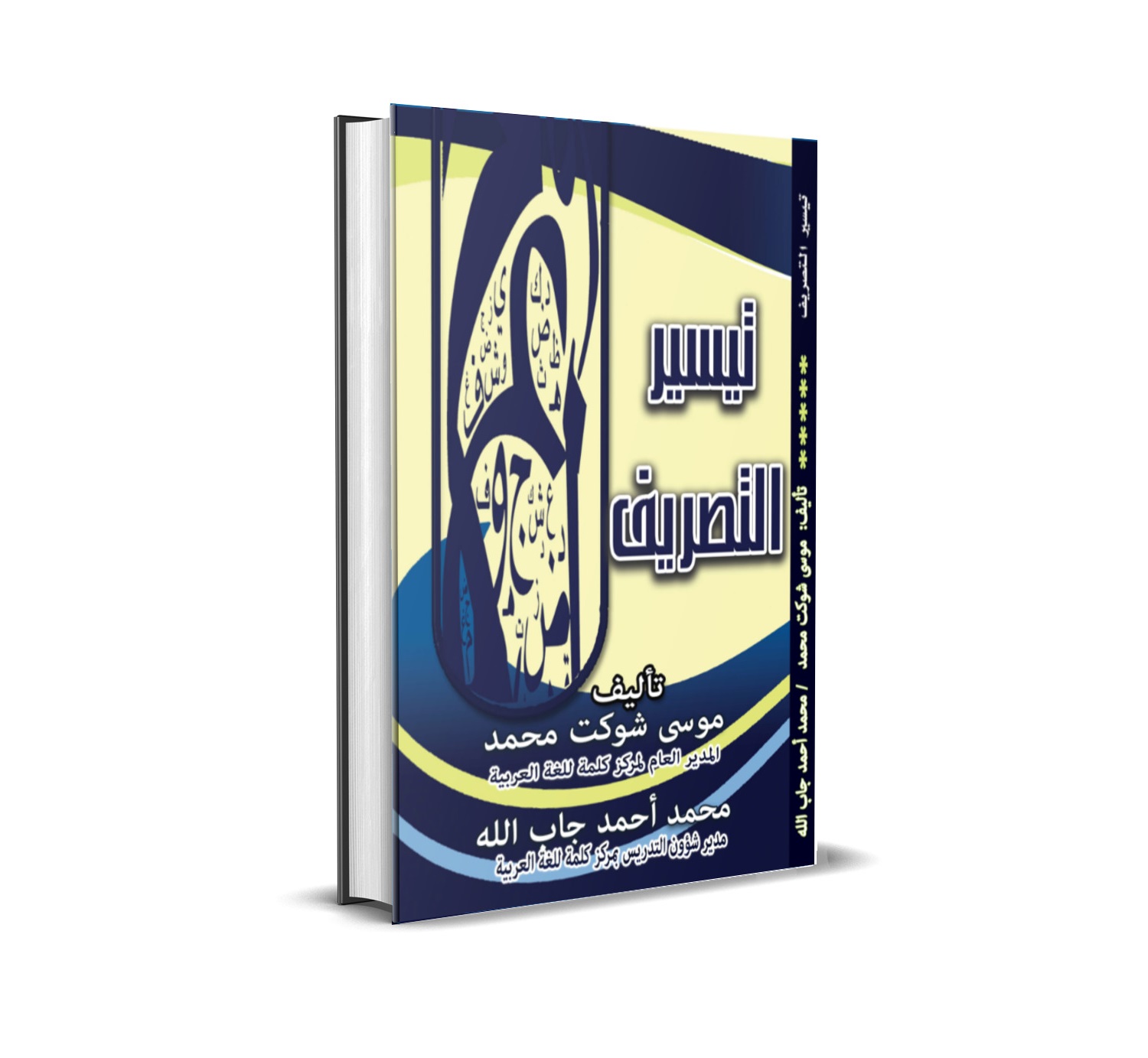
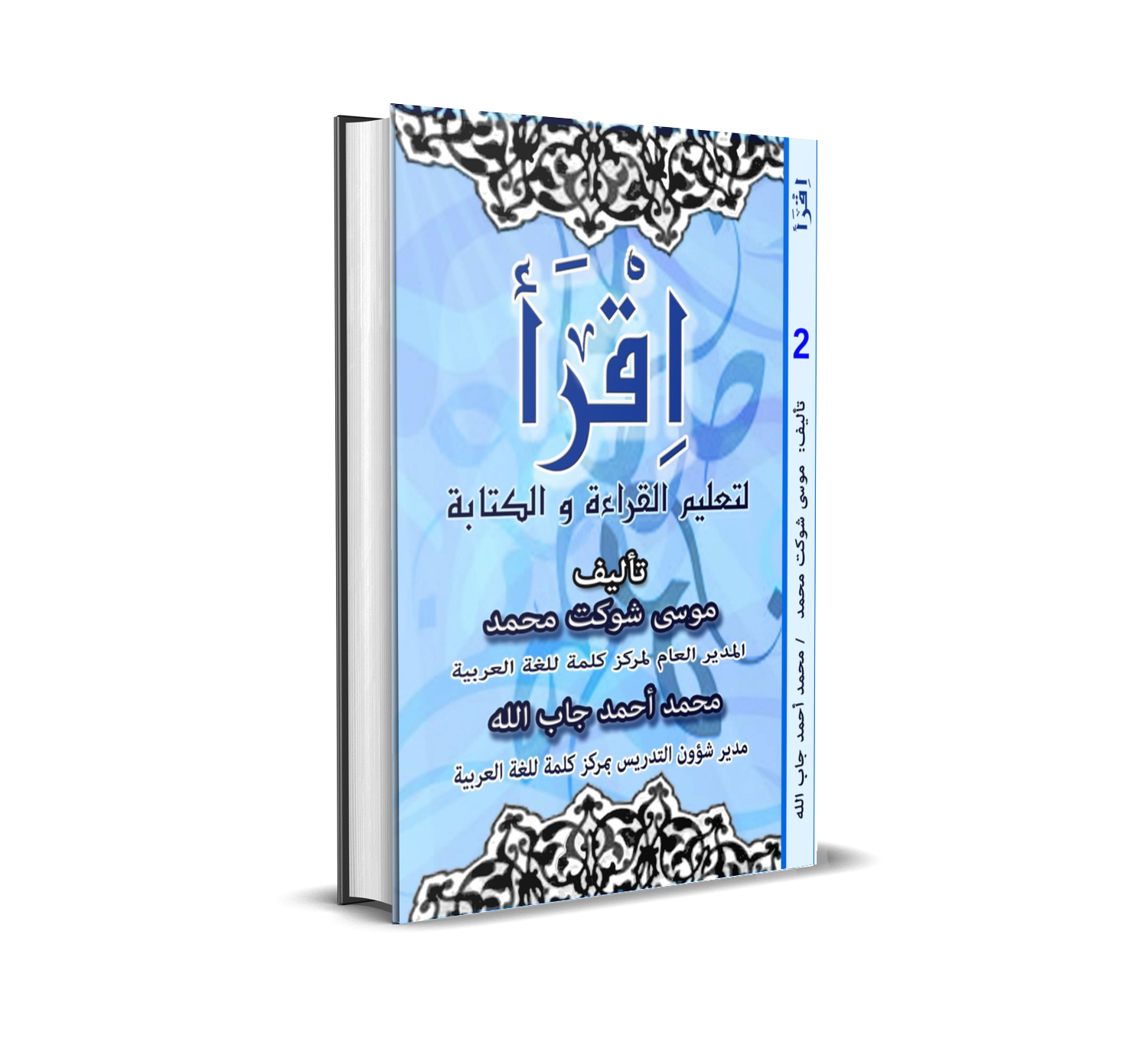
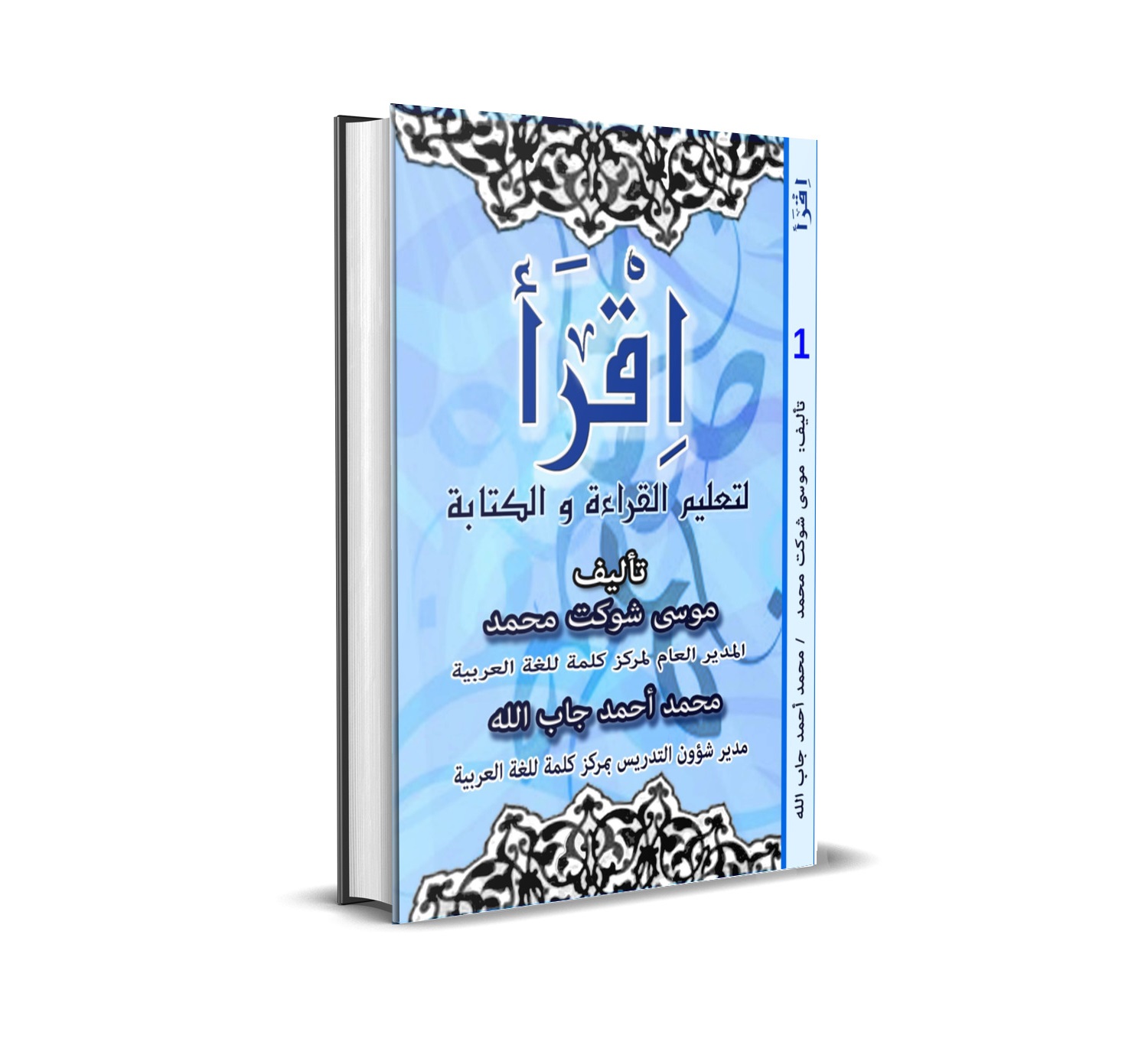
A Classical Arabic course teaches you to read, understand, and analyze texts written in Fusha (الفصحى) — the Arabic of the Quran, Hadith, and classical Islamic literature. A structured course typically covers the Arabic alphabet, grammar (Nahw), morphology (Sarf), rhetoric (Balagha), and guided reading of classical texts.
Courses range from beginner (alphabet and basic sentence structure) to advanced (independent reading of scholarly texts). Online Classical Arabic courses with native instructors typically cost $10–$40/hour for private lessons and $50–$200/month for group classes, with most learners needing 12–24 months to reach intermediate reading proficiency.
Course Overview Table:
| Feature | Details |
|---|---|
| What you learn | Arabic alphabet, Nahw (grammar), Sarf (morphology), Balagha (rhetoric), classical text reading |
| Who it’s for | Muslims seeking Quran comprehension, Arabic students, Islamic studies scholars, heritage learners |
| Prerequisites | None (beginner courses start from zero) |
| Format options | Online 1-on-1, online group, in-person (university), self-paced |
| Typical duration | 12–24 months for intermediate proficiency; 3–5 years for advanced |
| Study commitment | 3–7 hours/week recommended |
| Key textbooks used | Iqraa, Al-Tamheedi, Al-Ajurrumiyyah, Tayseer al-Sarf |
| Price range (online) | $7.00–$10.50/session ($42–$170/month) depending on plan and billing cycle |
| Free trial available | Yes (Kalimah Center and others offer free introductory lessons) |
Choosing the right Classical Arabic course determines whether you spend years struggling or make steady, measurable progress toward reading the Quran, Hadith, and classical Islamic texts in their original language. This page breaks down exactly what a comprehensive Classical Arabic course covers — level by level, skill by skill — so you can evaluate whether it matches your goals before enrolling.
We’ll walk through the full curriculum (from alphabet to rhetoric), explain what you’ll be able to do at each stage, and show you how Kalimah Center’s program is structured based on over 13 years of teaching Classical Arabic to non-native speakers.
What is Classical Arabic (Fusha)?
Classical Arabic (الفصحى — al-Fuṣḥā) is the language of the Quran, Hadith, and classical Islamic scholarship. It differs from Modern Standard Arabic (MSA) in its more complex grammar, richer vocabulary, and full use of I’rab (case endings). For a detailed comparison of Classical Arabic vs. MSA vs. dialects, see our [comprehensive guide to learning Classical Arabic →].
What Does a Classical Arabic Course Cover?
A Classical Arabic course is a structured program designed to teach you how to read, and understand Classical Arabic texts.
A good Classical Arabic course will:
- Teach you the Arabic alphabet and how to read and write it correctly.
- Introduce you to the fundamental rules of Classical Arabic grammar (nahu نحو) and Classical Arabic morphology (Sarf صرف).
- Help you build a strong foundation in Classical Arabic vocabulary.
- Train you to understand the meaning of classical texts, including the Quran and Hadith.
- Give you the skills to appreciate the beauty and eloquence of classical Arabic literature. For example, you will learn about metaphors (isti’ara – استعارة) and similes (tashbih – تشبيه).
In Kalimah Center’s Classical Arabic Course, you will learn all of this and more.
Kalimah Center’s Classical Arabic Course Curriculum
At Kalimah Center, we have a long and successful experience teaching classical Arabic, since 2011.
We guide you step-by-step, starting from the very beginning and taking you all the way to mastery.
Here is how our classical Arabic course is structured:
1. Learning Classical Arabic Alphabet with “Iqraa”
You need a strong foundation. In our Classical Arabic course, the foundation is the alphabet. We use our special book, “Iqraa” (اقرأ) developed right here at Kalimah Center.
“Iqraa” is very effective, it teaches you:
A. All 28 classical Arabic letters
How they look on their own (isolated), and how they change when they connect to other letters (initial, medial, final forms).

B. Arabic Pronunciation
You will learn the correct makharij (articulation points) of each letter with the help of your teacher, a native Arabic speaker.
For example, you will learn that the letter “ق” (qaf) is different from “ك” (kaf), even though they might sound similar to a beginner.

C. Classical Arabic Vowel Marks (Tashkeel)
We teach you how to recognize and pronounce the short vowels (fat-ha, damma, kasra) and other diacritical marks that are essential for reading Classical Arabic accurately.

D. Writing Arabic Letters
You will practice writing each letter many times, in all its forms, until you master it.

We will practice each letter many times until you know it perfectly.
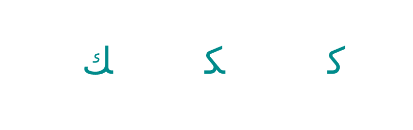
For example, the letter ك (Kaf) changes its shape depending on where it appears in a word: كـ at the beginning, ـكـ in the middle, and ـك at the end.
Your teacher, a native Arabic speaker trained in our special Kalimah method, will give you one-on-one attention, making sure your pronunciation is clear and accurate.
Sign up for your free trial lesson today!
2. Learning Essential Arabic Sentence Components with “Al-Tamheedi”
After you have mastered the alphabet, you will move to the next level in our Classical Arabic Course with our “Al-Tamheedi” (التمهيد للعربية) book. This book, also created by Kalimah Center’s experienced teachers, teaches you the essential Arabic sentence components, especially as it applies to Fusha.

Arabic sentence components are the noun (الاسم – al-ism), the verb (الفعل – al-fi‘il), and the particle (الحرف – al-harf). Each one plays a specific role in the sentence structure. Let us explore these components in detail.
A. The Noun (الاسم – al-ism) in Arabic (Classical Arabic Vocabulary)
In the Al-Tamheedi phase, you learn to identify nouns in Classical Arabic sentences and understand their grammatical behavior. Here’s an example of how nouns function differently based on their role:
| Sentence | Noun | Role | Case Ending | Translation |
|---|---|---|---|---|
| جاءَ الطالبُ | الطالبُ | Subject (فاعل) | Raf’ (ـُ) | The student came |
| رأيتُ الطالبَ | الطالبَ | Object (مفعول به) | Nasb (ـَ) | I saw the student |
| ذهبتُ إلى الطالبِ | الطالبِ | After preposition | Jarr (ـِ) | I went to the student |
Notice how the same word (الطالب) changes its ending based on its grammatical role. This is I’rab — and the Al-Tamheedi book introduces this concept through carefully sequenced exercises that build your ability to recognize these patterns naturally.
B. The Verb (الفعل – al-fi‘il) in Arabic
A verb in Arabic indicates an action tied to a specific time. Arabic verbs change form to reflect not only the tense but also gender and number. For example:
- خَرَجَ (kharaja) – “He went out” (masculine, singular, past)
- خَرَجَتْ (kharajat) – “She went out” (feminine, singular, past)
- يَخْرُجُ (yakhruju) – “He is going out” (masculine, singular, present)
C. The Particle (الحرف – al-ḥarf)
Particles are words that don’t have meaning on their own but gain meaning in context. They connect words and give sentences their grammatical structure. Common particles include: “في” (fi – in), “على” (ala – on), “من” (min – from), “و” (wa – and), “لكن” (lakin – but).
Sign up for your free trial lesson today!
3. Studying Grammar and Morphology of Classical Arabic
Now comes the most important part of our Classical Arabic course: learning nahw (grammar) and sarf (morphology). This is where you will really start to understand the depth and beauty of Classical Arabic. We use our own special materials developed at Kalimah Center.
A. Nahw (Grammar) of Classical Arabic
You will learn the rules that govern how sentences are put together. We introduce the concept of I’rab (إعراب), the system of grammatical case endings, which is crucial for understanding the nuances of Arabic sentence structure.

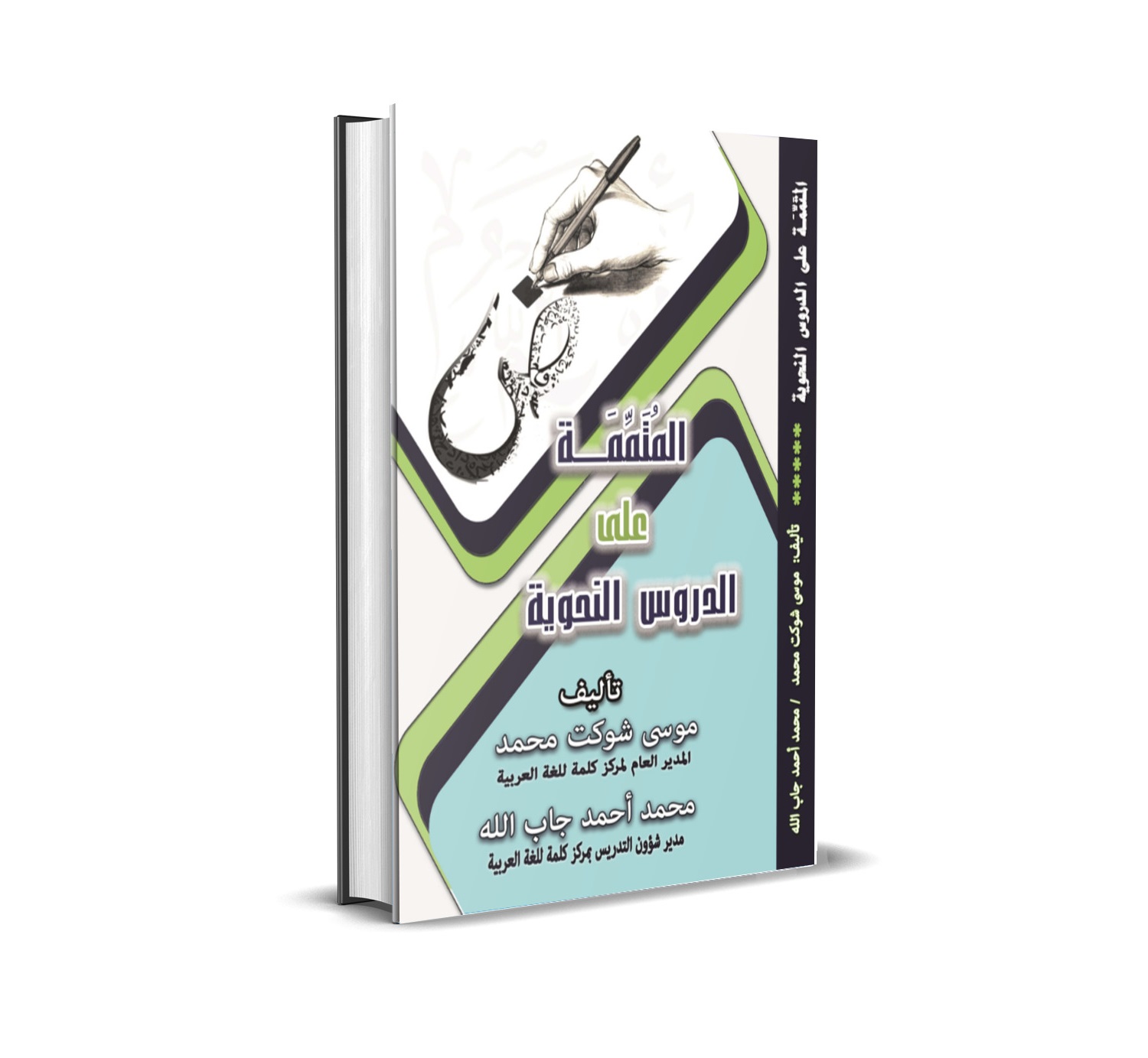
We use materials like the revered “Al-Ajurrumiyyah” (الآجرومية) for grammar (Nahw). We even have a book that we authored at Kalimah Center “Droos nahwiyah mena Al Moqaddemah Al AAjourromiyah” is derived from an explanation of Al-Aajurroomiyyah.

B. Sarf (Morphology) of Classical Arabic
You will learn how words are formed from roots. This is a very important part of Classical Arabic. Most words are based on a three-letter root. By knowing the root, you can understand the meaning of many different words.
We use our book, Tayseer al-Sarf (Simplifying Morphology), here to explain everything about Arabic morphology from the basics, along with many exercises.

Your teacher will explain all of these rules clearly and give you many examples from the Quran and other classical texts.
We also use interactive PowerPoint presentations to make the lessons engaging and easy to understand.
You will practice a lot, doing exercises and analyzing sentences until you master the rules.
Read Also: Learn Arabic To Understand Quran
C. Arabic Rhetoric (Balagha – بلاغة)
We study the art of eloquence in Arabic, including metaphors, similes, and other literary devices. This helps you to appreciate the beauty and power of Classical Arabic.
For example, the Ayah, “Allah is the light of the heavens and the earth…” (الله نور السماوات والأرض…), this is a metaphor. We will learn how to understand these figures of speech.
Here we use our book, Arabic Rhetoric (PDF) – البلاغة العربية

4. Reading Classical Arabic Texts
After you have a good grasp of grammar and morphology, you will start reading real Classical Arabic texts.
We will start with simple passages, like:

Then gradually move to more complex texts from classical Islamic literature in our book Droos Adabiya mena athqhfa Al Arabiya – دروس أدبية من الثقافة العربية. Like the following story about the Prophet’s Companion, Anas ibn Malik al-Ansari

Your teacher will guide you through each text, explaining any difficult words or phrases and helping you to understand the overall meaning.
We will also discuss the context of each text and its significance in Islamic tradition.

Sign up for your free trial lesson today!
Master Arabic with Kalimah Center
Join our expert-led online classes and start your journey toward Arabic fluency today.
Book Your Free TrialWho Is This Classical Arabic Course For?
This course is designed for several types of learners:
1. Muslims seeking Quran comprehension
If your primary goal is understanding the Quran in its original language — not through translation — this course provides the grammar, vocabulary, and reading skills needed to engage with Quranic text directly. By the intermediate stage, you’ll be able to follow Arabic tafsir and understand the grammatical reasoning behind verse interpretations.
2. Islamic studies students
Students pursuing formal or informal Islamic studies need Classical Arabic to access primary sources: tafsir, hadith collections (Bukhari, Muslim, Abu Dawud), fiqh texts, and scholarly commentary. This course builds the specific reading competency required for scholarly work.
3. Arabic heritage speakers
If you grew up hearing Arabic at home (dialect) but never learned to read Classical Arabic or understand its grammar, this course bridges that gap. Heritage speakers typically progress faster through the alphabet and pronunciation phases and can focus more time on grammar and reading comprehension.
4. Academic researchers and linguists
Historians, linguists, and researchers studying the medieval Islamic world need Classical Arabic to work with primary sources. This course provides the reading competency and grammatical analysis skills required for academic work with Arabic manuscripts and texts.
5. Complete beginners with no Arabic background
The course starts from zero — no prior knowledge of Arabic is required. The Iqraa phase is specifically designed for learners who have never seen Arabic script before
What Will You Be Able to Do After Each Level?
| Stage | Levels | Duration (est.) | What You’ll Achieve |
|---|---|---|---|
| Alphabet & Reading (Iqraa) | 1–3 | 2–4 months | Read Arabic script fluently, write all 28 letters in all forms, pronounce letters from correct articulation points, read with tashkeel (vowel marks) |
| Sentence Foundations (Al-Tamheedi) | 4–6 | 3–5 months | Identify nouns, verbs, and particles in sentences, understand basic sentence structure (nominal and verbal), build foundational vocabulary (~500 words) |
| Grammar (Nahw / Al-Ajurrumiyyah) | 7–10 | 4–8 months | Apply I’rab (case endings) to sentences, parse grammatical roles (subject, object, predicate), read simple Quranic verses and understand their grammar, construct grammatically correct sentences |
| Morphology (Sarf / Tayseer al-Sarf) | 11–13 | 4–6 months | Analyze word formation from 3-letter roots, conjugate verbs across all tenses and persons, derive related words from roots (understand how عَلِمَ, عِلم, مُعَلِّم, تَعلِيم connect), expand vocabulary rapidly using root knowledge |
| Rhetoric & Literature (Balagha) | 14–16 | 4–8 months | Identify metaphors, similes, and rhetorical devices in classical texts, appreciate the literary beauty of Quranic language, read and analyze classical poetry and prose, engage with tafsir and hadith commentary at an intermediate level |
By the end of the full program, you will be able to:
- Read Classical Arabic texts with comprehension (Quran, Hadith, basic scholarly works)
- Parse the grammar of any Quranic verse and explain why each word takes its specific form
- Identify rhetorical devices and appreciate the stylistic mastery of classical Arabic literature
- Derive the meaning of unfamiliar words by recognizing their root and pattern
- Write grammatically correct Classical Arabic sentences and short paragraphs
Estimated total program duration: 18–30 months at 3 sessions per week. Students with prior Arabic knowledge may complete faster.
Course Pricing, Schedule & Format Options
All Kalimah Center plans include private 1-on-1 lessons with a dedicated native Arabic instructor, 60-minute sessions, proprietary textbooks (digital), placement testing, and progress tracking. Choose the billing cycle and frequency that fits your schedule and budget:
Monthly Plans (Most Flexible)
| Plan | Sessions/Month | Price | Per Session | Reschedule Allowance | Savings |
|---|---|---|---|---|---|
| Light | 4 (1x/week) | $42/mo | $10.50 | 1 session/mo | 13% off |
| Basic | 8 (2x/week) | $80/mo | $10.00 | 2 sessions/mo | 17% off |
| Standard | 12 (3x/week) | $114/mo | $9.50 | 3 sessions/mo | 21% off |
| Optimal ⭐ | 16 (4x/week) | $144/mo | $9.00 | 4 sessions/mo | 25% off |
| Premium | 20 (5x/week) | $170/mo | $8.50 | 5 sessions/mo | 29% off |
Quarterly Plans (Best Value Per Session + Unlimited Rescheduling)
| Plan | Total Sessions | Price | Per Session | Reschedule | Savings |
|---|---|---|---|---|---|
| Basic | 24 sessions (8/mo) | $228/quarter | $9.50 | Unlimited | 21% off |
| Standard | 36 sessions (12/mo) | $324/quarter | $9.00 | Unlimited | 25% off |
| Optimal ⭐ | 48 sessions (16/mo) | $408/quarter | $8.50 | Unlimited | 29% off |
| Premium | 60 sessions (20/mo) | $480/quarter | $8.00 | Unlimited | 33% off |
Yearly Plans (Deepest Discount — Best for Committed Learners)
| Plan | Total Sessions | Price | Per Session | Reschedule | Savings |
|---|---|---|---|---|---|
| Basic | 100 sessions | $800/year | $8.00 | Unlimited | 33% off |
| Standard | 150 sessions | $1,125/year | $7.50 | Unlimited | 38% off |
| Optimal | 200 sessions | $1,400/year | $7.00 | Unlimited | 42% off |
Prices are subject to change on a yearly basis. All plans include a free trial lesson before any payment.
Which Plan Should You Choose?
| Your Goal | Recommended Plan | Why |
|---|---|---|
| Try it out / light study | Monthly Light (4 sessions, $42/mo) | Lowest commitment — 1 session/week to establish a routine |
| Steady beginner progress | Monthly Basic or Standard (8–12 sessions, $80–$114/mo) | 2–3 sessions/week is the minimum for consistent progress in Classical Arabic |
| Serious progress toward Quran reading | Quarterly Optimal (48 sessions, $408/quarter) | Best balance of per-session cost ($8.50), unlimited rescheduling, and study frequency (4x/week) |
| Fastest path to fluency | Yearly Standard or Optimal (150–200 sessions, $1,125–$1,400/year) | Deepest discounts ($7.00–$7.50/session), unlimited rescheduling, and enough sessions for significant progress through multiple curriculum levels |
What’s Included in Every Plan
- ✅ Private 1-on-1 lessons — not group classes (60 minutes each)
- ✅ Dedicated native Arabic instructor trained in classical texts
- ✅ All proprietary textbooks (Iqraa, Al-Tamheedi, Nahw, Tayseer al-Sarf) — digital copies included
- ✅ Placement test to determine your starting level
- ✅ Progress assessments at each level milestone
- ✅ Flexible scheduling — choose your session times across all major time zones
- ✅ Free trial lesson before committing to any plan — no payment required
Master Arabic with Kalimah Center
Join our expert-led online classes and start your journey toward Arabic fluency today.
Book Your Free TrialWhat Makes Kalimah Center’s Classical Arabic Course Different
You might find other places that offer Classical Arabic courses, but Kalimah Center is different. Here is why we are the best choice for you:
1. Purpose-Built Classical Arabic Curriculum (Not Adapted MSA)
Most online Arabic courses teach Modern Standard Arabic and call it “Classical.” Kalimah’s program was designed specifically for Classical Arabic from the ground up — including Balagha (rhetoric), I’rab analysis, and reading of actual classical texts. The difference matters: MSA-adapted courses skip the grammatical complexity and literary appreciation that define real Classical Arabic competency.
2. Proprietary Textbooks Developed Over 13 Years
Four course books — Iqraa (alphabet), Al-Tamheedi (sentence components), a Nahw text derived from Al-Ajurrumiyyah, and Tayseer al-Sarf (morphology) — were created by Kalimah Center’s instructors specifically for non-native learners. These are not available elsewhere and reflect 13 years of iteration based on what works for English-speaking students.
3. Instructor Specialization
Every Kalimah instructor is a native Arabic speaker trained in classical texts (Al-Ajurrumiyyah, Alfiyyat Ibn Malik). This is different from hiring general “Arabic tutors” — our teachers can explain why the Quran uses a specific grammatical structure and what meaning that structure conveys.
4. 1-on-1 Format as Standard
The default is private lessons, not group classes. This means your instructor adjusts pace, emphasis, and examples to your specific level and goals. Students who struggle with pronunciation get more articulation practice. Students who grasp grammar quickly move faster. This personalization is why Kalimah students typically progress 30–40% faster than students in fixed-pace group programs.
5. Measurable Progress Through 16 Defined Levels
The curriculum spans 16 levels with clear benchmarks at each stage. You (and your instructor) always know exactly where you are, what you’ve mastered, and what comes next. There are no vague “intermediate” labels — each level has specific competencies.
How Kalimah’s Course Compares to Other Classical Arabic Programs
| Feature | Kalimah Center | University Programs (Al-Azhar, Madinah) | Self-Paced Platforms (Bayyinah TV, etc.) | Generic Online Tutors (iTalki, Preply) |
|---|---|---|---|---|
| Focus | Classical Arabic specifically | Varies (many teach MSA primarily) | Mixed (some classical, some MSA) | Depends on individual tutor |
| Format | Live 1-on-1 or group | In-person (requires travel) or online | Pre-recorded video | Live 1-on-1 |
| Curriculum | Structured 16-level program with proprietary textbooks | University syllabus | Platform-designed | No set curriculum |
| Balagha (Rhetoric) | ✅ Included | ✅ In advanced programs | ❌ Rarely covered | ❌ Depends on tutor |
| Instructor quality | Native speakers trained in classical texts | University faculty | Expert presenters (no interaction) | Varies widely |
| Personalization | Fully personalized (1-on-1) | Limited (class of 20–50) | None (pre-recorded) | Fully personalized |
| Progress tracking | 16-level system with assessments | University grading system | Self-assessed | None standard |
| Schedule flexibility | Flexible (student chooses times) | Fixed university schedule | Fully flexible | Flexible |
| Cost | $$ | $$–$$$ (plus living abroad) | $ | $–$$ |
| Free trial | ✅ Yes | ❌ No | ✅ Some offer free content | ✅ Some tutors offer |
When to choose Kalimah: You want a structured, progressive Classical Arabic program with expert instructors and personalized pacing — without the cost and logistics of studying abroad.
When to choose university: You want academic credentials (degree/certificate) and can commit to full-time study, potentially abroad.
When to choose self-paced: You’re supplementing other study, have a limited budget, and are self-motivated enough to learn without live interaction.
When to choose generic tutors: You want maximum flexibility and already know enough to direct your own learning (intermediate+ students).

Sign up for your free trial lesson today!
Hear What Other Students Say About Us
Listen to what other students have to say about their experience at Kalimah Center:


Inside Kalimah Center: Moments from Our Courses
Get a glimpse into the vibrant learning experience at Kalimah Center. These snapshots capture real moments from our live classes—where students engage deeply, connect with passionate instructors, and grow in a welcoming, supportive environment.
Start Your Classical Arabic Journey with Kalimah Center TODAY!
At Kalimah Center, we are here to guide you every step of the way.
Here is what you should do next:
- Sign up for a free trial lesson: This is the best way to experience our teaching style and see if Kalimah Center is right for you. You will meet one of our teachers, learn a little bit of Arabic, and see how we teach. It is completely free, no obligation!
- Take our placement test: This will help us determine your current level of Arabic so we can place you in the right class. Even if you are a complete beginner, this is a good way to start.
- Enroll in our Classical Arabic course: Once you have completed your trial lesson and taken the placement test, you can enroll in our course and begin your journey to Classical Arabic fluency!
Sign up for your free trial lesson today!

Conclusion:
The Classical Arabic course offered by Kalimah Center provides a structured, in-depth approach to mastering the language. It covers essential components such as the Arabic alphabet, pronunciation, and grammar, starting with foundational lessons in the “Iqraa” book. The course then progresses to sentence components, focusing on nouns, verbs, and particles with the “Al-Tamheedi” book.
Students also learn about Classical Arabic morphology and rhetoric, using resources like Al-Ajurrumiyyah and Tayseer al-Sarf to understand sentence structure and word formation. This curriculum aims to build a solid understanding of Arabic that extends to reading and appreciating classical texts, including Quranic verses and Hadith.
Kalimah Center’s Classical Arabic program emphasizes a personalized learning experience. With expert instructors who are native Arabic speakers, students receive one-on-one guidance, ensuring accurate pronunciation and mastery of grammar. The course is designed to be interactive, incorporating exercises, PowerPoint presentations, and discussions on the beauty of Arabic literature and rhetoric.
Students are also encouraged to engage with real Classical Arabic texts, gradually advancing from simpler passages to more complex works. By the end of the course, participants will have developed the ability to read, understand, and appreciate the profound depth of Classical Arabic, making it ideal for those aiming to study Islamic texts or deepen their knowledge of the Arabic language.
FAQs about Classical Arabic Course
Q1: How much does a Classical Arabic course cost?
Online private lessons with a qualified native instructor typically cost $15–$40 per hour. Group classes range from $50–$200 per month depending on frequency and class size. University-based courses (such as at Al-Azhar or Islamic University of Madinah) range from free (scholarship students) to $2,000–$5,000 per semester. Self-paced platforms like Bayyinah TV cost $11–$22 per month. Kalimah Center offers both private and group options — contact for current pricing or start with a free trial lesson.
Q2: Can I take a Classical Arabic course online?
Yes, and online is now the most popular format. Live 1-on-1 video lessons with native instructors offer the most personalized experience — the instructor adapts pace, materials, and focus to your specific level and goals. Online group classes provide community learning at lower cost. Self-paced platforms offer flexibility but lack the interactive feedback essential for mastering pronunciation and grammar. Look for courses that use screen-sharing for text analysis and provide recorded sessions for review.
Q3: What’s the difference between a Classical Arabic course and a Modern Standard Arabic course?
A Classical Arabic course focuses on the language of the Quran, Hadith, and classical literature — including full I’rab (case endings), classical vocabulary, and rhetorical analysis (Balagha). An MSA course teaches the modern, simplified version used in news, formal writing, and education. If your primary goal is understanding Islamic texts, choose Classical Arabic. If your goal is modern communication, choose MSA. Many students study both, as Classical Arabic provides the grammatical foundation that makes MSA significantly easier.
Q4: Do I need to know Arabic before starting a Classical Arabic course?
No. Beginner-level Classical Arabic courses start from zero — teaching the alphabet, basic pronunciation, and fundamental vocabulary before introducing grammar. However, students with prior Arabic knowledge (MSA, dialect, or Quran memorization) progress faster because they already have phonetic familiarity and often passive vocabulary. A good course offers a placement test to determine your starting level.
Q5: How long does it take to complete a Classical Arabic course?
A comprehensive program from alphabet to advanced reading typically spans 16–24 levels over 2–4 years of consistent study. However, you don’t need to complete the entire program to benefit. After 6–9 months (beginner phase), you can read Arabic script and understand simple Quranic verses. After 12–18 months (intermediate), you can follow basic tafsir and parse grammar in classical sentences. The advanced phase (2–4+ years) develops independent reading of complex scholarly texts.