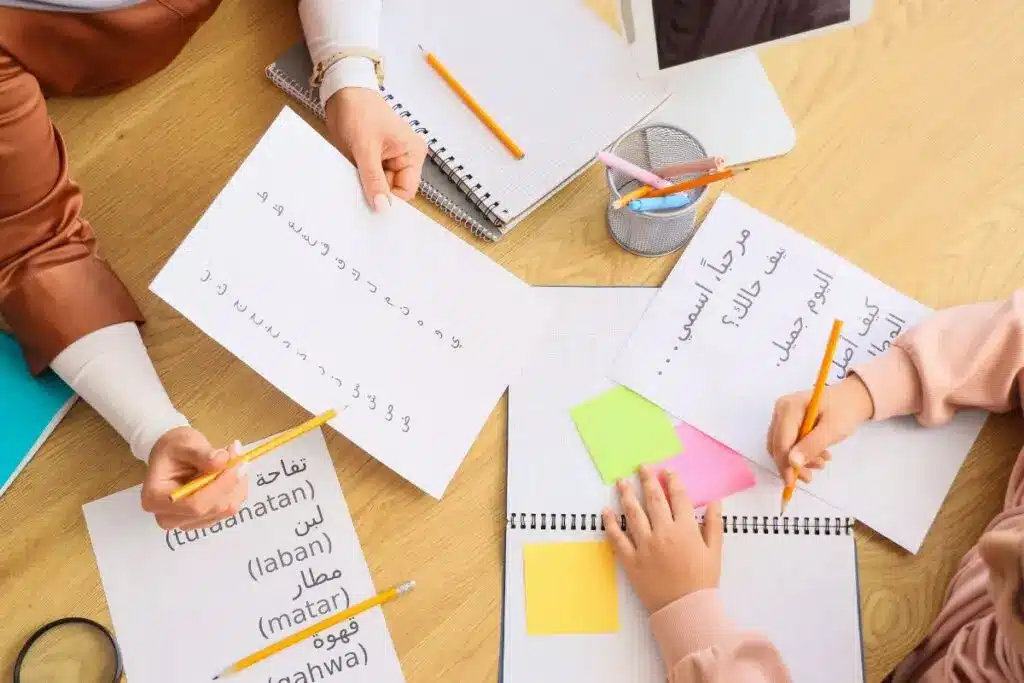
In a nutshell: Sun and Moon letters, or Lam Shamsiyah and Lam Qamariyah, categorize Arabic consonants based on their behavior with the definite article “al” (ال). Sun letters like ت and ش silence the “l” and double the following sound, while Moon letters such as أ and ب retain the “l” sound.
The terms ‘sun’ and ‘moon letters’ carry a magical connotation in Arabic grammar. We enter the fascinating world of Arabic grammar via these names. If these rules seem puzzling, you’re not alone. Many Arabic learners find them challenging. But fret not; we’re here to simplify them for you. So, let’s begin this linguistic adventure and learn about the amazing Arabic grammar. Along the road, we’ll learn the details of these amazing rules.
Are Lam Shamsiyah and Lam Qamariyah the Same as Sun and Moon Letters?
Yes, the topic of Lam Shamsiyah (لام شمسية) and Lam Qamariyah (لام قمرية) is exactly the same topic of sun Letters and moon letters. These terms refer to the same concept but just use different words. Whether you hear “sun and moon letters,” “solar and lunar letters,” or “Lam Shamsiyah and Lam Qamariyah,” they all point to the same rule in Arabic pronunciation.
To make it clearer:
- Lam Shamsiyah = Sun letters (حروف شمسية) = Solar letters.
- Lam Qamariyah = Moon letters (حروف قمرية) = Lunar letters.
They are synonyms. So, if someone asks you, “What is the difference between the topic of Lam Shamsiyah and Lam Qamariyah and the topic sun and moon letters?” you can confidently say, “There is no difference.”
What are sun and moon letters?
Sun and Moon letters are two terms used in Arabic grammar to describe the way certain Arabic letters behave when they are followed by the Arabic definite article “al” (ال). In Arabic, the alphabet is divided into two categories: Sun letters (حروف شمسية) and Moon letters (حروف قمرية). This categorization is based on how the letter ” ل” “lam” is pronounced when it comes before certain consonants. The moon and sun will help us to understand these rules better. So, let’s get started!
Example:
- Sun letter: الشَّمْس (ash-shams) – The sun. Here, the “L” in “Al” is silent, and the “Sh” sound is doubled.
- Moon letter: القَمَر (al-qamar) – The moon. In this case, the “L” in “Al” is pronounced clearly.
What Are the Letters of Shamsiya and Qamariya?
To summarize:
- Shamsiya letters are: ت، ث، د، ذ، ر، ز، س، ش، ص، ض، ط، ظ، ل، ن.
- Qamariya letters are: أ، ب، ج، ح، خ، ع، غ، ف، ق، ك، م، ه، و، ي.
The List of Sun and Moon Letters with Pronunciation
Now, let’s get specific. Here is a list of sun and moon letters in Arabic with pronunciation:
Sun Letters (حروف شمسية):
- ت (Ta)
- ث (Tha)
- د (Dal)
- ذ (Dhal)
- ر (Ra)
- ز (Zay)
- س (Sin)
- ش (Shin)
- ص (Sad)
- ض (Dad)
- ط (Ta)
- ظ (Zha)
- ل (Lam)
- ن (Nun)
Moon Letters (حروف قمرية):
- أ (Alif)
- ب (Ba)
- ج (Jeem)
- ح (Ha)
- خ (Kha)
- ع (Ayn)
- غ (Ghayn)
- ف (Fa)
- ق (Qaf)
- ك (Kaf)
- م (Meem)
- ه (Ha)
- و (Waw)
- ي (Ya)
Experience Kalimah Center Classes
Watch real excerpts from our live sessions at Kalimah Center and see how we bring learning to life. These clips highlight our interactive, student-centered teaching approach across all our courses—designed to keep learners engaged, motivated, and actively involved every step of the way.
Master Arabic with Kalimah Center
Join our expert-led online classes and start your journey toward Arabic fluency today.
Book Your Free TrialWhy is it important to understand Sun and Moon letters?
Sun and Moon letters are important in Arabic because they affect how words are pronounced, how sentences are structured, and how vocabulary is used. So, it is important for many reasons:
- Pronunciation: Sun letters are pronounced differently than Moon letters. This is very important for learners to know in order to pronounce words correctly.
- Grammar: Sun and Moon letters also affect the grammar of Arabic sentences.
- Vocabulary: Sun and Moon letters can help learners to expand their vocabulary. By understanding the patterns between Sun and Moon letters, learners can better predict the form of words and learn new vocabulary more easily.
That’s why we, at Kalimah Center, always stress the importance of grasping the sun and moon letters right from the start. When students grasp the sun and moon letters early on, their reading, writing and speaking skills become much easier.
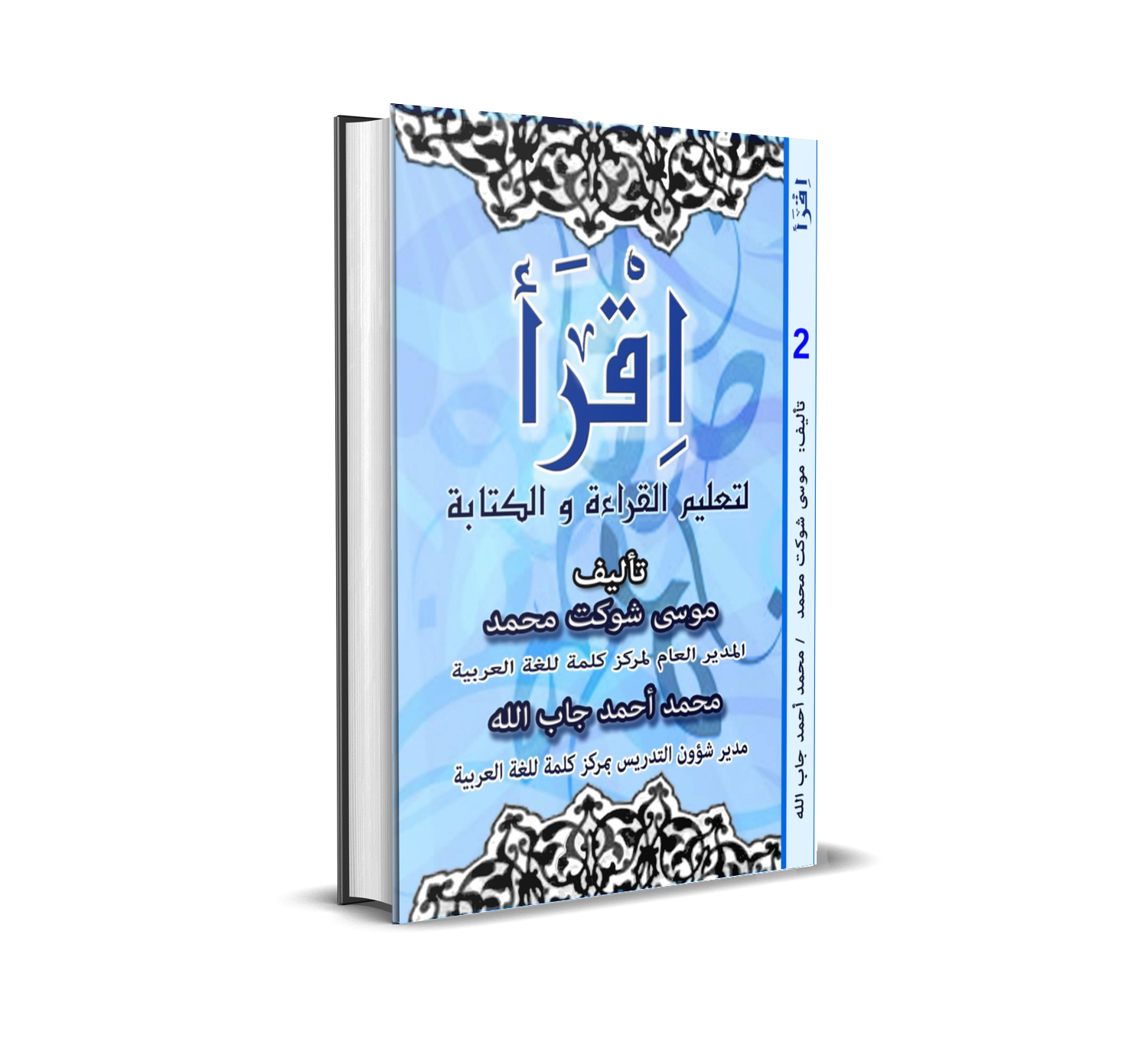
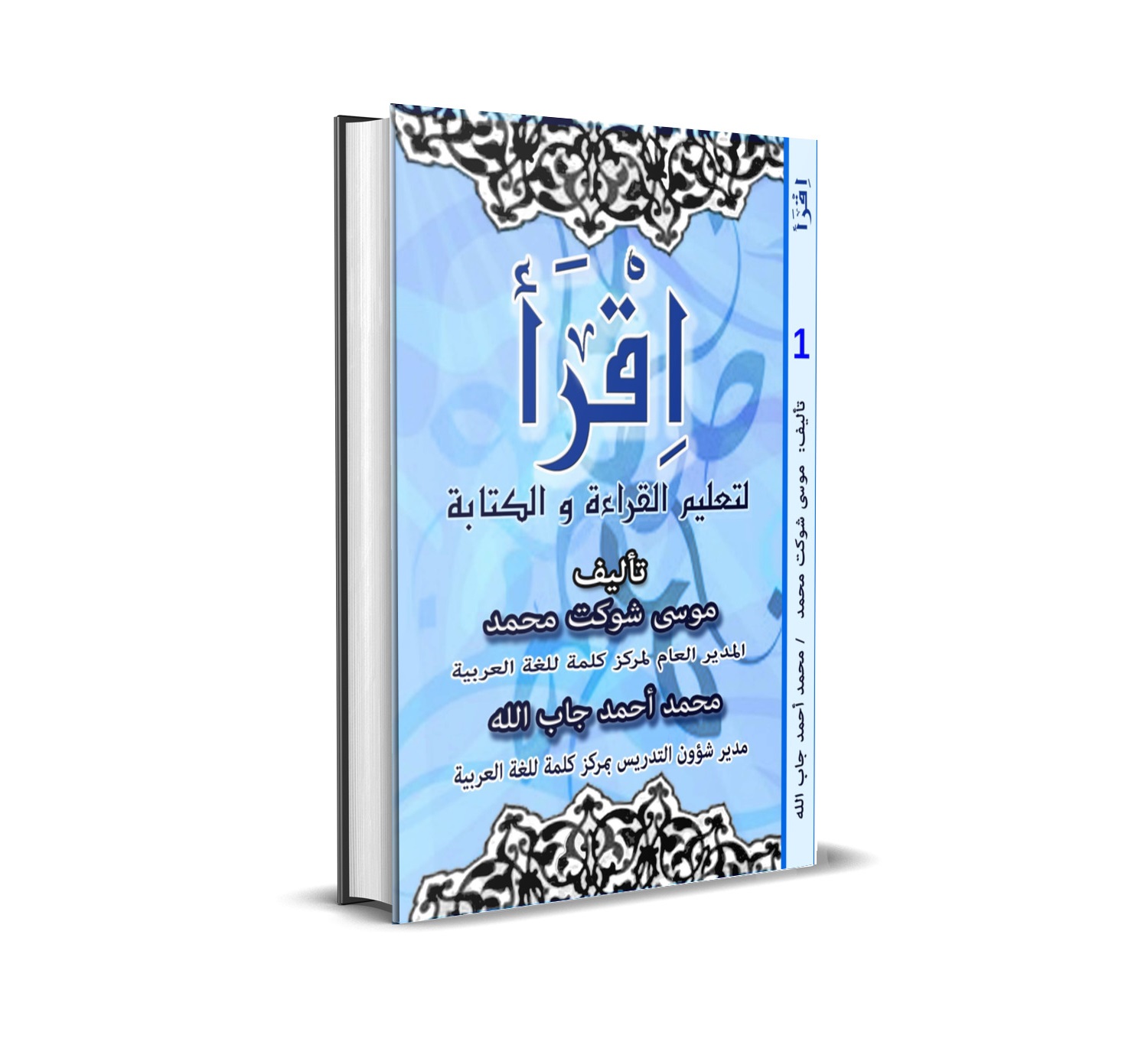
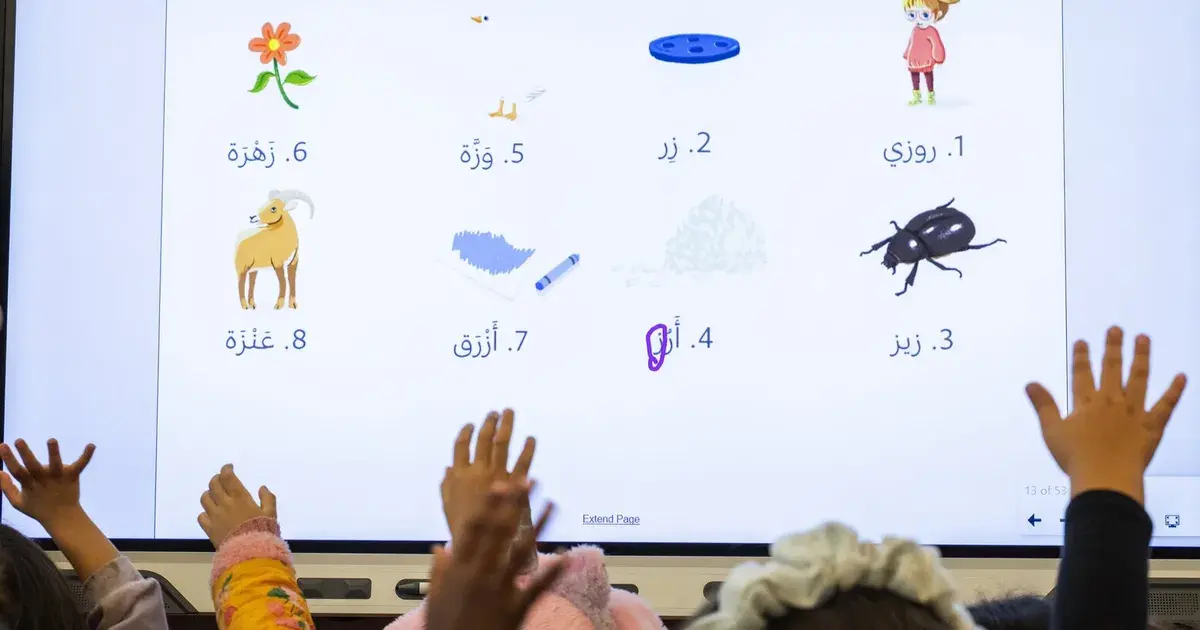
And here is, for instance, and excerpt from Iqraa book which we use in Kalimah’s Online Arabic Course to show you how we teach sun and moon letter.

You can Join us for a FREE trial class, and see for yourself.

Why are they called sun letters?
You may ask yourself this question, Why are they called sun letters ?
When the letter “lam” comes before a sun letter, it is not pronounced. This is why the word “الشّمس” (al-shams) is pronounced as “ash-shams”. So, the sun letters are called “solar letters” because Sun letters at the beginning of the word is doubled. (letter with Shaddah) so, they are strong and bright like the sun.
Read More: THE COMPREHENSIVE GUIDE TO ARABIC CONNECTING LETTERS.
Words start with Sun letters in Arabic example
| Sun Letters (حروف شمسية) | Example | Pronunciation Guide |
| ت (t) | الطّائر | al-taa’ir |
| ر (r) | الّرّجل | ar-rajul |
| س (s) | السّماء | as-samā’ |
| ش (sh) | الشّمس | ash-shams |
| ل (l) | اللّغة | al-lughah |
Why are they called moon letters?
When the letter “lam” comes before a moon letter, it is pronounced. This is why the word “القمر” (al-qamar) is pronounced as “al-qamar. So, the moon letters are called “lunar letters” because moon letters at the beginning of the word are not doubled. (without Shaddah) which represents the softness and calmness of the moon.
Is Alif a Sun or Moon Letter?
Alif is a moon letter. So, when the article “Al” is used before a word starting with Alif, like الأسد (al-asad) – “the lion,” the “L” is pronounced clearly.
Words start with Moon letters in Arabic example
| Moon Letters (حروف قمرية) | Example | Pronunciation Guide |
| ب (b) | البْيت | al-bayt |
| ج (j) | الجمل | al-jamal |
| م (m) | الماء | al-maa’ |
| ك (k) | الكتاب | al-kitaab |
| و (w) | الورد | al-waraḍ |
The Orthography of sun letters
| Sun letters | English |
| ت | tah |
| ث | thah |
| د | dal |
| ذ | dhal |
| ر | ra |
| ز | zay |
| س | seen |
| ش | shin |
| ص | sad |
| ض | dad |
| ط | ta |
| ظ | za |
| ل | lam |
| ن | noon |
The Orthography of moon letters
| Moon letters | English |
| ب | ba |
| ج | jim |
| ح | ha |
| خ | kha |
| ع | ain |
| غ | ghayn |
| ف | fa |
| ق | qaf |
| ك | kaf |
| م | mim |
| ه | ha |
| و | wa |
| ي | ya |
Consider Kalimah’s Intensive Group Classes
- Learn with other Muslims: Make friends and learn from each other.
- Experienced teachers: Our best teachers will help you learn quickly.
- Latest books: Study with our newest books and online exercises.
- Affordable: Group classes are much cheaper than private lessons (4x cheaper).
- Learn from anywhere: All you need is a computer and internet.

Sun letters practise
| letter | Example Word | Pronunciation Guide |
| ت | الطَّائر | Al-ṭā’ir |
| ث | الثَّلج | Ath-thalj |
| د | الدَّجاج | Ad-dajāj |
| ذ | الذَّهب | Adh-dhahab |
| ر | الرَّمل | Ar-ramal |
| ز | الزَّهرة | Az-zahra |
| س | السَّماء | As-samā’ |
| ش | الشَّمس | Ash-shams |
| ص | الصَّفر | Aṣ-ṣafr |
| ض | الضَّوء | Aḍ-ḍaw’ |
| ط | الطَّاولة | Aṭ-ṭāwlah |
| ظ | الظُّلمة | Aẓ-ẓulmah |
| ل | اللَّون | Al-lawun |
| ن | النَّجمة | An-najmah |
Moon letters practise
| Letter | Example Word | Pronunciation Guide |
| ب | البَاب | Al-bāb |
| ج | الجسر | Al-jisr |
| ح | الحَديقة | Al-ḥadīqah |
| خ | الخُبز | Al-khubz |
| ع | العَين | Al-ʿayn |
| غ | الغَيمة | Al-ghaymah |
| ف | الفَستان | Al-fustān |
| ق | القَلم | Al-qalam |
| ك | الكِتاب | Al-kitāb |
| م | المَدينة | Al-madīnah |
| ه | الهَدية | Al-hadīyah |
| و | الوَردة | Al-wardah |
| ي | اليَد | Al-yad |
Here is a worksheet on Lam Shamsiyya and Lam Qamariyya from the Kalimah Center curriculum. It contains exercises on the solar and lunar letters (Lam Shamsiyya and Lam Qamariyya).
Sun and Moon Arabic letters Worksheet:
By printing this sheet and tracing the letters and words with your own hand, you will reinforce your theoretical knowledge of these letters and also develop your Arabic handwriting skills.

How to remember sun and moon letters?
Here are some steps help you to remember the sun and moon letters:
- Visual Images:
Try to create mental images for each category. For sun letters, imagine the sun (شمس) shining brightly over the letters that trigger this rule. For moon letters, imagine the moon (قمر) casting its light over the letters that belong to this group. - Word Association:
Associate words that start with sun/moon letters to each category. For example, for sun letters, you could think of words like “شمس” (sun) and “سحلية” (lizard), as they start with sun letters. For moon letters, think of words like “قمر” (moon) and “قلب” (heart), which start with moon letters. - Color Coding:
Assign different colors to each category. Use one color for sun letters and another for moon letters. This can make it easier to remember. - Create Sentences:
Create sentences that combine words from each category. This approach will help you remember the rules better. For example, “الشمس تشرق على الجبل” (The sun rises over the mountain), where “شمس” follows the sun letter rule and “جبل” follows the moon letter rule. - Interactive Learning Tools:
Use flashcards, apps, or online tools designed to help you practice and remember Arabic grammar rules. These tools often include exercises and quizzes that make learning more engaging.
How to identify sun and moon letters in Arabic?
The Arabic alphabet has 28 letters, which are divided into two groups: sun letters (حروف شمسية) and moon letters (حروف قمرية).
- Sun letters are 14 in number:
ت، ث، د، ذ، ر، ز، س، ش، ص، ض، ط، ظ،ن، ل
- Moon letters are the remaining 14 letters:
أ، ب، ج، ح، خ، ع، غ، ف، ق، ك، م، ه، و، ي
Here are some tips for identifying sun and moon letters:
- Memorize the list of sun and moon letters. This is the most important step, as it will allow you to quickly identify which category a given letter belongs to.
- Listen carefully to the pronunciation of the definite article “al” in spoken Arabic.
- Practice and get exposure to Arabic. The more you read, listen to, and speak Arabic, the more you will know these patterns and be able to identify sun and moon letters automatically.
The difference between sun and moon letters in Arabic
| Sun Letters | Moon Letters |
| There are 14 sun letters in Arabic. | There are 14 moon letters in Arabic. |
| Sun letters are a group of consonants in Arabic that affect the pronunciation of the definite article “al. | Moon letters are a group of consonants in Arabic that do not affect the pronunciation of the definite article “al”. |
| Examples of sun letters include ت (ta), ث (tha), ن (nun), ر (ra), etc. | Examples of moon letters include ب (ba), ج (jim), د (dal), ق(qaf) etc. |
What are sun and moon letters in the Quran?
We can see many examples of sun and moon letters in the Quran.
Examples of Sun letters:
| Pronunciation guide | Word | Sun letter | Examples |
| al-thamaraat | الثَّمَراتِ | ث | قوله تعالى }:وَمِن كُلِّ الثَّمَراتِ جَعَلَ فيها زَوجَينِ اثنَينِ}. |
| as-saajideen | السّاجِدينَ | س | قوله تعالى: {فَسَبِّح بِحَمدِ رَبِّكَ وَكُن مِنَ السّاجِدينَ}. |
| at-tawwaabu- ar-raheem | التَّوَّابُ –الرَّحِيم | ت – ر | قوله تعالى: {فَتَلَقَّى آدَمُ مِن رَّبِّهِ كَلِمَاتٍ فَتَابَ عَلَيْهِ إِنَّهُ هُوَ التَّوَّابُ الرَّحِيم}. |
| ash-shitaai- as-sayf | الشِّتَاءِ وَالصَّيْفِ | ش- ص | قوله تعالى: {إِيلَافِهِمْ رِحْلَةَ الشِّتَاءِ وَالصَّيْفِ}. |
| an-najm | النَّجْمِ | ن | قوله تعالى: {وَالنَّجْمِ إِذَا هَوَى}. |
Examples of Moon letters:
| Pronunciation guide | Word | Moon letter | Examples |
| al-qiyaamati | الْقِيَامَةِ | ق | قوله تعالى: {مَا كَانَ لِنَبِيٍّ أَن يَغُلَّ وَمَن يَغْلُلْ يَأْتِ بِمَا غَلَّ يَوْمَ الْقِيَامَةِ}. |
| al-hudaa | الْهُدَى | ـهـ | قوله تعالى: {وَلَقَدْ جَاءَهُم مِّن رَّبِّهِمُ الْهُدَى}. |
| al-yaqootual-marjaanu | الْيَاقُوتُ وَالْمَرْجَانُ | ي – م | قوله تعالى: {كَأَنَّهُنَّ الْيَاقُوتُ وَالْمَرْجَانُ}. |
| al-malakayni | الْمَلَكَيْنِ | م | قوله تعالى: {وَمَا أُنزِلَ عَلَى الْمَلَكَيْنِ بِبَابِلَ هَارُوتَ وَمَارُوتَ}. |
| al-bayti | الْبَيْتِ | ب | قوله تعالى: {فَلْيَعْبُدُوا رَبَّ هَذَا الْبَيْتِ}. |
Test yourself
Read the following passage and put the words in the correct place:
عندما تنتشر السّحب في السماء وتختفي الشمس، ويشتد البرد، وينزل المطر، يغلق التجار متاجرهم، ويرجع الناس إلى بيوتهم وتقفر الشوارع من المارة، وتأوي الطيور إلى أوكارها ويسود الجوّ صمت لا يسمع فيه إلا انهمار المطر. فإذا ما توقف المطر عادت الحياة إلى مجاريها وذهب كل واحد إلى العمل .
| Sun letters | Moon letters |
Finally, sun and moon letters are very easy rules. However, as I told you before in order to master them you need to practise regularly.
Master Arabic with Kalimah Center
Join our expert-led online classes and start your journey toward Arabic fluency today.
Book Your Free TrialInside Kalimah Center: Moments from Our Courses
Get a glimpse into the vibrant learning experience at Kalimah Center. These snapshots capture real moments from our live classes—where students engage deeply, connect with passionate instructors, and grow in a welcoming, supportive environment.
Here Are The Reviews On Our Courses:
Our students frequently commend the excellence of our courses and the commitment shown by our instructors. You can read their complete reviews on Trustpilot.

Want to Master the Secrets of “Lam Shamsiyah” and “Lam Qamariyah”?
You’re learning about these important Arabic grammar rules, and that’s great! But to truly understand and use them correctly, you need more than just explanations. You need practice, guidance, and a clear learning path.
That’s where Kalimah Center comes in.
Our online Arabic courses will help you:
- Build a Strong Foundation: Start with our Arabic Alphabet course to master the letters and sounds.
- Understand the Rules: Learn the differences between “Lam Shamsiyah” and “Lam Qamariyah” in a clear and simple way.
- Practice with Confidence: Our interactive exercises and experienced teachers will help you apply the rules correctly.
- Speak Fluently: Gain the skills and confidence to use “Lam Shamsiyah” and “Lam Qamariyah” naturally in your Arabic conversations.
Join us for a FREE trial class.

Conclusion:
Sun and Moon letters in Arabic grammar, known as Lam Shamsiyah (solar letters) and Lam Qamariyah (lunar letters), classify the Arabic alphabet into two groups based on their pronunciation when preceded by the definite article “al” (ال).
Sun letters, including ت, ث, and ش, cause the “l” in “al” to be silent and double the following consonant, as seen in “الشمس” (ash-shams). In contrast, Moon letters like أ, ب, and ج allow the “l” to be pronounced clearly, as in “القمر” (al-qamar). Understanding these distinctions is crucial for proper pronunciation, sentence structure, and vocabulary expansion in Arabic.
FAQs about Arabic Sun And Moon Letters
What is the difference between Lam Shamsiyah and Lam Qamariyah?
The main difference is how they affect the pronunciation of the definite article “al” (ال). With Lam Shamsiyah (Sun letters), the “L” sound is silent and the following letter doubles with a shaddah (e.g., ash-shams). With Lam Qamariyah (Moon letters), the “L” sound is pronounced clearly without doubling (e.g., al-qamar).
What are the 14 Sun letters (Shamsiyah) in Arabic?
The 14 Sun letters in Arabic are ت، ث، د، ذ، ر، ز، س، ش، ص، ض، ط، ظ، ل، ن. When a word begins with one of these solar consonants, the letter “Lam” in the Arabic definite article “al” becomes silent, blending directly into the doubled starting letter.
What are the 14 Moon letters (Qamariyah) in Arabic?
The 14 Moon letters in Arabic are أ، ب، ج، ح، خ، ع، غ، ف، ق، ك، م، ه، و، ي. When the Arabic definite article “al” precedes a word starting with a lunar consonant, the “Lam” is pronounced explicitly with a sukoon, and the letter remains undoubled.
Is the letter Alif a Sun or a Moon letter?
Alif (أ) is a Moon letter (حرف قمري). When the Arabic definite article “al” (ال) is placed before an Arabic word starting with an Alif—such as الأسد (al-asad / the lion)—the “Lam” sound is fully and clearly pronounced.
Why are Arabic consonants divided into Sun and Moon letters?
They are divided based on phonetic behavior with the definite article “al”. Sun letters are called “solar” because they forcefully assimilate the “Lam,” mirroring the brightness of the sun (ash-shams). Moon letters are called “lunar” because they allow the “Lam” to remain distinct and soft, mirroring the calm nature of the moon (al-qamar).