The best countries to learn Arabic in the Middle East are Egypt (most affordable, widely understood dialect), Jordan (safest, strong immersion programs), Lebanon (cosmopolitan, Levantine dialect), Saudi Arabia (MSA + Gulf dialect, religious immersion), and Qatar (modern facilities, high living costs). Programs range from $200/month in Cairo to $2,000+/month in Doha, with most offering 3–12 month courses.
Key Takeaway Table:
| Country | Primary Dialect | Monthly Living Cost (Est.) | Tuition Range | Visa Ease | Best For |
|---|---|---|---|---|---|
| Egypt | Egyptian Arabic | $400–$700 | $200–$800/mo | Easy (visa on arrival for most) | Budget learners, media Arabic, cultural immersion |
| Jordan | Levantine Arabic | $600–$1,000 | $500–$1,500/mo | Moderate | Structured programs, safety, beginner-friendly |
| Lebanon | Levantine Arabic | $700–$1,200 | $400–$1,200/mo | Moderate | Cosmopolitan lifestyle, French-Arabic bilingualism |
| Saudi Arabia | Gulf/Najdi Arabic | $800–$1,500 | $300–$1,000/mo (scholarships available) | Restrictive (student visa required) | Religious immersion, MSA, Quran study |
| Qatar | Gulf Arabic | $1,200–$2,500 | $500–$2,000/mo | Moderate | Modern facilities, professional networking |
Note: Costs are 2026 estimates and vary by lifestyle and program.
How to Choose the Right Country for Your Arabic Studies
With five strong options, choosing the right country depends on matching your goals, budget, and lifestyle preferences. Use this decision framework:
Choose Egypt if:
- You’re on a tight budget
- You want the most widely understood dialect (Egyptian)
- You thrive in chaotic, high-energy environments
- Your goal is media Arabic, conversational fluency, or cultural immersion
Choose Jordan if:
- You’re a beginner and want the most structured, foreigner-friendly programs
- Safety and stability are top priorities
- You prefer a clear, widely intelligible dialect (Levantine)
- You want a strong international student community
Choose Lebanon if:
- You want a cosmopolitan, multilingual environment
- You’re interested in Levantine Arabic specifically
- You value nightlife, cuisine, and Mediterranean lifestyle alongside studies
- You’re comfortable with political and economic uncertainty
Choose Saudi Arabia if:
- Quranic study and Islamic scholarship are your primary goals
- You want immersion in Gulf Arabic
- You’re interested in the rapidly modernizing Saudi economy (Vision 2030)
- You can navigate a more restrictive social environment
Choose Qatar if:
- You’re already based in the Gulf for work
- You need Gulf dialect for professional purposes
- Budget is not a constraint
- You want access to modern, well-funded institutions
MSA vs. Dialect: What Will You Actually Learn?
One of the most important decisions — and one most prospective students overlook — is understanding the difference between what you’ll study in class and what you’ll hear on the street.
In the classroom: Most formal programs teach Modern Standard Arabic (MSA), the universal written and formal spoken variety understood across all Arab countries. MSA is essential for reading, writing, news comprehension, and academic Arabic.
On the street: Nobody speaks MSA in daily life. Every country has its own spoken dialect, and these dialects differ from MSA significantly — sometimes almost like separate languages. Your immersion experience outside class will be entirely in the local dialect.
How the best programs handle this:
The strongest Arabic programs explicitly teach both — MSA in structured lessons and dialect in conversation practice, cultural activities, and homestay interactions. When evaluating programs, ask:
- Does the program include dialect instruction, or only MSA?
- How many hours per week are dedicated to speaking practice?
- Are there homestay or conversation partner options?
- Do teachers use the local dialect during informal interaction?
Which dialect is “best”?
There’s no single best dialect — it depends on your goals. But if you have no specific country preference, Egyptian Arabic offers the broadest comprehension (understood nearly everywhere due to media), and Levantine Arabic (Jordan/Lebanon) is considered the easiest for beginners to learn and is widely intelligible across the eastern Arab world.
Learn Arabic in Egypt: Cities, Programs & Costs
Egypt is the most popular destination for Arabic learners worldwide — and for good reason. Egyptian Arabic is the most widely understood dialect globally, thanks to Egypt’s dominant film, television, and music industry. If you learn Egyptian Arabic, you’ll be understood virtually anywhere in the Arab world.
Why choose Egypt:
- Cost: Egypt is by far the most affordable option. Monthly living costs in Cairo average $400–$700 (accommodation, food, transport), and tuition at language centers ranges from $200–$800/month depending on the program
- Dialect value: Egyptian Arabic has the broadest recognition and comprehension across the Arab world
- Program variety: From Al-Azhar University’s Islamic scholarship programs to AUC’s secular academic Arabic, Egypt offers the widest range of program types
- Cultural immersion: Cairo alone offers more daily Arabic interaction opportunities than almost any other city — from street markets to cafés to historical sites
Considerations:
- Cairo is chaotic, noisy, and overwhelming for some learners — particularly in the first weeks
- Air quality and traffic are significant lifestyle factors
- Safety varies by neighborhood; research your area before booking accommodation
- The Egyptian dialect, while widely understood, differs significantly from MSA — make sure your program balances both
Key Places in Egypt for Learning Arabic:
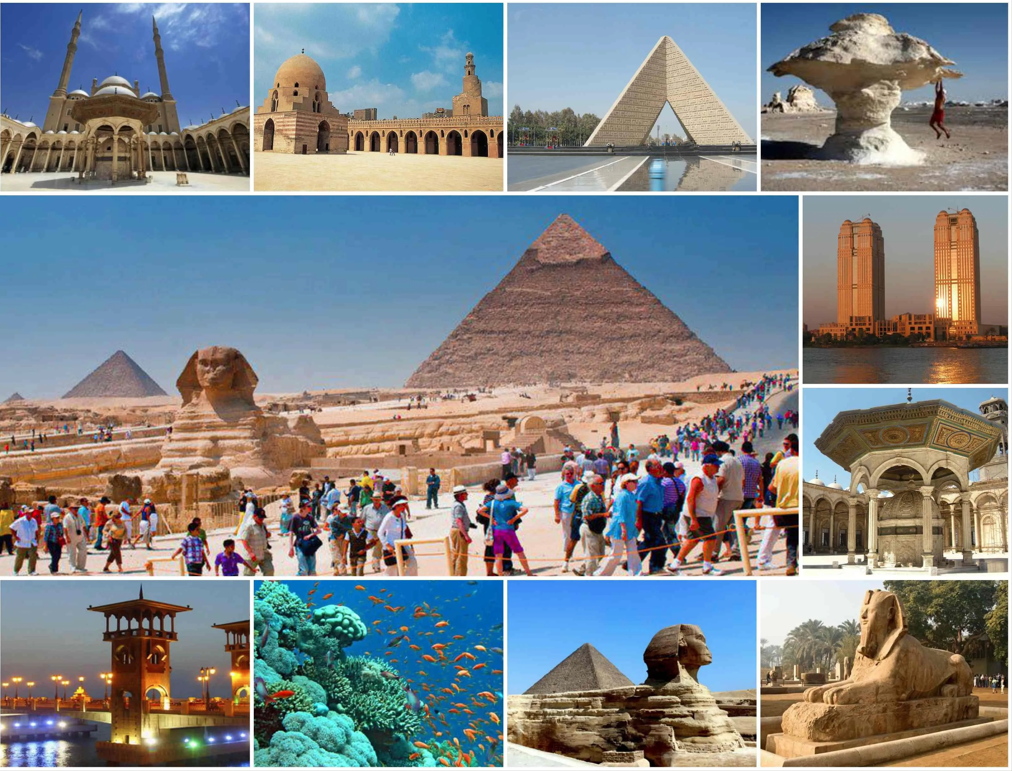
1. Learn Arabic in Cairo
Learning Arabic in Cairo offers a rich and immersive experience due to the city’s status as a cultural and educational hub. Cairo is home to numerous language schools and institutions, such as Al-Azhar University and the Kalimah Center, providing a variety of courses in both Modern Standard Arabic and Egyptian Arabic.
| Institution | Type | Focus | Est. Tuition | Duration Options | Best For |
|---|---|---|---|---|---|
| Al-Azhar University — Arabic Language Institute | University | Classical Arabic, Quranic Arabic, MSA | Low (scholarship options available) | Semester / Full year | Religious scholars, Quran students |
| American University in Cairo (AUC) — ALI Program | University | MSA + Egyptian dialect | $1,500–$3,000/semester | 8-week intensive / Semester | Academic learners, professionals |
| Cairo University | University | MSA, Arabic literature | Low | Semester / Full year | Budget-conscious university students |
| Kalimah Center | Private language school | MSA + Egyptian Arabic, Quran/Tajweed | $200–$500/month | Flexible (ongoing enrollment) | Beginners, Quran-focused learners |
| Qasid-affiliated schools | Private institute | MSA + dialect | $400–$800/month | 4–12 week intensive | Immersion-focused learners |
Practical tip: Many students combine a formal program (15–20 hours/week) with a private tutor for conversational practice ($5–$15/hour in Cairo). This combination accelerates fluency faster than either approach alone.
2. Learning Arabic in Alexandria, Egypt
Cultural and Historical Significance: Alexandria, with its Mediterranean charm, offers a slightly different dialect and cultural perspective. The city has several institutions offering Arabic courses.
Language Schools: You can find language schools and private tutors who offer tailored Arabic programs. The environment is generally more relaxed compared to Cairo.

3. Learning Arabic in Luxor and Aswan
Immersive Experience: For a more relaxed pace and to experience traditional Egyptian culture, Luxor and Aswan are excellent choices.
These cities are famous for their ancient temples and monuments.
Language Programs: While not as many options as in Cairo, you can still find language programs and private tutors. The cultural immersion here is exceptional due to the proximity to historical sites.
Experience Kalimah Center Classes
Watch real excerpts from our live sessions at Kalimah Center and see how we bring learning to life. These clips highlight our interactive, student-centered teaching approach across all our courses—designed to keep learners engaged, motivated, and actively involved every step of the way.
Master Arabic with Kalimah Center
Join our expert-led online classes and start your journey toward Arabic fluency today.
Book Your Free TrialRead also: How to move to Lebanon
Learn Arabic in Jordan: Cities, Programs & Costs
Jordan is widely regarded as the safest and most beginner-friendly country for Arabic immersion in the Middle East. Amman, the capital, has the highest concentration of programs specifically designed for foreign Arabic learners, and the Jordanian Levantine dialect is considered one of the clearest and easiest to understand.
Why choose Jordan:
- Safety: Jordan is one of the most politically stable countries in the region, with a strong track record of welcoming international students
- Program quality: Amman’s Qasid Arabic Institute and the Arabic Language Institute (ALI) are internationally recognized and specifically designed for non-native learners
- Dialect clarity: Jordanian Levantine Arabic is widely intelligible across the Levant (Syria, Lebanon, Palestine) and considered easier for beginners than Egyptian or Gulf dialects
- Community: Amman has a large international student community, making it easier to find study partners and social connections
Considerations:
- Living costs are higher than Egypt ($600–$1,000/month)
- Fewer program options outside Amman
- Gulf dialect speakers may find Levantine significantly different from their target
Read more about: Learn Arabic in Jordan
Here’s a closer look at some of the key places in Jordan where you can study Arabic:
| Institution | Focus | Est. Tuition | Duration | Best For |
|---|---|---|---|---|
| Qasid Arabic Institute | MSA + Levantine dialect | $1,000–$1,500/month | 4-week to semester-long | Serious immersion, academic track |
| Arabic Language Institute (ALI) | MSA + Jordanian Arabic | $800–$1,200/month | 6-week to full year | Structured progression, all levels |
| University of Jordan — Language Center | MSA, academic Arabic | $500–$800/semester | Semester / Full year | University students, budget option |
| Yarmouk University (Irbid) | MSA | $300–$600/semester | Semester / Full year | Budget learners, quieter setting |
Other cities: Irbid (home to Yarmouk University) offers a quieter, more affordable alternative to Amman with a strong academic environment. Jerash and Madaba are historically significant but have limited formal Arabic programs — they’re better suited as weekend excursions than primary study locations.

Read also: Learn Arabic in Malaysia: Universities, Costs & Full Guide
Learn Arabic in Lebanon: Cities, Programs & Costs
Lebanon offers several vibrant cities for learning Arabic, each with its own unique atmosphere and educational opportunities.
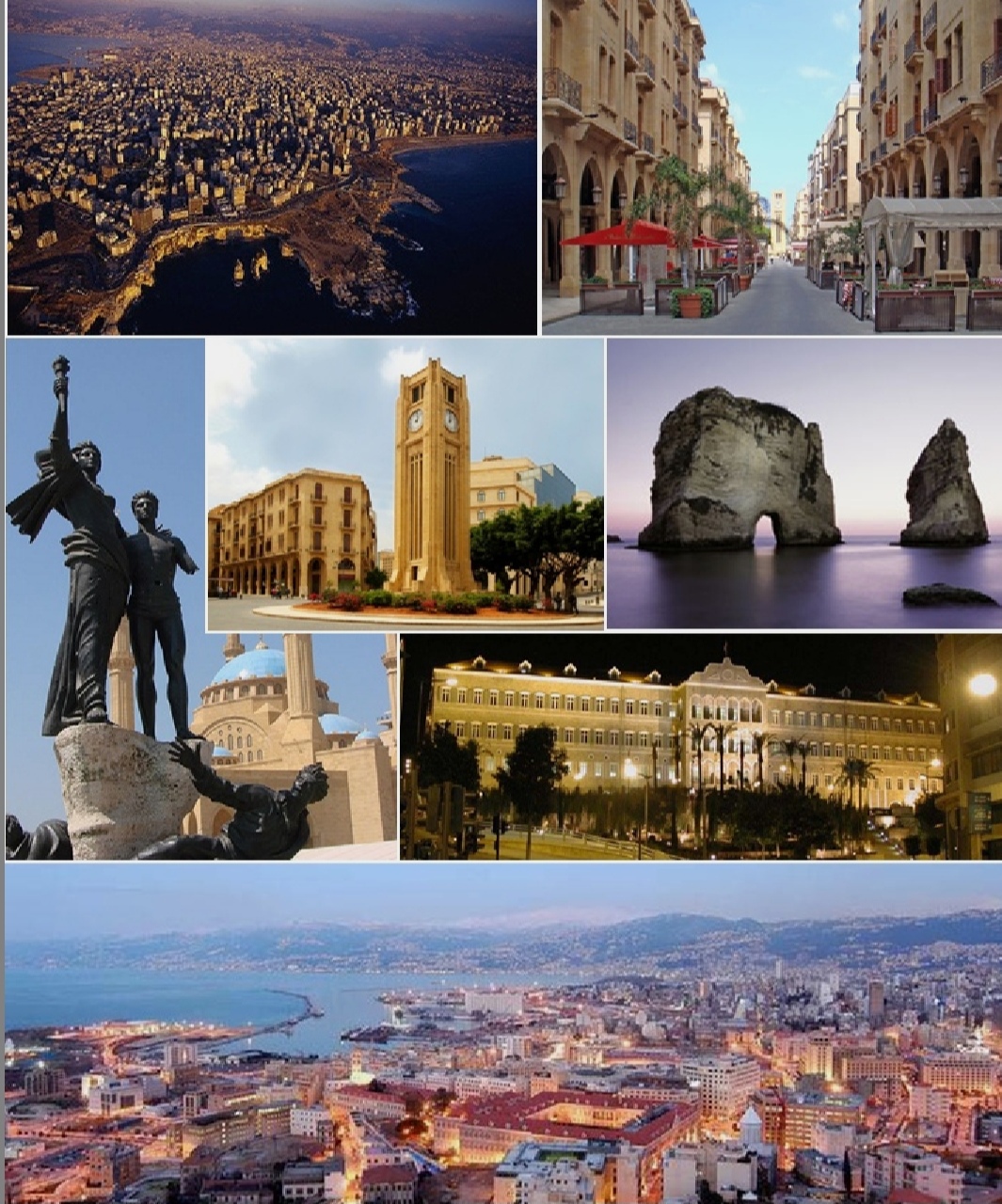
Here’s a closer look at some key places in Lebanon where you can study Arabic:
1. Beirut
Educational Institutions: Beirut, the capital and largest city, is home to several prestigious language schools and universities. The Lebanese American University (LAU) and the American University of Beirut (AUB) both offer high-quality Arabic programs. Additionally, private language institutes like the Lebanese Language Institute and the Arab Academy provide tailored Arabic courses.
Cultural and Social Life: Beirut is a bustling, cosmopolitan city known for its vibrant cultural scene, including theaters, music venues, and diverse dining options. Its rich history and dynamic social life offer ample opportunities for language practice and cultural immersion.
2. Tripoli
Historical Context: Tripoli, located in northern Lebanon, is known for its historical architecture and traditional markets. The city provides a more relaxed atmosphere compared to Beirut, with a focus on historical and cultural experiences.
Language Programs: While smaller than Beirut, Tripoli has a few language schools and private tutors that offer Arabic courses. The city’s historical setting adds a unique dimension to the learning experience.
3. Sidon (Sayda)
Cultural Heritage: Sidon, a historic port city in southern Lebanon, is known for its ancient ruins and traditional souks. It offers a more tranquil environment compared to Beirut and a deep connection to Lebanon’s historical past.
Educational Opportunities: Sidon has language schools and educational centers that offer Arabic courses. The city’s historical ambiance provides a culturally rich backdrop for learning.
4. Byblos (Jbeil)
Historical Significance: Byblos is one of the oldest continuously inhabited cities in the world, known for its ancient ruins and charming coastal setting. The city’s historical and picturesque environment adds depth to the language-learning experience.
Language Schools: Byblos offers a range of Arabic language programs through local schools and cultural institutions. The city’s serene atmosphere and historical significance make it an appealing place to study.
Read more about Arabic Language Schools In Abu Dhabi And Dubai
Learn Arabic in Saudi Arabia: Cities, Programs & Costs
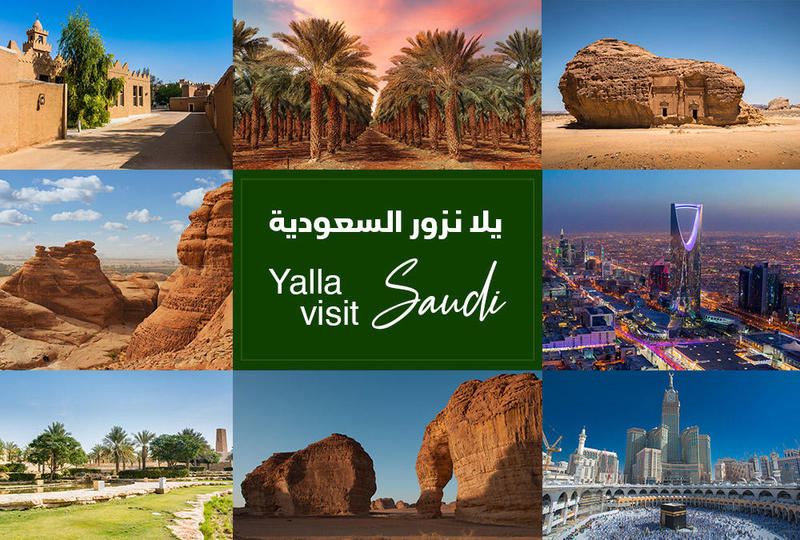
Studying Arabic in Saudi Arabia can be a unique and enriching experience, given the country’s rich cultural heritage and significance in the Arab world. Here’s a closer look at some key places in Saudi Arabia where you can learn Arabic:
1. Riyadh
Educational Institutions: Riyadh, the capital and largest city, is home to several prominent universities and language institutes. King Saud University and the Arabic Language Institute offer comprehensive Arabic language programs. Private language schools, such as the International Language Center, also provide a variety of Arabic courses.
Modern Environment: As the political and administrative center of Saudi Arabia, Riyadh is a modern city with a range of amenities and services. It offers a unique blend of traditional Saudi culture and contemporary life, providing students with a dynamic environment for learning and practicing Arabic.
2. Jeddah
Educational Opportunities: Jeddah, located on the Red Sea coast, is known for its more liberal and cosmopolitan atmosphere compared to Riyadh. The city hosts several language schools and universities, such as King Abdulaziz University, which offer Arabic language courses.
Cultural and Economic Hub: Jeddah is a major commercial center and a gateway to the Islamic holy cities of Mecca and Medina. Its vibrant port city atmosphere and diverse cultural scene make it an attractive place for language learners.
3. Mecca (Makkah)
Religious Significance: Mecca is the holiest city in Islam and attracts millions of Muslims each year for the Hajj pilgrimage. Learning Arabic in Mecca provides a deeply immersive experience, with opportunities to engage with the religious and cultural aspects of the language.
Language Programs: While Mecca is primarily a religious center, there are language institutes and private tutors available for Arabic courses. The city’s religious and historical significance adds a unique dimension to the language-learning experience.
4. Medina (Madinah)
Historical and Religious Context: Medina is another important Islamic city and is known for its historical and religious significance. The city provides a serene environment for studying Arabic, with a focus on Islamic history and culture.
Educational Institutions: Institutions like the Islamic University of Madinah offer Arabic language programs, often with a focus on classical and Modern Standard Arabic, alongside Islamic studies.
Read also: How to move to Saudi Arabia
Learn Arabic in Qatar: Cities, Programs & Costs
Qatar offers a modern, well-funded environment for Arabic study, but at significantly higher living costs than other Middle Eastern destinations. Most programs are concentrated in Doha, the capital. Qatar is best suited for learners who are already based in the country for work or who have specific professional or academic reasons to study Gulf Arabic.
Why choose Qatar:
- Modern facilities: Qatar’s educational infrastructure is state-of-the-art, with purpose-built campuses and well-resourced language centers
- Gulf dialect access: Qatar offers immersion in Gulf Arabic, valuable for professionals working in GCC business environments
- Professional networking: Doha’s international community provides networking opportunities in finance, energy, media (Al Jazeera is headquartered here), and diplomacy
Considerations:
- Cost: Qatar is the most expensive option on this list. Monthly living costs range from $1,200–$2,500, and tuition adds $500–$2,000/month
- Limited immersion outside class: Doha’s daily life is heavily English-dependent, reducing organic Arabic practice opportunities compared to Cairo or Amman
- Small program selection: Far fewer dedicated Arabic programs for foreigners compared to Egypt or Jordan
Key Arabic Programs in Doha
| Institution | Focus | Est. Tuition | Duration | Best For |
|---|---|---|---|---|
| Qatar University — Arabic Language Center | MSA + Qatari dialect | $500–$1,000/semester | Semester / Full year | University students, expatriates |
| Doha Institute for Graduate Studies | Academic Arabic (integrated with graduate programs) | Varies (scholarship options) | Full program | Graduate-level researchers |
| Al Jazeera Arabic Language Center | MSA, media Arabic | $500–$1,500/course | Short courses (4–8 weeks) | Journalists, media professionals |
Note: Al Rayyan, Lusail, and Al Khor are residential areas within Greater Doha. While community centers may offer basic Arabic classes, they don’t have standalone programs comparable to dedicated language institutes. Learners in Qatar should focus their search on Doha-based institutions.

Visa and Logistics: What You Need to Know Before You Go
Planning an Arabic study trip involves more than choosing a program. Here are the practical logistics most articles overlook:
Visas
| Country | Visa for Most Western Passport Holders | Student Visa Required? | Notes |
|---|---|---|---|
| Egypt | Visa on arrival ($25 USD) | Not for short courses; needed for 6+ months | Extendable at the Mogamma in Cairo |
| Jordan | Visa on arrival (free with Jordan Pass) | Recommended for semester+ | Jordan Pass ($70–$80) includes Petra entry |
| Lebanon | Visa on arrival (free, 1 month) | Needed for extended study | Political situation may affect policies; check current status |
| Saudi Arabia | Tourist e-visa available | Yes, for formal study programs | Must be arranged through your institution |
| Qatar | Visa on arrival (free, 30 days) | Needed for extended study | Relatively straightforward process |
Always verify current visa requirements with your country’s embassy before booking.
Accommodation
- Homestays are the gold standard for immersion. Some programs arrange them; others leave it to the student. Expect $200–$600/month depending on the country
- Shared apartments near language schools are common in Cairo ($150–$400/month), Amman ($250–$500/month), and Beirut ($300–$700/month)
- University dormitories are available at institutions like AUC, University of Jordan, and Qatar University
Health and Safety
- Get comprehensive travel insurance that covers the full duration of your stay
- Research neighborhood safety in your specific city — conditions vary block by block in cities like Cairo and Beirut
- Check your government’s travel advisory for each country before committing (especially Lebanon, which has experienced political instability)
What to Bring
- A notebook for Arabic handwriting practice (many students prefer unlined)
- A good Arabic-English dictionary app (Hans Wehr or Al-Mawrid)
- Modest clothing appropriate for conservative settings (particularly Saudi Arabia, mosques, and rural areas)
- An unlocked phone for a local SIM card — essential for daily navigation and communication
Read also: How to move to Egypt
What to Expect: Daily Life as an Arabic Student in the Middle East
Understanding what a typical day looks like helps you prepare mentally and set realistic expectations.
A typical weekday for an Arabic immersion student:
| Time | Activity |
|---|---|
| 8:00–8:30 AM | Review vocabulary from previous day (flashcards/Anki) |
| 9:00 AM–1:00 PM | Formal classes (MSA grammar, reading, writing, speaking practice) |
| 1:00–2:30 PM | Lunch — ideally at a local restaurant, ordering in Arabic |
| 2:30–4:00 PM | Homework, self-study, or private tutoring session |
| 4:00–6:00 PM | Exploration — markets, cafés, museums, or conversation with locals |
| 7:00–9:00 PM | Social activities, cultural events, or dialect practice with housemates/friends |
The immersion advantage:
The real learning happens outside class. Ordering coffee, negotiating a taxi fare, asking for directions, chatting with a shopkeeper — these daily interactions build fluency faster than any textbook. This is the primary advantage of in-country study that no online course can replicate.
Common challenges:
- Language fatigue: Your brain is processing a new language all day. Expect mental exhaustion in the first 2–4 weeks
- Dialect shock: You’ll learn MSA in class and hear something completely different on the street. This is normal and resolves as your ear adjusts
- Homesickness: Particularly for students on 3–6 month programs. Building a social network with fellow students helps significantly
- Plateau periods: After initial rapid progress, most learners hit a plateau around month 2–3. Persistence through this phase leads to the biggest breakthroughs
Read Also: Best Colleges And University To Learn Arabic With Degrees
Master Arabic with Kalimah Center
Join our expert-led online classes and start your journey toward Arabic fluency today.
Book Your Free TrialInside Kalimah Center: Moments from Our Courses
Get a glimpse into the vibrant learning experience at Kalimah Center. These snapshots capture real moments from our live classes—where students engage deeply, connect with passionate instructors, and grow in a welcoming, supportive environment.
Here Are The Reviews On Our Courses:
Our students frequently commend the excellence of our courses and the commitment shown by our instructors. You can read their complete reviews on Trustpilot.
Read more reviews on Trustpilot

Can’t Travel Yet? Start Learning Arabic Online
Not everyone can commit to months abroad — whether due to work, family, budget, or timing. If you want to build a solid Arabic foundation before an immersion trip (or as your primary learning method), structured online courses with live native tutors offer a practical alternative.
Kalimah Center has been teaching Arabic to non-native speakers since 2011, with native Al-Azhar-trained instructors and a 16-level progressive curriculum.
How online study complements in-country immersion:
- Before your trip: Build alphabet fluency, basic grammar, and survival vocabulary so you arrive ready to practice — not starting from zero
- After your trip: Maintain and build on the progress you made abroad, preventing the common post-immersion regression
- Instead of traveling: For learners who can’t relocate, consistent online sessions (2–4/week) with daily self-exposure to Arabic media produce strong results over time
Courses available:
- Online Arabic Course (16 levels, 400+ hours)
- Online Quran with Tajweed (13 levels)
- Arabic for Kids (24 levels)
Conclusion
Learning Arabic in the Middle East offers an unparalleled opportunity for linguistic and cultural immersion. The region, being the heartland of the Arabic language, provides an authentic environment where learners can engage deeply with both Modern Standard Arabic and various local dialects. From prestigious universities and specialized language centers to vibrant cultural experiences and community interactions, students benefit from high-quality education and real-world practice.
Whether you are drawn to the historic streets of Cairo, the modern skyline of Doha, or the rich cultural tapestry of Beirut, the Middle East enriches your learning journey with its diverse and dynamic setting. Embracing this immersive experience not only enhances language skills but also offers profound insights into the region’s cultural and social fabric, making it an ideal destination for anyone serious about mastering Arabic.
FAQs about Learn Arabic In The Middle East
Q1: Which Middle Eastern country is best for learning Arabic as a beginner?
Jordan is widely considered the best destination for beginner Arabic learners. Cities like Amman have well-established language institutes (Qasid, ALI) specifically designed for foreign students, the Levantine dialect is relatively clear and widely understood, the country is safe and welcoming to foreigners, and there’s a strong community of international Arabic students to connect with.
Q2: How much does it cost to learn Arabic in the Middle East?
Total costs (tuition + living) range from approximately $600–$1,500/month in Egypt to $1,700–$4,500/month in Qatar. Egypt is by far the most affordable option, with Cairo offering quality programs from $200/month and living costs among the lowest in the region. Jordan offers a mid-range option with strong program quality.
Q3: Should I learn MSA or a dialect when studying in the Middle East?
Most structured programs teach Modern Standard Arabic (MSA) as the foundation, then supplement with the local dialect. If your goal is Quranic study or academic Arabic, MSA is essential. If your goal is daily communication, the local dialect matters more. Egyptian Arabic is the most widely understood dialect globally due to Egypt’s media influence.
Q4: Do I need a visa to study Arabic in the Middle East?
It depends on the country and your nationality. Egypt offers visa-on-arrival for many nationalities (extendable for students). Jordan provides visa-on-arrival for most Western passport holders. Saudi Arabia requires a student visa arranged through your institution. Lebanon and Qatar have varying requirements. Always check the latest visa policies before booking a program.
Q5: Can I learn Arabic online instead of traveling to the Middle East?
Yes. Structured online courses with live native-speaking tutors can be highly effective — especially for learners who can’t commit to months abroad. The main advantage of in-country study is daily immersion outside the classroom. The main advantage of online study is flexibility, lower cost, and the ability to continue long-term. Many learners combine both: starting online to build a foundation, then doing a short immersion program abroad.