Egypt is one of the world’s top destinations for learning Arabic, offering programs in both Modern Standard Arabic (Fus’ha) and Egyptian dialect (‘Ammiya) at universities, private language schools, and through private tutoring. Cairo and Alexandria are the primary study cities, with programs ranging from $300–$1,500/semester at universities to $500–$2,000 for intensive institute courses.
Total monthly living costs average $600–$1,200 depending on city and lifestyle. Most students achieve basic conversational skills within 3–6 months of immersive study. International students need a student visa (Type D) arranged through their institution. Egyptian Arabic is the most widely understood dialect in the Arab world, making Egypt uniquely valuable for practical communication skills.
Key Takeaway Table:
| Factor | Details |
|---|---|
| Best cities | Cairo (most options), Alexandria (relaxed, coastal), Tanta/Luxor (immersive, fewer tourists) |
| Top institutions | Al-Azhar University, AUC Arabic Language Institute, Cairo University, ILI Cairo, Ahlan World Luxor |
| Program types | University semester courses, intensive institutes (4–12 weeks), private tutoring ($10–30/hr) |
| Monthly cost (total) | $600–$1,200 (budget) / $1,200–$2,000 (comfortable) |
| Visa | Student visa (Type D) — arranged through enrolling institution |
| Dialect learned | Egyptian Arabic (‘Ammiya) + MSA (Fus’ha) — dual exposure |
| Time to conversational | 3–6 months (immersive, full-time study) |
| Best for | Affordable immersion, Egyptian dialect, cultural depth, Quranic/Islamic studies |
Egyptian Arabic vs. MSA: What You’ll Learn (And Which to Choose)
In Egypt, you will hear different forms of Arabic. The most common is Egyptian Arabic, or ‘Ammiya (العامية), which is the language of the streets, markets, and everyday life. Egyptian Arabic is widely understood across the Arab world, thanks to Egyptian films and music.
However, you might also hear Fus’ha (الفصحى), the classical Arabic used in formal settings like schools, news broadcasts, and religious texts.
While the local people speak ‘Ammiya, they do understand Fus’ha. So, when you study Arabic in Egypt, you will have the opportunity to practice both forms. This dual exposure can be a significant advantage in mastering the language.
Best Cities to Study Arabic in Egypt
When it comes to learning Arabic, the choice of location in Egypt is crucial. Egypt has many cities, each offering its own experience for Arabic learners. However, two cities stand out as the best destinations for language studies:
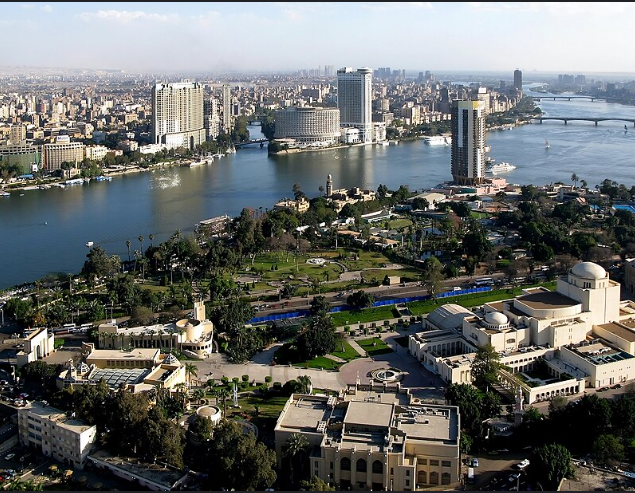
1. Cairo (القاهرة – Al-Qahirah)
Cairo is Egypt’s capital and the primary hub for Arabic language study, home to the country’s largest concentration of universities, institutes, and private tutors.
Why study in Cairo:
- Most diverse selection of Arabic programs (universities, institutes, private tutoring)
- Largest international student community — easy to find study partners and social support
- Cultural immersion unmatched anywhere: the Pyramids, Khan el-Khalili market, Islamic Cairo, the Nile
- Egyptian Arabic spoken here is the “standard” Egyptian dialect understood across the Arab world
Best neighborhoods for Arabic students:
| Neighborhood | Vibe | Rent (shared apartment) | Best For |
|---|---|---|---|
| Zamalek | Upscale island, tree-lined streets, cafés | $300–600/month | Expats, those wanting comfort and safety |
| Maadi | Suburban, quiet, green, family-friendly | $250–500/month | Families, those wanting calm study environment |
| Dokki / Mohandiseen | Central, busy, affordable, local feel | $150–350/month | Budget students wanting full immersion |
| Downtown (Wust el-Balad) | Bustling, historic, cheapest, noisy | $100–250/month | Budget travelers, those wanting maximum street Arabic |
| Garden City | Central, relatively quiet, near AUC | $200–400/month | AUC students specifically |
Practical tips for Cairo:
- Use the Cairo Metro for affordable transport (Line 3 connects major areas). Ride-hailing apps (Uber, Careem, inDrive) are essential for other routes.
- Cairo traffic is legendary — plan extra time for everything. Many students choose housing within walking distance of their school.
- Air quality varies — some students find air purifiers helpful, especially during the “black cloud” season (October–November).
- Cairo is loud, crowded, and overwhelming at first. Give yourself 2 weeks to adjust before evaluating your experience.
2. Alexandria (الإسكندرية – Al-Iskandariyah)
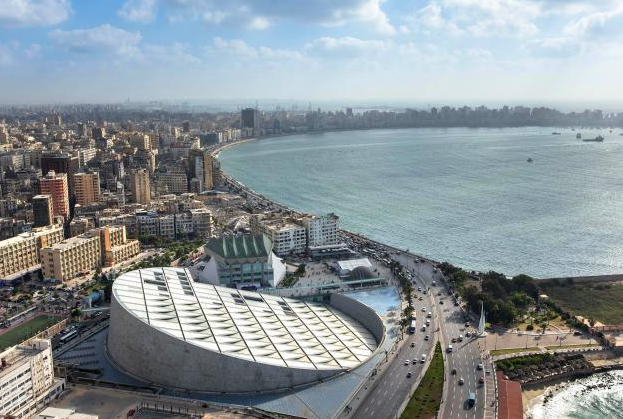
Egypt’s second city and its Mediterranean gateway. Alexandria offers a more relaxed study environment with cooler weather, seaside atmosphere, and significantly lower costs than Cairo.
Why study in Alexandria:
- 20–30% lower living costs than Cairo
- Cooler Mediterranean climate (especially welcome May–September)
- Smaller, more walkable city — easier daily navigation
- Rich historical and cultural heritage (Bibliotheca Alexandrina, Citadel of Qaitbay)
- Less overwhelming for first-time visitors to Egypt
- The Alexandrian accent has slight variations from Cairene Arabic, broadening your dialect exposure
Arabic language schools in Alexandria:
| School | Focus | Program Length | Approximate Fee | Class Size |
|---|---|---|---|---|
| Pharos University ALC | MSA + Egyptian Arabic, accredited certificates | Semester or intensive | $400–800/semester | Small groups |
| Alexandria Center for Languages | Intensive Egyptian Arabic + MSA | 4–12 weeks | $400–1,000/program | 3–8 students |
| Private tutors | Customized to your needs | Flexible | $8–15/hour | 1-on-1 |
Best neighborhoods for students in Alexandria:
| Neighborhood | Rent (shared) | Character |
|---|---|---|
| Sporting | $100–200/month | Near tram line, affordable, local feel |
| Sidi Gaber | $120–250/month | Central, good transport links |
| Stanley | $150–300/month | Upscale, beachfront, cafés |
| Cleopatra | $100–200/month | Quiet, residential, near corniche |
Alexandria vs. Cairo for Arabic study:
| Factor | Cairo | Alexandria |
|---|---|---|
| Program variety | ✅ Most options | ⚠️ Fewer, but growing |
| Cost of living | Higher | ✅ 20–30% lower |
| Climate | Hot, dusty | ✅ Cooler, Mediterranean |
| Cultural activities | ✅ Museums, markets, historic sites | Good — Bibliotheca, waterfront |
| International student community | ✅ Large | Smaller |
| Immersion intensity | ✅ Constant Arabic exposure | Good — slightly more English in tourist areas |
3. Tanta (طنطا)
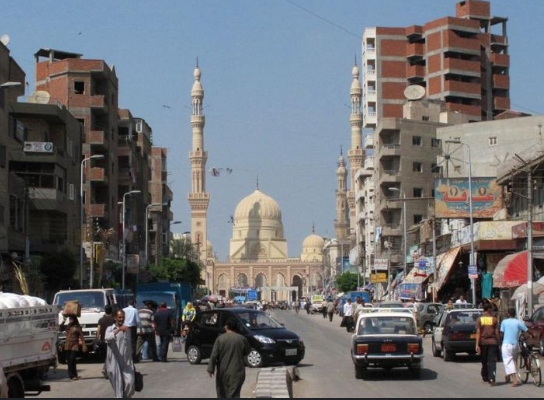
A lesser-known city, Tanta offers an authentic experience away from the touristy areas. It’s a great place for those who want to immerse themselves in local life and practice their Arabic daily with native speakers.
Types of Arabic Programs in Egypt (Compared)
When it comes to learning Arabic, Egypt offers a variety of educational options. Each has its own unique approach and advantages. Including prestigious universities like Al-Azhar and Cairo University, which offer structured courses in both classical and conversational Arabic.
On the other hand, specialized institutes, such as the Arabic Language Institute at the American University in Cairo, offer immersive programs for all levels.
Additionally, private tutoring is available for personalized learning experiences, ensuring that students can find the right fit for their language goals.
Let’s discuss each option of them in more details:
Top Universities for Arabic Study in Egypt
Studying at a university in Egypt is one of the most comprehensive ways to learn Arabic. These institutions offer structured courses, experienced faculty, and the chance to earn recognized qualifications.
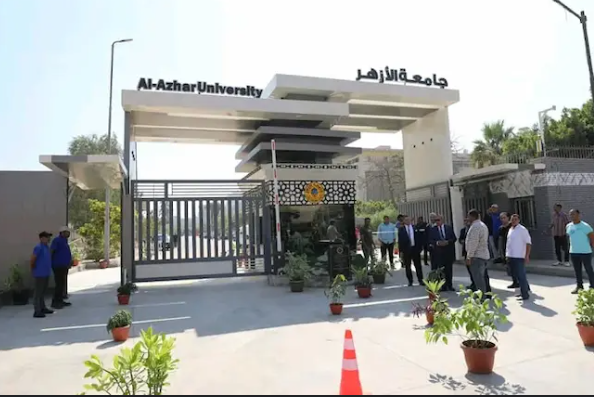
1. Al-Azhar University (جامعة الأزهر – Jami‘at Al-Azhar)
Known for its Islamic studies and Arabic language programs, Al-Azhar is one of the oldest and most prestigious universities in the world. Here, students can immerse themselves in classical Arabic and religious studies.
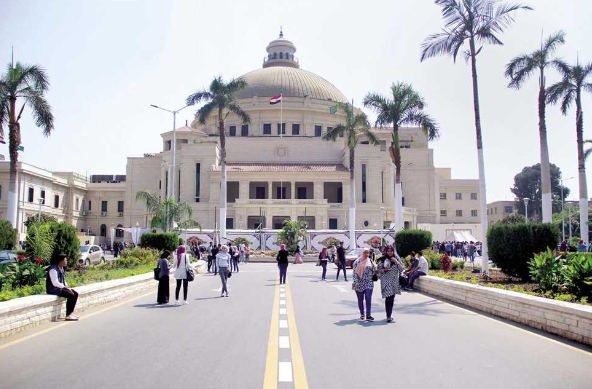
2. Cairo University (جامعة القاهرة – Jami‘at Al-Qahirah)
Cairo University offers a wide range of Arabic language programs, from beginner to advanced levels. It’s ideal for students who wish to study Arabic in an academic environment.
3. Ain Shams University (جامعة عين شمس – Jami‘at Ain Shams)
- One of Egypt’s largest public universities, founded in 1950.
- Provides comprehensive Arabic language courses, including options for beginners and advanced learners.
- Emphasizes practical language skills and cultural immersion through extracurricular activities and excursions.
4. Pharos University in Alexandria (PUA) – Arabic Language Center (ALC)
- A specialized academic center within PUA, offering accredited Arabic language certificates.
- Caters to both internal and external students, employing modern teaching methodologies to enhance language skills.
- Committed to promoting Arabic language learning and its significance in contemporary society.
Experience Kalimah Center Classes
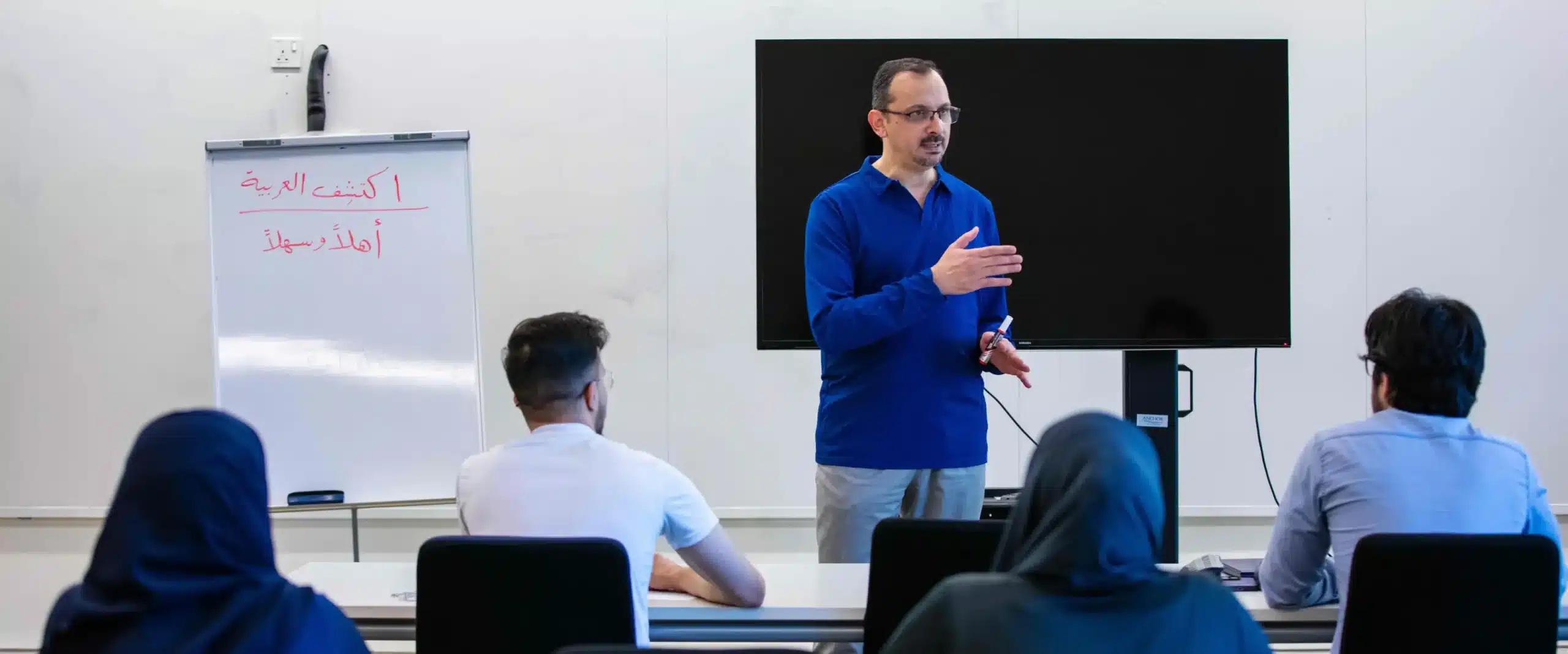
Watch real excerpts from our live sessions at Kalimah Center and see how we bring learning to life. These clips highlight our interactive, student-centered teaching approach across all our courses—designed to keep learners engaged, motivated, and actively involved every step of the way.
Master Arabic with Kalimah Center
Join our expert-led online classes and start your journey toward Arabic fluency today.
Book Your Free TrialBest Arabic Language Institutes in Egypt
For those who prefer a more focused approach, language institutes in Egypt offer specialized Arabic courses that cater to all levels.
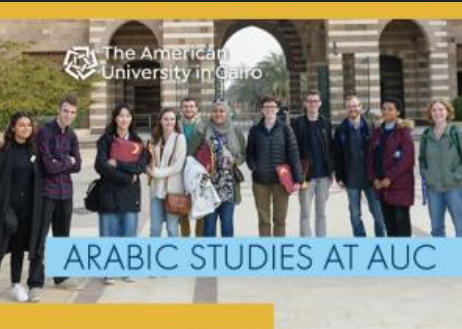
1. The Arabic Language Institute at the American University in Cairo
For non-native speakers seeking an immersive and enriching Arabic learning experience in Egypt, the Arabic Language Institute (ALI) at The American University in Cairo stands out as a premier choice.
Established in 1921, ALI offers a wide array of courses in Modern Standard Arabic (MSA) and Egyptian Colloquial Arabic, catering to learners of all levels. Their highly qualified instructors employ learner-centered approaches, fostering active engagement and practical language skills.
Situated in Cairo, ALI provides unparalleled opportunities for cultural immersion and real-life language practice. The institute also offers scholarships and boasts a distinguished alumni network.
Program Options:
- Intensive Arabic for Professionals and Non-Degree Seeking Learners
- Intensive Arabic for Diplomats
- Intensive Arabic for Summer Learners
- Arabic for Advanced Learners
- Arabic for Degree-Seeking, Non-degree and Study-Abroad Students
Beyond language instruction, ALI fosters a deeper appreciation of Arab culture through excursions, workshops, and events.
With its rich history, world-class faculty, and comprehensive programs, ALI is an ideal environment to achieve your Arabic language goals and connect with the vibrant Arab world.
2. International Language Institute (ILI) in Cairo
ILI offers flexible courses, focusing mainly on spoken Egyptian Arabic. The institute provides a friendly atmosphere, perfect for beginners.
3. Ahlan World at Luxor
Ahlan World provides comfortable accommodation within the school building, ensuring a seamless learning experience. Their experienced instructors employ engaging teaching methods, fostering a supportive and family-like environment.
Arabic Programs in Egypt: Complete Comparison Table
| Institution | City | Focus | Duration Options | Approximate Cost | Class Size | Best For |
|---|---|---|---|---|---|---|
| Al-Azhar University | Cairo | MSA + Islamic studies | Semester / year | $300–500/semester | 15–25 | Islamic scholarship, Quranic Arabic |
| Cairo University | Cairo | MSA (academic) | Semester / year | $500–1,000/semester | 15–30 | Academic Arabic, formal qualification |
| AUC Arabic Language Institute | Cairo | MSA + Egyptian Arabic | 4–8 week intensive / semester | $2,000–4,000/intensive | 8–15 | Premium instruction, professional learners |
| Ain Shams University | Cairo | MSA + practical skills | Semester | $400–800/semester | 15–25 | Affordable university option |
| International Language Institute (ILI) | Cairo | Egyptian Arabic (spoken) | 4–12 weeks | $400–1,000 | 6–12 | Conversational Arabic, beginners |
| Pharos University ALC | Alexandria | MSA + Egyptian Arabic | Semester / intensive | $400–800/semester | 8–15 | Alexandria-based study, accredited |
| Ahlan World | Luxor | MSA + Egyptian Arabic | 2–12 weeks | $300–1,500 (incl. accommodation) | 3–8 | Full immersion, small-town experience |
| Private tutoring | Any city | Customized | Flexible | $10–30/hour | 1-on-1 | Personalized learning, supplement to courses |
How to choose:
- Budget priority: Al-Azhar or Ain Shams + private tutoring supplement
- Quality priority: AUC ALI (if budget allows) or ILI + private tutor
- Immersion priority: Ahlan World (Luxor) or private tutoring in Tanta/smaller city
- Islamic studies focus: Al-Azhar (unmatched globally for this)
- Egyptian dialect focus: ILI Cairo + daily conversation with locals
- Alexandria preference: Pharos University ALC + local private tutor
Private Arabic Tutoring in Egypt: What to Expect
Private tutoring is one of the most effective and affordable options in Egypt. Here’s what to know:
| Factor | Details |
|---|---|
| Cost | $10–30/hour (in-person); $8–20/hour (online with Egypt-based tutor) |
| Where to find tutors | Through your language school, university bulletin boards, italki/Preply, Facebook expat groups, word of mouth |
| What to look for | Native speaker, experience teaching foreigners, ability to explain grammar clearly, patience |
| Best for | Pronunciation correction, conversation practice, customized curriculum, supplementing group classes |
| Format | Usually held at cafés, the tutor’s home, or your apartment. Online is also common. |
| Recommended schedule | 3–5 sessions per week alongside self-study for fastest progress |
Combining tutoring with other programs:
Many students in Egypt take a structured group course at an institute (for grammar, reading, writing) and supplement with private tutoring (for conversation and pronunciation). This combination — structured class 4–5 mornings per week + private tutor 2–3 afternoons — is widely considered the most effective intensive approach, and it’s still affordable at approximately $800–1,500/month total.
Tutor quality varies: Ask for a trial lesson before committing. A good tutor adapts to your level, corrects your pronunciation consistently, and challenges you appropriately. If a tutor switches to English frequently or can’t explain grammar rules, find someone else — Egypt has no shortage of qualified Arabic teachers.
Master Arabic with Kalimah Center
Join our expert-led online classes and start your journey toward Arabic fluency today.
Book Your Free TrialHow Long Does It Take to Learn Arabic in Egypt? (Realistic Timeline)
Living in Egypt accelerates your learning because you’re constantly surrounded by the language. You’ll hear Arabic in the streets, on TV, and even in your daily interactions with locals.
However, the time it takes to learn Arabic in Egypt depends on various factors like your current level, the amount of time you dedicate to studying, and your learning environment. On average:
- Basic Conversational Skills: 3-6 months
- Intermediate Level: 1 year
- Advanced Level: 2 years or more
Read Also: Intensive Arabic Course Online
Preparing to Live in Egypt While Studying Arabic
Moving to Egypt for Arabic study is an adventure — but preparation makes the difference between a productive experience and a frustrating one. Here’s everything you need to arrange before and upon arrival:
Before You Leave
Documents:
- Valid passport (minimum 6 months validity beyond planned stay)
- Student visa (Type D) — apply at nearest Egyptian embassy with acceptance letter from your institution
- Copies of all documents (digital and physical) stored separately from originals
- Proof of health insurance valid in Egypt
- Passport-sized photos (you’ll need these for various registrations)
Financial preparation:
- Notify your bank of travel to Egypt to prevent card blocks
- Bring $200–500 in cash (USD) for initial expenses before opening a local account
- Download ride-hailing apps (Uber, Careem, inDrive) and ensure your payment method works
- Consider a travel-friendly bank card (Wise, Revolut) for better exchange rates
Health:
- No mandatory vaccinations for Egypt, but Hepatitis A and Typhoid are recommended
- Bring a basic medicine kit (stomach medication is essential — most newcomers experience digestive adjustment)
- Arrange health insurance that covers Egypt (some programs require it; even if not, it’s strongly recommended)
Your First Week in Egypt
Immediate to-do list:
| Task | Where/How | Cost | Why |
|---|---|---|---|
| Buy a local SIM card | Vodafone, Orange, or Etisalat shops (at airport or city) | $5–10 + $3–10/month for data plan | Essential for navigation, ride-hailing, communication |
| Download essential apps | Google Maps (offline maps), Uber/Careem, Google Translate (offline Arabic pack) | Free | Navigation and daily survival |
| Register at your school | Your institution | Included in tuition | Begins your visa validation process |
| Explore your neighborhood | On foot | Free | Find grocery stores, pharmacies, restaurants, your commute route |
| Exchange money | Bank or exchange office (avoid airport rates) | — | Local currency (EGP) needed for daily life |
| Buy household essentials | Nearby supermarket (Carrefour, Seoudi) or local dukkan | $30–50 | Water, toiletries, basic cooking supplies |
Cultural Adjustment Tips
- The noise: Cairo is one of the world’s loudest cities. Bring earplugs for sleeping. You’ll adjust within 1–2 weeks.
- The pace: Things move differently in Egypt. Appointments may not start on time. Government processes take patience. Embrace the Egyptian concept of “ma’lesh” (never mind / it’s okay).
- The hospitality: Egyptians are extraordinarily friendly. If you attempt Arabic — even badly — people will encourage you, correct you gently, and possibly invite you for tea. This is your greatest learning asset.
- Haggling: Prices at markets are negotiable. Start at 30–50% of the asking price and meet somewhere in the middle. This isn’t rude — it’s expected and enjoyable.
- Dress code: Egypt is conservative, especially outside tourist areas. Modest clothing (covering shoulders and knees) is appropriate for both men and women. This is especially important near mosques and in traditional neighborhoods.
- Ramadan: If you’re in Egypt during Ramadan, expect altered schedules (many shops close during the day, cities come alive at night). It’s a beautiful time to experience Egyptian culture, but plan your study schedule accordingly.
- Water: Drink bottled water only. Avoid ice in drinks at street vendors. Tap water is safe for bathing but not for drinking.
A Typical Day Studying Arabic in Cairo
Here’s what daily life looks like for an Arabic student in Cairo:
| Time | Activity |
|---|---|
| 7:00 | Wake up. Grab foul and ta’miyya (Egyptian fava bean dish + falafel) from the street vendor downstairs for 15 EGP (~$0.50). Your first Arabic interaction of the day: “واحد فول و اتنين طعمية” (one foul and two ta’miyya). |
| 8:00 | Walk or take the metro to your language school. Listen to Egyptian Arabic podcasts during commute. |
| 8:30–12:30 | Arabic class: grammar in the morning, conversation practice, listening exercises. Your teacher switches between MSA and ‘Ammiya, and you’re starting to hear the differences naturally. |
| 13:00 | Lunch at a local koshary restaurant ($1–2 for a filling meal). Practice ordering entirely in Arabic. The waiter corrects your pronunciation and teaches you a new slang word. |
| 14:00–15:30 | Self-study at a café in Zamalek or Downtown. Review vocabulary, complete homework, write sentences. Order ahwa (coffee) in Arabic: “واحد قهوة سادة” (one plain coffee). |
| 16:00–17:00 | Private tutoring session: your tutor focuses on conversation and pronunciation correction. You discuss yesterday’s news in Arabic. |
| 17:30 | Explore: walk through Khan el-Khalili market, visit Islamic Cairo, or stroll along the Nile corniche. Every interaction is practice — asking for directions, negotiating prices, chatting with shopkeepers. |
| 19:00 | Dinner with fellow students or Egyptian friends. A mix of Arabic and English, gradually shifting toward more Arabic as weeks pass. |
| 21:00 | Watch an Egyptian TV show (with Arabic subtitles) or review the day’s vocabulary. |
| 22:00 | Message your language exchange partner on WhatsApp in Arabic. Sleep. |
The immersion effect: After 4–6 weeks of this routine, something shifts. You stop translating in your head and start thinking in Arabic — at least for simple daily tasks. Your ear adjusts to the speed of Egyptian speech. You catch jokes. You start dreaming in Arabic. This is the transformation that only living in Egypt — not just studying Arabic — provides.
Read also: How to move to Egypt
Complete Cost Breakdown: Studying Arabic in Egypt
When planning to learn Arabic in Egypt, you should consider the costs of living and studying. Here’s a rough estimate:
Monthly budget comparison by lifestyle:
| Expense | Budget Student | Comfortable Student | Premium Student |
|---|---|---|---|
| Accommodation | $100–200 (shared room, local neighborhood) | $250–400 (private room, good area) | $500–800 (private apartment, Zamalek/Maadi) |
| Tuition | $75–200 (public university or group class) | $200–500 (private institute, intensive) | $500–1,000 (AUC ALI or private 1-on-1 daily) |
| Food | $100–150 (street food + home cooking) | $200–300 (mix of restaurants and cooking) | $300–500 (restaurants, cafés, Western food) |
| Transportation | $20–40 (metro + occasional taxi) | $50–100 (ride-hailing apps) | $100–200 (regular Uber, occasional travel) |
| Phone/Internet | $10–20 (local SIM + data) | $15–25 | $20–30 |
| Social/Entertainment | $30–50 | $50–150 | $150–300 |
| Miscellaneous | $20–50 | $50–100 | $100–200 |
| MONTHLY TOTAL | $355–710 | $815–1,575 | $1,670–3,030 |
Tuition comparison by program type:
| Program Type | Duration | Cost | What’s Included |
|---|---|---|---|
| Al-Azhar University (international student) | Semester (4 months) | $300–500 | Structured MSA + Islamic studies |
| Cairo University Arabic program | Semester | $500–1,000 | Academic MSA curriculum |
| AUC Arabic Language Institute (ALI) | 8 weeks intensive | $2,000–4,000 | Premium instruction, materials, cultural activities |
| ILI Cairo (intensive) | 4 weeks | $400–800 | Spoken Egyptian Arabic focus |
| Ahlan World (Luxor) | 2–8 weeks | $300–1,200 | Immersive, accommodation included |
| Private tutoring | Per hour | $10–30/hour | Fully customized |
Hidden costs to budget for:
- Visa fees: $25 (tourist visa on arrival) or $50–100 (student visa processing)
- Initial setup: $200–400 first month (SIM card, household items, security deposit on apartment, initial groceries)
- Health insurance: $30–80/month (strongly recommended; some programs require it)
- Books and materials: $20–50 (many programs include materials; dictionaries and extra resources are additional)
- Weekend travel: $50–200/trip (visiting Luxor, Aswan, Sinai — part of the Egypt experience)
Money tips:
- The Egyptian pound (EGP) has fluctuated significantly — check current exchange rates before budgeting
- ATMs are widely available; Visa/Mastercard work at most ATMs. Notify your bank before traveling.
- Cash is king for small purchases, taxis, and market shopping
- Negotiate everything at markets — starting price is typically 2–3x the real price
Egypt vs. Jordan vs. Morocco vs. Lebanon: Where Should You Study Arabic?
| Factor | Egypt | Jordan | Morocco | Lebanon |
|---|---|---|---|---|
| Dialect | Egyptian (most widely understood) | Levantine | Darija (least understood outside North Africa) | Levantine |
| Monthly cost | $600–1,500 | $800–2,000 | $600–1,200 | $1,000–2,500 |
| MSA programs | ✅ Extensive | ✅ Extensive | ✅ Good | ✅ Good |
| Cultural immersion | ✅ Deep — 100M+ population, constant Arabic | ✅ Strong | ✅ Strong | ⚠️ Trilingual (Arabic/French/English) |
| Safety | Generally safe; standard precautions | ✅ Very stable | ✅ Stable | ⚠️ Variable — check advisories |
| Quranic/Islamic studies | ✅ Best (Al-Azhar, oldest Islamic university) | Good | Good | Limited |
| English prevalence | Low outside tourist areas (more immersion) | Moderate in Amman | Low outside Rabat/Casablanca | High (reduces immersion) |
| Student visa ease | Moderate | Easy | Easy | Moderate |
| Best for | Affordable immersion, Egyptian dialect, Islamic studies | Structured programs, Levantine Arabic, stability | Budget immersion, Darija | Levantine Arabic, cosmopolitan experience |
Bottom line: Egypt is the best choice if you want (1) the most universally understood Arabic dialect, (2) affordable study costs, (3) deep cultural immersion in a predominantly Arabic-speaking environment, or (4) Islamic/Quranic Arabic studies. Choose Jordan for stability and Levantine Arabic. Choose Morocco for budget immersion with French language bonus. Choose Lebanon for a cosmopolitan, multilingual experience.
Read Also: Best 15 Learn Arabic Courses And Classes
Working While Studying Arabic in Egypt: Rules and Options
Legal considerations:
A student visa technically does not authorize employment in Egypt. However, enforcement varies, and many international students supplement their income through informal or remote work. If you plan to work formally, you would need a separate work permit — which is difficult to obtain as a student. Remote/freelance work for clients outside Egypt occupies a gray area that many students navigate.
Common income sources for Arabic students in Egypt:
| Option | Typical Income | How to Find Work |
|---|---|---|
| Teaching English | $10–25/hour | Language schools (ILI, British Council), private tutoring, online (VIPKid, Cambly) |
| Freelance writing/design | Varies | Upwork, Fiverr, existing client relationships |
| Online tutoring (your native language) | $15–30/hour | italki, Preply, Wyzant |
| Translation | $0.05–0.15/word | ProZ, TranslatorsCafe, direct clients |
| Remote work (existing job) | Varies | Negotiate with employer before departure |
Practical tips:
- Cost of living in Egypt is low enough that 10–15 hours/week of online work can cover basic expenses
- Reliable internet is available in most Cairo neighborhoods and co-working spaces (monthly pass: $50–100)
- Teaching English in-person at Cairo language schools pays $10–15/hour; private tutoring pays $15–25/hour
- Many students arrive with 3–6 months of savings and supplement with part-time remote work
- Beware: working too many hours defeats the purpose of being in Egypt for Arabic immersion
Master Arabic with Kalimah Center
Join our expert-led online classes and start your journey toward Arabic fluency today.
Book Your Free TrialInside Kalimah Center: Moments from Our Courses
Get a glimpse into the vibrant learning experience at Kalimah Center. These snapshots capture real moments from our live classes—where students engage deeply, connect with passionate instructors, and grow in a welcoming, supportive environment.
Here Are The Reviews On Our Courses:
Our students frequently commend the excellence of our courses and the commitment shown by our instructors. You can read their complete reviews on Trustpilot.

Is it Possible to Learn Arabic at Home Without Traveling?
What if you can’t make it to Egypt? If traveling to Egypt isn’t an option for you, or maybe you want to start learning Arabic before you arrive? That’s where Kalimah Center comes in as an excellent alternative.
Kalimah Center offers online Arabic courses taught by experienced, native-speaking teachers from Egypt. These courses provide an immersive experience similar to being in Egypt:
- High-Quality Video Lessons: You’ll get to see and hear the language in action, making it easier to understand and remember.
- Interactive Exercises: Engage with exercises that simulate real-life conversations.
- Cultural Topics: Lessons are infused with cultural insights, bringing you closer to the heart of Arabic life.
With Kalimah Center’s online courses, you can dive deep into the language and culture of Egypt without the need to travel. If you’re dedicated, this experience can even surpass the need to study in Egypt.
For example, the following image from Kalimah’s curriculm shows a lively conversation between a family planning their vacation.
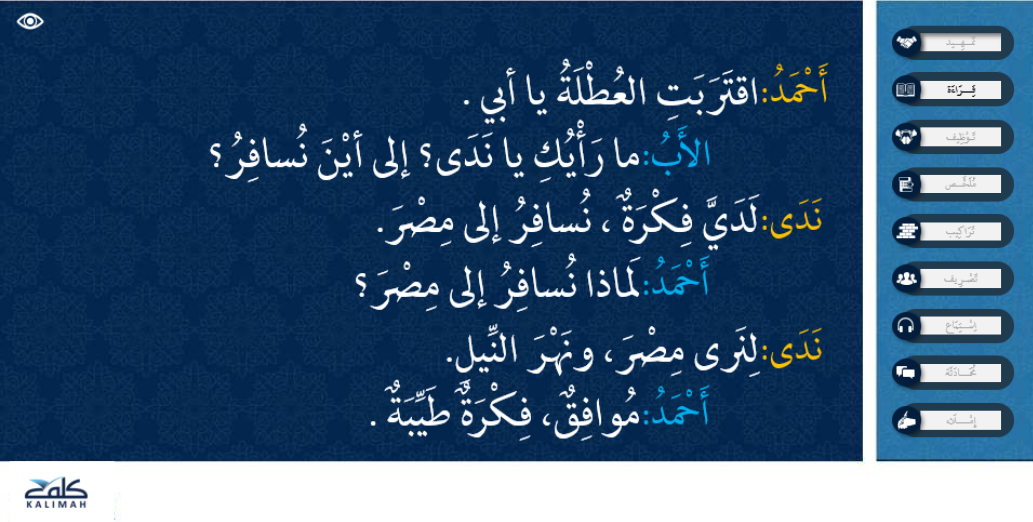
It’s a snapshot of how Kalimah Center’s immersion approach works:
- Real-Life Context: The dialogue revolves around a common family scenario – discussing vacation plans. This mirrors how Kalimah Center embeds Arabic learning in everyday life situations, making it relevant and engaging.
- Natural Interaction: The characters use Arabic naturally to express their ideas and opinions. At Kalimah Center, students are encouraged to communicate in Arabic, building fluency and confidence from day one.
- Cultural Connection: The family’s decision to visit Egypt and see the Nile River sparks curiosity about Arabic culture and geography. Kalimah Center’s Arabic Language curriculum similarly integrates cultural elements, fostering a deeper appreciation for the language.
Don’t miss this opportunity to learn Arabic from the best! Join for FREE today and experience the Kalimah Center difference.
📚 Explore Our Courses:
Online Arabic Course: Tailored to your level, our comprehensive Arabic program includes 16 teaching levels and 400+ hours of personalized sessions.
Online Quran With Tajweed Course: Perfect for non-Arabic speakers, our course spans 13 levels and equips you with Tajweed mastery from beginner to advanced.
Online Arabic Course For Kids: Nurture your child’s love for Arabic with our engaging and structured program, available in 24 levels for primary, intermediate, and secondary stages.
🚀 Start Your Free Trial Today! 🚀
Don’t miss out on this life-changing opportunity to deepen your faith and knowledge. Sign up now for your free trial and take the first step towards becoming a better practicing Muslim with Kalimah Center!
Conclusion:
In Egypt, learning Arabic goes beyond just mastering the language; it’s an immersive cultural experience. With options ranging from bustling Cairo to the relaxed atmosphere of Alexandria, students can choose environments that suit their learning styles.
Major universities like Al-Azhar and Cairo University offer comprehensive programs, while specialized institutes like the Arabic Language Institute at the American University provide tailored courses. Additionally, private tutoring and lesser-known cities like Tanta present unique opportunities for language practice.
The time and cost to learn Arabic in Egypt vary based on individual circumstances, with basic conversational skills achievable in about 3-6 months. Monthly expenses, including tuition and living costs, generally range from $1,000 to $2,000.
For those unable to travel, online platforms like Kalimah Center offer high-quality Arabic courses that capture the essence of learning in Egypt, ensuring a rich and engaging educational experience.
FAQs about Learning Arabic in Egypt
Q1: What are the most affordable Arabic language schools in Alexandria, Egypt?
Alexandria offers several budget-friendly options for Arabic study. Pharos University’s Arabic Language Center (ALC) provides accredited programs at lower costs than Cairo institutions. The Alexandria Center for Languages offers intensive Egyptian Arabic and MSA courses starting from approximately $400–800 for a 4-week program. Additionally, private tutoring in Alexandria costs $8–15/hour — significantly less than Cairo. Alexandria’s overall living costs are 20–30% lower than Cairo’s, making it Egypt’s most affordable major city for Arabic study. Shared accommodation near Stanley or Sporting neighborhoods runs $100–250/month, and daily food costs average $5–10.
Q2: Do I need a visa to study Arabic in Egypt?
Yes. International students need a student visa (Type D) for courses longer than 30 days. The process typically works through your enrolling institution:
(1) Apply and receive an acceptance letter from your school.
(2) Submit the acceptance letter, passport (6+ months validity), passport photos, proof of funds, and completed visa application to the nearest Egyptian embassy or consulate.
(3) Processing takes 1–4 weeks. For short-term courses under 30 days, many nationalities can enter Egypt on a tourist visa (available on arrival for ~$25 at the airport). Always verify current requirements with the Egyptian embassy in your country, as regulations change.
Q3: Is it safe for international students to live in Egypt while studying Arabic?
Egypt is generally safe for international students, particularly in major cities like Cairo and Alexandria where there are established expat and student communities. Standard precautions apply: avoid isolated areas at night, be aware of your surroundings, and keep copies of important documents. Cairo traffic is notoriously chaotic — use ride-hailing apps (Uber/Careem) or the metro rather than crossing busy streets. For women studying alone, Egypt is manageable but requires cultural awareness — dress modestly, especially outside tourist areas, and connect with other female students or expat groups for support. Many language schools offer orientation programs that cover safety and cultural norms for new arrivals.
Q4: Should I learn Egyptian Arabic or Modern Standard Arabic in Egypt?
Ideally, both — and Egypt is one of the few places where you can practice both naturally. Start with MSA (Fus’ha) for the grammatical foundation, reading ability, and formal communication skills that apply across all Arab countries. Simultaneously learn Egyptian Arabic (‘Ammiya) for daily conversation, market negotiation, making friends, and real-life communication. Most Egyptian language programs offer dual-track instruction. If you must choose one: Egyptian Arabic gives you immediate practical communication with Egyptians and is the most widely understood dialect in the Arab world. MSA gives you the foundation for reading, writing, and formal contexts everywhere.
Q5: How do I find accommodation while studying Arabic in Egypt?
Most language institutes help arrange housing. Common options:
(1) School-arranged housing — many institutes offer homestays ($200–400/month) or partner with nearby apartment buildings.
(2) Shared apartments — find roommates through school bulletin boards, Facebook groups (“Expats in Cairo,” “Flat Sharing Cairo”), or OLX Egypt. Cairo neighborhoods popular with language students: Zamalek (upscale, expat-friendly, $300–600/month), Maadi (suburban, quiet, $250–500/month), Dokki/Mohandiseen (central, affordable, $150–350/month), Downtown (bustling, cheapest, $100–250/month). In Alexandria: Sporting, Sidi Gaber, Stanley ($100–300/month).
(3) Homestay with an Egyptian family — the best option for immersion; some schools arrange this specifically.