In a nutshell: Arabic cases (Iʻrab) use specific vowel endings to indicate the role of words in a sentence, such as Nominative for subjects, Accusative for direct objects, and Genitive for words following prepositions. Special cases like the Jussive apply in commands or conditional phrases.
As the renowned orientalist Carl Brockelmann observed, the geographic isolation of the Arabian Peninsula played an important role in preserving the integrity of Arabic and its unique linguistic features, including Arabic cases Iʻrab الإعراب.
Arabic cases Iʻrab الإعراب is a system that is not merely a set of rules; rather, it is a dynamic tool that facilitates clear communication and nuanced expression in Arabic.
Also, the great grammarian Sibawayh recognized the significance of Iʻrāb, emphasizing its role in establishing grammatical relationships between words and ensuring the construction of well-formed sentences.
Arabic Cases – Al-I‘rab (الإعراب)
The term الإعراب (Al-I‘rāb) refers to the system of grammatical endings in Arabic that indicate the case of a word in a sentence. These endings, which are found on nouns, adjectives, and verbs, change depending on the word’s role in the sentence.
These case endings are what we call “grammatical markers” (علامات الإعراب / ʿalamat al-iʿrab).
Types of Case Endings in Arabic Grammar?
Arabic employs two main types of grammatical markers in Arabic grammar:
1. Primary Grammatical Markers in Arabic Grammar (علامات أصلية)
These are the short vowels (حركات):
- Ḍammah ( ُ ): for Raf’ (Nominative case)
- Fatḥah ( َ ): for Nasb (Accusative case)
- Kasrah ( ِ ): for Jarr (Genitive case)
- Sukūn ( ْ ): for Jazm (Jussive case)

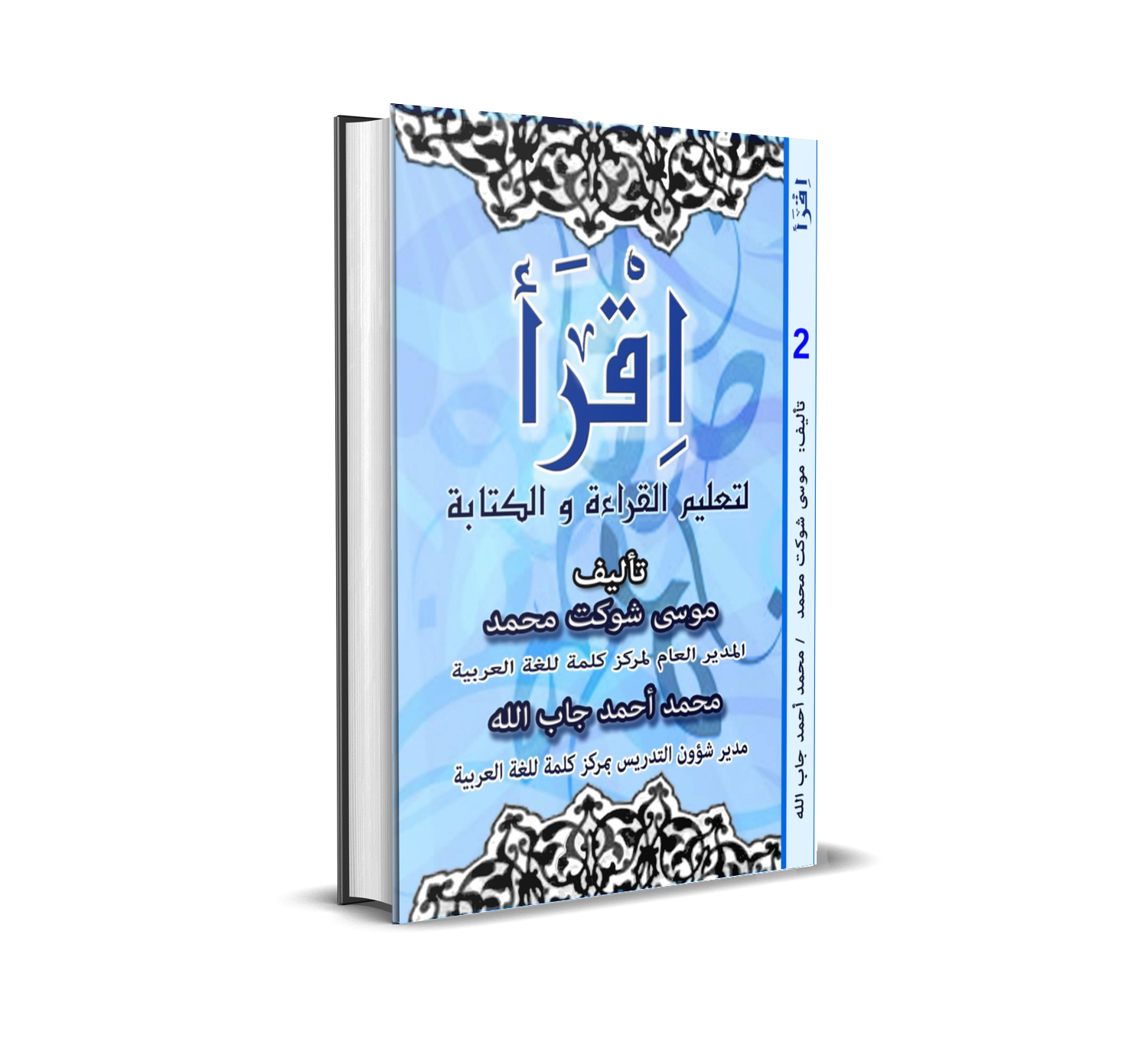
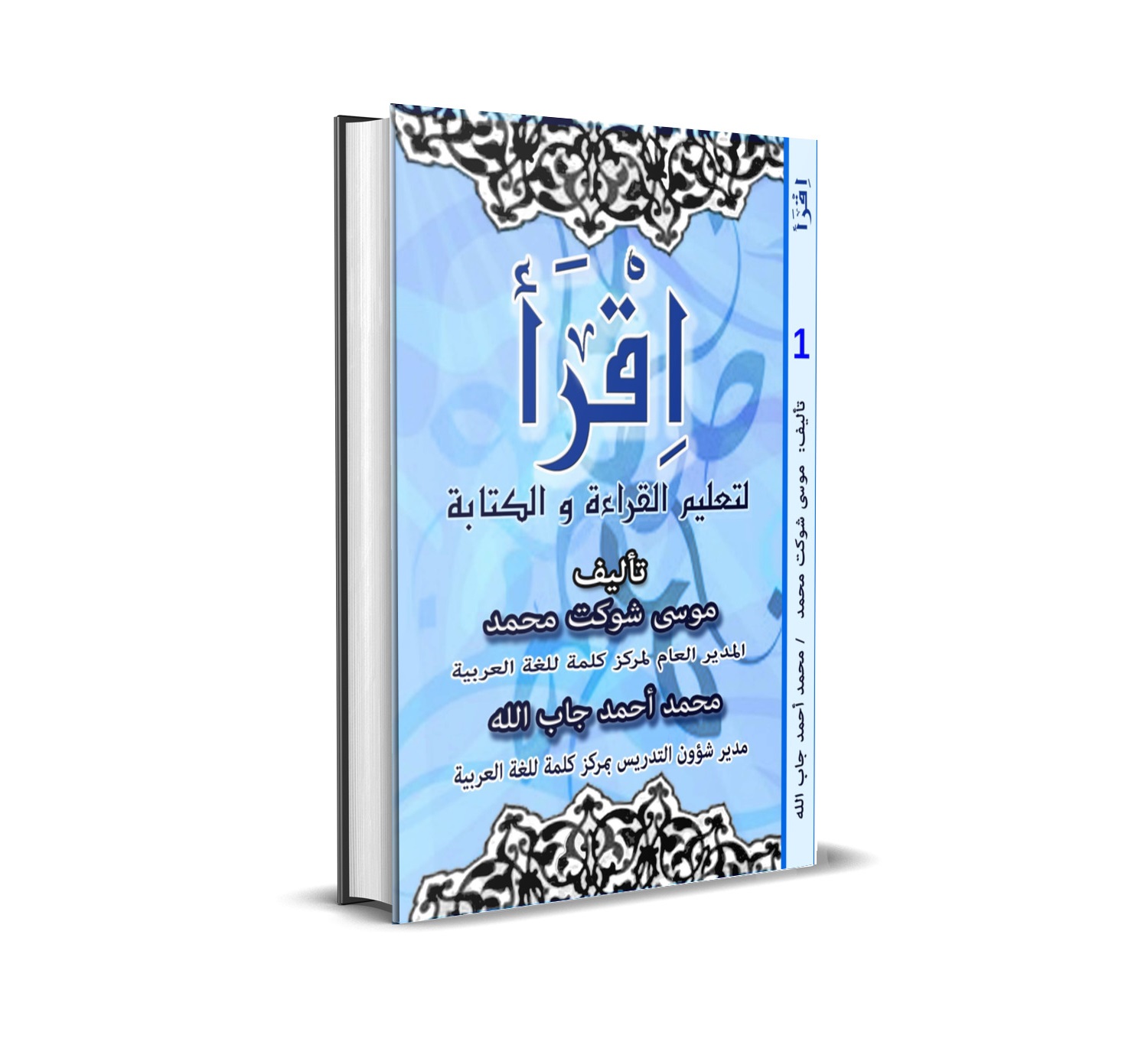
* From Kalimah’s Iqraa book, the key resource we use in our online Arabic course.
At Kalimah Center, we break Arabic cases down into manageable steps, ensuring every learner feels confident and supported.
Join us for a FREE trial class today to experience a structured and effective way to learn Arabic!

2. Secondary Grammatical Markers in Arabic Grammar (علامات فرعية)
These markers step in when the primary markers can’t be used due to the word’s form or grammatical rules. They include:
- Alif ( ا ): Used in the dual (for two things) and the “five nouns” (father, brother, etc.) in certain cases.
- Waw ( و ): Used in the sound masculine plural and the “five nouns” in certain cases.
- Yā’ ( ي ): Used in the dual, sound masculine plural, and the “five nouns” in certain cases.
- Retention of Nun ( ثبوت النون ): Used in certain verb forms.
- Deletion of Nun ( حذف النون ): Used in certain verb forms.
- Deletion of a Final Vowel ( حذف حرف العلة ): Used in verbs with a final weak letter (و or ي).
How Many Cases Are in Arabic Grammar?
Arabic grammar revolves around three primary cases for nouns and adjectives: Nominative (الرفع / Al-Raf‘), Accusative (النصب / Al-Naṣb), and Genitive (الجر / Al-Jarr). Additionally, Arabic verbs have a special case, such as the Jussive (الجزم / Al-jazm).
Let’s explore these cases in detail.
1. The Nominative Case in Arabic (الرفع / Al-Raf‘)
The nominative case in Arabic marks the subject of a verb, the predicate of a nominal sentence, or a noun in specific grammatical constructs. The nominative case is identified by a ضمة (ḍamma) on the last letter of the word, or a double ḍamma (ـٌ / -un) for indefinite nouns.
| Type | Example | Explanation |
| Singular | مُحَمَّدٌ | Subject, ends with -un. |
| Dual | مُعَلِّمَانِ | Dual form ends with -āni. |
| Plural (Regular) | مُعَلِّمُونَ | Masculine plural ends with -ūna. |
| Plural (Irregular) | كُتُبٌ | Irregular plural, ends with -un. |
مُحَمَّدٌ رَسُولُ اللَّهِ
“Muhammad is the messenger of Allah.”
- مُحَمَّدٌ (Muḥammad-un) is the subject (مرفوع), marked with a double ḍamma because it is indefinite.
- رَسُولُ (rasūlu) is also nominative as the predicate of the sentence.
Another Example:
الشِّعْرُ جُزْءٌ مِنَ الثَّقَافَةِ العَرَبِيَّةِ
“Poetry is a part of Arab culture.”
- الشِّعْرُ (al-shi‘ru) is the subject (مرفوع) of the nominal sentence.
- جُزْءٌ (juz’-un) is the predicate, also in the nominative case.
2. The Accusative Case in Arabic (النصب / Al-Naṣb)
The accusative case in Arabic is used for direct objects, adverbs, and objects of specific prepositions. The accusative case is marked by a فتحة (fatḥa) on the last letter or double fatḥa (ـًا / -an) for indefinite nouns.
قَرَأْتُ كِتَابًا
“I read a book”
- كِتَابًا (kitāban) is the direct object (منصوب), marked by double fatḥa for being indefinite.
| Type | Example | Explanation |
| Singular | كِتَابًا | Direct object, ends with -an. |
| Dual | مُعَلِّمَيْنِ | Dual form ends with -ayni. |
| Plural (Regular) | مُعَلِّمِينَ | Masculine plural ends with -īna. |
| Plural (Irregular) | أَقْلَامًا | Irregular plural, ends with -an. |
3. The Genitive Case in Arabic (الجر / Al-Jarr)
The genitive case is used for nouns following prepositions or in possessive constructions. The genitive case is marked by a كسرة (kasra) or double kasra (ـٍ / -in) for indefinite nouns.
قلمُ المعلمِ
The teacher’s pen.
- المعلمِ is genitive as part of a possessive construct (إضافة).
Also, Arabic prepositions always require the genitive case for the noun following them:
فِي الْكِتَابِ
“In the book.”
- الْكِتَابِ (al-kitābi) is genitive due to the preposition فِي (fi).
A Summary Chart of the Three Primary Arabic Cases
| Case | Marker | Function | Example |
| Nominative | -u / -un | Subject or predicate | الطَّالِبُ مُجْتَهِدٌ |
| Accusative | -a / -an | Direct object or adverb | كَتَبْتُ رِسَالَةً |
| Genitive | -i / -in | After prepositions or in possessive | قَلَمُ الطَّالِبِ |
Experience Kalimah Center Classes
Watch real excerpts from our live sessions at Kalimah Center and see how we bring learning to life. These clips highlight our interactive, student-centered teaching approach across all our courses—designed to keep learners engaged, motivated, and actively involved every step of the way.
Master Arabic with Kalimah Center
Join our expert-led online classes and start your journey toward Arabic fluency today.
Book Your Free TrialRead also: Types of Laam in Arabic Grammar And Their Rules And Usages With Examples
What Are the Special Cases in Arabic?
In addition to the three primary cases (Nominative, Accusative, and Genitive), Arabic has another special case: the Jussive (الجزم / Al-jazm)
The Jussive case is unique to verbs and typically appears in two key contexts:
- In negative commands.
- In conditional or subjunctive sentences.
How to Identify The Jussive Case (المجزوم / Al-Majzūm)
The hallmark of the Jussive case is the absence of a vowel marker (سكون / Sukūn) on the last letter of regular verbs. For weak verbs (الأفعال الناقصة), the final letter may be dropped.

* Sukoon Lesson From Kalimah’s Iqraa book that is used in our online Arabic course.
لَا تَكْذِبْ
“Do not lie.”
- The verb تَكْذِبْ (takdhib) is in the Jussive case because it follows the negative imperative لَا (lā). The سكون (sukūn) on the final بْ (b) indicates this.
مَنْ يَفْعَلْ خَيْرًا يُجْزَ بِهِ
“Whoever does good will be rewarded for it.”
- يَفْعَلْ (yaf‘al) is Jussive because it’s part of a conditional clause (مَنْ / man).
Arabic Cases Examples
Seeing more examples is the best way to understand how Arabic cases work, you will learn I’rab by seeing it in action.
1. Arabic Cases Examples from Everyday Conversations
“هذا التمرُ لذيذٌ“
(Hādha at-tamru ladhīdhun)
“This date is delicious.”
- Notice how “at-tamru” (the date) has a ḍammah because it is the subject of the sentence.
“أريدُ تمرًا”
(Urīdu tamran)
“I want dates.”
- Here, “tamran” (dates) has a fatḥah because it is the object of the verb “urīdu” (I want).
2. Arabic Cases Examples From the Quran
“اهدِنَا الصِّرَاطَ المُستَقِيمَ”
(Ihdina aṣ-ṣirāṭa al-mustaqīma)
“Guide us to the straight path.”
- “aṣ-ṣirāṭa” (the path) has a fatḥah because it is the object of the verb “ihdinā” (guide us).
- “al-mustaqīma” (the straight) has a fatḥah because it describes “aṣ-ṣirāṭa” and follows its case.
3. Arabic Cases Examples From News Headlines
Even in modern media, you see I’rab at work. Look at this headline:
“الرئيسُ يُلقي خطابًا هامًّا”
(Al-ra’īsu yulqī khitāban hāmmāan)
“The president delivers an important speech.”
- “Al-ra’īsu” (the president) has a ḍammah because it is the subject.
- “khitāban” (speech) has a fatḥah because it is the object of the verb “yulqī” (delivers).
- “hāmmāan” (important) has a fatḥah because it describes “khitāban” and follows its case.
Arabic Case Endings Exercises
Here are some exercises we have prepared for you to strengthen your understanding:
Exercise 1: Identify the Case
Read the following sentences and identify the case of the underlined words. Remember to consider the context and function of each word.
- ذَهَبَ الْوَلَدُ إِلَى الْمَدْرَسَةِ (Dhahaba al-waladu ilā al-madrasati) – The boy went to school.
- قَرَأَتْ الْبِنْتُ كِتَابًا جَدِيدًا (Qara’at al-bintu kitāban jadīdan) – The girl read a new book.
- سَمِعْتُ صَوْتَ الْعُصْفُورِ (Sami’tu ṣawta al-‘uṣfūri) – I heard the bird’s sound.
- شَرِبَ الْرَجُلُ الْقَهْوَةَ فِي الْمَقْهَى. (The man drank coffee in the cafe.)
Exercise 2: Fill in the Blanks
Complete the following sentences by filling in the blanks with the correct case ending.
- رَأَيْتُ ______(رَجُلٌ) فِي السُّوقِ (Ra’aytu _______ (rajulun) fī al-sūqi) – I saw a man in the market.
- كَتَبَ الْمُهَنْدِسُ _______ (رِسَالَةٌ)ا (Kataba al-muhandisu _______ (risālatun)) – The engineer wrote a letter.
- هَذِهِ هِدِيَّةٌ لِ _______ (صَدِيقٌ)ا (Hadhihi hidīyatun li _______ (ṣadīqun)) – This is a gift for a friend.
- سَافَرْتُ مَعَ _______ (أُسْرَةٌ)ا (Säfartu ma’a _______ (usratun)) – I traveled with a family.
- الْقِطَّةُ تَنَامُ فَوْقَ _______ (شَجَرَةٌ)ا (Al-qiṭṭatu tanāmu fawqa _______ (shajaratun)) – The cat sleeps on top of a tree.
Master Arabic with Kalimah Center
Join our expert-led online classes and start your journey toward Arabic fluency today.
Book Your Free TrialInside Kalimah Center: Moments from Our Courses
Get a glimpse into the vibrant learning experience at Kalimah Center. These snapshots capture real moments from our live classes—where students engage deeply, connect with passionate instructors, and grow in a welcoming, supportive environment.
Here Are The Reviews On Our Courses:
Our students frequently commend the excellence of our courses and the commitment shown by our instructors. You can read their complete reviews on Trustpilot.

Want to REALLY Understand Arabic Case Endings?
At Kalimah Center, we offer in-depth courses that simplify even the most advanced grammar topics. Our online Arabic courses offer:
- Our teachers will simplify the rules of Iʻrab for you.
- You’ll practice Iʻrab with engaging activities.
- You’ll learn to use case endings in reading, writing, and speaking.
📚 Explore Our Courses:
Online Arabic Course: Tailored to your level, our comprehensive Arabic program includes 16 teaching levels and 400+ hours of personalized sessions.
Online Quran With Tajweed Course: Perfect for non-Arabic speakers, our course spans 13 levels and equips you with Tajweed mastery from beginner to advanced.
Online Arabic Course For Kids: Nurture your child’s love for Arabic with our engaging and structured program, available in 24 levels for primary, intermediate, and secondary stages.
🚀 Start Your Free Trial Today! 🚀
Don’t miss out on this life-changing opportunity to deepen your faith and knowledge. Sign up now for your free trial and take the first step towards becoming a better practicing Muslim with Kalimah Center!
Sign up for a free trial class now!
Former students praise our step-by-step approach to learning Arabic.

Conclusion:
Arabic cases (Iʻrab الإعراب) are an essential part of the language’s grammar, indicating the role of words in a sentence through case endings. There are three primary cases: Nominative (الرفع), Accusative (النصب), and Genitive (الجر), each marked by specific vowel endings.
Nominative case is used for the subject, accusative for direct objects, and genitive for words following prepositions. Special cases like the Jussive (الجزم) are used in negative commands or conditional sentences. The system also involves primary grammatical markers (short vowels) and secondary markers like Alif (ا), Waw (و), and Yā’ (ي) for specific forms.
In Arabic grammar, the dynamic nature of Iʻrab enhances clarity and expression. As words change their endings, they reflect their grammatical roles in the sentence, which is crucial for precise communication. For example, in the sentence “مُحَمَّدٌ رَسُولُ اللَّهِ” (Muhammad is the messenger of Allah), “مُحَمَّدٌ” (Muhammad) is in the nominative case.
FAQs about Arabic Cases (Iʻrab الإعراب)
Q1: What is I’rab (الإعراب) in Arabic grammar?
A: I’rab (الإعراب) is the Arabic grammatical case system where the vowel endings of nouns, adjectives, and verbs change to indicate their structural role in a sentence. Historically emphasized by grammarians like Sibawayh, I’rab acts as a dynamic tool that establishes grammatical relationships to ensure clear communication and precise meaning.
Q2: What are the three primary Arabic cases for nouns?
A: The three primary Arabic cases for nouns and adjectives are the Nominative case (الرفع / Al-Raf‘) marked by a ḍammah, the Accusative case (النصب / Al-Naṣb) marked by a fatḥah, and the Genitive case (الجر / Al-Jarr) marked by a kasrah. These short vowels serve as the language’s primary grammatical markers.
Q3: How do you identify the Nominative case (Al-Raf‘) in Arabic?
A: The Nominative case (الرفع) typically marks the subject of a verb or the predicate of a nominal sentence. It is identified by a ḍammah ( ُ ) on the final letter of a definite singular noun, or a double ḍammah (ـٌ / -un) if the noun is indefinite, such as in “مُحَمَّدٌ” (Muḥammad-un).
Q4: When is the Genitive case (Al-Jarr) used in Arabic grammar?
A: The Genitive case (الجر) is strictly used for nouns that either follow an Arabic preposition (like فِي or إِلَى) or function as the second part of a possessive construct, known as Idafah (إضافة). Its primary grammatical marker is a kasrah ( ِ ) or double kasrah (ـٍ / -in).
Q5: What is the Jussive case (Al-Jazm) in Arabic?
A: The Jussive case (الجزم / Al-jazm) is a special grammatical case unique to Arabic verbs. It is typically triggered in negative commands following “لَا” (lā) or within conditional sentences. Regular verbs in the Jussive case drop their final vowel and are marked by a sukūn ( ْ ).