In a nutshell: Relocating to Bahrain offers a chance to embrace its warm culture and diverse opportunities. Begin by obtaining a suitable visa, like the Golden Residency Visa, and secure housing in sought-after neighborhoods such as Manama. While enjoying tax-free income and modern amenities, be mindful of potential challenges like high living costs and scorching summers.
Bahrain is tiny geographically, but its people’s generosity is immense, making them beloved across the Arab world. I am from the Arab world, and I want to share with you what I know, so you can settle in smoothly and enjoy your new life in Bahrain.
How to Move to Bahrain: Quick Guide
To relocate to Bahrain, first secure a residency permit, such as the Golden Residency Visa for investors or a standard work visa sponsored by an employer. Next, find housing in expat-friendly neighborhoods like Juffair or Amwaj Islands.
Finally, complete post-arrival essentials: undergo a medical checkup, register for a CPR (Smart Card) ID, and open a local bank account.
Step-by-Step Guide: Relocating to Bahrain
Bahrain is a beautiful country with friendly people and many opportunities for work and business. I will explain how you can relocate to Bahrain and what to expect. I will also share some useful tips that will make your move easier.
1. Navigating Bahrain Visa Requirements & Residency
Most expats enter Bahrain through an employer-sponsored work visa, handled via the Labour Market Regulatory Authority (LMRA). However, for those seeking independence, the Bahrain Golden Residency Visa is a game-changer. This long-term renewable visa allows you to reside without an employer sponsor.
To qualify via investment, you must own property valued at a minimum of 200,000 BHD (approx. $530,000). Alternatively, retirees with a monthly income of 4,000 BHD, or highly talented individuals, may also apply. Always verify the latest requirements through the official Nationality, Passports and Residence Affairs (NPRA) portal.
A. Standard Work Visa (Employment Visa)
For the vast majority of expats, the journey begins with the Standard Work Visa. Unlike the self-sponsored options, this route requires a confirmed job offer from a Bahraini company, which acts as your legal sponsor. Your employer handles most of the application process through the Labour Market Regulatory Authority (LMRA), securing your Work Permit and Residence Permit.
Once you arrive in Bahrain, you will undergo a mandatory medical check-up and biometric fingerprinting to finalize your residency and obtain your CPR (Central Population Registry) card, which serves as your official ID for all government and banking services.
B. Bahraini Golden Residency Visa
This visa is for those who want to stay in Bahrain for up to 10 years. It’s renewable and allows you to live, work, and even invest in Bahrain. There are different ways to qualify:
- Property investors: If you buy property worth 200,000 Bahraini Dinars (around $530,000), you can apply.
- Resident employees: If you have worked in Bahrain and earned at least 2,000 BD ($5,300) per month for 5 years, you qualify.
- Retirees: If you retired and earned at least 4,000 BD ($10,600) per month before retirement, you can also apply.
C. Bahraini Platinum Residency Visa
This visa is even better if you want more flexibility. You can live anywhere in Bahrain, even in areas where others cannot buy property. But to get this visa, you need to have lived in Bahrain for at least 15 years and have a monthly income of at least 4,000 BD ($10,600) for 5 years. Also, you need a good conduct certificate to show you have no criminal record.
Both visas are good options, but if you are new to Bahrain, I recommend starting with the Golden Visa. It is easier to get, especially if you are an investor or planning to work in Bahrain.
2. Housing and Best Neighborhoods in Bahrain for Expats
When house hunting on platforms like Property Finder Bahrain, you will encounter two types of rental contracts: “Inclusive” and “Exclusive.”
Inclusive means your rent covers municipality fees and EWA (Electricity and Water Authority) bills, usually up to a specific cap (e.g., 30 BHD).
Exclusive means you pay these utility bills separately. For families, compounds in areas like Saar offer shared facilities like pools and gyms, providing a secure community feel that is highly sought after by Western expats.
Many people prefer living in Manama, the capital city, because it is close to business areas, shopping malls, and restaurants. Areas like Juffair and Adliya are popular with expats, with Juffair being home to many Westerners and the US Navy base. Adliya is known for its trendy cafes and restaurants.
If you prefer a quieter lifestyle, Saar or Riffa might be a better fit. Saar is a popular area for families, with lots of villas and compounds. Riffa is a bit more traditional, with a mix of villas and apartments.
Amwaj Islands is a man-made island with a more luxurious feel. It’s a popular choice for those who enjoy waterfront living and a more exclusive community.
Now, let’s look for your new home!
Here are some ways to find places to rent in Bahrain:
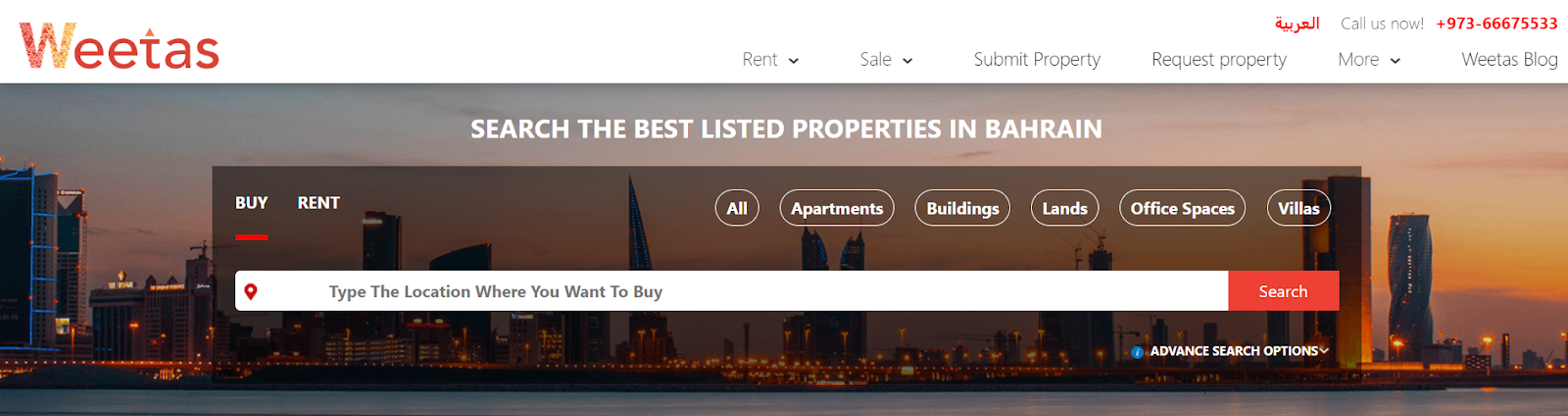
- Online: Websites like propertyfinder.bh and weetas.com are popular resources for finding properties in Bahrain. You can filter your search by location, price, number of bedrooms, and other criteria.
- Real estate agents: A local real estate agent can help you find properties that match your needs and budget. They can also assist with the paperwork and legal aspects of renting.
What’s your budget?
Bahrain has a range of housing options to suit different budgets.
- Apartments: You can find studios for around 250-350 Bahraini Dinars (BHD) per month, while larger apartments with multiple bedrooms can range from 500 to 1000 BHD or more, depending on the location and amenities.
- Villas: Villas are more expensive, starting around 1000 BHD per month and going up to 3000 BHD or more for larger, more luxurious properties.
The Golden Visa allows you to buy property in certain areas. So, if you want to invest in real estate, you can find a nice place to live and make a good investment for the future.
Read also: How to move to Qatar
3. Essential Logistics: Banking, IDs, and Utilities
After you move to Bahrain, there are many things to think about. You will need to open a bank account, get a local phone number, and maybe register your car. But don’t worry, Bahrain makes these things easy. Most government services are available online, so you can do many things from your home.
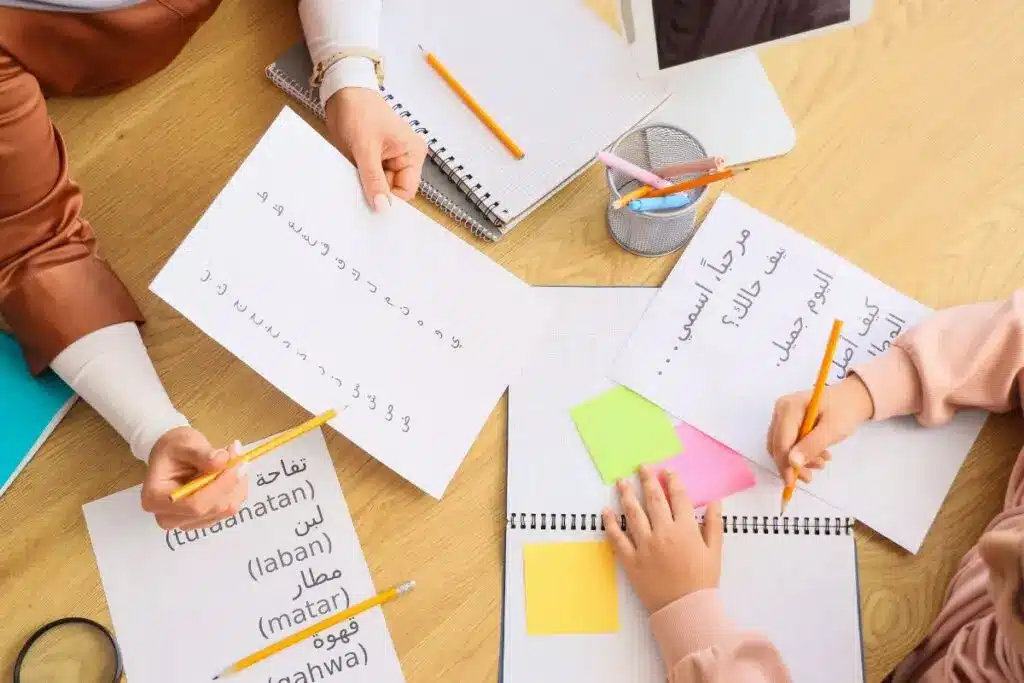
The language spoken in Bahrain is العربية (Al-Arabiya, Arabic), but many people also speak English. Still, I recommend learning some basic Arabic to make your daily life easier. For example, when you go to the supermarket, it helps to know words like:
- بصل (basal) – onion
- طماطم (tamatem) – tomato
- خيار (khiyar) – cucumber
- ملح (milh) – salt
- سكر (sukkar) – sugar
- طبق بيض (tabaq bayd) – a dish of eggs / a plate of eggs
- يدفع (yadfa’u) – he pays / to pay
- علبة (ulba) – box / can / package
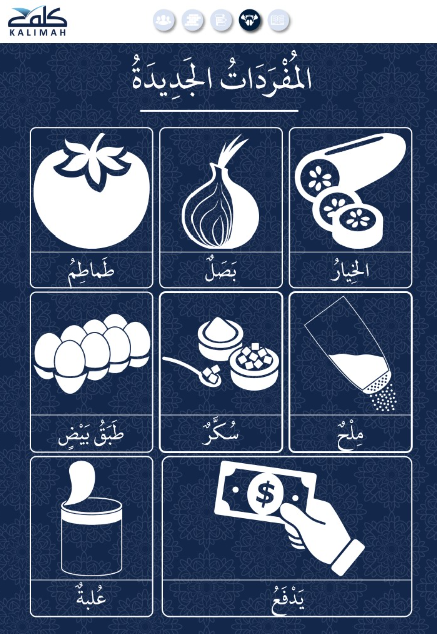
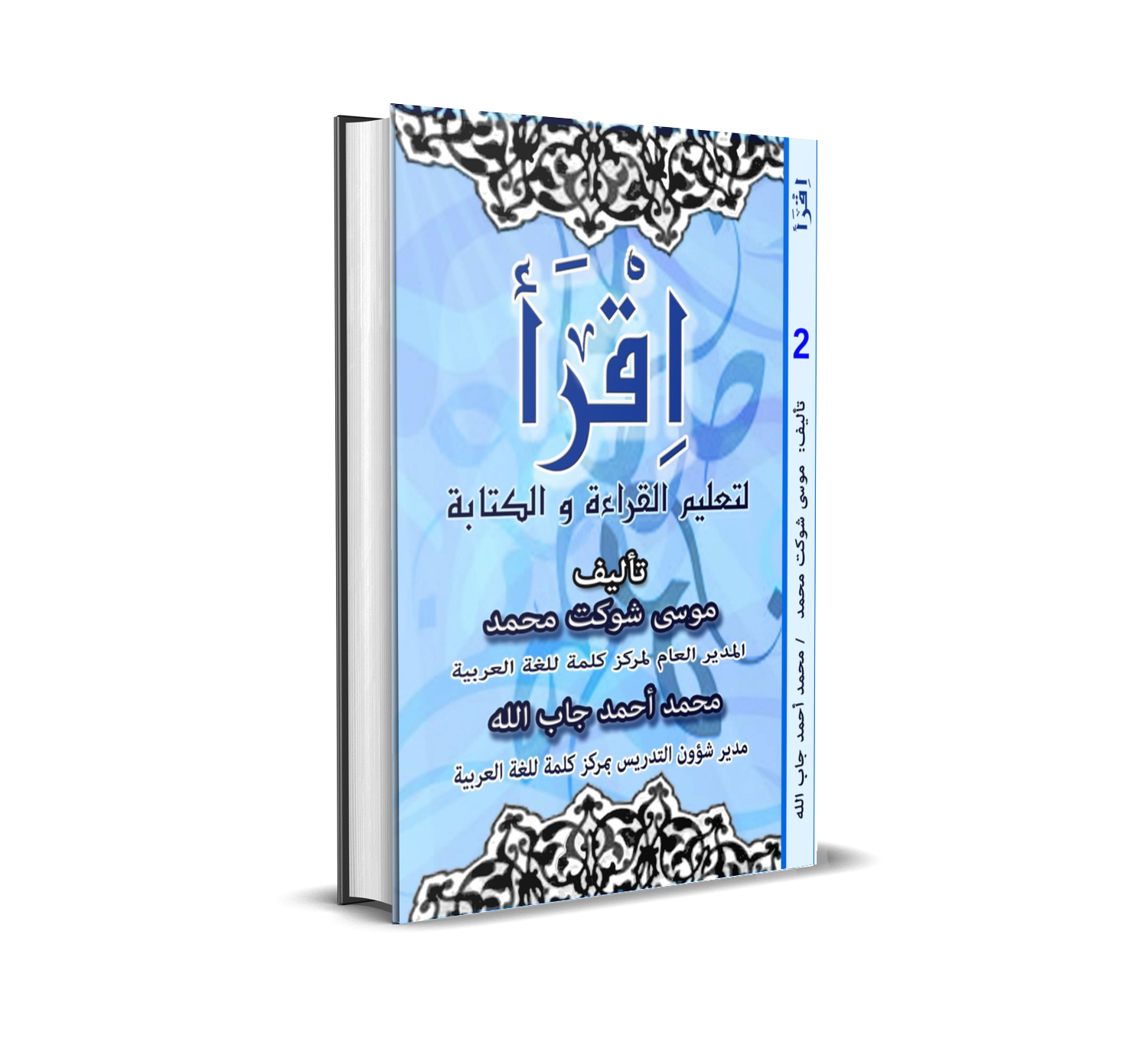
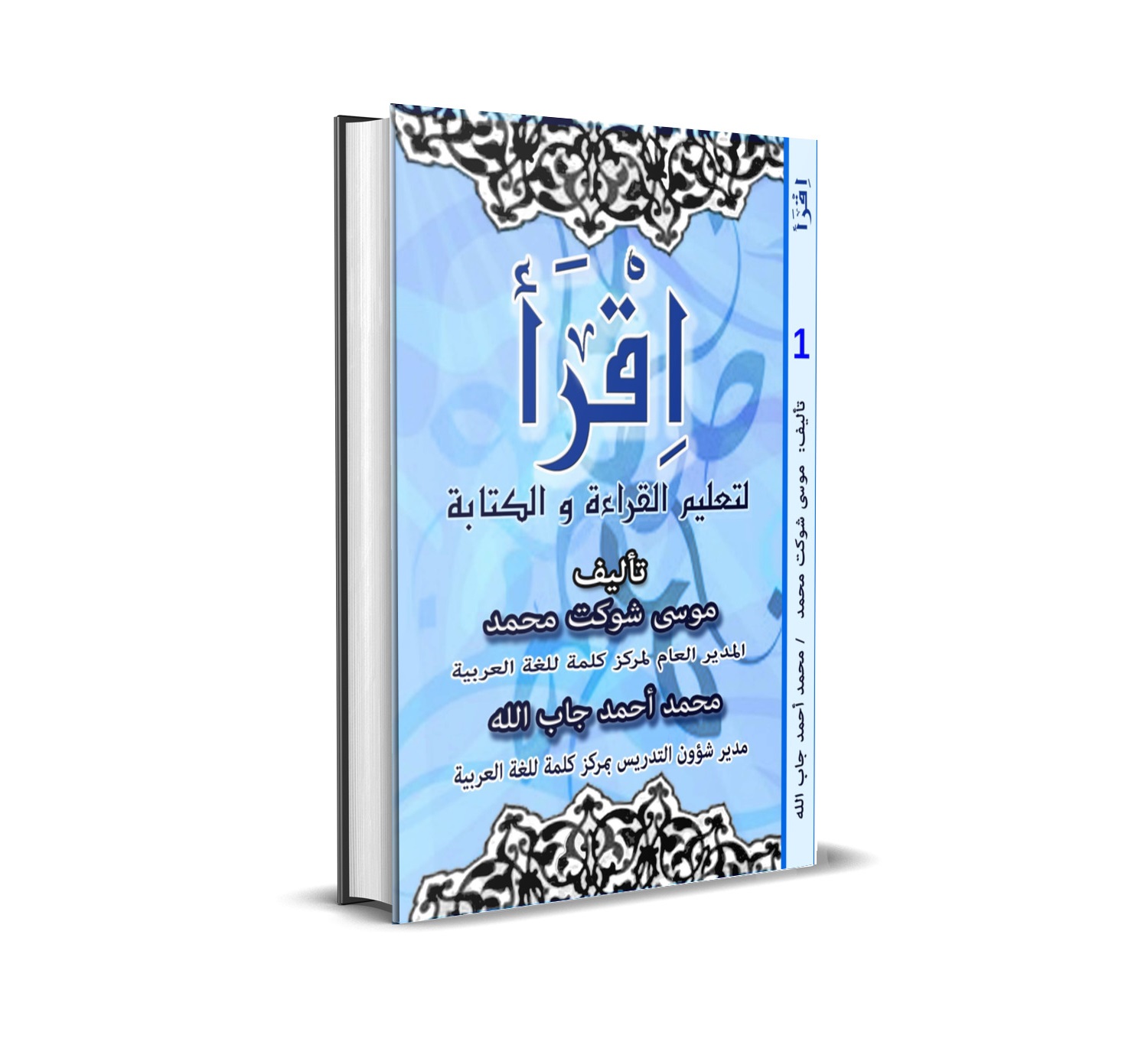
* Excerpted from Kalimah’s Online Arabic Course Curriculum
If you want to learn Arabic before you move, I suggest you check out Kalimah Center. It’s the best place for learning Arabic online, and many students have said it helped them. They have a well-structured course, perfect for learning everyday Arabic you will need in Bahrain.
Schooling for Expat Children
If moving with family, securing a school spot is a priority. Bahrain offers excellent international schools offering American, British (IGCSE/A-Levels), and IB curriculums. Popular choices include the Bahrain School (DODEA) and St. Christopher’s School. Note that waiting lists can be long, so apply months in advance.
Getting Around
Public transport is limited, so renting or buying a car is essential. US citizens can typically drive on their American license or an International Driving Permit (IDP) for a short period, but you must eventually convert this to a Bahraini driving license. Petrol prices are significantly lower than in the US, making driving affordable.
4. Healthcare and Insurance
Bahrain boasts a robust healthcare system. While public healthcare is available, most US expats rely on private healthcare facilities. Top-rated hospitals include the American Mission Hospital and the Royal Bahrain Hospital. Ensure your employment package includes comprehensive health insurance, or purchase a private plan to avoid out-of-pocket expenses.
5. Understand the Culture and Lifestyle in Bahrain
Bahrain has a very welcoming culture. People are friendly, and you will feel at home quickly. But there are some things to keep in mind:
- Respect local customs: Bahrain is a Muslim country, so it’s important to respect local traditions. For example, during رمضان (Ramadan), people fast during the day, and it’s polite not to eat or drink in public.
- Dress modestly: You don’t need to wear traditional clothes, but it’s good to dress modestly, especially in public places.
- Friday is a holy day: Like in all Arab countries, Friday is the holiday, and many businesses close during the prayer times, so plan ahead.
Experience Kalimah Center Classes
Watch real excerpts from our live sessions at Kalimah Center and see how we bring learning to life. These clips highlight our interactive, student-centered teaching approach across all our courses—designed to keep learners engaged, motivated, and actively involved every step of the way.
Master Arabic with Kalimah Center
Join our expert-led online classes and start your journey toward Arabic fluency today.
Book Your Free TrialCan I Move to Bahrain with My Family?
Yes, it’s possible to bring your family to Bahrain if you have a work permit or a self-sponsorship permit. To bring your spouse or children, you need to show that you earn at least BD 1,000 per month. The process is simple, but there are a few documents you will need to prepare, like passports and a marriage certificate.
Read also: How to move to Oman
Can I Live Permanently in Bahrain?
Yes, you can live permanently in Bahrain by holding a Golden Visa or Platinum Visa, as we explained the details of both in an earlier part of the article.
Pros of Living in Bahrain: Why Expats Love It
Life in Bahrain has a lot to offer. Here are a few things you can look forward to:
1. Bahrainis Are Friendly and Welcoming
Bahrainis are known for being friendly and welcoming. You will feel part of the community quickly. This is very important if you’re moving with family. Locals love helping newcomers feel at home. It’s easy to build relationships with your neighbors or even with people you meet in shops.
2. Bahrain’s Location is Central in the Gulf
Bahrain is small, but it’s in a good location. It’s close to places like Saudi Arabia, the UAE, and Qatar. From Bahrain, you can easily travel to these countries for work or vacations. This makes Bahrain great if you like to explore or do business in the region.
3. Tax-Free Income in Bahrain
You don’t pay personal income taxes in Bahrain. This makes a big difference in how much money you can save. Many expats find this very attractive because they keep more of their salary compared to other countries.
4. Modern Amenities in Bahrain
Bahrain has good healthcare and education. If you’re moving with family, there are international schools with different curriculums like British or American. The hospitals are also modern, and you can find doctors who speak English.
Read more about Learn Arabic In Bahrain
Cons of Living in Bahrain: Challenges to Expect
Of course, no place is perfect, and Bahrain has a few things you might find challenging. Here are a few things to keep in mind:
1. High Cost of Living
Although there is no income tax, living in Bahrain can be expensive, especially for housing. Rent in popular expat areas is not cheap. You might have to spend a lot of your salary on accommodation, especially if you want a villa or an apartment in a good location.
2. Hot Summers
The weather is very hot and humid in the summer. It’s not something everyone can handle easily. You might need to stay indoors during the hottest months, and electricity bills for air conditioning can get high.
3. Limited Public Transportation
While Bahrain has a bus system, it’s not as extensive or reliable as in some other countries. Most people rely on cars to get around. If you don’t plan to buy a car, you might find it hard to get to places, as taxis can be expensive over time. Plus, the traffic during rush hours can be frustrating.
Read also: How to move to Kuwait
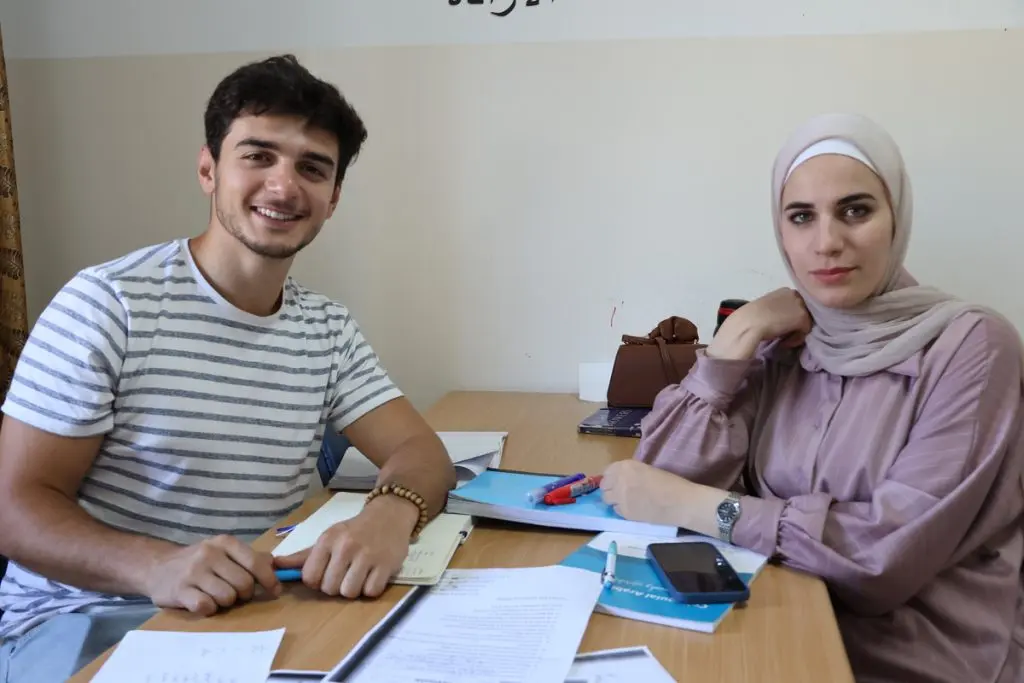
Inside Kalimah Center: Moments from Our Courses
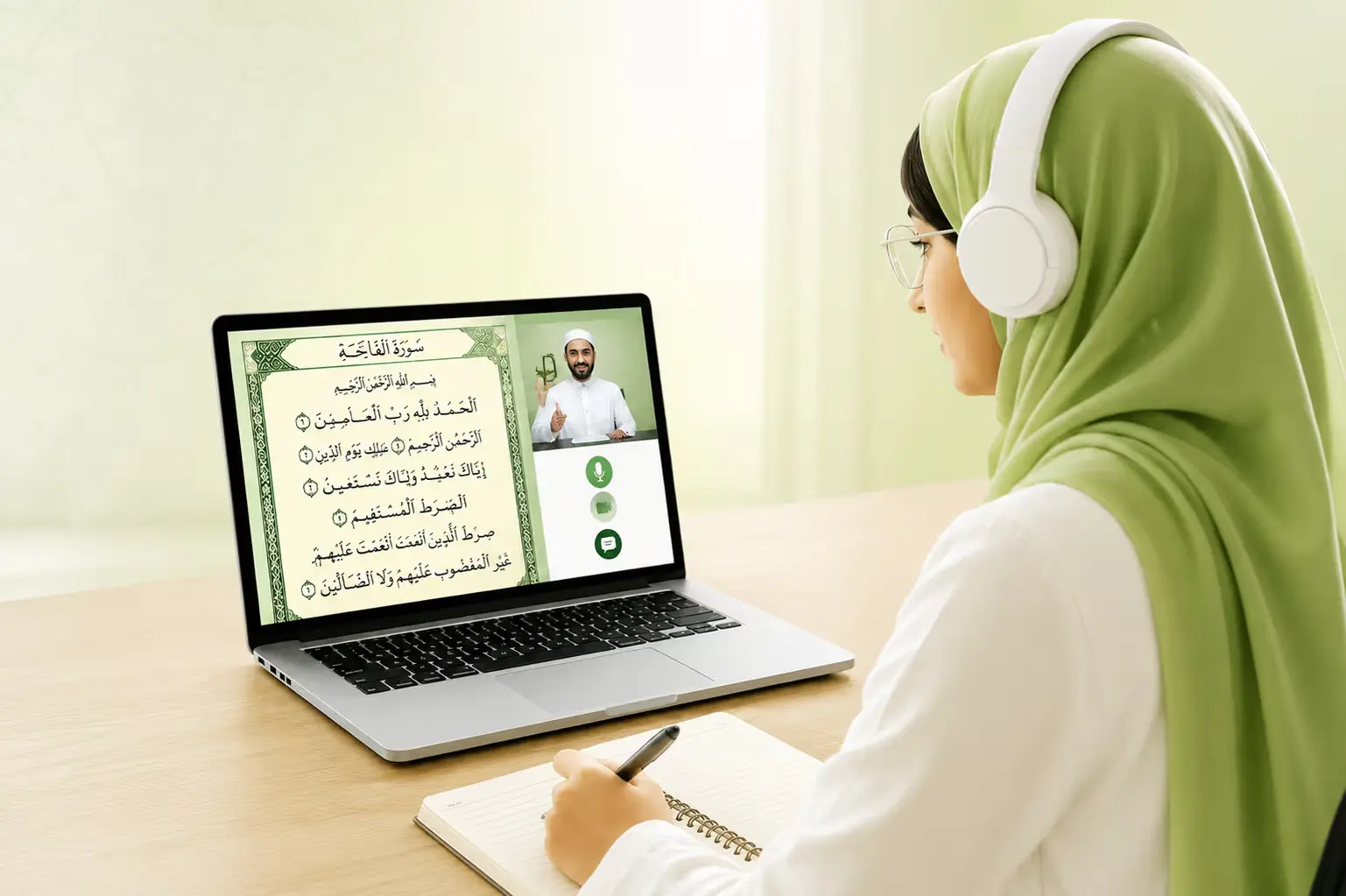
Get a glimpse into the vibrant learning experience at Kalimah Center. These snapshots capture real moments from our live classes—where students engage deeply, connect with passionate instructors, and grow in a welcoming, supportive environment.
Master Arabic with Kalimah Center
Join our expert-led online classes and start your journey toward Arabic fluency today.
Book Your Free TrialKalimah Center Can Help You Polish your Arabic Before You Move to Bahrain!
Our online Arabic courses are perfect for anyone moving to Bahrain:
- Start with the Basics: Learn the Arabic alphabet and essential phrases with our beginner-friendly courses.
- Gain Confidence in Conversation: Practice speaking Arabic in everyday situations with our interactive lessons.
- Learn from Experienced Teachers: Our native Arabic speakers will guide you and answer all your questions.
- Study at Your Own Pace: Our online format makes it easy to learn Arabic from anywhere, even before you arrive in Bahrain.
Join us for a FREE trial class.
And we have GREAT group classes at lots of different times, so you can find one that fits your schedule. Learn online from anywhere! It’s fun and costs less than private lessons.
Pick the time that works best for you!
Conclusion:
Moving to Bahrain presents an exciting opportunity to immerse yourself in its friendly culture and vibrant lifestyle. Start by securing a visa, like the Golden Residency Visa for long-term stays, then find a home in popular areas such as Manama or Amwaj Islands. Once settled, open a bank account and learn some basic Arabic to enhance your daily interactions.
Bahrain offers benefits like tax-free income, modern amenities, and a welcoming community, making it attractive for families and expats. However, be prepared for challenges such as a high cost of living, extreme summer heat, and limited public transport. With proper planning and resources like Kalimah Center for Arabic learning, you can enjoy a fulfilling life in this dynamic country.
Frequently Asked Questions About Moving to Bahrain
Q1: Is Bahrain safe for American expats?
A: Yes, Bahrain is widely considered safe for American expats and families. It has low crime rates and a strong police presence. The country is known for its religious tolerance and friendly attitude toward Westerners. However, as with any international move, it is advisable to stay updated on local news and register with the US Embassy’s Smart Traveler Enrollment Program (STEP).
Q2: What is the cost of living in Bahrain for a single person?
A: A single person living in Bahrain can expect monthly expenses between 600 and 1,000 BHD ($1,600 – $2,650), excluding rent. Rent for a one-bedroom apartment in expat-friendly areas like Juffair or Seef typically ranges from 300 to 500 BHD ($800 – $1,325) per month.
Q3: Can women drive and work in Bahrain?
A: Yes, women can legally drive, work, and own businesses in Bahrain without a male guardian. Unlike some regional neighbors, Bahrain has a long history of women’s rights, and women are active participants in all sectors of the economy and society.
Q4: Do I need to pay taxes on my income in Bahrain?
A: No, Bahrain does not currently impose a personal income tax on salaries. This tax-free income is a primary attraction for expats. However, US citizens are still required to file an annual tax return with the IRS, though they may qualify for the Foreign Earned Income Exclusion.
Q5: Is healthcare in Bahrain good for expats?
A: Bahrain offers high-standard healthcare with modern facilities. Expats typically use private hospitals such as the American Mission Hospital or Bahrain Specialist Hospital. It is highly recommended (and often mandatory for visas) to have comprehensive health insurance.