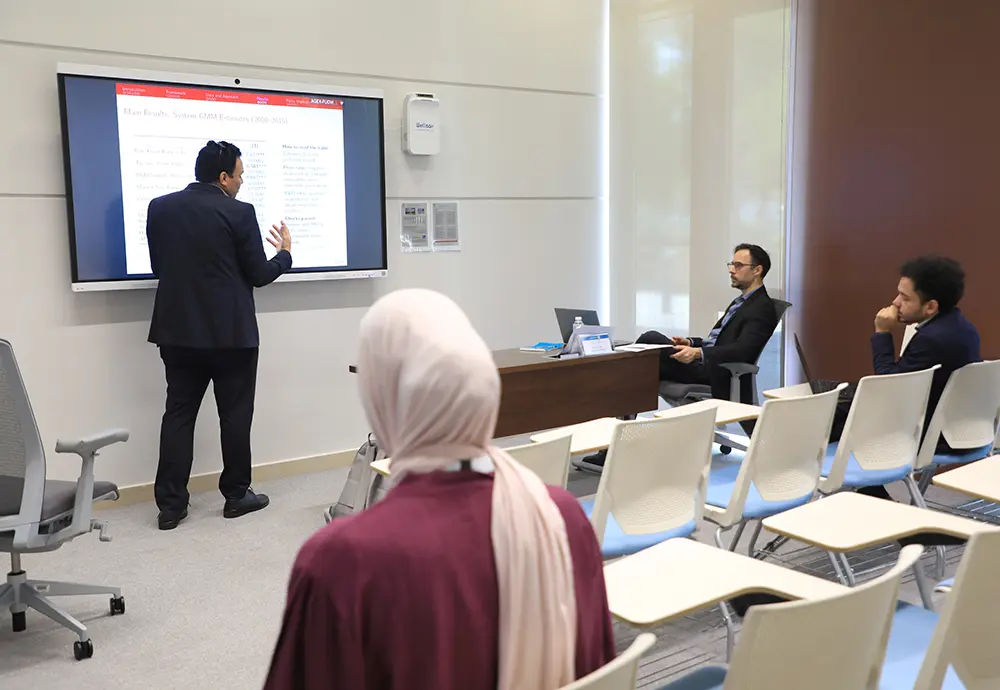
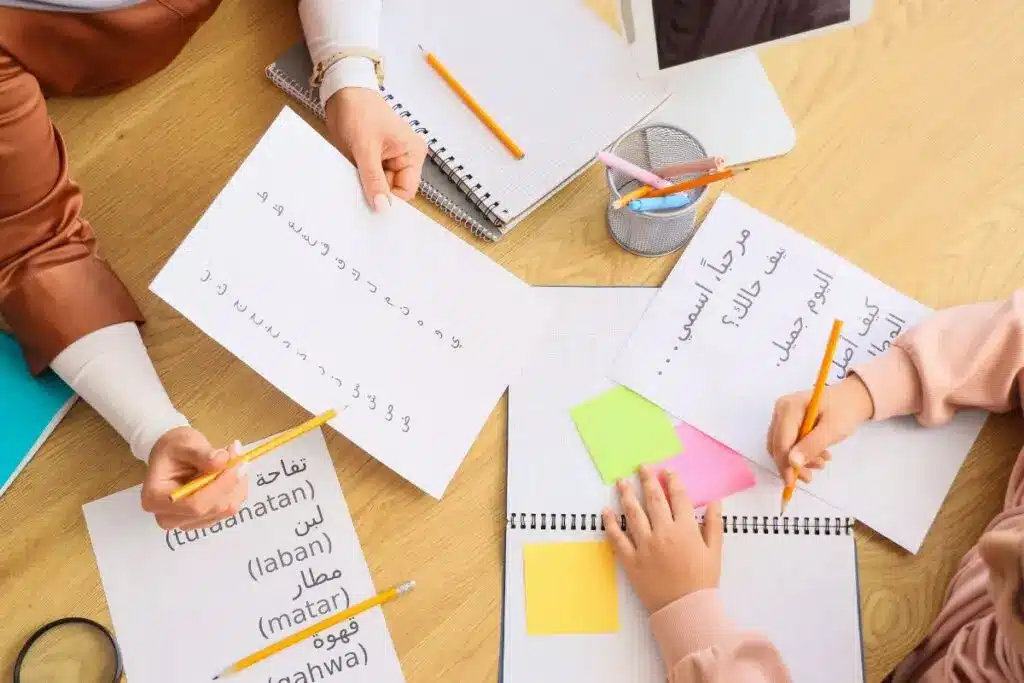
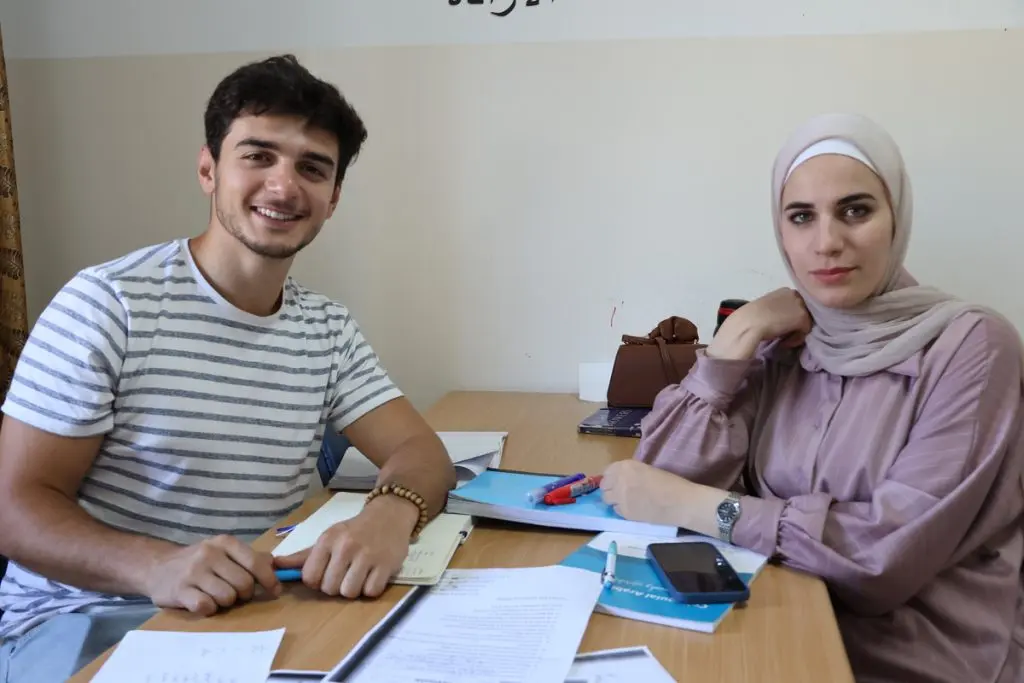
Learning Arabic in Qatar is best suited for expats already living in Doha or students with scholarship funding — living costs are the highest in the Arab world ($23,000–$50,000/year).
Qatar University and the Doha Institute offer the strongest programs. For budget-conscious learners, Egypt and Jordan provide comparable or better immersion at 30–50% of the cost.
Key Takeaway Table:
| Factor | Detail |
|---|---|
| Primary City | Doha (virtually all programs are here) |
| Local Dialect | Gulf Arabic (Qatari variety) |
| Main Institutions | Qatar University, Doha Institute for Graduate Studies |
| Annual Cost (Tuition + Living) | QAR 84,000–182,000 ($23,000–$50,000 USD) |
| Visa | Student visa required for extended study; tourist e-visa for short stays |
| Work While Studying | Limited — up to 20 hours/week on student visa |
| Scholarships | Available through Qatar University, Doha Institute, and Qatar Foundation |
| Daily Immersion Level | Low-moderate — Doha is heavily English-speaking |
| Best For | Expats in Qatar, scholarship recipients, Gulf Arabic learners |
| Better Value Alternatives | Egypt ($6,000–$12,000/yr), Jordan ($10,000–$18,000/yr) |
Learning Arabic in Qatar offers a unique opportunity to immerse yourself in the language and culture of the region. With a rich heritage and vibrant communities, Qatar provides diverse resources, including language schools and conversational clubs.
This journey not only enhances linguistic skills but also deepens your understanding of the local customs and traditions, making it an ultimate experience for language enthusiasts.
Arabic Language Programs in Doha
Virtually all structured Arabic programs in Qatar are concentrated in Doha. Here are the main options, with the detail you actually need to evaluate them:
1. Formal University Programs
| Institution | Program | Focus | Duration | Est. Tuition | Notes |
|---|---|---|---|---|---|
| Qatar University — Arabic Language Institute | Arabic for Non-Native Speakers | MSA + Gulf Arabic exposure | Semester or full year | QAR 15,000–35,000/semester | Largest program; placement test required; intensive and regular tracks available |
| Doha Institute for Graduate Studies | Arabic Language Program | Academic MSA, research-oriented | Integrated with graduate study | Funded positions available | Best for graduate-level students; competitive admission |
| Qatar Foundation — Education City | Various (through partner universities) | Varies by institution | Varies | Varies | Georgetown, Northwestern, and other international universities on campus may offer Arabic |
2. Private Language Schools
| School | Focus | Format | Est. Cost | Best For |
|---|---|---|---|---|
| Arabic Language Center | MSA, conversation, business Arabic | Group and private classes | QAR 2,000–5,000/course | Working professionals, expats wanting structured study |
| Berlitz Qatar | Conversational Arabic, corporate training | Private and small group | QAR 3,000–8,000/course | Corporate learners, intensive short courses |
| Individual private tutors (via platforms like Preply, italki, local networks) | Conversational, dialect-focused | One-on-one | QAR 80–200/hour | Flexible scheduling, personalized focus |
3. Supplementary Resources (Not Standalone Programs)
These enhance your learning but are not substitutes for structured instruction:
- Qatar National Library — Free access to Arabic learning materials, books, audiobooks, and occasionally hosts language workshops
- Community conversation groups — Informal Arabic practice meetups exist but are inconsistent; check Meetup.com and local expat Facebook groups
- Al Jazeera Arabic media — Al Jazeera is headquartered in Doha; consuming their Arabic-language content daily is free and excellent listening practice

Free Arabic Learning Resources in Qatar
Honest assessment: Qatar has limited free structured Arabic programs compared to countries like Egypt, where some institutions offer free or near-free courses. However, several free or low-cost resources exist:
Genuinely Free:
- Qatar National Library — Offers free access to Arabic language learning platforms (including Mango Languages through your library card), Arabic books, and occasional free language workshops. Check their events calendar monthly
- Community mosque classes — Some mosques in Doha offer free Quranic Arabic classes. These focus on recitation rather than conversational Arabic, but build reading foundations
- Al Jazeera Learning Arabic — Free online resources from the Al Jazeera network, accessible from anywhere but particularly relevant given the network’s Doha headquarters
Low-Cost:
- Language exchange meetups — Platforms like Tandem and ConversationExchange connect you with Qatari Arabic speakers who want to practice English. Free, but requires time investment and initiative
- Qatar University public events — The Arabic Language Institute occasionally hosts open lectures and cultural events. These aren’t courses, but provide exposure and networking with Arabic students
What you won’t find: A comprehensive, free Arabic language program in Qatar equivalent to paid courses. If budget is your primary concern, Egypt offers substantially more free and affordable options for Arabic study.

Qatar’s Immersion Challenge: The English Problem
This is something most “Learn Arabic in Qatar” articles won’t tell you, but it’s the single most important factor in your decision.
Qatar has a total population of approximately 2.9 million people — but only about 380,000 (roughly 13%) are Qatari nationals. The remaining 87% are expatriates from South Asia, Southeast Asia, other Arab countries, Europe, and North America. English is the dominant language of business, retail, hospitality, and daily interaction in Doha.
What this means for Arabic learners:
- You can navigate Doha entirely in English — ordering food, taking taxis, shopping, and socializing — without ever needing Arabic
- Your opportunities to practice Arabic organically (outside the classroom) are significantly fewer than in Cairo, Amman, or even Riyadh
- The Arabic you do hear in daily life is often Egyptian, Indian-Arabic, or Levantine from the expatriate population — not Gulf Arabic
How to overcome this:
- Actively seek out Qatari-majority spaces: cultural centers, traditional markets (Souq Waqif), local mosques, and community events
- Use a language exchange app to find Qatari conversation partners
- Watch Qatari TV channels and listen to local radio
- If possible, find accommodation in areas with higher Qatari resident populations rather than expat-dominated neighborhoods
This challenge doesn’t make Qatar a bad choice — but it means you need to be proactive about immersion in a way you wouldn’t in Cairo, where Arabic surrounds you whether you seek it or not.
Master Arabic with Kalimah Center
Join our expert-led online classes and start your journey toward Arabic fluency today.
Book Your Free TrialWhat Language Or Dialect Is Spoken in Qatar?

In Qatar, the official language is Arabic, specifically the Gulf Arabic dialect, which has its own distinct features and vocabulary. While the local dialect is commonly spoken in everyday life, Modern Standard Arabic (MSA) is used in formal settings, education, and the media.
- Classical Arabic: This is the language of the Quran and traditional literature. Most educated Qataris understand and can read Classical Arabic, as it closely resembles Modern Standard Arabic.
- MSA: It is widely taught in schools and understood by the majority of the population, making communication with speakers of other Arabic dialects easier.
So, while Gulf Arabic is the primary spoken dialect in Qatar, both Classical Arabic and Modern Standard Arabic are well understood and used in formal contexts.
Scholarships for Arabic Study in Qatar
Several institutions and organizations offer financial support for Arabic language study in Qatar. Here are the most relevant options:
| Source | Scholarship/Program | What It Covers | Eligibility | How to Apply |
|---|---|---|---|---|
| Qatar University | Arabic Language Institute Scholarships | Partial or full tuition for intensive Arabic programs | International students; academic merit-based | Apply through QU admissions portal; deadlines typically February (Fall) and September (Spring) |
| Doha Institute for Graduate Studies | Graduate Fellowships (include Arabic study) | Full tuition + monthly stipend + housing allowance | Graduate-level applicants in humanities/social sciences | Apply through DI admissions; highly competitive |
| Qatar Foundation | Various educational grants | Varies by program | Varies; often tied to Education City partner universities | Check qf.org.qa for current opportunities |
| Home country scholarships | Fulbright, DAAD, Chevening, etc. | Varies — may cover Arabic study as part of broader program | Citizens of respective countries | Apply through your national scholarship body |
Important notes:
- Most Qatar-based scholarships are tied to degree programs, not standalone language courses. If your sole goal is Arabic language study (without a degree), scholarship options are more limited
- Application deadlines are typically 6–12 months before program start dates — plan well ahead
- Government-sponsored scholarship announcements are irregular; follow Qatar’s Ministry of Education social media channels for updates
Student Visa Requirements for Qatar
If you plan to study Arabic in Qatar for more than 30 days, you’ll need to arrange the appropriate visa:
| Visa Type | Duration | Work Allowed? | How to Obtain |
|---|---|---|---|
| Tourist e-visa | 30 days (extendable to 90) | No | Apply online before arrival; free for many nationalities |
| Student visa (residence permit) | Duration of program | Up to 20 hours/week | Sponsored by your educational institution after enrollment |
| Short-course visitor | Up to 90 days | No | Tourist visa may suffice for short intensive programs |
Key details:
- Your educational institution must sponsor your student visa — you cannot apply independently
- Processing typically takes 2–4 weeks after acceptance into a program
- You’ll need a medical examination upon arrival (arranged through the institution)
- Student visa holders can work part-time (up to 20 hours/week during term), but job opportunities for Arabic students are limited
- Visa regulations change frequently — verify current requirements through Qatar’s Ministry of Interior or your institution’s international student office
For GCC residents: If you hold residency in another Gulf state (UAE, Saudi Arabia, Kuwait, Bahrain, Oman), entry and short-stay requirements may differ. Check bilateral agreements.
Are There Options To Work While Studying In Qatar?
Yes, there are options to work while studying in Qatar, but certain regulations apply.
Student Visa:
Many educational institutions provide a student visa that allows limited work hours. Typically, students can work part-time, usually up to 20 hours a week during the academic term.
Types of Jobs:
Common opportunities include part-time positions in hospitality, retail, tutoring, and administrative roles.
Institution Support:
Some universities and language schools may assist in finding job placements or internships.
Work Permit:
Ensure you obtain the necessary permits and check with your institution about specific regulations related to working while studying.
Overall, while there are opportunities to work, it’s essential to comply with local laws and regulations.
What Is The Cost Of Living In Qatar For A Year Of Living And Studying?
The cost of living in Qatar for a year can vary based on lifestyle and location, but here’s a general breakdown:
A. Accommodation Cost In Qatar:
Rent for a one-bedroom apartment: QAR 3,000 – QAR 7,000 per month.
Total for the year: QAR 36,000 – QAR 84,000.
1. Food Cost In Qatar:
Monthly groceries: QAR 1,000 – QAR 1,500.
Eating out: QAR 30 – QAR 100 per meal.
Total for the year: QAR 12,000 – QAR 18,000.
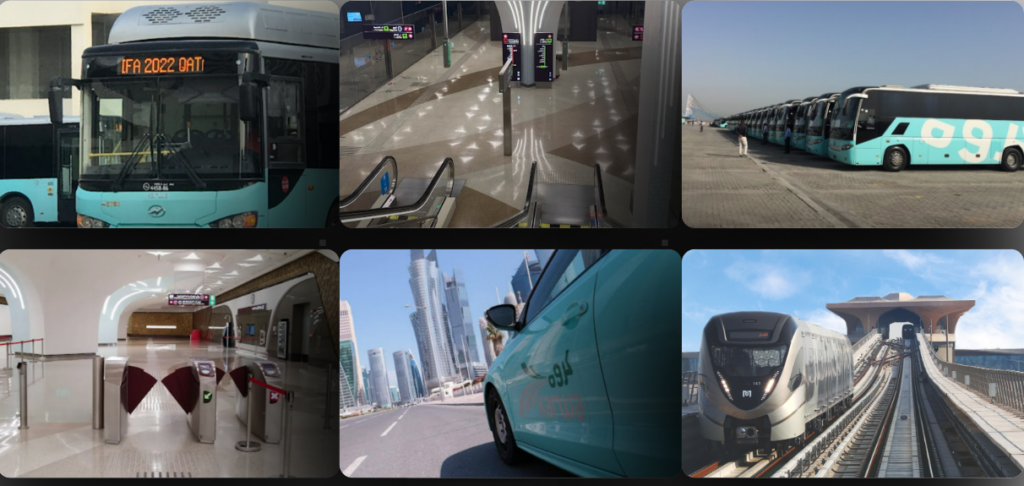
2. Transportation Cost In Qatar:
Public transport is relatively affordable. Monthly passes: QAR 100 – QAR 300.
Total for the year: QAR 1,200 – QAR 3,600.
B. Tuition Fees Cost In Qatar:
Varies by institution, typically QAR 30,000 – QAR 70,000 per year.
Miscellaneous Expenses Cost In Qatar:
Include entertainment, utilities, and other personal expenses: QAR 5,000 – QAR 10,000 annually.
C. Total Estimated Cost of Living And Studying in Qatar:
Lower Range: QAR 84,200 (approx. USD 23,000)
Upper Range: QAR 182,600 (approx. USD 50,000)
These figures can vary, so it’s wise to budget according to your personal lifestyle and preferences
Read more about How to Move to Qatar? Full Guide With Requirements, Pros And Cons
Is Qatar Worth It? An Honest Assessment
Qatar is a legitimate destination for Arabic study, but it has significant limitations that most articles won’t tell you. Here’s an honest evaluation:
Strengths
- Institutional quality: Qatar University and the Doha Institute are well-funded, modern, and offer structured Arabic programs with qualified faculty
- Gulf Arabic exposure: If your goal is specifically Gulf Arabic (for business in the GCC region), Qatar provides authentic immersion in this dialect
- Safety and infrastructure: Qatar is one of the safest countries in the Middle East with excellent public services, modern transportation, and high quality of life
- Networking potential: Doha’s international community includes professionals in energy, finance, media (Al Jazeera), and diplomacy — valuable connections for career-oriented learners
Weaknesses
- The English problem: This is Qatar’s biggest limitation for Arabic learners. Approximately 85% of Qatar’s population is non-Qatari expatriates, and English dominates daily life in Doha. You can live in Qatar for years without needing Arabic. This dramatically reduces organic immersion opportunities compared to Cairo, Amman, or even Riyadh
- Cost: Qatar is the most expensive Arabic-learning destination in the Middle East. A year of study and living costs $23,000–$50,000 — compared to $6,000–$12,000 in Egypt for comparable or better immersion
- Limited program variety: Far fewer Arabic programs exist for international students compared to Egypt or Jordan
- Small Qatari population: With Qataris making up only ~15% of the population, opportunities to practice with native Gulf Arabic speakers are more limited than you might expect
The Verdict
Qatar makes sense if you’re already living there as an expat, you have scholarship funding, or you specifically need Gulf Arabic for professional purposes in the GCC.
Qatar is probably not the best choice if your primary goal is Arabic immersion, you’re paying out of pocket, or you want the most practice hours per dollar spent. In those cases, Egypt (budget + immersion) or Jordan (safety + structured programs) offer significantly better value.

Who Should (and Shouldn’t) Choose Qatar
Choosing the right destination requires balancing your professional goals with your personal lifestyle preferences and financial reality. This guide highlights who will thrive in Qatar’s unique environment and who might find a better fit in other regional hubs.
Qatar is a good fit if you are:
- An expat already living and working in Qatar who wants to learn Arabic alongside your job
- A scholarship recipient with funded tuition and living costs
- A professional specifically targeting Gulf Arabic for GCC business, energy, or diplomacy careers
- A graduate student accepted into the Doha Institute with a fellowship
- Someone who prioritizes safety, modern infrastructure, and high quality of life above all else
Qatar is probably not the right choice if you are:
- A dedicated language learner whose primary goal is maximum Arabic immersion hours per day
- Paying entirely out of pocket with a limited budget
- A beginner who wants to be surrounded by Arabic in daily life to accelerate learning
- Interested in Egyptian, Levantine, or Maghrebi Arabic rather than Gulf Arabic
- Looking for a large community of fellow international Arabic students (Egypt and Jordan have much larger student communities)
There is no shame in choosing a different destination. The best place to learn Arabic is the one that matches your budget, goals, and learning style — not the one with the shiniest skyline.
Master Arabic with Kalimah Center
Join our expert-led online classes and start your journey toward Arabic fluency today.
Book Your Free TrialQatar vs. Egypt, Jordan & Morocco: Cost and Value Comparison
When comparing Qatar to other countries for learning Arabic, several factors come into play, including educational quality, cultural immersion, and cost of living. Qatar offers reputable institutions and a vibrant environment for language study, enhanced by direct access to native speakers.
| Factor | Qatar | Egypt | Jordan | Morocco |
|---|---|---|---|---|
| Annual living cost | $18,000–$40,000 | $4,000–$8,000 | $7,000–$12,000 | $5,000–$9,000 |
| Annual tuition | $8,000–$19,000 | $2,000–$8,000 | $5,000–$15,000 | $3,000–$10,000 |
| Total annual cost | $23,000–$50,000 | $6,000–$12,000 | $10,000–$18,000 | $8,000–$15,000 |
| Daily Arabic immersion | Low (English-dominant) | Very high | High | High (with French mix) |
| Dialect learned | Gulf Arabic | Egyptian Arabic | Levantine Arabic | Maghrebi Arabic (Darija) |
| Dialect usefulness | GCC business | Most widely understood | Widely intelligible | Least understood outside North Africa |
| Safety | Very high | Moderate (area-dependent) | High | High |
| Program variety | Limited | Extensive | Good | Moderate |
| Scholarship availability | Moderate | Good | Good | Limited |
| Visa ease (Western passports) | Moderate | Easy | Easy | Easy |
Bottom line: Qatar offers the highest quality of life but the lowest immersion-to-cost ratio. Egypt offers the best value. Jordan offers the best balance of safety, immersion, and program quality. Morocco is affordable but its dialect has limited transferability outside North Africa.

Read more about: Learn Arabic in The Middle East
Alternatives to Studying in Qatar
If Qatar’s costs are prohibitive, consider these alternatives that deliver strong Arabic learning outcomes at lower price points:
Study in a more affordable country:
- Egypt — Cairo offers comparable or better Arabic immersion at 30–50% of Qatar’s cost. Al-Azhar University, AUC, and private language centers provide programs from $200/month
- Jordan — Amman’s Qasid Institute and ALI are internationally respected, with total costs roughly half of Qatar’s
Study online with live native tutors:
- Structured online courses with one-on-one live instruction offer professional-grade Arabic education without travel, accommodation, or visa costs. Programs like Kalimah Center provide 16-level curricula with Al-Azhar-trained teachers from approximately $150–$500/month
- Online study can also serve as preparation before an in-country program — arriving with alphabet fluency and basic grammar means you get far more value from expensive immersion time
Hybrid approach:
Many successful Arabic learners combine 6–12 months of online study (building foundations affordably) with a shorter 4–8 week intensive immersion program abroad. This approach delivers strong results at a fraction of the cost of a full year in Qatar.
Read also: Learning Arabic in Egypt
Inside Kalimah Center: Moments from Our Courses
Get a glimpse into the vibrant learning experience at Kalimah Center. These snapshots capture real moments from our live classes—where students engage deeply, connect with passionate instructors, and grow in a welcoming, supportive environment.
Here Are The Reviews On Our Courses:
Our students frequently commend the excellence of our courses and the commitment shown by our instructors. You can read their complete reviews on Trustpilot.

Explore the Arabic Language: Free Trial Classes Available Now!
Experience the beauty of the Arabic language with a free trial session at Kalimah Center! Discover our engaging and immersive approach to learning Arabic, tailored for all levels. Whether you’re a beginner or looking to enhance your skills, our experienced instructors are here to guide you on your journey.

Join us for a complimentary session and unlock a world of language and culture. Sign up today and take the first step towards fluency! Visit our website to learn more and reserve your spot. Enroll Now!!
📚 Explore Our Courses:
Online Arabic Course: Tailored to your level, our comprehensive Arabic program includes 16 teaching levels and 400+ hours of personalized sessions.
Online Quran With Tajweed Course: Perfect for non-Arabic speakers, our course spans 13 levels and equips you with Tajweed mastery from beginner to advanced.
Online Arabic Course For Kids: Nurture your child’s love for Arabic with our engaging and structured program, available in 24 levels for primary, intermediate, and secondary stages.
🚀 Start Your Free Trial Today! 🚀
Don’t miss out on this life-changing opportunity to deepen your faith and knowledge. Sign up now for your free trial and take the first step towards becoming a better practicing Muslim with Kalimah Center!
Master Arabic with Kalimah Center
Join our expert-led online classes and start your journey toward Arabic fluency today.
Book Your Free TrialConclusion
Learning Arabic in Qatar offers a unique and enriching experience, blending high-quality education with cultural immersion. With reputable institutions, native speakers, and a vibrant community, students can develop their language skills effectively while exploring the rich heritage of the region.
Although the cost of living may present challenges, the opportunities for personal and professional growth make Qatar an appealing destination for Arabic learners. Ultimately, the journey to mastering Arabic in this dynamic environment can be both rewarding and transformative.
However, countries like Egypt, Jordan, and Morocco may provide lower living costs and rich cultural experiences in their own dialects.
FAQs about Learning Arabic In Qatar
Q1: Is Qatar a good place to learn Arabic?
Qatar offers high-quality institutions and modern facilities, but it has significant limitations for Arabic immersion. Doha is heavily English-speaking — you can navigate daily life entirely in English, which reduces organic practice opportunities. Qatar is best suited for expats already living there, scholarship recipients, or learners specifically targeting Gulf Arabic. For dedicated immersion, Egypt and Jordan offer more Arabic-saturated environments at lower costs.
Q2: Can I learn Arabic in Qatar for free?
Limited free options exist. Qatar National Library offers language learning resources, and some community centers host occasional free workshops. Qatar University sometimes holds public language events. However, there are no established free comprehensive Arabic programs in Qatar comparable to what some Egyptian institutions or mosque-based programs offer. Most structured learning requires paid enrollment.
Q3: How much does it cost to learn Arabic in Qatar for one year?
Total costs (tuition + living) range from approximately QAR 84,000 to QAR 182,000 ($23,000–$50,000 USD) annually. Accommodation is the largest expense at QAR 36,000–84,000/year. Tuition varies from QAR 30,000–70,000 depending on the institution. Qatar is the most expensive Arabic-learning destination in the Middle East.
Q4: What Arabic dialect is spoken in Qatar?
Qataris speak Gulf Arabic (specifically a Qatari variety), which shares features with dialects spoken in Saudi Arabia, the UAE, Kuwait, and Bahrain. However, due to Qatar’s large expatriate population (approximately 85% of residents are non-Qatari), you’ll hear a wide mix of Arabic dialects and heavy English usage in daily life. Formal programs teach Modern Standard Arabic (MSA).
Q5: Are there scholarships to study Arabic in Qatar?
Yes. Qatar University’s Arabic Language Institute offers scholarships for international students. The Doha Institute for Graduate Studies provides funded positions that include Arabic language study. The Qatar Foundation occasionally sponsors language learning initiatives. Additionally, some government cultural exchange programs include Arabic study funding. Check each institution’s admissions page directly for current application deadlines and eligibility requirements.