Learning Arabic in Morocco offers a unique and immersive experience, combining quality education with rich cultural exposure. The country is known for its diverse dialects, particularly Moroccan Arabic (Darija), alongside Modern Standard Arabic. Numerous language schools and universities provide well-structured programs, often focusing on conversation skills and cultural context.
Additionally, Morocco’s welcoming environment and vibrant history make it an engaging place to study while exploring the local culture, cuisine, and landscapes.

Studying Arabic in Morocco
Learning Arabic in Morocco offers a dual-linguistic advantage, allowing students to master Modern Standard Arabic (MSA) for academic literacy while practicing Moroccan Arabic (Darija) for daily immersion. Top destinations for language learners include Rabat for political stability, Fes for spiritual heritage, and Marrakech for tourism.
On average, a student needs a monthly budget of $800–$1,500 to cover tuition, accommodation in a Riad, and living expenses. Whether through university programs like Al Akhawayn or private language institutes, Morocco provides a safe, affordable, and culturally rich environment for achieving Arabic fluency.
Top 6 Cities to Study Arabic in Morocco
Learn Arabic in Morocco is a fascinating destination for learning Arabic, offering a diverse range of experiences across different cities. Here’s a closer look at some key places in Morocco where you can study Arabic:
1. Rabat: The Capital of Culture
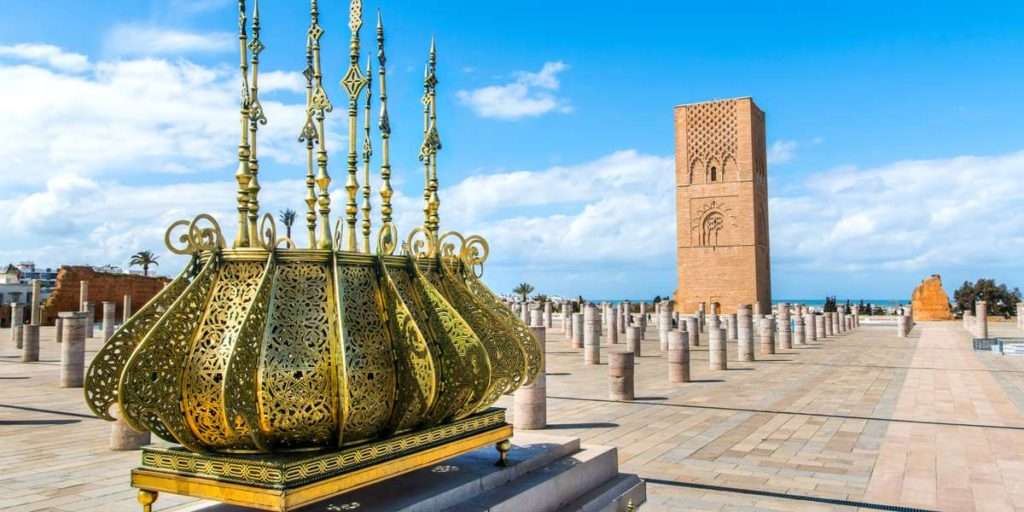
Rabat, the capital of Morocco, is a city rich in history and modern charm. Known for its beautiful gardens, historic sites, and coastal views, Rabat features landmarks such as the Hassan Tower, the Royal Palace, and the picturesque Kasbah of the Oudayas.
As a political and cultural center, it offers a unique blend of tradition and modernity. Rabat is also an excellent place to learn Arabic, with several language schools providing comprehensive courses in both Modern Standard Arabic and Moroccan dialects.
Studying in Rabat allows students to immerse themselves in Moroccan culture, explore local markets, and enjoy a vibrant arts scene, making it an ideal destination for language learners seeking a culturally enriching experience.
2. Casablanca: The Economic Hub
Casablanca is Morocco’s largest city and a major economic hub, known for its modernity and vibrant urban life. Famous for its stunning architecture, the city boasts landmarks like the Hassan II Mosque, one of the largest mosques in the world, and the bustling Corniche along the coast.
Casablanca blends contemporary culture with traditional Moroccan elements, offering a dynamic atmosphere filled with cafes, restaurants, and shopping centers. It is also a great place to learn Arabic, with various language schools providing courses in both Modern Standard Arabic and Moroccan dialects.
Studying Arabic in Casablanca allows students to engage with the local community, experience a cosmopolitan lifestyle, and explore the city’s rich cultural offerings, making it an exciting destination for language learners.

3. Marrakech
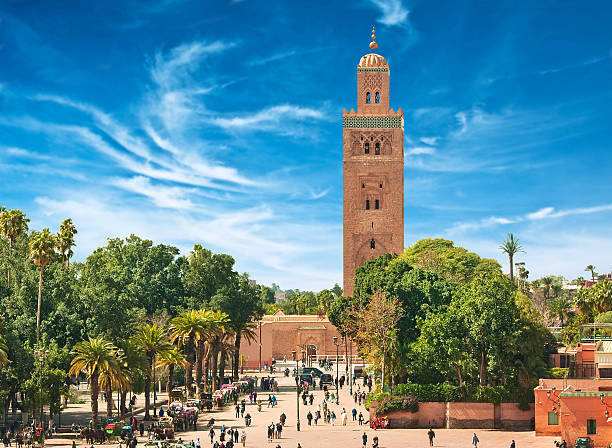
Marrakech is a vibrant city known for its rich history, stunning architecture, and bustling atmosphere. The city’s iconic medina is filled with colorful souks, lively street performances, and historic landmarks like the Koutoubia Mosque and the Saadian Tombs.
Marrakech serves as a cultural hub, attracting visitors with its beautiful palaces and gardens, such as the Majorelle Garden. It is also a popular destination for learning Arabic, with numerous language schools offering immersive courses.
Studying Arabic in Marrakech allows students to experience the local culture firsthand, from savoring traditional Moroccan dishes to participating in local festivals, making it an exciting place for language learners seeking both education and adventure.
4. Learn Arabic In Fes
Fes is one of Morocco’s oldest cities, renowned for its well-preserved medieval architecture and rich cultural heritage. The city is famous for its ancient medina, a UNESCO World Heritage site, where narrow streets are lined with artisan workshops, bustling souks, and historic mosques.
Fes is a center for learning, home to the world’s oldest university, Al Quaraouiyine, and various language schools offering Arabic courses.
Studying Arabic in Fes provides an immersive experience in traditional Moroccan culture, with opportunities to engage in local customs, enjoy traditional cuisine, and explore the city’s vibrant history, making it an enriching destination for language learners.

5. Tangier
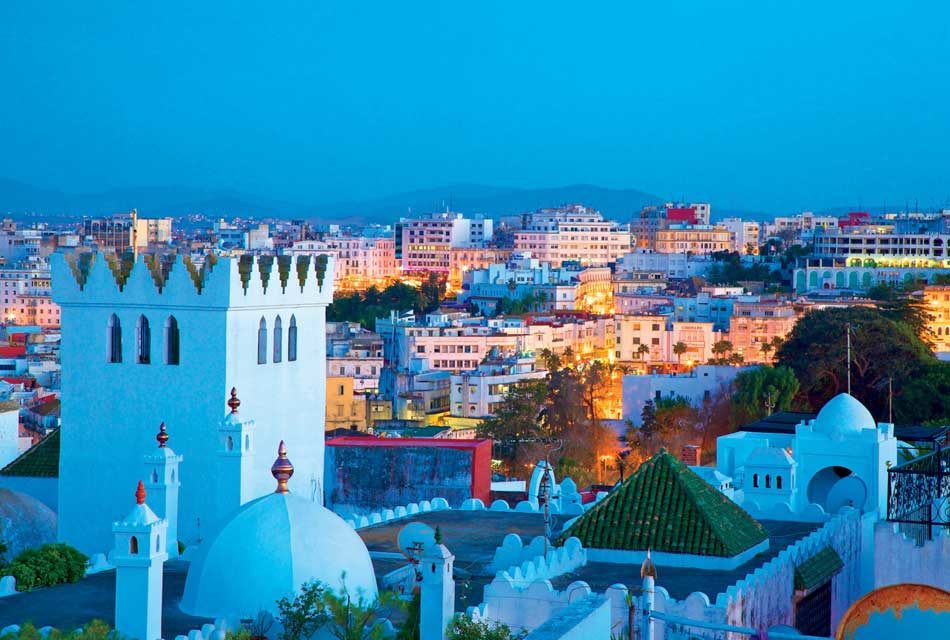
Tangier is a captivating city located at the northern tip of Morocco, where the Mediterranean meets the Atlantic. Known for its rich history and cultural diversity, it has been influenced by various civilizations over the centuries. The city features a charming old medina with narrow streets, vibrant markets, and historic sites like the Kasbah, offering stunning views of the harbor.
Tangier is also an excellent place to learn Arabic, particularly Moroccan Arabic (Darija), with several language schools providing immersive courses. Its beautiful beaches, eclectic cuisine, and lively atmosphere make it a popular destination for both language learners and travelers seeking a unique cultural experience.
6. Learn Arabic In Agadir
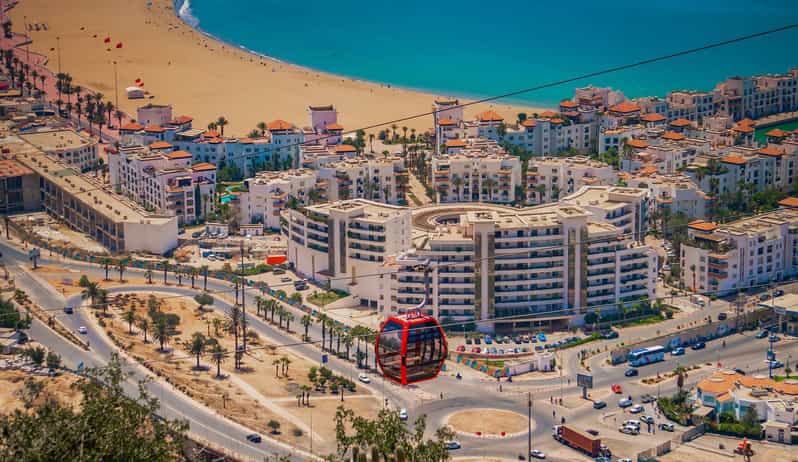
Agadir is a modern coastal city in Morocco, known for its stunning beaches and resort-style ambiance. Rebuilt after a devastating earthquake in 1960, it features contemporary architecture alongside traditional Moroccan elements. The city’s waterfront promenade is lively, with numerous restaurants and cafes offering fresh seafood and local cuisine.
Agadir is an ideal place for learning Arabic, particularly in a relaxed setting, with language schools like Atlas Language School providing immersive courses.
Students can enjoy outdoor activities, explore nearby natural attractions like the Atlas Mountains, and experience the local culture, making it a vibrant destination for language learning and leisure.
Top Rated Arabic Language Institutes
Arabic language schools in Morocco offer a rich and immersive experience for learners of all levels. These institutions provide comprehensive courses in both Modern Standard Arabic and Moroccan dialects (Darija), often incorporating cultural activities that enhance the learning process. With cities like Fes, Marrakech, and Tangier hosting reputable schools, students can benefit from expert instruction in vibrant environments steeped in history.
The combination of quality education and the unique cultural backdrop makes Morocco an ideal destination for anyone looking to master the Arabic language.
Here are some notable Arabic language schools in Morocco, each offering unique programs and experiences:
1. Learn Arabic In Fes Language School (Fes):
Located in one of Morocco’s oldest cities, this school offers immersive Arabic courses that emphasize both Modern Standard Arabic and Moroccan dialects (Darija).
Students benefit from a culturally rich environment, with classes often incorporating visits to historical sites, local markets, and artisan workshops. The school fosters a supportive atmosphere, allowing students to engage deeply with the language and culture.

2. Arabic Language Academy (Marrakech):
Arabic Language Academy situated in the vibrant city of Marrakech, this academy provides a variety of language programs tailored to different proficiency levels. Courses focus on conversational skills, grammar, and cultural context, often supplemented by cultural activities such as cooking classes and guided tours of the city’s famous sites like the Koutoubia Mosque and the Jardin Majorelle.
The lively atmosphere of Marrakech enhances the learning experience.
3. Language Institute (Tangier):
Language Institute known for its personalized teaching approach, this institute offers courses in Moroccan Arabic and Modern Standard Arabic.
The curriculum includes not only language instruction but also cultural immersion activities, such as workshops on Moroccan music and art. Tangier’s unique blend of cultures provides students with a rich context for their studies, making it an ideal location for language learning.

4. Atlas Language School (Agadir):
This school focuses on developing conversational skills in Arabic while offering a relaxed and friendly learning environment by the beach. Students can enjoy outdoor activities and excursions to nearby attractions like the Atlas Mountains. The Arabic curriculum is designed to promote language practice in real-life situations, making it a great choice for those looking to balance study with leisure.
5. Institut Français du Maroc (Rabat and Casablanca):
With branches in both the capital and the largest city, this institute offers Arabic language courses alongside cultural programs that explore Moroccan heritage.
The classes are designed to help students build a strong foundation in the language while also engaging with local culture through events, exhibitions, and language exchanges.
6. Dar Loughat (Tetouan):
Specializing in teaching Arabic to foreigners, Dar Loughat provides a warm and welcoming atmosphere. The school offers immersive language courses that are complemented by cultural activities, such as cooking classes and excursions to explore the rich history of Tetouan. The focus on community engagement helps students practice their language skills in authentic contexts.
Read more about How to Move to Morocco? Practical Steps
Experience Kalimah Center Classes
Watch real excerpts from our live sessions at Kalimah Center and see how we bring learning to life. These clips highlight our interactive, student-centered teaching approach across all our courses—designed to keep learners engaged, motivated, and actively involved every step of the way.
Master Arabic with Kalimah Center
Join our expert-led online classes and start your journey toward Arabic fluency today.
Book Your Free TrialBenefits of Immersion: Why Choose Morocco?
Morocco is one of the most compelling places in the world to study Arabic because it offers a “living classroom” experience that few other countries can match. It’s a place where ancient tradition meets a rapidly modernizing society, providing a rich backdrop for linguistic immersion.
Here is why Morocco stands out as a top destination for Arabic learners:
1. The “Two-for-One” Linguistic Experience
While most language schools focus on Modern Standard Arabic (MSA) for reading and formal communication, Morocco allows you to simultaneously learn Darija (Moroccan Arabic). Darija is a vibrant, soulful dialect that blends Arabic with Berber, French, and Spanish influences. Mastering even a few phrases of Darija opens doors to the hearts of locals in a way that formal Arabic alone cannot.
2. Unparalleled Cultural Immersion
Language acquisition is inseparable from cultural context. In Morocco, the classroom extends beyond the whiteboard and into the ancient Medinas. Whether you are haggling for spices in a Souq in Marrakech, navigating the labyrinthine alleys of Fes, or enjoying traditional Moroccan mint tea with a host family, you are constantly engaging in active listening and speaking.
This “living classroom” environment forces you to bridge the gap between textbook Fus’ha (Classical Arabic) and the street-level Darija, accelerating your fluency faster than any textbook alone.
3. A Gateway to Multilingualism
Morocco is a polyglot’s dream. Because many Moroccans are functionally multilingual—speaking Arabic, French, and often Tamazight (Berber) or Spanish—the environment is incredibly supportive of language learners. This multilingual atmosphere makes the transition easier for Western students while providing a fascinating case study in how languages evolve and coexist.
4. Academic Excellence and Infrastructure
Morocco is home to world-class language institutes in cities like Rabat and Fes. These centers are accustomed to international students and offer structured programs that range from intensive summer boot camps to year-long university exchanges. You can find high-quality instruction tailored to your specific level, whether you are a total beginner or an advanced scholar.
5. Affordability and Quality of Life
Compared to many other Arabic-speaking destinations, Morocco offers an exceptional quality of life for a relatively low cost. You can stay in a traditional Riad, eat world-renowned cuisine, and travel across diverse landscapes—from the Sahara Desert to the Atlas Mountains—all on a student budget. This makes long-term study much more sustainable.
6. A Safe and Welcoming Atmosphere
Morocco is widely known for its hospitality (Karam). For a language learner, this is a massive advantage. Locals are generally patient and delighted when foreigners make an effort to speak their language. This welcoming attitude reduces the “affective filter” (the anxiety of making mistakes), allowing you to progress much faster.
MSA vs. Darija: Understanding the Linguistic Landscape
In Morocco, the primary spoken languages are Moroccan Arabic, known as Darija, and Amazigh (Berber). Darija is a distinctive dialect that varies by region and incorporates elements from French, Spanish, and local Berber languages, making it rich and diverse.
Moroccans typically understand Modern Standard Arabic (MSA), especially in formal contexts such as education, news media, and literature. MSA is taught in schools and used in official communications, so most people have a good grasp of it, even if they don’t use it in daily conversation.

And Do They Understand Classical Arabic?
Classical Arabic, which is the language of the Quran and classical literature, is understood by educated individuals, but it’s not a language of everyday communication. In casual settings, you’re more likely to hear Darija, which can sometimes make it challenging for learners who are only familiar with MSA or classical Arabic.
Overall, while there is a strong foundation in both MSA and classical Arabic among the educated population, mastering Darija is essential for effective communication in everyday life in Morocco.
When Do You Study Arabic in Morocco?
Choosing the right time to learn Arabic in Morocco depends on your tolerance for heat, your interest in cultural immersion, and your academic goals. Morocco offers two main types of Arabic: Modern Standard Arabic (Fusha) for formal use and Moroccan Darija for daily life.
The Goldilocks Seasons: Spring & Autumn
March to May and September to November These months are widely considered the best time for language students. The weather is mild (20°C–25°C), which is essential because many language centers are located in traditional “Medina” areas where air conditioning can be rare.
- Why it works: You can study comfortably in the morning and explore the city in the afternoon without the exhaustion of extreme heat.
- Academic Cycle: Most schools begin their major “Fall” or “Spring” semesters during these windows, offering a steady pace of learning.
The Intensive Summer Push
June to August If you are a university student or professional looking for a “crash course,” summer is the peak season for intensive programs. Many institutes offer 4-to-8-week sessions where you cover a full semester’s worth of material.
- The Heat Factor: Cities like Marrakech and Fes can reach 40°C+. If you choose summer, consider coastal cities like Rabat, Tangier, or Essaouira, where the Atlantic breeze keeps the classrooms much cooler.
- Vibe: These months are high-energy, with more international students and vibrant music festivals (like the Gnaoua Festival in Essaouira).
The Ramadan Experience
Varies by Lunar Calendar (March–April in 2026) Studying during Ramadan offers the highest level of cultural immersion but requires the most flexibility.
- Pros: You will witness the spiritual heart of Morocco. Breaking the fast (Iftar) with a local family is a world-class lesson in language and hospitality.
- Cons: The pace of life slows down significantly. Some language schools shorten their daily hours, and most cafes and restaurants are closed during the day. It is a time for quiet study and evening socializing.
The Winter Budget Option
December to February Winter is the “low season” for tourism, which can translate to cheaper housing and smaller class sizes.
- Atmosphere: While the days are sunny and crisp, Moroccan houses (Riads) are built to stay cool and can feel quite chilly at night. You’ll need to pack layers.
- Focus: This is an excellent time for those who prefer a “retreat” feel—fewer crowds in the streets means more opportunities to practice your Darija with local shopkeepers who have more time to chat.
Cost of Study & Living Breakdown
The cost of living in Morocco for a year of studying can vary significantly depending on the city and lifestyle choices. Here’s a general breakdown of estimated expenses:
Accommodation Cost In Morocco:
- Shared Apartments: $150–$400 per month
- University Dorms: $100–$300 per month
- Annual Cost: $1,200–$4,800
Food Cost In Morocco:
- Eating Out: $3–$10 per meal at local restaurants
- Monthly Grocery Costs: $100–$200
- Annual Cost: $1,200–$2,400

Transportation Cost In Morocco:
- Public Transport: $15–$30 per month
- Taxi Rides: Around $1–$5 for short distances
- Annual Cost: $180–$360
Utilities and Internet Cost In Morocco:
- Utilities: $30–$60 per month
- Internet: $15–$30 per month
- Annual Cost: $540–$1,080
Miscellaneous Cost In Morocco (entertainment, supplies, etc.):
- Annual Cost: $500–$1,500
Tuition Fees Cost In Morocco:
- Language Schools: $1,000–$3,000 per year, depending on the program and city.
Total Estimated Annual Costs For A Year For Living And Studying In Morocco:
- Low End: Approximately $4,610 (shared living, low expenses)
- High End: Approximately $13,140 (more comfortable living arrangements and higher tuition)
These figures can vary based on personal lifestyle choices and the specific city. Generally, living in smaller cities like Fes or Agadir can be cheaper than in larger cities like Marrakech or Casablanca.
It’s advisable to budget accordingly based on your specific needs and preferences.
Visa Requirements for Studying in Morocco
Before booking your flight, it is crucial to understand the entry requirements:
- Tourist Visa (Up to 90 Days): Most nationals from North America, Europe, and Australia can enter Morocco visa-free for 90 days. This is perfect for summer intensives or short courses.
- Residency Permit (Carte de Séjour): If you plan to study for a full academic year, you must apply for residency. This usually requires proof of enrollment from your language school, proof of financial means, and a criminal record check.
- Tip: Always carry photocopies of your passport and entry stamp.
Are There Options To Work While Studying In Morocco?
Yes, there are options to work while studying in Morocco, though there are some important considerations to keep in mind.
Many universities allow international students to take on part-time jobs, particularly in fields like tutoring, hospitality, or administrative work. Language schools often hire students as teaching assistants or conversation partners, which can provide valuable experience while improving language skills.
Internships related to your field of study are also common, offering a chance to gain practical experience and potentially earn some income. Freelancing is another option, especially for those with skills in writing, graphic design, or digital marketing.
However, it’s essential to check local regulations regarding work permits, as international students may need specific authorization to work legally. Overall, while there are opportunities, managing your time effectively between work and study is crucial.
Is Morocco the Best Place To Learn Arabic?
Morocco is often regarded as one of the best places to learn Arabic, thanks to its blend of quality education and affordable cost of living. The country features several reputable language schools and universities that offer comprehensive programs in both Modern Standard Arabic and Moroccan dialects (Darija). Many of these institutions provide immersive experiences that include cultural activities, which greatly enhance the language-learning process.
In terms of cost of living, Morocco is generally more budget-friendly compared to other Arabic-speaking countries. Accommodation, food, and transportation are relatively inexpensive, especially in smaller cities like Fes or Agadir, making it accessible for students.
Additionally, studying in Morocco allows for a rich cultural experience, as students can explore diverse traditions, enjoy delicious cuisine, and delve into the country’s fascinating history. While Morocco is an excellent choice, the best place for learning Arabic ultimately depends on individual preferences and goals, as other countries like Egypt and Jordan also offer high-quality education and cultural immersion.

How to Prepare Before You Travel
Arriving in Morocco with zero Arabic can be overwhelming. To maximize your time abroad, we recommend building a foundation before you board the plane.
- Learn the Alphabet: Master the Arabic script so you can read street signs immediately.
- Basic Darija: Learn greetings like Salam Alaykum (Peace be upon you) and Labas? (How are you?).
- Online Prep: Taking a structured Online Arabic Course (like the ones at Kalimah Center) for 2-3 months prior to travel ensures you aren’t stuck in “Level 1” classes and can jump straight into intermediate immersion.
What are my options if I can’t afford to travel, live, and study In Morocco?
If you’re unable to afford the expenses of traveling, living, and studying in Morocco, there are several alternative solutions to consider:
Online Programs:
Look into online courses offered by institutions like Kalimah Center, which provides courses to learn Arabic and the Quran at good prices that can be completed remotely. This allows you to study without the costs associated with living abroad.
Scholarships:
Research scholarships specifically for international students. Many universities and organizations offer financial aid for those pursuing studies in Morocco.
Part-time Work:
If you have the option, consider working part-time in your home country or online to save up for your study abroad expenses.
Crowdfunding:
You could create a crowdfunding campaign to share your educational goals with family, friends, and your community to seek financial support.
Exchange Programs:
Some universities have exchange programs that allow students to study abroad for a semester or year at a reduced cost. Check if your current institution has such partnerships.
Save and Budget:
Create a strict budget plan to save money over time. Small, consistent savings can add up significantly.
Financial Aid:
Look into financial aid options at your current institution or potential study programs that can help cover costs.
Exploring these options can provide you with more flexibility and opportunities to pursue your studies without the burden of financial constraints.
Master Arabic with Kalimah Center
Join our expert-led online classes and start your journey toward Arabic fluency today.
Book Your Free TrialInside Kalimah Center: Moments from Our Courses
Get a glimpse into the vibrant learning experience at Kalimah Center. These snapshots capture real moments from our live classes—where students engage deeply, connect with passionate instructors, and grow in a welcoming, supportive environment.
Here Are The Reviews On Our Courses:
Our students frequently commend the excellence of our courses and the commitment shown by our instructors. You can read their complete reviews on Trustpilot.

Join Our Community of Arabic Learners at Kalimah Center!
Are you eager to learn Arabic in a supportive and enriching environment? Look no further than Kalimah Center! Our dedicated team of experienced instructors offers engaging courses tailored to all levels, from beginners to advanced students.
At Kalimah Center, we focus on both Modern Standard Arabic and dialects, providing a comprehensive learning experience that includes cultural insights, conversation practice, and immersive activities. Whether you’re preparing for travel, enhancing your career prospects, or deepening your understanding of Arabic culture, we have the perfect program for you.
Join our vibrant community of learners and discover the beauty of the Arabic language! Sign up today and take the first step towards a rewarding journey in language learning. Visit our website or contact us for more information about our courses and enrollment options!
Start speaking Arabic today—enroll now for immediate access!
📚 Explore Our Courses:
Online Arabic Course: Tailored to your level, our comprehensive Arabic program includes 16 teaching levels and 400+ hours of personalized sessions.
Online Quran With Tajweed Course: Perfect for non-Arabic speakers, our course spans 13 levels and equips you with Tajweed mastery from beginner to advanced.
Online Arabic Course For Kids: Nurture your child’s love for Arabic with our engaging and structured program, available in 24 levels for primary, intermediate, and secondary stages.
🚀 Start Your Free Trial Today! 🚀
Don’t miss out on this life-changing opportunity to deepen your faith and knowledge. Sign up now for your free trial and take the first step towards becoming a better practicing Muslim with Kalimah Center!
Master Arabic with Kalimah Center
Join our expert-led online classes and start your journey toward Arabic fluency today.
Book Your Free TrialFAQs about Learning Arabic In Morocco
Q: Which city is best for learning Arabic in Morocco?
A: Rabat is often considered the best for serious students due to its cleaner Arabic accent and academic environment. However, Fes is ideal for immersion in traditional culture, while Marrakech suits those looking for a bustling, tourist-friendly atmosphere.
Q: Is it better to learn MSA or Darija in Morocco?
A: It is recommended to learn both. Modern Standard Arabic (MSA) is essential for reading media and religious texts, while Darija (Moroccan dialect) is necessary for daily interactions like shopping and transportation. Most top language schools in Morocco offer a curriculum that blends both.
Q: How much does it cost to study Arabic in Morocco for 1 month?
A: The average cost for a 1-month intensive Arabic course in Morocco ranges from $400 to $800 for tuition. Accommodation and living expenses typically add another $500 to $700, bringing the total estimated cost to roughly $1,000–$1,500 per month.
Q: Do I need a visa to study Arabic in Morocco?
A: Citizens from the US, UK, EU, and Canada can enter Morocco visa-free for up to 90 days as tourists, which covers short-term language courses. For studies exceeding 3 months, you must apply for a student residency permit (Carte de Séjour) once you arrive.
Q: Is Morocco safe for female students studying abroad?
A: Yes, Morocco is generally safe for female students, especially in major academic cities like Rabat and Ifrane. However, students are advised to dress modestly to respect local customs and avoid walking alone in medinas late at night to minimize street harassment.
Conclusion
Learning Arabic in Morocco offers a unique and enriching experience that combines high-quality education with cultural immersion. The country’s diverse language programs cater to various proficiency levels, focusing on both Modern Standard Arabic and local dialects. With a relatively low cost of living, students can enjoy a comfortable lifestyle while studying. The vibrant culture, historic cities, and welcoming communities provide an ideal backdrop for language learning, making Morocco an excellent choice for anyone looking to enhance their Arabic skills in a captivating environment.
Overall, studying Arabic in Morocco not only equips students with language proficiency but also deepens their understanding of the rich cultural tapestry that defines the country.