Modern Standard Arabic (MSA) is the formal, written form of Arabic used in media, education, and official contexts across 22 Arab countries. To learn MSA, start with the Arabic alphabet and pronunciation, build core grammar and vocabulary by topic, then practice through reading, listening, and speaking. Most learners reach conversational MSA proficiency in 1–2 years with consistent study.
Key Takeaway Table:
| Question | Quick Answer |
|---|---|
| What is MSA? | Formal Arabic used in media, schools, and official settings |
| Is MSA the same as Fusha? | MSA is a modern form of Fusha; both are formal Arabic |
| MSA vs. Egyptian Arabic? | MSA is understood across all Arab countries; better for beginners |
| How long to learn MSA? | Basic proficiency: 6–12 months; conversational: 1–2 years |
| Best way to start? | Arabic alphabet → grammar basics → vocabulary by topic → practice |
| Where to learn MSA? | Online courses, university programs, language centers |
If you’ve decided to learn Arabic, one of the first decisions you’ll face is: where do you start?
The answer, for most learners, is Modern Standard Arabic (MSA) — the formal Arabic used in every Arabic newspaper, news broadcast, academic institution, and official document across 22 countries.
But knowing you should learn MSA and knowing how to learn it are two different things. This guide gives you the exact roadmap: a step-by-step learning sequence, realistic timelines, the best resources at each stage, and the vocabulary and phrases you need first.
If you’re looking for a complete definition of what MSA is and how it compares to Classical and Quranic Arabic, see our full reference guide: [Modern Standard Arabic (MSA): A Full Guide With Free Charts].
This article is about the practical question: how do you actually learn it?
What Is MSA? A Quick Summary
MSA (Modern Standard Arabic / الفصحى المعاصرة) is the standardized, formal Arabic used in:
- All Arabic-language media (Al Jazeera, BBC Arabic, Al Arabiya)
- Education across all 22 Arab countries
- Official government and legal documents
- Academic and professional writing
- Formal speeches and presentations
It is not the Arabic people speak at home — everyday conversation uses regional dialects (Egyptian, Levantine, Gulf, Moroccan, etc.). But every educated Arab understands MSA, making it the most universally accessible form of Arabic for learners.
For the complete explanation of what MSA is, how it differs from Classical Arabic and Quranic Arabic, which countries use it, and its full 28-letter alphabet chart, see: → [Modern Standard Arabic (MSA): A Full Guide With Free Charts]
The rest of this guide focuses on how to learn it.
How to Learn MSA Arabic?
The best way to learn Modern Standard Arabic is to start with the Arabic alphabet and pronunciation. After that, move on to vocabulary and simple sentence structures.
Learning Modern Standard Arabic (MSA) may seem like a big task, but it can be both fun and rewarding if you approach it step-by-step! Here’s a simple guide to help you get started:
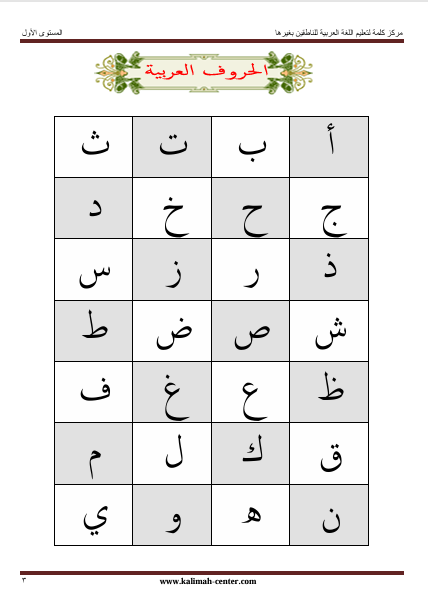
1. Learn the Modern Standard Arabic Alphabet
Start by the Arabic alphabet. It’s the same alphabet whether you’re reading a classic poem, chatting with your friends, or watching the news.
There are 28 letters, and each one can change its shape depending on where it is in a word – at the beginning, middle, or end. It’s like each letter has a few different outfits it can wear!
For example, the letter ميم (Meem) has three different shapes depending on its position in a word:
- مـ (Meem at the beginning of a word) — e.g., مدرسة (Madrasa) = School
- ـمـ (Meem in the middle of a word) — e.g., أمل (Amal) = Hope
- ـم (Meem at the end of a word) — e.g., قلم (Qalam) = Pen
Don’t worry, you don’t have to learn all these outfits at once. Ustadh Hamada, one of Kalimah’s experienced teachers who has over 10 years of experience teaching Arabic to non-native speakers, says it’s better to take it slow. Learn how each letter looks on its own first, then see how it changes when it’s with its letter friends in a word.
*From Kalimah’s curriculum for online Arabic Course.
Now, here’s a secret that many new learners miss: To really get the Arabic alphabet, you need to learn about tashkeel and mudood.
These are like little signs and special letters that tell you how to pronounce the words correctly. Tashkeel are tiny marks that show short vowel sounds, and mudood are letters that make long vowel sounds. Think of them as the music notes of Arabic!
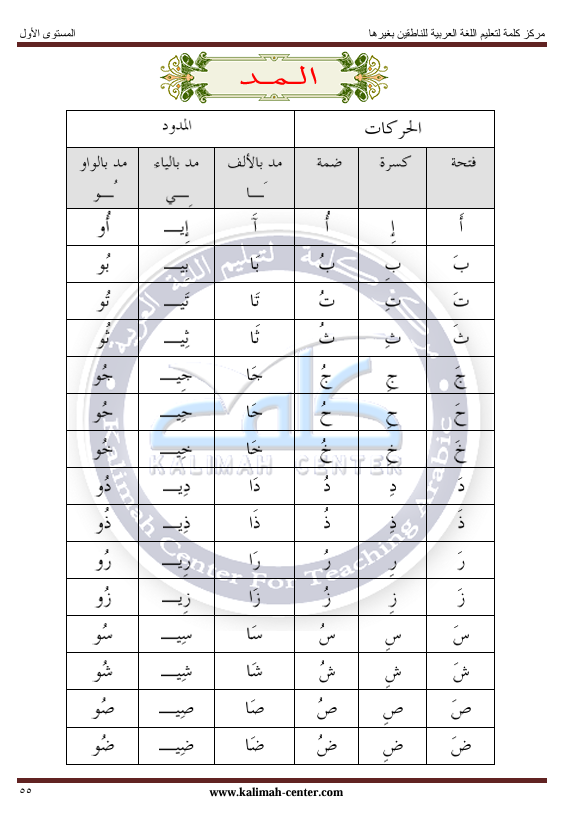
*From Kalimah’s curriculum for online Arabic Course.
How long does the alphabet take? Most adult beginners can recognize and sound out all 28 Arabic letters within 2–4 weeks of daily practice (20 minutes/day). Writing them fluently takes an additional 2–4 weeks. The good news: once you know the alphabet, you can read any Arabic word aloud — even without knowing its meaning.
Mastering these foundational elements – letters, tashkeel, and mudood – lays the groundwork for successful modern standard Arabic language learning.
Check out Kalimah Center’s “Learn The Whole Arabic Alphabet Online With Illustration” course to kickstart your journey!

2. Understand Modern Standard Arabic Grammar
Modern Standard Arabic grammar is like learning the rules of a game. Focus on the basics first, like understanding sentence structures, verb conjugations, and noun-adjective agreements.
For example, Arabic usually places the verb before the subject: “يقرأ أحمد الكتاب” (Yaqra Ahmed al-kitaab) — “Ahmed reads the book.”
And the following image from the curriculum of our Arabic course illustrates how the verb “يشرب” takes different forms depending on the subject: “أشرب” (I drink), “تشرب” (you drink – masculine), “تشربين” (you drink – feminine), etc. This showcases the rich conjugation system of Arabic verbs.
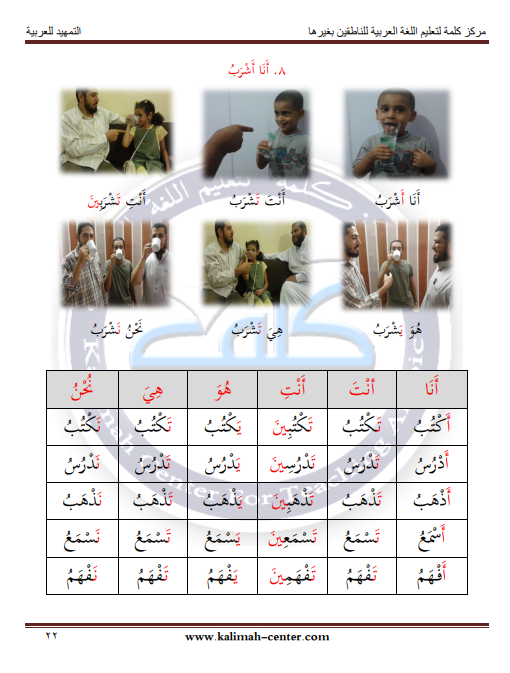
* From Al-Tamheed book.
MSA Arabic Sentence Structure: How It Works
One of the most important differences between Arabic and English is word order. Understanding this early saves significant confusion.
The two main sentence types in MSA:
1. Verbal Sentence (الجملة الفعلية — Al-Jumla Al-Fi’liyya)
Begins with a verb. This is the classical and most common structure in formal MSA.
- Structure: Verb + Subject + Object
- Example: يقرأ الطالبُ الكتابَ (Yaqra’ al-talibu al-kitaba) = “The student reads the book”
2. Nominal Sentence (الجملة الاسمية — Al-Jumla Al-Ismiyya)
Begins with a noun or pronoun. Common in modern writing and media.
- Structure: Subject + Predicate
- Example: الطالبُ مجتهدٌ (Al-talibu mujtahidun) = “The student is diligent”
Key structural rules to remember:
| Rule | Arabic | English Equivalent |
|---|---|---|
| Adjectives follow nouns | كتابٌ كبيرٌ (kitabun kabirun) | A big book |
| Verb agrees with subject gender | هي تكتبُ / هو يكتبُ | She writes / He writes |
| No verb “to be” in present tense | الجوُّ جميلٌ | The weather is beautiful |
| Dual has its own form | طالبان (talibani) | Two students |
Understanding these patterns early makes both reading and speaking MSA significantly easier.
3. Build Your Arabic Vocabulary by Topic
Start by learning words and phrases that are useful in everyday life. Focus on topics such as home, work, shopping, and hobbies. Use flashcards, learn by topic, and practice speaking with friends or teachers to build a robust vocabulary.
When you learn vocabulary by the topic, the words will stick in your mind like a family – all related to each other.
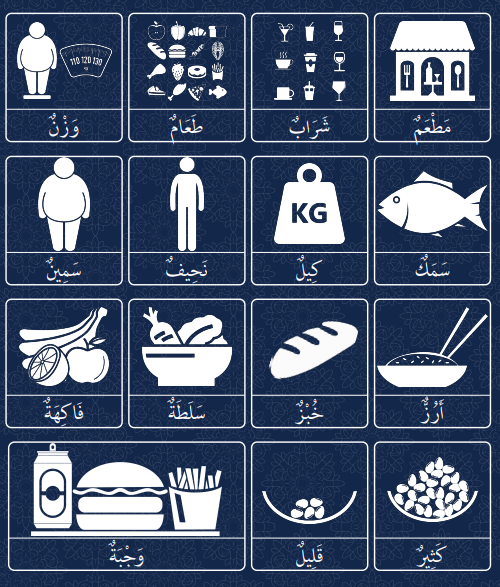
In the following image, taken from our curriculum of level A2.1, for example, we have grouped words related to one topic, “food and drink,” and of course it is followed by exercises
What vocabulary should you learn first? Our research shows that knowing the 300 most frequent MSA words gives you access to approximately 65% of everyday Arabic text. We’ve compiled the 50 most essential words for beginners in the section below.
4. Practice Listening and Speaking Skills
Immerse yourself in Modern Standard Arabic by listening to podcasts, news broadcasts, and educational videos in MSA. Look for content that specifically focuses on formal Arabic usage.
Practice Arabic speaking with native speakers or language partners who are proficient in MSA.
Engaging in online group classes, like those at Kalimah Center, can also boost your speaking and listening skills in a supportive environment, focusing on Modern Standard Arabic communication.
Kalimah Group Classes are perfect if you want to improve quickly and save money, they are 4 times cheaper than the one-on-one sessions.

5. Read and Write Regularly
Reinforce your Modern Standard Arabic skills through reading and writing. Start with simple texts like children’s books, short stories, and news articles.
Progress to novels, academic articles, and poetry as your confidence grows.
Practice writing through short paragraphs, journal entries, and formal letters.
6. Understand the Culture Behind the MSA
Learning MSA is about understanding the culture behind the language. Immerse yourself in the Arab world:
- Watch films and series in MSA.
- Learn about Arab customs and traditions.
- Explore Arabic literature and poetry.
- Admire Arabic calligraphy.
Specific cultural resources for MSA learners:
| Resource | What to Watch/Read | MSA Level |
|---|---|---|
| Al Jazeera Arabic | News broadcasts | Intermediate–Advanced |
| BBC Arabic | News and documentaries | Intermediate |
| Pixar/Disney Arabic dubs | Familiar stories in MSA | Beginner–Elementary |
| Arabic poetry (contemporary) | Nizar Qabbani, Mahmoud Darwish | Advanced |
| Arabic Wikipedia | Any article you’re curious about | Intermediate+ |
Modern Standard Arabic Learning Roadmap: Month by Month
| Phase | Timeline | Focus Areas | Milestone |
|---|---|---|---|
| Foundation | Months 1–2 | Arabic alphabet, tashkeel, basic pronunciation | Read any Arabic word aloud |
| Core Building | Months 3–4 | 200 vocabulary words, basic sentence structure, verb conjugation | Form simple sentences |
| Reading Practice | Months 5–6 | Short texts, children’s books, news headlines | Read a paragraph independently |
| Listening & Speaking | Months 7–9 | Podcasts, dialogues, speaking practice with native speakers | Hold a basic conversation |
| Intermediate Fluency | Months 10–12 | Newspapers, formal writing, grammar refinement | Read a news article with comprehension |
| Advanced | Year 2+ | Literature, academic texts, professional communication | Full professional proficiency |
How to use this roadmap: Treat each phase as a minimum, not a ceiling. Some learners move through Months 1–2 in 6 weeks; others take 3 months. The milestone column tells you when you’re genuinely ready to move forward — not just when the calendar says so. If you cannot yet achieve the milestone, stay in that phase longer before advancing.
Best Online Resources and Courses to Learn MSA Arabic
For beginners, structured online courses offer the most reliable path to MSA proficiency. Apps like Duolingo can supplement your learning with vocabulary practice, but they lack the grammar depth and speaking practice that MSA requires. Look for programs that offer live instruction, curriculum progression, and native speaker feedback — these are the elements that produce real fluency, not just vocabulary familiarity.
When evaluating an online MSA course, prioritize:
- Structured curriculum (alphabet → grammar → reading → speaking progression)
- Live instruction with native Arabic teachers
- Speaking and writing practice, not just passive exercises
- Cultural context integrated into lessons
- Level-based progression so you always know where you are
MSA Learning Resources by Level
| Level | Best Resources | What to Focus On |
|---|---|---|
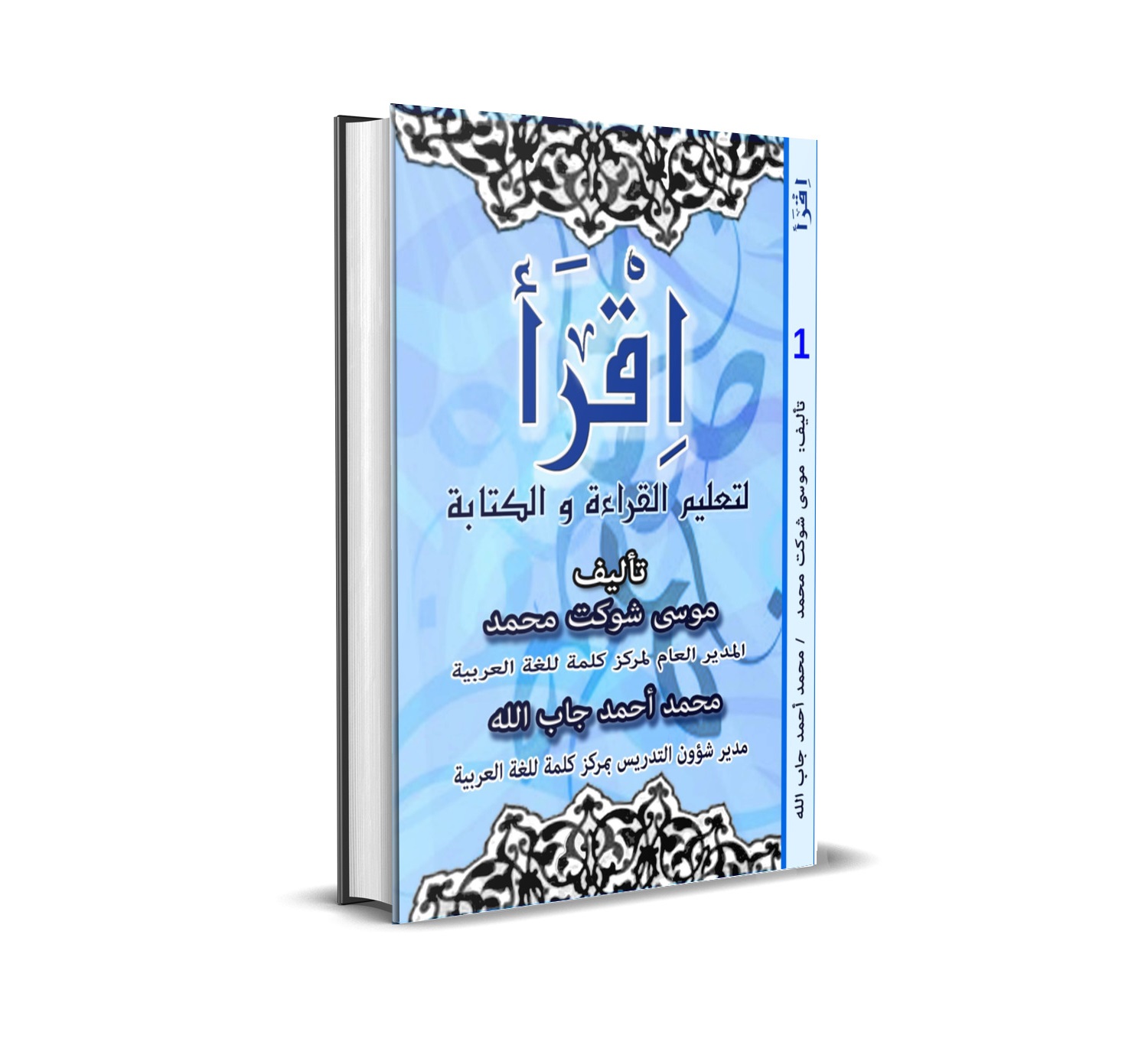
| Absolute Beginner | Kalimah Center alphabet course, Iqraa book, YouTube alphabet channels | Letters, tashkeel, basic pronunciation |
| Beginner (A1–A2) | Al-Tamheed book, Kalimah Center beginners course, Madinah Arabic Book 1 | Core grammar, 200 vocabulary words |
| Elementary (B1) | Al-Arabiyya Bayna Yadayk Vol. 1, Al-Kitaab series | Reading short texts, basic conversation |
| Intermediate (B2) | Al-Arabiyya Bayna Yadayk Vol. 2, BBC Arabic (simple articles) | Grammar depth, formal writing |
| Advanced (C1+) | Al-Jazeera (full broadcasts), Arabic novels, academic texts | Full fluency, academic Arabic |
Free supplementary resources:
- Madinah Arabic Book series — available free online; structured grammar-first approach
- BBC Arabic — listen daily for authentic MSA listening practice at intermediate level
- Al Jazeera Learning Arabic YouTube — official channel with MSA lessons
- Forvo Arabic — native speaker pronunciation of any Arabic word
Experience Kalimah Center Classes
Watch real excerpts from our live sessions at Kalimah Center and see how we bring learning to life. These clips highlight our interactive, student-centered teaching approach across all our courses—designed to keep learners engaged, motivated, and actively involved every step of the way.
Master Arabic with Kalimah Center
Join our expert-led online classes and start your journey toward Arabic fluency today.
Book Your Free TrialHow Hard is Modern Standard Arabic to Learn?
Actually, learning Modern Standard Arabic (MSA) is not hard; it’s just different from English. MSA has a different alphabet, grammar, and sounds from English.
For Example, the modern standard Arabic alphabet has some sounds that are not in English, like “ع” (Ayn) and “غ” (Ghayn).
Anothe point of difference is the grammar. Arabic sentences don’t always follow the same order as English. For example, in Arabic, the verb often comes before the subject. So, instead of saying “The boy eats the apple,” you say “يأكل الولد التفاحة” (Ya’kul al-walad at-tuffaha), which literally means “Eats the boy the apple.”
But here is something only an experienced teacher might tell you: Start by learning the most common phrases you need in daily life, not just from books. For example, if you want to ask someone how they are, you say “كيف حالك؟” (Kayfa haluk?), which means “How are you?” This is more useful in the beginning than long, complicated sentences.
The 3 Biggest Challenges for MSA Learners (And How to Handle Them)
Challenge 1: The Arabic script reads right to left
Solution: This becomes automatic within 2–3 weeks of daily reading practice. Your brain adapts faster than you expect. Practice by reading simple Arabic text every day — even 5 minutes — from day one.
Challenge 2: Arabic letters change shape by position
Solution: Learn letters in context from the start — always practice them inside words, not just in isolation. Seeing مدرسة (madrasa) repeatedly is more effective than memorizing م on its own.
Challenge 3: Short vowels are not written in most Arabic text
Solution: Start with fully vowelled (harakāt) text for the first 2–3 months. Only transition to unvowelled text once you can predict vowels from grammar and root knowledge.
How Long Does It Take to Learn Modern Standard Arabic?
The honest answer depends on your starting point, study hours, and learning method. Here is a realistic framework:
| Proficiency Level | Description | Estimated Study Time |
|---|---|---|
| Beginner (A1–A2) | Read alphabet, basic vocabulary, simple sentences | 3–6 months (1 hr/day) |
| Elementary (B1) | Read short texts, basic conversation, understand news headlines | 6–12 months (1 hr/day) |
| Intermediate (B2) | Read newspapers, hold formal conversations, write emails | 1–2 years (1 hr/day) |
| Advanced (C1–C2) | Full fluency, academic texts, professional communication | 3–5 years total |
The Foreign Service Institute (FSI) classifies Arabic as one of the most challenging languages for English speakers, estimating 2,200 class hours for professional-level proficiency. However, most learners achieve practical MSA reading and communication skills much faster with focused, structured study.
Key factors that accelerate your learning:
- Daily practice (even 20–30 minutes) beats weekly long sessions
- Speaking with native speakers from week one
- Learning vocabulary in context, not isolated word lists
- Immersive listening through Arabic news and podcasts
The Arabic alphabet, which seems intimidating at first, typically takes 2–4 weeks to learn for most adult beginners with daily practice.
What Separates Fast Learners from Slow Learners
In our experience teaching MSA to thousands of non-native students, the single biggest predictor of speed is not intelligence or talent — it’s daily consistency.
| Study Pattern | Typical A1→B1 Timeline |
|---|---|
| 15 min/day, 7 days/week | 8–10 months |
| 30 min/day, 5 days/week | 7–9 months |
| 1 hour/day, 5 days/week | 4–6 months |
| 2 hours/day, 5 days/week | 2–4 months |
| Weekend only (3–4 hrs/weekend) | 18–24 months |
The weekend-only pattern produces the slowest results because language memory requires regular reinforcement. A 15-minute daily session genuinely outperforms a 3-hour Saturday session.
Is it Better to Learn Modern Standard Arabic or Egyptian Arabic?
I am an Egyptian, but the truth is it’s better to learn modern standard Arabic than Egyptian Arabic. Why? Learning MSA first offers several advantage. Let me explain:
1. Wider Reach
MSA is understood across the Arab world, allowing you to communicate with people from various countries. Egyptian Arabic, while widely understood, might not be as easily grasped by someone from, say, Morocco or Lebanon.
2. Foundation for Dialects
Mastering MSA provides a strong foundation for learning any dialect, including Egyptian Arabic. The grammar and vocabulary you learn in MSA will make picking up a dialect much easier.
3. Access to Resources
MSA has a wealth of learning resources, from textbooks to online courses, making it easier to find structured Arabic learning materials. Resources for Egyptian Arabic might be more limited.
4. Formal Communication
If you plan to work or study in the Arab world, MSA is essential for formal communication, writing reports, or giving presentations.
5. Cultural Understanding
MSA provides access to a vast array of literature, poetry, and media, deepening your understanding of Arab culture and history.
MSA Opens More Doors for You. If your goal is to travel, study, work, or do business in the Arab world, MSA is the best choice.
The Honest Decision Framework
| If you want to… | Learn this first |
|---|---|
| Read the Quran in Arabic | MSA (Classical grammar focus) |
| Work in Arabic media or academia | MSA |
| Travel casually to Egypt | Egyptian Arabic |
| Do business across multiple Arab countries | MSA |
| Live in Morocco | Moroccan Darija (but MSA still helps) |
| Understand Arabic from any Arab country | MSA |
| Watch Arabic entertainment broadly | MSA → then Egyptian |
Our recommendation: Unless your goal is exclusively one specific country for casual conversation, MSA first is the smarter investment.
Where to Learn Modern Standard Arabic: Your Options Compared
Traditional places are good, but think outside the box too:
| Learning Option | Best For | Pros | Cons |
|---|---|---|---|
| Online Courses (e.g., Kalimah Center) | Busy adults, structured learners | Flexible schedule, native teachers, curriculum | Requires self-discipline |
| University Programs | Academic learners, formal credentials | Accredited, structured, comprehensive | Expensive, rigid schedule |
| Language Centers | Social learners, local options | In-person interaction, cultural immersion | Limited to your location |
| Language Exchange (Tandem) | Intermediate learners | Free, real conversation practice | No curriculum, inconsistent |
| Apps (Duolingo, Pimsleur) | Vocabulary supplementation only | Free or low-cost, convenient | No grammar depth, no speaking correction |
| Self-Study (Textbooks) | Disciplined independent learners | Low cost, flexible | No feedback, easy to plateau |
Bottom line: For non-native English speakers starting from zero, a structured online course with live native instruction provides the fastest path to MSA reading and conversational ability.
50 Most Common Modern Standard Arabic Words for Beginners
Research in Arabic language acquisition consistently shows that knowing the 300 most frequent MSA words gives you access to approximately 65% of everyday Arabic text. The 50 words below are the foundation of that 300 — master these first.
Greetings & Basics
| Arabic | Transliteration | Meaning |
|---|---|---|
| مرحبا | Marhaban | Hello |
| السلام عليكم | As-salamu alaykum | Peace be upon you |
| شكراً | Shukran | Thank you |
| عفواً | Afwan | You’re welcome |
| نعم | Na’am | Yes |
| لا | La | No |
| من فضلك | Min fadlik | Please |
| آسف / آسفة | Asif / Asifa | Sorry (m/f) |
People & Identity
| Arabic | Transliteration | Meaning |
|---|---|---|
| أنا | Ana | I / Me |
| أنتَ / أنتِ | Anta / Anti | You (m/f) |
| هو / هي | Huwa / Hiya | He / She |
| نحن | Nahnu | We |
| اسمي | Ismi | My name is |
| رجل | Rajul | Man |
| امرأة | Imra’a | Woman |
| طفل | Tifl | Child |
Places & Things
| Arabic | Transliteration | Meaning |
|---|---|---|
| بيت | Bayt | House |
| مدرسة | Madrasa | School |
| مدينة | Madina | City |
| كتاب | Kitab | Book |
| ماء | Ma’ | Water |
| طعام | Ta’am | Food |
| سيارة | Sayyara | Car |
| باب | Bab | Door |
Time & Numbers
| Arabic | Transliteration | Meaning |
|---|---|---|
| اليوم | Al-yawm | Today |
| غداً | Ghadan | Tomorrow |
| الآن | Al-an | Now |
| واحد | Wahid | One |
| اثنان | Ithnan | Two |
| ثلاثة | Thalatha | Three |
Useful Adjectives & Descriptors
| Arabic | Transliteration | Meaning |
|---|---|---|
| كبير | Kabir | Big |
| صغير | Saghir | Small |
| جيد | Jayyid | Good |
| جميل | Jamil | Beautiful |
| سريع | Sari’ | Fast |
| صعب | Sa’b | Difficult |
| سهل | Sahl | Easy |
| جديد | Jadid | New |
Questions & Connectors
| Arabic | Transliteration | Meaning |
|---|---|---|
| ما / ماذا | Ma / Matha | What |
| من | Man | Who |
| أين | Ayna | Where |
| متى | Mata | When |
| كيف | Kayfa | How |
| لماذا | Limatha | Why |
| و | Wa | And |
| لكن | Lakin | But |
| لأن | Li’anna | Because |
Pro tip: Learn these words in sentences, not isolation. Each word above appears in the example sentences throughout this guide.
Common MSA Arabic Phrases Explained
Several Arabic phrases appear frequently in conversations and searches. Here is what they mean and how to use them correctly:
| Arabic Phrase | Transliteration | Meaning | Usage |
|---|---|---|---|
| أنا أعرف | Ana arif | I know | Confirming knowledge or understanding |
| لا أعرف | La arif | I don’t know | Politely admitting you don’t have information |
| أنا مافي معلوم | Ana mafi malum | I have no information / I don’t know | Gulf dialect expression, similar meaning to La arif |
| أنا آسف | Ana asif | I am sorry (masculine) | Apology |
| أنا آسفة | Ana asifa | I am sorry (feminine) | Apology (used by women) |
| لا أفهم | La afham | I don’t understand | When you need clarification |
| من فضلك | Min fadlik | Please | Polite request |
| شكراً | Shukran | Thank you | Gratitude |
| عفواً | Afwan | You’re welcome / Excuse me | Response to thanks or getting attention |
| كيف حالك؟ | Kayfa haluk? | How are you? | Formal greeting |
Important note: “أنا أعرف” (Ana arif) uses the root ع-ر-ف (ayn-ra-fa), meaning “to know through familiarity or recognition.” This is different from “أنا أعلم” (Ana a’lam), which comes from the root ع-ل-م and means “to know through learning or knowledge.” In MSA, both are used but carry slightly different nuances.
Essential Arabic Verbs Every MSA Learner Must Know
Verbs are the words for actions. In Arabic, some verbs are very common. Here are some verbs you will see and use frequently:
- يذهب (Yadhhab): This verb means “to go.” For example, “أنا أذهب إلى العمل” (Ana adhhab ila al-amal) means “I go to work.”
- يشرب (Yashrab): This means “to drink.” You might say “هي تشرب شاي” (Hiya tashrab shay), which means “She drinks tea.”
- يكتب (Yaktub): This verb means “to write.” An example is “أنت تكتب رسالة” (Anta taktub risaala), meaning “You write a letter.”
- يفهم (Yafham): This means “to understand.” You could say “أنا لا أفهم” (Ana la afham), which means “I don’t understand.”
- يعلم (Ya’lam): This verb means “to know.” An example sentence is “هم يعلمون اللغة العربية” (Hum ya’lamoon al-lugha al-arabiyya), meaning “They know the Arabic language.”
- قرأ (Qara’a) – “To read”
- سمع (Sami’a) – “To hear”
- كتب (Kataba) – “To write”
- درس (Darasa) – “To study”
Learning these verbs is very helpful to talk about actions and things you want or need to do.
Quick Conjugation Reference: 5 Most Essential Verbs
Master these 5 verbs in present tense first — they unlock hundreds of sentences:
| Verb | أنا (I) | هو (He) | هي (She) | نحن (We) |
|---|---|---|---|---|
| To go (ذهب) | أذهب | يذهب | تذهب | نذهب |
| To read (قرأ) | أقرأ | يقرأ | تقرأ | نقرأ |
| To write (كتب) | أكتب | يكتب | تكتب | نكتب |
| To study (درس) | أدرس | يدرس | تدرس | ندرس |
| To understand (فهم) | أفهم | يفهم | تفهم | نفهم |
Most Common Arabic Phrases in Modern Standard Arabic
Phrases help a lot when you are learning a new language. Here are some phrases that are often used in MSA:
- مرحبا بكم (Marhaban bikum): This is another way to say “Welcome!” in Arabic.
- كيف حالك؟ (Kayfa haluk?): This phrase means “How are you?” and is commonly used to ask someone about their well-being.
- أين تسكن؟ (Ayna taskun?): This means “Where do you live?” It’s useful when getting to know someone.
- ما هو عملك؟ (Ma huwa amaluk?): This means “What is your job?” A simple phrase when you are meeting new people.
- أنا لا أعرف (Ana la a’arif): This phrase means “I don’t know.” It’s good to use if you are still learning and don’t understand something.
These words and phrases are very basic but important. They will help you start your journey in learning Arabic and talking with others.
How to Say Hello in MSA: Key Greetings
The three most important MSA greetings every learner needs:
| Arabic | Transliteration | Meaning | When to Use |
|---|---|---|---|
| السلام عليكم | As-salamu alaykum | Peace be upon you | Universal — formal and informal |
| مرحبا | Marhaban | Hello | Casual situations |
| أهلاً وسهلاً | Ahlan wa sahlan | Welcome | Welcoming someone |
For a complete guide to Arabic greetings — including dialect variations (Egyptian, Levantine, Gulf, Moroccan), pronunciation guides for each greeting, and how to reply correctly — see: → [How to Say Hi in Arabic: 13 Greetings With Pronunciation Guide]
MSA vs. Other Arabic Forms: Quick Reference for Learners
As you learn MSA, you’ll often wonder how it relates to the other Arabic you encounter. Here is the quick version:
| Form | How It Relates to MSA | Do You Need to Learn It Separately? |
|---|---|---|
| Classical Arabic | Ancestor of MSA; same grammar but older vocabulary and more complex style | Optional — needed only for Quranic/classical text study |
| Fusha | Umbrella term that includes both MSA and Classical Arabic | Not separate — MSA IS a form of Fusha |
| Quranic Arabic | Classical Arabic of the 7th century; shares MSA grammar but distinct vocabulary | Recommended for Muslim learners after MSA foundation |
| Egyptian Arabic | Spoken dialect; not MSA, but widely understood | Learn after MSA if you need Egyptian conversational fluency |
| Levantine Arabic | Spoken dialect of Syria/Lebanon/Jordan/Palestine | Learn after MSA for Levantine regional fluency |
| Gulf Arabic | Spoken dialect of Saudi Arabia, UAE, etc. | Learn after MSA for Gulf regional fluency |
The key insight for learners: MSA is the foundation. Every other Arabic form is either its ancestor (Classical) or its descendant (spoken dialects). Build MSA first, and every other form becomes faster to learn.
For detailed comparisons including specific phonology, morphology, syntax, and vocabulary differences between MSA and each Arabic form, see our complete reference: → [Modern Standard Arabic (MSA): A Full Guide With Free Charts]
Master Arabic with Kalimah Center
Join our expert-led online classes and start your journey toward Arabic fluency today.
Book Your Free TrialInside Kalimah Center: Moments from Our Courses
Get a glimpse into the vibrant learning experience at Kalimah Center. These snapshots capture real moments from our live classes—where students engage deeply, connect with passionate instructors, and grow in a welcoming, supportive environment.
Here Are The Reviews On Our Courses:
Our students frequently commend the excellence of our courses and the commitment shown by our instructors. You can read their complete reviews on Trustpilot.

Ready to Take Your First Step in Learning Modern Standard Arabic (MSA)?
You’ve been learning about MSA, and that’s a wonderful first step! Now, let Kalimah Center be your guide to true fluency.
We’ve been teaching Arabic with passion and expertise since 2011, helping thousands of students just like you discover the beauty and richness of this language.
Our online Arabic course for Adults will equip you with the skills you need to confidently navigate the Arabic-speaking world. We’ll help you:
- Read and understand complex articles, news stories, and even literature.
- Write clearly and effectively, from casual messages to professional emails.
- Listen and comprehend native speakers in conversations, lectures, and media.
- Speak fluently and naturally, expressing your thoughts and ideas with ease.
Join us for a FREE trial class and see how our proven methods and dedicated teachers can make your MSA journey a success.
We also have a modern standard Arabic course for KIDS:
- Special classes for children.
- Learn Arabic the fun way!
📚 Explore Our Courses:
Online Arabic Course: Tailored to your level, our comprehensive Arabic program includes 16 teaching levels and 400+ hours of personalized sessions.
Online Quran With Tajweed Course: Perfect for non-Arabic speakers, our course spans 13 levels and equips you with Tajweed mastery from beginner to advanced.
Online Arabic Course For Kids: Nurture your child’s love for Arabic with our engaging and structured program, available in 24 levels for primary, intermediate, and secondary stages.
🚀 Start Your Free Trial Today! 🚀
Don’t miss out on this life-changing opportunity to deepen your faith and knowledge. Sign up now for your free trial and take the first step towards becoming a better practicing Muslim with Kalimah Center!
Conclusion:
earning Modern Standard Arabic is one of the highest-leverage language investments you can make. One form of Arabic — accessible to 400 million+ educated speakers, the key to the Quran, Arabic media, literature, and academic study, and the foundation that makes every Arabic dialect easier to learn afterward.
The roadmap is clear: alphabet first, then grammar foundations, then vocabulary by topic, then reading and listening practice, then speaking with native speakers. Consistent daily practice — even 20 minutes — beats long, infrequent sessions every time.
Your next step: [Book a free trial class at Kalimah Center] and see where your Arabic journey begins.
FAQs about Learn Modern Standard Arabic
Q1: What does “ana arif” mean in Arabic?
“أنا أعرف” (Ana arif) means “I know” in Arabic. It comes from the verb “عرف” (arafa), meaning “to know” or “to recognize.” The phrase is used in both Modern Standard Arabic and many Arabic dialects. The negative form is “أنا لا أعرف” (Ana la arif) — “I don’t know.”
Q2: Is MSA the same as Fusha Arabic?
“Fusha” is the umbrella term for formal Arabic, which includes both Classical Arabic (Quranic Arabic) and Modern Standard Arabic. MSA is the modern version of Fusha — simplified and adapted for contemporary use in news, books, and formal speech. Classical Arabic is older and more complex, primarily used in religious and historical texts.
Q3: Should I learn Modern Standard Arabic or a dialect first?
For most learners, MSA is the better starting point. It is understood across all 22 Arab-speaking countries, has the most structured learning resources, and provides a strong grammatical foundation for picking up any dialect later. Learn MSA first, then layer in a specific dialect if your goals require regional conversation.
Q4: How long does it take to learn Modern Standard Arabic?
According to the Foreign Service Institute (FSI), Arabic is a Category IV language requiring approximately 2,200 class hours for English speakers to reach professional proficiency. However, for basic conversational MSA and reading ability, most dedicated learners see meaningful results within 6–12 months of consistent daily study (1–2 hours per day).
Q5: What are the best free resources to learn Modern Standard Arabic?
The most effective free MSA resources include: Al-Kitaab Arabic textbook companion materials (used in universities worldwide), Madinah Arabic Book series (available free online), BBC Arabic and Al Jazeera for listening practice, and YouTube channels dedicated to MSA grammar. Structured paid courses like Kalimah Center provide curriculum progression that free resources lack.