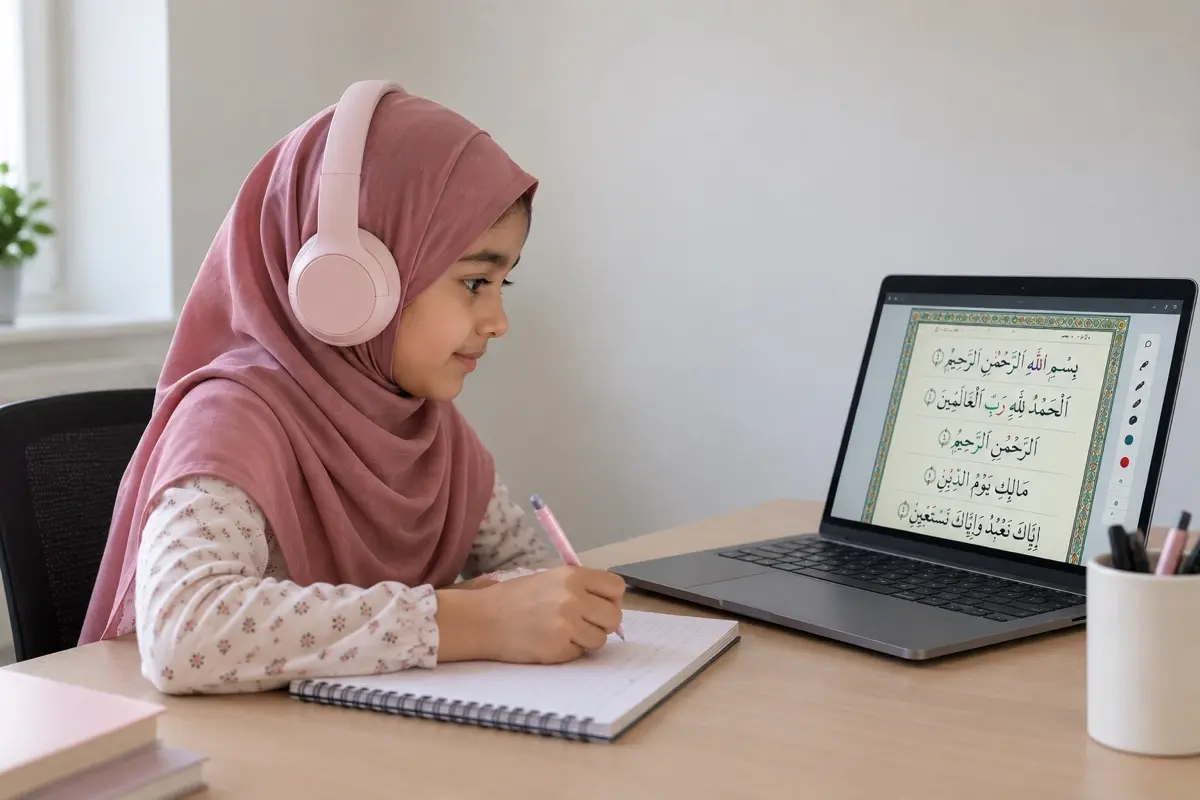
I’m happy you want to learn Quranic Arabic. It’s a special language, not just words but a way to feel closer to Allah (SWT) and the Holy Quran.
Quranic Arabic (also called Classical Arabic or Fusha) is the Arabic of the 7th century Quran — distinct from Modern Standard Arabic (MSA) in its vocabulary, rhetorical structures, and case-ending system (I’rab). To learn Quranic Arabic, you need three elements: the Arabic alphabet and Tajweed for correct recitation, Quranic vocabulary (500 high-frequency words cover ~80% of the Quran), and Arabic grammar (Nahw for syntax, Sarf for morphology).
Most learners achieve basic Quranic comprehension in 12–18 months with 5 hours of weekly study. The best approach combines a structured online course with a native instructor and daily vocabulary practice through spaced repetition apps.
Key Reference Table:
| Aspect | Details |
|---|---|
| What it is | Classical Arabic — the preserved Arabic of the 7th century Quran |
| Also called | Fusha (الفصحى), Classical Arabic, Literary Arabic |
| Grammar overlap with MSA | ~75–80% shared grammatical structure |
| Key distinction from MSA | Full I’rab (case endings), richer/archaic vocabulary, poetic rhetorical structures |
| Words in Quran | ~77,000 total; ~14,870 unique; 500 most frequent = ~80% of text |
| Three learning pillars | Alphabet + Tajweed / Vocabulary (high-frequency) / Grammar (Nahw + Sarf) |
| Time to basic comprehension | 12–18 months (5 hrs/week with instructor) |
| Time to functional comprehension | 2–3 years |
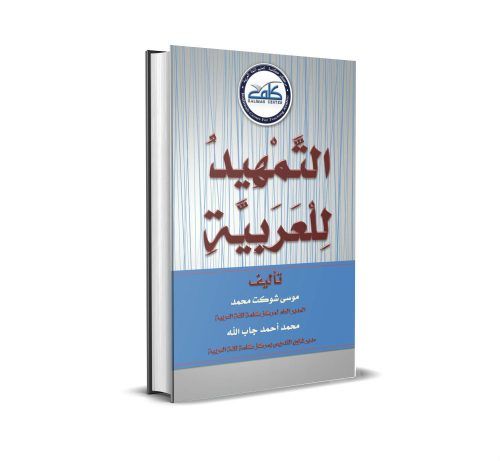
| Best resources | Live instructor + Madinah Arabic / Iqraa + Quranic Arabic Corpus + 80% Quran Words app |
This guide covers everything a non-native speaker needs to learn it: what makes Quranic Arabic distinct from Modern Arabic, the proven curriculum path (alphabet → vocabulary → grammar → reading with meaning), the best courses compared with pricing, and realistic timelines for every level of learner.
What is Quranic (Classical) Arabic?
Quranic Arabic (often referred to as Classical Arabic) is the purest form of the language as used in the 7th Century. Unlike modern dialects, it remains unchanged, preserving the exact linguistic structure in which the Quran was revealed.
It is a Semitic language based on a logical root system, where a three-letter root (like k-t-b) can generate dozens of words related to writing. Mastering this form allows you to access Islamic theology, Hadith, and classical poetry without reliance on translations.
How to Learn Quranic Arabic: A Quick Guide
To learn Quranic Arabic effectively, start by mastering the Arabic Alphabet and correct pronunciation (Tajweed). Next, focus on High-Frequency Vocabulary, as 80% of the Quran consists of repeated words.
Simultaneously, study Nahw (Syntax) and Sarf (Morphology) to understand sentence structure. Finally, use an interlinear Quran translation and commit to a structured curriculum to bridge the gap between reading and comprehension.
Why Non-Native Speakers Learn Quranic Arabic: Benefits and Goals
For many Muslims, learning Quranic Arabic online is a deeply personal journey. It opens up a world of understanding and connection to the Quran.
Beyond its religious significance for Muslims, studying Quranic Arabic opens a window into:
- The original message: Engage with the Quran’s verses in their purest form, unlocking deeper understanding and appreciation.
- Literary heritage: Explore a cornerstone of Arabic literature and its profound impact on the world.
- Cultural connection: Connect with the rich cultural traditions and historical context of the Islamic world.
What is the Quranic Arabic Alphabet?
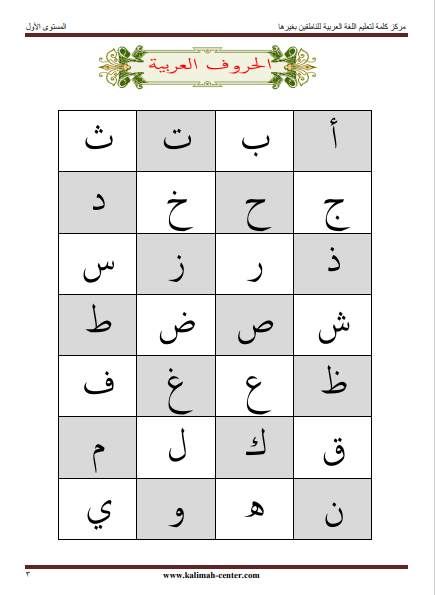
The Quranic Arabic alphabet is the same as the Modern Standard Arabic alphabet, but with an emphasis on proper pronunciation and articulation. Each letter has its unique place of articulation, which is crucial for correct recitation.
For instance, the letter خ (khaa) is pronounced from the throat, while ص (Saad) is a heavy or emphatic S sound. Mastering these letters is the foundation of reading and understanding Quranic Arabic.
6 Steps to Build Quranic Arabic Vocabulary and Comprehension
Understanding Quranic Arabic involves more than just knowing the alphabet. Here are some steps to help you along the way:
- Learn Basic Vocabulary: Start with commonly used words in the Quran. For example, سَمَاء (samaa’) means “sky” and أَرْض (ard) means “earth.”
- Study Grammar: Understanding the structure of sentences is crucial. For instance, knowing that المؤمنون (al-mu’minoon) means “the believers” and how it changes form based on context.
- Practice Recitation: Regularly reciting the Quran helps reinforce your learning and improves your pronunciation and fluency.
- Use Tafsir: Tafsir (interpretations) helps you understand the deeper meanings of the verses.
- Contextual Learning: Study the historical and cultural context of Quranic verses. This provides deeper insights into their meanings and applications.
- Regular Recitation and Listening: Recite and listen to the Quran regularly. This helps in familiarizing yourself with the pronunciation, rhythm, and nuances of Quranic Arabic.
How to Learn Quranic Arabic Online?
Online courses offer structured learning with expert teachers. Immerse yourself in the language through interactive lessons, practice with native speakers, and connect with a vibrant online community.
Understanding “Word-for-Word” Analysis
When choosing an online method, look for courses that offer “Word-for-Word” analysis. This method breaks down each Ayah (verse), explaining the grammar and definition of every single word before explaining the sentence as a whole. This is the most effective method for English speakers to bridge the gap between reading script and understanding meaning.
Best Online Quranic Arabic Classes and Courses
These courses cater to different learning styles and paces, providing flexibility for learners worldwide. Here are some recommended online resources:
| Course | Format | Curriculum Focus | Cost | Level | Best For |
|---|---|---|---|---|---|
| Kalimah Center | Live 1-on-1 (Zoom) | Classical Arabic: alphabet → Nahw → Sarf → Quranic texts. 16 levels, 400+ hours | $42–$170/month | Beginner–Advanced | Personalized structured learning with native instructor; fastest progress path |
| Bayyinah TV | Self-paced video | Quranic grammar (Nouman Ali Khan’s Dream Program); verse-by-verse analysis | $11–$22/month | Beginner–Intermediate | Self-motivated learners; excellent grammar explanations in English |
| Understand Quran Academy | Self-paced + optional live | Short daily lessons directly connecting grammar to Quran; 50% vocabulary method | $10–$15/month | Beginner | Busy learners wanting brief daily Quran-focused sessions |
| Madinah Arabic (free) | Self-paced textbook | Classical Arabic grammar in 3 books; used at Islamic University of Madinah | Free | Beginner–Intermediate | Budget learners; solid grammar foundation without cost |
| Qasid Online | Live group classes | MSA + Classical Arabic; semester-based academic program | $500–$1,500/semester | Beginner–Advanced | Academic learning environment; university-style curriculum |
| LQToronto (YouTube) | Free video | Comprehensive Arabic grammar for Quran; systematic approach | Free | Beginner–Advanced | Supplement to any course; free grammar explanations |
| Quranic Arabic Corpus | Website (reference) | Word-by-word Quran grammar breakdown for every verse | Free | All levels | Reference tool; not a course — use alongside a course |
| 80% Quran Words (app) | Self-paced app | The 300 most frequent Quranic words | Free | Beginner | Vocabulary supplement — use alongside any course |
Which should you choose?
| Your Situation | Recommended | Why |
|---|---|---|
| Complete beginner, want fastest progress | Kalimah Center (1-on-1) + 80% Quran Words app | Live instruction + daily vocabulary = best timeline |
| Self-motivated, limited budget | Madinah Arabic (free) + Bayyinah TV ($11/mo) + 80% Quran Words (free) | Comprehensive coverage under $15/month |
| Want engaging video explanations | Bayyinah TV Dream Program | Nouman Ali Khan’s approach is uniquely accessible for English speakers |
| Academic environment | Qasid Online | University-style structure with cohort and semester format |
| Just want Quranic vocabulary, not full grammar | 80% Quran Words + Understand Quran | Most efficient path to partial comprehension |
Read also: How to move to Saudi Arabia
Curriculum Essentials: Nahw, Sarf, and Vocabulary
A well-structured Quranic Arabic curriculum should cover several key areas:
1. Arabic Alphabet and Pronunciation (أبجدية العربية و النطق):
The building blocks of any language. Master the letters, sounds, and correct pronunciation.
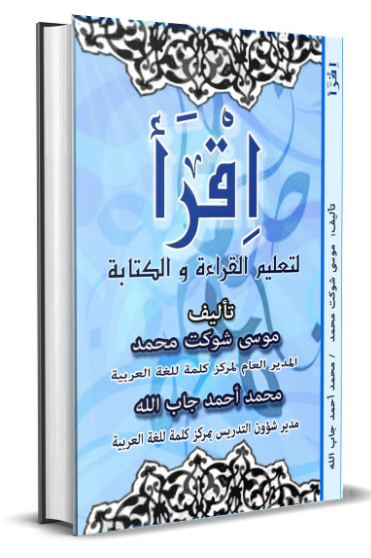
Consider enrolling in Kalimah’s online course “Learn The Whole Arabic Alphabet Online With Illustration.“ This course is designed specifically for beginners and provides a comprehensive introduction to the Arabic alphabet and its sounds. It is presented in two levels, making it easy for learners to progress at their own pace.
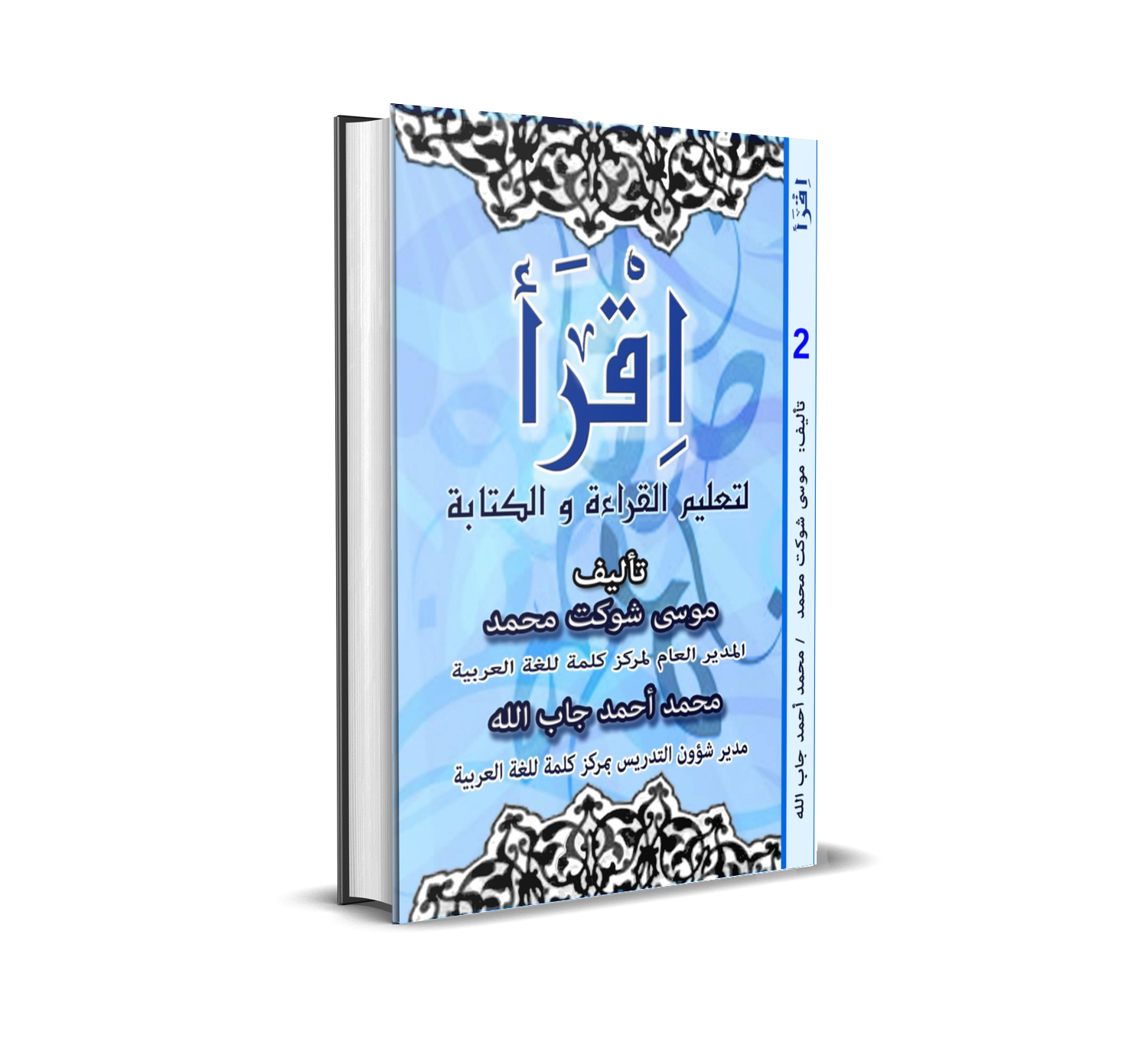
With Kalimah’s course, you’ll efficiently learn to read and write in Arabic, building a strong foundation for your language journey. It’s a great first step to mastering Arabic and is based on the book “Iqraa,” a unique publication from Kalimah Center.
2. Core Vocabulary (المفردات الأساسية):
Focus on the most frequent words in the Quran. This will give you a strong foundation for understanding verses quickly.
3. Grammar (Nahw) and Morphology (Sarf):
A strong curriculum divides grammar into two pillars: Sarf (Morphology), which teaches you how words are built and how verbs conjugate, and Nahw (Syntax), which teaches how words fit together in a sentence. You will also learn about I’rab (Case Endings), which is crucial in Quranic Arabic as a slight change in a vowel sound at the end of a word can completely change the meaning of a verse from “Allah helped the man” to “The man helped Allah” (Astaghfirullah).
4. Quranic Vocabulary (المفردات القرآنية):
Expand your vocabulary to include words specific to the Quran. These may be less common in everyday Arabic but are crucial forunderstanding the nuances of the Divine text.
Read Also about: Noorani Qaida Course
What to Look for in a Quranic Arabic Course: 5 Essential Criteria
Choosing the right course is crucial for your success. Consider these factors:
- Qualified Teachers: Look for instructors who are not only knowledgeable in Arabic but also passionate about Islamic teachings.
- Structured Curriculum: A well-organized course will guide you step-by-step, ensuring you build a strong foundation before moving on to more advanced topics.
- Interactive Learning: Seek out courses that offer interactive activities, quizzes, and opportunities to practice with fellow learners.
- Personalized Support: The best courses provide individual attention and feedback to help you overcome challenges and reach your goals.
- Flexibility: Choose a course that fits your schedule and learning style.
Experience Kalimah Center Classes
Watch real excerpts from our live sessions at Kalimah Center and see how we bring learning to life. These clips highlight our interactive, student-centered teaching approach across all our courses—designed to keep learners engaged, motivated, and actively involved every step of the way.
Master Arabic with Kalimah Center
Join our expert-led online classes and start your journey toward Arabic fluency today.
Book Your Free TrialRead also: Learn Arabic in Malaysia: Universities, Costs & Full Guide
How to Learn Quranic Arabic by Yourself: Self-Study Resources and Methods
Self-study is viable for Quranic Arabic — but it requires more structure than most learners initially apply. Here’s what works:
Phase 1 — Alphabet and Reading (Months 1–2):
- Use Noorani Qaida or Iqraa Book to learn letter forms and pronunciation
- Practice 20–30 minutes daily writing letters — physical writing beats typing for retention
- YouTube: “Arabic Alphabet” by ArabicPod101 or search “Noorani Qaida lessons”
Phase 2 — Vocabulary (Months 2–6, parallel with grammar):
- Download the 80% Quran Words app (free) — teaches the 300 most frequent Quranic words
- Create Anki flashcard decks (download pre-made “Quran vocabulary” decks — don’t build from scratch)
- Dedicate 15 minutes daily to vocabulary — spaced repetition works best with daily sessions
- Study words by root, not alphabetically: learning ر-ح-م gives you Rahman, Rahim, and Rahma simultaneously
Phase 3 — Grammar (Months 3–9, parallel with vocabulary):
- Madinah Arabic Books 1–3 (free PDF online) — the most widely used self-study path for Quranic grammar
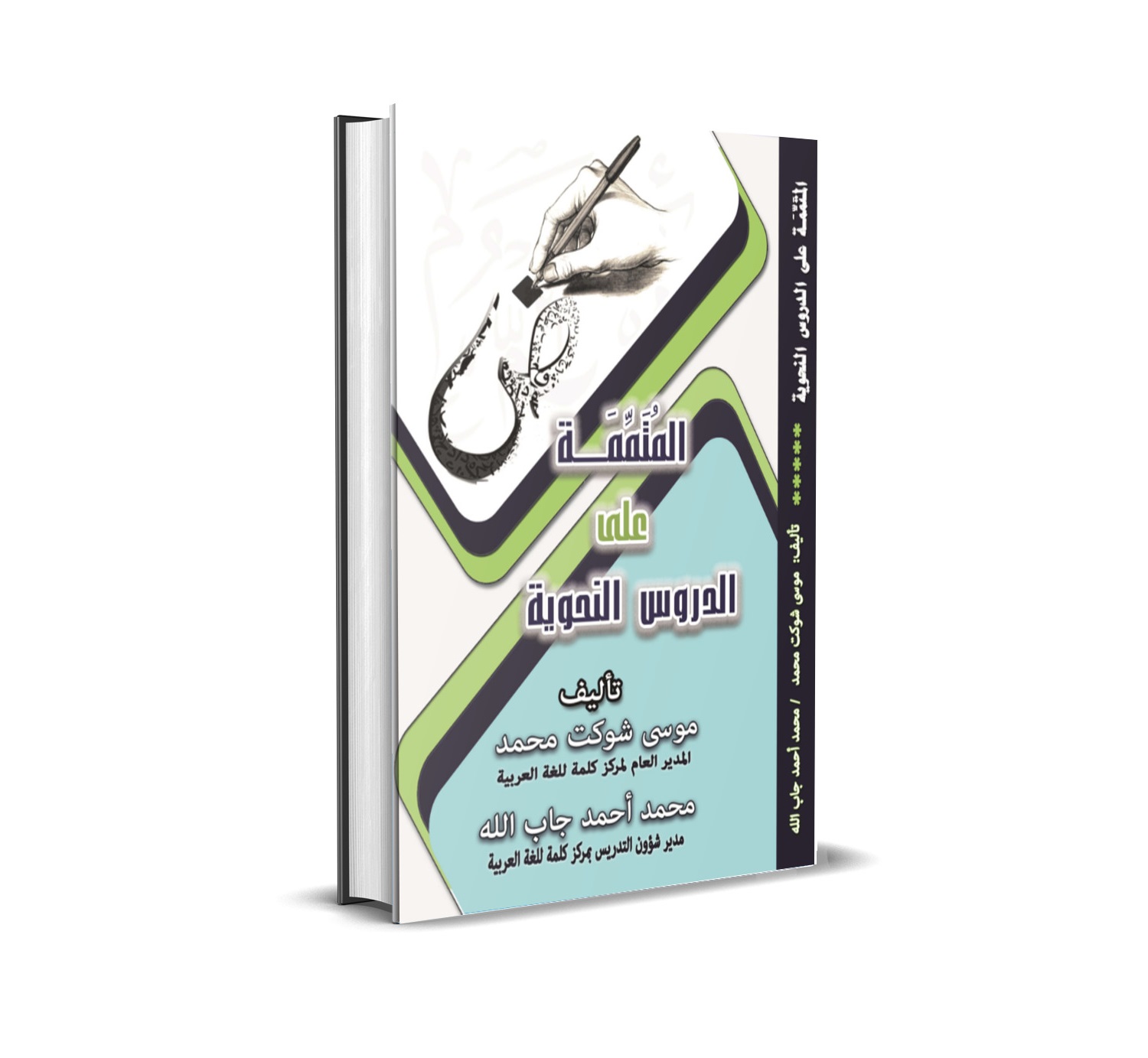
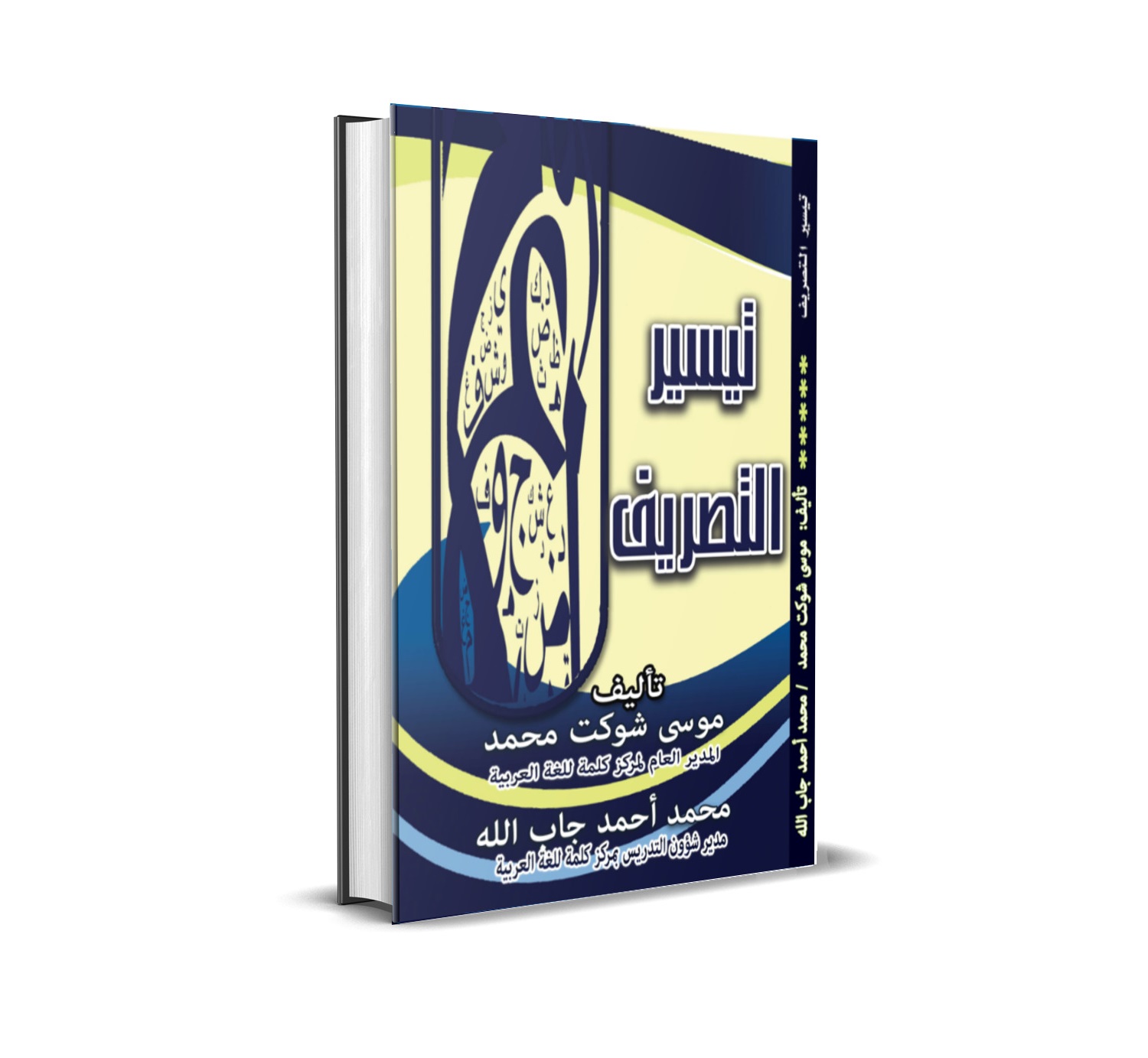
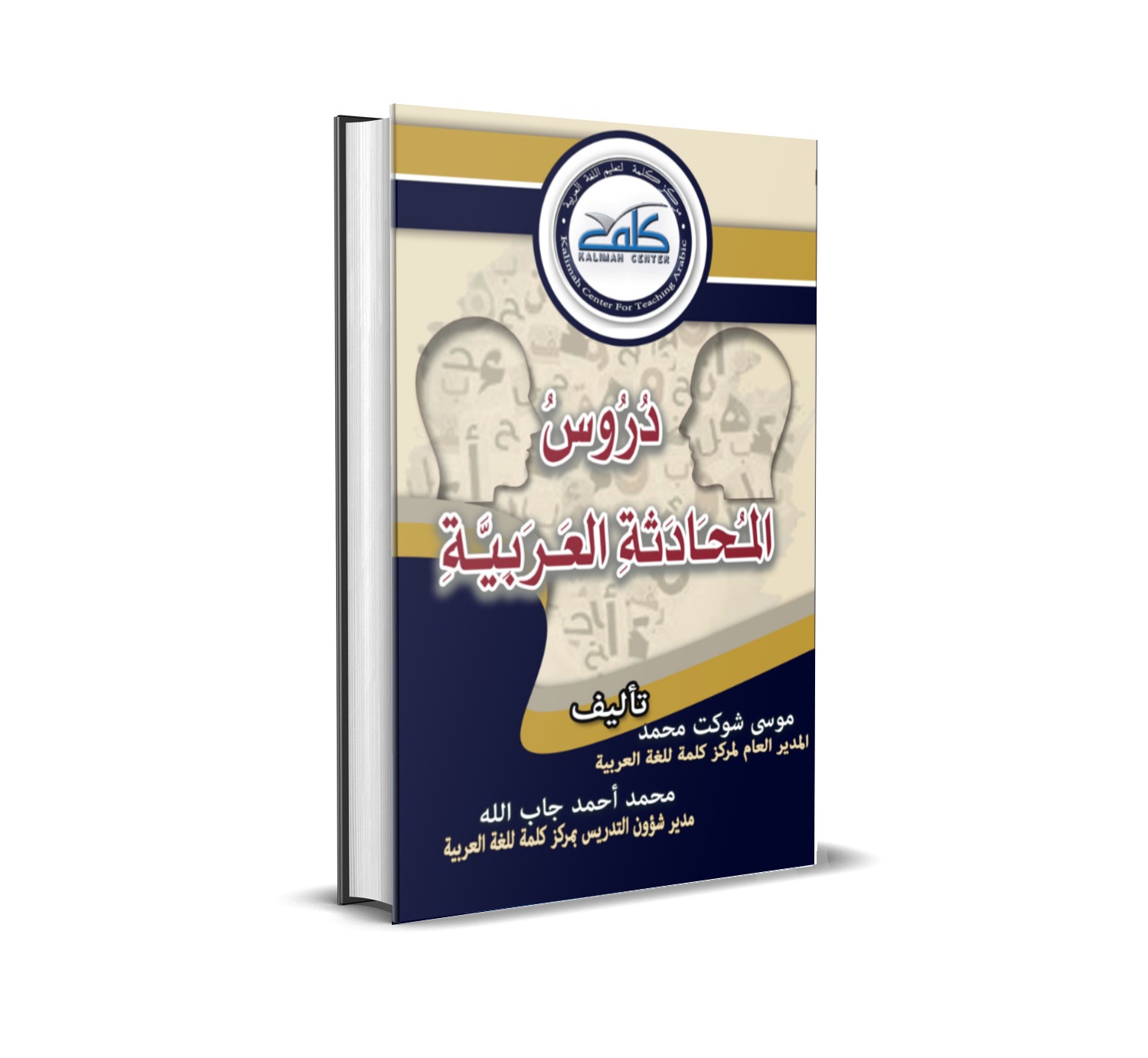
- Al-Arabiyya Bayna Yadayk — used in Kalimah Center; available in Kalimah’s bookshop
- YouTube: Lqtoronto (comprehensive grammar), Bayyinah (Dream Program excerpts)
- Work through grammar exercises — reading explanations without doing exercises doesn’t build competency
Phase 4 — Reading the Quran with Meaning:
- Use the Quranic Arabic Corpus (free website) for word-by-word grammar breakdown of any verse
- Start with Juz Amma (30th Juz) — shorter surahs with high-frequency vocabulary
- Read a trusted tafsir alongside (Ibn Kathir simplified or Tafsir Al-Sa’di in English)
Critical self-study limitation: Grammar — especially I’rab (case endings) and how they affect meaning — is very difficult to self-correct. A systematic error in how you parse case endings can persist for years without instructor feedback. Even 1 live session per week with a qualified teacher dramatically improves self-study outcomes. The Quranic Arabic Corpus provides some grammar checking, but it cannot replace a teacher who hears you parse sentences aloud.
You can find it in our bookshop.
Utilize The Root System Method
The secret to learning Quranic Arabic fast is understanding the Trilateral Root System. Most Arabic words are derived from a three-letter root. For example, the root R-H-M relates to mercy. From this, you get Rahman (Merciful), Rahim (Compassionate), and Rahma (Mercy). By learning one root, you unlock definitions for ten other words instantly. Use dictionaries like The Hans Wehr Dictionary to explore these roots.
Now, let’s make your home a haven for learning Quranic Arabic. It’s simpler than you might think!
First, find a special spot in your home where you can focus. It could be a cozy corner in your bedroom, a quiet desk, or even a comfy armchair. Make it your own little learning sanctuary.
Next, set up a routine. Schedule some time each day to dive into your Quranic Arabic studies. Even 30 minutes a day can make a big difference over time.
Technology is your friend now. There are so many fantastic online courses and apps that can guide you through your learning journey. And don’t forget about language exchange platforms like Italki, where you can chat with native speakers and practice your conversational skills.
Listen to Quranic recitations. Listen to some recitations. Read translations and commentaries of the Quran to gain a deeper understanding and context.
Read also: Do all Muslims speak Arabic
How Long Does It Take to Learn Quranic Arabic?
The FSI (U.S. Foreign Service Institute) rates Arabic as requiring 2,200 hours for professional proficiency. For Quranic comprehension specifically, the target is more accessible:
| Goal | Study Hours Needed | At 5 hrs/week | At 10 hrs/week |
|---|---|---|---|
| Read Arabic script fluently | 80–120 hours | 4–6 months | 2–3 months |
| Recognize common Quranic vocabulary (50% comprehension) | 150–200 hours | 6–8 months | 3–4 months |
| Basic Quranic comprehension (understand ~60–70% without translation) | 300–400 hours | 12–18 months | 6–9 months |
| Functional comprehension (understand most verses, minor assistance) | 600–800 hours | 2–3 years | 14–18 months |
| Deep comprehension (read tafsir independently, scholarly texts) | 1,200+ hours | 4–5 years | 2–3 years |
Factors that accelerate progress:
Consistency over intensity: 30 minutes daily beats 3 hours weekly for language retention
- Quran memorization: Students who have memorized portions of the Quran have massive passive vocabulary — they reach comprehension 30–40% faster
- Semitic language background: Arabic shares roots with Hebrew and Aramaic — speakers of these languages have an advantage
- Live instruction: Regular sessions with a qualified instructor reduce timeline by 30–40% vs. self-study alone
Read Also: Learn Arabic To Understand Quran
Quranic Arabic vs. Modern Standard Arabic (MSA) vs. Colloquial Arabic
Is Quranic Arabic the Same as Modern Arabic? Not exactly. While they share the same grammatical foundation, Quranic Arabic is a classical form of the language with a distinct vocabulary, style, and purpose. It’s primarily used in the Quran and early Islamic texts, while Modern Standard Arabic (MSA) is used in formal settings like education, media, and official communication.
Colloquial Arabic, the spoken language of everyday life, varies significantly by region and is further removed from Quranic Arabic in terms of grammar, vocabulary, and pronunciation. Understanding Quranic Arabic often requires specific study for speakers of MSA or colloquial Arabic due to its archaic vocabulary and poetic style.
Understanding the relationship between these three forms of Arabic is essential before starting your Quranic Arabic journey. Here’s the definitive breakdown:
| Feature | Quranic Arabic | Modern Standard Arabic (MSA) | Colloquial Arabic (Varies by Region) |
| Time Period | 7th century CE (and earlier influences) | Standardized in the 8th century CE, continues to evolve in modern usage | Evolved alongside MSA, with significant regional and generational variation |
| Grammatical Base | Classical Arabic (shared with MSA) | Classical Arabic (shared with Quranic Arabic) | Simplified grammar compared to Fus-ha (Quranic & MSA) |
| Vocabulary | Rich, poetic, includes words rarely used in modern times | Informal, and conversational, varies significantly depending on region and social context | Extensive use of slang, idioms, and borrowed words from other languages (e.g., French, English) |
| Style | Eloquent, rhythmic, uses literary devices (metaphors, similes, etc.) | Formal, can be complex in literature, more streamlined in journalism and everyday communication | Informal, and conversational, vary significantly depending on region and social context |
| Primary Usage | Challenging for MSA speakers without specific study requires familiarity with style | Formal writing, news, literature, education, official communication, religious discourse | Everyday conversations, informal writing (social media), some regional literature |
| Comprehensibility | Challenging for MSA speakers without specific study requires familiarity with the style | Mostly comprehensible to Quranic Arabic speakers, with some modern vocabulary differences | Can be very difficult for Fus-ha speakers to understand if unfamiliar with the specific dialect |
| Learning Goal | Deep understanding of the Quran, appreciation of Arabic literature, cultural insight | Effective communication in formal settings, access to a wide range of written materials | Fluent interaction with native speakers in specific regions, understanding of cultural nuances |
The practical takeaway: Learning MSA first is the most widely recommended path because resources are more abundant and the grammar is the same. However, if your sole goal is Quran comprehension, starting with Classical Arabic directly (through Madinah Arabic or a Classical Arabic course) eliminates the step of “transitioning” from MSA and is more efficient. Both approaches work — choose based on resource availability and your teacher’s recommendation.
A Note for Beginners:
If you’re just starting to learn Arabic basics, don’t worry too much about the differences between MSA and Quranic Arabic right away. Focus on mastering the fundamentals first, such as the alphabet, pronunciation, basic grammar, and vocabulary.
A great way to do this is by enrolling in a structured course like those offered by Kalimah Center. Kalimah provides comprehensive online courses in Modern Standard Arabic (MSA), Classical Arabic, and Fusha Arabic, ensuring you develop a strong foundation in the language. With expert instructors and engaging lessons, you’ll be well on your way to understanding the nuances of different Arabic styles as you progress.
You’ll naturally pick up on the nuances between MSA and Quranic Arabic as you gain more experience and start exploring texts from different periods. For now, prioritize building a solid base in the language.
Master Arabic with Kalimah Center
Join our expert-led online classes and start your journey toward Arabic fluency today.
Book Your Free TrialInside Kalimah Center: Moments from Our Courses
Get a glimpse into the vibrant learning experience at Kalimah Center. These snapshots capture real moments from our live classes—where students engage deeply, connect with passionate instructors, and grow in a welcoming, supportive environment.
Here Are The Reviews On Our Courses:
Our students frequently commend the excellence of our courses and the commitment shown by our instructors. You can read their complete reviews on Trustpilot.

Learn Quranic Arabic Online With Kalimah
You’ve started your journey into Quranic Arabic, but true understanding requires more than just vocabulary. Let Kalimah Center guide you toward Quranic fluency and spiritual enrichment.
What Will You Learn?
Our Arabic courses at Kalimah Center are your stepping stones to mastering Quranic Arabic.
Arabic Language Courses for Adults: We’ll build a solid foundation in Modern Standard Arabic (MSA) – the modern equivalent of the Quran’s language. We’ll delve into:
- The Arabic Alphabet: Your journey begins here, with mastering the letters and sounds of the language.
- Essential Grammar: Learn the rules that govern how Arabic words work together to create meaning.
- Everyday Conversations: Practice speaking and listening in Arabic about familiar topics like family, work, and daily life.
- Societal Topics: Engage in deeper conversations about the Islamic world, education, culture, and more. You’ll even dive into the intricacies of Arabic grammar! (نحو – naḥw)
But here’s the secret: As you gain fluency in MSA, you’ll naturally unlock the ability to understand a significant portion of the Quran’s vocabulary and structure. It’s like learning the modern version of a classic novel; you’ll recognize the beauty and nuances of the original.
Online Quran & Tajweed Courses: These courses dive deeper into the heart of Quranic Arabic, teaching you:
- Noorani Qaida: This foundational course ensures your pronunciation is flawless, setting the stage for beautiful recitation.
- Tajweed Rules: Master the art of Quranic recitation, learning the precise rules that govern pronunciation, rhythm, and pauses.
- Advanced Tajweed: Explore the intricacies of Quranic recitation by Hafs ‘an ‘Asim, a renowned recitation style.
Special Features of Kalimah’s Arabic Courses
- One-on-One Study Hours: Receive personalized attention and feedback from expert teachers.
- Placement Tests: Start at the right level for your current knowledge.
- Progress Tracking: Monitor your improvement with regular assessments.
- Interactive Lessons: Engage with dynamic materials, presentations, and exercises.
- Supportive Community: Connect with fellow learners on a shared path of discovery.
- Certification: Earn recognition for your achievements.
📚 Explore Our Courses:
Online Arabic Course: Tailored to your level, our comprehensive Arabic program includes 16 teaching levels and 400+ hours of personalized sessions.
Online Quran With Tajweed Course: Perfect for non-Arabic speakers, our course spans 13 levels and equips you with Tajweed mastery from beginner to advanced.
Online Arabic Course For Kids: Nurture your child’s love for Arabic with our engaging and structured program, available in 24 levels for primary, intermediate, and secondary stages.
🚀 Start Your Free Trial Today! 🚀
Don’t miss out on this life-changing opportunity to deepen your faith and knowledge. Sign up now for your free trial and take the first step towards becoming a better practicing Muslim with Kalimah Center!
FAQs about learn Quranic Arabic
Q1: Can I understand the Quran by learning Modern Standard Arabic (MSA)?
A: Yes, but with limitations. Modern Standard Arabic (MSA) and Quranic Arabic share the same alphabet and about 70-80% of their vocabulary roots. However, Quranic Arabic (Classical Arabic) uses specific ancient sentence structures, complex grammar (Nahw), and poetic vocabulary that is no longer common in modern daily speech. Learning MSA is a great foundation, but specialized Quranic study is required for deep comprehension.
Q2: How long does it take an English speaker to learn Quranic Arabic?
A: According to language learning standards, achieving basic comprehension of Quranic Arabic typically takes 300-400 hours of guided study. To reach a level where you can understand the Quran without a translation, an average student requires about 12 to 18 months of consistent study (5-7 hours per week), focusing on grammar (Nahw) and morphology (Sarf).
Q3: What is the 80/20 rule in learning Quranic Arabic?
A: The 80/20 rule suggests that approximately 80% of the Quran is composed of a specific set of repeated vocabulary (about 300-400 words). By prioritizing these high-frequency words—such as pronouns, prepositions, and common verbs—beginners can understand a significant portion of the Quranic text very quickly before tackling complex grammar.
Q4: Do I need to learn Tajweed to understand Quranic Arabic?
A: No, Tajweed (the rules of recitation) and Arabic comprehension are different skills. Tajweed focuses on the correct pronunciation and beauty of recitation, while Quranic Arabic learning focuses on vocabulary, grammar, and meaning. However, learning them together is recommended for a complete spiritual experience.
Q5: What is the best course to learn Quranic Arabic online?
The best course depends on your learning style. For live 1-on-1 instruction with a native Arabic teacher: Kalimah Center ($42–$170/month) provides personalized Classical Arabic instruction across 16 levels. For self-paced video learning: Bayyinah TV ($11–$22/month) offers Nouman Ali Khan’s Quranic grammar explanations. For free self-study: Madinah Arabic Books 1–3 (free PDF) provide the most widely used structured Classical Arabic course. Most serious learners combine a live course (for grammar explanation and speaking correction) with free resources (for daily vocabulary practice).
Q6: What is the difference between Quranic Arabic and Classical Arabic?
They are essentially the same language. “Quranic Arabic” refers specifically to the Arabic of the Quran (7th century CE), while “Classical Arabic” is the broader term covering all formal Arabic from the 6th–12th centuries, including pre-Islamic poetry, Hadith, and scholarly works. The grammar, root system, and core vocabulary are identical. Some scholars distinguish between Quranic vocabulary (which includes terms specific to the Quran’s theological content) and broader Classical Arabic, but for learning purposes, a Classical Arabic program teaches you the tools to read the Quran.
Q7: Is Tajweed necessary to understand the Quran in Arabic?
No — Tajweed and comprehension are separate skills. Tajweed teaches you HOW to recite the Quran correctly (pronunciation rules, elongation, merging). Arabic comprehension teaches you WHAT the words mean (vocabulary and grammar). You can master Tajweed and recite beautifully while understanding zero meaning. Conversely, you can understand Quranic Arabic with imperfect Tajweed. Both are valuable — learning them together is ideal, but if your goal is comprehension, prioritize vocabulary and Nahw (grammar) from the start.
Q8: What is the root system and why does it matter for learning Quranic Arabic?
Arabic’s root system is the single most powerful tool for Quranic vocabulary learning. Most Arabic words derive from 3-letter roots. Learning one root unlocks multiple related words. Example: The root ر-ح-م (r-ḥ-m, related to mercy) gives you: رَحمَة (Rahma — mercy), الرَّحمَن (Al-Rahman — the Most Merciful), الرَّحيم (Al-Rahim — the Especially Merciful), رَحِمَ (rahima — he showed mercy), مَرحَمَة (marhama — compassion). These five words appear hundreds of times throughout the Quran. Learning the root r-ḥ-m once means you recognize all five immediately. This is why Quranic Arabic is learned faster than most languages when approached root-first.
Conclusion:
Quranic Arabic, the language of the Quran, is a preserved form of Arabic also known as Classical Arabic or Fus-ha, meaning “the most eloquent.” It shares grammar and vocabulary with Modern Standard Arabic (MSA) but is distinct in its poetic style and rich vocabulary.
For many Muslims, learning Quranic Arabic offers a deeper connection to the Quran’s original message. This journey involves mastering the alphabet, grammar, and unique expressions through dedicated study and practice, often facilitated by structured courses.